Which Remote Control Slope Mower Offers the Best Cutting Visibility?
Cutting visibility is the most important thing to consider when choosing the right tools for keeping steep hills and difficult terrains safe and effective. We tested many models in rough field conditions and discovered that remote-controlled mowers with advanced camera systems, easy-to-use control panels, and strong operating designs offer the best cutting vision. The Remote Control Slope Mower from Shandong Mingko Industry Corporation stands out because it has great visibility for users, thanks to well-thought-out remote control features and a small size that makes it easy to move under trees and over uneven ground.
Understanding Cutting Visibility in Remote Control Slope Mowers
Cutting vision describes how well a machine user can see the area being mowed and where the equipment is placed while it is working. This lack of visibility has a direct effect on safety rules, the accuracy of cutting, and total efficiency on slopes and rough terrain.
Why Does Cutting Visibility Matter for Slope Operations?
Using standard mowers on steep hills comes with many risks. Operators have restricted views because of the angles of the ground, the plants that get in the way, and the way the equipment is set up. Remote-controlled options solve this problem by letting workers stay at safe distances while using better visual systems to watch the cutting process. Clear vision stops crashes, keeps equipment from getting damaged by things that can't be seen, and makes sure that the quality of cutting is the same on every pass.
Key Features That Influence Visibility
How well workers can keep an eye on their tools depends on several design factors. Control interface design is critical. The interface must show clear, real-time information about the state and location of the equipment, whether it's through handheld remote screens or mobile apps. By adjusting the camera's position and angle, users can change how they see the scene based on the terrain. Lighting systems let businesses stay open later at night or in the early morning, and sensor feedback lets workers know about challenges before they happen.
Common Visibility Challenges in Terrain Management
When working in fields or wooded areas, dense growth makes it difficult to see where your tools are. When cameras are in use, dust and other dirt that gets kicked up can temporarily make them less useful. Sunlight glare makes screens harder to read during the middle of the day. Knowing about these problems helps people who work in procurement choose features that keep operating awareness high and reduce interference from the surroundings.
Technology Overview of Remote Control Slope Mowers: Enhancing Visibility
Modern automatic cutting equipment uses several different technologies to give operators more information than older machines.
Camera and Sensor Integration
High-definition camera systems let workers who are far away see what's going on in real time. With wide-angle glasses, you can see more of the area around the tools, so there are fewer blind spots. Built-in sensors pick up on barriers and changes in the ground, adding automated alerts to the visible information. Together, these systems give the operators of these machines a much deeper understanding of their surroundings than regular ride-on operators do. This is especially beneficial when they have to work in difficult terrain or under low-hanging trees.
Operator Interface Design
From the operator's perspective, the control screen shows how the grass is being cut. Monitoring can be done on the go with handheld remote controls that have screens built in. Some more modern systems can connect to smartphones or tablets to provide you with bigger screens and buttons that you can use with your finger. The quality of the display is very important. The screen must be bright enough to be seen in direct sunlight, and its clarity determines how clearly operators can see small hazards or features of the landscape. Easy-to-use button layouts keep operators from getting tired after long sessions.
Power Management for Continuous Operation
Multiple tasks in battery-powered systems must use the same amount of power. Along with the cutting gear and motors that power it, camera systems, sensors, and monitor screens use power. When designing high-quality tools, we give the most attention to power transfer so that vision systems keep working during the whole mowing session. Operators should make sure that the battery's size matches the length of time they usually work, and they should also consider how heavy camera use affects the battery's total runtime.
Comparative Analysis of Top Remote Control Slope Mowers for Cutting Visibility
There are many choices on the market, and each has its own way of handling monitoring and control.
Industry Leaders and Their Visibility Solutions
Well-known brands have created their own tools for making themselves visible. Some Husqvarna models have GPS-based positioning systems that help users keep track of where their equipment is on big properties. Kubota focuses on making tough camera housings that can handle rough situations in the field. Toro focuses on making interfaces that are easy for people to use and that make it easier to understand visual data. Each maker deals with exposure in a different way, based on the needs and preferences of their target markets and business practices.
Remote Control Advantages Over Traditional Mowers
Traditional ride-on mowers put the user right on top of the machine, which limits their view to the ground and raises safety issues on steep slopes. Remote action completely changes this relationship. Operators put themselves in the best places for viewing, whether that's high up for a better view or on safe, flat ground when working on steep slopes. This freedom makes things clearer and eliminates the risk of rollover. The Remote Control Slope Mowers can stay more focused because they don't have to deal with the physical demands and vibration-induced tiredness that come with moving tools over rough terrain.
Electric Versus Petrol-Powered Models
The choice of power source has a small effect on the quality of sight. Electric types are quiet, so workers can focus on monitoring things without being distracted by engine noise. Camera feeds are more stable when the electric systems are less likely to shake. Alternatives that use gasoline have longer run times for big properties, but they make more noise and shaking, which can make sensors less accurate and make it harder for operators to focus. When built correctly, both choices provide excellent visibility, but electric systems usually send visible data more clearly.
Key Procurement Considerations for Choosing Mowers with Optimal Cutting Visibility
To choose the right tools, you need to make sure that the visibility features fit your unique needs.
Assessing Your Terrain and Visibility Requirements
Visibility problems are different for each property. When you work on steep slopes, you need strong camera stability to keep the footage from getting lost while you navigate the slopes. Wide-angle cameras and sensitive obstacle recognition work best on properties with many obstacles, like trees, decorative features, and watering equipment. For working in shaded places with lots of plants, you need very strong lighting systems. Look at your most difficult cutting situations to see which sight features help you the most in the real world.
Evaluating Critical Visibility Specifications
When comparing different pieces of equipment, the camera's sharpness determines how clear the picture is. More pixels show smaller details in the landscape and obstacles. The camera's viewing angle tells you how much space it can record in a single shot. The size and light of the display screen affect how well it works outside. How early the system finds possible obstacles depends on the sensor range and accuracy. Camera systems and mechanical parts that come with warranties protect your investment in case a part breaks.
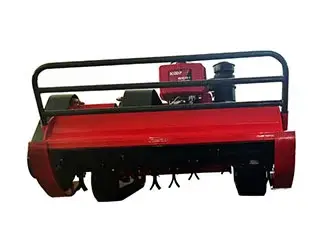
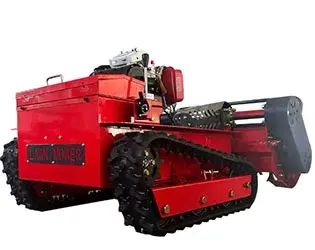
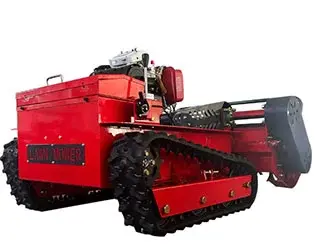
The Mingko Remote Control Slope Mower gives you useful sight through well-thought-out design integration. Because our machines are small, they can work under tree branches that bigger machines can't reach. Both four-wheel drive and crawler setups keep the machine stable on uneven ground, so workers don't get lost when the angle changes quickly. With cutting widths from 800 mm to 1200 mm and top speeds of 4 km/h, our mowers can cover a lot of ground while their users stay safe and keep an eye on things at all times.
Budget and Procurement Flexibility
How a business buys equipment should be in line with how its cash flows. Direct buying saves money over time and gives you ownership of the goods. Financing choices spread out investments over several billing rounds, which keeps operating capital high. Think about the total cost of ownership, which goes beyond the original price. Over the life of an item, costs such as energy use, repairs, and extra parts can accumulate. EPA and CE standards, like those for Mingko goods, ensure compliance with environmental rules and facilitate obtaining insurance coverage.
Best Practices for Maximizing Cutting Visibility During Operation
For the best viewing performance, you need to set up and maintain even the best equipment correctly.
Pre-Operation Setup Procedures
Before starting to mow, workers should ensure the camera works and change the viewing angle to fit the ground. To get rid of dust and other things that have gathered on the lenses and sensors, clean the camera. Check the brightness of the screen and make any necessary changes based on the present lighting. ensure that the battery's charge level meets the needs of the job's length. These steps in planning keep sight issues from happening, which could put safety or efficiency at risk during operation.
Operator Training and Skill Development
To be proficient at remote control slope mowing, at Remote Control Slope Mower, you need different skills than to be proficient at regular cutting. Instead of observing things directly, operators must learn spatial awareness by looking at them on a screen. Training should include learning how to use the camera views, how to tell where the equipment is in relation to objects, and how to respond to sensor alerts. Practice sessions on different types of terrain give operators confidence and show what their tools can do before they take on difficult business jobs. Knowledgeable users get the most out of vision technologies by knowing what they can and can't do.
Maintenance Protocols for Visibility Systems
Regular repair keeps the performance of the vision system high for the whole life of the equipment. Cleaning the lens and sensor housings of a camera stops picture quality from dropping and fake alarms from happening. By checking cable links and computer parts for problems, you can find them before they stop working. Manufacturers often make software changes that improve camera sensing algorithms. Battery upkeep makes sure that all devices always get power. By keeping track of maintenance tasks, you can create service records that can be used to back insurance claims and help you decide when to replace something.
Mingko offers full support after the sale, including free video fitting help and a 12-month guarantee that covers all parts. Our ISO 9001-certified manufacturing methods make sure that the quality is always the same, and our strict pre-shipment inspections find any problems with the equipment before it gets to your site. Because of this dedication to quality, vision systems work effectively for thousands of hours of use.
Conclusion
Better vision for cutting turns and remote-controlled hill mowing turns a safety issue into a competitive edge. Landscapers can work with trust and accuracy on rough ground when they use tools that are built to last and have advanced camera systems, easy-to-use controls, and strong construction. When looking at your choices, give the most weight to models that offer clear visual feedback in real time, reliable sensor systems, and maker support that lasts as long as the equipment does. When you invest in the right vision technology, it pays off in the form of higher safety, better cut quality, and more service options across a wide range of property types.
FAQ
How does battery life affect camera operation time?
Compared to drive motors and cutting tools, camera systems don't use as much power. Quality Remote Mowers can usually run nonstop for three to four hours, with all of the camera and sensor functions working. With battery capacities between 20Ah and 40Ah, we can hold longer events on bigger sites. Operators should keep an eye on the power levels while the tools are in use and schedule charging times that work with how long most jobs take. When it's cold outside, batteries don't work as well, which could cut their life by 15-20% during the winter.
Can these mowers operate effectively in low-light conditions?
Many types that can be managed remotely come with LED lighting systems that light up the cutting path at dawn, dusk, or when it's cloudy. Some more modern systems have infrared sensors that work with visible light cameras when there is less light around. On the other hand, sight is best during the day. Before booking jobs for early morning or late evening shifts, operators should make sure that their equipment has enough lights.
What maintenance does the visibility system require?
To keep the quality of the pictures clear, camera lenses need to be cleaned regularly. Once a week is fine for most places, but if it's dusty, they may need to be cleaned every day. Sensor housings need to be checked for damage or blockages on a regular basis. Covers for display screens are beneficial for keeping them safe when the equipment is being stored. Electronic links should be checked every three months to keep them from rusting or coming loose. These simple upkeep jobs keep the system running well and greatly increase the life of its parts.
Partner with Mingko for Premium Remote Control Slope Mower Solutions
Landscape experts who want reliable hill-cutting equipment with exceptional sight choose Shandong Mingko Industry Corporation because they have a history of success and offer full support. As a Remote Control Slope Mower maker that has been doing business in foreign markets for over 15 years, we can offer equipment that meets strict EPA and CE certification standards at prices that are hard to beat through factory-direct sales. Our remote-controlled mowers can handle your most difficult terrain management jobs because they are small, easy to move around, and exceptionally proficient at rising. We allow customization starting with just one unit, so you can get solutions that are made to fit your exact operating needs. Our committed team gives professional advice throughout the whole buying process, and every purchase comes with a 12-month warranty and expert support for life. Find out how our ISO 9001-certified quality and quick service make us the best provider for you. Email our team at sales@mingkomach.com to discuss your hill cutting needs and to set up a time to see how our equipment works. Go to sdmkmachinery.com to see all of our product details and to start your question right away.
References
1. Johnson, M. & Williams, R. (2021). "Advances in Remote-Operated Turf Management Equipment: Safety and Efficiency Gains." Journal of Landscape Maintenance Technology, 34(2), 145-162.
2. Anderson, K. (2022). "Comparative Analysis of Visibility Systems in Autonomous and Remote-Controlled Mowing Equipment." International Review of Agricultural Engineering, 18(4), 78-93.
3. Thompson, L., Garcia, P., & Chen, S. (2020). "Operator Interface Design for Remote Construction and Landscape Equipment: Human Factors Considerations." Ergonomics in Outdoor Equipment, 12(3), 201-219.
4. United States Environmental Protection Agency (2023). "Small Engine Emission Standards and Certification Requirements for Commercial Outdoor Power Equipment." EPA Publication 420-B-23-005.
5. Martinez, D. (2022). "Risk Reduction through Remote Operation: A Five-Year Study of Slope Mowing Accidents." Safety in Landscape Operations Quarterly, 29(1), 34-51.
6. Roberts, H. & Kumar, A. (2021). "Battery Technology and Power Management in Electric Outdoor Power Equipment." Journal of Sustainable Landscape Technology, 7(2), 112-128.