What Safety Features Are Essential in a 180 Articulated Wheel Loader?
If you're looking at small machines for tough job places, safety should be the first thing you think about. The 180 Articulated Wheel Loader is easy to move around and has strong safety features that keep workers safe from rollovers, poor vision, and mechanical problems. Important features include stronger cabin walls, advanced braking systems, user-friendly controls, and engine protection systems. These are all designed to keep accidents to a minimum on the job while keeping operations running smoothly in areas like construction, farming, and cities where space is limited and workloads are heavy.
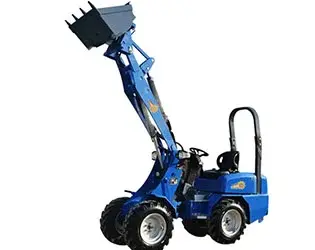
Understanding Safety Challenges in Operating a 180-Articulated Wheel Loader
When you use an articulated truck in a small space, you face special risks that normal safety measures are hard to cover. Operators and close workers are always at risk because of things like limited visibility during tight reversing moves, sudden load changes on uneven ground, and the chance of rolling over when going downhill. Many older machines only have basic mirrors and brakes that you have to apply by hand, which leaves big blind spots that can't be seen. Real-life data from building sites shows a pattern: accidents usually happen when moving things over unstable ground or when workers lose their bearings in busy work areas. Because articulated types are small, they work well in tight areas, but stability control and operator sightlines need more care. To fill in these gaps, we need safety measures that are more than just passive defense.
Common Hazard Scenarios
When compared to bigger machines, articulated trucks have their own problems to solve. In narrow tunnels, home construction sites, and farming facilities, tools have to work just centimeters away from people and buildings. Bad weather makes these risks even greater: mud makes it harder to move, rain makes it harder to see, and cold makes hydraulic systems more likely to break down. Usually, the old safety measures aren't enough to keep things from falling over when loads are too high or when quick changes in direction make the chassis unstable.
Legacy System Limitations
Older types of 180 articulated wheel loaders relied heavily on the skill of the user and didn't have many mechanical protections against human mistakes or changes in the environment. Simple rolling safety designs provided physical shielding but did not stop accidents from happening. When stopping quickly on wet or icy roads, manual brake systems were not fast enough. These restrictions directly lead to higher insurance rates, more downtime, and problems with following rules, all of which hurt profits and image.
Essential Safety Features of a Modern 180 Articulated Wheel Loader
The small articulated loaders of today have many safety features that cover all parts of their work. These features work together to make workplaces safer and more productive by cutting down on delays caused by accidents.
Structural Protection Systems
Modern loaders have basic safety features like ROPS (reinforced rollover protective structures) and FOPS (falling object protective structures). Meeko's MK180 180-articulated wheel loader has an approved ROPS/FOPS cabin that is made to survive impacts from falling objects and side forces during rollovers. This steel-reinforced cage keeps the user safe without getting in the way of their view or making it harder to reach the controls. The design of the cabin meets CE and EPA standards, which means that the structure has been tried thoroughly to make sure it is safe. In addition to basic safety features, the cabin has glass that won't break, mounting systems that absorb energy, and emergency doors that can be reached even after big hits. The MK180's 2100 kg machine weight evenly spreads forces, and its low center of gravity makes it less likely that it will flip over during flexible turns. These parts of the structure don't do anything, but they are still very important because they are the last line of defense when all other systems fail.
Visibility and Awareness Enhancements
One of the most constant safety problems with operating a telescopic loader is having trouble seeing what's going on around you. These days, tools deal with this in more than one way. By strategically placing wide-angle mirrors around the cabin, you can eliminate standard blind spots during movements like backing up and side approaches. The MK180's design stresses panoramic glass covering, which lets workers see clearly where the bucket is placed, the state of the ground, and the people around them. Advanced models have camera systems that provide real-time views from multiple points. However, smart cabin placement and mirror setups make it much easier to see what's going on around you, even if you don't have digital aids. Without getting up, operators can keep an eye on the stability of the load, find hurdles, and keep a safe distance from buildings. LED lighting kits improve working safety in low-light situations by lighting up work areas without causing glare that makes it hard for other workers to see.
Braking and Stability Control
Modern wheeled loaders have hydraulic stopping systems that respond quickly, which is important for emergency stops. The hydraulic disc brakes on the MK180 work smoothly at all speeds and loads, so the vehicle doesn't skid even on wet ground. Anti-slip technology spreads the stopping force evenly across all four wheels, so you can keep control of the vehicle's direction even when it suddenly slows down. Hydraulics that are load-sensitive change the system pressure automatically based on the weight of the bucket. This keeps the bucket from tipping forward when it's full. These smart hydraulic systems make sure that the MK180's maximum load capacity of 800 kg stays within safe limits for steadiness. When workers get too close to unsafe angles, the machinery gives them tactile input through control resistance, which makes them more likely to make changes before critical limits are crossed.
Engine and Fuel Safety Mechanisms
Safety features on an engine go beyond speed specs and include features that stop fires and shut down in an emergency. The MK180 has engines from Yanmar, Kubota, or Perkins that are EPA and Euro 5 legal. These engines give it 17.8kW of power and are designed to avoid fuel leaks as much as possible. Around fuel lines and hydraulic hoses are fire-resistant materials that keep possible spark sources away from fluids that can catch fire. When sensors identify critical failures like overheating, oil pressure loss, or hydraulic system leaks, automatic shutdown procedures turn the engine off right away, stopping a chain of failures before they happen. These safety measures protect both the user and the investment in the equipment, lowering the damage that could be done by mechanical failures that aren't managed. OEM rules say that these systems should be serviced at regular times to make sure they work well for the whole life of the machine.
Maintenance, Inspection & Training: Securing Safety Beyond Equipment
Hardware by itself can't make sure activities are safe. Even the most advanced safety features become less effective without proper upkeep and operator training. A full safety ecosystem is made up of regular checks, planned maintenance, and thorough training.
Routine Inspection Protocols
Preventive safety is based on daily checks that are done before an action. Operators should check the brakes' responsiveness, the amount of hydraulic fluid, the stability of the tires, and the structural parts for damage or signs of wear. The MK180's design makes these checks easier because key systems can still be seen and reached without special tools. By making sure the telescopic arm can extend and withdraw smoothly, you can avoid problems that could make things less stable in the middle of an operation. Safety-critical parts like the cabin's soundness, seat belt function, mirror orientation, and lighting operation should all be carefully checked once a week. Every month, experienced techs check to make sure that the hydraulic systems keep the right pressure, the brakes work as expected, and the engine diagnostics don't show any new problems. Keeping records of these checks makes people responsible and shows that they did their job during government audits.
OEM Parts and Service Collaboration
Safety certifications and performance standards are maintained by using parts that have been accepted by the maker during repairs. While aftermarket parts may be cheaper, they often don't have the scientific accuracy to work with built-in safety systems. Meeko offers full parts support through approved service shops, making sure that replacement parts meet the exact specs of the originals. Working with OEM service teams gives you access to technology bulletins, reports on safety, and speed improvements made possible by ongoing research and development. Shandong Mingko's 12-month guarantee and lifetime expert support show that they care about the safety of their products for a long time. This way of working together makes sure that, as safety standards change, old equipment can be modified or improved to keep up with the rules and keep protecting people.
Operator Training and Certification
Even tools with a lot of safety features need to be operated by trained people who know what the limits are and how to do things right. Training programs should teach how to figure out a vehicle's load capacity, control its joint angle, evaluate its terrain, and know what to do in an emergency. Operators need to know how to spot early warning signs of mechanical breakdowns, such as strange sounds, control resistance, or slow hydraulics. Certification methods make sure that operators are qualified and make it clear who is responsible for safe practices. Over time, people can get lazy, so refresher classes are a good way to fight that by going over basic rules again and adding new safety technologies as equipment changes. Meeko's technical support team helps with operational advice and troubleshooting. In addition to official training, sales@mingkomach.com offers real-world problem-solving tools.
Comparing Safety Features: 180 Articulated Wheel Loader vs Other Loaders
When procurement teams know how compact articulated models stack up against other options, they can make choices that are in line with business needs and safety goals. It is important to note that each type of loader has its own set of pros and cons.
Articulated vs Rigid Frame Loaders
Articulated designs, like the MK180, don't just use the angles of the front wheels to turn; they also pivot at a center point. This design makes it easier to move around in small areas, but operators have to deal with different stability dynamics. If maintenance breaks happen and hydraulic joints wear out, the pivot point could become a place where something breaks. However, the wider turning radius lowers the chance of an accident in small spaces, which balances out these worries through better spatial guidance. Rigid frame loaders have simpler mechanical systems with fewer turning points, which could make them easier to maintain. But they don't have the flexibility that articulated models do, which makes them perfect for building in cities, gardening, and farming, where space is limited. The safety edge changes based on the surroundings. Articulated models work best in places where they can be moved around easily to avoid accidents, while rigid frames work best in areas with fewer obstacles.
Compact Models vs Full-Size Equipment
The MK180 is in the middle of ultra-compact utility loaders and full-size building tools, with a weight of 2100 kg and a bucket capacity of 0.3 cbm. This size is better for safety because it's lighter, which lowers ground pressure and rolling motion while still having enough mass to stay stable under load. Full-size loaders can carry more raw materials, but they are more likely to roll over and need more room to work safely. Compact articulated trucks lower the risk of fatalities in residential and mixed-use areas where building work and foot traffic coexist. The smaller size lets workers keep a better sense of their surroundings than when they're in charge of big tools with lots of blind spots. Accidents are less likely to happen when visibility is better, especially when people on the ground are working near busy equipment.
Procurement Considerations: Choosing the Safest 180 Articulated Wheel Loader
When you do strategic buying, you don't just compare specification sheets; you also look at long-term safety performance, regulatory alignment, and total ownership costs, which are affected by safety-related downtime and insurance costs.
Compliance Verification
International standards help us figure out how true safety claims are. Certifications like ISO 9001, CE marking, and EPA approval show that makers test their designs by a third party and keep an eye on quality during production. With these certificates, the MK180 can be sure that its safety features meet internationally accepted standards. Teams in charge of buying things should ask for a lot of licensing paperwork, like test reports for ROPS and FOPS structures, data on how well the brakes work, and records of emissions compliance. When manufacturers share this information openly, it shows that they trust their engineers and want to follow the rules. By not using uncertified equipment, you can avoid the legal risks and possible liability exposure that come with using gear that doesn't follow the rules.
Warranty and Support Structures
Warranty coverage on safety-critical parts shows that the manufacturer is confident in them and protects the maker's finances in case they break down early. Meeko offers a 12-month guarantee that covers structural parts, hydraulic systems, and engine parts. They also offer lifetime expert support. This setup makes sure that workers can still get help from experts even after the guarantee has expired for safety systems. It's just as important to look at the system for after-sales assistance. How fast safety problems can be fixed depends on things like authorized service networks, the supply of parts, and reaction times for important repairs. When equipment sits idle while waiting for parts, it loses work time and could be dangerous if workers use illegal ways to get around the problem. These risks are kept to a minimum by working with makers who keep complete support ecosystems.
Total Cost of Ownership and Safety ROI
The initial cost of the tools is only a small part of the total costs over their lifetime. Accident-related costs like hospital bills, fines from the government, higher insurance premiums, and case settlements can be cut down with better safety features on machines. To figure out safety ROI, you have to compare the costs that were saved with the extra money you paid for improved safety systems. The EPA-compliant engine in the MK180 cuts down on fuel use, which lowers operating costs, while also meeting pollution standards that keep businesses from getting fined. The 2445mm dump height and flexible arm support make operations more efficient by letting you safely place materials, which lowers the risks of physical handling. These choices about design show how safety features can work with productivity gains to create added value instead of just cost.
When you finance something that includes repair services, the safety system stays intact as long as you own it. Meeko offers customizable funding and customization starting at MOQ 1 unit, so it can work with projects of all sizes without lowering safety standards. Because it is easy to get to, smaller businesses can afford equipment that meets the same safety standards as big business teams.
Conclusion
To ensure that operating a 180 articulated wheel loader is safe, you need to use modern equipment, do regular repairs, and have skilled operators. The most important safety features—structural protection, better vision, intelligent braking, and engine safeguards—work together to stop crashes before they happen. When making a procurement choice, you should put compliance verification, warranty strength, and seller help skills at the top of your list. Machines like the MK180 show that small designs can provide enterprise-level safety in places with limited room. By buying approved tools from well-known brands, you lower your risk and help your business reach its efficiency goals. Safety-conscious purchasing saves the most important things in the end: people's lives and the ability to keep the business running.
FAQ
What daily safety checks should operators perform on articulated loaders?
Before every shift, operators have to check that the brakes work, that the hydraulic fluid is full, that the tires are in good shape, and that the structure is sound. All safety systems work properly when the mirrors are lined up, the lights work, and the controls respond properly. The telescopic arm should be able to lengthen and withdraw easily, with no leaks or resistance that doesn't make sense. Keeping records of these checks makes people responsible and find new repair needs before they put safety at risk.
How do safety features affect resale value?
High resale prices are paid for equipment with approved safety features and clear repair records. To avoid expensive repairs, buyers make sure that tools meet the latest legal standards. Well-kept safety systems show that the whole piece of equipment is being cared for, which makes buyers less worried about hidden problems. Putting money into improved safety measures pays off over the life of the car and when it comes time to sell it.
What certifications must articulated loaders meet?
Loaders need to have CE marking for European markets, EPA approval for pollution in the US, and ISO 9001 quality management system certification, depending on where they are used. Certifications for ROPS and FOPS make sure that safety standards are met for structures. Depending on the weight and use of the machine, operators may need different licenses. Checking these qualifications before buying makes sure that the product works legally and saves you from liability.
Partner with Meeko for Industry-Leading 180 Articulated Wheel Loader Solutions
Shandong Mingko Industry Corporation has been a leader in safety for more than 15 years, and its manufacturing methods are ISO 9001-approved. Our MK180 180 Articulated Wheel Loader has EPA-compliant power, improved ROPS/FOPS safety, and smart hydraulic systems all packed into a small 2100 kg frame that is made for tough jobs. As a reliable maker and provider, we allow customization starting at an MOQ of 1 unit, so we can make solutions that fit your unique operational problems and safety needs. Our full service includes prices that come straight from the plant, warranties that last for 12 months, and expert help that you can get for life at sales@mingkomach.com. When we send equipment from our 50,000-square-meter facility, it's ready to be used right away, and we offer original OEM parts and expert after-sales support. Check out our full selection of articulated wheel loaders at sdmkmachinery.com and get in touch with procurement experts who know how improved safety features can help your business save money by lowering insurance costs, reducing accidents, and building employee trust.
References
1. National Institute for Occupational Safety and Health (NIOSH). (2021). Preventing Injuries and Deaths from Loader Rollover and Stability Incidents. DHHS Publication No. 2021-156.
2. Occupational Safety and Health Administration (OSHA). (2020). Safety Standards for Construction Equipment: Wheel Loaders and Material Handlers. U.S. Department of Labor Regulations 1926.602.
3. International Organization for Standardization. (2019). ISO 3449-2019: Earth-Moving Machinery — Rollover Protective Structures — Laboratory Tests and Performance Requirements. Geneva: ISO Standards Catalogue.
4. Society of Automotive Engineers (SAE). (2018). SAE J1040: Performance Criteria for Rollover Protective Structures for Construction, Earthmoving, and Mining Machines. SAE Technical Standards Board.
5. European Committee for Standardization (CEN). (2017). EN 474-1:2017: Earth-Moving Machinery — Safety — Part 1: General Requirements for Loaders. Brussels: CEN-CENELEC Management Centre.
6. Construction Equipment Association (CEA). (2022). Best Practices for Compact Loader Safety: Maintenance, Training, and Operational Protocols. CEA Industry Safety Guidelines Report.