How Deep Can a Mini Crawler Excavator Dig Efficiently?
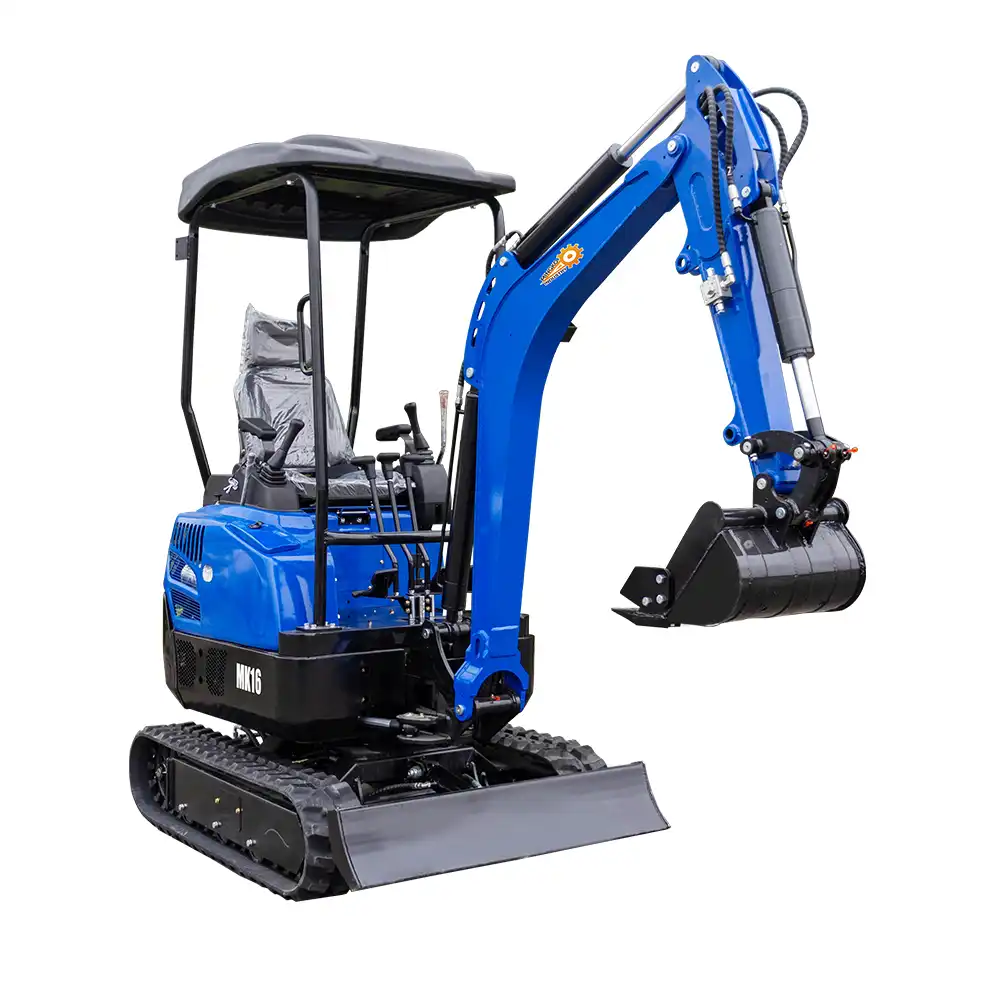
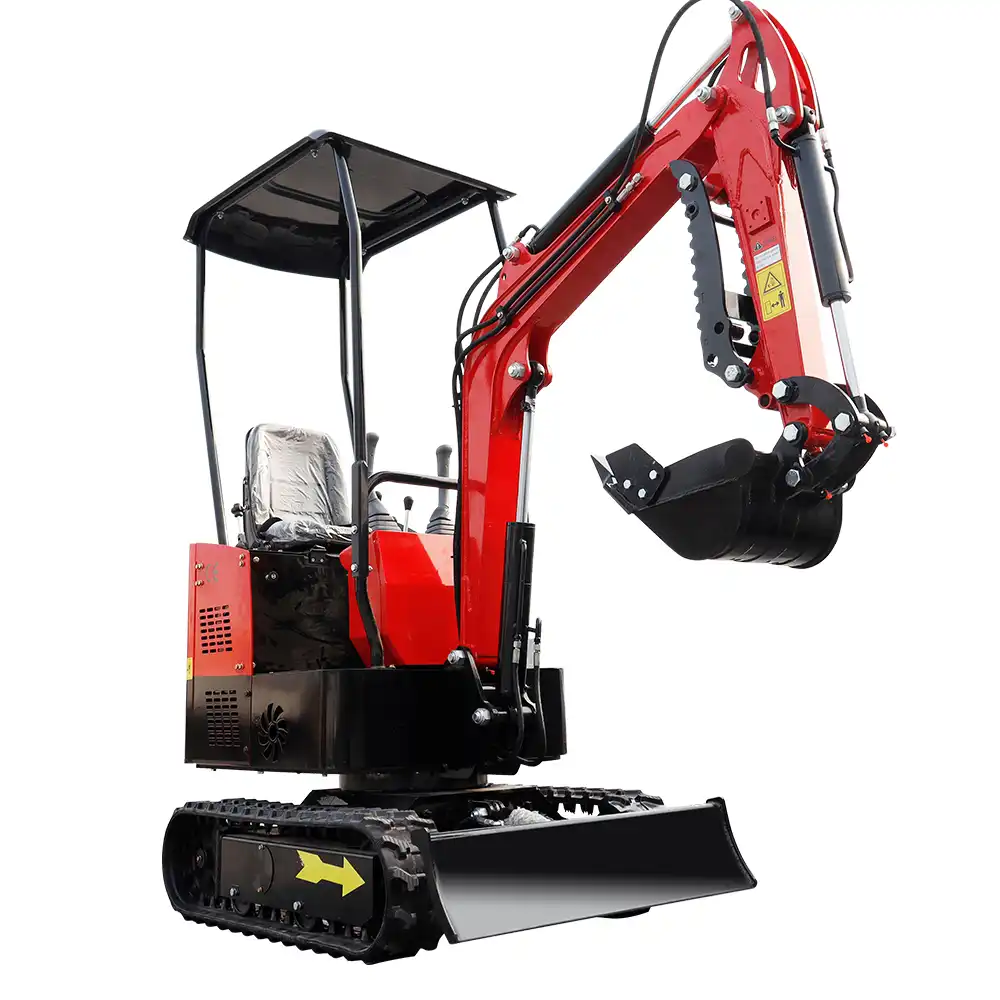
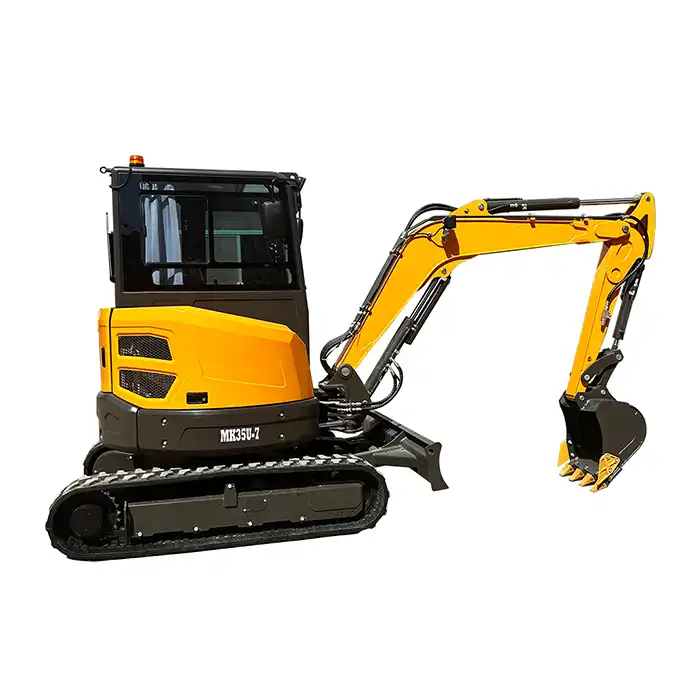
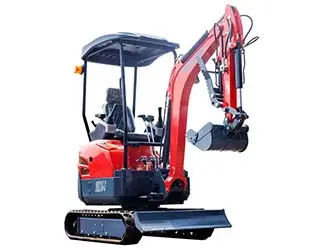
Digging depth is one of the most important performance indicators for small excavation tools. The deepest a Mini Crawler Excavator can dig is usually between 1,800mm and 2,500mm, but this depends on the type and weight class. While being small, the MK18-3 from Shandong Mingko Industry Corporation can dig as deep as 2,060mm. This makes it perfect for urban building, utility installations, and gardening jobs that need to be done without sacrificing digging ability. Knowing about these great skills helps procurement managers choose equipment that meets the needs of the project and runs as efficiently as possible.
Understanding Mini Crawler Excavator Digging Depth
The depth of dig for compact tracked equipment is determined by a number of technical factors that are all linked and work together to ensure uniform performance on all job sites.
Technical Parameters That Define Digging Capacity
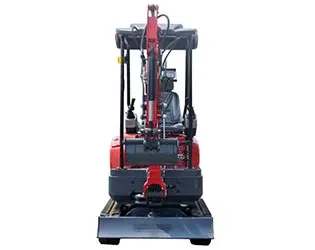
How deep a machine can go below ground is mainly based on its boom length, arm extension, and bucket placement. When fully extended, the MK18-3's boom-arm design allows for a maximum digging depth of 2,060 mm while still weighing only 1,800 kg. This balanced design keeps the machine stable during deep mining without having to make changes to the counterweights that would make it bigger than it needs to be. The hydraulic pilot valve control system makes it easy to move these parts precisely, so operators can dig to the full depth while keeping things running smoothly throughout the cycle.
The size of the bucket has a direct effect on how well it works at depth. The 0.03-cubic-meter bucket on the MK18-3 is the right size for both volume and piercing force. While bigger buckets make cycles more productive, they may also lower the deepest depth that can be reached because of changes in shape and higher hydraulic demands. Smaller hooks go deeper, but it takes more turns to move the same amount of material.
Engine Performance and Hydraulic Power Systems
The 10.2kW Euro 5 EPA-certified Kubota D722 engine powers the hydraulic system that does everything for the dig. Diesel engines, like this Kubota one, have power that stays the same even when the load changes. This means that the digging force is always stable, even when the depth is close to its maximum. The engine and pump must work together to make enough hydraulic pressure to break through the resistance of the dirt while keeping the cycle speed steady. Systems that aren't strong enough have trouble at depth, which can slow them down and cause hydraulic parts to overheat.
When it comes to responsiveness, hydraulic pilot control methods are better than mechanical connections. The operators can exactly change the digging force, which is very important when working near utility lines or property lines, where controlling the depth is very important. The MK18-3's double-speed motion system makes it easier to move around on the job site, cutting down on the time needed to move between dig points and making the whole project run more smoothly.
Industry Benchmark Depth Standards
Depth standards for a Mini Crawler Excavator have been set by major manufacturers for all weight groups. Kubota's U17-3 series can reach a depth of about 2,230 mm at a working weight of 1,700 kg, and Bobcat's E20 can reach a depth of 2,159 mm at the same weight. Caterpillar's 301.5 type has a depth of 2,210 mm and a slightly higher working weight. Based on these numbers, the MK18-3's 2,060mm depth specification is competitive within the 1.5–2 ton class. It provides reliable performance for trenching, foundation work, and drainage installations where depths of six to seven feet are sufficient for most residential and light commercial uses.
Factors Influencing Efficient Digging Depth Performance
Achieving the greatest digging depth on paper is very different from keeping that performance in the real world, where variations in the dirt and the operator's skill determine how much work can be done.
Soil Composition and Terrain Challenges
It takes more force for a bucket to break through clay grounds because they stick together tightly. When digging deep into thick clay, hydraulic pressure has to be strong enough to beat both the strength of the material and the mechanical disadvantage caused by the shape of the extended boom-arm. Sandy soils need less force to break through, but they are less stable, so trench walls fall more easily. No matter what kind of machine is used, rocky ground may limit the depth that can be dug, because boulders can get in the way of other methods.
When compared to wheeled gear, the crawler undercarriage better distributes weight. The MK18-3's 1,050mm track ground length and 180mm track shoe width make a large ground contact area that keeps the machine stable during deep dig and reduces dirt compaction. The 30-degree gradeability rating shows that the machine can keep its grip on hills where Skid Steer Loaders would have a hard time positioning safely for deep trenching work.
Attachment Selection and Machine Configuration
With hydraulic breaks, you can dig deeper into hardpan and worn rock than you could with a regular bucket. Auger clamps make holes of exact width and full depth for installing fence posts and foundation piers. Tilt buckets make trench finishing better at depth because they let workers grade sides without moving the whole machine. The MK18-3's hydraulic pilot control system can handle these devices while still keeping proportional control, which keeps the system from moving back and forth like some less advanced systems do.
Operator Skill and Maintenance Practices
Understanding excavation shape helps experienced workers get the most out of their depth. Putting the machine in the best position in relation to the trench line cuts down on lost motion and lets the boom-arm combination work at its strongest. A lot of the time, new operators stand too far away from the point of excavation. This lowers the effective depth and lengthens the cycle time because the material has to be thrown farther to the waste pile.
Regular repair has a direct effect on how long the depth performance lasts. When hydraulic oil gets into the system, it lowers the pressure, which lowers the breaking force at full length. When bucket teeth are worn down, they make it harder for the bucket to penetrate, which means that more hydraulic effort is needed to get the same digging performance. Shandong Mingko Industry Corporation offers full after-sales support, including a 12-month warranty and expert help for life. This makes sure that customers can keep their equipment running at its best for as long as it lasts. By checking hydraulic tubes, cylinder seals, and control connections on a regular basis, you can stop performance loss that might not be seen until the depth capability starts to drop.
Performance Comparison: Mini Crawler Excavator vs. Alternatives
When the deep capability of a project determines what equipment to buy, knowing how compact tracked excavators stack up against other options helps with the choice.
Reach and Depth Advantages Over Skid Steers
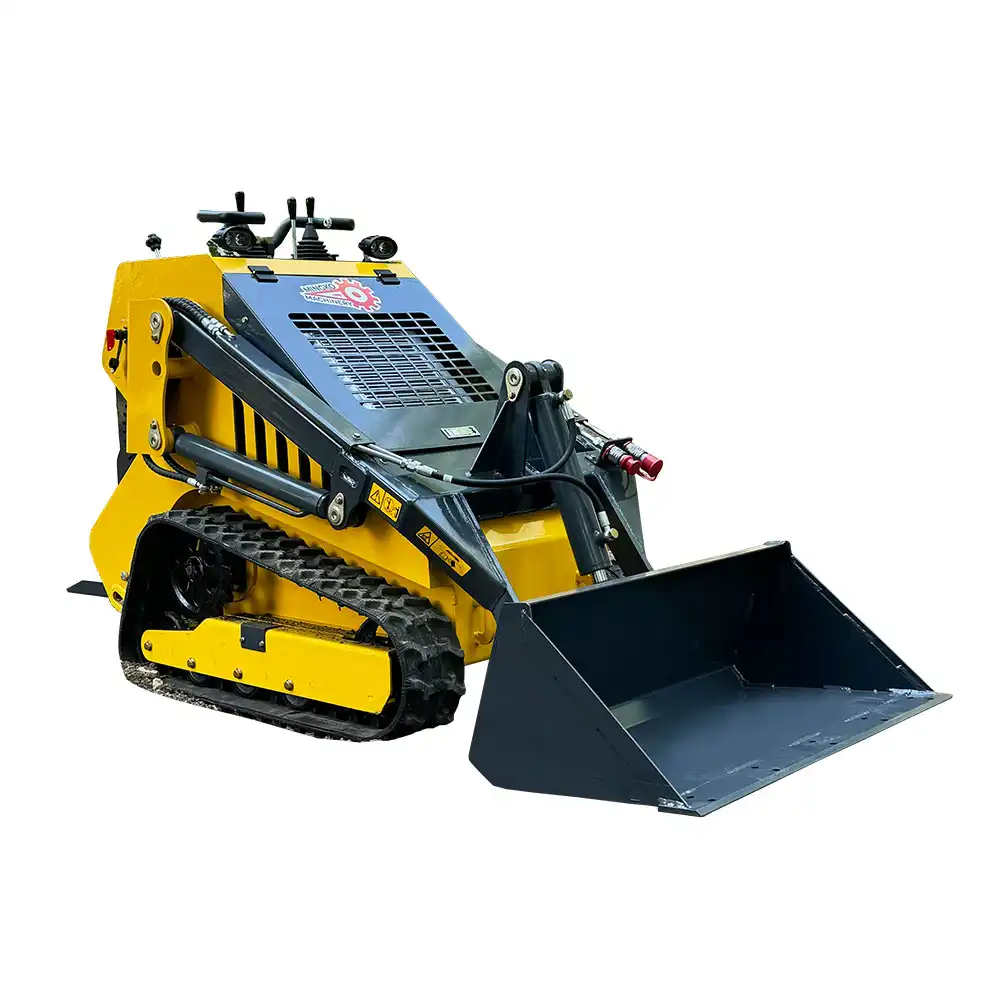
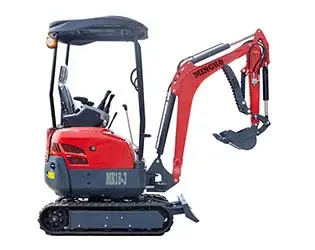
Mini Skid Steer loaders are great at moving things around and leveling the ground, but they can't reach as high or dig as deep as tractors made just for that reason. A regular 320-kilogram skid steer with a shovel extension can only dig about 1,500 mm deep, which is less than the MK18-3's 2,060 mm depth. The excavator's dedicated boom-arm design gives it a mechanical edge that is best for work below grade, while skid steer backhoe attachments give up depth to be more flexible.
When trenching is the main job, smaller excavators are better because they can move around easily in small areas. With a minimum turning radius of 1,711 mm and a tail swing radius of 790 mm, the MK18-3 can be placed in places where skid steers can't go safely near digs because they have a wider stance and less exact control at depth. Comparing fuel efficiency shows that diesel-powered compact excavators like the MK18-3 use about 30% less fuel per cubic meter excavated than similar-capacity skid steers doing the same depth work. This is mostly because their hydraulic systems are better tuned for excavation cycles rather than general utility tasks.
Diesel Engine Benefits for Depth Work
Diesel engines have better torque, which is important for long-term deep drilling. The Kubota D722 engine that powers the MK18-3 keeps its power output steady even when the load changes. This means that the digging force stays the same even when the bucket resistance rises as it goes deeper. This stability lets workers keep cycle times steady throughout the workday, which improves the accuracy of project scheduling. The Euro 5 EPA approval makes sure that the equipment meets U.S. environmental standards and works reliably so that there aren't too many interruptions in operations caused by emissions-related shutdowns or repair needs.
Brand-Specific Innovations Enhancing Capability
Manufacturers are still working on features for Mini Crawler Excavators that make going deeper than the base specs possible. Kubota's proportional hydraulic controls let you adjust the digging force, which makes it easier to be precise when you're working close to the design depth limits. Bobcat's movable boom offset gives it horizontal reach that makes the work area bigger without having to move the tracks. John Deere's built-in telematics keep an eye on hydraulic performance in real time and let workers know when efficiency is dropping before it affects the depth of the work.
Shandong Mingko Industry Corporation uses tried-and-true parts, like BEIFANG main valves, that give proportional control that's on par with high-end brands while keeping prices low by selling directly from the plant. Mingko's 50,000-square-meter factory makes more than 15,000 small machines every year, and each model is the result of ten years of mechanical improvements. This production scale saves money, which OEM buyers and equipment sellers like, without lowering the performance predictability needed for consistent depth excavation in a range of situations.
Maximizing Digging Depth: Best Practices and Optimization Techniques
For steady rated digging depth, equipment specs must be matched to application needs, and best practices must be put in place to keep performance at its highest level.
Matching Specifications to Project Needs
For home plumbing, utility trenching usually needs a depth of 1,800 to 2,200 mm, which makes the MK18-3 a good fit for this high-volume application market. For home building, the depth of foundation excavations is usually 2,400 mm, which means that 3-ton class equipment would have to be stepped up. Most drainage and irrigation systems need a depth of 1,500 to 1,800 mm. This means that the MK18-3 can work well in the middle of its capacity range, which is where hydraulic efficiency is at its highest.
Procurement managers should compare the depth needs of the project with the specs of the equipment, leaving enough room for error. As cycle times get closer to their performance limits, running at 100% maximum depth all the time speeds up component wear and lowers output. By choosing equipment with a 15-20% depth capacity above what is normally needed for a project, you can get the most out of it and handle deeper digs without having to change the equipment.
Operator Training and Safe Digging Practices
Getting certified as a mechanic cuts down on accidents and increases output in a measurable way. Knowing the risks of trench failure, the right way to place utilities, and the right way to use shoring saves both people and tools. Operators who know how to dig efficiently set up machines so that they get the most out of their technical advantages. This cuts down on hydraulic strain and fuel use while speeding up the digging process.
The MK18-3's hydraulic pilot control system needs to be learned in order to be used to its full precision. When operators move from mechanical control systems to digital ones, they need to spend time learning how to manipulate things smoothly so that they don't make jerky movements that spill materials and make cycles take longer.
Preventive Maintenance for Sustained Performance
Regular upkeep on a hydraulic system keeps the pressure and flow qualities that are needed for deep excavations. By following the manufacturer's instructions for changing hydraulic oil and filters, you can avoid pollution that can lead to valves sticking and less cylinder force. By checking lines for wear and leaks before they break, you can avoid sudden drops in pressure that would limit your ability to go deeper in the middle of a job.
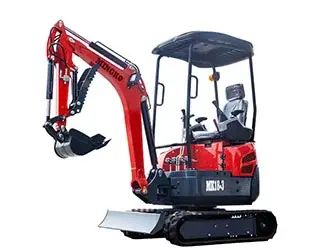
Track tension, wheel state, and sprocket wear are all undercarriage parts that directly affect how stable a machine is during deep work. Loose tracks make it harder to control precisely where the machine is positioned, and worn rollers cause more friction, which drains power from the digging functions. The MK18-3's iron shell balance gives it the stability it needs, but only if the bottom parts stay in the right place. Regularly greasing the pivot points and cylinder rods stops fast wear that slowly decreases the ability to extend, which means that over time, the maximum cutting depth will go down if this isn't done.
Procurement Insights: Buying and Financing Mini Crawler Excavators for Optimal Digging Depth
When deciding whether to buy small excavation equipment, it's important to weigh the initial costs against the ongoing costs of running the machine and make sure that the deep capability meets the needs of the project.
Budget Alignment with Performance Requirements
When you buy directly from the maker, from Shandong Mingko Industry Corporation, the MK18-3 is a good deal because it's priced competitively. ISO 9001 certification and National High-Tech Enterprise standing show that a company meets high standards for manufacturing quality that ensures stable depth performance over the life of the equipment. Instead of just looking at the purchase price, procurement managers should figure out the total cost of ownership, which includes fuel costs, upkeep costs, and the number of hours the vehicle is expected to be used.
When you buy new Mini Crawler Excavator equipment, you get a guarantee and a past history of service, which lowers the risk of unexpected downtime. Buying used equipment is cheaper at first, but you don't know how well it was maintained in the past or how long some of the parts will last. The used excavator's depth rating of 2,060 mm doesn't mean anything if the hydraulic cylinders wear out or the boom joints become loose, making it impossible to regularly reach that rating.
Financing Options and Payment Flexibility
Leasing plans lower the amount of cash needed while still letting you use tools for specific projects. Rental deals are good for deep dig work that only needs to be done once in a while, so buying something isn't a good idea. OEM buyers and equipment sellers can take advantage of Mingko's flexible payment options, which are designed to work with bulk purchases and long-term supply ties.
Shandong Mingko Industry Corporation allows customization for orders as small as one unit, letting buyers choose attachments, extra hydraulics, and other features that make depth mining work best for certain tasks. This allows for maximum practical value to be gotten from procurement dollars, rather than spending them on features that aren't needed or on features that don't work well because the specs aren't clear.
Selecting Reputable Manufacturers and Support Networks
Dependable service after the sale decides whether equipment keeps working at the stated depth for the whole time it's being used. When genuine parts are available, you don't have to wait for long periods of time for hydraulic parts or suspension elements. Shandong Mingko Industry Corporation has a large support network that includes departments for buying, sales, after-sales service, and logistics. These departments have more than 400 workers who are committed to making sure customers are happy.
Manufacturers with a history of success and a large production capacity show steadiness, which makes sure that parts are always available and expert help is always available. Mingko invested 30 million RMB in their Jinxiang production plant, which can now make 15,000 units per year. This guarantees that engineering help and supply lines for parts will always be available for as long as the equipment is in use. This level of commitment and manufacturing scale sets established manufacturers apart from smaller businesses that might not have the means to help customers as well when technical problems appear.
Conclusion
Digging depth is only one performance variable that affects how well a dig works and how well a project turns out. Shandong Mingko Industry Corporation's Mini Crawler Excavator has a maximum digging depth of 2,060 mm and a small 1,800 kg platform that makes it perfect for urban building, utility installations, and landscaping jobs where room is limited and efficient equipment is needed. Procurement experts can choose equipment that meets project needs and gives the best return on investment by understanding how technical specs, soil conditions, operator skill, and care practices all work together. By working with makers that offer full support and tried-and-true engineering, buyers can be sure that their mining tools will keep working at the same depth for years of hard use.
FAQ
What determines the maximum digging depth of a compact excavator?
Boom length, arm extension, bucket size, and pin height shape all affect the maximum digging depth. The MK18-3 has a depth of 2,060 mm because the measurements of its parts have been carefully chosen to balance reach, pulling capacity, and stability. How far parts extend depends on the length of the hydraulic cylinder stroke and where they are mounted. The machine's total weight keeps it stable so that it doesn't fall over when working at full depth with buckets full of dirt.
Can soil type limit achievable excavation depth?
Dense clay, hardpan, and rocky soils may stop you from going to the maximum depth because the resistance to penetration is higher than the hydraulic force that is possible. It is easier to meet full depth requirements in sandy soils and ground that has been moved in the past. The Kubota D722 engine and hydraulic system in the MK18-3 provide consistent power even when the load changes. This means that the machine will keep working well in mild to tough soil conditions.
How does operating weight affect digging depth performance?
While heavier tools are more stable and can dig deeper, they are harder to move and can't be used in as many situations. The MK18-3's 1,800 kg operating weight strikes a good mix between these factors, allowing it to produce a depth of 2,060 mm while still being able to be moved on normal equipment trailers without the need for special permits. This weight class works well for most home and light business excavation jobs that need to go between 1,800 and 2,200 mm deep.
Get Maximum Depth Performance with Mingko Mini Crawler Excavators
Shandong Mingko Industry Corporation is ready to help you with your needs for excavation tools. They offer tried-and-true Mini Crawler Excavator options that are designed to work consistently at depth. Our MK18-3 type has a digging depth of 2,060 mm and comes with full factory support and ISO 9001 approval. With direct factory prices, you don't have to pay the markups that distributors do, and our 12-month guarantee and lifetime technical support will protect your investment. We make solutions to fit the needs of each project, starting with sales for a single unit. Get in touch with our expert team at sales@mingkomach.com or visit sdmkmachinery.com to talk about how our Mini Crawler Excavator manufacturer services can help you get the most out of your excavation work by giving you reliable tools made for tough jobs.
References
1. Construction Equipment Guide. (2023). "Compact Excavator Specifications and Performance Standards." Equipment World Publishing.
2. Hydraulic Systems International. (2022). "Optimizing Excavator Hydraulic Performance for Maximum Digging Depth." Industrial Press Technical Publications.
3. American Society of Civil Engineers. (2023). "Soil Classification and Excavation Equipment Selection Guidelines." ASCE Technical Standards Committee.
4. Equipment Management Association. (2022). "Total Cost of Ownership Analysis for Compact Construction Equipment." Fleet Management Research Institute.
5. International Journal of Construction Engineering. (2023). "Comparative Performance Analysis of Mini Excavators in Urban Construction Applications." Academic Construction Research Quarterly.
6. National Association of Equipment Dealers. (2022). "Buyer's Guide to Compact Excavator Procurement and Financing Options." NAED Industry Publications.