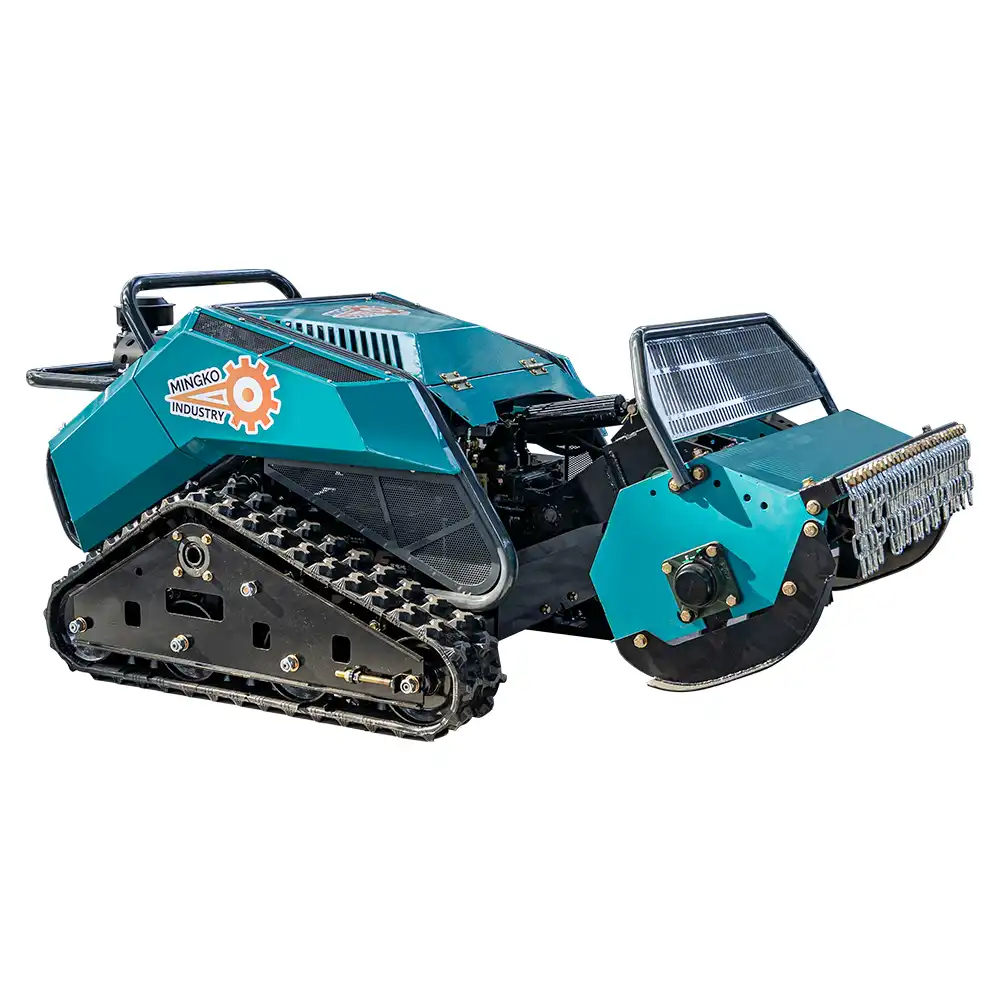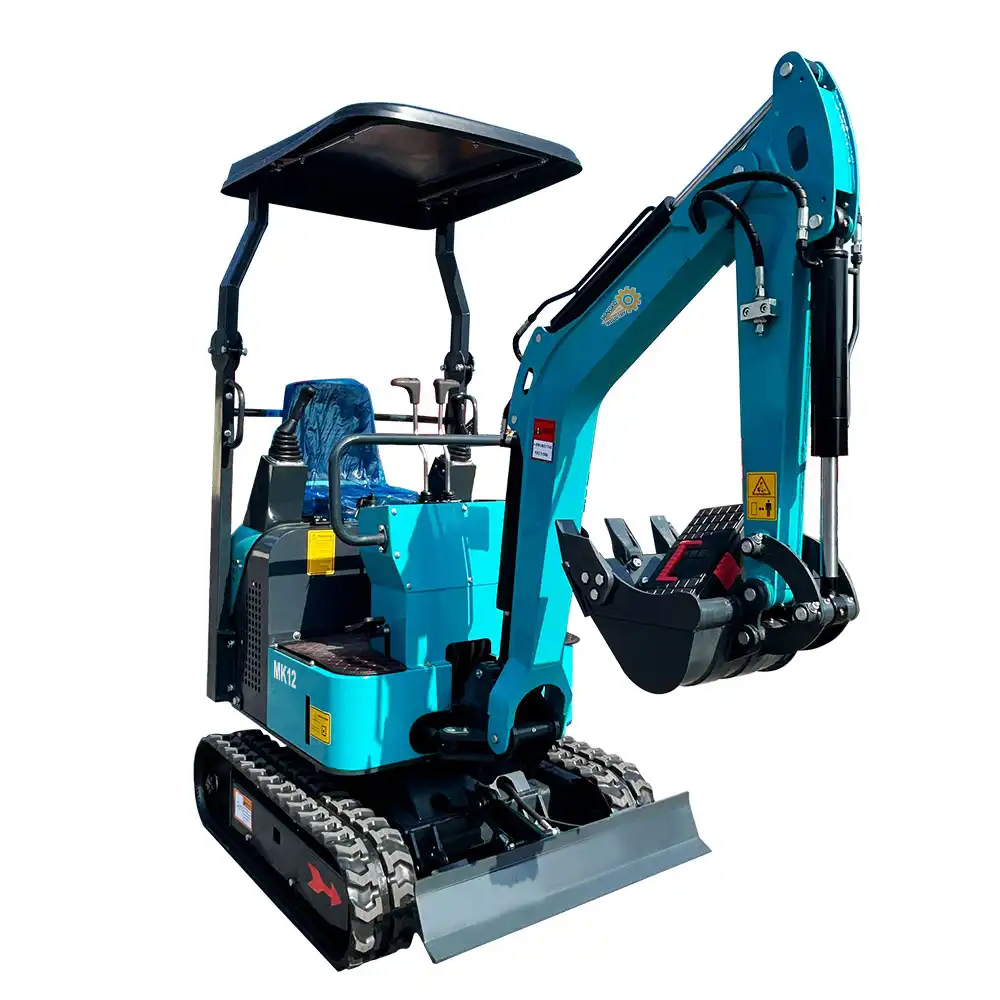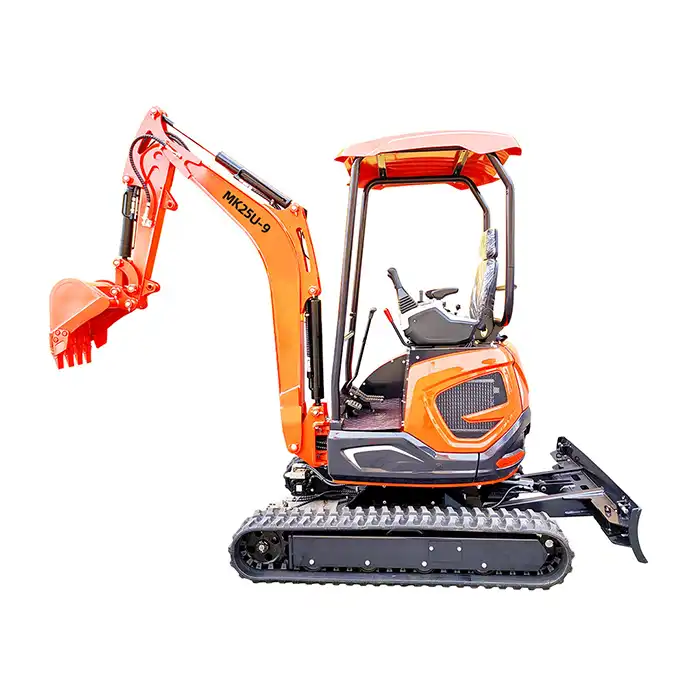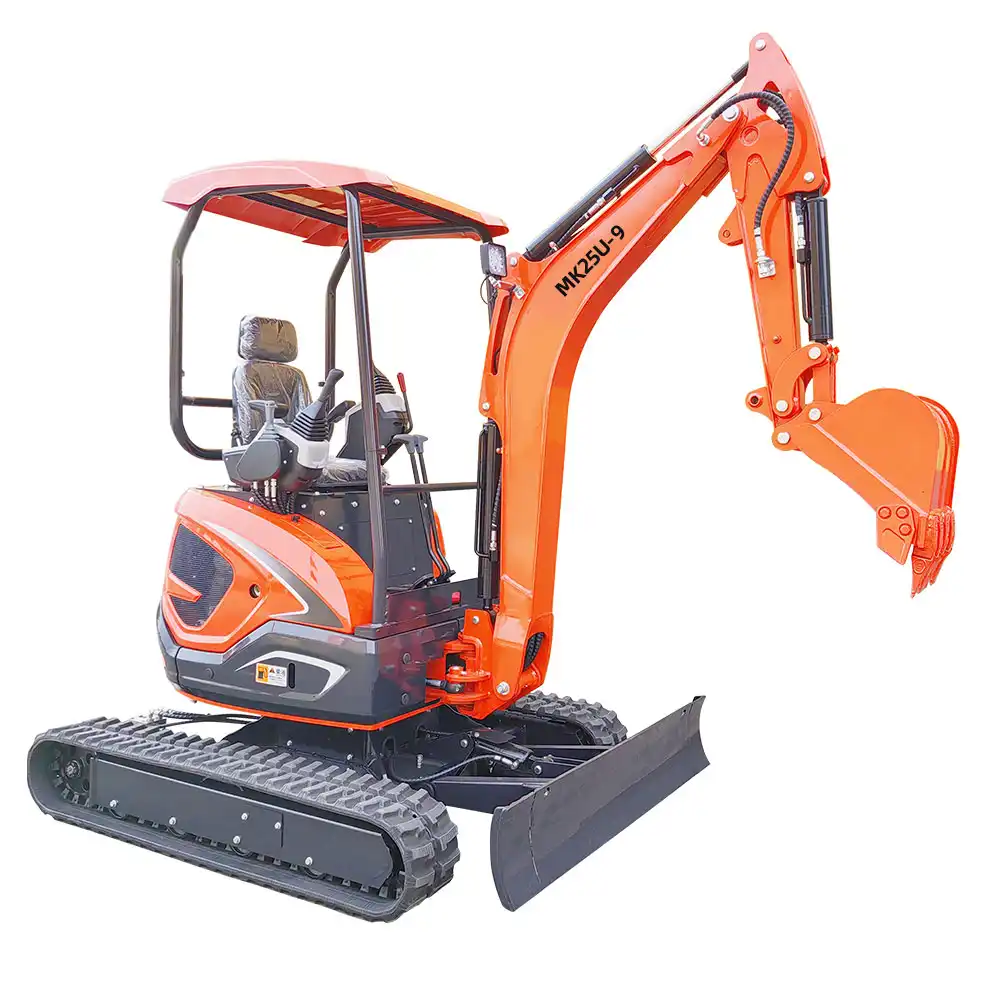
Micro Digger Buying Guide: What Should You Consider?
When buying a Micro Digger, procurement professionals should look at the machine's size (1–3.5 tons), its engine type (diesel or gas), its working needs, the attachments it can use, the total cost of ownership, and the reliability of the seller. Finding the right tools for the job, whether it's gardening or installing utilities, is the key to getting the most done. By giving more weight to makers with proven quality standards, full after-sales support, and the ability to customize products, you can get the most out of your investment while reducing the risk of downtime.
Understanding Micro Diggers: Overview and Core Specifications
The way workers work on projects in tight spaces has changed because of compact excavation tools. Because they use both hydraulic power and precise engineering, these machines are able to do amazing things in tight spaces where regular excavators can't.
Working Principles and Structural Components
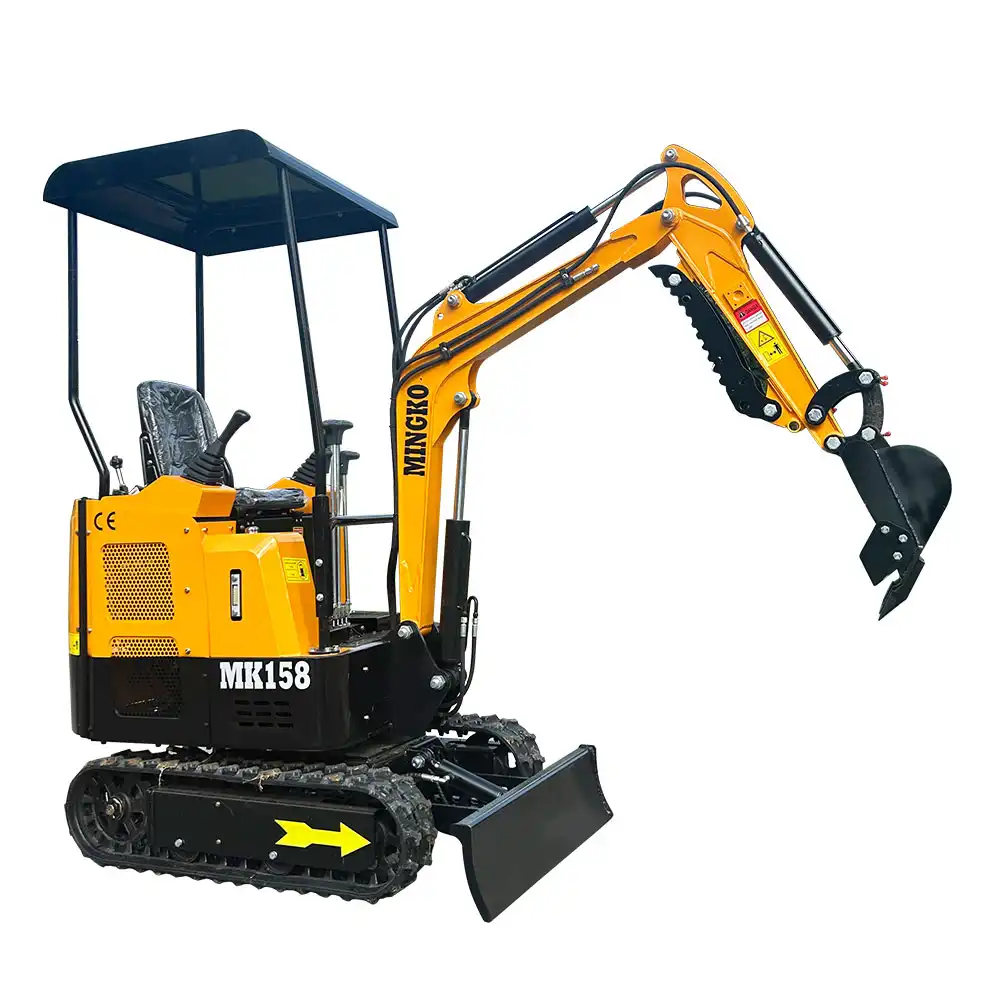
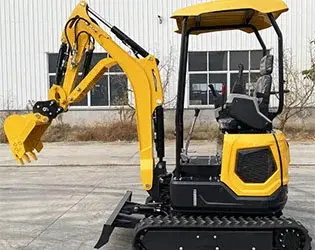
The engine power of a Micro Digger is turned into controlled digging force by built-in hydraulic systems. When the boom, arm, and bucket move together as a unit, the workers can dig, grade, and move things very precisely. The undercarriage has either rubber or steel wheels, depending on the surface. This spreads the weight out properly to keep the ground from moving. Modern versions have zero-tail-swing or minimal-tail-swing setups, which let them work against walls and other objects without having to worry about repositioning.
Typical Applications Across Industries
Professional landscapers use small tractors to dig trenches for irrigation lines, get rid of stumps, and shape the land without hurting the plants nearby. These machines are useful for urban construction teams that need to dig up basements, install utilities, and tear down buildings in residential areas where noise and space restrictions make other equipment less useful. They are useful for agricultural operations because they can be used for a variety of tasks, such as drainage projects, pond building, and repair work around existing structures. Pipeline contractors rely on them to dig trenches precisely to the right depth while protecting the equipment nearby.
Core Specifications for Procurement Evaluation
Understanding basic factors helps people make smart decisions about what to buy. The operating weight runs from 1 ton to 3.5 tons, with heavier types being more stable and digging deeper. Engine power ranges from 15 to 39 horsepower, and you can choose from diesel engines like the Kubota D722 or gas engines that meet EPA emission standards, like those made by Briggs & Stratton. The digging depth can be anywhere from 1.5 meters to 3 meters, and the reach can be anywhere from 2.5 meters to 4 meters, based on how it is set up. The amount of material moved per turn is based on the bucket's volume, which is between 0.04 and 0.12 cubic meters.
Transport measurements are very important when moving tools from one job site to another. Standard trucks can fit machines that are 2.5 meters long and 1.1 meters wide without any special permits. When the ground clearance is between 300 and 400 millimeters, it changes how well the vehicle handles rough terrain. Track width affects stability; bigger tracks are better for balance on hills but make it harder to turn in very small spaces.
Safety Features and Maintenance Practices
Rollover protective structures (ROPS) and falling object protective structures (FOPS) are built into modern compact tractors to keep workers safe in case of an accident. Hydraulic lockout systems keep the boom from moving by accident while repair is being done. Mirrors and extra cams can help you see better around the machine by reducing blind spots.
Regular repair greatly increases the life of tools. Hydraulic fluid levels, track tension, and bucket pin lubricant are all checked every day. Change the engine oil at the times recommended by the maker. For diesel models, this is usually every 250 hours of use. By replacing the hydraulic filter every 500 hours, you can keep cylinders and pumps from getting contaminated and breaking. Through track maintenance, old parts are found before they stop working. When you grease pivot points at the right times, you keep them from wearing out and keep the machine running smoothly for as long as it lasts.
Key Factors to Consider When Buying a Micro Digger
To choose tools that fits the needs of the business, you need to carefully look at a lot of different factors. When procurement teams regularly look at these factors, they can avoid costly problems where machine skills don't match project needs.
Aligning Machine Capabilities with Project Demands
The condition of the job spot determines what features of tools are needed. Soil that is rocky needs more breaking force and a stronger bucket, while soil that is sandy needs bigger tracks that keep the bucket from sinking. For projects that need to be moved around a lot, smaller types with quick-attach trailer hitches are best. For tasks that need a longer reach, like stabilizing creek banks, the boom needs to be longer, even if it means it can't lift as much. Contractors who do a lot of different jobs throughout the year are more productive when they use tools that can connect to different types of attachments instead of specialized equipment that only does one thing.
Comparing Compact Excavators and Their Classifications
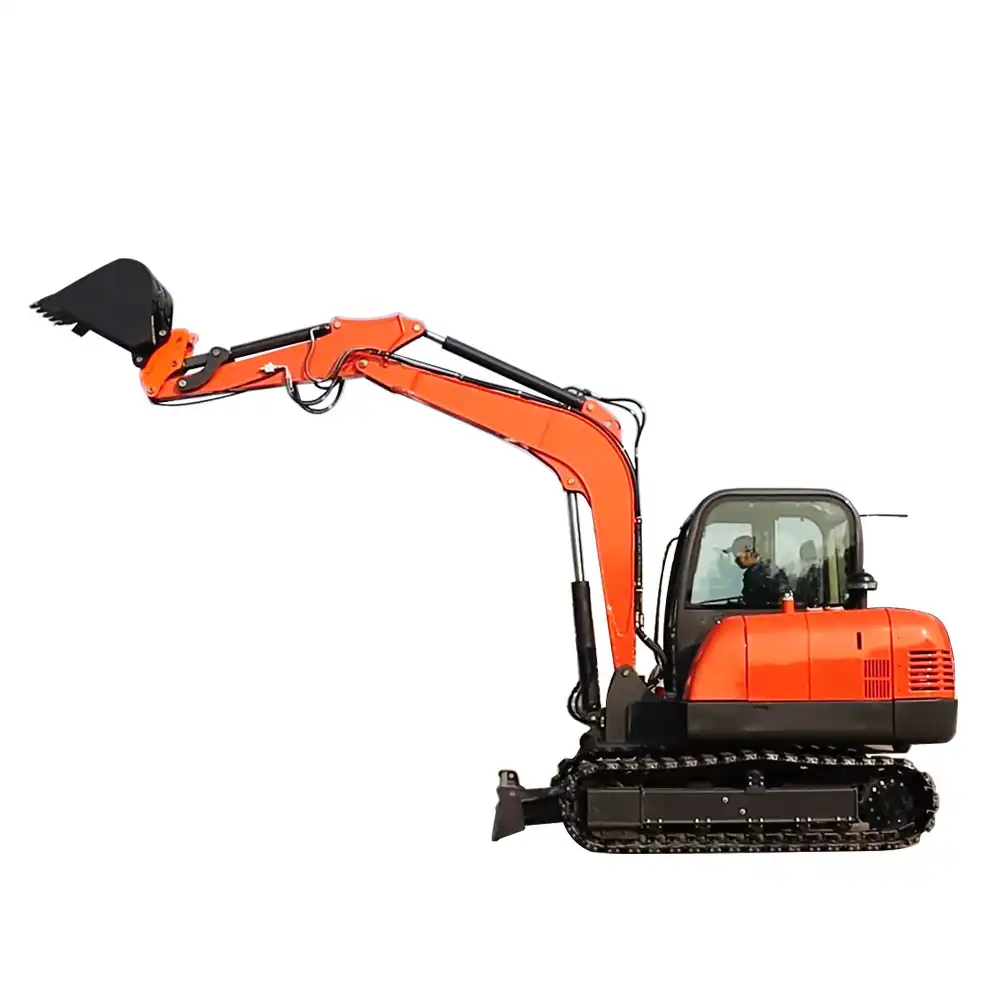
There are some similarities between the terms "Micro Digger" and "Mini Excavator," but there are also some differences. Micro Diggers are usually machines that weigh less than 1.5 tons and are very small, so they can be used for demolition inside and can get into the garden through normal gates. Equipment weighing 1.5 to 3.5 tons can be classified as a small digger because it has more power and is still easy to move. Knowing these categories helps match the right tools to the space available. For example, a 1-ton model can fit through 750-millimeter gates, but a 3-ton model needs 1.2-meter gaps.
Fuel Type Considerations and Environmental Impact
Diesel engines are the most popular type of small excavator because they use less fuel and have power that is good for heavy work. Newer diesel models that meet Tier 4 pollution guidelines put out a lot less particulate matter and nitrogen oxide than older models. Depending on how hard the work is, the fuel use usually falls between 2 and 4 liters per hour.
Electric models are becoming more and more popular as options for indoor use and places that need to be careful with the environment. Battery-powered tools don't give off any exhaust, so basement and warehouse jobs don't need as much air. With the current battery technology, a charge lasts for 4 to 6 hours of regular use. Diesel alternatives cost 20 to 35 percent more to buy at first, but over the life of the equipment, lower fuel costs and less upkeep make the total cost of ownership lower.
Attachment Versatility and Customization Options
Single-use diggers can be turned into flexible tools by swapping out their accessories. Standard buckets are used for digging, and hydraulic breaks are used to remove concrete without having to move other equipment. Attachments for augers make exact post holes for installing fences and signs. Grapples are used to clear brush and sort materials. With a trenching bucket, you can dig a small hole with straight sides for installing pipes and cables.
With hydraulic quick-coupler systems, you can change attachments in less than two minutes without getting out of the operator seat. This lets you get more work done on jobs that need more than one type of tool. Specialized attachments are powered by extra hydraulic circuits. Machines with two auxiliary lines can use more advanced tools like tilt buckets and spinning grapples. When operating plans need a variety of attachments, the requirements for the purchase should include compatibility with quick-couplers and extra hydraulic capacity.
Market Insights and Brand Comparison for Micro Diggers
To find your way around the market for compact excavators, you need to know how different companies sell their goods and what benefits they offer purchasing teams.
Comparative Overview of Leading Brands
Well-known brands have built their names over many years of improving their technology and growing their partner networks. Kubota puts a lot of emphasis on engine dependability and fuel economy, drawing on its history of making farming equipment. Bobcat works to make operators comfortable and give them easy-to-use tools that cut down on training time. JCB stands out by using new hydraulic systems and strong building materials. Takeuchi makes parts that are easy to maintain and last a long time for rental companies. Yanmar fights on small dimensions without lowering performance standards.
Shandong Mingko Industry Corporation is part of a growing group of companies that combine modern production methods with affordable prices. The company makes 15,000 units a year, ranging in size from 1-ton to 8-ton loaders in a 50,000-square-meter building that meets ISO 9001 standards. Their Micro Diggers come with engines that meet foreign pollution standards, such as Kubota diesel and Briggs & Stratton EPA-compliant choices. The attachments can also be changed in a lot of ways. Since there are no markups for distributors when you buy directly from the plant, you get better prices for buying teams that are watching their budgets without lowering the quality of the build.
Price Comparisons and Investment Expectations
New small excavators from well-known names usually cost between $25,000 and $55,000, based on their size and features. One-ton models start at about $18,000, and 3.5-ton models with lots of features cost around $60,000. Used technology is sold for 50 to 70 percent of what it cost new, and after three years of use, the depreciation rate flattens out.
Buying directly from manufacturers through companies like Mingko can save you 15 to 25 percent on costs compared to other ways of getting goods to customers. This pricing system is especially helpful for small and medium-sized businesses that are growing their equipment fleets but can't buy everything they want because of a tight budget. When buyers negotiate fleet orders in bulk, they can often get better guarantee terms and bigger savings.
Financing and Leasing Options
When you borrow money from specialized lenders to buy equipment, you usually have to put down 10 to 20 percent of the cost, and the interest rates range from 4.5 to 7.5 percent per year for 3 to 5 years. For a $35,000 backhoe, the monthly payments are about $650 to $750, based on the terms of the loan. Leasing arrangements lower the initial cash outlay. For example, working leases let you return the tools at the end of the term, while capital leases build equity toward ownership.
More and more manufacturers are offering direct lending programs with low rates and easy acceptance processes. These deals usually include choices for deferred payments and payment plans that change with the seasons to fit the cash flow patterns of businesses tied to building.
Importance of Authorized Suppliers and After-Sales Support
The strength of the dealer network has a direct effect on the stability of operations. Authorized sellers keep parts on hand, which cuts down on downtime when parts break. Problems can be quickly fixed with technical help that is available over the phone, through video chat, or on-site. This keeps projects from being held up.
Mingko offers complete after-sales services, which include 12-month insurance on major parts, free new parts for common wear items, and video installation instructions for setting up attachments.
Purchase Decision Guide: Steps to Secure the Right Micro Digger
Structured evaluation systems make it easier for procurement managers to make confident and clear choices about what to buy.
F-1 Criteria Screening Approach
Three main evaluation factors are given the most weight in this method: functional success, financial effect, and support framework. The functional review checks to see if the machine's specs fit its practical needs in terms of digging depth, lifting capacity, transport measurements, and the ability to work with different attachments. The total cost of ownership, which includes the purchase price, fuel use, upkeep costs, and the expected resale value, is compared using financial analysis. Support evaluation looks at things like warranty coverage, availability of parts, service reaction times, and the level of expert support.
By giving each measure a weighted score, it is possible to compare options in a fair way. For projects that focus on performance, support factors might be given a 40% weighting, while operations that care about costs would give them a 50% weighting. This organized method lowers emotional bias and makes buying suggestions that can be defended.
Renting Versus Purchasing Analysis
For projects that last less than three months, renting is usually the best option because it avoids having to spend money on cash for short-term needs. Rental prices depend on the size of the machine and run from $180 to $350 per day or $1,200 to $2,500 per month. When a project needs tools for more than six months, it's usually better to own it instead of renting it, since rental costs add up to the same amount as buying it.
When you own a machine, you can use it whenever you need to without having to worry about reservations getting in the way. Because rental machinery usually only comes in basic configurations, the ability to customize it is another benefit of owning it. Businesses that make money can afford to own more because they can claim depreciation from their taxes. But when you own something, you are responsible for maintaining it and taking chances with its value if it gets damaged or worn out too quickly.
Reviewing Third-Party Evaluations and Case Studies
Independent evaluations of results go beyond what the maker says. Journals in the industry test machines in the field to see how well they use fuel, how hard they dig, and how comfortable the operators are. User reviews on equipment sites show how reliable things are in the real world and what repair problems people usually have. Case studies, which describe specific uses, like how local utility departments manage pipeline installations, show how well equipment works in situations that are similar to your own.
By asking makers for customer examples, you can talk directly with people who have already bought their products. Asking about shipping times for parts, how quickly technical support responds, and unexpected problems with reliability gives you real information that you can't get from marketing materials. Before you make a final purchase decision, you can get a good feel for the equipment by visiting the site and watching it work in situations that are similar to your own.
Maintenance, Safety, and Long-Term Use Considerations
After the purchase, factors have a big effect on overall ownership costs and operating happiness over the life of the equipment.
Routine Maintenance Schedules and Common Pitfalls
Preventive maintenance is done at times set by the maker and written down in user manuals. Visual checks are done every day to look for hydraulic leaks, damaged tracks, and loose bolts. Checking the fluid levels makes sure that there is enough engine oil, hydraulic fluid, and water before the machine starts working. Greasing the hinge points and track rollers once a week keeps them from wearing out too quickly. Every month, inspections check the state of the hoses, the electrical connections, and the welds in the structure for stress cracks.
One common upkeep mistake is not cleaning the air filter when it's dusty outside, which causes the engine to wear out faster than it should. Operators sometimes fix the track tightness too much, which speeds up the wear on parts and uses more fuel. Diesel fuel systems lose power and damage injectors when water dividers are not drained. Using the wrong thickness of hydraulic fluid lowers the system's performance and shortens the life of its parts. Keeping thorough service records proves that maintenance was done as planned, which helps with guarantee claims and raises the resale value.
Operator Safety Features and Compliance Standards
Modern Micro Digger small excavators have many safety features that keep workers and onlookers safe. Cabs that are ROPS-certified can survive rolling forces, which keeps people from getting crushed. Seatbelt interlocks stop the vehicle from moving if the straps are not properly engaged. During repair, hydraulic lockout switches stop the boom and arm from moving. This eliminates the risk of accidentally activating the equipment. In an emergency, emergency engine shutdown buttons let the power go out quickly.
Operator training must cover the capabilities of the equipment, how to spot hazards, and safe working methods to follow OSHA rules. Most training programs last between 8 and 16 hours and include both classroom teaching and guided hands-on practice. During safety checks, certification paperwork shows that the rules have been followed. Every three years, workers get new training to keep their skills up to date and learn about new safety features on updated equipment types.
Warranty Coverage and Technical Support Services
The standard guarantee lasts for 12 months or 1,000 hours of use, whichever comes first. Coverage usually includes parts of the engine, the hydraulic system, and the structure, but not everyday wear-and-tear items like track pads and bucket teeth. For an extra 5 to 8 percent of the buying price, extended warranties give you an extra 12 to 24 months of safety.
Different makers offer very different levels of technical help. Premium support includes factory-trained techs available by phone 24 hours a day, seven days a week, as well as the ability to do diagnostics remotely through tracking systems and guaranteeing delivery of parts within 48 hours. Video advice services help workers do small fixes, which cuts down on the cost of service calls. Some makers offer annual repair packages that include scheduled services at set prices. These packages make budgeting easier and make sure that important systems get professional care.
Conclusion
When you buy small excavation tools, you have to weigh the performance requirements, the cost, and the supplier's abilities. Effective procurement teams fit the size of the machine to the entry needs, the power of the engine to the conditions of the land, and the flexibility of the attachments to make sure they meet a range of operating needs. The buying price is only one part of the total cost of ownership study. Other parts include fuel efficiency, upkeep costs, and resale values. The choice of manufacturer takes into account both the quality of the product and the support system, since service after the sale has a direct effect on the uptime of the equipment. When you use structured decision frameworks and carefully evaluate vendors, you can make sure that the purchases you make will increase project productivity while keeping capital costs low. Partnering with well-known manufacturers that offer full warranties and quick expert help lowers the risks of ownership over the life of the equipment.
FAQ
What distinguishes micro diggers from mini excavators?
Micro Diggers usually weigh less than 1.5 tons and are very small so that they can fit through normal doors and gates to get into homes. Mini excavators, which weigh between 1.5 and 6 tons, are better for business use because they are more stable and have more power. Both groups use hydraulics in similar ways, but their travel needs and working abilities are different.
How do I determine the appropriate machine size for specific projects?
Match the digging depth needed with the reach of the boom. For example, trenching projects that need a 2-meter depth need tools with the same maximum dig depth ratings. Look at the limits of transportation, such as gate lengths and trailer capabilities. Think about the lifting ability if moving things around is a big part of your process. Find the best size ranges by balancing the need for power with the boundaries of the place.
Should I invest in new or used compact excavators?
New equipment comes with a full guarantee, the most up-to-date emission standards, and a service life that you can count on without any hidden wear problems. Used machines are 30 to 50 percent cheaper, but you don't know how well they've been maintained or how long their parts will last. Operations that want to be reliable and have as little downtime as possible prefer to buy new, while buyers on a tight budget are willing to take on some risk in exchange for instant cost savings at used markets.
Partner with Meeko for Your Micro Digger Needs
Shandong Mingko Industry Corporation sells compact excavators directly from the factory. These excavators are built to international standards and have reasonable prices that you can't get through other sales methods. Our Micro Digger range, which has engines from Kubota diesel and Briggs & Stratton that are EPA-compliant, supports family farms, landscaping businesses, and building workers who need reliable tools without having to pay more for luxury brands. As an ISO 9001-certified company with a 50,000-square-meter production plant, we keep a close eye on quality and can customize just one unit in a way that established names rarely can. Full support after the sale includes 12-month insurance, free extras, help with video installation, and technical support 24 hours a day, 7 days a week. Email our team at sales@mingkomach.com to talk about your operating needs and get thorough quotes. Check out our whole line of products to see why procurement professionals choose Mingko as their trusted micro digger supplier for projects demanding performance, value, and dependable support.
References
1. Anderson, M. (2023). Compact Construction Equipment: Selection and Application Guidelines. Industrial Press.
2. Construction Equipment Association. (2024). Compact Excavator Market Analysis and Procurement Trends. Annual Industry Report.
3. Hayes, R., & Thompson, L. (2023). Hydraulic Systems in Modern Excavation Equipment. Engineering Publications International.
4. National Safety Council. (2024). Operating Standards for Compact Construction Machinery. Safety Compliance Division.
5. Peterson, J. (2023). Total Cost of Ownership Analysis for Construction Equipment Fleets. Business Equipment Publishers.
6. Williams, D., & Chen, K. (2024). Emission Standards and Fuel Efficiency in Compact Excavators. Environmental Engineering Quarterly, 18(2), 145-167.