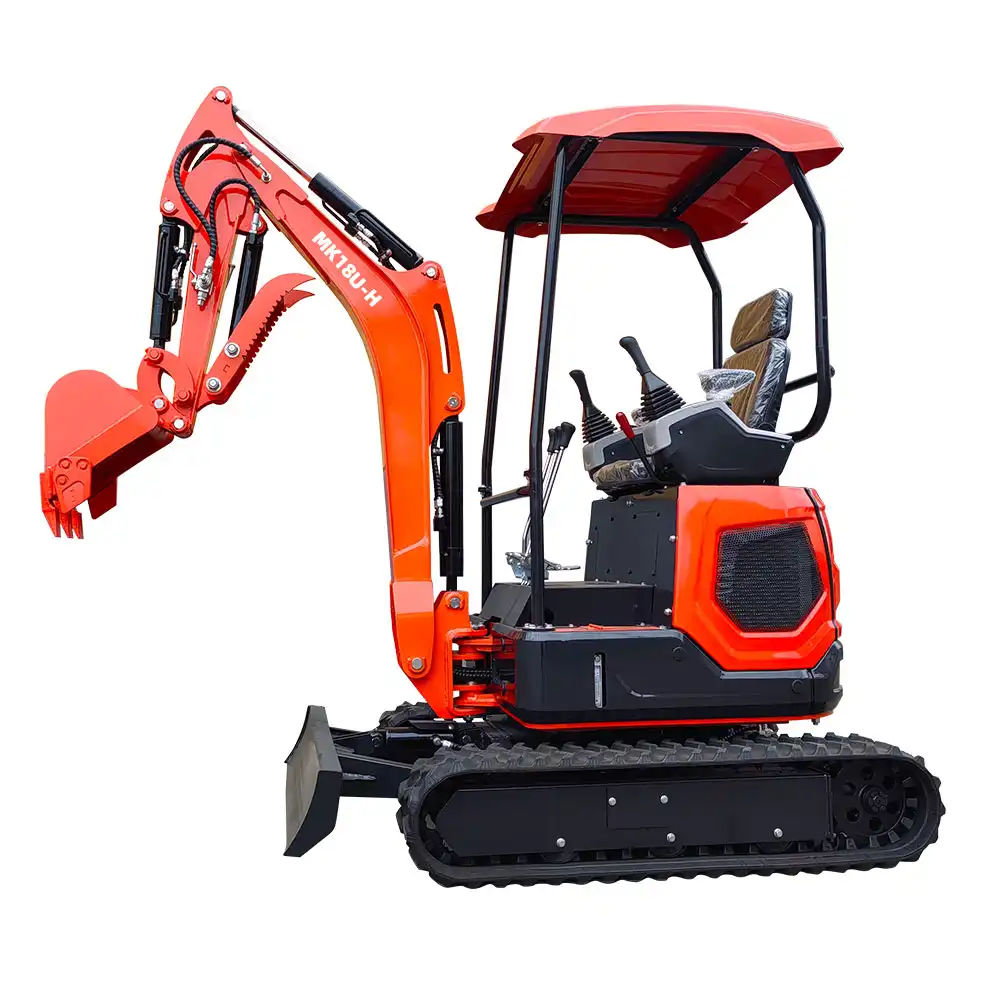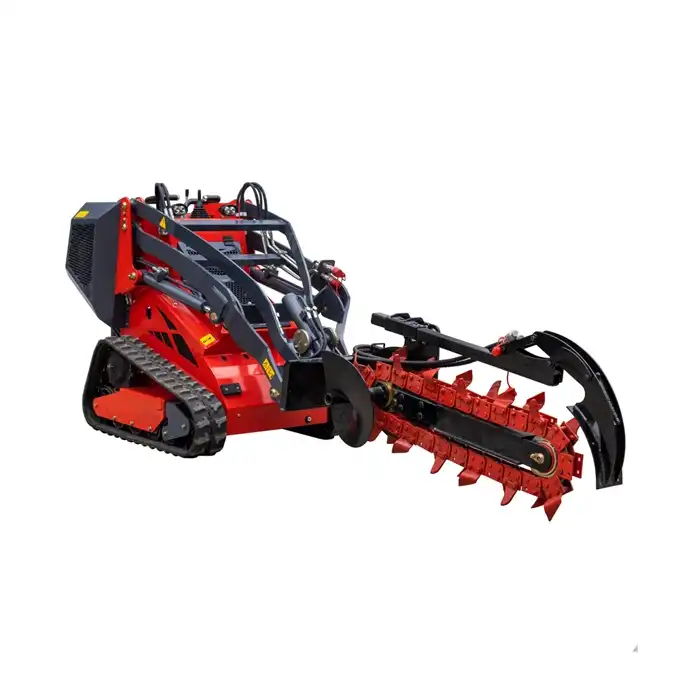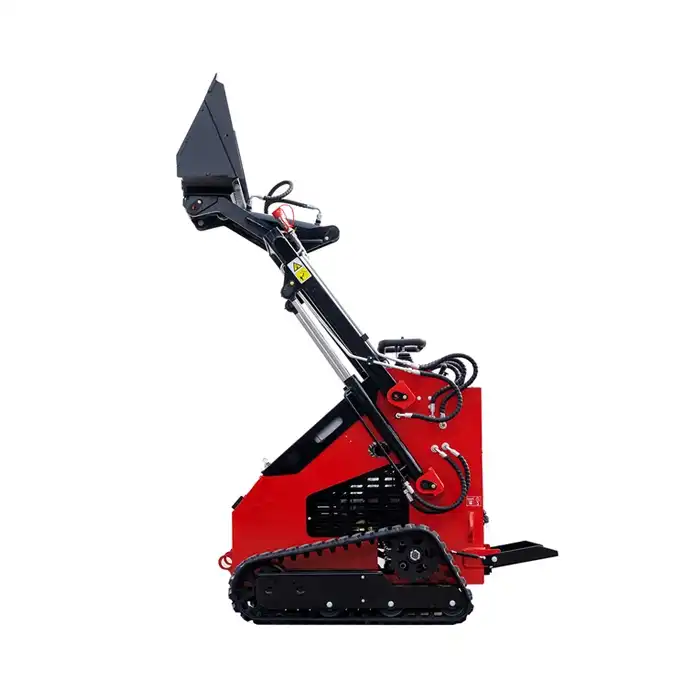
What Are the Main Applications of a 3.5 T Digger?
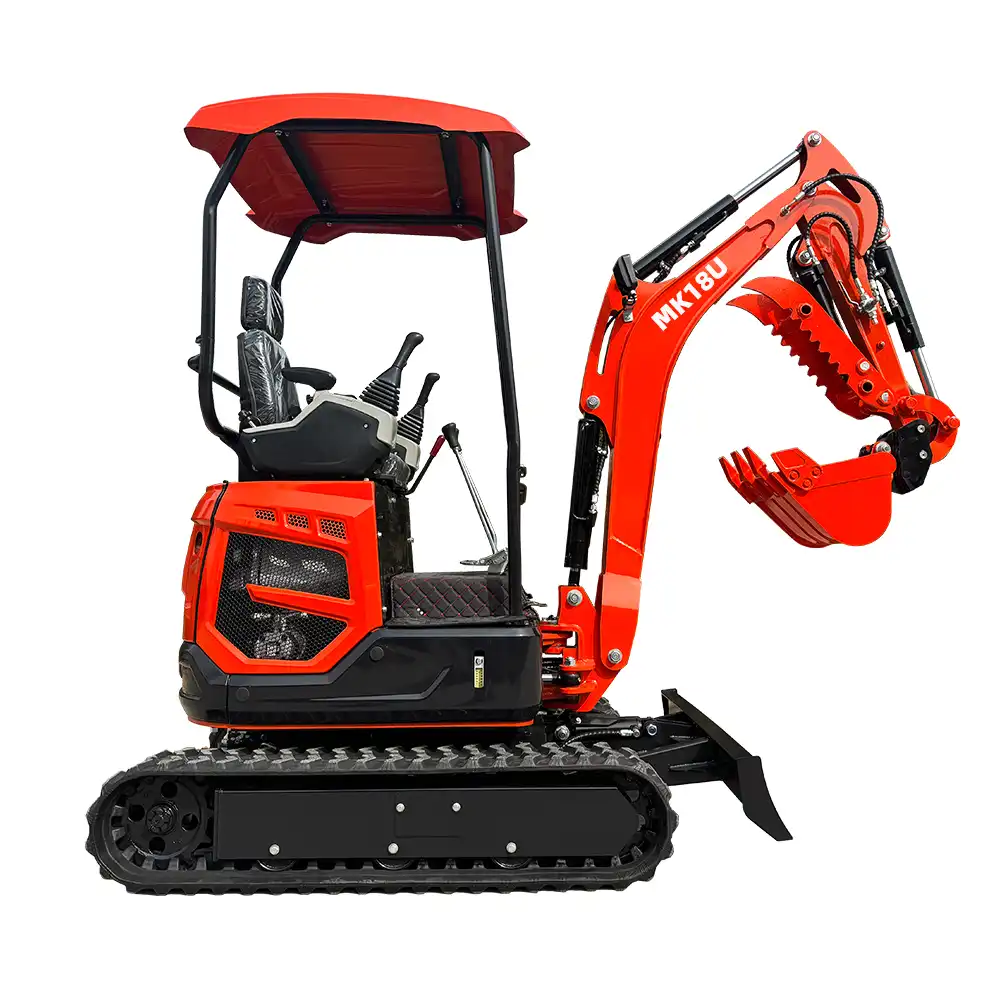
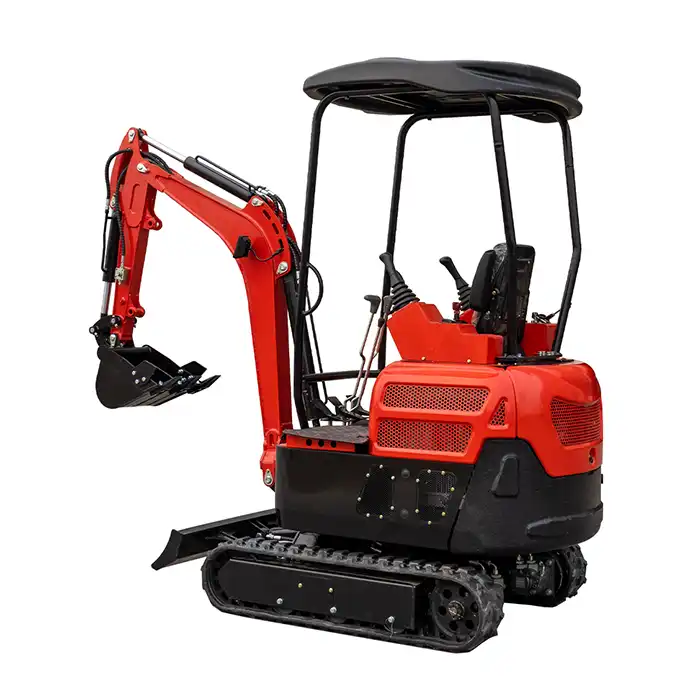
A 3.5 T Digger is a very useful machine that can be used for many different types of jobs, including building, gardening, farming, and utility work. This small digger is great for laying foundations in cities, installing pipes, digging trenches, tearing down buildings, preparing land for farming, and maintaining roads. Because it can get through tight areas and dig deeply, workers working on small to medium-sized projects can't do their jobs without it. These tools are good for businesses that want to be more efficient without giving up power because they are easy to move and perform well at the same time.
Understanding the 3.5 T Digger: Specifications and Capabilities
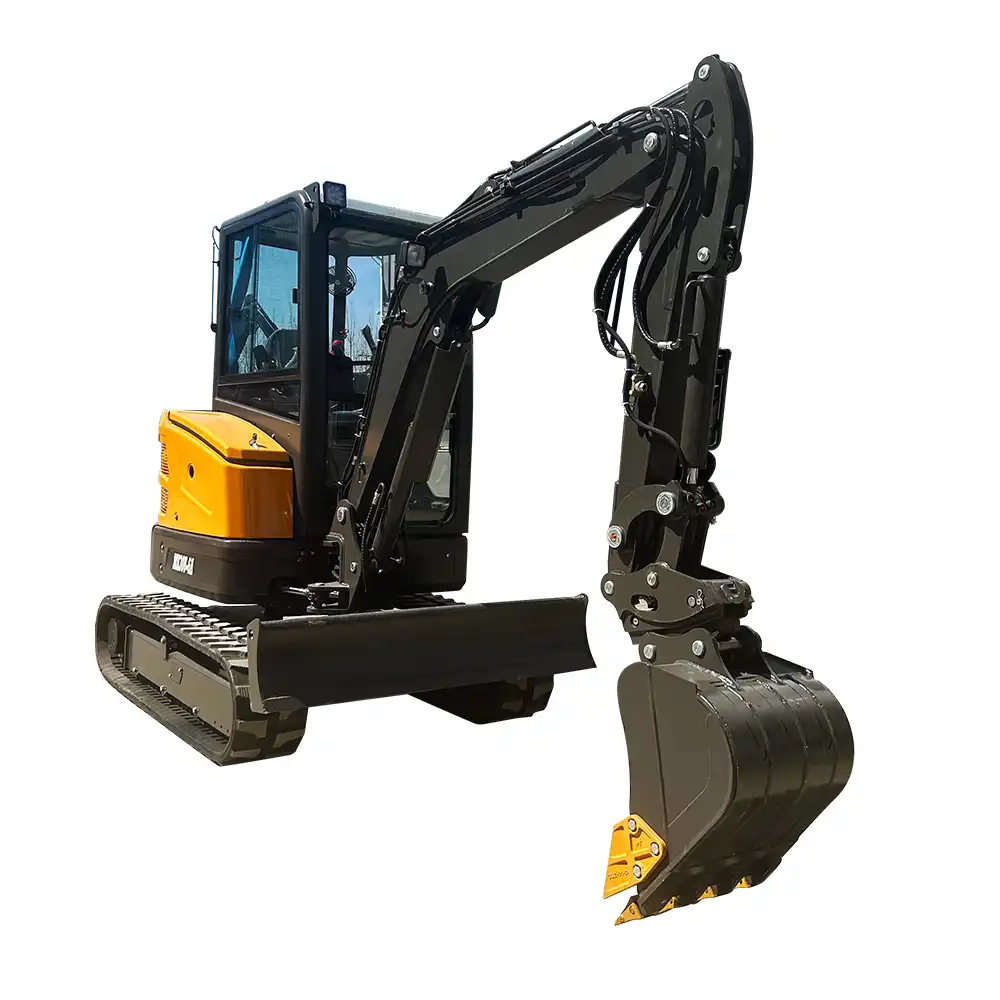
The best mix between power and flexibility can be found in 3.5 T Digger class compact excavators. Our MK35U-7 Mini Excavator is a great example of this type of machine because it was carefully designed to meet the needs of real-world operations.
Engine Performance and Hydraulic Systems
It has a Kubota D1703 engine that gives it 18.2 kW of steady power and meets Euro 5 and EPA guidelines. This engine has three cylinders and is cooled by water. It makes 97.4 N · m of torque at 1,500 rpm and works well even when the load changes. The hydraulic pilot valve control system works at 22.5 Mpa, which gives you exact control for small chores while still having enough force for tough digging jobs. The bucket's maximum digging force is 30.4 kN, and the arm's maximum digging force is 18.2 kN. This makes it easy to move materials in a range of soil conditions, from loose dirt to packed clay.
Digging Capacity and Working Range
This digger can dig as deep as 3,208 mm and as far as 5,480 mm, so it can handle most trenching and foundation needs. The highest digging depth of 4,800 mm makes it easy for workers to put materials into high-level dump trucks. The normal bucket capacity of 0.12 cubic meters is just right for a variety of material-handling jobs without slowing down cycle times. The ground pressure of only 32 kPa keeps the surface from getting damaged too much. This means that these machines can be used on finished fields and sensitive ground conditions where bigger machines would cause too much damage.
Maneuverability and Design Features
The zero-turn tail design is very helpful in tight spaces where work needs to be done. With a width of only 1,720 mm and a tail swing radius of 860 mm, the machine can be put next to walls and other buildings without worrying about rear-end clearance. The two-speed travel system lets you move quickly (4.4 km/h) or slowly (2.4 km/h), and the 58% grade ability lets you get through rough territory. These requirements directly lead to higher efficiency on crowded job sites, where a lack of room usually slows things down.
Main Applications of the 3.5 T Digger in B2B Construction and Procurement
Procurement workers can make smart decisions about what tools to buy when they know where compact excavators work best. The following apps are core use cases that are backed up by practical data and experience from the field.
Urban Construction and Foundation Work
Mid-size 3.5 T Digger excavators are good at dealing with the unique problems that come up in urban building jobs. For foundation digging for home additions, business improvements, and multi-unit developments, you need tools that can work within the borders of your land. These excavators can fit through normal gate openings and work next to existing buildings without needing a lot of work to be done to prepare the spot. Excavations for the basement, footings, and grade work go quickly and cause as little damage as possible to nearby homes. When equipment has the right cutting depth and a controlled swing radius, it lets workers do foundation work that would be impossible with bigger machines or too hard to do by hand.
Utility Installation and Trenching
Compact excavators are used by utility workers to put in water lines, electrical ducts, fiber optic cables, and drainage systems. These tools are great for trenching because they let you control the depth precisely and keep the bucket in the same place. Being able to dig narrow ditches cuts down on waste and lowers the cost of repair. Operators can stick to planned utility paths through populated areas and work around existing infrastructure more accurately and more cheaply than by digging by hand. This type of equipment is used for municipal projects, private growth utilities, and service connections. It balances the need to be productive with the need to protect the infrastructure around it.
Landscaping and Site Preparation
Professional landscapers use small tractors to level the ground, dig ponds, prepare retaining walls, and put down materials. The machines move the dirt around, place boulders, and build drainage features that are typical of modern landscape design. Controlled power transfer saves existing plants and hardscape while making earthwork go more quickly. For jobs like building golf courses, parks, and estate gardening, it's helpful to have tools that are both powerful and easy to use on different surfaces. Being able to switch between buckets, augers, and grading tools makes the machine more useful at all stages of a job, from rough grading to finishing touches.
Agricultural Applications
In agricultural activities, compact excavators are used to clear land, install watering systems, and make draining better. These tools are used to prepare fence lines, dig pits for equipment upkeep, and build animal facilities. Managers of farms and ranches like tools that can easily switch between jobs and don't need special travel. The low amount of fuel used and easy upkeep requirements are good for farming budgets, and the capabilities go beyond what regular farm tools can do to make operations more efficient.
Infrastructure Maintenance and Light Demolition
For regular repair on infrastructure, utility companies and city maintenance offices keep fleets of compact excavators. To fix the roadside, replace culverts, and keep the drainage system in good shape, you need tools that can be set up quickly and safely near traffic. When fully equipped, tools in this class can do light demolition work like removing concrete, taking apart structures, and clearing the site. When hydraulic breaks, grapples, or plate compactors are added to these excavators, they become multi-use tools that cut down on the need for specialized equipment that only does one thing.
Operational Best Practices and Maintenance Tips for Optimal Performance
To get the most out of your equipment purchase, you need to pay close attention to operational processes and preventative repair schedules. From helping customers with a wide range of products, we've learned some key techniques that make services last longer and require less downtime.
Operator Training and Safety Standards
A safe and productive way to use an excavator starts with giving the operator the right training. Training classes should cover how to handle machines, how loads move, how to be aware of your surroundings, and what to do in an emergency. Before they start working, operators need to know the swing radius, the limits of what they can lift, and how the ground is. Safety rules include checking every day before operations, using seat belts and other safety equipment correctly, and being aware of dangers above. In North America and Europe, regional rules set basic training requirements that responsible contractors go above and beyond by continuing to learn new skills and teaching workers how to use specific tools.
Preventive Maintenance Protocols
Regular repair plans for a 3.5 T Digger protect the money you spend on equipment and keep it from breaking down at a bad time. Every day, the engine oil level, hydraulic fluid level, coolant state, track tension, and lines and fittings are all visually checked. Special care needs to be taken with the hydraulic system because pollution is the main reason why parts break. Service on a 44-liter hydraulic oil tank should be done according to the manufacturer's instructions, which include changing the filter and analyzing the oil at regular intervals. Kubota's service plan is used for engine care, which includes replacing the fuel filter and cleaning the air filter. The valves are also adjusted on a regular basis. Track system checking finds wear patterns that show alignment problems before they break major parts. To keep digging efficiently and keep the structure from stressing, the bucket teeth and cutting edges need to be checked and replaced on a frequent basis.
Troubleshooting Common Issues
On-site teams can solve problems faster when they know how to deal with common operating issues. Less pulling force is often a sign of a problem with the hydraulic system, like not enough fluid, old pump parts, or oil that isn't clean. Problems with the engine's performance could be caused by bad fuel, a clogged air filter, or a problem with the cooling system. Any strange noises heard during operation should be looked into right away, because finding problems early keeps parts from breaking. Problems with track systems, like uneven wear or bad alignment, need to be looked at by a professional to find their root causes. Keeping detailed service records lets you find patterns that help you guess how long a part will last and decide when to replace it.
Choosing the Right 3.5 T Digger: Brand, New vs Used, and Attachments
When making decisions about what to buy, it helps to carefully compare the different choices with the needs of the business. There are a lot of different small excavators on the market, and they all have different features, support systems, and total costs to own.
Brand Evaluation and Selection Criteria
Leading companies like Kubota, Caterpillar, Komatsu, and SANY have built their names over decades of technical progress and field performance. Shandong Mingko Industry Corporation has been making machines for more than 15 years and is now entering the market for small excavators. They use proven parts from companies like Kubota engines, along with their own hydraulic and structural designs. A brand's review should take into account the availability of parts, the size of the service network, the terms of the guarantee, and the expected resale value. Our National High-Tech Certified Enterprise standing and ISO 9001 approval show that we are committed to quality standards that protect your equipment investment.
New Equipment Advantages
There are a number of clear benefits to buying new tools that affect the total cost of ownership. Factory guarantees cover flaws and give you an idea of how much repairs will cost during the first few years of use. Emission standards in place now make sure that environmental rules are followed in all areas. Modern technology, like more efficient hydraulics and computer diagnostics, gives new designs practical perks that older ones didn't have. Customization choices let buyers choose setups that are exactly right for their needs. Our 50,000-square-meter production plant allows customization with a minimum order quantity of just one unit, which is something that big makers usually can't do.
Essential Attachments and Customization
By choosing the right attachments, excavators can be turned into tools that can do more than one thing. With hydraulic breakers, you can break through rock and remove concrete, which would normally need different tools. Augers quickly and accurately drill post holes, pier supports, and places to take soil samples. Different types of earthwork tools, like grading buckets, ditching buckets, and tilt buckets, are used for different tasks. Grapples are used to clear brush, sort materials, and get rid of waste. Plate compactors make it possible to compact ditch backfill right away, without the need for any other equipment. Knowing what the job needs and choosing the right tools has a direct effect on how much equipment is used and how profitable the project is. Quick-attach methods make it easy to switch between jobs quickly, so there is little downtime.
Procurement Insights: How to Buy or Rent a 3.5 T Digger Efficiently
Strategic purchase methods lower the cost of buying things and make sure that the specs of the tools match the needs of the business. Buying choices should be based on how the market is doing right now and what the seller can do.
Pricing Intelligence and Market Trends
The price of a 3.5 T Digger in 2024 will depend on how stable the global supply chain is and how many factories are able to make them. Prices for new tools depend on the type and features it has. Basic models start at around $30,000, and fully equipped units cost close to $50,000. If you're looking for used equipment, you can find it for 40–70% of the price of new equipment, based on its age, hours, and state. When you work directly with a maker, you avoid the markups that distributors add on and can get help from the factory. Our factory-direct sales model lets us offer reasonable prices while keeping high-quality standards that ensure long-term dependability.
Financing and Volume Purchasing
Structured lending plans that are made to fit the cash flow trends of a business help with corporate purchases and fleet purchases. Depending on your financial situation and how you plan to use the equipment, financing it, operating leases, and rental-purchase deals all have their own benefits. Volume buying deals help you save money on costs and make sure that all of your activities use the same equipment. Because we've worked with big building companies, rental fleets, and city buyers, we've come up with flexible business terms that make a variety of acquisition models possible.
Import Logistics and Regulatory Compliance
When buying tools from other countries, you need to pay attention to customs processes, emission certifications, and import paperwork. Our EPA and CE approvals make sure that we follow the rules in the North American and European markets. Full export packing keeps equipment safe while it's traveling across the ocean, and the way containers are loaded is designed to make shipping as efficient as possible. We help buyers who don't have a lot of knowledge with foreign trade with customs clearance so that the import process is easier. For ocean freight, delivery times are usually between 30 and 45 days. If you need it faster, you can use rapid air freight.
Conclusion
3.5 T Digger class compact excavators work well in a wide range of situations, including building, gardening, farming, and maintaining infrastructure. Shandong Mingko Industry Corporation's MK35U-7 is a great example of how careful engineering can make equipment that combines strength, maneuverability, and cost-effectiveness. Knowing about specifications, uses, and buying factors helps people who buy tools make smart choices that improve the power of their fleet. Strategic repair practices and proper operator training protect the investment in equipment and boost output. Companies that need reliable small excavators should work with makers that offer full support, tried-and-true quality systems, and open customization options.
FAQ
What projects are best suited for a 3.5 T digger compared to smaller or larger models?
Small excavators that weigh about 3.5 T work best for jobs that need to dig 3 to 4 meters deep and have a working radius of less than 6 meters. Some of these are laying foundations for homes, digging utility trenches, gardening, and working in tight spaces. Smaller 2.5-ton models are good for very small areas but don't have enough digging power for tough grounds. Bigger 5-ton excavators can reach further and hold more in their buckets, but they can't get through normal home gates or safely work near buildings with limited clearance.
How often should maintenance be performed to ensure machine longevity?
Inspections are done every day before operations to check fluid levels, track health, and look for signs of wear. Under normal situations, engine oil needs to be changed every 250 hours, and hydraulic oil needs to be serviced every 1,000 hours. Cleaning the air filter depends on the working conditions, but it's usually done once a week to once a month. Every 500 hours, the track should be adjusted, and the chassis should be checked. Equipment lifespan and resale value are directly related to how often you follow the manufacturer's repair plan and keep thorough records.
What financing solutions are available for bulk equipment purchases?
Manufacturer financing programs, fleet rental agreements, and equipment-backed credit lines are all available for large purchases of equipment. The terms of payment can be based on business spending or project cash flows.
Partner with Meeko for Your Compact Excavator Needs
Shandong Mingko Industry Corporation has high-performance small excavators that are ready to meet your equipment needs. These excavators are designed to handle tough jobs. Our MK35U-7 has proven Kubota power, precise hydraulics, and a zero-turn design that makes it very productive on tough job sites. We are an established 3.5 T Digger manufacturer with over 15 years of experience in foreign trade. We offer factory-direct prices, customization options starting at single-unit orders, and full after-sales support, including a 12-month warranty. Email our team at sales@mingkomach.com to talk about your unique application needs, get full specifications, or set up a time to see how our equipment works. We help buyers from all over North America with clearing customs and skilled logistics planning, which makes buying things from other countries easier.
References
1. Construction Equipment Magazine. "Compact Excavator Selection Guide for Urban Construction Projects." Industry Publication Series, 2023.
2. International Society of Equipment Management. "Total Cost of Ownership Analysis for Construction Equipment Fleets." Professional Development Series, 2024.
3. American Society of Civil Engineers. "Equipment Standards and Best Practices for Utility Construction." Technical Standards Publication, 2023.
4. National Equipment Dealers Association. "Market Analysis: Compact Excavator Trends and Pricing Intelligence." Annual Market Report, 2024.
5. Hydraulic Systems International. "Maintenance Protocols for Mobile Equipment Hydraulic Systems." Technical Reference Manual, 2023.
6. Occupational Safety and Health Review. "Operator Training Requirements for Compact Construction Equipment." Safety Compliance Guidelines, 2024.