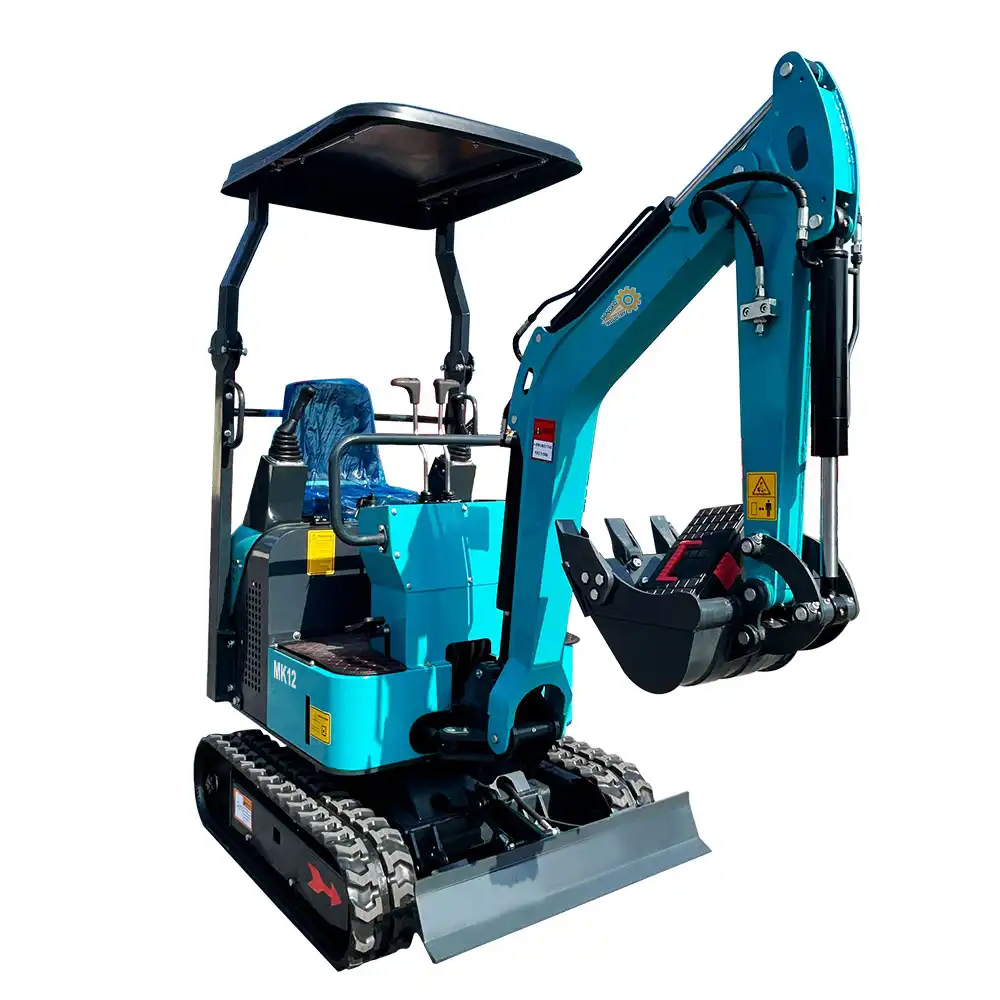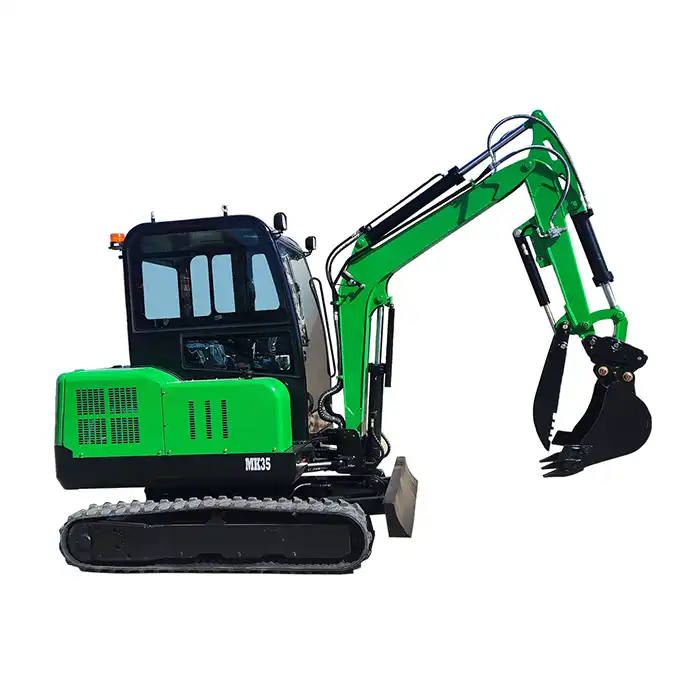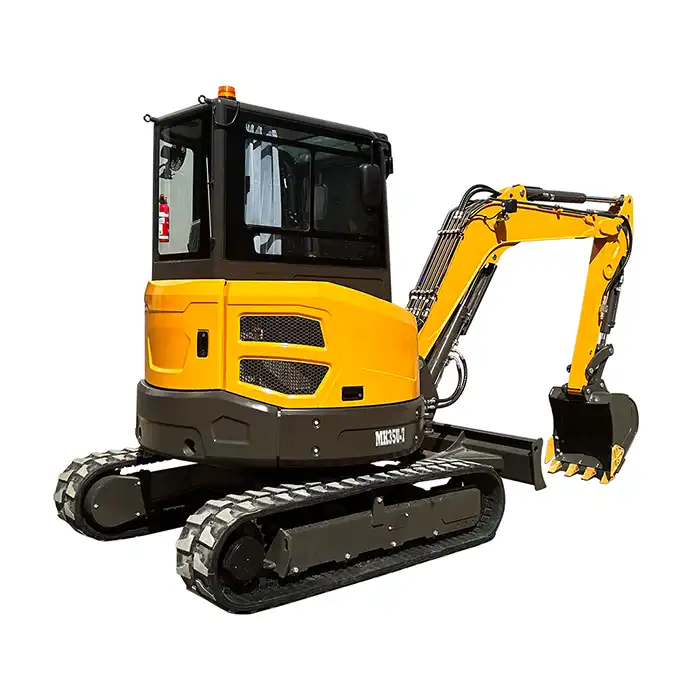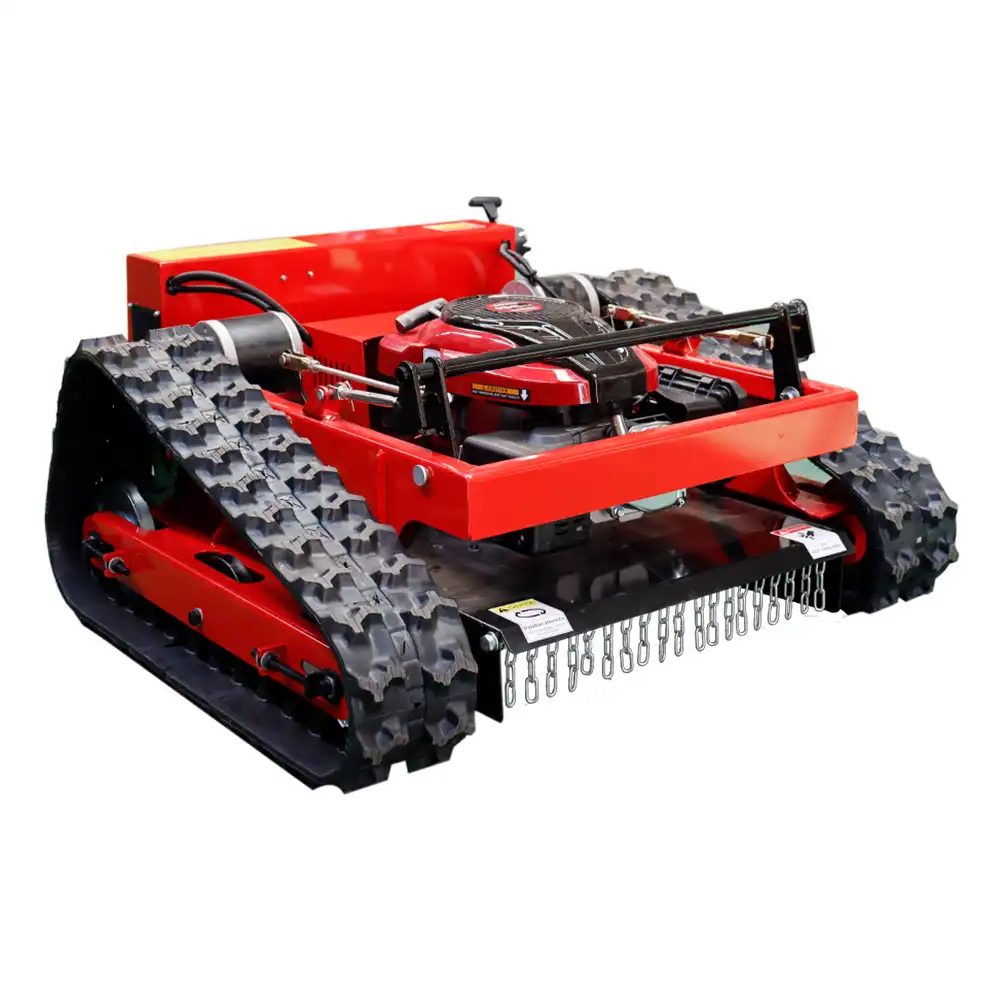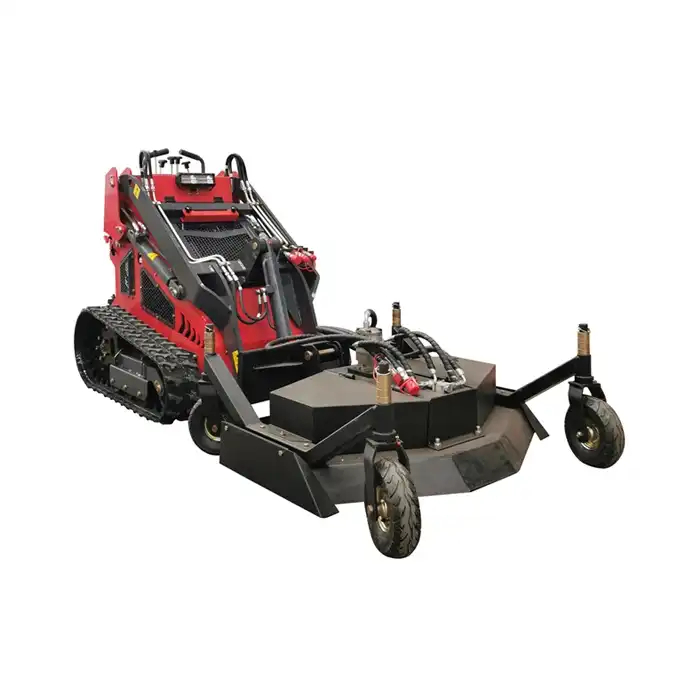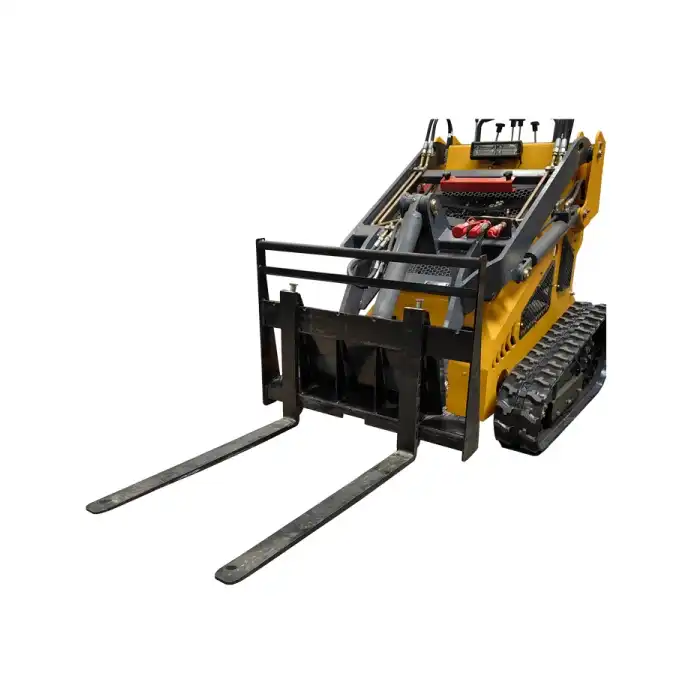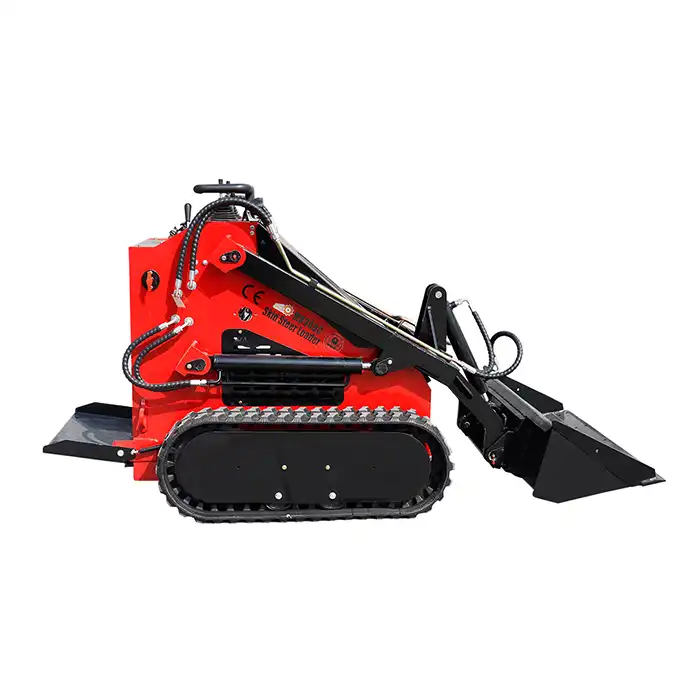
Mini Bagger Excavator Features for Compact Digging Tasks
The Mini Bagger Excavator is a must-have tool for supply managers and building workers who need to do small-scale digging. These machines are very flexible because they have strong hydraulic systems and are small. This lets them dig precisely in tight areas where other machines can't work well. Mini Bagger Excavators can do a lot of different jobs, from digging trenches and laying foundations to gardening and installing utilities. They are as productive as five people, but use less fuel and can be used in a variety of ways. Because they can be used in building, farming, and city projects, they are must-haves for companies that want to cut down on worker costs and improve project efficiency.
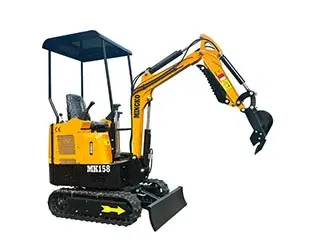
Understanding Mini Bagger Excavators: Features and Functionalities
Mini Bagger Excavators have changed how professionals work on projects in tight spaces by letting them do things that bigger machines couldn't do before.
Core Components and Design Philosophy
The most productive modern Mini Bagger Excavators use advanced hydraulic technology and comfortable operator stations. The machine's heart is its hydraulic system, which makes all of its operations smooth and easy to handle. These systems usually get their power from 14 to 20-horsepower engines made by dependable companies like Kubota and Briggs & Stratton. They meet strict international emission standards and always deliver power. The articulated arm and extended boom make it possible for workers to reach awkward angles. The machine can dig as deep as 1650 mm and reach as high as 2610 mm in the air. Track-based motion systems keep things stable on rough terrain by spreading the weight out so that ground pressure is low and damage to the surface is avoided.
Versatility Through Attachment Systems
Attachment flexibility greatly increases the range of functions that can be performed beyond simple digging tasks. Standard bucket designs are good for general digging, but augers, hydraulic breaks, rippers, and thumb grabs are just a few of the attachments that can be added to these machines to make them into multi-use tools. This adaptability is especially helpful for workers who are in charge of a wide range of projects, because they don't have to keep up with different pieces of tools for drilling, breaking, and moving materials. The quick-coupler methods allow attachment changes to happen quickly, so there is little break between tasks.
Operational Benefits for B2B Applications
When procurement teams look at Mini Bagger Excavators, they should keep in mind a few key practical benefits that have a direct effect on the project's costs. The small footprint, which is usually about 2550 mm long and 940 mm wide, makes it possible to use it on urban building sites, in backyards, and for internal demolition projects where entry would be limited and manual work would be needed. It still uses a lot less fuel than full-size tractors, and the costs of running it are about the same as running a small pickup truck. Transport freedom is another important benefit; most models fit on normal trailers without needing any special permits or support vehicles. All of these traits lower the costs of mobilization while increasing the number of beneficial project chances in more places.
Comparing Mini Bagger Excavators with Other Compact Equipment
When choosing equipment, it's important to know the basic changes in performance between types of Mini Bagger Excavators so that the project's needs can be met.
Mini Excavators Versus Skid Steer Loaders
Both types of equipment are useful for small-scale building, but their operating strengths are very different. When it comes to digging, Mini Bagger Excavators are the best. They have the best reach, depth, and accuracy for building foundations, ditches, and utility lines. The specific digging setup with boom and bucket gives you more power than a skid steer for work below ground. On the other hand, Skid Steer Loaders are better at moving materials, leveling, and jobs that don't involve digging because their bucket and loader design works better. Ultimately, the choice relies on the main task needs. Projects that focus on excavation work best with dedicated Mini Bagger Excavators, while projects that focus on moving materials and preparing the surface may work better with skid steers, or it may be necessary to keep both types of equipment.
Powertrain Considerations and Compliance
The choice of engine affects running costs, compliance with environmental laws, and access to the spot. Diesel powertrains are the most popular type of Mini Bagger Excavator because they are reliable and have a high power density that makes them good for tough excavation jobs. In most cases, these engines can provide the power needed for hydraulic systems to work while still using an acceptable amount of fuel. New electric models are being made for particular uses where combustion engines can't be used because of noise limits, pollution, or rules about operating inside. However, the current technology for batteries limits how long they can be used and requires charging stations that might not be suitable for all work settings. At the moment, most business-to-business purchases are made with diesel setups in mind because they are operationally flexible and have a well-established service infrastructure.
Weight Class Performance Benchmarks
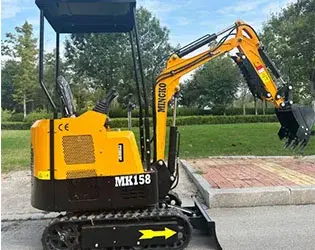
Knowing how to classify weights helps buying teams match the size of tools to the needs of the project. Models like the 1500 kg MK158, which is in the 1-ton to 2-ton category, are good for domestic landscaping, utility upkeep, and light building. While still having enough power for trenching, foundation digging, and other earthmoving jobs, these machines are very easy to move and carry. For industrial building and infrastructure jobs that need to dig deeper or work with denser dirt, the 3-ton to 5-ton range gives you more digging force and steadiness. Machines that weigh more than 6 tons are getting close to the powers of full-size excavators, but they are still smaller, which is helpful in places where entry is limited. When you compare brands like CAT, Kubota, Yanmar, and CASE, you'll see that they all perform about the same in the same weight class. The main things that make them different are how well they use hydraulics, how well their connection ecosystems work, and how well their partner support networks work.
Maintenance, Safety, and Operating Costs: Best Practices for Long-Term Use
Comprehensive repair procedures and user training standards that protect both investments and people are needed to make sure that equipment lasts as long as possible and is safe to use.
Preventive Maintenance Protocols
Setting up structured repair schedules keeps equipment from breaking down at expensive times and makes it last much longer than the average for the business. Before the operation starts each day, all safety systems should be tested to make sure they work properly and that the hydraulic fluid levels are correct. Leaks should also be looked for. To keep the engine from wearing out too quickly, the oil needs to be changed every 50 hours, the air filter needs to be checked, and all contact points and cylinder rods need to be greased. Every 250 hours, the hydraulic filter needs to be replaced, and the whole system needs to be inspected carefully. This finds any problems early on, before they get worse and need major repairs. As a preventative step, the hydraulic hoses should be replaced once a year, and the base should be carefully checked out. The engine should also be fully tuned up according to the manufacturer's instructions. Recording all upkeep tasks helps with guarantee claims and gives useful information about how the equipment worked when it's time to sell it.
Operator Safety Standards
To keep people safe, you need to give them the right training and always follow the safety rules. Before they can work on their own, operators should go through approved training programs that teach them how to handle the machine, how to keep it stable, how to spot underground utilities, and what to do in an emergency. Daily pre-operation checks must include making sure that backup alarms work, that seats work properly, and that all guards and shields are still in the right place. Worksite rules should set up clear ways for operators and ground staff to communicate, make sure that workers stay at the right distances from the sides of excavations, and check the locations of underground utilities before digging starts. Safety training that is done on a regular basis keeps best practices up to date and makes people more aware of how dangers change in different project settings.
Operating Cost Analysis and Optimization
The original buy price is only one part of the total cost of ownership. Other costs include fuel, repairs, upkeep, and operator fees over the course of the equipment's life. Depending on the amount of work and the conditions of the job, most Mini Bagger Excavators use between 2 and 4 gallons of diesel per day. This means that for busy projects, fuel costs are about $50 to $100 per week. If you follow the manufacturer's instructions, scheduled upkeep costs like filters, fluids, and regular part replacements usually add up to $1,200 to $2,000 a year. Unexpected repair costs depend a lot on how the equipment is used and how well it is maintained. However, setting aside 5 to 8 percent of the equipment's value every year is a good way to plan for new parts and unexpected service needs. When operators are taught efficient ways to do their jobs, they use less fuel and wear out parts less quickly. This saves a lot of money over the course of several years of ownership.
Procurement Insights for Mini Bagger Excavators: Making Informed Decisions
When planning a strategic purchase, you have to weigh the needs of the current project against the needs of long-term operations and financial factors that affect the general profitability of the business.
Rental Versus Purchase Decision Framework
The choice to rent or buy depends on how often the Mini Bagger Excavator is used and how predictable the project pipeline is. Rental agreements are good for businesses that only need to do excavations sometimes, whose workload changes with the seasons, or whose clients want to look into market chances before investing capital. The daily rental rates are usually between $250 and $400, but this depends on the size of the machine and the state of the market in the area. This makes renting affordable for projects that need tools for less than 100 days a year. When yearly use goes above this level, it becomes financially smart to buy because ownership costs level off at known levels of upkeep and wear and tear. Some other benefits of buying include endless access without rental schedule conflicts, the freedom to customize to meet specific operating needs, and the value of the asset after it has been used, which gives you financial flexibility through resale or trade-in options.
Financing Structures for B2B Buyers
There are different ways to get funding to fit the needs of different businesses and cash flow objectives. Traditional equipment loans let you pay for things over 3 to 7 years with regular monthly payments. This way, you can keep your cash flow steady while building value in your useful assets. Leasing can help you save money on taxes by letting you treat operating costs differently, and when the lease is up, you don't have to worry about the leftover value. Some makers and sellers offer special financing plans that let you spread out your payments over time, make payments based on the seasons, or group services that help you match your spending with your income. Working with financial partners who know a lot about construction tools can help you set up terms that fit your business's cash flow cycles and the seasonal changes in sales that are common in the construction industry.
Supplier Evaluation and Selection Criteria
To find reliable suppliers, you need to look at more than just price to make sure they can provide long-term operating help. Established makers with direct factory ties can guarantee legitimate parts, offer warranty coverage, and offer professional support that can't be found through third-party wholesalers. When parts need to be replaced, dealer networks with a large inventory of parts cut down on downtime, and trained service techs who know how to fix specific types of equipment correctly identify problems. The warranty should cover important parts for at least 12 months and make it clear what is covered and how to file a claim. It's especially important for foreign buyers that suppliers can support requests for customization, train operators, and help with the process of importing goods. This is because distance makes normal transactions more difficult.
Selecting the Right Mini Bagger Excavator for Your Specific Needs
To specify equipment, you need to carefully look at the needs of the project, the setting in which it will be used, and the performance standards that will determine your long-term happiness with your purchase choices.
Defining Operational Requirements
As part of the project analysis, you should find out what the maximum digging depth is, what the normal trench width is, and what the space limitations are that affect the right machine measurements. Utility trenching up to 4 to 5 feet deep is best done with Mini Bagger Excavators that can dig up to 1650 mm deep. On the other hand, foundation work that needs deeper holes needs bigger tools that can reach further. Workspace limits, such as gate widths, entry paths, and ceiling clearances, set the largest pieces of equipment that can be used. This could mean that models that would otherwise be ideal can't be used because they can't fit around the site's restrictions. When there are a lot of attachment changes on a job, machines with quick-coupler systems and a lot of attachment compatibility are better. On the other hand, simple excavation jobs may value raw digging performance over flexibility.
Critical Selection Specifications
Several technical factors have a direct effect on how well operations run and should be used to guide the creation of specifications. The overall size of the machine determines how easy it is to get to the site. Mini Bagger Excavators, which are about 2550 mm long and 940 mm wide, can fit through normal home gates and narrow urban paths. Power rates for engines between 13 and 20 horsepower are good enough for most small mining jobs while still using little fuel and meeting emission standards. Operating weight affects ground pressure and transfer needs; 1500 kg types are very portable and don't need special trucks or vehicle combinations. The maximum digging depth and reach should be higher than what is usually needed for a project by a fair amount. This way, there won't be any operating limits when unexpected conditions or changes to the project's scope come up.
Brand Comparisons and Manufacturer Considerations
Shandong Mingko Industry Corporation is a good example of a company that combines tried-and-true tech with direct factory price advantages that help businesses buy things. After more than 15 years of specialized experience making Mini Bagger Excavators, Mingko now has modern factories that cover 50,000 square meters and can make up to 15,000 units a year. This scale lets you offer reasonable prices without lowering the quality standards, which are confirmed by ISO 9001 certification and EPA and CE compliance paperwork. The company takes a complete approach, with separate teams for buying, sales, after-sales service, and logistics that help foreign customers throughout the lifecycle of their tools. The technical details of the MK158 model, which has a maximum digging radius of 2850 mm and a minimum rotation radius of 1330 mm, show that it is a useful design. It can be used for a wide range of tasks, from building and gardening to farming and utility projects.
Conclusion
Businesses that want to improve their working skills while keeping costs low and giving more services should invest in Mini Bagger Excavator equipment. These machines can do jobs that bigger machines can't because they have strong hydraulic systems, a wide range of attachments that work with them, and a small size. They are also very productive compared to human labor options. To do a good job of procurement, you need to balance the needs of the current project with those of the long term. Long-term operating concerns include ease of upkeep, dealer support networks, and the total cost of ownership over the lifecycle of the equipment. Manufacturers like Shandong Mingko Industry Corporation show that having direct factory relationships, full customization support, and strong after-sales service add value above and beyond the initial purchase price. These factors help businesses grow by forming reliable equipment partnerships.
FAQ
What advantages do compact excavators offer compared to other equipment types?
When compared to skid steer loaders or human labor, mini-bagger excavators have better digging depth, accuracy, and reach. This makes them perfect for trenching, foundation work, and installing utilities. Their small size lets them work in tight areas while still being as productive as five workers, which cuts down on labor costs and project timelines by a large amount.
What maintenance intervals ensure optimal performance?
Daily pre-operation checks, oil changes every 50 hours, hydraulic filter replacements every 250 hours, and yearly full servicing according to maker instructions keep the machine running at its best. Regular maintenance keeps expensive breakdowns from happening and makes tools last much longer than the average in the business, all while protecting the warranty.
Can I use attachments from different manufacturers?
Cross-brand compatibility does exist, but only OEM-certified fittings are guaranteed to work with the right hydraulic flow rates, keep the structure strong, and meet warranty requirements. Attachment systems are made to work with certain machines, and parts that aren't approved could hurt efficiency or pose safety risks while the system is in use.
Partner with Meeko for Your Compact Excavation Equipment Needs
Shandong Mingko Industry Corporation is ready to help you with your compact mining needs by providing you with high-quality tools and full service. As a top Mini Bagger Excavator manufacturer with more than 15 years of experience, we can offer factory-direct prices, customization for as few as one unit, and goods that are EPA- and CE-certified and meet the strictest international standards. Our expert team is available 24/7 at sales@mingkomach.com to help you choose the best equipment combinations for your needs. Discover all of our Mini Bagger Excavators, ranging from 1 to 8 tons in size. Each one comes with a 12-month guarantee and free technical support for life, making sure that it will work well for years to come.
References
1. Smith, J. & Anderson, K. (2022). Compact Construction Equipment: Selection and Application Guide for Modern Contractors. Construction Technology Press.
2. Williams, R. (2021). "Hydraulic System Performance in Mini Excavators: Comparative Analysis of Power Efficiency." Journal of Construction Equipment Engineering, 45(3), 127-145.
3. Thompson, M. et al. (2023). Total Cost of Ownership: Financial Analysis of Compact Excavation Equipment. Equipment Management Institute.
4. Chen, L. & Rodriguez, P. (2022). "Safety Protocols and Operator Training Standards for Compact Excavators." International Journal of Construction Safety, 18(2), 89-106.
5. Davidson, H. (2023). B2B Procurement Strategies for Construction Equipment: Making Informed Investment Decisions. Industrial Press.
6. Martinez, S. (2021). "Attachment Versatility and Productivity Enhancement in Mini Excavator Applications." Equipment Today: Research and Development, 12(4), 67-82.