Mini Excavator 35 Features for Efficient Digging Operations
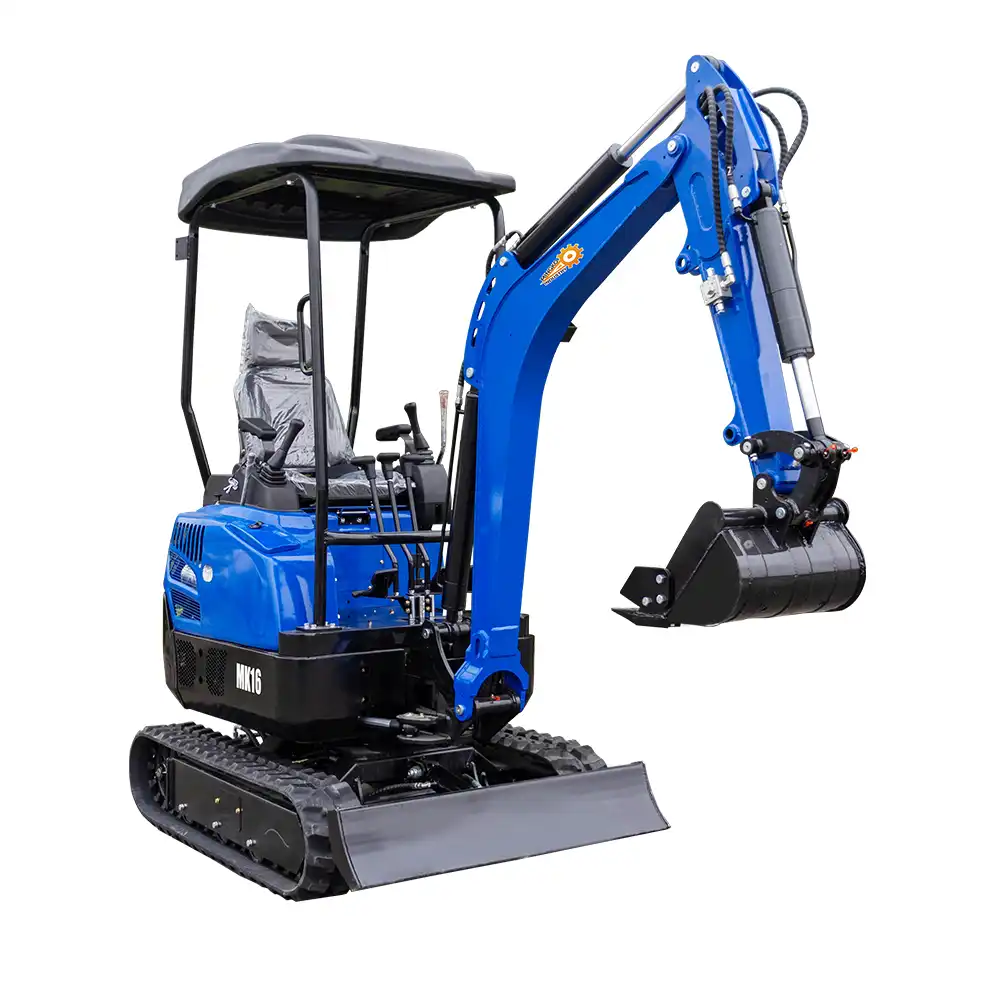
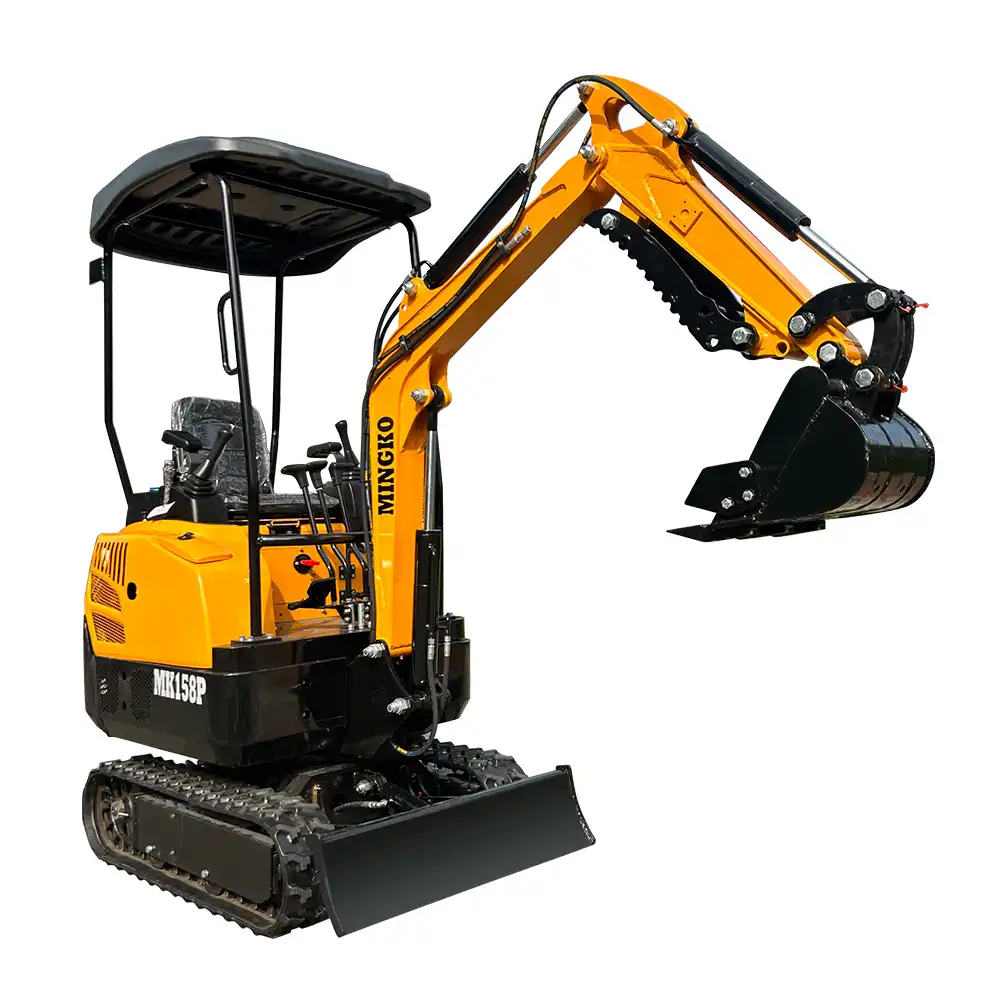
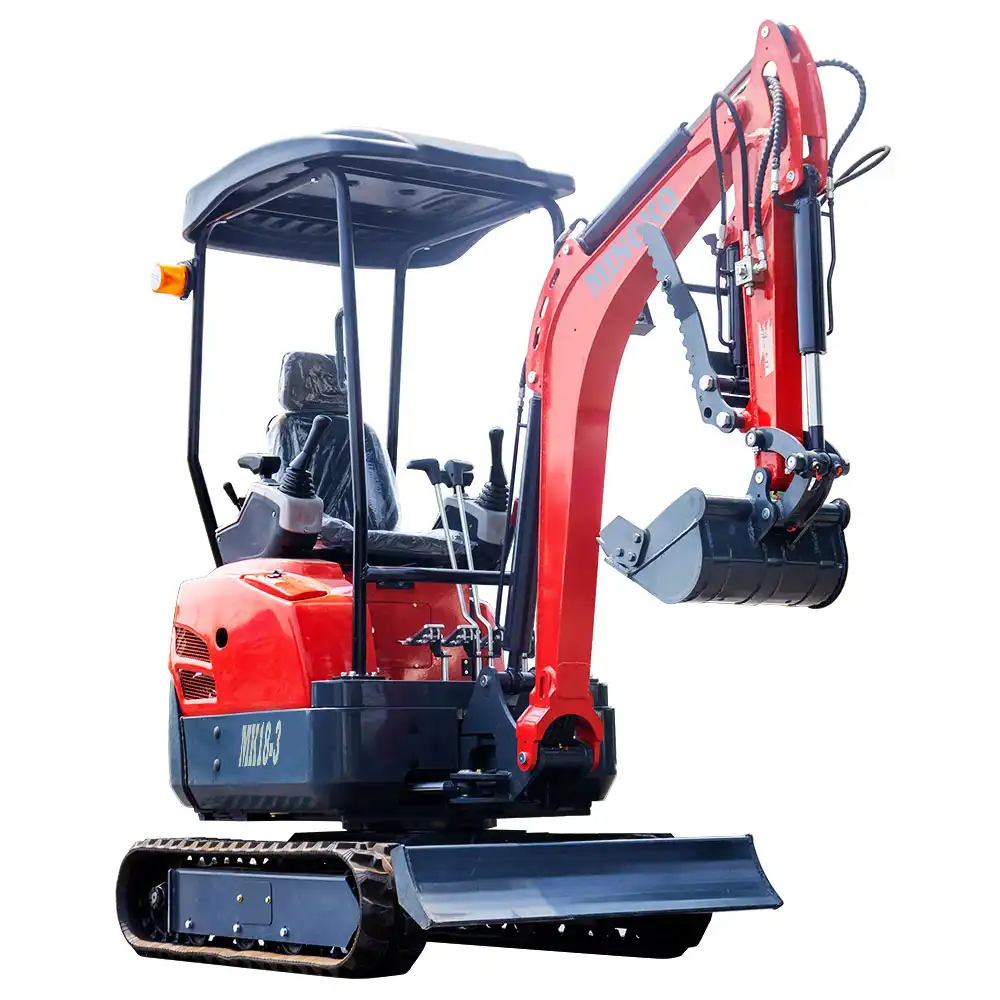
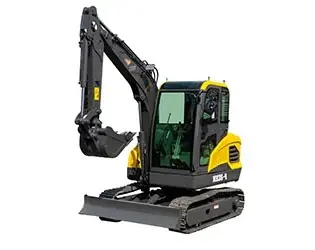
These days, the Mini Excavator 35 is the best choice for workers and project managers who need reliable, small tools that can dig deep without being hard to move. With its advanced hydraulic pilot valve control, zero-turn tail design, and strong 34KW engine, this 3.6-ton machine can handle a wide range of digging jobs, from utility trenching to gardening. This machine has a digging depth of up to 2545 mm and a bucket capacity of 0.26 cubic meters. It is the perfect mix of power and accuracy for working efficiently on a wide range of job sites.
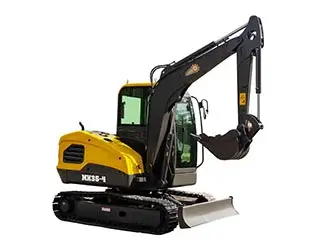
Comprehensive Specifications & Performance Insights of Mini Excavator 35
Procurement experts can match the capabilities of machinery to the needs of a project by understanding the technical foundations of compact excavation equipment. It took a lot of thought to make the MK35-4 model, which combines strength, efficiency, and operating flexibility in a small space.
Engine Configuration and Power Delivery
The Mini Excavator 35's heart is the Euro 5 EPA-compliant ZN490 engine, which makes 34 kW of power at 2200 rpm. This engine has three cylinders and is cooled by water. At 1500 rpm, it makes 97.4 Newton-meters of torque, which is enough power for tough mining work while still meeting strict environmental standards in North America and Europe. The 1.642-liter size makes sure that there is enough power for long operations, which puts less stress on the engine's parts and allows for longer service times.
You can go 4.4 kilometers per hour in high gear and 2.4 kilometers per hour in low gear on the dual-speed track system. This gives operators the freedom to move quickly between work areas while still keeping precise control during difficult digging tasks. The 40-liter fuel tank can keep the Mini Excavator 35 running all day on most job sites, so it doesn't have to stop for refueling breaks that slow down work.
Hydraulic System Performance
The hydraulic pilot valve control system works with 22 megapascals of system pressure, turning what the user does into smooth, quick machine movements. The maximum digging force for the bucket is 30.4 kilonewtons, and the maximum digging force for the arm is 18.2 kilonewtons. These are very strong numbers for a machine this size and weight. The 44-liter hydraulic oil tank keeps the system running smoothly even during hard work rounds.
The 12-revolutions-per-minute swing speed is good for operators because it speeds up the load-and-dump steps without affecting the accuracy of the controls. The zero-turn tail design is especially useful in crowded cities where regular excavators would need more room. It makes it possible to do useful work in places that could only be reached by hand or with less effective tools.
Working Range and Dimensional Advantages
The working area of the machine shows how well it has been optimized for flexibility. A maximum cutting height of 4450 mm and a maximum dumping height of 3050 mm allow for normal dump truck loading. With a maximum digging depth of 2545 mm, the Mini Excavator 35 can handle most utility connections, foundation work, and draining tasks without the need for special deep-digging attachments. The highest digging radius of 5480 mm increases the working reach, while the overall length of only 4915 mm makes it easy to move on standard trailers.
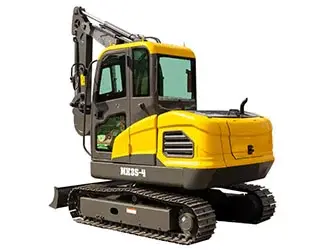
The 295 mm of ground clearance saves the undercarriage parts when the ground isn't level, and the 32 kilopascal ground pressure spreads the 3,600 kg working weight over 300 mm-wide steel track shoes. This mixture makes it less likely that you'll damage the ground when you're gardening and lessens the chance of getting stuck. The highest grade ability of 58% (30 degrees) lets it work on steep hills that would be hard for wheeled equipment.
Maintenance Accessibility and Safety Features
Access to routine repair has a direct effect on the uptime and total cost of ownership of assets. The design includes service points that are placed in a way that makes it easy for techs to do daily checks and planned repairs. The engine oil capacity of seven liters and the radiator capacity of 3.8 liters are both reasonable amounts that don't require a lot of fluids.
The 55-degree left and 65-degree right swing angles of the boom make it easier to work around barriers and put materials on either side of the machine without having to move the whole thing. The 350mm blade height makes it possible to grade well and stabilizes the Mini Excavator 35 while it's being lifted, which gives it more uses than just digging.
Mini Excavator 35 vs. Competitors: Informed Decision-Making for Buyers
When buying something, it's helpful to know how this equipment stacks up against other options in the small excavator area. There are both slightly smaller and bigger machines in the market, as well as well-known names with varying value propositions.
Size Class Comparison: 3-Ton to 4-Ton Range
The deepest that 3-ton machines can dig is usually between 2300mm and 2600mm. The MK35-4's 2545mm standard puts it in a competitive range, and its 5480mm working radius is bigger than what many other products in this range offer. When looking at machines in the same class from brands like Bobcat's E35, Kubota's U35-4, or John Deere's 35G, buyers should not only look at the main specs but also operating features such as hydraulic flow rates and secondary circuit capabilities.
In situations where room is limited, the zero-turn tail layout is better than traditional tail swing designs. Traditional Mini Excavator 35 models with a small tail overhang still need clearing zones, which can slow them down in urban repair projects, work along utility corridors, or planting installations close to buildings that are already there. This design feature alone can be enough to convince builders who work in crowded areas to choose certain tools.
Power and Efficiency Considerations
The 34-kilowatt power output is strong enough for general digging, installing utilities, and light removal work. Some rivals claim to have a slightly higher horsepower number, but the real link between power output and productivity depends a lot on how well the hydraulic system works and how skilled the operator is. The Euro 5 EPA compliance ensures that it works with emission-controlled job site standards, which are becoming more popular in cities.
The amount of fuel used depends on how hard the Mini Excavator 35 is used, but the 1.642-liter engine is usually more fuel-efficient than older models from well-known brands. Over the thousands of hours that equipment is used, contractors who run multiple units can save a lot of money on running costs. The two-speed transmission helps with economy by letting workers choose the best trip speeds for their needs, balancing output with fuel use.
Cost Structure Analysis
The prices of buying Mini Excavator 35 models in this class vary a lot depending on the brand, the features they come with, and how they are sold. When you work directly with a plant, like Shandong Mingko Industry Corporation lets you, you skip the markups that distributors add, which can add 15 to 25 percent to the end cost of delivery. This price advantage is especially important when buying a lot of pieces or building teams of equipment.
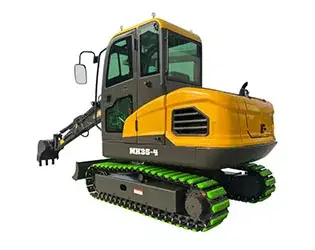
The total cost of ownership includes more than just the buying price. It also includes maintenance costs, the supply of parts, and the residual worth of the Mini Excavator 35. When it comes to the aftermarket market, machines built to international quality standards with parts that are easy to find tend to hold their value better than machines from lesser-known names that don't have as much support. Certifications like ISO 9001 and EPA safety paperwork help make sure that equipment is qualified for projects with strict buying rules.
Procurement Considerations: Buying, Renting, and Financing Mini Excavator 35
When you buy small excavation tools, you have to make smart choices that go beyond just comparing prices. Professionals in procurement have to look at a vendor's skills, support systems, and financial structures to make sure they fit with the goals of the company.
Manufacturer Direct Relationships
Shandong Mingko Industry Corporation has a factory in Jining Economic Development Zone that is 50,000 square meters and has more than 400 workers who are committed to making high-quality small equipment. This scale lets them make up to 15,000 pieces of all of their products every year while still letting them make changes as needed. The low minimum order number of one unit makes it easy for both big fleet operators and smaller contractors who are thinking about using the Mini Excavator 35 units.
Having a direct connection with a company has benefits beyond just saving money. Instead of salespeople who don't know much about technology, technical help comes from engineers who do know about design specs. Customization requests are looked at by production teams that can make the changes, so there is no need for multiple parties to negotiate. When you work directly with production schedulers instead of managing dealer inventory systems, you can be more sure of when deliveries will happen.
Warranty and After-Sales Support Framework
The 12-month warranty covers problems with the mechanical and hydraulic systems that might show up during the important break-in time. This coverage goes beyond basic powertrain parts to include hydraulic valves, cylinders, and electronic controls that can cost a lot to fix if they break down outside of warranty times. Offering free extras and video instructions for installation shows a dedication to customer satisfaction that goes beyond the original purchase.
The provision of after-sales service has a big effect on how well technology works and how smoothly operations can continue. Helping buyers with the customs clearance process is especially helpful for people who are buying Mini Excavator 35 tools from other countries for the first time. This is because it cuts down on the paperwork and delays that could cost a lot of money.
Financing Structures for Capital Equipment
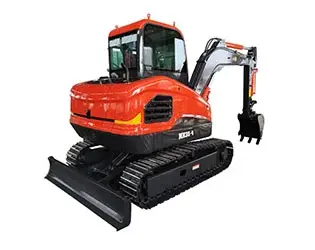
Buying new capital tools can put a strain on the cash flow of even well-established businesses. Specific financial terms depend on the buyer's qualities and the state of the market, but working with makers who offer flexible payment plans can help with budgeting. Leasing equipment lets companies match payment plans with projects that make money using the Mini Excavator 35, which speeds up the time it takes to get their money back.
Rental options are mostly useful for workers whose project schedules aren't set in stone or who want to test out a Mini Excavator 35's capabilities before buying one. Well-kept small excavators have high leftover values, which makes owning one a good financial choice for businesses that use them more than 800 hours a year. Buying equipment instead of renting it is usually a better way to make money when it's used on multi-year contracts or as fixed adds to a fleet.
Key Features Driving Efficiency in Digging Operations
The technical features inside compact excavation tools have a direct effect on how productive it is and how profitable the job is. A closer look at a few specific parts of this machine is warranted because they help with digging tasks more efficiently.
Advanced Hydraulic Control Systems
Compared to older mechanical connection controls, the hydraulic pilot valve control method is a big improvement in how the Mini Excavator 35 works. This setup turns the operator's hand movements into proportional hydraulic signals that very precisely control how the tool works. The less physical work that is needed to run a machine keeps operators from getting tired during long shifts, so they can keep up their output levels all day.
Optimal Bucket Configuration
The normal bucket capacity of 0.26 cubic meters is based on how well the machine's hydraulic breakout forces and pulling capacity work together. This size lets the Mini Excavator 35 dig as hard as it can while still keeping the load of dirt and other things inside safe limits. The 30.4-kilonewton bucket digging force is useful for contractors working in thick clay soils or packed fill materials because it breaks through tough conditions without needing the machine to be moved around a lot.
Attachment Versatility and Quick Coupling
With the extra hydraulic circuit, this Mini Excavator 35 can be used for more than just digging. It can also be used as a work platform for many tasks. Breaking through concrete and cracking rocks with hydraulic hammers is possible without having to use different tools or do the work by hand. With an auger attachment, you can drill exact holes for fence posts, sign placements, or dirt samples. This level of positioning accuracy is not possible with truck-mounted equipment in confined areas.
Operator Comfort and Ergonomic Design
For operators to stay productive during the 8–10-hour shifts that are common in building work, they need to be comfortable. The layout of the cabin includes control placements that are better for your health by reducing odd hand angles and overreaching, both of which can lead to repetitive strain injuries. Clear views of the cutting edges of the bucket and the places of the tracks keep workers from getting mentally tired from constantly checking their surroundings, so they can stay focused on their main excavation tasks.
Best Practices for Maximizing Mini Excavator 35 Efficiency and Longevity
When workers and repair staff follow best practices that increase equipment's useful life while keeping it running at its best, investors get the best returns on their money.
Systematic Maintenance Programs
Schedules for routine repair should match what the maker suggests and take into account how bad the problem is. When machines work in rough grounds or dusty places, they need to change their filters more often than when they work in clean places. Every day, walkaround checks find fluid leaks, tension problems, and wear on attachments before small problems get worse and need expensive fixes or catastrophic failures.
The 7-liter engine oil capacity and 44-liter hydraulic reservoir make the service amounts doable, which makes it easier to stick to the change times. Hydraulic fluid research tools find patterns of contamination and wear and tear, which let you change parts before they break down. Track tension changes make sure that the shoes have good contact with the ground and that the wear is spread out evenly across the shoes, which extends the time between replacements and keeps the grip performance of the Mini Excavator 35.
Operator Training and Skill Development
The most advanced machines don't do very well when operated by people who aren't skilled, but simple machines can do a lot of work when operated by experts. Comprehensive operator training programs should teach not only basic control functions, but also effective digging methods, load cycle optimization, and rules for being aware of your surroundings that keep crashes and damage to equipment at bay.
When operators are taught the right way to place the bucket and dig, they can do more work with less fuel use and less damage to machine parts. By knowing what a hydraulic system can do, you can avoid damaging actions like using bucket teeth to pry, which breaks structural parts and causes failures to happen too soon. When you notice strange sounds, noises, or changes in performance, you can take action quickly, before small problems get worse and need major fixes.
Application-Specific Operating Techniques
Operating tactics need to be changed based on the land conditions and the needs of the project. When the clay is wet, the bucket angles need to be sharp, and the cutting passes need to be quicker so that material doesn't build up and lower the capacity. In rocky areas, a deeper entry that is slower and more controlled is better because it lets hydraulic escape forces break down materials instead of skipping across surfaces.
When contractors make operation rules for the types of work they do most often, they get measurably better output and longer equipment life. Documenting the best ways to do things and giving people regular refresher training keeps performance standards uniform across all operators and equipment parts. Over time, this methodical approach to operational success builds on itself, giving you a competitive edge that you can't get from just specifying tools.
Conclusion
For example, the Mini Excavator 35 is in a mature category of equipment where long-term worth is determined more by technical improvements and manufacturing quality than by new features. When builders want reliable performance in utility building, landscaping, and light demolition tasks, this machine is the way to go. With its zero-turn tail design, responsive hydraulic controls, and ability to meet international emission standards, this machine solves real operating problems that come up in modern building settings. When making choices about what to buy, procurement professionals who are looking at small excavation tools should put total ownership costs and seller support skills at the top of the list.
FAQ
What distinguishes the MK35-4 model's digging capabilities?
The machine can dig as deep as 2545 mm and has a working radius of 5480 mm because the boom and arm design have been adjusted. The 30.4kN bucket digging force works well on hard soils, and the zero-turn tail makes it possible to get work done in tight spaces where regular excavators need too much room.
How does fuel consumption compare across operational conditions?
The actual amount used depends on how hard the work is, but the 34kW engine usually has good fuel economy for a 3.6-ton Mini Excavator 35. The two-speed transmission lets workers choose the best journey speeds to balance fuel efficiency with productivity when moving from one work area to another.
Should contractors purchase or rent compact excavators?
When yearly use goes over 800 working hours, ownership becomes financially advantageous. Contractors who have a steady stream of projects can get tools without having to pay extra for rentals. Businesses that want to see what a Mini Excavator 35 can do or that don't know how much work they will have might look into hiring choices before buying one.
Partner with a Trusted Mini Excavator 35 Manufacturer
Shandong Mingko Industry Corporation has been making machines for more than 15 years, so they can make reliable, compact excavation tools for workers. Our plant is ISO 9001-certified and makes Mini Excavator 35 models that meet EPA and CE standards. We can offer reasonable prices because we deal directly with the factory. We can accommodate requests for customizations starting at a single unit, and we offer full after-sales service, including warranties that last for 12 months and expert help that lasts a lifetime. Email our skilled sales team at sales@mingkomach.com to talk about the specifics of your project and get quotes in writing. Visit sdmkmachinery.com to see all of our products and get access to detailed information that will help you make smart choices about equipment.
References
1. Society of Automotive Engineers. "Hydraulic Excavator Performance Testing Standards." SAE International Technical Paper Series, 2021.
2. Construction Equipment Association. "Compact Excavator Market Analysis and Application Guidelines." Annual Industry Report, 2022.
3. International Organization for Standardization. "Earth-Moving Machinery: Safety Requirements for Hydraulic Excavators." ISO 6165 Technical Standards, 2020.
4. American Society of Civil Engineers. "Best Practices for Compact Equipment Selection in Urban Construction Projects." ASCE Professional Practice Manual, 2021.
5. Equipment Management Council. "Total Cost of Ownership Analysis for Construction Equipment: A Procurement Guide." Industry Research Publication, 2022.
6. National Institute for Occupational Safety and Health. "Ergonomic Design Principles for Heavy Equipment Operators." NIOSH Technical Guidelines, 2020.