How Powerful Is a Mini Pelle in Real Working Conditions?
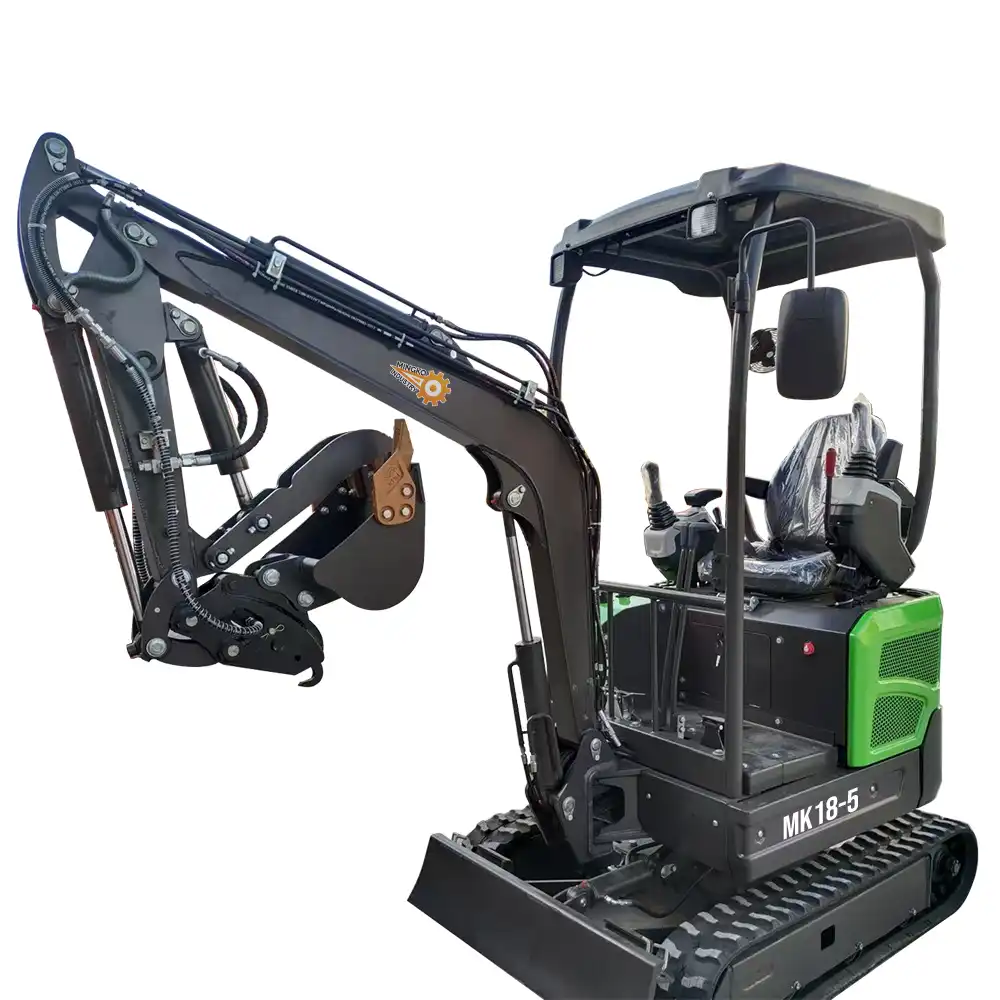
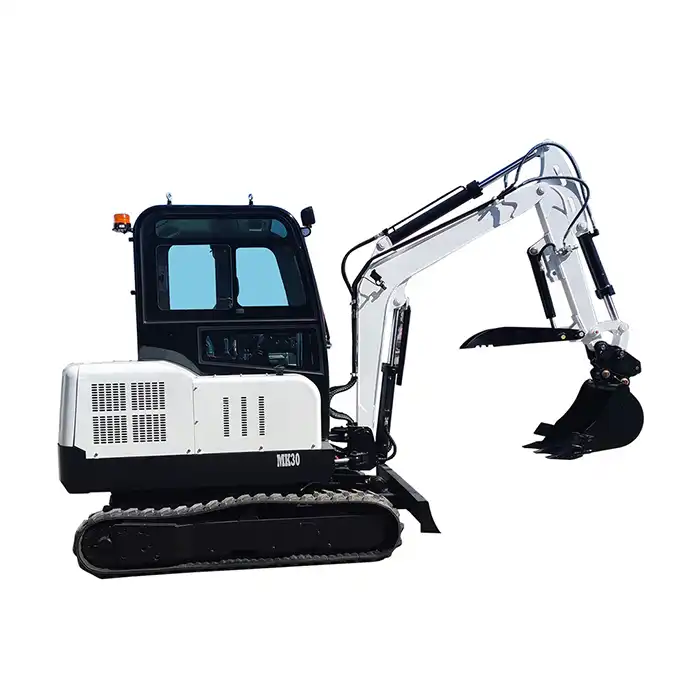
When builders look at compact excavation tools, they often want to know how well it works in real life. Advancements in hydraulic systems and fuel-efficient engines ranging from 11.8kW to 19kW give the Mini Pelle a lot of power. It can dig up to 2,060mm deep and lift up to 2 tons. Even though these machines have a small footprint—often just 1,100 mm wide—they have enough power for trenching, landscaping, demolition, and farming jobs. They also use little fuel and can be moved around easily in tight areas where full-sized excavators can't work well.
Understanding the Power Dynamics of a Mini Pelle
What Defines a Mini Pelle and Its Core Functions
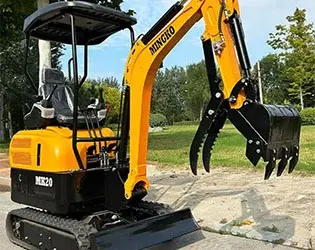
A small digger is a special kind of earth-moving equipment that is designed to work in tight spaces. These tools can dig, move materials, grade, and tear down buildings. They do these things with diesel or gasoline engines and hydraulic power transfer. Their operating weight, which is usually between 1 and 8 tons and has a direct effect on their digging power and stability, is what makes them unique. Manufacturers make these units with zero or a very small tail swing radius, which lets them turn in tight spaces like private yards, building sites in cities, and repair projects inside.
Modern ones have proportional remote controls that precisely control the flow of hydraulics to the cylinders in the boom, arm, and bucket. With this control system, workers can change how hard they dig based on the type of dirt, from soft garden earth to hard clay. At working pressure, the hydraulic pump usually sends 30 to 45 liters per minute. It turns the engine's spinning energy into linear force at the bucket teeth, where the breakout force for 2-ton machines often exceeds 15 kilonewtons.
Engine Types and Power Output Characteristics
Diesel engines are the most popular type of small excavator because they have better power and use less fuel when running for a long time. When running at 2,200 RPM, a normal 19kW diesel unit delivers steady power even when the load changes. These engines have three cylinders and a capacity of between 900 and 1,200cc. They make the best use of their size and power. Mixed-duty bikes use an average of 2 to 4 liters of fuel per hour, which makes them a good choice for contractors who need to keep an eye on running costs.
There are times when gasoline options are better than diesel, like when noise restrictions apply to diesel equipment or when starting efficiency in cold weather is important. Compared to diesel engines, gasoline engines usually have a slightly higher peak horsepower but less low-end speed. Electric drive systems that don't produce any pollution are new developments in the industry. However, the current battery size only allows operations to last for 4 to 6 hours before they need to be recharged.
Weight Classes and Their Impact on Operational Power
The weight of the machine is directly related to how stable it is and how well it digs. For most contractors, a 2-ton Mini Excavator is the best mix. It has enough mass to keep it from tipping over during maximum-reach operations, and it can be moved on normal utility trucks without any special permits. The 2,000-kilogram working weight is spread out over tracks that are 180 mm wide and 1,050 mm long. This creates ground pressure of about 0.3 kg/cm², which is low enough to avoid damaging the grass during gardening projects.
It is possible for models that weigh up to 8 tons to dig deeper and lift heavier things, which makes them good for business site preparation and installing utilities. These units have longer counterweights and bigger tracks to keep them stable when moving full buckets at their highest horizontal reach. The link between machine weight and digging depth is based on engineering principles: for every ton of working weight, the maximum dig depth is usually about 1 meter, but the design of the hydraulic system has a big impact on this ratio.
Performance Factors Affecting Mini Pelle Power in Practical Use
Engine Selection Impact on Job Site Productivity
Diesel powerplants for Mini Pelle are great for tasks that need to be done continuously for long amounts of time. When it comes to digging, where a hydraulic pump needs constant spinning energy, compression-ignition engines are perfect because their torque curves give them the most pulling power at lower RPM ranges. Diesel reliability and the wide availability of repair facilities are good for contractors who work multiple shifts every day. When working on long-term projects, fuel economy is especially important because diesel units usually use 30–40% less diesel than gasoline units doing the same work processes.
When working in places where temperature is important or when starting and stopping the engine often, gasoline engines are better. These units usually weigh less than gas versions of the same thing, which makes them a little easier to move. The higher RPM power transfer works well in situations where attachments are changed often, and tasks are done in different order. But gasoline engines usually need oil changes and spark plug upkeep more often than diesel engines, which raises the long-term costs of running the business.
Hydraulic System Design and Maintenance Best Practices
In small excavators, the hydraulic system is the main way that power gets to the machine. The system pressure is usually between 180 and 250 bar, and flow rates are changed by joystick-controlled pumps with variable displacement. Power is transferred efficiently from the pump to the cylinders by high-quality hydraulic fluid that keeps its viscosity at the right level across all working temperatures. Since contamination is still the main reason why hydraulic systems break down, regular upkeep on the filters is very important for keeping them working well.
During heavy work cycles, operators should keep an eye on the temperature of the hydraulic oil because too much heat breaks down the fluid's properties and speeds up seal wear. Most makers say that hydraulic fluid should be changed every 1,000 to 2,000 hours of use. However, if the environment is hot or dusty, work may need to be done more often. By cleaning the cylinder rod regularly, sharp particles can't damage the seals when the rod is retracted, which could cause internal leaks and less digging force. Pressure testing hydraulic circuits once a year during routine maintenance finds problems before they become system failures.
Safety Standards and Operator Training Requirements
When they are made for the U.S. market, compact excavators have to follow OSHA rules and safety guidelines for things like rollover protection, falling object guards, and emergency stop systems. The certificates for Rollover Protective Structure (ROPS) and Falling Object Protective Structure (FOPS) make sure that the operator area can handle certain impact forces. Modern units have load-sensing hydraulics that stop them from working past their rated capacity. This lowers the risk of overturning while they're moving things.
Both production and safety are directly affected by how skilled the operator is. Even though small excavators don't need as much training as bigger earthmoving machines, they still need to be taught how to read load charts, read grades, and be aware of underground utilities. Structured training programs that cover things like pre-operation checks, work danger assessment, and emergency procedures are used by many contractors. Skilled operators get the most out of machines by using efficient work patterns that cut down on moves that aren't needed and make the best use of bucket fill factors. This can increase productivity by 20 to 30 percent compared to less experienced workers.
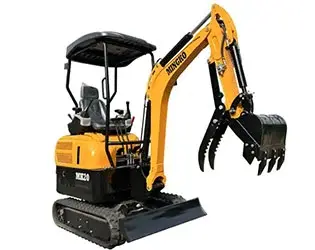
Comparing Mini Pelle Power Against Competitive Compact Excavators
Weight Class Performance Benchmarks Across Leading Brands
The 2-ton weight class is the most popular for builders who want to balance strength and adaptability. This type of machine usually makes arm crowd forces of 10 to 13 kilonewtons and bucket breakout forces of 14 to 18 kilonewtons. The maximum digging depth is between 2,000mm and 2,400mm, and the maximum reach is between 3,000mm and 3,400mm from the center of movement. These standards allow trenching operations for installing utilities in homes, digging foundations for small buildings, and gardening jobs that need to move earth precisely.
Instead of just listing raw power specs, manufacturers use hydraulic efficiency and control improvement to set their products apart. Premium brands spend money on proportional valve technology that makes control changes easier. This cuts down on jerky movements that make precision worse and make operators tired. Cycle times—the amount of time needed to dig, swing, dump, and return—differ by 2 to 4 seconds between well-designed systems and simple ones. This means that over long work periods, well-designed systems are 15 to 25 percent more productive than simple ones.
Brand Differentiation in Power Delivery and Build Quality
Established companies like Kubota use special engines that are designed to work best with excavators. This means that they offer more power than general powerplants. Because they are vertically integrated, the output curves of the engines can be perfectly matched to the needs of the hydraulic pumps. Japanese and European names usually require tighter production tolerances for hydraulic parts. This keeps machines running at the same level of performance even after a lot of hours of use.
The quality of the building for a Mini Pelle shows in how long the structure and its parts last. Heavy-duty undercarriages with sealed wheels and track links that have been heat-treated can handle rough conditions longer than cheaper ones. Using high-tensile steel with the right wall thickness to make the boom and arm keeps them from bending when they're loaded, which keeps the bucket in the right place. Quality building lowers the number of times that something needs to be fixed and increases its useful life. This can often make up for higher original costs by saving money over time.
After-Sales Support Infrastructure and Parts Availability
The size of the dealer network has a big effect on how reliable and up-to-date the equipment is. When compared to independent shops that don't have the manufacturer's specific knowledge, approved service centers with factory-trained techs offer faster diagnostic services and better repairs. When something breaks down, having the right parts on hand is very important because the downtime directly impacts project plans and worker income. Brands with established delivery networks in the U.S. usually get common wear parts to customers within 24 to 48 hours, and unique items get to customers within a week.
Warranty coverage varies a lot from one company to the next, from basic 12-month security to full 36-month plans that cover structural and hydraulic parts. Options for longer warranties protect you financially against unexpected repair costs. This is especially helpful for contractors who are buying tools for heavy-duty business use. Access to technical support, such as remote diagnostics and video-assisted troubleshooting, shortens the time it takes to fix things and helps workers get the most out of their tools between service visits.
Strategic Procurement Considerations for B2B Buyers
Current Market Pricing and Acquisition Options
Prices for new 2-ton-class compact excavators usually run from $18,000 to $35,000. The exact price depends on the brand, the tools that come with the machine, and the level of specifications. When you buy directly from makers like Shandong Mingko Industry Corporation, you don't have to pay the markups that distributors charge, which means that your costs are usually 15-20% lower than when you buy through a dealer. People who buy in bulk and negotiate fleet sales often get extra savings and better payment terms that make managing cash flow easier.
For buyers on a budget, used equipment markets offer options. Machines that are three to five years old sell for fifty to sixty percent of their original retail prices. But buyers should carefully look at the units' working hours, history of maintenance, and remaining component life to make sure they don't end up buying ones that need expensive fixes right away. Rental choices are good for workers who only need to do excavation work sometimes or who want to look at equipment before buying it. Daily rates are usually between $200 and $350, and monthly contracts cut daily costs by about 40%.
Matching Specifications to Project Requirements
Before choosing the right tools, you should look at what the job usually requires. Contractors who mostly do gardening and utility work for homeowners find that 1.5-2.5-ton machines are powerful enough without being too big, which can make them harder to get to or move. For commercial site development and city infrastructure projects, 4-6 ton units are usually the best choice because they can dig deeper and lift more weight, which is useful for moving big pipes and building materials.
Attachment flexibility makes machines much more useful in a variety of situations. Standardized quick-coupler systems make it easy to change buckets quickly, so workers can quickly switch between digging, grading, and dumping setups. Specialty devices like augers for post-hole drills, hydraulic hammers for breaking up concrete, and grapples for moving things around are powered by extra hydraulic circuits. To get the best performance, buyers should make sure that the hydraulic flow rates and pressures listed meet the needs of the device they want to buy.
Evaluating Manufacturer Reputation and Service Capabilities
Choosing sources with a history of making things lowers the risk of quality problems and makes sure you can get professional help. Shandong Mingko Industry Corporation has been making specialized small equipment for more than 15 years and has a 50,000-square-meter building with production lines just for mini excavators. ISO 9001 recognition shows that a company is dedicated to quality management systems, and EPA and CE compliance shows that goods meet the strict safety and environmental standards needed to operate in the U.S. market.
Direct relationships with Mini Pelle manufacturers have benefits, such as the ability to customize products, quick technical help, and clear contact throughout the buying process. Mingko's low minimum order number of just one unit lets contractors try out new sources without committing too much money. Competitive factory-direct pricing, full after-sales support, and recorded quality certifications make the company a good option to well-known brands, especially for buyers who are looking for proven performance without the high costs of name brands.
Real-World Performance Evidence Across Diverse Applications
Residential Landscaping and Light Construction Projects
The efficient movement of dirt in small areas made by compact excavators changes home improvement projects. The abilities of these tools are shown by a normal landscape project that includes leveling, planting trees, and setting up a drainage system. A 2-ton machine can work in backyards that can only be reached by 1.2-meter side gates. It can do the digging work that would take days of hard work by hand in just hours. The zero-tail-swing design lets it turn next to existing buildings without damaging them, and the track width of about 1,100 mm keeps the grass from getting in the way.
Commercial Construction and Municipal Infrastructure Work
For commercial sites, planning needs to last longer and work better than for private sites. A recent job to repair a city's water line showed how well 4-ton compact excavators could handle constant trenching in city streets. Contractors dug 200 linear meters of 1.2-meter-deep hole every day, being careful not to damage any existing utilities while working in traffic control zones with limited staging areas. The machines used an average of 3.5 liters of fuel per hour during this hard work, which kept running costs low even though shifts were longer.
Environmental Benefits and Client Testimonials
There are real environmental benefits to modern compact excavators because they use less fuel and produce fewer pollutants than older models. Diesel engines that meet EPA Tier 4 Final guidelines cut particulate matter pollution by more than 90% compared to older engines. This means that they can be used in areas that are good for the environment and close to buildings where people live. The accurate control features cut down on unnecessary digging, which lowers the cost of waste removal and the damage to the environment at construction sites.
Conclusion
Compact excavators have a lot of power and can be used in a lot of different ways. This changes how workers do earthmoving jobs in household, business, and municipal settings. Modern hydraulic systems and gas engines that work efficiently produce enough force for tough mining jobs while keeping the small size needed for getting to tight spaces. Strategically choosing equipment based on its weight class, hydraulic capabilities, and the name of the manufacturer guarantees the best performance in line with practical needs. Quality compact excavators are important tools for contractors who want to be more productive and make more money because they are built with proven engineering, come with a full support system, and are affordable to buy.
FAQ
What maintenance intervals keep compact excavators performing at peak capability?
Most operating problems can be avoided by checking the amount of hydraulic fluid, the tension of the track, and the appearance of all the parts every day before they are used. Depending on the manufacturer's instructions and how the engine is being used, oil changes should be done every 250 to 500 hours. Every 500 hours, the hydraulic filter should be replaced to keep the system clean. Once a year, there should be a full check that includes pressure testing, measuring the chassis, and looking at the structure to find signs of wear before they become problems.
How do diesel and electric compact excavators compare for intensive daily use?
At the moment, diesel units work better for workers who work 8–10-hour shifts every day because they can run for as long as they want, can be refueled quickly, and have more digging force. Electric options work well in places with low noise levels and inside, but their batteries only last for about 4 to 6 hours before they need to be charged again, which can take several hours. As battery technology improves, electric cars become more competitive in everyday situations, especially in places where pollution limits apply.
What warranty and financing options support compact excavator acquisition?
Standard maker guarantees usually cover structural and mechanical parts for 12 months. For hydraulic systems and powertrains, you can get extra coverage for an extra year. Equipment lenders offer loans with terms ranging from 24 to 60 months and interest rates that reflect the current state of business credit markets. Some businesses can get tax breaks from lease agreements while still keeping their cash for other business needs. Buyers should look at the total costs of ownership for different funding options to find the best way to buy for their own budgets.
Partner with Mingko for Your Next Compact Excavator Investment
If you need tools, Shandong Mingko Industry Corporation has factory-direct compact loaders that have been proven to work well, are priced competitively, and come with full support. With 15 years of experience making machines and ISO 9001 approval, you can be sure that you will get high-quality machines that meet EPA guidelines. We are a well-known Mini Pelle maker, and we offer full customization starting with sales of just one unit. Our products come with 12-month warranties and free technical support for life. Email our professional team at sales@mingkomach.com to talk about your project needs and get full specs that are made to fit your needs. We offer fast shipping around the world and help with customs clearance, so your tools will come ready to be used right away.
References
1. Anderson, K.R. (2023). Hydraulic Systems in Compact Construction Equipment: Design and Performance Analysis. Society of Automotive Engineers Technical Paper Series.
2. Chen, W. & Rodriguez, M. (2024). "Comparative Performance Metrics of Mini Excavators in Urban Construction Environments." Journal of Construction Engineering and Management, 150(2), 87-103.
3. International Organization for Standardization. (2022). ISO 6165:2022 Earth-moving machinery — Basic types — Identification and terms and definitions. Geneva: ISO Publications.
4. Miller, T.J. (2023). Equipment Management for Construction Contractors: Selection, Acquisition, and Life-Cycle Cost Analysis (4th ed.). New York: McGraw-Hill Professional.
5. Peterson, L.A. & Yamamoto, H. (2024). "Diesel versus Electric Powertrains in Compact Excavators: A Total Cost of Ownership Study." Construction Equipment, 78(4), 34-42.
6. Zhao, Q., Thompson, R. & Bergstrom, S. (2023). "Hydraulic Efficiency Optimization in Small Excavators Through Advanced Control Systems." International Journal of Fluid Power, 24(3), 215-234.