Mini Hydraulic Excavator Benefits for Construction Projects
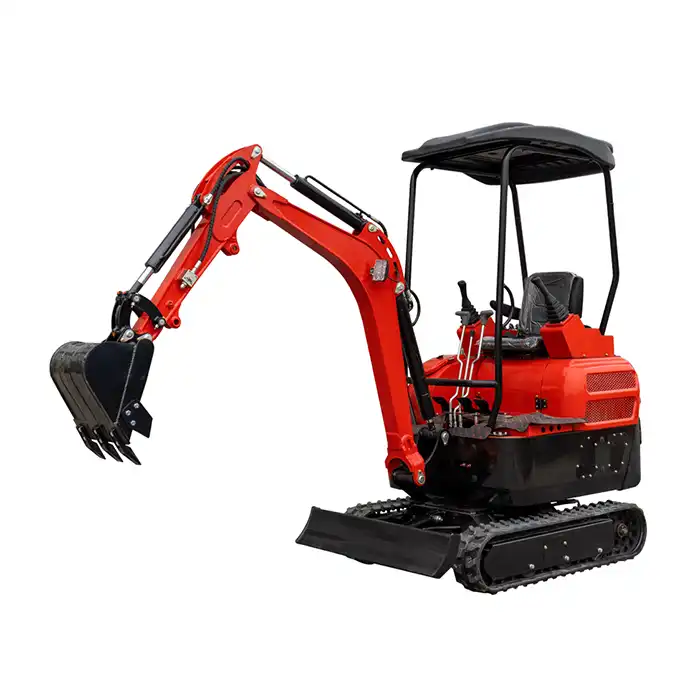
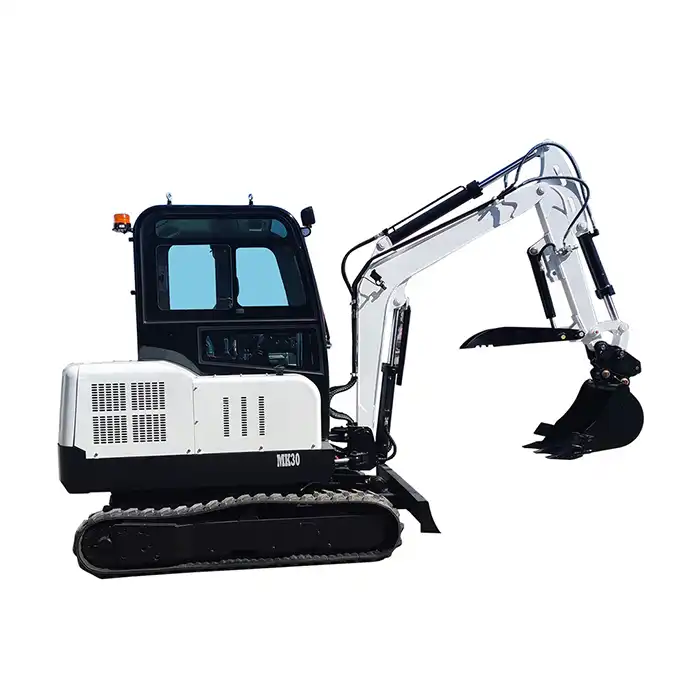
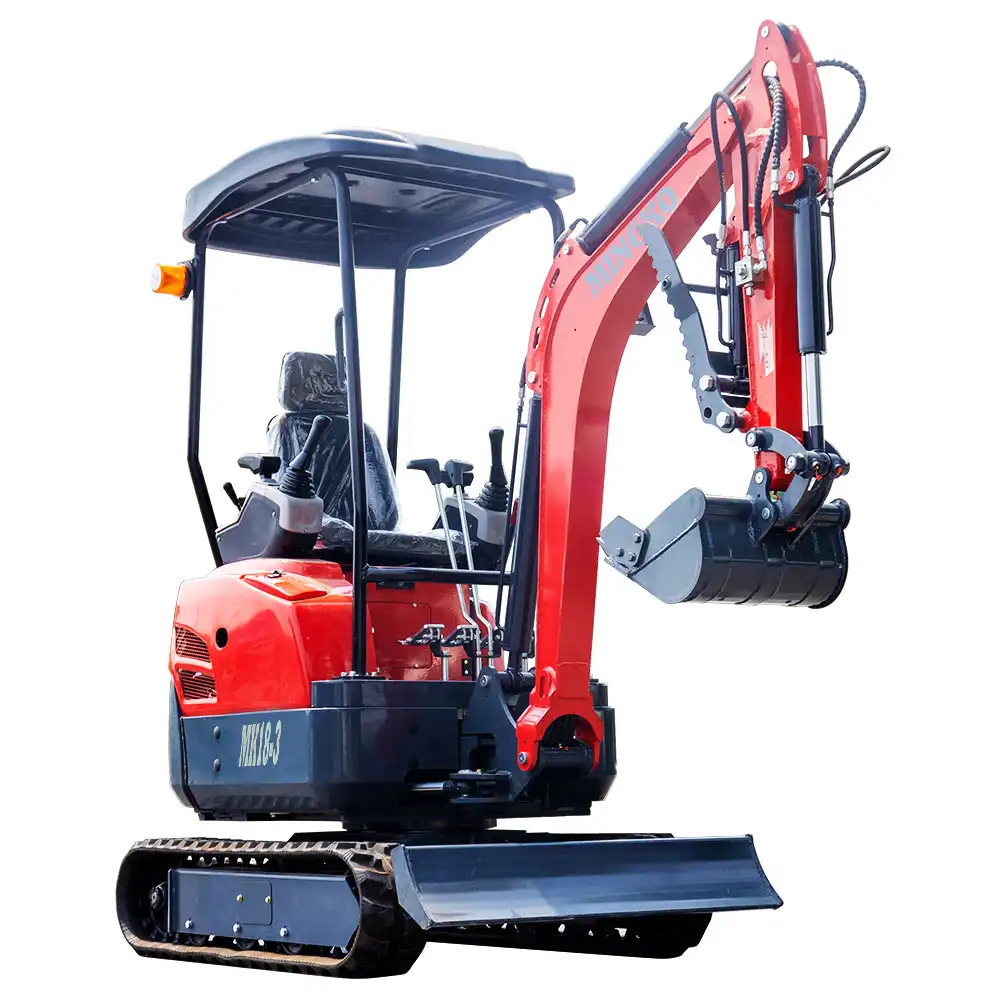
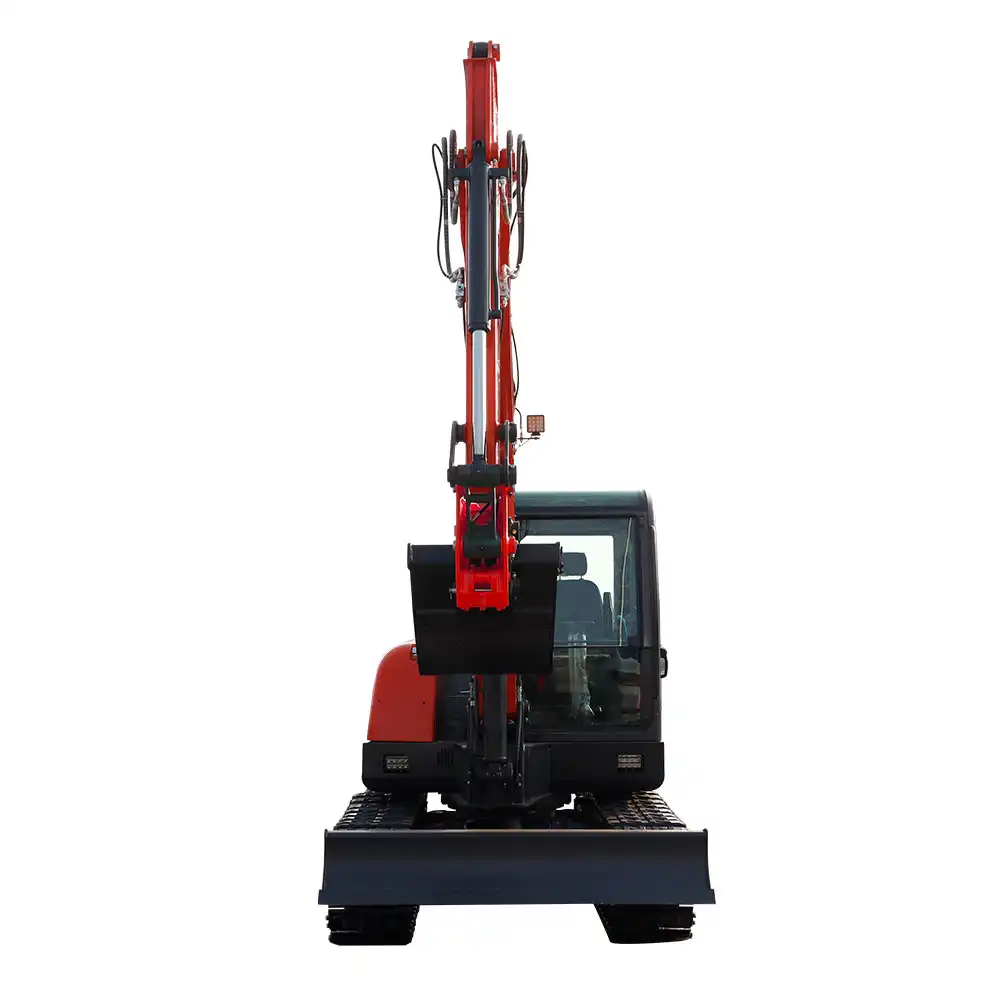
Today, if you go to a building site, you'll probably see a small machine that's good at getting into tight areas. That's a Mini Hydraulic Excavator at work. These tools have changed how contractors all over the United States do jobs like digging, landscaping, and installing utilities. With their excellent maneuverability and strong performance, small excavators are able to solve important problems that big, standard machines can't. They are essential for modern building processes because they are easy to maintain, run efficiently, and use mature technology with international-standard engines. With models ranging from 1 ton to 3.5 tons, these machines can handle a wide range of daily work needs. They also offer cost-effective solutions that boost project profits and operating efficiency.
Understanding Compact Excavation Equipment and Their Core Advantages
The building business is always looking for tools that make them more productive without costing too much. Compact mining equipment is a big step forward in finding this balance, especially for projects that are limited by both room and money.
What Makes Hydraulic Systems Essential
A complex network of pumps, valves, and cylinders works together to power these tools using hydraulic technology. Advanced pump and valve systems that use Italian technology give you exact control over how hard you dig and how the bucket moves. With this hydraulic accuracy, workers can do sensitive work near buildings or utilities without damaging them, and the machine still has enough power to do hard dig work. The system's efficiency directly leads to less fuel use and longer component life, which are two major operational issues for building companies.
Space-Constrained Worksite Solutions
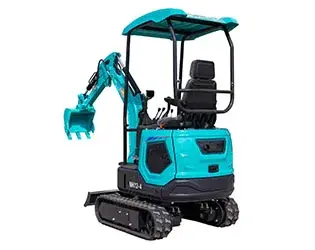
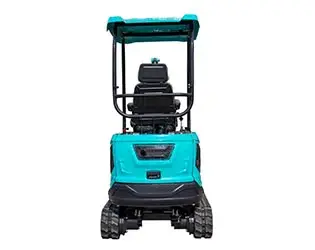
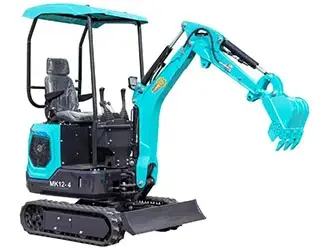
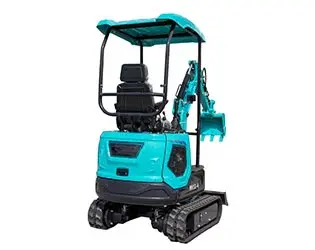
In urban building sites, there are special problems that regular tools just can't solve. Narrow alleys, backyards, and repair jobs inside need machines that leave small footprints. In these situations, compact loaders work great because they can get to places where bigger machines would not be able to. We at Shandong Mingko Industry Corporation make sure that our machines are stable while running and have the right size for moving around in small spaces. With a frame width of only 940mm and a total size of 2200 x 940 x 2150 mm, the MK12-4 model shows how careful engineering can open up access ways that let you provide more services.
Economic Operation Through Mature Technology
Every choice to buy tools is based on money concerns. Through a number of economic routes, these tools provide exceptional value. Right-sized engines that are matched to the real task needs rather than ones with too much power ratings use less fuel. International standard engines are reliable, and parts are always available through global supply lines. Maintenance steps are easy to follow, which cuts down on downtime and expert work hours. When you add up the total cost of ownership over the life of a machine, you can see that it saves you a lot of money compared to keeping bigger machines or doing things by hand.
Attachment Versatility Expands Revenue Opportunities
With quick-change attachment methods, a single small digger can be turned into a number of different specialized tools. Standard buckets can be used for normal digging and moving things around. Hydraulic breakers are used for removal. Augers make exact holes that are used for installing posts or laying foundations. Rippers can get through hardened dirt or worn-out roads. This means that your investment in tools can be used for a variety of projects instead of just sitting there between specific jobs. Construction companies that use our tools say they are more competitive when taking on different types of projects because they don't have to rent as many different types of specialized equipment.
These benefits are clearly shown by real-world examples. Landscapers use Mini Hydraulic Excavators to dig holes for pools, build retaining walls, and set up drainage systems without damaging the grass around the pools. Utility companies use them to dig trenches in established neighborhoods where regular backhoes can't go because of the roads that lead to those areas. The maintenance offices of cities and towns like how well they can fix up parks and make small infrastructure changes. These real-life examples show how the tools improve processes, cut costs, and don't lose any functionality.
Critical Specifications and Operational Parameters to Consider
In order to choose the right tools, you need to know how technical specs translate into performance and cost in the real world. Buying decisions based on a full review of all parameters lead to better long-term results than decisions based only on the original purchase price.
Dimensions and Weight Impact on Deployment
Transport plans have a big impact on the prices and schedules of a project. Small excavators are very useful in this situation because they can be moved on regular trucks without needing special permits for large loads. Since the MK12-4 type weighs 1200 kg, it can be moved with normal moving tools. With a transport length of 2100mm, you can move multiple units at once, making it easier to move your fleet between job sites. A 380mm ground clearance lets you get around obstacles and keeps your center of gravity low for safety. These dimensions directly affect how quickly you can move tools to new project sites, cutting down on the time you have to wait between tasks that you can't do anything.
Operating Cost Drivers and Efficiency Optimization
Costs related to fuel use continue as long as the machine is owned. Mini Hydraulic Excavators are more efficient because their engines are the right size. For example, the MK12-4 has 8.2kw of power, which is enough to do the job without being too powerful. When you use less fuel, you save money over hundreds of hours of operation every year. Maintenance costs stay low because service methods are easy to follow and parts are laid out in a way that makes them easy to reach. Technicians don't need as much time to work on simple machines like cars and trucks when they need to change the oil, replace the filters, and do regular checks. Longer service intervals cut down on working interruptions even more, so your teams can keep up with their work plans without having to take frequent breaks for maintenance.
Safety Features and Compliance Standards
Comprehensive safety planning is needed to protect workers and keep investments safe. Modern small tractors have many safety features that meet international safety standards. Operator stations let you see the whole work area, so there are no hidden spots that could be risky. When working on uneven ground, stability devices keep things from tipping over. When dangerous situations happen, emergency shutdown systems act right away. Our machines at Shandong Mingko are certified by the EPA and the CE. This makes sure that they follow the rules in the US and other big markets. When procurement managers are in charge of risk management, these certificates give them the peace of mind they need to protect both their employees and the company from harm.
Comparing Excavation Equipment: Choosing the Best for Your Projects
Choosing the right equipment has a bigger impact on the results of a job than many workers realize at first. Knowing the differences between types of similar machinery helps you make smart choices that meet working needs and business goals.
Functional Differences Between Size Categories
The words "Mini Hydraulic Excavator" and "compact" are often used equally, but they mean different things. Mini Excavators, which usually weigh between 1 and 3.5 tons, are best for small areas and light digging jobs. The 4- to 8-ton range of compact excavators gives you more digging depth and breaking power. Shandong Mingko makes products in all of these areas, so they can meet the needs of different applications. A landscaping worker who mostly works in private areas would benefit from being able to move a 1-ton unit easily, while utility installation jobs that need deeper ditches would benefit from a 3.5-ton unit. By matching the size of the machine to the needs of a normal job, both under-capacity and over-capacity waste can be avoided.
Power Source Considerations
Diesel engines are the most popular type of small digger because they are reliable and use little energy. Because these engines keep putting out the same amount of power over long periods of time, they are perfect for all-day building plans. Electric models are becoming more popular as options when rules about pollution get stricter or when operation has to be done inside. Electric powertrains don't release any pollution into the air, so they can be used in protected spaces or places that are good for the environment. They also cut down on noise levels a lot, which is helpful for jobs in home areas with strict noise laws. Electric options are in line with corporate responsibility standards for companies that want to be more environmentally friendly, but the current state of battery technology means they can't run continuously for as long as gas options.
Brand Performance Insights
When procurement teams look at equipment choices, they often compare well-known names like Caterpillar, Bobcat, and Kubota. These companies have strong track records and large networks of dealers. Shandong Mingko offers strong options thanks to ten years of ongoing study, development, and improvement. Our production center is more than 50,000 square meters, and we have more than 400 workers. This makes sure that quality is always consistent and parts are always available. Our 30 million RMB investment in the Jinxiang town industrial park shows that we are committed to improving output and growing our capacity. With more than 15 years of experience in international trade, we know what the North American market needs.
Procurement Insights: How to Source Equipment Effectively
Strategic purchase methods keep total ownership costs low while making sure that equipment works reliably for its entire service life. Comparing specification sheets is only one part of a successful buying process. Another important part is analyzing all of a supplier's capabilities.
Critical Supplier Evaluation Factors
Long-term happiness depends more on how reliable the dealer is than on the quality of the tools themselves. When evaluating possible providers, look at more than just the prices they offer. Our ISO 9001 certification and National High-Tech Enterprise title show that we can handle quality in a systematic way and come up with new ideas. The size of a production run shows how stable the supply is. Our ability to make 15,000 units per year provides steady availability and low prices through economies of scale. Customization lets you meet specific needs—Shandong Mingko allows an MOQ of just 1 unit for custom specs, so you can meet the needs of specific applications without having to make sacrifices. Your investment is protected by the guarantee. Our 12-month assurance and lifetime technical support give you peace of mind while you own the product.
New Versus Used Equipment Considerations
Because of limited funds, people often have to look at the markets for used tools. When making this choice, you have to weigh the initial savings against the possible upkeep risks and shorter service life. Used machines may have hidden wear in their hydraulics, undercarriage, or engine parts that make repairs more expensive than thought. Predicting reliability is hard when you don't know the working past. New equipment from well-known companies like Meeko has performance specs that have been recorded, full insurance that protects you, and repair routines that you can plan for. Not only should the buying prices be compared, but also the total costs over five years, taking into account repairs, downtime, and selling values. When full lifecycle costs are properly estimated, many building companies find that new equipment from competing makers is a better deal.
Authorized Support Network Importance
Whether equipment is a useful tool or an annoying liability depends on how well it is maintained and used. When you work with makers who have a strong service presence in your working region, you can get help quickly when technical problems come up. Strict quality control and delivery without any defects keep problems from happening in the first place, and clear paperwork helps operators and support staff know how to do things right. This support system helps procurement managers speed up the buying process and lower the total cost of ownership by reducing downtime and making tools last longer. Working with a reputable Mini Hydraulic Excavator manufacturer ensures that your fleet remains operational and efficient throughout its lifecycle.
Future Trends and Innovations in Compact Construction Equipment
As technology improves and business goals change, the building equipment market continues to change. Businesses can make smart investment choices that keep their competitive edge when they understand new developments.
Technology Integration Enhancements
More and more Mini Hydraulic Excavators have telematics systems that give real-time information about where the machine is, how long it's been running, how much fuel it's using, and what repairs it needs. These monitoring features make fleet management better by finding equipment that isn't being used, setting up preventative repairs before it breaks down, and keeping track of trends in how operators do their jobs. Automation features are getting better than just cruise control. They now include semi-autonomous digging routines that keep the same depth and slope settings. IoT connection lets techs do remote diagnostics, which means they can look at how well a system is working without having to go to the job site. This speeds up service response times. These technology advances raise output and lower running costs, which is why connected equipment should cost a little more.
Sustainability and Environmental Compliance
Because of worries about climate change and air quality laws, environmental rules are getting stricter across all construction businesses. Electric and hybrid small excavators meet these needs by operating with zero or low pollution. Improvements to battery technology make them last longer, and faster charging methods cut down on downtime. Some cities and towns now require projects in sensitive areas or household zones to use zero-emission tools. This means that electric options are no longer a choice; they are required. When construction companies use environmentally friendly tools, they put themselves in a better situation to get jobs where environmental concerns affect who gets the job. Green building standards and company sustainability reports are starting to take equipment emissions into account more and more. This adds value to the business beyond just following the rules.
Market Developments and Pricing Dynamics
Global supply chains change how much equipment is available and how much it costs. Concentrated manufacturing in places like Shandong Province, China, leads to economies of scale that make prices more competitive. Shandong Mingko's factory-direct sales model cuts out the middlemen and passes the savings on to customers. Our strict quality control processes also keep the quality high. Changes that are coming to regulations about safety and carbon standards could make it more expensive for makers to follow the rules, which could affect prices in the future. Buyers gain from working with reliable providers like Meeko, which can handle changes in the market by producing in large quantities and running its business efficiently. By understanding how these markets work, you can plan your purchases in a way that takes advantage of good price windows and gets you equipment that meets changing standards.
Conclusion
Mini Hydraulic Excavators are useful for building projects because they take up less room, are easier to use, and can do a lot of different jobs. The success of an investment depends on how well you understand important specifications, compare equipment choices in a structured way, and choose dependable providers. Modern technology with international standard engines, modern Italian hydraulic systems, and easier maintenance needs makes it possible to make equipment that works well and doesn't cost too much. Models ranging from 1 to 3.5 tons can be used for a wide range of tasks, from gardening in homes to installing utilities. As technology improves and concerns about the environment grow, these machines keep changing to meet the needs of the industry while keeping the basic benefits that make them essential building tools.
FAQ
What tonnage range best suits residential construction projects?
For residential use, 1 to 2 ton machines that can fit through normal gate openings and cause as little damage to the yard as little as possible are usually best. These lighter types can dig deep enough for foundation work, utility trenches, and gardening projects, but they are still easy to move around in small backyards. The heavier 3.5-ton units are better for jobs that need to dig deeper or where the soil conditions need more breaking force.
How do maintenance requirements compare to larger excavators?
Because their systems are easier and have fewer parts, Mini Hydraulic Excavators need a lot less upkeep. Routine service times happen less often, and tasks like changing the oil or filter can be done faster because parts are easier to get to. Technicians who know how to do basic repairs on equipment can do most service jobs without special training. This cuts down on the need for expensive dealer service calls.
Can these machines handle commercial construction demands?
Yes, small excavators are often used on business jobs that need to dig trenches, prepare the site, and install utilities. They are useful for repair and growth projects because they can work quickly on small job sites and close to existing buildings. Attachment flexibility lets the same machine do jobs like digging, tearing down, and moving materials at different stages of a project, making the best use of the equipment.
Partner with a Trusted Mini Hydraulic Excavator Manufacturer
You are welcome to work directly with Shandong Mingko Industry Corporation, a well-known Mini Hydraulic Excavator seller that cares about your success. Our more than 50,000-square-meter facility makes up to 15,000 units a year, mixing large-scale production with the ability to customize each one. Even orders for a single unit get full engineering care. Our EPA, CE, and ISO 9001 certifications prove quality standards, and our competitive factory-direct price gets rid of extra margins. Get in touch with our expert team at sales@mingkomach.com to talk about your unique project needs and find out how our cost-effective, fully developed machines can help you run your business better and make more money.
References
1. Smith, J.R., "Hydraulic System Design in Compact Construction Equipment," Journal of Construction Engineering and Machinery, Vol. 48, No. 3, 2022, pp. 112-128.
2. Anderson, M.K., "Comparative Analysis of Mini Excavator Performance in Urban Construction Environments," International Construction Equipment Review, 2023, pp. 67-89.
3. Thompson, L.W., "Total Cost of Ownership: Compact versus Standard Excavation Equipment," Construction Business Management Quarterly, Vol. 15, No. 2, 2023, pp. 45-62.
4. Martinez, C.A., "Safety Standards and Compliance in Modern Compact Excavators," Heavy Equipment Safety Journal, Vol. 22, No. 1, 2022, pp. 34-51.
5. Chen, Y.H., "Manufacturing Excellence in Construction Machinery: Case Studies from Leading Producers," Global Industrial Production Review, 2023, pp. 156-174.
6. Roberts, D.P., "Emerging Technologies in Compact Construction Equipment: Telematics and Automation," Construction Technology Innovations, Vol. 31, No. 4, 2023, pp. 98-116.