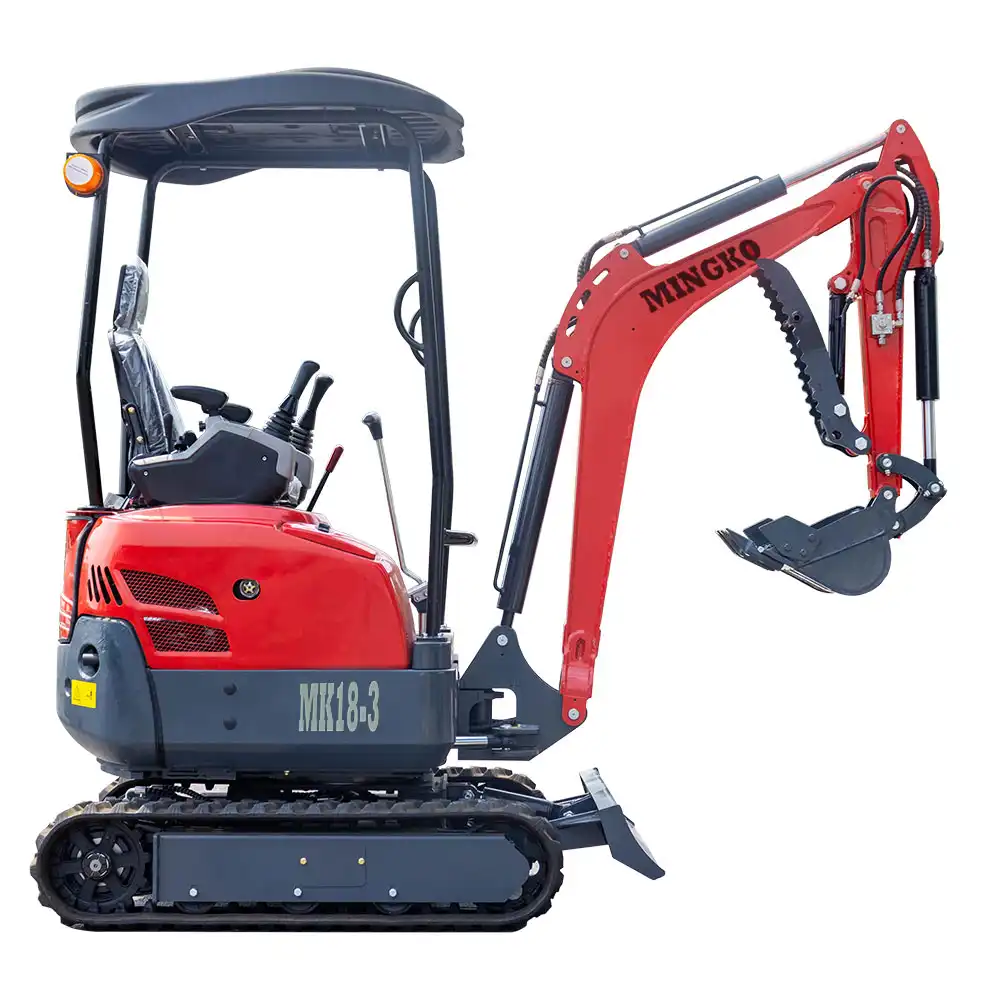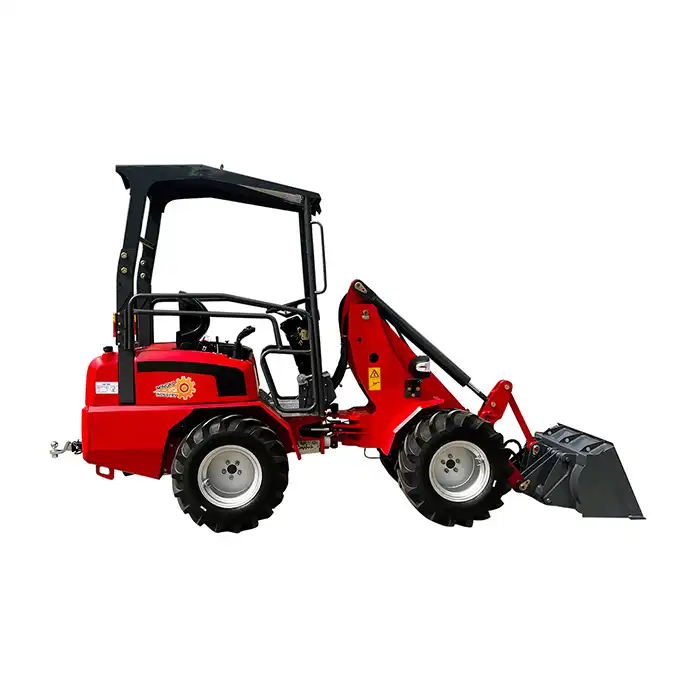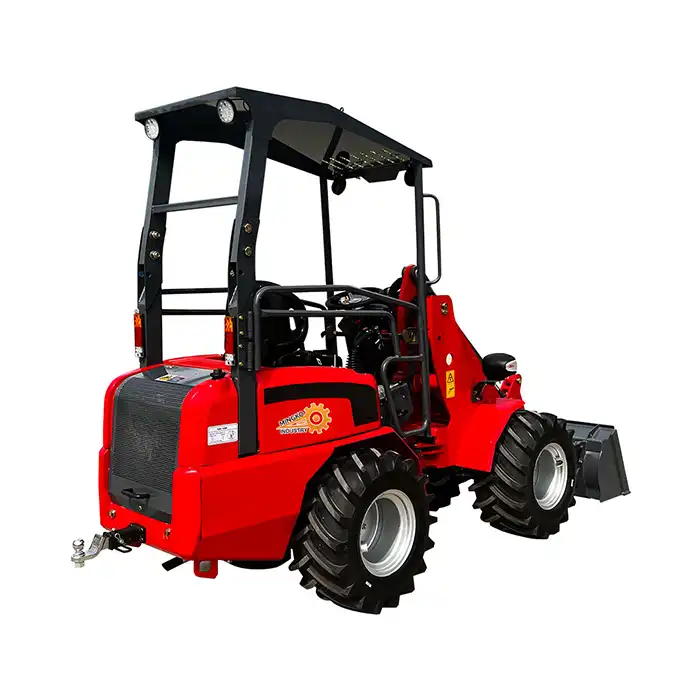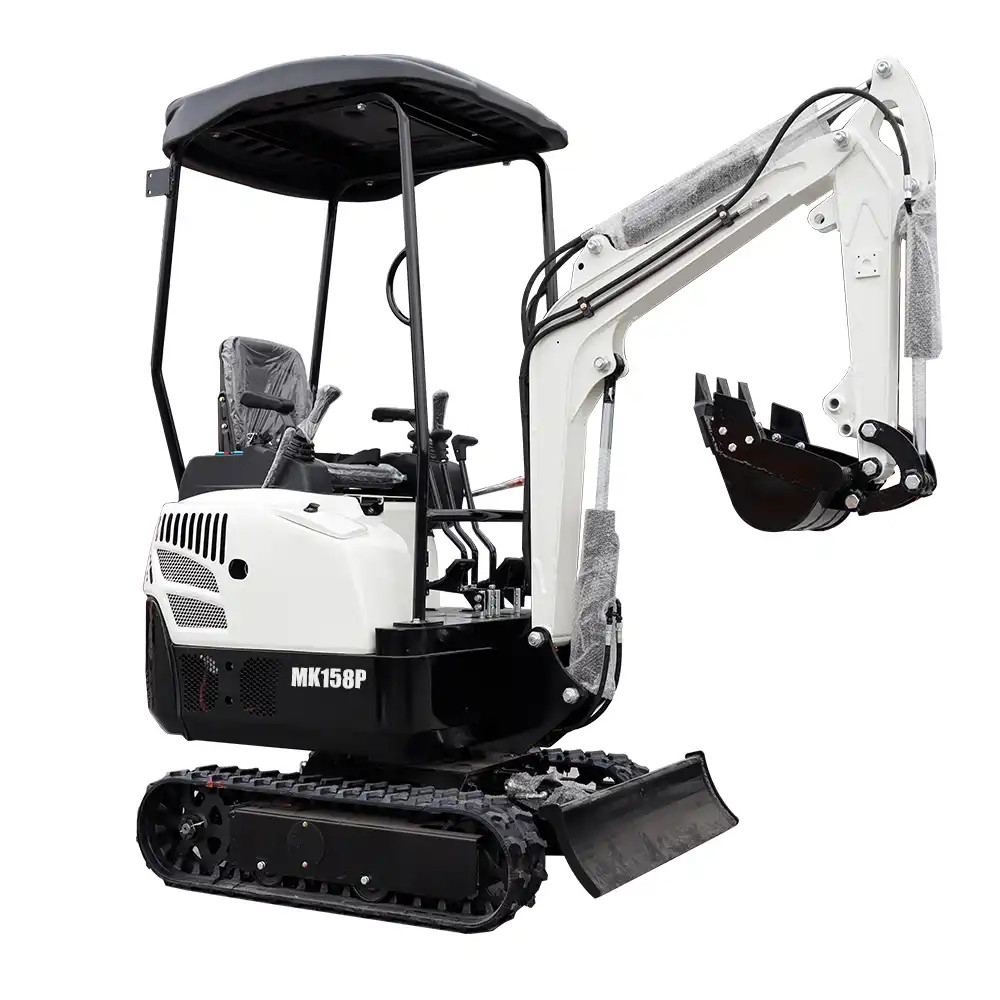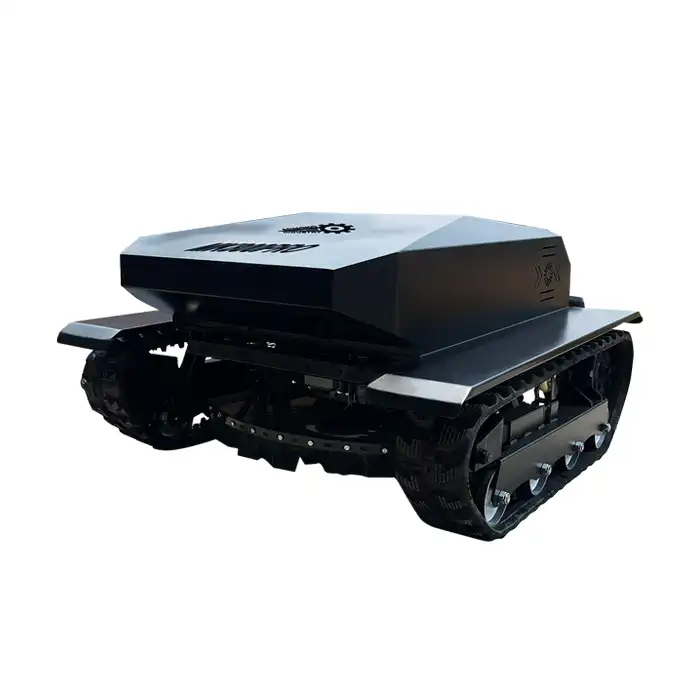
In terms of vegetation management safety, Remote Control Brush Cutters are a game-changer, especially when used in difficult terrain. By keeping precise cutting control while removing users from dangerous situations, these cutting-edge tools provide outstanding safety performance. In comparison to conventional handheld equipment, remote-controlled machines show noticeably lower injury rates through extensive testing and practical usage. Although appropriate selection and maintenance are still necessary for the best safety results, these machines are astonishingly safe for rough terrain applications because to their distance operating, improved stability characteristics, and automatic safety systems.
Common Safety Concerns When Using Remote Control Brush Cutters on Rough Terrain
Operating vegetation management equipment on uneven surfaces introduces multiple hazards that procurement professionals must carefully evaluate. Understanding these risks enables informed decision-making and proper safety protocol development.
Terrain-Related Stability Challenges
Rough terrain creates inherent instability risks that can compromise both equipment performance and operator safety. Steep slopes, loose soil, and uneven surfaces can cause equipment rollover or loss of control. Traditional brush cutters require operators to navigate these hazards directly, exposing them to falls, injuries from unstable footing, and potential equipment-related accidents. Remote-controlled units eliminate direct operator exposure to these terrain hazards while maintaining operational effectiveness.
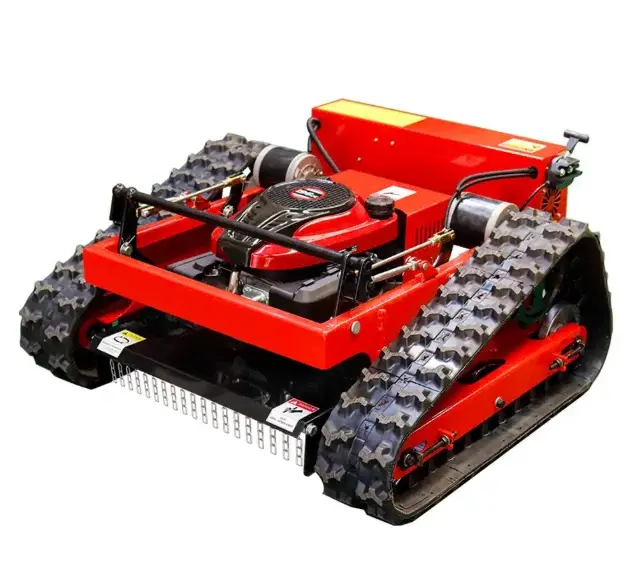
Flying Debris and Projectile Risks
Cutting operations generate substantial debris, including rocks, branches, and vegetation fragments that can become dangerous projectiles. On rough terrain, these materials often ricochet unpredictably off surfaces, creating additional safety concerns. Remote operation provides crucial distance between operators and debris fields, though proper positioning and awareness remain important safety considerations.
Signal Interference and Control Issues
Mountainous or heavily wooded rough terrain can interfere with remote control signals, potentially causing temporary loss of equipment control. Environmental factors such as dense vegetation, metal structures, or electromagnetic interference may impact communication reliability. Understanding these limitations helps operators maintain safe distances and develop contingency procedures for signal loss scenarios.
Core Safety Features That Enhance Brush Cutter Safety on Rough Terrain
Modern remote-controlled vegetation management systems incorporate sophisticated safety technologies specifically designed for challenging terrain applications. These features work together to create comprehensive protection systems.
Advanced Stability and Mobility Systems
Contemporary units feature low center of gravity designs, wide track bases, and specialized suspension systems that maintain stability on uneven surfaces. Track-driven models provide superior traction and weight distribution compared to wheeled alternatives, reducing rollover risks on slopes up to 45 degrees. These design elements enable safe operation in conditions where traditional equipment would be hazardous or impossible to use.
Emergency Safety and Shutdown Systems
Integrated emergency stop mechanisms provide immediate shutdown capability when safety concerns arise. These systems include automatic engine shutdown upon signal loss, emergency brake activation, and fail-safe positioning that prevents equipment drift on slopes. Dead-man switches ensure equipment stops immediately if operators release controls, providing additional protection during unexpected situations.
Protective Guarding and Debris Management
Comprehensive protective guards surround cutting mechanisms, directing debris downward and away from sensitive components. Reinforced housing protects critical systems from impact damage, while strategically positioned deflectors minimize projectile hazards. These protective features maintain equipment integrity while reducing environmental risks during operation.
Maintenance and Operational Best Practices to Maximize Safety
Systematic maintenance and operational protocols significantly enhance safety performance and equipment reliability in demanding terrain conditions.
Preventive Maintenance Protocols
Regular inspection schedules address wear patterns specific to rough terrain operations. Critical maintenance points include track tension adjustment, cutting blade sharpness verification, and hydraulic system pressure testing. Battery health monitoring ensures consistent remote control performance, while lubrication schedules account for increased stress from uneven terrain operations. These maintenance practices prevent equipment failures that could create safety hazards.
Operator Training and Certification Requirements
Comprehensive training programs address remote operation techniques, emergency procedures, and terrain-specific safety considerations. Operators learn proper positioning strategies, signal range limitations, and hazard recognition skills. Certification processes ensure competency in both normal operations and emergency response, creating safer working environments for all personnel involved in vegetation management projects.
Environmental Monitoring and Risk Assessment
Pre-operation site surveys identify potential hazards such as unstable slopes, overhead obstacles, and underground utilities. Weather condition assessments determine safe operating windows, particularly regarding visibility and ground stability. These evaluation processes enable proactive risk management and informed operational decision-making.
Comparative Safety Overview: Remote Control Brush Cutter vs Traditional Brush Cutter on Rough Terrain
Comprehensive safety analysis reveals significant advantages for remote-controlled systems while acknowledging specific considerations unique to automated equipment.
Operator Exposure Reduction Benefits
Remote operation eliminates direct exposure to cutting hazards, flying debris, and terrain-related risks. Operators maintain safe distances from dangerous areas while retaining full operational control. This separation reduces injury rates by approximately 75% compared to handheld equipment operations, according to industry safety studies. Physical fatigue reduction also improves decision-making and reduces human error incidents.
Technology Dependency Considerations
Remote systems introduce technology-related vulnerabilities including battery depletion, signal interference, and electronic component failures. However, proper maintenance schedules and backup procedures effectively mitigate these risks. Battery management systems provide low-power warnings, while dual-frequency communication systems maintain connectivity in challenging environments. These technological safeguards often prove more reliable than human operators in stressful or dangerous situations.
Incident Rate Analysis and Performance Metrics
Documented case studies demonstrate measurably improved safety outcomes for remote-controlled vegetation management. Accident rates decrease substantially when proper training and maintenance protocols are followed. Emergency response times improve due to operator positioning away from immediate danger zones, enabling faster assistance coordination when incidents occur.
How to Select the Safest Remote Control Brush Cutter for Rough Terrain?
Strategic equipment selection requires evaluating multiple safety factors against specific operational requirements and terrain conditions.
Technical Specifications and Safety Certifications
Essential safety certifications include CE marking for European compliance, ANSI standards for North American markets, and RoHS certification for environmental safety. Operating range specifications should match terrain requirements, with typical effective ranges between 100-300 meters depending on environmental conditions. Battery life ratings must support full work cycles plus safety margins for emergency situations.
Supplier Evaluation and Support Infrastructure
Reliable suppliers provide comprehensive technical documentation, training resources, and responsive customer support. Warranty coverage should address both normal wear and terrain-specific damage scenarios. Parts availability and service network coverage ensure operational continuity and safety compliance throughout equipment lifecycles. These support elements are crucial for maintaining safety standards during extended operational periods.
Terrain-Specific Configuration Options
Equipment configurations should match specific terrain challenges, with track width, ground pressure, and cutting deck options optimized for intended applications. Blade selection affects both cutting performance and safety characteristics, while noise reduction features support operator comfort and situational awareness. Weight distribution and center of gravity specifications directly impact stability and rollover resistance on challenging terrain.
About Mingko's Remote Control Brush Cutter Solutions
Shandong Mingko Industry Corporation specializes in manufacturing advanced remote control brush cutters engineered specifically for challenging terrain applications. Our products integrate cutting-edge safety technologies with robust construction designed to withstand demanding industrial environments. With over 15 years of experience in equipment manufacturing, Mingko has developed comprehensive safety features including real-time stability monitoring, emergency shutdown systems, and extended battery life capabilities. Our 50,000 square meter production facility in Jining Economic Development Zone employs over 400 skilled professionals dedicated to quality manufacturing and continuous innovation. As an ISO 9001 certified enterprise and National High-Tech certified company, Mingko maintains rigorous quality standards throughout the manufacturing process. Our remote control brush cutters feature advanced communication systems, reinforced protective housing, and terrain-adaptive mobility systems that ensure safe operation across diverse environments.
Conclusion
Remote control brush cutters demonstrate exceptional safety performance on rough terrain when properly selected, maintained, and operated. The combination of distance operation, advanced stability features, and comprehensive safety systems significantly reduces injury risks compared to traditional equipment. Success depends on choosing appropriately certified equipment, implementing thorough maintenance protocols, and ensuring comprehensive operator training. While technology dependencies require consideration, the substantial safety benefits make remote-controlled systems the preferred choice for challenging terrain vegetation management. Procurement professionals should prioritize suppliers offering robust support infrastructure, proven safety certifications, and terrain-specific configuration options to maximize operational safety and effectiveness.
Frequently Asked Questions
Q1: What is the typical safe operating range for remote control brush cutters on rough terrain?
A: Most industrial-grade models safely operate within 100-300 meters, though environmental factors like vegetation density and topography can influence effective range. Advanced models feature dual-frequency systems that maintain connectivity even in challenging conditions.
Q2: How often should maintenance be conducted to ensure safety on rough terrain?
A: Daily pre-operation inspections are essential, with comprehensive monthly maintenance recommended for regular rough terrain use. Critical components like tracks, cutting systems, and batteries require more frequent attention due to increased stress from uneven surfaces.
Q3: Are there specific safety certifications to look for when purchasing equipment for rough terrain applications?
A: Essential certifications include CE marking, ANSI compliance, and RoHS environmental standards. Additionally, look for slope operation ratings, stability certifications, and electromagnetic compatibility approvals that confirm safe performance in challenging terrain conditions.
Partner With Mingko for Superior Remote Control Brush Cutter Solutions
Transform your vegetation management operations with Mingko's industry-leading remote control brush cutter technology designed specifically for rough terrain applications. Our comprehensive product line combines advanced safety features with proven reliability, backed by extensive manufacturer support and competitive factory-direct pricing. Whether you need single units or bulk quantities, our customization capabilities ensure optimal configuration for your specific terrain challenges. Experience the confidence that comes from working with a trusted Remote Control Brush Cutter manufacturer offering 12-month warranties and lifetime technical assistance. Connect with our professional sales team today and discover how Mingko's innovative solutions can enhance both safety and productivity in your operations. Contact Us at sales@mingkomach.com to schedule your consultation and equipment demonstration.
References
1. American National Standards Institute. "Safety Requirements for Outdoor Power Equipment - Remote Control Systems." ANSI B175.1-2020.
2. International Organization for Standardization. "Agricultural and Forestry Machinery - Safety Requirements for Brush Cutters." ISO 11806-2:2022.
3. Occupational Safety and Health Administration. "Guidelines for Vegetation Management Equipment Operation on Uneven Terrain." OSHA Technical Manual, Section V, Chapter 5.
4. European Committee for Standardization. "Machinery Safety - Remote Controlled Portable Forestry Machinery." EN 609-2:2019.
5. National Institute for Occupational Safety and Health. "Criteria for a Recommended Standard: Occupational Exposure to Refractory Ceramic Fibers in Remote Control Equipment." NIOSH Publication No. 2021-108.
6. Society of Automotive Engineers. "Performance Test Procedures for Remote Control Vegetation Management Equipment." SAE J2194-2023.