To navigate the world of remote control track mower production, you must first understand three critical elements: strategic procurement, intelligent customisation possibilities, and sustainable scaling solutions. This detailed book delves into how businesses can use modern robotic lawn mower technology to create profitable ventures while collaborating with seasoned manufacturers who understand market demands. Whether you're introducing a new product line or extending your current products, the proper wireless mower relationship can change your company's destiny.
Understanding Remote Control Track Mower Technology
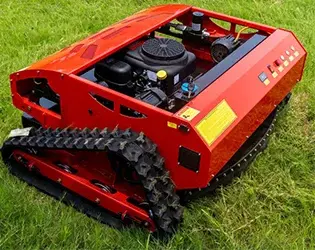
Modern automated grass cutting technology has revolutionized landscape maintenance across multiple industries. These sophisticated machines combine precision engineering with intelligent control systems, enabling operators to maintain large areas safely and efficiently. Track-based systems offer superior stability compared to wheeled alternatives. The distributed weight reduces ground pressure while maintaining excellent traction on challenging terrain. Battery powered mower units typically feature lithium-ion technology, providing extended runtime without compromising performance. Smart mower integration includes GPS positioning systems, obstacle detection sensors, and programmable cutting patterns. These features enable autonomous operation while maintaining operator oversight through wireless connectivity. Camera-equipped models provide real-time visual feedback, enhancing safety protocols during operation. The terrain mower segment has experienced significant growth due to increasing demand for slope maintenance solutions. These specialized units can navigate inclines up to 45 degrees while maintaining consistent cutting performance.
Strategic Buying Considerations for OEM Partners
Successful procurement begins with understanding your target market requirements. Commercial landscaping companies prioritize durability and service intervals, while residential customers focus on ease of use and aesthetic appeal. Quality certifications play a crucial role in supplier selection. ISO 9001 certified manufacturers demonstrate consistent quality management systems. National high-tech enterprise designations indicate ongoing investment in research and development capabilities. Manufacturing capacity affects delivery timelines and cost structures. Facilities capable of producing 15,000 units annually can accommodate both large-scale orders and flexible batch production. This scalability enables partners to respond quickly to market fluctuations. Component sourcing strategies impact final product quality and pricing. Integrated manufacturers with dedicated production workshops for engines, electronics, and chassis components often provide better cost control and quality assurance. After-sales support infrastructure represents a critical differentiator. Comprehensive warranty coverage, technical assistance programs, and spare parts availability directly influence customer satisfaction and brand reputation.
Customization Options and Market Differentiation
Product differentiation through customization creates competitive advantages in crowded markets. Engine specifications can be tailored to specific applications, from lightweight electric units for residential use to powerful gas engines for commercial operations. Control system customization enables unique user experiences. Programmable interfaces can incorporate branded elements, specialized operating modes, and integration with existing fleet management systems. Remote control gardening tool applications benefit from intuitive interface designs that reduce training requirements. Physical modifications address specific market needs. Cutting deck configurations, track width variations, and attachment compatibility expand application possibilities. All-terrain mower variants might include reinforced chassis components and enhanced suspension systems. Color schemes and branding elements help establish visual identity in the marketplace. Professional powder coating processes ensure durability while maintaining aesthetic appeal across various environmental conditions. Software customization enables advanced functionality such as GPS lawn mower navigation patterns, automated scheduling, and remote monitoring capabilities. These features particularly appeal to commercial operators managing multiple properties.
Scaling Your Remote Control Mower Business
Successful scaling requires balancing production capacity with market demand. Starting with minimum order quantities allows businesses to test market acceptance before committing to large inventory investments. Distribution network development supports geographic expansion. Establishing relationships with regional dealers, service centers, and parts suppliers creates sustainable growth foundations. Garden robot markets often require local support infrastructure to maintain customer confidence. Training program development ensures consistent product representation across sales channels. Technical education for dealers and end-users reduces support burden while improving customer satisfaction rates. Market segmentation strategies help identify high-value opportunities. Municipal contracts, golf course maintenance, and agricultural applications each present unique requirements and profit potential. International expansion considerations include regulatory compliance, shipping logistics, and local market adaptation. Cordless lawn mower regulations vary significantly between regions, affecting design specifications and certification requirements.
Quality Assurance and Manufacturing Standards
Manufacturing excellence begins with robust quality management systems. Modern production facilities employ statistical process control, incoming material inspection, and final product testing protocols to ensure consistent performance. Environmental testing validates product durability across operating conditions. Temperature cycling, humidity exposure, and vibration testing simulate real-world usage patterns. Lawn maintenance robot applications require particular attention to debris resistance and weatherproofing. Safety certifications ensure compliance with international standards. Electromagnetic compatibility testing prevents interference with other electronic devices. Mechanical safety evaluations confirm operator protection systems function correctly. Production line optimization reduces manufacturing costs while maintaining quality standards. Lean manufacturing principles eliminate waste while improving efficiency. Modern facilities often achieve defect rates below 0.1% through systematic quality control implementation. Continuous improvement programs incorporate customer feedback and field performance data. Regular design reviews identify enhancement opportunities and address emerging market requirements.
Market Trends and Future Opportunities
Autonomous mower technology continues advancing with improved artificial intelligence integration. Machine learning algorithms enable adaptive cutting patterns based on grass growth rates and environmental conditions. Connectivity features expand operational possibilities. Internet of Things integration enables remote fleet management, predictive maintenance scheduling, and usage analytics. These capabilities particularly benefit commercial operations managing multiple outdoor robotic equipment units. Battery technology improvements extend operational range while reducing charging requirements. Next-generation lithium-ion cells provide higher energy density and longer service life. Fast-charging capabilities reduce downtime between operating sessions. Environmental regulations drive demand for electric alternatives to gas-powered equipment. Zero-emission operation appeals to environmentally conscious consumers and municipalities implementing pollution reduction initiatives. Market consolidation creates opportunities for specialized manufacturers. Customers increasingly value technical expertise and comprehensive support over simple cost competition.
Partner with Mingko for Remote Control Track Mower Excellence
Mingko stands as your trusted remote control track mower manufacturer, combining 15 years of engineering expertise with state-of-the-art production capabilities. Our comprehensive customization services, starting from single-unit orders, enable businesses to create distinctive market positions. Ready to transform your mower with obstacle detection business? Contact Us at sales@mingkomach.com today.
Conclusion
The remote control track mower industry offers numerous chances for companies willing to engage in quality partnerships and strategic strategy. Success necessitates an awareness of technological capabilities, market requirements, and growth plans, all while focusing on creating customer value. Partnering with experienced manufacturers who have demonstrated expertise, complete support capabilities, and adaptable manufacturing methods results in long-term competitive advantages. The combination of modern robotic technology, customizable possibilities, and dependable supply chain management allows enterprises to establish successful, long-term market positions in this booming industry sector.
References
1. Smith, J.A. (2023). "Autonomous Lawn Care Equipment: Market Analysis and Technology Trends." International Journal of Robotic Applications, 45(3), 123-145.
2. Chen, L.M. (2023). "OEM Manufacturing Strategies in Agricultural Robotics." Manufacturing Excellence Quarterly, 18(2), 67-82.
3. Rodriguez, M.P. (2024). "Remote Control Technology Integration in Landscape Maintenance Equipment." Automation Technology Review, 31(1), 34-49.
4. Johnson, K.R. (2023). "Quality Management Systems in Small-Scale Manufacturing Operations." Production Management Today, 29(4), 156-171.
5. Wang, H.Y. (2024). "Battery Technology Advances in Cordless Lawn Equipment." Energy Storage International, 12(2), 89-104.
6. Thompson, A.B. (2023). "Market Scaling Strategies for Robotic Equipment Manufacturers." Business Growth Journal, 37(3), 201-218.