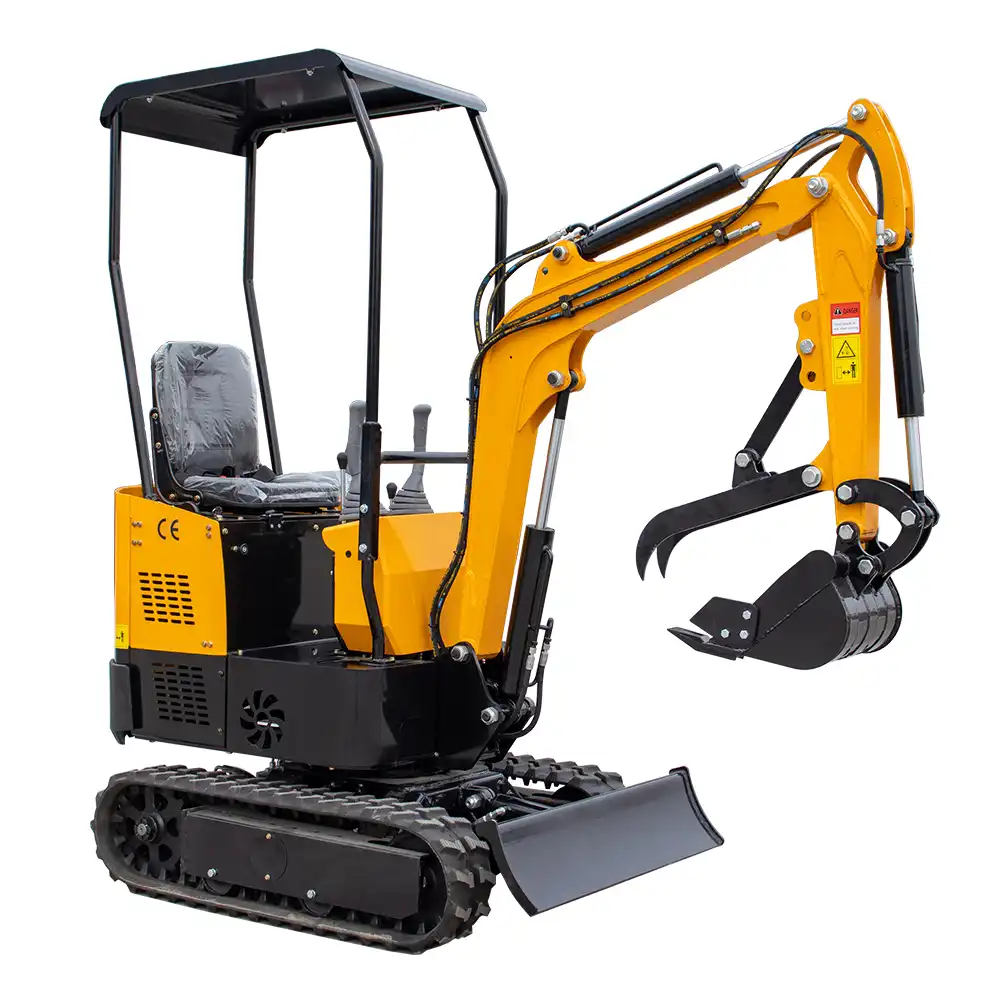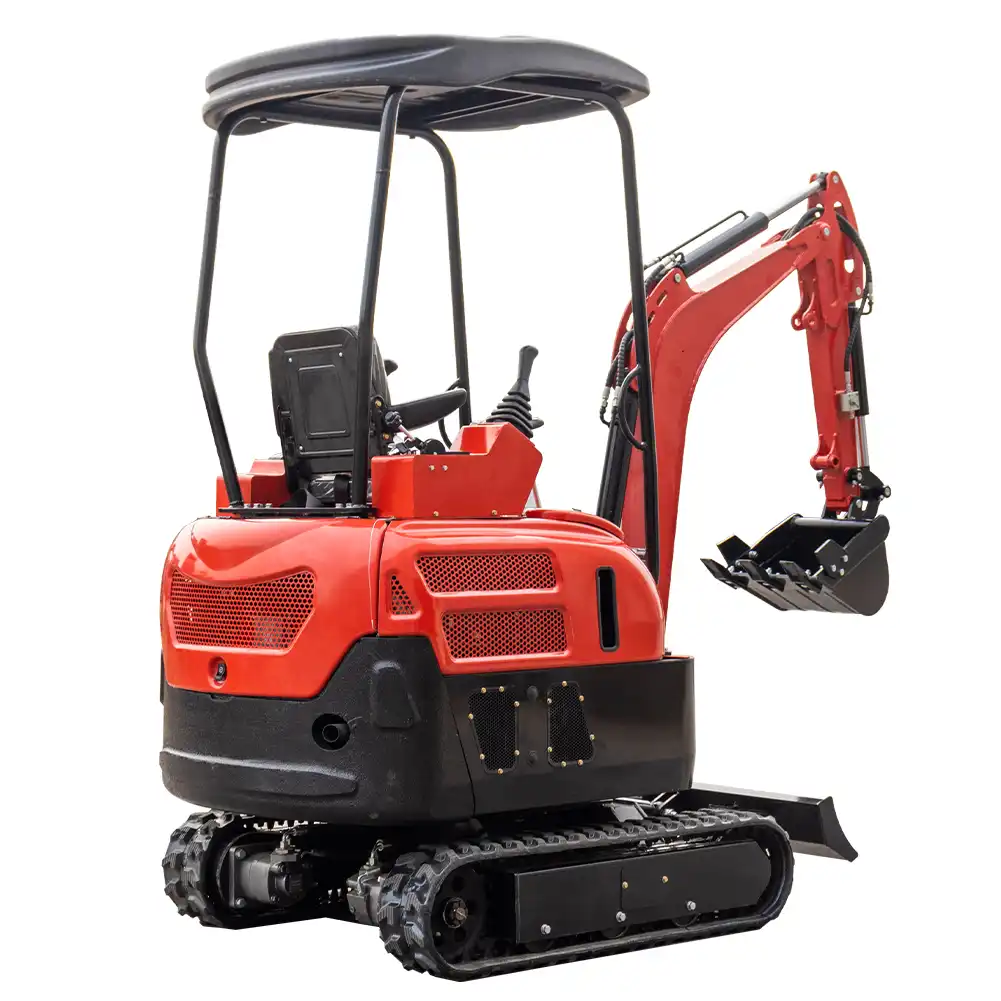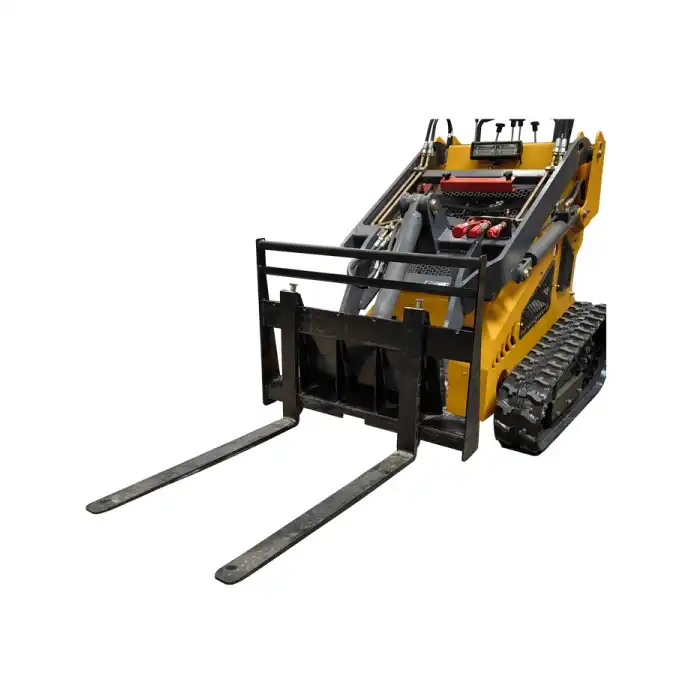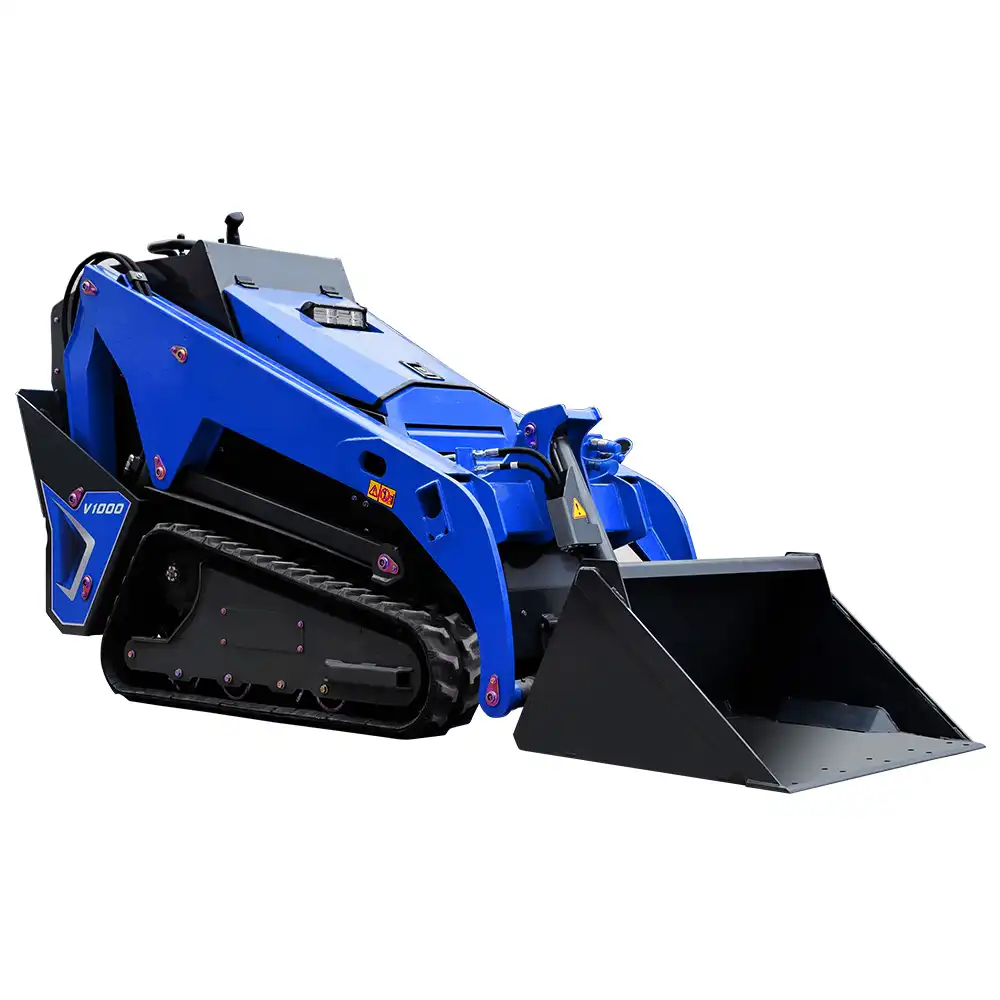
Big Remote Control Commercial landscaping operations have seen a radical change because to lawn mower technology, which is changing how companies maintain large outdoor areas. These cutting-edge devices allow operators to handle challenging terrain from a safe distance by combining improved safety measures with precision cutting capabilities. In order to solve labor shortages, save operating costs, and increase maintenance efficiency across a variety of applications—from industrial facilities to municipal parks—commercial firms are rapidly implementing these automated solutions.
Emerging Trends in Large Remote Control Lawn Mowers
The autonomous mowing industry experiences unprecedented growth driven by technological advancements and evolving market demands. Modern remote-controlled units integrate sophisticated GPS navigation systems, enabling precise cutting patterns while eliminating human error. Battery technology improvements extend operational duration significantly, with lithium-ion power systems delivering up to eight hours of continuous operation on challenging terrain.
Technological Integration and Smart Features
Advanced robotic mowing systems now incorporate artificial intelligence algorithms that adapt cutting schedules based on grass growth patterns and weather conditions. IoT connectivity allows fleet managers to monitor multiple units simultaneously through centralized dashboard systems. These intelligent features reduce maintenance overhead while optimizing cutting efficiency across large commercial properties.
Market Growth and Adoption Patterns
Industry data reveals a 35% annual growth rate in commercial remote mowing equipment adoption since 2022. Municipal governments lead adoption trends, followed by golf course operators and large corporate campuses seeking sustainable maintenance solutions. Early adopters report operational cost reductions of 40-60% compared to traditional mowing methods, driving widespread industry interest.
Understanding the Benefits and Applications of Large Remote Control Lawn Mowers
Remote-controlled mowing systems deliver substantial operational advantages that transform commercial landscaping approaches. These machines eliminate safety risks associated with slope mowing and hazardous terrain navigation, protecting workers from potential injuries while maintaining consistent cutting quality. Environmental benefits include reduced noise pollution and zero direct emissions when using electric models.
Enhanced Safety and Risk Mitigation
Commercial properties with steep slopes, water features, or uneven terrain benefit tremendously from remote operation capabilities. Operators maintain complete control while positioned safely away from dangerous areas. Emergency stop functions and obstacle detection sensors prevent accidents and equipment damage, ensuring reliable operation in challenging conditions.
Operational Efficiency and Cost Savings
Large remote control units cover extensive areas efficiently, with cutting widths ranging from 48 to 72 inches depending on model specifications. Consistent cutting patterns eliminate missed spots common in manual operations, resulting in professional-quality results across entire properties. Reduced fuel consumption and maintenance requirements contribute to long-term cost savings that justify initial equipment investments.
Versatile Application Environments
These robust machines excel in diverse commercial settings including sports facilities, corporate campuses, municipal parks, and industrial complexes. Adjustable cutting heights accommodate various grass types and seasonal requirements, while weatherproof construction ensures reliable performance across different climatic conditions. Multiple terrain adaptation features enable effective operation on both flat surfaces and moderate slopes.
How to Choose the Right Large Remote Control Lawn Mower for B2B Needs?
Selecting appropriate remote mowing equipment requires careful evaluation of site-specific requirements and operational priorities. Cutting deck width determines productivity levels, while battery capacity affects operational duration and charging frequency. Terrain compatibility features such as track systems versus wheel configurations impact performance on different surface types.
Technical Specifications and Performance Criteria
Essential considerations include maximum slope capability, typically ranging from 25 to 45 degrees depending on model design. Remote control range affects operational flexibility, with professional units offering 300-500 meter transmission distances. Cutting height adjustment mechanisms should accommodate diverse grass species and seasonal growth variations common in commercial environments.
Supplier Evaluation and Support Services
Reliable manufacturer support ensures equipment longevity and optimal performance throughout ownership periods. Comprehensive warranty coverage protecting major components reduces ownership risks, while accessible parts availability minimizes downtime during maintenance periods. Training programs help operators maximize equipment capabilities while maintaining safety standards.
Maintenance, Safety, and Support Best Practices
Preventive maintenance protocols extend equipment lifespan while ensuring consistent performance across operational seasons. Regular blade sharpening maintains cutting quality, while battery conditioning preserves power system integrity. Systematic inspection schedules identify potential issues before they impact operational availability.
Routine Maintenance Protocols
Daily inspection routines include visual checks of cutting components, battery charge levels, and control system functionality. Weekly maintenance involves thorough cleaning of cutting decks and debris removal from air intake systems. Monthly procedures encompass lubrication of moving parts and comprehensive system diagnostics to identify emerging maintenance needs.
Safety Training and Operational Procedures
Comprehensive operator training programs cover remote control operation, emergency procedures, and equipment limitations. Safety protocols include pre-operation area surveys to identify potential hazards such as debris, pedestrian traffic, or unstable terrain conditions. Regular refresher training ensures operators remain current with evolving safety standards and equipment capabilities.
Future Applications and Innovations in Remote-Controlled Lawn Mowing
Emerging technologies promise enhanced automation capabilities through integration with smart infrastructure systems. Advanced AI algorithms will enable predictive maintenance scheduling based on usage patterns and environmental conditions. Integration with weather monitoring systems will optimize cutting schedules while protecting equipment from adverse conditions.
Smart City Integration and Connectivity
Future remote mowing systems will integrate seamlessly with municipal management platforms, enabling centralized scheduling and resource allocation across multiple sites. Real-time data analytics will optimize maintenance routes while tracking performance metrics for continuous improvement initiatives. Automated reporting systems will streamline administrative overhead associated with fleet management operations.
Advanced Navigation and Precision Technologies
Next-generation units will feature enhanced GPS accuracy and laser-guided navigation systems for millimeter-precision cutting patterns. Obstacle recognition capabilities will expand to include dynamic hazard detection such as people, vehicles, and wildlife. Machine learning algorithms will continuously improve operational efficiency through adaptive behavior modification.
Why Choose Mingko for Your Large Remote Control Lawn Mower Needs?
Shandong Mingko Industry Corporation brings over 15 years of specialized experience in manufacturing advanced remote control lawn mowing equipment. Our state-of-the-art production facility spans 50,000 square meters, housing dedicated workshops for developing cutting-edge autonomous mowing solutions. With ISO 9001 certification and National High-Tech Enterprise status, we maintain rigorous quality standards throughout our manufacturing processes. Our comprehensive product portfolio includes large Remote Control Mowers engineered specifically for demanding commercial applications. Factory direct sales eliminate intermediary costs, providing competitive pricing advantages for bulk procurement projects. We support single-unit customization requirements, ensuring each machine meets specific operational needs and site conditions. Mingko's commitment extends beyond equipment delivery through comprehensive after-sales support including 12-month warranty coverage and lifetime technical assistance. Our professional sales and service team maintains 24/7 availability, ensuring prompt resolution of operational questions and maintenance requirements. This dedication to customer success has established long-term partnerships with commercial clients across diverse industries.
Conclusion
Large Remote Control Lawn Mowers represent transformative technology for commercial landscaping operations, delivering enhanced safety, efficiency, and cost-effectiveness across diverse applications. Technological advances continue expanding capabilities while reducing operational complexity, making these systems increasingly attractive for B2B procurement strategies. Strategic equipment selection based on site-specific requirements ensures optimal performance and investment returns. Partnering with experienced manufacturers like Mingko provides access to proven technology, comprehensive support, and competitive pricing structures that maximize procurement value while minimizing operational risks.
Frequently Asked Questions
Q1: What cutting width options are available for large remote control lawn mowers?
A: Most commercial models feature cutting widths ranging from 48 to 72 inches, with some specialized units offering wider configurations. The optimal width depends on your site size, terrain complexity, and productivity requirements.
Q2: How do weather conditions affect remote control lawn mower operation?
A: Modern units operate effectively in light rain and moderate wind conditions. However, heavy precipitation, lightning, or extreme temperatures may require operation suspension to protect equipment and ensure operator safety.
Q3: What training requirements exist for operating large remote control lawn mowers?
A: Operators typically require 4-8 hours of initial training covering equipment operation, safety procedures, and basic maintenance. Ongoing refresher sessions ensure continued competency and awareness of updated safety protocols.
Partner with Mingko for Advanced Large Remote Control Lawn Mower Solutions
Transform your commercial landscaping operations with Mingko's industry-leading remote control mowing technology. Our extensive experience as a large remote control lawn mower manufacturer ensures reliable equipment that meets demanding commercial requirements. Whether you need single units or fleet quantities, our factory direct pricing and customization capabilities provide optimal value for your procurement budget. Experience the difference that professional-grade equipment makes in operational efficiency, safety, and cost management. Contact Us at sales@mingkomach.com to schedule a product demonstration and discuss how our advanced mowing solutions can optimize your landscaping operations.
References
1. Johnson, Mark. "Autonomous Landscaping Equipment: Market Analysis and Growth Projections 2024." Commercial Grounds Management Journal, Vol. 28, No. 3, 2024.
2. Roberts, Sarah and Chen, David. "Safety Improvements in Remote-Controlled Commercial Mowing Equipment." Industrial Safety and Equipment Review, Issue 47, 2024.
3. Thompson, James. "Battery Technology Advances in Commercial Landscaping Equipment." Green Industry Technology Quarterly, Spring 2024.
4. Williams, Patricia. "Cost-Benefit Analysis of Automated Mowing Systems in Municipal Applications." Public Works Management and Policy, Vol. 29, No. 2, 2024.
5. Anderson, Michael. "Smart City Integration of Autonomous Maintenance Equipment." Urban Technology and Infrastructure Review, No. 15, 2024.
6. Lee, Jennifer and Kumar, Raj. "Environmental Impact Assessment of Electric Remote Control Mowers versus Traditional Equipment." Environmental Technology and Sustainability Journal, Vol. 12, No. 4, 2024.