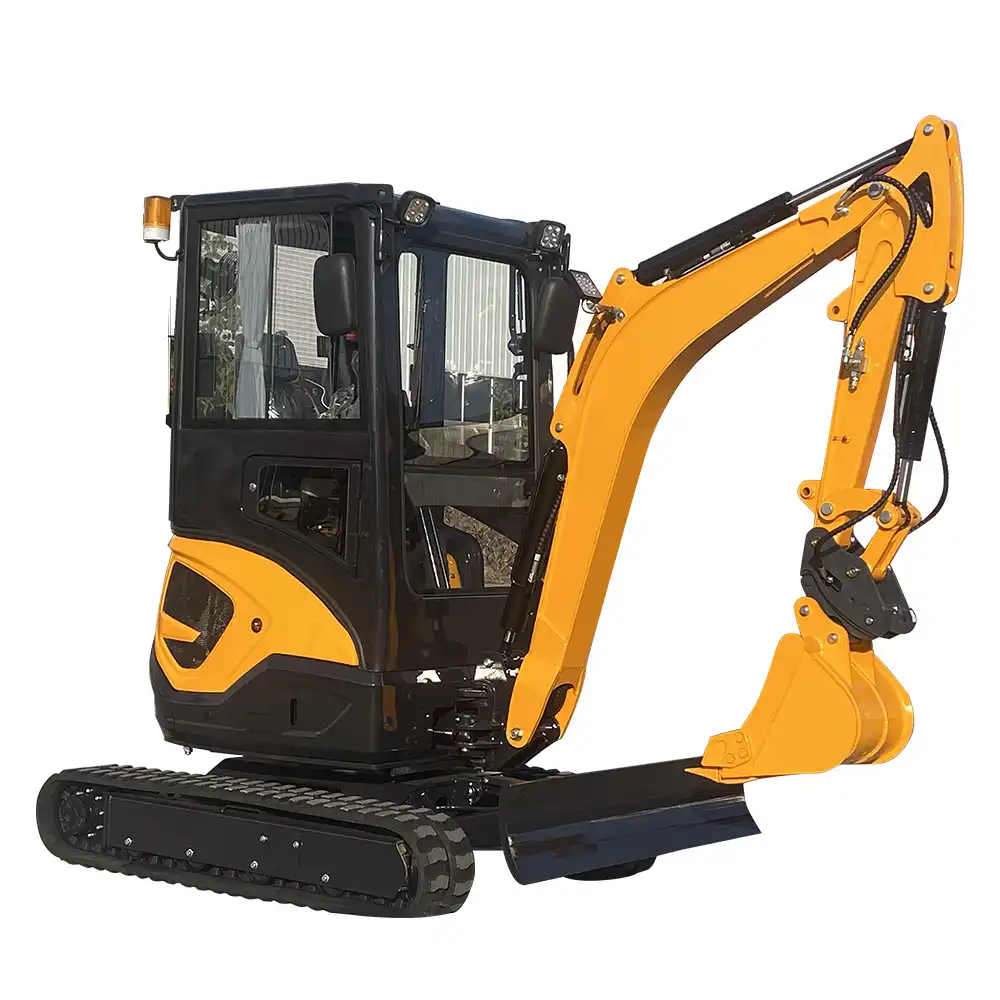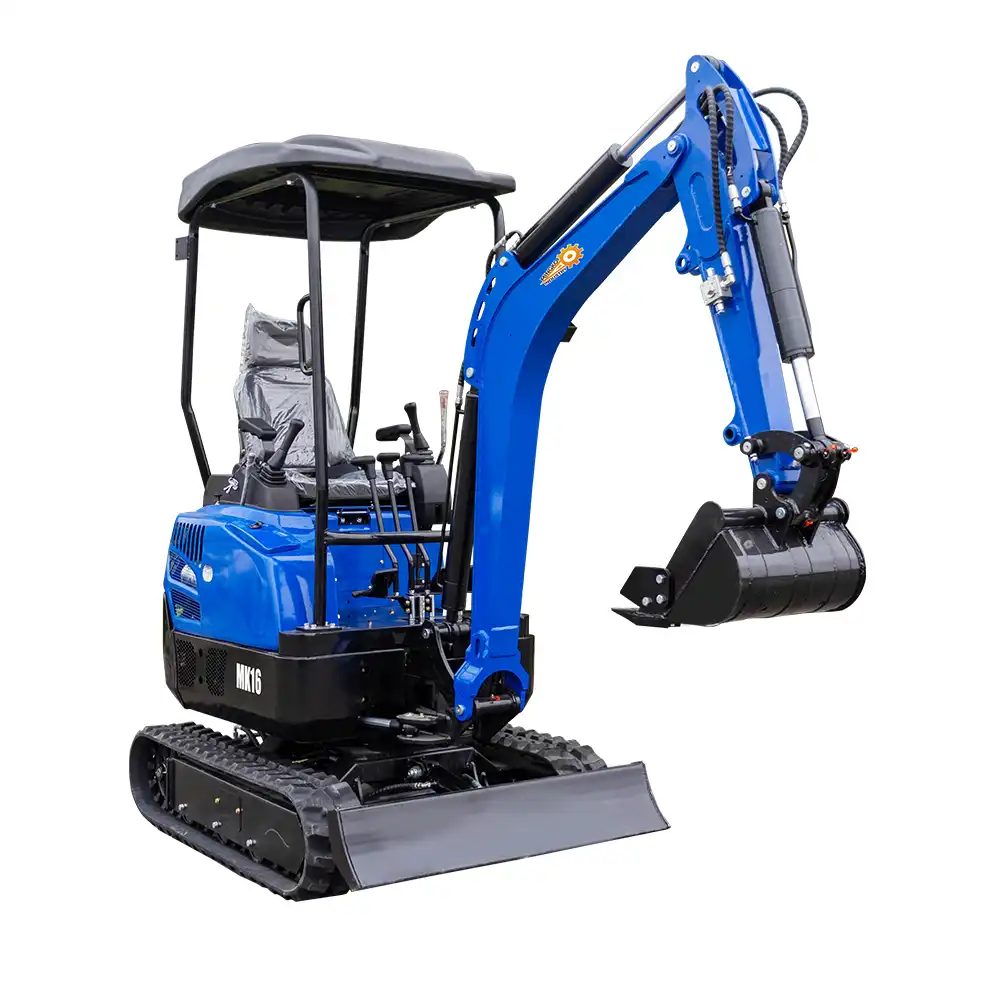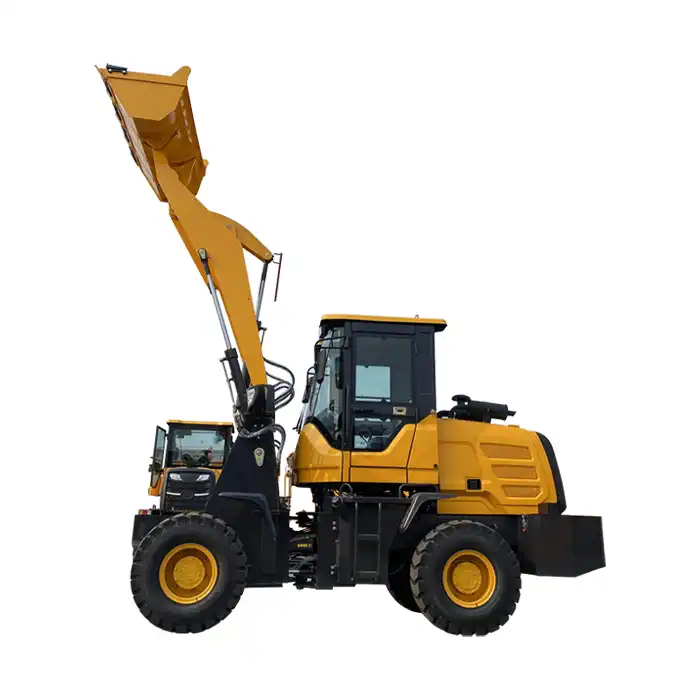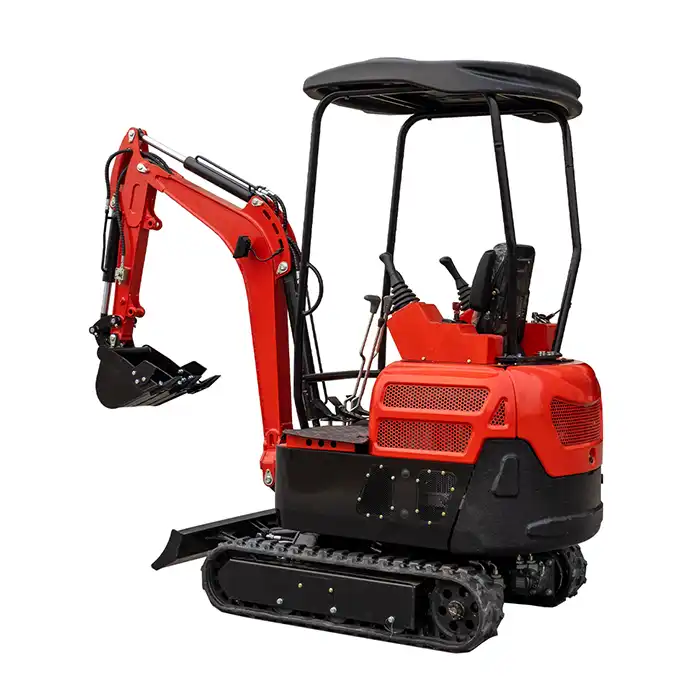
How to Choose the Best 1.5 Ton Wheel Loader Manufacturer?
There's more to choosing the right 1.5 Ton Wheel Loader maker than just looking at prices and specs. The choice has a direct effect on how well your business runs, how much it costs to maintain, how long your equipment lasts, and your return on investment. If you buy a good compact loader and get the right support from the manufacturer, it can completely change your small construction projects, farming operations, or landscaping tasks. If you buy a bad one, it will break down often, need expensive repairs, and cause projects to be delayed. This guide shows you how to judge manufacturers based on their technical skills, pricing, customer service after the sale, and how well their products work in the real world. Whether you're an operations engineer checking out a vendor's reputation or a procurement manager buying equipment for multiple sites, knowing these important things will help you choose a maker that will give you reliable machines and long-term value.
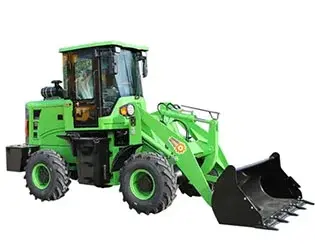
Understanding Your Operational Requirements and Decision Context
Figure out what you need from your Small Wheel Loader before you look at makers. Performance needs are different on construction sites compared to farming fields or gardening jobs. A 1.5-ton capacity is good for moving things over short distances, loading aggregates into trucks, or moving around in small spaces where bigger machines can't work well. The factors of your landscape are very important. When workers are on soft ground, their machines need wider tires and better weight distribution. People who drive on rough, uneven roads benefit from better suspension systems and frames that are strengthened. When equipment is used for multiple jobs every day, fuel efficiency is very important. However, users who only use the equipment occasionally might value the initial buy price more than the ongoing costs. Long-term owner satisfaction depends on how easy it is to do maintenance.
Machines with complicated private systems often need expert techs and pricey OEM parts, which makes them reliant on maker service networks. Standardized parts and easy-to-follow upkeep instructions in equipment design cut down on downtime and let in-house repair teams handle regular service tasks. If you can get spare parts in your area, you won't have to wait as long for tools to be idle while parts are being replaced. When your business plans to grow, you need to think about scalability. When manufacturers make parts that work with each other, equipment sizes that match, and uniform interface standards, it's easy for the fleet to grow as practical needs do. When you buy from suppliers with a wide range of products, you can increase your capabilities without having to retrain workers or keep separate parts inventories.
Evaluating Manufacturing Capabilities and Technical Excellence
The quality of manufacturing is closely linked to how reliable technology is and how long it lasts. Manufacturers that have been around for a while keep their factories running with standard quality control processes, approved testing techniques, and proof that they follow all international safety standards. ISO 9001 certification shows that the company follows systematic quality management practices. CE marking, on the other hand, shows that the product meets European safety requirements. EPA compliance is important for businesses that operate in places where emission standards are in place. Different makers' motor systems, hydraulic configurations, and structural engineering are all based on different types of technology. Modern compact loaders, including the 1.5 Ton Wheel Loader, have hub wheel deceleration systems that make torque delivery better while making the machines simpler.
This design makes it more reliable by reducing the number of parts that are likely to wear out and keeping the power transfer sensitive to changes in load conditions. Durability of structures comes from engineering choices made during the planning phase. Loader arms that are under constant stress need to be very thick to keep the metal from wearing out and the structure from breaking. These important parts are made by quality makers with a thickness of 30 mm, which gives them safety gaps that extend their service life even in tough operating conditions. Protective finishes are just as important as the coating itself. Electrostatic powder coating is better at resisting rust than regular paint, so it keeps structures strong in damp places and keeps equipment looking good for longer. Investing in research and development shows that a company wants to keep getting better. Companies that spend a lot of time and money on optimizing their products over long periods of time show that they care about more than just making the most money in the short term.
Shandong Mingko Industry Corporation is a good example of this method because it has spent over ten years improving loader technology and 30 million RMB on building modern production facilities that can handle 15,000 units per year. Such investments show that the industry is stable and that suppliers will be reliable in the long run. Scale of production affects both how competitive prices are and how easy it is to get parts. Manufacturers with dedicated facilities that are bigger than 50,000 square meters and have specialized production workshops for different types of equipment can get better prices without lowering the quality of their products. Buying, sales, after-sales service, and transportation centers are all housed in the same building. This way, help can be organized throughout the owning period.
Analyzing Total Cost of Ownership and Operating Economics
The purchase price is only the first cost of owning the tools. Patterns of fuel use have a big effect on operating costs, especially when the system is being used a lot. Diesel engines usually have a higher power density, but they need more fuel and more systems to control pollution. Electric alternatives completely cut down on fuel costs, but they need charging stations and batteries that need to be replaced over the equipment's lifetime. Ongoing costs depend on how often maintenance is done and how complicated the service is. Machines that need to have their fluids, filters, or specialized adjustments changed more often cost more in labor and parts.
Both planned and unexpected repair costs can be cut by making maintenance plans simpler, extending service times, and making parts easy to get to. Realistic estimates of the total cost of ownership can be made by looking at the manufacturer's suggested service schedules and how often parts are usually replaced. Some parts wear out faster than others because of the environment. Air filter systems and hydraulic seals are put under a lot of stress in dusty places. Electrical connections and metal surfaces rust when they are exposed to moisture. Abrasive materials raise the risk of damage to the hydraulic cylinder and the bucket edge. Manufacturers who know about your working conditions can suggest the right specs and safety features to make parts last longer and need to be replaced less often. Warranty coverage shows that the company that made the product is sure that it will last. Comprehensive insurance plans that cover important parts for at least twelve months show that the quality is guaranteed, while limited coverage could mean that the dependability is questionable.
Lifetime technical assistance is available to help with problems and give operational advice that makes the best use of equipment throughout its service life. Different financial plans can work with flexible methods of buying. When you buy new tools, you get the newest technology and the full safety of a guarantee. Used equipment has a lower starting cost, but it needs to be carefully inspected and may only have a short useful life left. Leasing agreements let businesses keep their cash for other purposes while still giving them access to equipment, but the total amount they pay for it over the same period of time usually exceeds the cost of buying it. The best way to buy something is to weigh these options against the amount of cash you need and the tax effects.
Matching Manufacturer Specialization to Your Application Needs
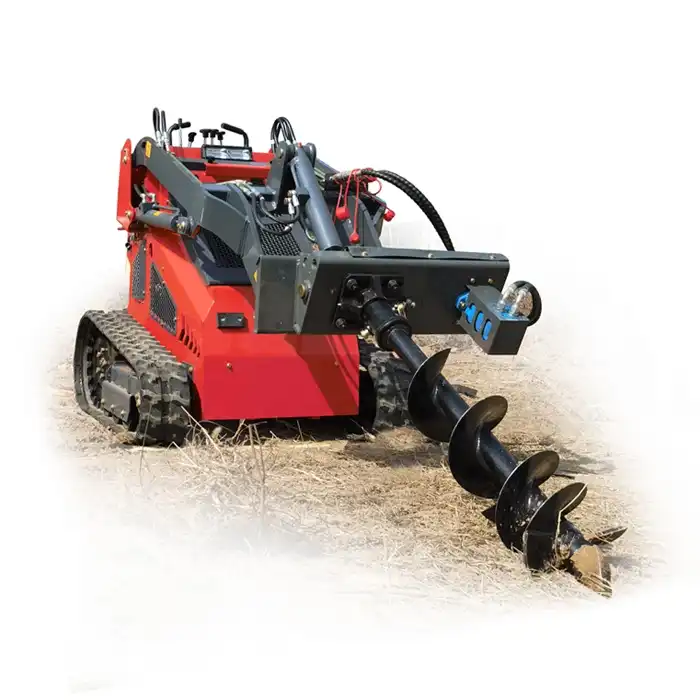
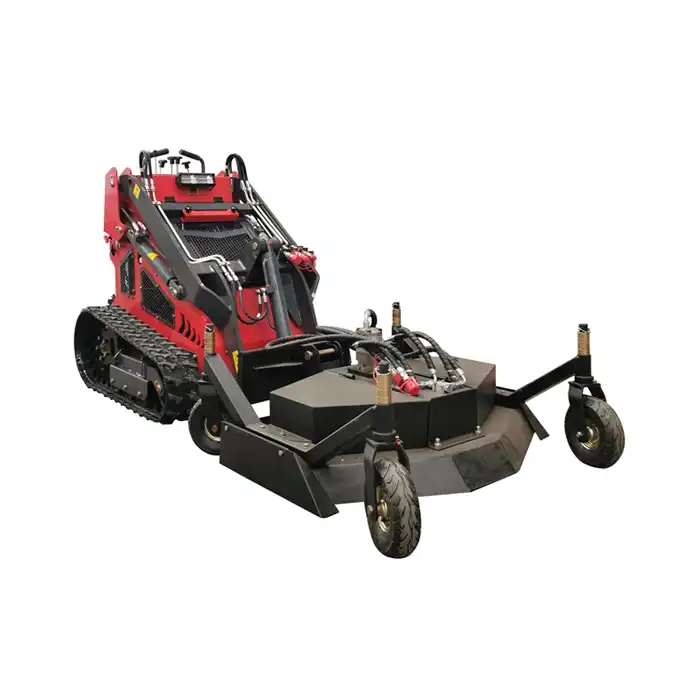
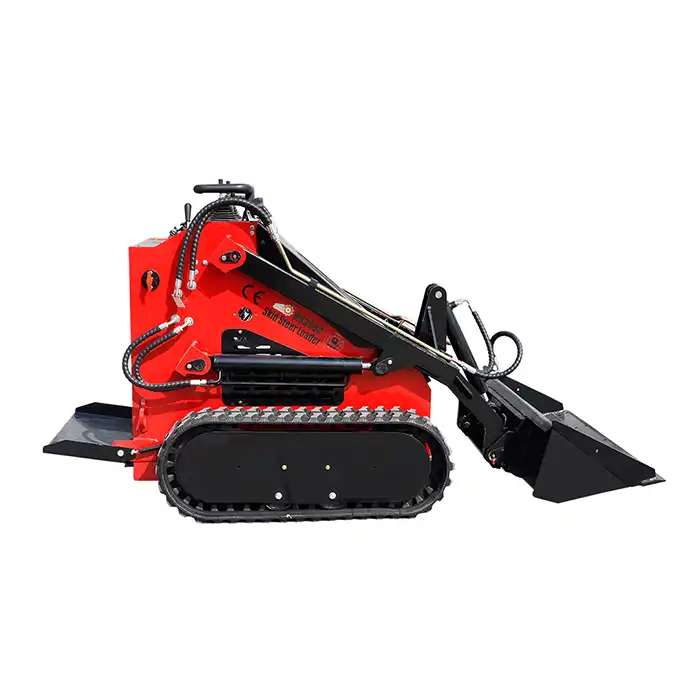
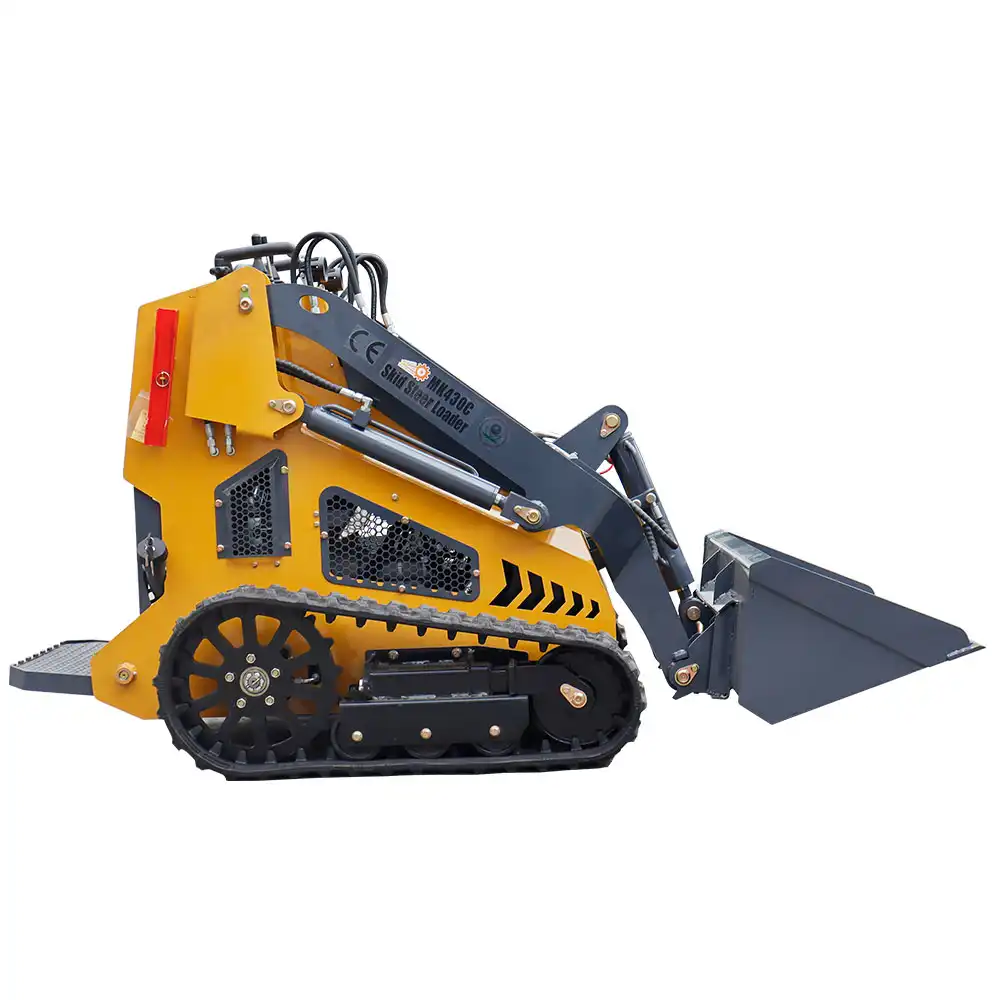
Manufacturers become experts at serving certain parts of the industry, which leads to design improvements that work best for those uses. Construction-focused providers put a high value on pulling capacity, bucket release force, and the ability to use a variety of attachments to move different types of materials. For example, a 1.5 Ton Wheel Loader designed for construction applications often focuses on strong performance, flexible attachment compatibility, and efficient material handling. Agricultural equipment experts stress the importance of low fuel consumption for long operation times, gentle handling for transporting goods, and easy cleaning for keeping things clean.
Flexible manufacturers are different from rigid production operations because they can customize their products. Being able to change specs for specific uses, like changing hydraulic flow rates, adding special fittings, or adding features that customers have asked for, shows that the company is skilled at making things and cares about its customers. Some providers allow customization of a single unit to meet the needs of a particular project, and there are no minimum order amounts that make it hard to get unique solutions. To judge a manufacturer's reputation, you need to look at verified customer experiences as well as marketing claims. Objective quality signs include reviews from people in the same industry, feedback from users, and data on how well equipment works in similar settings. Warranty claim patterns show trends in how reliable a product is, and how quickly a company responds to service requests after the sale shows how committed they are to continuing support.
Global supplier networks make sure that parts and technical support are always available, no matter where the equipment is located. Manufacturers with approved service centers, networks of trained technicians, and regional infrastructure for distributing parts can solve problems faster than sellers who need to ship every part internationally. This geographical service capability is very useful when equipment is used in remote areas or when it comes to time-sensitive projects where delays cost a lot of money.
Making Your Final Manufacturer Selection
Systematic evaluation systems make sure that important factors aren't missed when comparing suppliers. The operational needs must be objectively compared to the technical specifications. For example, the engine power, hydraulic pressure, lift height, and breakout force must all meet the needs of the application. Underspecified equipment has trouble doing its job, and overspecified tools cost more than they need to. The total costs of ownership should be taken into account when figuring out prices, not just the buying price. When lower starting costs are paired with high upkeep costs, bad fuel economy, or a lack of parts supply, the total cost usually ends up being higher.
On the other hand, paying more for something more reliable, comes with better help, and lasts longer is a better long-term investment. Brand dependability comes from performing the same way in different situations and for different types of customers. Established manufacturers with long operational histories give customers more confidence than newer companies that haven't been in the market for long and don't have as much of a track record. This thought weighs the benefits of new suppliers' innovations against the assurances of stability from well-known brands. The quality of after-sales support determines how happy the owner is with the equipment over its entire life. Quick technical support, easy access to real parts, and service networks that are easy to use all help keep output high and downtime to a minimum. Manufacturers who offer support contact options 24 hours a day, seven days a week show that they care about their customers beyond the point of sale. By making a structured comparison matrix, you can compare different proposals in an objective way.
By giving each important factor a weighted importance score and then rating each maker against these standards, you can get objective evaluation results that lower emotional bias. This methodical approach makes it easier to make decisions with confidence, knowing that they are based on good evidence. Before making a final pledge, verification steps include getting customer references, checking out the production sites if possible, and going over the specifics of the guarantee. Knowing how parts are priced, how long they usually take to arrive, and how to get service will keep you from being surprised after the purchase. A full review of a seller includes making sure that training is available, that working paperwork is of good quality, and that continued access to expert advice is possible.
Conclusion
To pick the best 1.5 Ton Wheel Loader maker, you need to think about their technical skills, pricing, and commitment to long-term support. Quality makers stand out by having strong production infrastructures, extensive guarantee programs, quick customer service networks, and engineers who have proven their skills. A good procurement process looks at the total ownership value instead of just the purchase price. This is because it knows that reliable equipment with better support leads to higher operational efficiency and lower lifetime costs. By using systematic evaluation frameworks, checking manufacturer claims with objective evidence, and giving priority to suppliers who show a long-term commitment to customer success, your business can get equipment that works reliably for a long time while keeping productivity and profits high.
FAQ
What advantages does a 1.5-ton wheel loader offer compared to larger models?
Compact 1.5 Ton Wheel Loaders provide superior maneuverability in confined spaces, lower fuel consumption, reduced ground pressure minimizing surface damage, and lower initial investment. They excel in applications requiring frequent repositioning, operation near structures, or work on sensitive surfaces where heavier equipment would cause unacceptable damage.
How can I verify manufacturer claims about fuel efficiency and maintenance costs?
Request detailed specifications including specific fuel consumption rates under defined load conditions. Ask for maintenance schedules with itemized service tasks and estimated parts costs. Seek references from existing customers operating similar applications who can share real-world consumption data and maintenance expense records.
What are the key differences between electric and diesel compact loaders?
Diesel loaders offer longer continuous operation without refueling, greater power density, and established service infrastructure. Electric models eliminate fuel costs, reduce noise pollution, produce zero direct emissions, and suit indoor applications, but require charging infrastructure and have limited runtime between charges, affecting high-utilization scenarios.
Partner With Meeko for Superior Compact Loader Solutions
Shandong Mingko Industry Corporation delivers proven 1.5 Ton Wheel Loader quality backed by over fifteen years of manufacturing excellence. Our factory-direct sales eliminate middlemen costs while maintaining ISO 9001 certified quality standards throughout our 50,000-square-meter production facility. We support single-unit customization, accommodating your specific operational requirements, combining flexible manufacturing capabilities with competitive pricing. As a National High-Tech Certified Enterprise employing over 400 skilled professionals, we maintain comprehensive after-sales support including twelve-month warranty coverage and lifetime technical assistance. Our dedicated sales and service team stands ready to discuss your compact loader requirements and develop tailored solutions matching your application needs. Contact Us at sales@mingkomach.com to explore how Meeko's advanced 1.5 Ton Wheel Loader manufacturer expertise can enhance your operational efficiency and equipment reliability.
References
1. Miller, J. (2023). "Heavy Equipment Procurement Strategies for Small Construction Operations." Construction Equipment Management Quarterly, 47(3), 112-128.
2. Thompson, R., & Chen, L. (2024). "Comparative Analysis of Compact Loader Technologies and Total Cost of Ownership Models." International Journal of Construction Machinery, 19(1), 45-67.
3. Anderson, K. (2023). "Quality Assurance Standards in Global Heavy Equipment Manufacturing." Industrial Engineering Review, 38(4), 201-219.
4. Williams, P. (2024). "Maintenance Best Practices for Compact Construction Equipment." Equipment Reliability and Performance, 12(2), 89-104.
5. Davis, M., & Zhang, W. (2023). "Supplier Selection Frameworks for Construction Equipment Procurement." Supply Chain Management in Construction, 26(3), 156-174.
6. Roberts, S. (2024). "Emerging Technologies in Compact Loader Design and Manufacturing." Mechanical Engineering Innovations, 41(1), 78-95.