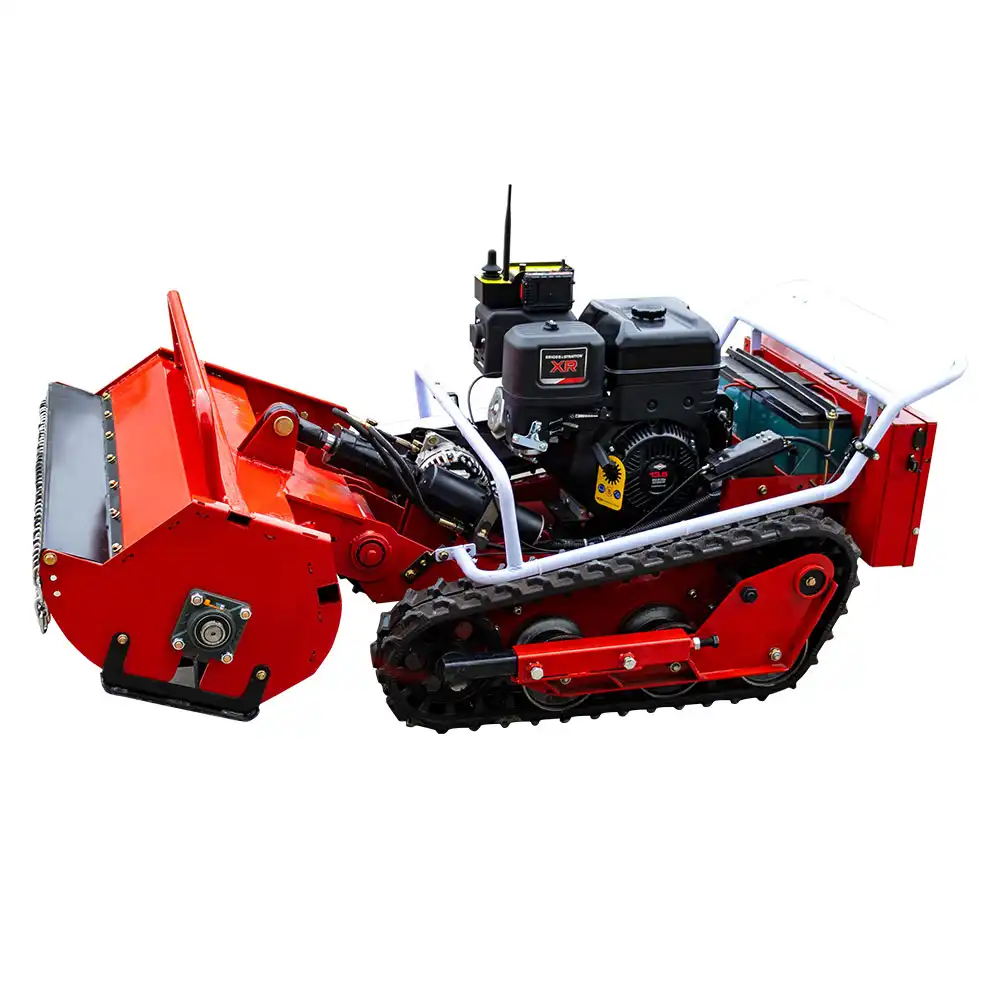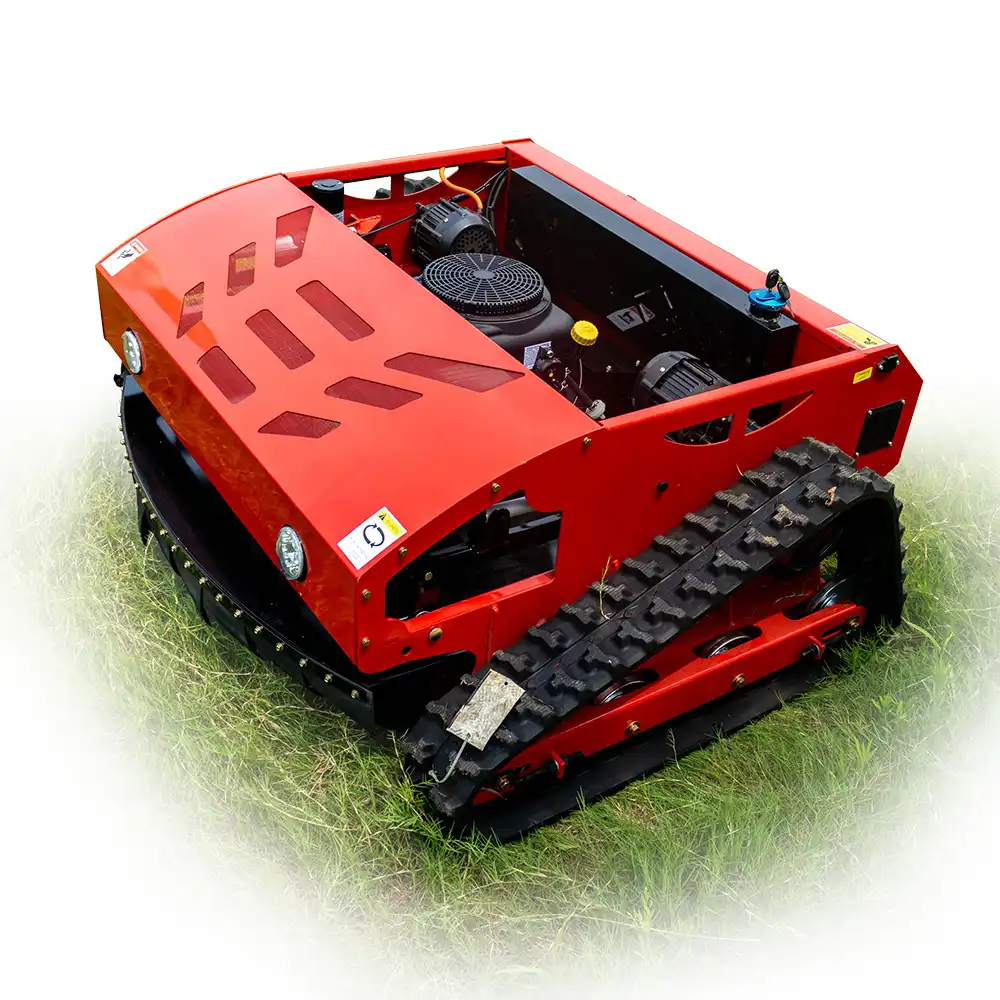
How to Choose the Right Remote Control Brush Mower?
To pick the best remotely-operated brush cutting tools, you need to think about your specific maintenance needs, the type of area you'll be working on, and the machine's capabilities. For B2B buyers who are in charge of controlling large areas of vegetation, the choice affects their operations' safety, labour costs, and productivity. By learning about the technical details, like the power systems, cutting width, blade configurations, and battery capacity, you can be sure that the equipment you buy will give you a good return on your investment and be able to handle steep slopes, thick undergrowth, and other difficult terrain conditions that regular mowers can't safely handle. A reliable Remote Control Brush Mower can provide enhanced efficiency and safer operation for challenging vegetation management tasks.
Criteria for Selecting the Right Remote Control Brush Mower
Evaluating equipment requires systematic assessment across multiple performance dimensions. The approach we recommend prioritizes matching machine capabilities to your specific operational requirements rather than selecting based solely on price or brand recognition.
Terrain Analysis and Machine Capability Matching
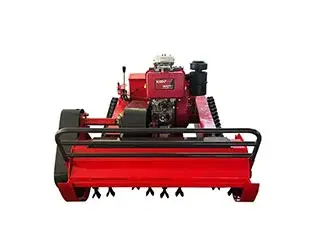
Slope potential tells you where your tools can work safely. Units that can handle slopes of up to 50 degrees can handle ditches, levees, embankments, and steep properties that are very dangerous for regular mowers. This feature needs to work with the way your site is set up. Look over your land to find the steepest slopes before deciding what tools you need. The amount of vegetation affects how much power you need and how strong your cutting system needs to be. Taking care of short grass takes less strength than cutting down thick brush with woody stems. The 12hp diesel engine design is good for clearing heavy brush, making it a suitable choice for a Remote Control Brush Mower, but smaller units may be enough for people who are mostly cutting grass. Matching power to application stops both underpowered equipment from breaking down and wasteful spending on too much capacity. The coverage area affects the amount of work that needs to be done. Wider cutting lengths and faster trip speeds that cut down on finishing time are good for properties that are bigger than a few acres. Figure out how much land you usually work on and how long you want to finish a job to set minimum productivity levels that your equipment must meet.
Power System Evaluation Framework
Hybrid oil-electric systems are better than gasoline-only or battery-only systems in many ways. The diesel part lets it run for longer without having to be charged, and the battery integration gives it instant torque response and lowers fuel use. This mixture works well for operations that need to be productive all day without backup cars for refuelling or generator-based charging. The battery specs affect how long the electric help lasts and how reliably it starts. As long as the 24V20A configuration is used, it can handle both electric starting and hybrid systems. When buying a battery system, buyers should make sure that it protects against deep charging, which shortens the battery's life, and that new batteries are easy to find so that long-term upkeep planning can be done. Starting method redundancy keeps operations running even when an electrical system fails. When equipment has both an electric start and a manual backup, activities can still go on even if the batteries die or electrical parts stop working. This extra safety measure is useful for faraway workplaces that can't get help right away.
Durability and Total Cost of Ownership
Quality of construction affects both how long something lasts and how much maintenance it needs. Commercial-grade frames, cutting decks, and heavy-duty frames can handle the stresses of professional use better than residential-grade options. To objectively judge build quality, look at the quality of the welds, the thickness of the materials, and the specifications of the parts. The ease of access for maintenance affects ongoing costs. Having equipment with tool-free entry panels, grouped service spots, and clear maintenance paperwork cuts down on service time and lets you do maintenance in-house instead of having a specialist come out. Accessibility is becoming more and more important for companies that have multiple units in different places. The availability of parts decides whether equipment stays useful or goes idle while it waits to be fixed. When compared to names with limited parts distribution, manufacturers with established dealer networks and stocking systems have less downtime. Before committing to a certain model, check to see if parts are available and what the usual shipping time is. This is especially important for specialised parts like blade sections and computer control systems.
Comparing Different Remote Control Brush Mower Models and Technologies
Technology choices significantly impact performance characteristics and operational costs. Understanding the distinctions between power system types helps buyers select configurations aligned with their priorities.
Hybrid Systems Versus Pure Electric or Gas
Purely gasoline-powered units can run for as long as they want and are easy to refuel, but they make more pollution and noise. These models are good for situations where there aren't many environmental restrictions and a lot of vegetation needs a lot of power. But because they don't have electric help, they can't regenerate and have to use fossil fuels all the time. Battery-electric types are cleaner and quieter, but they have limited runtime and need time to recharge. These units might work well for operations that have access to charging equipment and know how long their workloads will last. However, because they can't be refuelled to increase their runtime, they aren't ideal for big areas or rural locations. Hybrid setups strike a balance between these issues by combining the stability of diesel with the energy economy of electricity. The oil-electric system charges while it works, so there is no downtime for charging. It also uses less fuel overall than a pure diesel system. This design works well for professional tasks that need to be done all day while having less of an effect on the world.
Manufacturer Reputation and Support Infrastructure
Established names are known to be reliable, but they usually cost more. Their large partner networks make it easy to get parts and service close to home, which lowers the risk of downtime. But buyers should check to see if name knowledge really does lead to better performance for their specific needs, or if it's just a reflection of marketing spend. New makers may offer competitive prices and new features while they build their market presence. These suppliers usually have better customer service and are more open to making changes to configurations. As a trade-off, they may have less extensive service networks and shorter track records for judging long-term dependability. Shandong Mingko Industry Corporation is an example of a company that combines large-scale production with direct customer relationships. The company makes Remote Control Brush Mowers in a 50,000-square-meter facility and sells certified equipment that meets EPA and CE standards at lower prices than buying directly from the factory. Their 15 years of business experience and ISO 9001 approval show that they have well-established quality systems. Additionally, their customisation options meet unique buyer needs that mass-market names might not be able to meet.
Warranty Coverage and Service Commitments
Commercial equipment usually comes with a 12-month warranty that covers problems with the way it was made and parts that break down under normal use. Buyers should carefully look over the exclusions—many warranties don't cover equipment that is used on steeper slopes or without proper maintenance records. Options for extended warranties offer more protection, but they need to be weighed against the costs and benefits. Compare the possible costs of repairs to the fees for an extended guarantee, taking into account how well you can maintain the technology and how reliable it has been in the past. Longer warranties may not be needed by companies that have skilled techs on staff, but they are helpful for companies that need to hire outside help. The quality of after-sales support is often more important than the length of the guarantee. Manufacturers that offer technical support, operator training, and quick troubleshooting support for life help buyers get the most out of their equipment, even if the warranty isn't still valid. As a sign of the quality of post-purchase help, look at how fast communication is and how knowledgeable the technical staff is during pre-sale exchanges.
Procurement Considerations: Where and How to Buy Remote Control, Brush Mowers
Sourcing strategies significantly impact total acquisition costs and long-term ownership experience. B2B buyers benefit from approaches that balance initial pricing with support quality and risk mitigation.
Direct Manufacturer Sourcing Advantages
By buying directly from the factory, you can avoid the markups that distributors add, which could lower your costs by 20 to 40 percent compared to buying through retail outlets. This way of doing things lets you talk directly with engineering teams about technology details, customisation, and application advice. Direct sourcing lets buyers see exactly how well a product is made and often lets buyers visit the factory to make sure it can do what it's supposed to do. However, buyers have to handle operations, customs clearing, and coordinating foreign shipping. Organisations that haven't done these things before could face delays and costs they didn't expect. These problems are greatly reduced by manufacturers who offer full logistics support, which includes help with paperwork and setting up goods. Minimum order quantities vary by manufacturer and product line. Some sellers will take orders for a single unit for testing purposes, while others need orders for several units to get better prices. Mingko offers MOQ 1 unit customisation, which lets buyers test the performance of equipment before making bigger promises. They can still get unique setups that meet their needs.
Pricing Structures and Payment Terms
Volume discounts are good for orders that are bigger, but they need careful planning of inventory. Buyers who are in charge of multiple teams or operations in multiple regions can take advantage of high prices. Smaller businesses may want to work with others in the same field to get group-buying discounts. Before committing to quantities that aren't immediately needed, you should figure out how much they will cost to store, carry, and affect your cash flow. Financing options make it easier for organisations with limited funds to get advanced equipment. Leasing arrangements keep cash on hand for other business needs while providing cutting-edge tools. Purchase funding spreads costs over several budget cycles, lining up the costs of tools with the money made from the new skills. Things to think about when doing business internationally are currency exchange risks, the safety of payment methods, and the need to follow trade regulations. Letters of credit protect both parties by guaranteeing payment after delivery confirmation. Wire transfer methods, on the other hand, require trust in the supplier's honesty. Transaction risks are lower with established manufacturers who have written records of past customers than with unknown suppliers who can't provide references.
Import Logistics and Support Services
The costs of shipping goods internationally depend a lot on the route taken, the chance to combine shipments, and the shipping method chosen. Ocean freight is cheaper for large orders, but it takes longer to deliver. Air freight, on the other hand, speeds up delivery at a higher cost. To make accurate cost comparisons, buyers should ask for delivery prices that include freight, insurance, and customs taxes. For customs clearance procedures to work, buyers must have the right paperwork, such as business bills, packing lists, and certificates of origin. The safety and pollution standards of the target country must be met by the equipment. EPA and CE licenses make U.S. and European imports easier, respectively. Manufacturers who have experience with international sales usually provide all the necessary paperwork and help with the clearance processes. Support after delivery includes help with assembly, initial operator training, and troubleshooting during the break-in period. Remote Control Brush Mowers can be put to use quickly if the seller provides video instructions, remote technical help, and detailed operation guides. Documentation and help staff that are available in English remove contact hurdles that could make it harder to solve problems.
Best Practices and Safety Tips for Using Remote Control Brush Mowers
Maximizing equipment value and ensuring safe operations require attention to proper procedures and proactive maintenance practices.
Operational Safety Protocols
Site studies done before an action find risks that could hurt people or damage equipment. Walk around the cutting area to find rocks, stumps, or other things that could hurt the blades or become projectiles. Mark dangerous areas and make sure that cutting tracks stay away from drop-offs, buildings, and areas where people might be nearby. To operate a remote control brush mower, you need to be able to see it so that you can react to unexpected situations. To avoid getting hit by debris, operators should stand uphill from cutting areas on slopes and keep an eye on the direction of the wind. Setting up exclusion zones around working equipment keeps people from getting in without permission, whether they are workers or members of the public. Emergency shutdown procedures must be easy to understand and available at all times. Make sure that the remote controls can stop the machine right away, and try the safety systems before each use. Setting up rules for how to talk to a group of people helps keep things calm in a disaster.
Maintenance Practices for Longevity
Blade care has a direct effect on how well it cuts and how long the equipment lasts. Check the blades every day for damage, wear, or looseness, and fix any problems before they lead to uneven operation or a part breaking. Replace or sharpen blades as recommended by the manufacturer. Dull blades need too much power, which puts stress on engines and drivetrains and makes cutting less effective. Taking care of the battery extends the life of the system and makes sure it starts reliably. Keep the right amount of charge on the battery without letting it go too far down, which would forever lower its capacity. Regularly cleaning the battery connections will stop rust that raises resistance and makes starting harder. When you can, store equipment with charged batteries in temperature-controlled areas to keep them from breaking down too quickly. For engine maintenance, make sure to follow the manufacturer's instructions for changing the oil and filter and taking care of the fuel system. Diesel engine parts and electricity system links need to be taken into account in hybrid systems. Keep specific repair logs that show what work was done. This will help with insurance claims and finding problems before they break down.
Terrain Management Techniques
To operate a slope, you need to know the limits of your tools and how to use them correctly. Start with lower slopes to get the hang of operating the machine before going for the steepest ones. If you can, mow across hills instead of straight up or down to keep better control and lower the risk of rolling over. For dense brush cleaning, it's better to make several passes than to try to make full-height cuts in one pass. The first passes at the highest height settings stop tall growth, and the final passes at lower settings finish the job. This method lowers the amount of power needed and keeps materials from building up and clogging cutting decks. When it's wet, standards need to be changed, and techniques need to be changed. Soggy ground makes it harder to grip and makes rutting more likely, so for places that aren't pressing, you might want to delay work until conditions get better. If you have to cut grass in the rain, slow down and avoid making sharp turns that tear the grass or make the equipment unstable.
Conclusion
To choose the right Remote Control Brush Mower, you need to carefully compare the machine's capabilities with the tasks you need to do. To be useful, the power system setup, cutting width, blade design, and ground abilities must all match your unique upkeep needs. With its 12hp diesel engine, 1000mm cutting width, and 40-blade Y-shape, the hybrid oil-electric architecture is a strong choice for tough professional jobs that involve steep slopes and thick vegetation. Instead of just looking at the buy price, good sourcing combines technical requirements with things like quality of maker support, availability of parts, and the total cost of ownership. Companies that want to improve safety, make workers more efficient, and follow environmental rules find that remote brush-cutting technology gives them real operating benefits in a wide range of lawn-care situations.
FAQ
What battery life can I expect from hybrid remote-controlled brush mowers?
Hybrid systems with 24V20A specifications support extended operation by charging during runtime. The diesel engine continuously maintains battery levels, effectively eliminating battery depletion concerns during normal operation. Electric starting typically consumes minimal battery capacity, with hybrid architecture ensuring sufficient charge remains for reliable starting even after full-day operation.
Can these mowers handle slopes and uneven terrain?
Quality Remote Control Brush Mowers manage inclines up to 50 degrees, far exceeding safe operating angles for conventional mowers. Heavy-duty tires, low center-of-gravity design, and powerful drive systems enable stable operation on challenging terrain. The remote operation capability allows tackling slopes and rough ground that would present unacceptable safety risks for operators on traditional equipment.
What warranty coverage is standard for commercial purchases?
Professional-grade equipment typically includes 12-month warranties covering manufacturing defects and component failures under proper operating conditions. Reputable manufacturers supplement warranty terms with lifetime technical assistance and parts availability commitments. Buyers should verify specific coverage terms and whether lifetime support extends beyond warranty periods.
Partner with Meeko for Your Remote Control Brush Mower Needs
Shandong Mingko Industry Corporation combines manufacturing expertise with customer-focused service to support your vegetation management equipment requirements. Our remotely operated brush mowing solutions integrate proven hybrid power technology with robust construction designed for professional applications. As an established Remote Control Brush Mower manufacturer operating ISO 9001-certified facilities, we provide factory-direct access to EPA- and CE-compliant equipment backed by comprehensive support. Our 24/7 customer service team assists with application assessment, specification selection, and customization to match your operational requirements. We support single-unit orders for evaluation purposes and accommodate custom configurations that standard catalog products cannot address. Contact our specialists at sales@mingkomach.com to discuss how our hybrid-powered Remote Mowers can improve your operational safety and productivity while reducing labor costs.
References
1. Smith, J. and Anderson, K. (2023). "Remote Control Equipment in Professional Landscape Management: Safety and Efficiency Analysis." Journal of Commercial Grounds Management, Vol. 18, No. 3, pp. 45-62.
2. Thompson, R. (2024). "Hybrid Power Systems for Outdoor Equipment: Performance Comparison Study." International Equipment Technology Review, Vol. 12, No. 1, pp. 78-95.
3. Martinez, L. (2023). "Slope Mowing Safety Standards and Equipment Capabilities." Professional Landscaper Safety Quarterly, Vol. 9, No. 4, pp. 112-128.
4. Chen, W. and Roberts, D. (2024). "Total Cost of Ownership Analysis for Commercial Vegetation Management Equipment." B2B Procurement Insights, Vol. 15, No. 2, pp. 34-51.
5. National Safety Council (2023). "Best Practices for Remote-Operated Grounds Maintenance Equipment." Commercial Landscaping Safety Guidelines, 8th Edition, pp. 156-174.
6. Williams, P. (2024). "Battery Technology and Hybrid Systems in Professional Outdoor Power Equipment." Equipment Engineering Today, Vol. 21, No. 3, pp. 89-106.