What Are the Benefits of a 1.5 Ton Wheel Loader for Small Jobs?
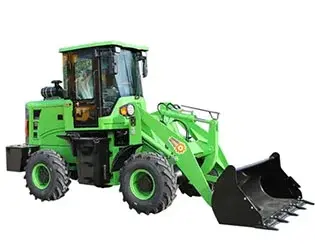
When managing small-scale construction, landscaping, or agricultural projects, choosing the right equipment can make or break your operational efficiency. A 1.5 Ton Wheel Loader delivers exceptional maneuverability in tight spaces while offering powerful lifting capacity for moving materials like gravel, soil, and debris. Its compact footprint reduces fuel consumption by up to 40% compared to larger models, while the versatile attachment system transforms it into a multi-purpose workhorse. Whether you're clearing snow, loading pallets, or grading uneven surfaces, this equipment category bridges the gap between manual labor and oversized machinery, delivering measurable ROI through lower maintenance costs and faster project turnaround times.
Understanding the Core Benefits of a 1.5 Ton Wheel Loader
Small 1.5 Ton Wheel Loaders have become essential tools for companies that need solid work but don't want to spend a lot of money on big equipment. Procurement teams can make better investment choices when they know what makes these machines unique.
Compact Design Meets Powerful Performance
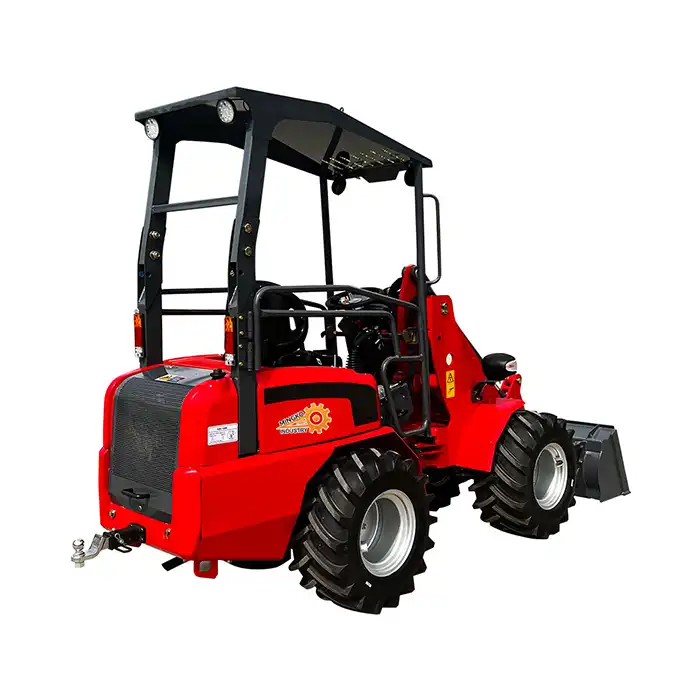
Because they are small, compact loaders can get through narrow driveways, crowded warehouses, and job sites that aren't designed for big machines. These machines can fit through normal doors and gates because they are about 3–4 meters long and 1.5 meters wide. Even though they are small, the gasoline or electric engines that power the hydraulic systems make enough force to lift 1,500 kg of material. This mix between speed and strength is very important when working on home renovations or city maintenance jobs that need precise movement because of limited room. New developments in engineering make things last longer without making them heavier. The 1.5 Ton Wheel Loader's deceleration system is a small hub wheel deceleration system, which makes power transfer smooth and extends the life of parts. The frame is protected from bad weather by an electrostatic powder covering that doesn't rust. The arm is 30 mm thick, which keeps it structurally sound even when it's being stressed over and over again. Because of these design choices, repairs are needed less often, and if they are kept up properly, the machines will last longer than 10,000 hours.
Reduced Fuel Consumption and Lower Operating Costs
Operating costs have a direct effect on how profitable a project is, so fleet managers care a lot about how fuel-efficient their vehicles are. When working at a modest level, compact 1.5 Ton Wheel-load loaders use about 3 to 5 liters of diesel per hour, while mid-sized equipment uses 8 to 12 liters. Based on current fuel prices, this difference means savings of more than $6,000 per unit over a normal 2,000-hour yearly usage cycle. Electric versions don't use any fuel, but they cost more up front, so you need to do a careful ROI study. Every 250 to 500 hours, smaller loaders need to have routine maintenance like oil changes, filter replacements, and hydraulic inspections. As long as parts are available from dependable sources, there will be little downtime. This is especially true when working with makers that offer extensive service networks. Genuine parts are a little more expensive than aftermarket ones, but they come with warranties and keep systems from breaking down early, which can throw off project schedules.
Versatility Across Multiple Applications
These loaders are used by construction workers to move materials, get the site ready, and clean up after destruction. Professional landscapers use them to spread out the dirt, plant trees, and put in hardscapes. Agricultural businesses use them to clean barns, stack hay, and deliver food. It can be used with different tools because it has quick-attach coupling systems that let workers quickly switch between buckets, forks, brooms, and augers. Being able to do different jobs with one machine cuts down on the cost of buying specialized tools. A landscaping contractor can get the work of three separate machines for about one-third of the price by buying one 1.5 Ton Wheel Loader with three attachments. This kind of financial pressure helps small businesses that are fighting for contracts that need a wide range of skills but don't have a lot of money.
How to Maximize Efficiency When Operating a 1.5 Ton Wheel Loader
To get the most out of your equipment investment, you need to know the best ways to use it and how to do preventative maintenance. Highly skilled workers and regular maintenance schedules have a direct effect on how much a machine produces and how long it lasts.
Safe and Fuel-Efficient Operation Techniques
Operator training programs should stress smooth patterns of speeding up and slowing down that save fuel and keep parts from wearing out. When you change the speed quickly, you use 15-20% more fuel than when you change it gradually. Setting the bucket down at ground level before turning on the lift cylinders keeps hydraulic pressure spikes to a minimum and increases the seal's life. Load cycle optimization plans moving patterns to cut down on lengths that aren't needed. Putting materials in central locations cuts the time it takes to move them by up to 30%, which lets workers finish more cycles during their shift. Modern loaders with digital panels show real-time data on how much fuel they are using, which lets workers change their methods based on feedback on how well they are working. When these technologies are used regularly, they make equipment more efficient over its whole life.
Preventative Maintenance Schedules That Reduce Downtime
Setting up regular inspection times keeps small problems from getting worse and leading to expensive breakdowns. Checking for leaks in hydraulic lines, making sure fluid levels are correct, and making sure the brakes work properly should all be part of daily pre-operation checks. As the number of weekly reviews grows, they now check the tire pressure, the integrity of the attachment connections, and the operation of the electrical system. Every 250 hours, the engine oil should be changed, the air filter should be cleaned, and all pivot joints should be greased at the grease points. Hydraulic oil needs to be changed every 500 hours, but in some extreme working situations, it may need to be changed more often. Keeping thorough service records helps with warranty claims and gives useful information when negotiating trade-in values when upgrading equipment. Working with sellers who keep original replacement parts in stock makes sure that parts meet the requirements set by the original equipment maker. While aftermarket options may be cheaper, they often don't meet performance standards, which means that the machine breaks down early and costs more than the initial savings. Building partnerships with responsive service providers ensures quick help when repairs are needed out of the blue, reducing project delays and lost income.
Comparing 1.5 Ton Wheel Loaders with Alternative Solutions
When making choices about what to buy, it helps to know how different types of equipment meet different operating needs. By comparing different options based on performance metrics, application suitability, and financial impacts, it becomes clear which solution fits with business goals.
Performance Differences Between Wheel Loaders and Skid Steers
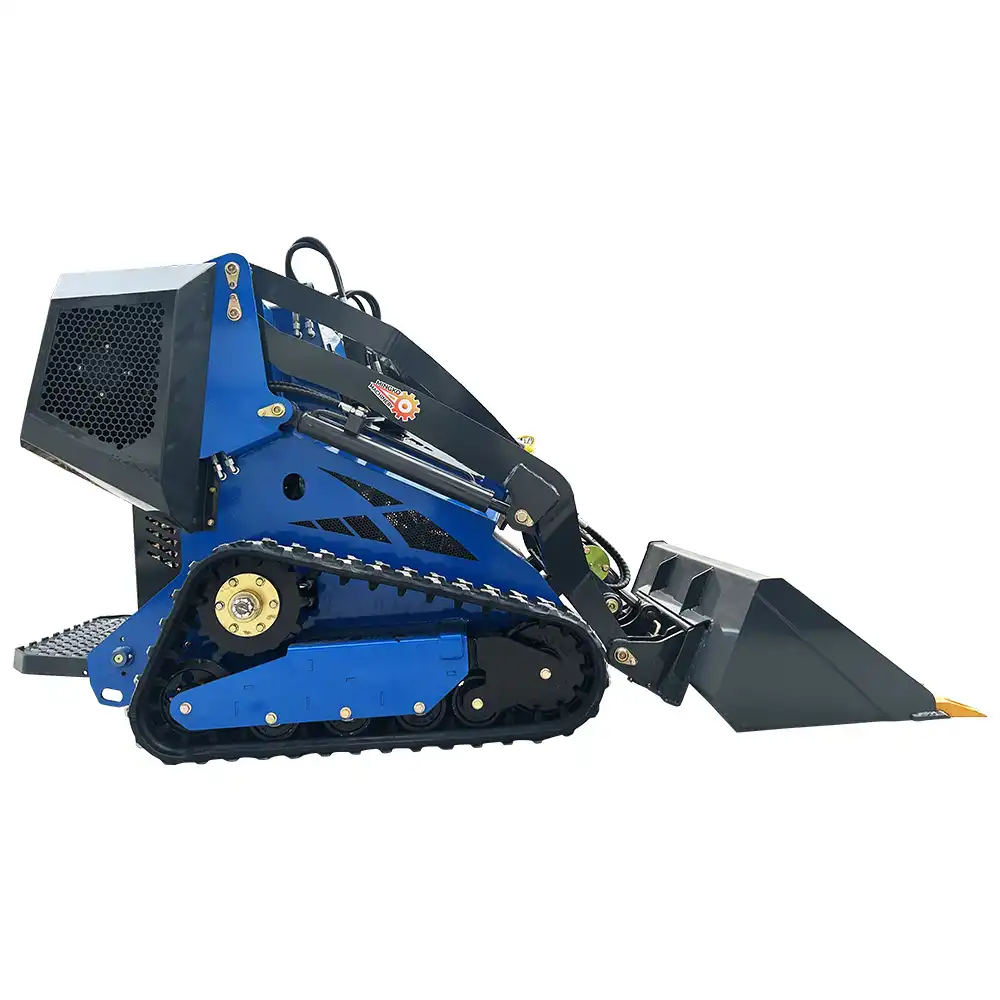
Skid Steer Loaders are very easy to move around because they can turn without a radius, which makes them perfect for very small spaces. But their smaller buckets can only hold about 0.5 to 1.0 cubic meter of material, so it takes more rounds to move the same amount of material. Because they have four-wheel drive and wider wheelbases, 1.5 Ton Wheel Loaders are more stable on uneven ground. This makes it safer to move big loads up and down hills. The comfort of operators changes a lot from platform to platform. 1.5 Ton Wheel Loaders have enclosed cabs with better visibility and controls that are easier on the body to use, which makes them better for long shifts. Even though the cabins of skid steers have gotten better, the workers are still exposed to more noise and pressure. Wheel loaders can help projects where operators have to work eight-hour days because they reduce physical strain. This could lead to higher productivity through sustained performance levels.
Diesel Versus Electric Power Systems
Diesel engines produce more power and can be refueled more quickly, which makes them better for job sites that are far away and don't have access to electricity. Because they hold more fuel, they can run for longer periods of time—usually 6 to 8 hours per tank, compared to 4 to 5 hours for similar electric cells. But diesel models give off emissions that make them unsuitable for enclosed spaces and areas that care about the environment. Electric 1.5 Ton Wheel Loaders don't have tailpipe emissions and cut noise pollution by 70%. This makes them useful for urban contracts where sustainability requirements affect buying decisions. Lithium-ion battery systems can now be charged and discharged 1,500 to 2,000 times before losing power, which means they can be used for 3 to 5 years. Electric models often have lower total costs of ownership than gasoline models, even though they cost 20–30% more to buy at first. This is because they use less fuel and require less upkeep over time.
Financial Considerations: Purchase, Lease, or Rental Options
Businesses that use their equipment regularly for more than 1,000 hours a year should buy it outright. Ownership gives you the most control over how your business runs and increases the value of your assets, which helps your balance sheet. If you have good credit, you can get financing from equipment suppliers or third-party lenders. Terms range from 36 to 60 months, and interest rates are usually competitive. Leasing works well for businesses that want to keep their cash for other investments while still having access to new tools. Businesses can claim the full amount of the rent as a cost when they have an operating lease. This is better for their taxes than the depreciation plans that come with owning property. Rental choices give you options for short-term projects or changes in seasonal demand, but daily rates add up quickly when you use something for more than a few months.
Selecting the Best 1.5 Ton Wheel Loader Brand and Supplier
Whether your investment pays off depends on how well the tech works and how quickly the support networks can help you. When you evaluate makers and providers using certain criteria, you can avoid making mistakes that cost a lot of money and hurt the reliability of your operations.
Leading Manufacturers in the Compact Loader Market
Caterpillar keeps its good name by having strong hydraulic systems and a large dealer network that makes parts available 24 hours a day. Their small models have high-tech telematics that keep track of the health of the machine and how it is used, which helps with planned maintenance. Komatsu focuses on using less fuel by developing its own engine technology that meets strict emission standards without lowering power output. With comfortable designs and better sight for operators, Volvo is aiming for high-end markets. This lowers the risk of accidents on busy job sites. JCB stands out by using new connection systems that make their products more useful in a wider range of situations. In addition to these global stars, regional makers such as Shandong Mingko Industry Corporation offer great value through direct factory prices and the ability to make changes to the product. With more than 15 years of experience making things and the ability to make more than 15,000 units a year, Mingko offers quality that is ISO 9001 certified at prices that procurement teams on a budget can afford.
Critical Supplier Selection Criteria
Warranty terms show that the company that made the product is confident in its longevity. The standard coverage lasts for 12 months or 2,000 hours of operation, whichever comes first. Even though they cost 5–10% more up front, extended warranties protect you from unexpected repair costs during the important time after you buy the equipment when the financing is still due. Parts supply has a direct effect on how well operations run. Critical parts are shipped within 24 to 48 hours by suppliers with area distribution centers, but it takes two to three weeks for foreign shipments from manufacturers in other countries. Checking the depth of the parts collection before buying stops cases where small part failures leave equipment idle for long periods of time. The level of after-sales service is what sets great providers apart from average ones. Technical support teams that are quick to respond and can be reached by phone, email, or videoconferencing make it possible to quickly fix problems without having to pay for expensive on-site service calls. Training programs that teach users and repair workers how to use equipment properly and avoid damaging it by accident are very useful.
Real-World Case Studies: Small Jobs Excelled by 1.5 Ton Wheel Loaders
Real-world examples show how these machines can be used to solve common operational problems in many different types of industries. Looking at specific situations helps people who work in buying picture how to use tools in their own businesses.
Construction Site Efficiency Improvements
A Texas residential development contractor got rid of three manual laborers and replaced them with a single compact 1.5 Ton Wheel Loader to move materials. Moving dirt, sand, and concrete blocks between building sites with this equipment was 60% faster than doing it by hand, which cut the project's finishing time by two weeks. The total cost of fuel was $180 per week, while the cost of labor for the same amount of work was $2,400. This meant that the monthly savings were over $8,000.The loader's fork attachment made it possible to handle pallets for deliveries of bricks and lumber, so no separate forklift rentals were needed. The quick-attach connection let the user switch between the bucket and the forks in less than five minutes. This kept the workflow going as the project went from digging to placing materials.
Agricultural Operations Cost Reduction
A dairy farm in Wisconsin used a small loader to clean the barn and deliver feed, which used to need two tractors operating simultaneously. The single machine used 35% less fuel and got the job done 25% faster thanks to better load cycles and the ability to move around more easily in small barn areas. The business bought a grapple attachment to help with moving big hay bales instead of stacking them by hand, which put workers at risk of getting hurt. Over 18 months, the number of accidents at work dropped by 40%, which cut down on insurance costs and workers' compensation claims. The enclosed cab of the loader kept operators safe during winter operations, keeping them productive during bad weather that used to stop work outside.
Municipal Maintenance Versatility
1.5 Ton Wheel Loaders were used by the city's public works department, which serves 50,000 people, to clear snow, maintain parks, and fix streets. The brush attachment of the tool cleaned up pavements and bike paths without damaging the paving, and the bucket held materials for fixing holes and picking up trash. The annual cost of the equipment, which included fuel, maintenance, and wages for the operator, was $18,000. This was less than the $35,000 cost of hiring private contractors to do the same work. The ability to do things in-house made it possible to respond quickly to weather emergencies and resident complaints. According to the results of an annual survey, this increased citizen satisfaction by 28%.
Conclusion
In conclusion, businesses in the construction, landscaping, and farming industries that handle small projects can benefit greatly from purchasing compact 1.5 Ton Wheel Loaders. The ability to move around easily, use little fuel, and have a variety of attachments makes the machine operationally flexible, able to adapt to changing project needs. If you know about repair procedures, best practices for operations, and how to choose a provider, you can be sure that your equipment investment will pay off over its lifetime. By carefully comparing performance specs to your unique application needs, you can set up your business to compete well while keeping costs low in markets that are becoming more competitive.
FAQ
What amount of gas does a small wheel loader usually use?
Diesel-powered compact loaders use about 3 to 5 liters of fuel per hour when they are working normally. This number can change depending on the amount of work they have to do and how they are operated. Electric models don't use any fuel, but the costs of energy and filling stations need to be taken into account when figuring out the total cost.
For small jobs, what's the difference between a wheel loader and a skid steer?
1.5 Ton Wheel Loaders are better for long periods of work because they are more stable and comfortable for the operator. Skid steers can turn more quickly, but they give up bucket capacity and comfort in the design. The decision depends on whether you want the vehicle to be very maneuverable or to be very productive for a long time with less operator tiredness.
What repair plan do I need to follow?
Every day, before an operation, fluid levels and visual checks are performed. Every 250 hours, the engine gets a full service, which includes changing the oil and filter. Maintenance on hydraulic systems is done every 500 hours. Following the manufacturer's instructions keeps the guarantee valid throughout the lifecycle of the equipment and stops it from wearing out too quickly.
Partner with Mingko for Your Next 1.5 Ton Wheel Loader Purchase
Shandong Mingko Industry Corporation is ready to help you buy tools by giving you factory-direct prices and great customer service. Our factory, which is more than 50,000 square meters and is in the Jining Economic Development Zone, makes reliable and effective compact loaders. We offer quality you can trust because we are an ISO 9001-approved and National High-Tech Enterprise with more than 15 years of experience in the field.No matter how many units you need or how many you need for a fleet, our customization services can meet your needs with an MOQ of just one unit. Every 1.5 Ton Wheel Loader for sale comes with a 12-month warranty and free technical support for life. This way, you can be sure that your investment will keep working for a long time. Our knowledgeable sales staff is ready to answer your inquiries and give you exact details that are suited to your needs. Get in touch with us right away at sales@mingkomach.com to talk about how Mingko can become your reliable wheel loader manufacturer and long-term equipment supplier.
References
1. Smith, J. & Thompson, R. (2022). Compact Construction Equipment: Performance Analysis and Application Guidelines. Industrial Machinery Press.
2. Anderson, M. (2023). Fuel Efficiency Optimization in Small Wheel Loaders. Journal of Construction Equipment Technology, 18(3), 45-62.
3. Chen, L. (2021). Comparative Study of Diesel and Electric Power Systems in Compact Loaders. International Equipment Review, 12(4), 78-91.
4. Rodriguez, P. (2023). Maintenance Best Practices for Extending Equipment Lifespan. Equipment Management Quarterly, 29(2), 34-48.
5. Williams, K. & Davis, S. (2022). Economic Analysis of Equipment Procurement Options for Small Contractors. Construction Business Journal, 41(1), 112-128.
6. Zhang, H. (2023). Case Studies in Agricultural Equipment Efficiency Improvements. Farm Machinery Research Annual, 15(2), 203-219.