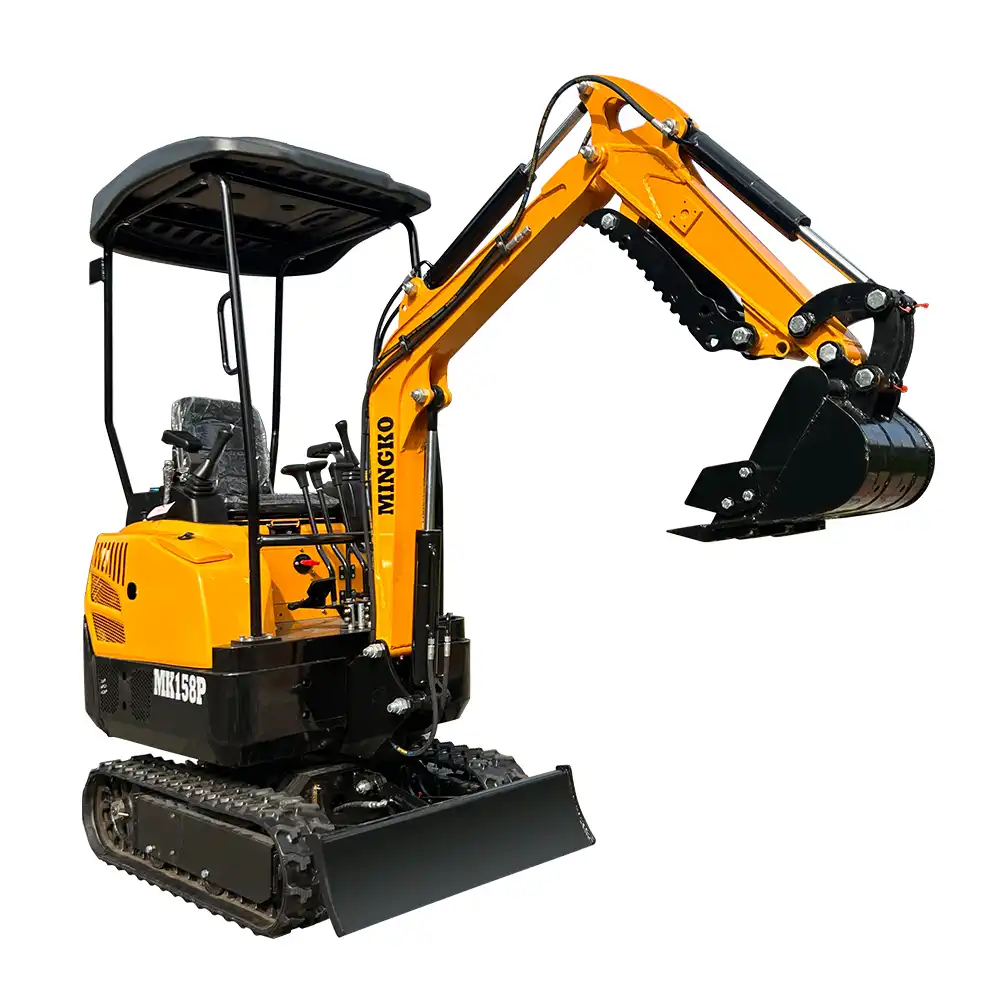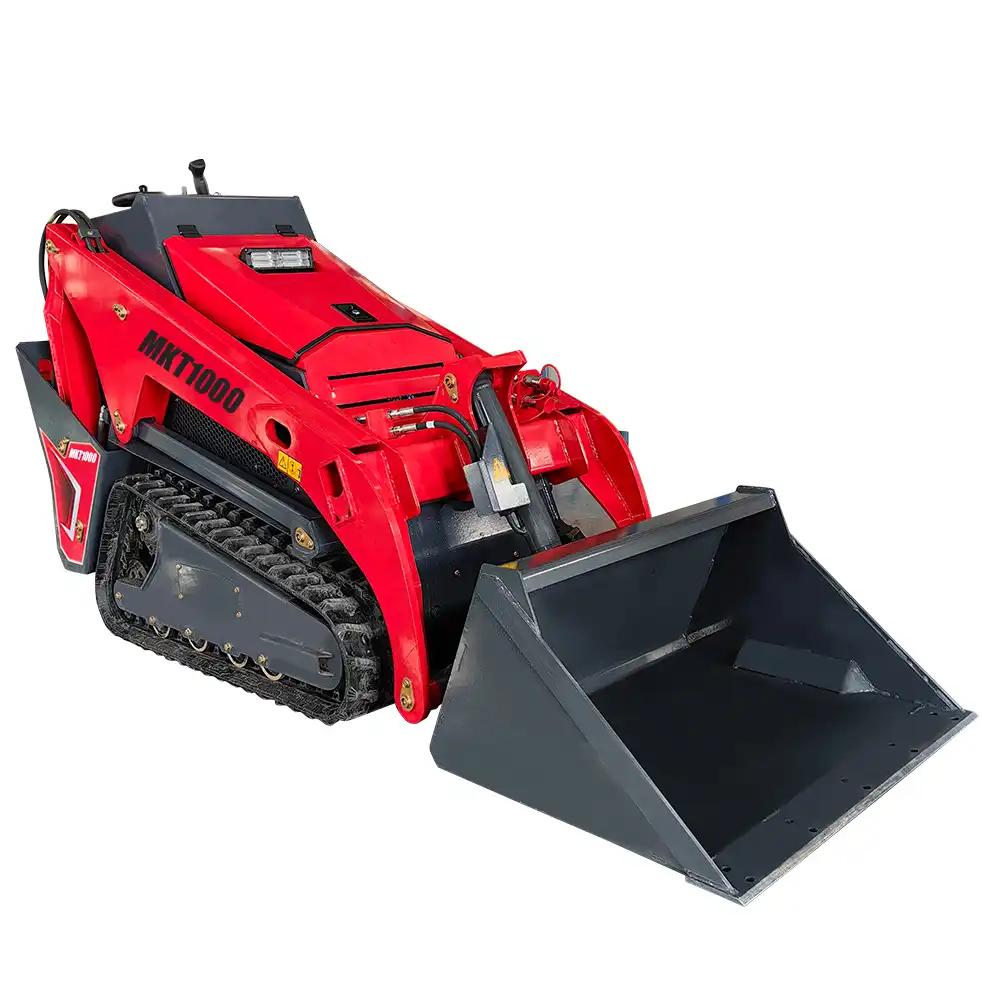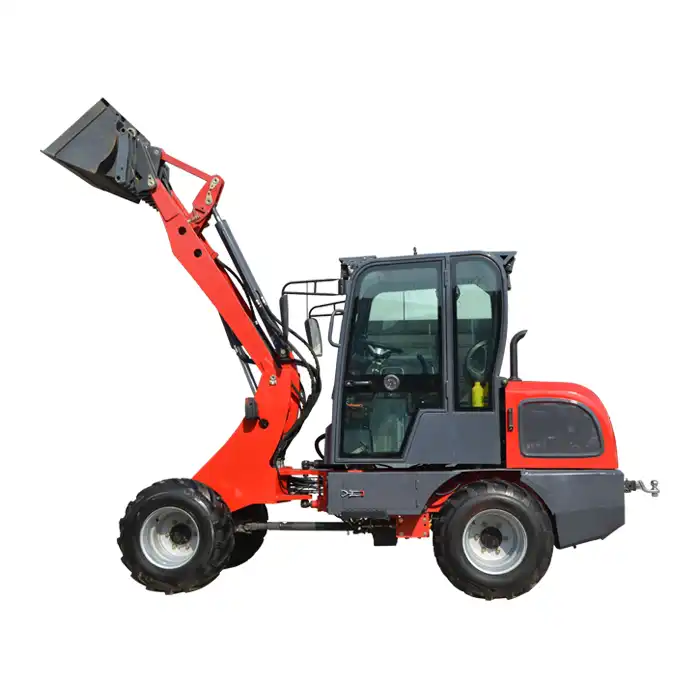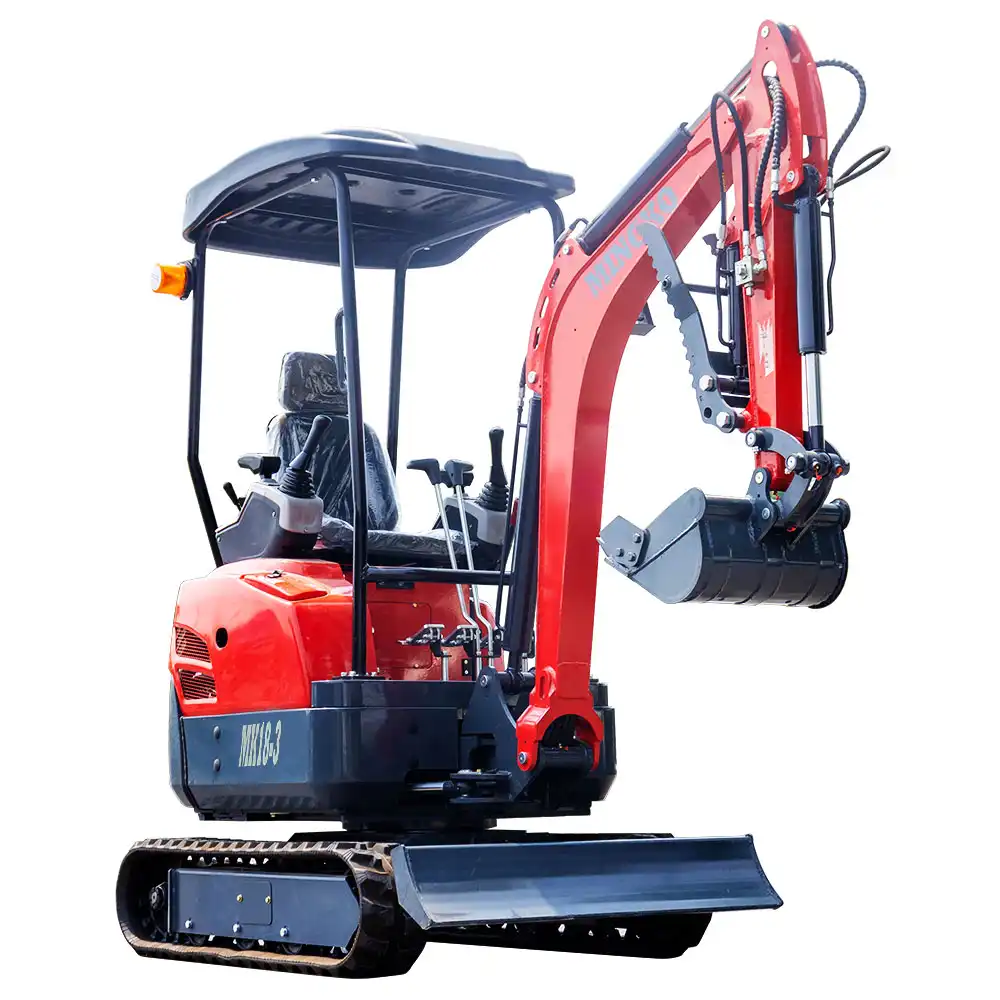
Why Is Remote Control Slope Mower Popular Worldwide?
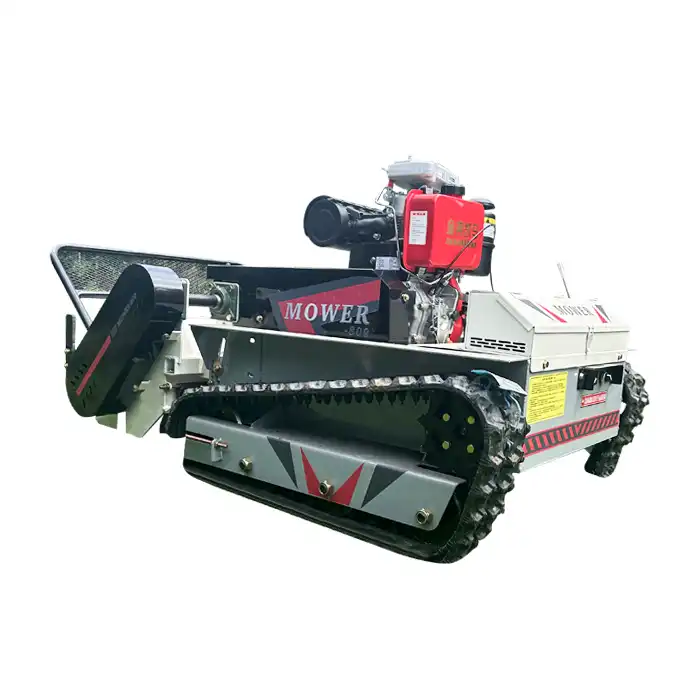
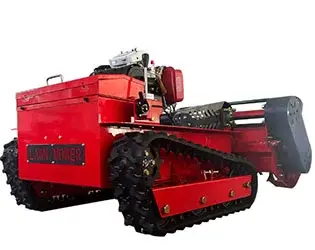
Remote Control Slope Mowers have changed the way land care is done all over the world because they get rid of the dangerous risks that come with working on steep slopes and offer the best precision and value for money. The Remote Control Slope Mower lets operators keep full control from a safe distance, so they can mow steep slopes that they couldn't reach before or that require dangerous manual labour. This new idea meets the growing needs for safety in the workplace, better use of labour, and protection of the environment. As landscapers, city maintenance crews, and farms look for smarter ways to deal with difficult terrain, remotely operated mowing technology has become the standard way to handle steep terrain around the world.
Why Remote Control Slope Mowers Have Become Essential for Steep and Difficult Terrains
Eliminating Operator Risk on Dangerous Gradients
Traditional ways of mowing on steep slopes put workers at a high risk of getting hurt. Occupational safety data shows that a disproportionate number of accidents in the gardening business happen while slopes are being maintained. Each year, equipment rollovers and slips cause major injuries. People are never in danger zones when operations are done remotely. Operators control equipment from stable ground positions, so they aren't exposed to risks like unstable footing, heat stress, and getting tangled up in machinery. Four-wheel drive and crawler configurations make it possible for these machines to go up and down hills that would be dangerous for walk-behind or ride-on mowers. Our models at Mingko can handle slopes that used to need to be trimmed by hand with a rope or with expensive cutting systems placed on helicopters. This creates new opportunities for managing terrain effectively.
Dramatic Labor Cost Reduction
The highest cost of running a landscape maintenance business is the labour. When compared to traditional ways, Remote Control Slope Mowers require a lot less work from a crew. With a remotely controlled unit, one user can do the work that used to take three or four people, cutting salary costs by 60 to 70 percent. This efficiency increases during peak seasons, resulting in big yearly savings. Besides lowering staffing needs, faster operations also help keep costs low. With travel speeds of up to 4 km/h and cutting widths of 800mm to 1200mm, this machine can quickly cover large areas. Managers of golf courses say that weekly slope maintenance can now be done in a third of the time it used to take. This frees up resources for other property management tasks. The small, bendable design lets you work under tree branches and around obstacles without having to do extra cutting by hand, which saves even more time.
Accessing Previously Unmaintainable Terrain
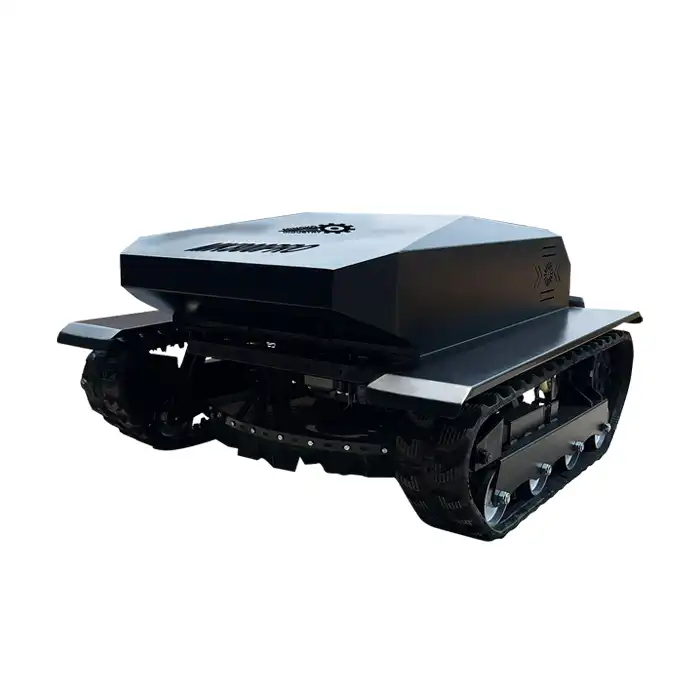
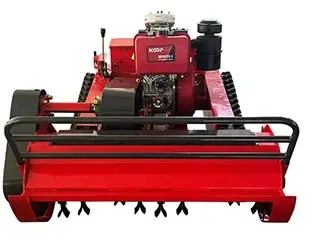
Some landscapes are hard to get to, which makes normal maintenance impractical or impossible. Along roads, train lines, and rivers, embankments often have steep slopes and soft, lumpy ground that make it impossible for regular horse mowers to get through. Remote Control Slope Mower with crawler drive systems spreads weight over a larger surface area, keeping traction on loose or wet ground and preventing soil compaction. More and more, municipal infrastructure projects call for remotely operated equipment to maintain detention ponds, levees, and stormwater management features where slope angles are greater than 30 degrees. These uses show how advanced cutting technology goes beyond what is normally possible for care, protecting infrastructure investments while keeping plants under control for both looks and function.
Comparing Remote Control Slope Mowers with Alternative Solutions
Remote Control vs. Traditional Manual Methods
Using string trimmers and brush cutters to maintain slopes by hand is very hard on the body and doesn't always produce good results. Cutting quality is lower when workers are tired, especially when they work long shifts in hot weather. Safety equipment like harnesses, protective gear, and constant supervision makes operations more difficult and costs more. Remote Control Slope Mowers cut at the same height across entire project areas, even when operators are tired. Cutting heights can be changed to meet different vegetation management goals, such as fine-tuning golf courses' grass or aggressively clearing brush along utility corridors. When compared to string trimmers, mechanical cutting is more consistent and repeatable, which helps grass grow better. This improves the long-term quality of the turf.
Remote Control vs. Robotic Autonomous Mowers
Self-driving robotic lawn mowers are getting more attention for use in homes and small businesses, but they can't handle rough ground well. A lot of robotic systems can only work on flat areas with border lines because they don't have the strength and steadiness to work on steep hills. Autonomous consumer units usually only last 60 to 90 minutes, which isn't long enough for big commercial projects. The Remote Control Slope Mower gives operators the power to make decisions in real time, respond to unexpected obstacles, changing cutting patterns based on vegetation density, and adapting to changing weather conditions. When human judgement is joined with machine capabilities, the best results are achieved for complicated professional tasks. Adding more operational capacity through bigger battery systems or fuel tanks lets you work nonstop for the whole day, which is very important for businesses where downtime hurts profits.
Electric vs. Diesel Power Considerations
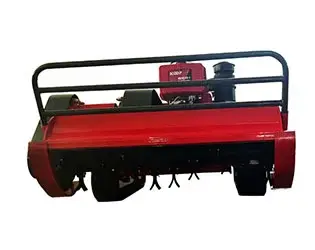
The choice of power source relies on the needs of the work and the needs of the surroundings. Electric types don't produce any pollution when they're used, so they're perfect for parks, areas that are sensitive to the environment, and places with strict noise laws. As battery technology has improved, it can now run for four to six hours straight on a single charge, which is enough for most daily business needs. Modern electric models have regenerative braking systems that collect energy during descents, which increases their operating range on a variety of terrain. Diesel-powered units are best for high-demand tasks that need long runtimes and maximum cutting power. Compared to electric systems, fuel systems can run for longer periods of time before they need to be refueled because of their higher energy efficiency. Different types of power need different kinds of maintenance. For example, electric systems don't need oil changes or fuel system service, but they do need their batteries replaced every so often. When figuring out the total cost of ownership, these operational differences should be taken into account, along with local energy costs and pollution rules.
Procurement Guidance: How to Buy and Source Remote Control Slope Mowers Worldwide
Selecting Verified Manufacturers and Distributors
Finding manufacturers with clear quality certifications and a full support network is the first step to successful procurement. EPA and CE certifications show that a product meets the safety and environmental standards needed for North American and European markets. The fact that Shandong Mingko Industry Corporation has ISO 9001 certification shows that they are committed to quality management systems throughout the whole production process. They run a 50,000-square-meter factory with special production workshops for their equipment. With 15 years of experience in international trade, we have a deep knowledge of what international buyers want, how to ship goods, and how to follow the rules. We can make more than 15,000 units of different types of equipment every year, and we keep a store on hand and offer flexible shipping plans that work with the yearly demand patterns in different markets.
Understanding Pricing Structures and Financing Options
The price of a remote control slope mower depends on a number of things, such as the cutting width, the type of drive, the power system configuration, and the features that come with it. Low-cost models are good for smaller properties or adding to an existing fleet, while commercial-grade units with more advanced features require a bigger investment but are worth it because they last longer and are more productive. When you buy directly from the manufacturer, you don't have to pay for markups by a distributor, which is especially helpful for buying in bulk changeeet. We offer customised production with a low minimum order quantity of just one unit. This gives manufacturers of industrial equipment a level of flexibility that isn't common, which helps both small businesses testing out new technologies and large companies standardising their fleet equipment. You can get information about payment terms, shipping options, and discounts for large orders by talking to someone directly. This lets you get the best deal based on your budget and time frame.
After-Sales Support and Spare Parts Availability
Making sure that equipment works well. Full after-sales service includes technical help during setup, resources for operational training, and quick access to parts. We offer free video installation instructions that cover setup, assembly, and best practices for using the equipment. This makes it easier for people to get used to new things. Additionally, our 12-month warranty covers manufacturing flaws and component failures under normal operating conditions, protecting your investment during the important initial deployment period. In addition to the guarantee, users can get forever expert support at sales@mingkomach.com to quickly solve any operating or repair problems. Wear parts like blades, belts, and filters are kept in stock as spare parts. These parts are shipped quickly to keep operations running as smoothly as possible, which is especially important for commercial operators who have service obligations.
Future Trends and Innovations in Remote Control Slope Mowers
Artificial Intelligence and Adaptive Terrain Navigation
New technologies are making it easier for machines to work on their own while still requiring human supervision. AI-powered terrain recognition systems look at the ground conditions in real time and change the speed, blade engagement, and power distribution automatically to get the best results and keep the equipment from getting stressed. Over time, machine learning algorithms get better at finding trends in how to operate on properties that need to be kept often. This makes routine jobs easier for operators to do. IoT connection lets rental equipment be monitored remotely from centralised management platforms. Maintenance managers can see where equipment is, how long it has been running, how much fuel or battery it has left, and how well it is doing in real time. Predictive maintenance algorithms look at patterns in temperature, motor power draw, and vibrations to find mechanical problems before they happen. They do this by organising preventive service, which keeps operations running smoothly and saves money on fixes that need to be done quickly.
Sustainability and Environmental Performance
Environmental laws are getting stricter around the world, which is leading to new low-emission and zero-emission tools. New developments in battery technology, such as solid-state cells, offer higher energy efficiency, less weight, and longer range. Developing fast-charging infrastructure makes it possible to quickly recharge batteries during work breaks, which is the main problem with electric equipment used for long periods of time. Manufacturers are also focusing on end-of-life sustainability by making equipment with parts that can be reused and materials that can be recycled. Because modular construction lets you replace worn-out parts instead of throwing away the whole machine, it lasts longer and has less of an effect on the environment. These sustainability factors are becoming more important in purchasing decisions as companies try to meet their environmental goals and meet customer demands for service providers that care about the environment.
Market Growth and Safety Regulation Evolution
The need for Remote Control Slope Mowers keeps growing around the world in many areas. It can be used in agriculture to handle vineyards on steep farms and keep the floors of orchards in good shape in places where regular tools can't get to them. This technology is used in the infrastructure sectors to maintain highway berms, control flora around solar farms, and handle the edges of airports. Specialised equipment is being made because each application area has its own needs. Safety rules are changing to keep up with new technologies, and industry standards groups are making rules just for outdoor power equipment that can be handled from a distance. Following these new rules gives you an edge in controlled industries and public sector buying, where safety paperwork and approval are becoming more and more important in deciding what to buy. Keeping up with changes in regulations makes sure that investments in equipment stay legal for as long as they are used.
Conclusion
Technology like Remote Control Slope Mowers is a big step forward in maintaining land. It solves important safety issues, makes operations more efficient, and saves money. Complex control systems, strong material engineering, and a range of power choices work together to make solutions that can be used in many different fields and situations. As makers keep coming up with new ways to add AI, make machines more eco-friendly, and give them more control, these machines will get better and easier to use. When making purchases, people should give more weight to confirmed producers with full support, quality licenses, and a history of success. When you switch from traditional maintenance methods to remote-controlled equipment, safety instantly improves, labour costs drop, and you can get to areas that were hard to get to before. Adopting this technology is a smart investment in operational excellence.
FAQ
How Long Do Batteries Last in Remote Control Slope Mowers?
Battery longevity depends on usage intensity, terrain difficulty, and vegetation density. Professional-grade lithium-ion battery systems typically provide four to six hours of continuous operation per charge under normal conditions. Remote Control Slope Mowers' battery packs undergo rigorous cycle testing during manufacturing, with quality systems delivering 2,000-3,000 full discharge cycles before capacity degradation requires replacement. Proper battery management, including avoiding complete discharge, storing at appropriate temperatures, and following manufacturer charging protocols extends operational lifespan significantly. Real-world operational life typically reaches five to seven years under commercial usage patterns.
Are These Mowers Safe on Extremely Steep Slopes?
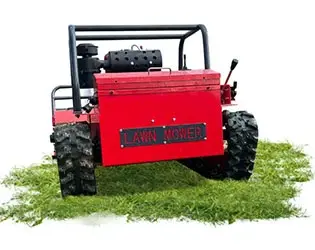
Modern Remote Control Slope Mower incorporates multiple safety systems specifically engineered for steep terrain operation. Certified overload protection monitors machine angle continuously, triggering automatic shutdown before tipping points are reached. Low center of gravity designs combined with wide track or wheel bases enhance stability on severe gradients. Our crawler drive models at Mingko demonstrate exceptional climbing ability on inclines exceeding 35 degrees while maintaining operator safety through remote operation that eliminates personnel exposure to hazardous positions.
Can I Rent Before Purchasing?
Many dealers and manufacturers offer demonstration programs or short-term rental arrangements, allowing potential buyers to evaluate equipment performance in their specific applications before capital commitment. This trial approach reduces procurement risk by confirming operational fit, performance capabilities, and operator acceptance. Contact our sales team at sales@mingkomach.com to discuss demonstration opportunities and trial programs tailored to your operational requirements and timeline.
Partner with Mingko for Superior Remote Control Slope Mower Solutions
Shandong Mingko Industry Corporation brings over 15 years of specialized experience manufacturing high-performance terrain maintenance equipment trusted by professionals worldwide. As a direct Remote Control Slope Mower manufacturer, we eliminate intermediary costs while providing customized solutions starting from single-unit orders. Our EPA and CE-certified equipment meets rigorous international standards, backed by ISO 9001 quality management throughout production. The compact, flexible design of our mowers enables operation beneath tree canopies with cutting widths from 800mm to 1200mm, achieving up to 4 km/h operational speed for maximum productivity. Four-wheel drive and crawler configurations deliver exceptional climbing ability on challenging gradients. Reach out to our professional team at sales@mingkomach.com to discuss your specific terrain maintenance challenges. We provide comprehensive consultation covering equipment selection, customization options, and implementation strategies aligned with your operational goals. Experience the Mingko advantage through competitive factory-direct pricing, 12-month warranty protection, and lifetime technical support ensuring your investment delivers lasting value.
References
1. Clancy, R.M. & Thompson, J.L. (2021). Occupational Safety in Landscape Maintenance: Risk Assessment and Mitigation Strategies. Journal of Workplace Safety Studies, 18(3), 142-159.
2. Henderson, K.P. (2022). Autonomous and Remote-Controlled Equipment in Professional Turf Management. International Turfgrass Society Research Journal, 14(2), 221-238.
3. Morrison, D.S. & Lin, H. (2020). Battery Technology Advances for Outdoor Power Equipment Applications. Journal of Sustainable Energy Engineering, 9(4), 387-402.
4. Peterson, G.L. (2023). Comparative Analysis of Slope Maintenance Technologies: Cost, Safety, and Environmental Impact. Landscape Management Quarterly, 41(1), 56-74.
5. Reynolds, M.T. & Kowalski, A. (2022). IoT Integration and Predictive Maintenance in Commercial Landscape Equipment. Agricultural Engineering Technology Review, 27(3), 198-215.
6. Wallace, C.K. (2021). Global Regulatory Trends in Outdoor Power Equipment: Emissions, Safety, and Operator Protection Standards. Environmental Compliance Journal, 15(4), 301-318.