How to Choose the Best Mini Crawler Excavator for Urban Projects
Selecting the ideal Mini Crawler Excavator for urban construction requires careful consideration of multiple factors, including size constraints, power specifications, and maneuverability features. Urban environments demand compact earthmoving machines that deliver exceptional performance while navigating tight spaces. Key selection criteria include operating weight, digging depth, hydraulic systems, and compliance with environmental regulations. Understanding these parameters ensures optimal productivity and cost-effectiveness for your construction projects.
Understanding Urban Construction Requirements
One of the most important things to look at when choosing a utility digger is its operating weight. From 1 to 8 tonnes, machines can do different things and be used for different things. Lighter units work best for landscaping, while heavier models are better for tougher building jobs. Productivity and fuel economy are directly related to the power of the engine.
These days, hydraulic excavators have advanced powertrains that balance efficiency with environmental safety. The Kubota D722 engine, which is often found in high-quality tools, gives you reliable power while also meeting strict emission standards. The accuracy and speed of excavator tasks depend on their hydraulic systems. Pilot valve control technology makes the operation smooth and keeps operators from getting tired after long shifts. More advanced hydraulic systems also use less fuel and need less upkeep over the equipment's lifetime. The project needs to match the digging specifications, such as the highest depth and height that can be dug. Utility work that needs to be done at a certain level is common in urban projects. If you know these parameters, you can avoid expensive equipment mismatches that could cause the job to take longer to finish.
Key Performance Specifications to Consider
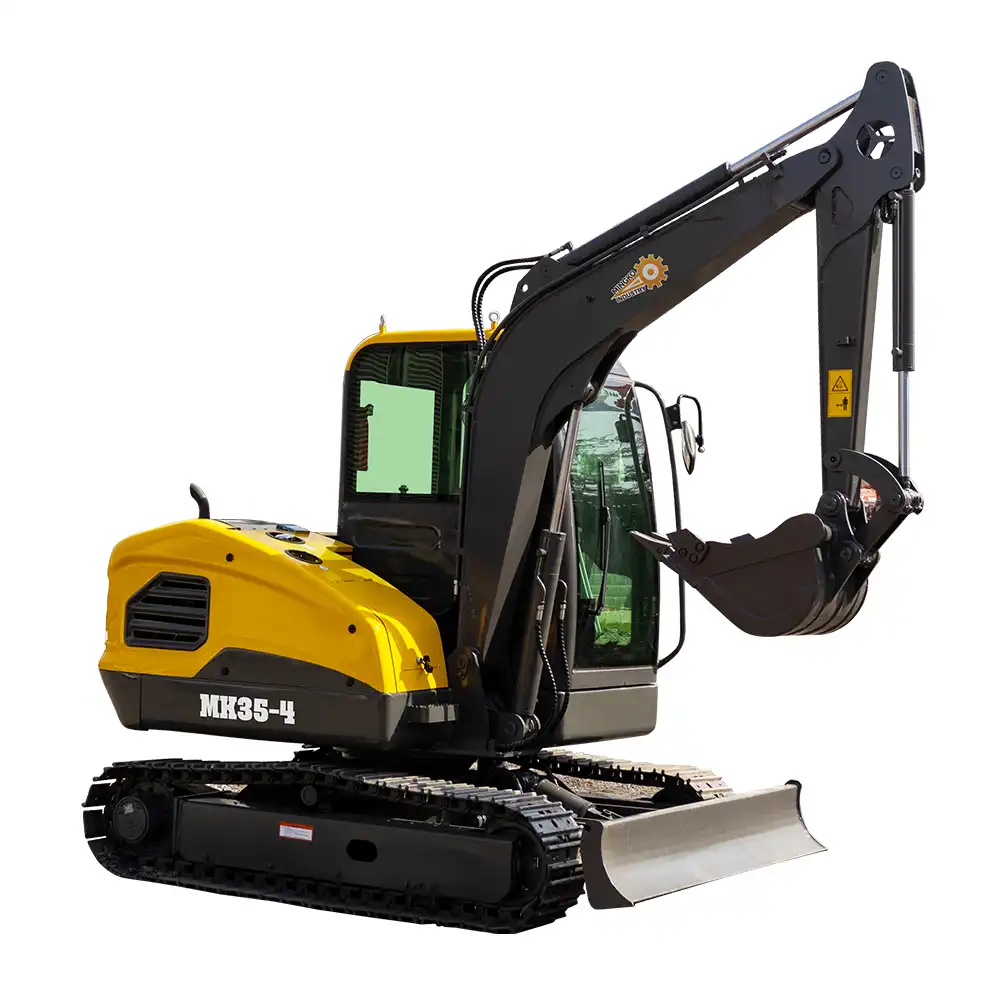
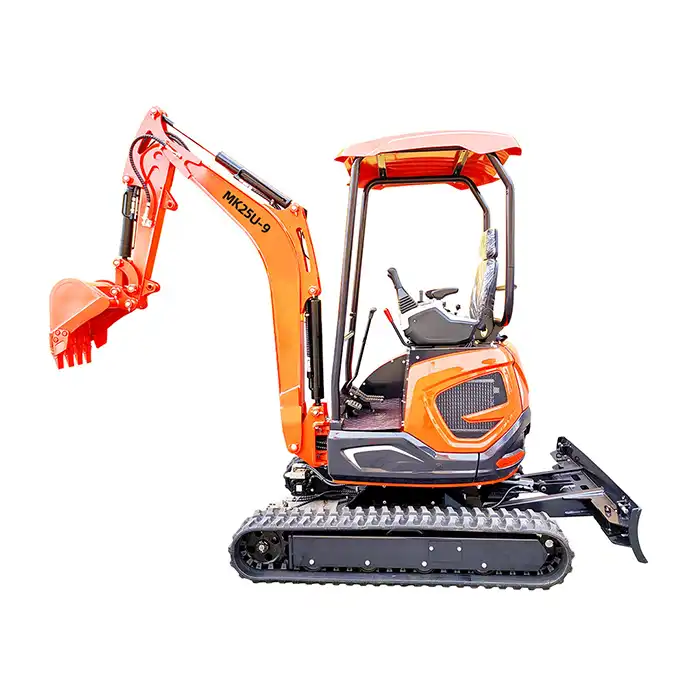
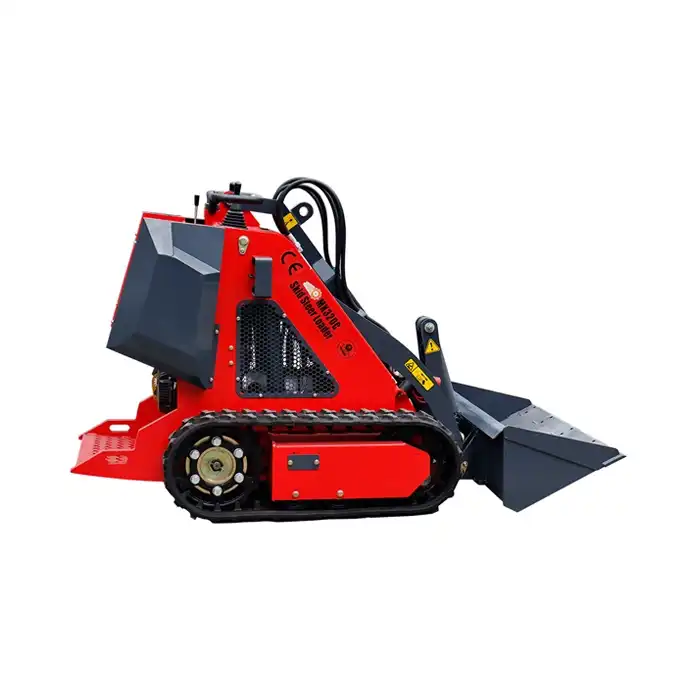
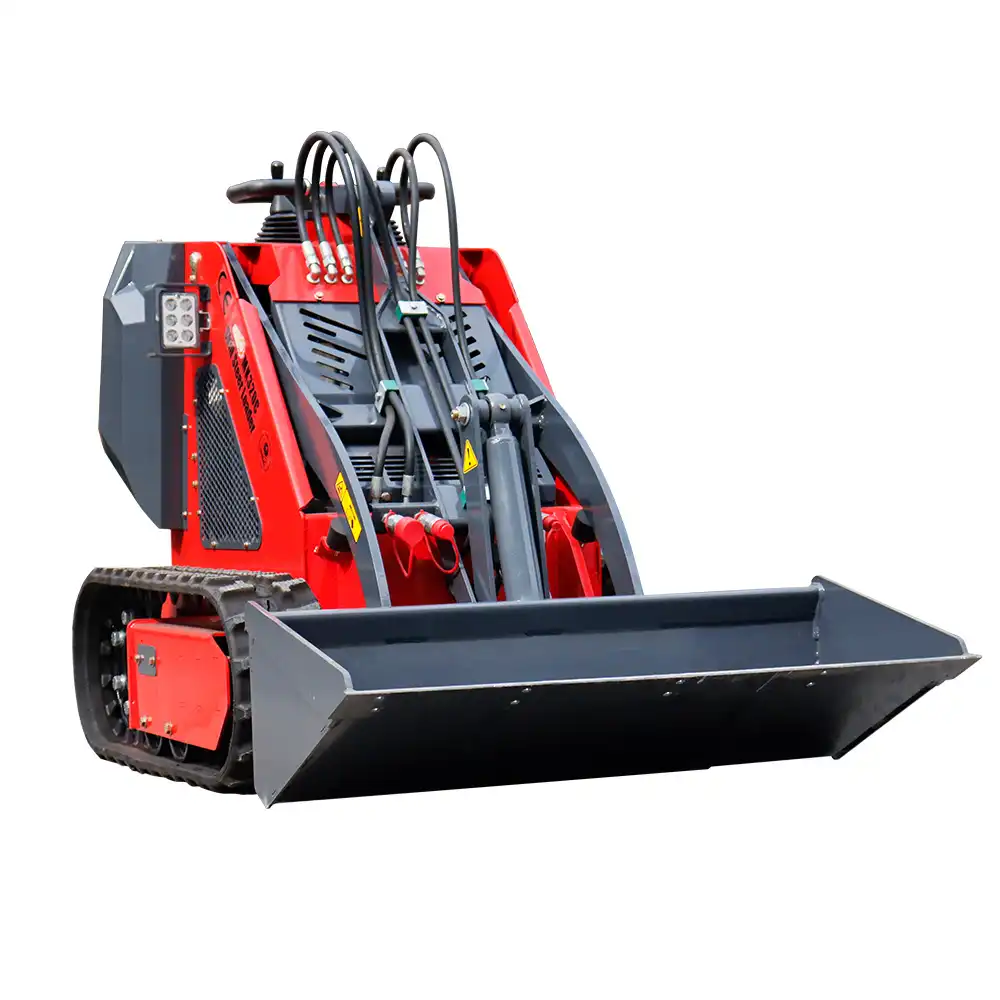
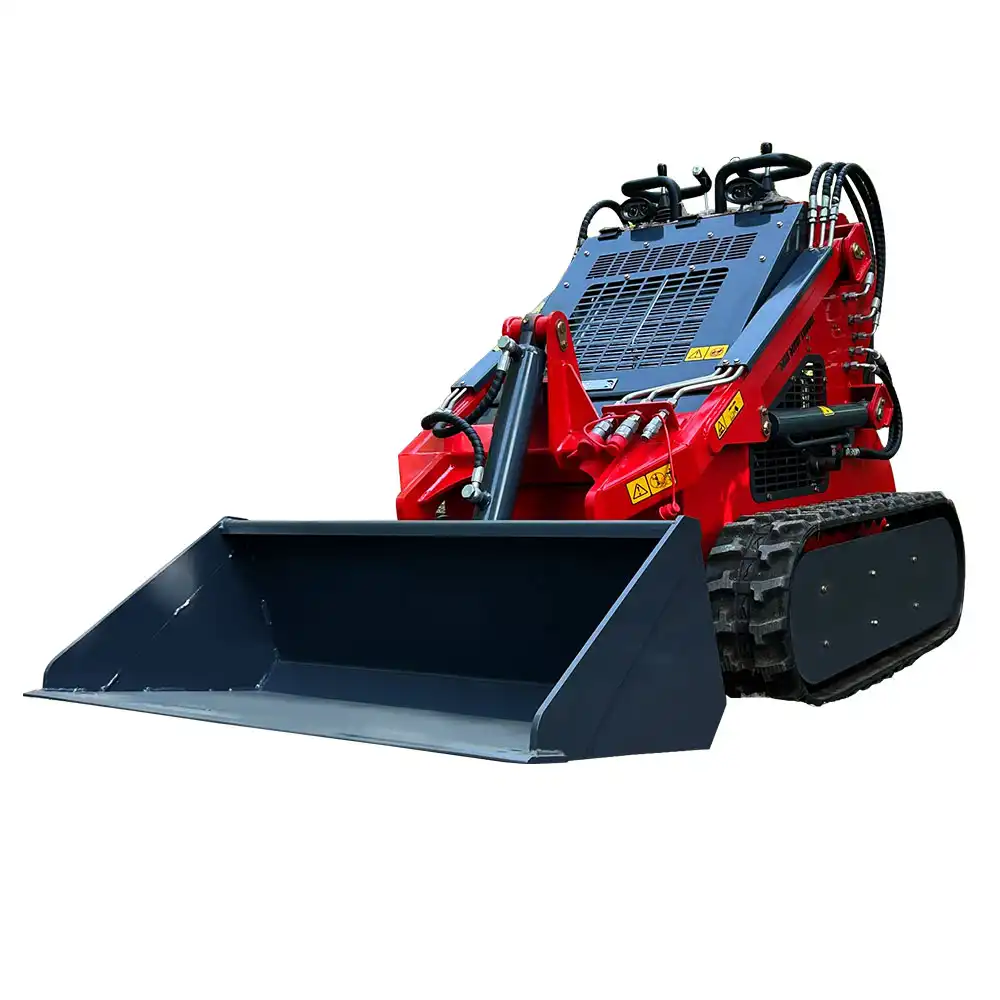
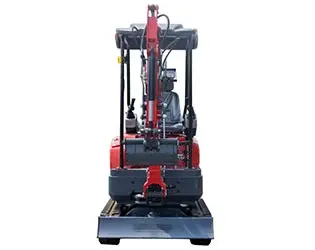
The measurements of a compact track loader have a big effect on how well it works in cities. Overall measurements of length, width, and height show how easy it is to get through standard doorways, gates, and narrow passages that are common on city building sites. The zero tail swing design is an important part of working in tight spaces. This technology keeps the back of the machine within the track width while it turns, so it doesn't damage nearby vehicles or buildings. This kind of skill is very useful when working next to buildings or parked cars. Track width changes both how stable it is and how the ground pressure is distributed. Wider tracks are more stable on uneven ground, but they may make it harder to get through small gaps.
On the other hand, narrower designs make it easier to move around, but they might not be as stable on slopes or soft ground. The machine's ability to get around curbs, debris, and uneven Mini Crawler Excavator pavement in cities is based on its ground clearance specs. Enough clearance keeps the chassis from getting damaged and keeps the vehicle running smoothly on a variety of terrains.
Size and Maneuverability Factors
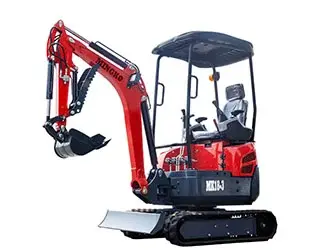
How well a compact track loader works in towns depends a lot on how big it is. It's easy to get through standard doorways, gates, and narrow passages that are common on city building sites, as shown by the length, width, and height measures. When you need to work in a small area, the zero tail swing design is very helpful. The back of the machine stays within the track width while it turns, thanks to this technology. This way, it doesn't damage cars or buildings nearby.
For jobs next to buildings or parked cars, this skill comes in very handy. The track's width changes how safe it is and how the ground pressure is spread out. On bumpy ground, wider tracks are more stable, but they might make it harder to get through small holes. If you want something smaller, you can move around more easily, but they might not be as stable on hills or soft ground. The machine can get around curbs, trash, and uneven pavement in towns thanks to its ground clearance specs. If there is enough clearance, the chassis won't get damaged, and the car will run smoothly on a range of surfaces.
Essential Attachments and Versatility
Excavators and the work they can do are much more useful when they have attachments. Standard excavator bucket shapes are good for basic digging jobs, but you can use special extensions to do demolition, move materials, and level the ground precisely. Hydraulic breakers are used to remove concrete and break up rocks in urban repair work. When these are added to the base machine, it turns into a strong destruction tool that can handle a lot of different building materials found in cities. Grapple attachments make it easier for operators to move things like pipes, building materials, and trash fast. This flexibility means that less extra gear is needed on the job site, which saves money and makes the project easier to run. With an auger attachment, you can drill the exact holes you need to put up fences, signs, and utility lines. If you need to be very exact with your work, these specialised tools are great for things like gardening and building city infrastructure.
Operator Comfort and Safety Features
Modern small excavator designs prioritize operator comfort and safety through advanced cabin technologies. Ergonomic control layouts reduce fatigue during extended operation periods while improving precision and productivity. Climate control systems ensure operator comfort across varying weather conditions. Visibility enhancements, including enlarged windows and strategically placed mirrors, improve safety in crowded urban environments. Clear sightlines help operators avoid accidents involving pedestrians, vehicles, and existing infrastructure commonly found in city construction sites. Advanced safety systems, including backup alarms, warning lights, and emergency stops, meet urban safety requirements while protecting both operators and nearby personnel.
These features become particularly important when working in high-traffic areas or near public walkways. Noise reduction technologies benefit both operators and surrounding communities. Advanced sound-dampening materials and optimized engine designs minimize noise pollution, ensuring compliance with Mini Crawler Excavator municipal noise ordinances while maintaining neighborhood relations.
Maintenance and Support Considerations
Regular maintenance schedules are important for making sure that building equipment works well and lasts a long time. Knowing the maintenance needs, like how often to repair, what kind of fluid to use, and when to replace parts, helps set operational budgets and reduces downtime. The supply of parts has a big effect on the continuity of operations, especially for hydraulic systems and specialised parts. Building ties with dependable parts suppliers makes it easy to get the parts you need when you need to do maintenance or repairs.
When practical problems happen, having access to technical support is very helpful. Manufacturers that offer full support, such as troubleshooting help, training programs, and emergency service, help operators get the most out of their tools and improve their skills. Warranty coverage protects the money you spend on tools and gives you peace of mind during the first few months of use. Manufacturers who offer full warranty plans for both mechanical parts and hydraulic systems show that they are confident in the quality and dependability of their products.
Budget and Total Cost of Ownership
Initial purchase price represents only one component of total ownership costs. Comprehensive cost analysis should include fuel consumption, maintenance expenses, insurance costs, and depreciation factors to determine true equipment economics over the intended ownership period. Fuel efficiency directly impacts operational costs, particularly during extended operation periods. Modern engine technologies and optimized hydraulic systems significantly reduce fuel consumption compared to older equipment designs, providing substantial long-term savings. Resale value considerations influence total cost of ownership calculations.
Equipment from established manufacturers typically maintains better residual values, reducing the total cost of ownership when machines are eventually replaced or upgraded. Financing options, including leasing arrangements, may provide flexibility for businesses managing Mini Crawler Excavator cash flow or evaluating equipment performance before committing to purchase. Understanding available financing alternatives helps optimize equipment acquisition strategies.
Environmental and Regulatory Compliance
Compliance with emission standards ensures legal operation in cities where environmental rules are getting stricter all the time. EPA Tier 4 and Euro 5 engine approvals show that a company cares about the environment and makes sure that the engine will work for a long time. Following the noise ordinance keeps operations from being limited and keeps good relationships with the neighbourhood. Knowing the noise limits in your area and choosing equipment that is properly built can help you avoid costly operational delays and regulatory problems. Different regions and engine types have different needs for fuel quality. Knowing the right fuel types and additives for an engine keeps it from breaking down and makes sure it works well and doesn't pollute for as long as it's being used.
Environmental impact factors go beyond meeting instant compliance requirements. Choosing equipment that uses less fuel and has less of an impact on the environment shows that the company is responsible and could help them get green building incentives and certifications.
Making the Right Choice for Your Project
Project-specific requirements should drive equipment selection decisions rather than focusing solely on initial purchase price. Careful analysis of operational requirements, site constraints, and performance expectations ensures optimal equipment matching and project success. Long-term operational plans influence equipment selection strategies. Businesses planning extended equipment utilization benefit from investing in higher-quality machines with comprehensive support networks, while short-term projects may favor different acquisition approaches.
Operator experience levels affect equipment selection and training requirements. User-friendly designs with intuitive controls benefit operators with limited experience, while advanced features may provide productivity advantages for skilled operators. Future project considerations should influence current equipment decisions. Selecting versatile machines capable of handling diverse applications provides flexibility for changing project requirements and business expansion opportunities.
Conclusion
Selecting the optimal compact excavator, such as a Mini Crawler Excavator, for urban projects requires balancing multiple factors, including performance specifications, size constraints, and operational requirements. Understanding these critical elements ensures successful equipment selection that enhances productivity while meeting budget constraints. Quality machines from established manufacturers provide reliable performance and comprehensive support, ensuring project success and long-term operational satisfaction. Investment in appropriate equipment pays dividends through improved efficiency, reduced operational costs, and enhanced project capabilities across diverse urban construction applications.
Partner with Meeko for Premium Mini Crawler Excavator Solutions
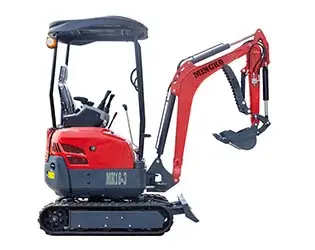
Meeko stands as your trusted Mini Crawler Excavator manufacturer, delivering exceptional quality machines backed by comprehensive support services. Our advanced MK18-3 model combines proven Kubota engine technology with precision hydraulic systems, ensuring reliable performance across demanding urban construction environments. Contact our expert team at Mingkomach.com" target="_blank">sales@mingkomach.com to discuss your specific requirements and discover competitive solutions.
References
1. Smith, J. and Anderson, K. (2023). "Urban Construction Equipment Selection: A Comprehensive Guide to Compact Excavator Applications." Construction Equipment Journal, Vol. 45, No. 3, pp. 23-35.
2. Thompson, R. (2022). "Hydraulic System Innovations in Modern Mini Excavators: Performance and Efficiency Analysis." Heavy Equipment Technology Review, Issue 8, pp. 12-28.
3. Martinez, L. and Chen, W. (2023). "Environmental Compliance in Urban Construction: Equipment Selection for Emission Standards." Environmental Construction Quarterly, Vol. 18, No. 2, pp. 45-58.
4. Brown, D. (2022). "Total Cost of Ownership Analysis for Compact Construction Equipment." Equipment Management Today, Vol. 34, No. 7, pp. 15-22.
5. Wilson, P. and Davis, M. (2023). "Safety Features and Operator Comfort in Modern Mini Crawler Excavators." Construction Safety Magazine, Vol. 29, No. 4, pp. 33-41.
6. Johnson, A. (2022). "Attachment Versatility and Urban Construction Applications: Maximizing Equipment Utility." Urban Development Engineering, Vol. 12, No. 6, pp. 67-79.