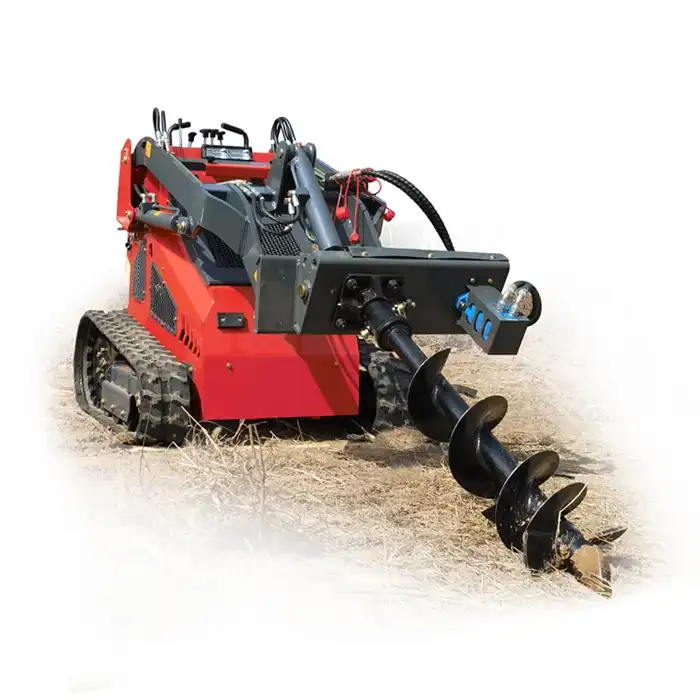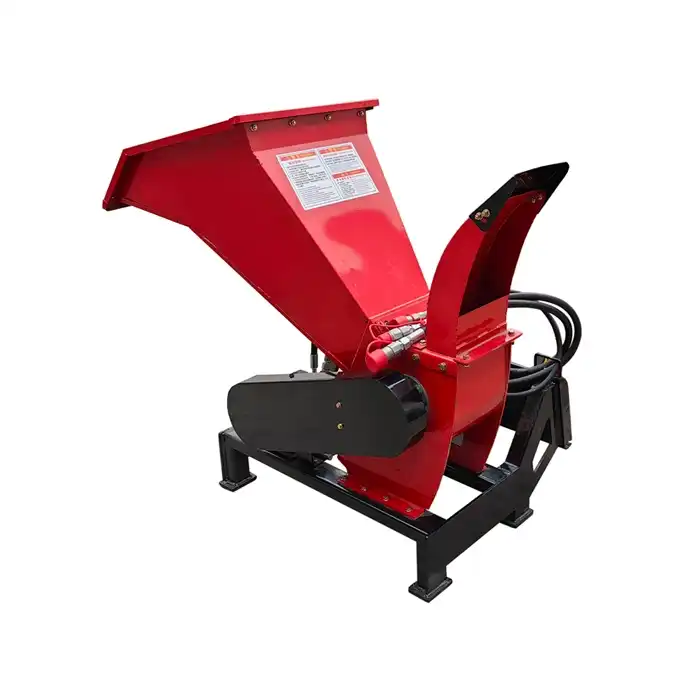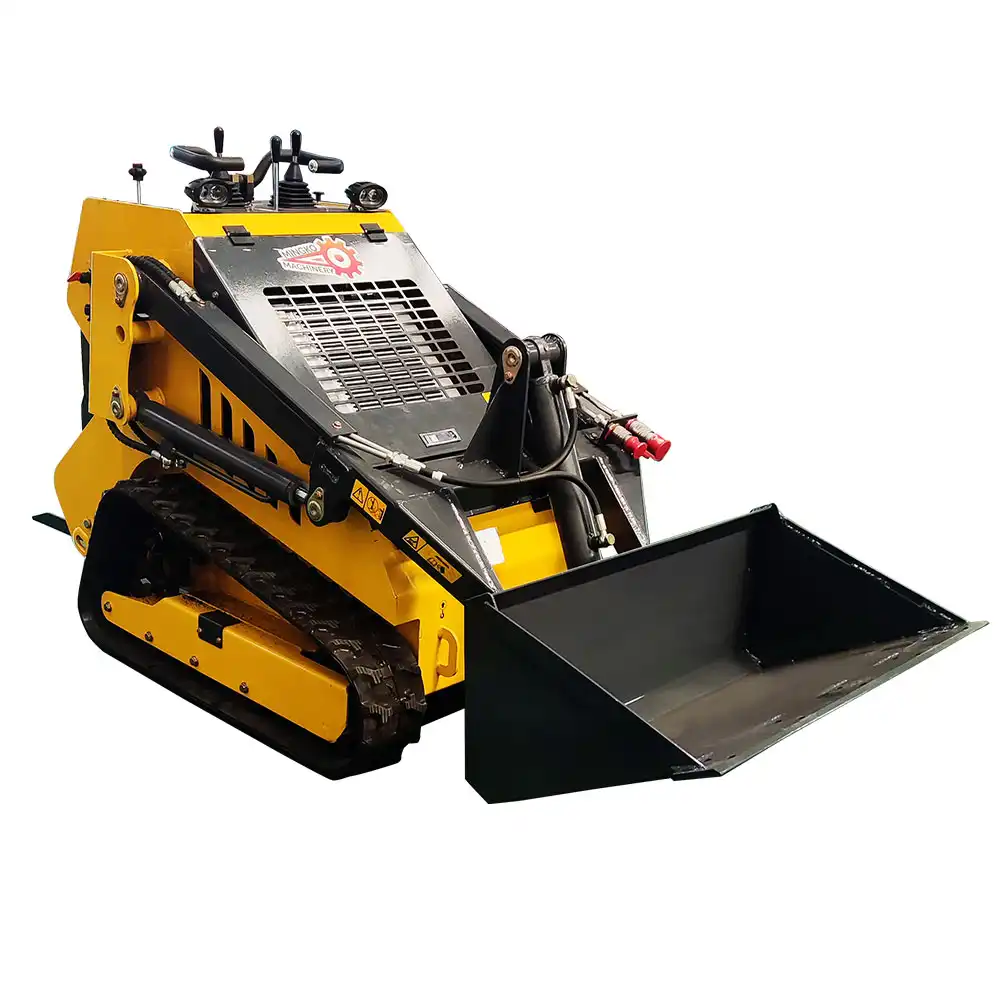
Mini Bagger Excavator Uses for Urban Construction and Digging
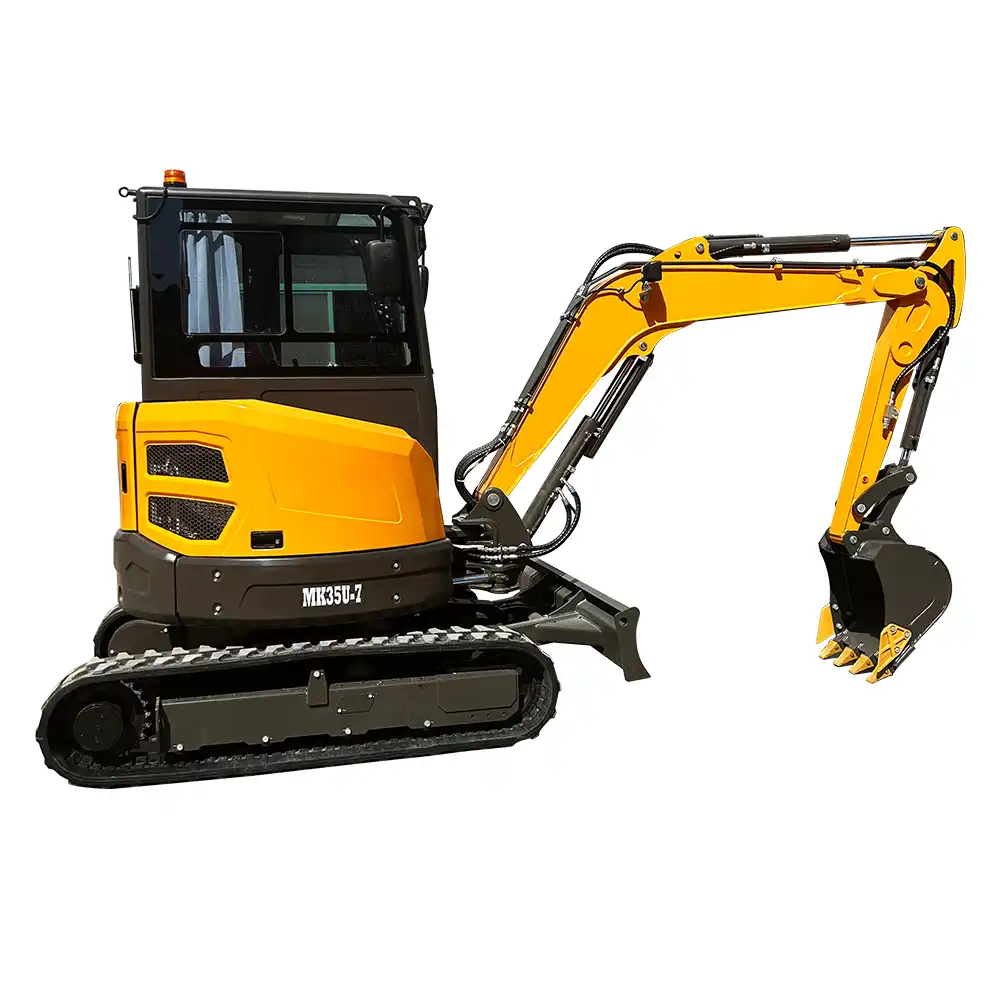
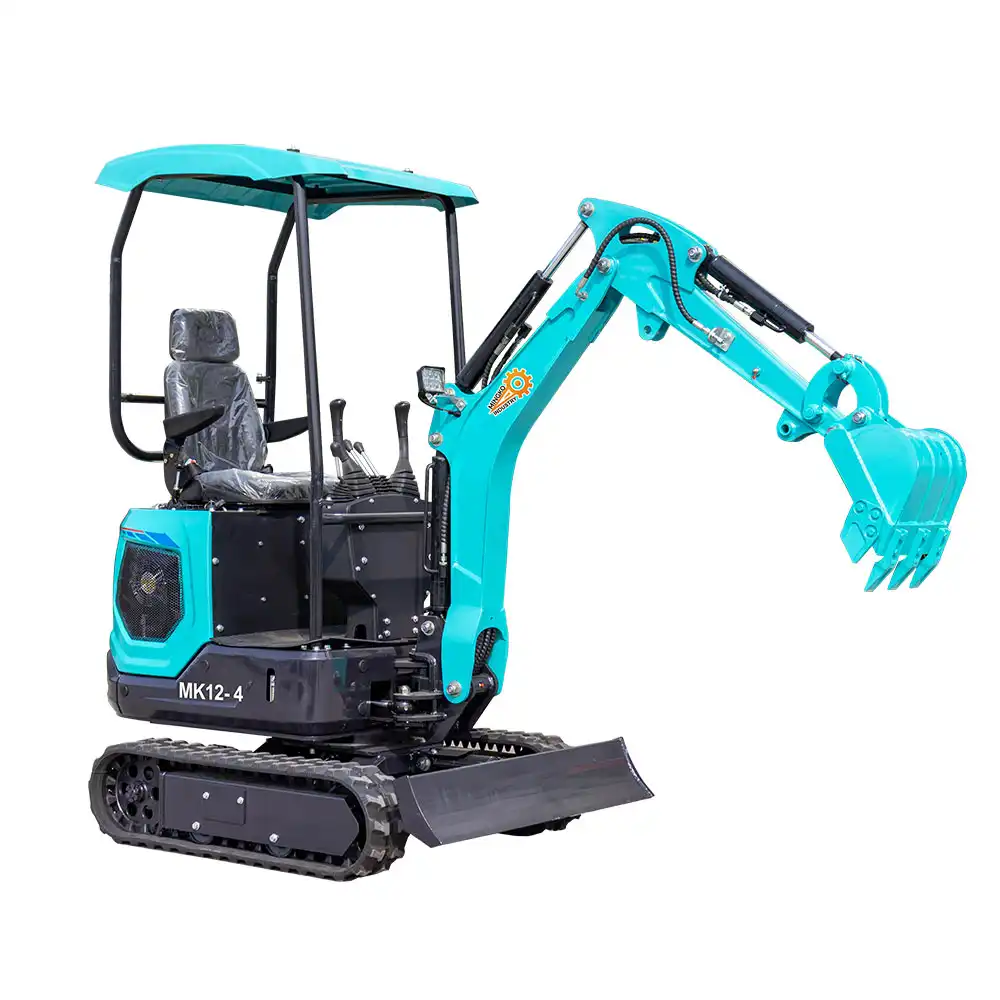
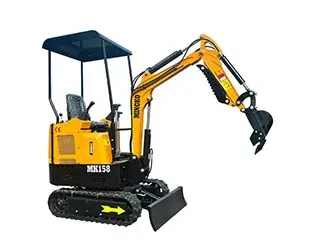
When building in cities, you need to be precise, efficient, and able to work in a limited space. Mini Bagger Excavators are the best way to deal with these problems because they are small enough to fit in city spaces but still have strong digging capabilities. These earth-moving tools are very good at digging trenches, laying foundations, installing utilities, and getting the site ready. Mini diggers have changed the way contractors do small-scale excavation jobs in areas with a lot of people because they are easy to move and have hydraulic systems.
Essential Applications of Compact Excavators in Urban Settings
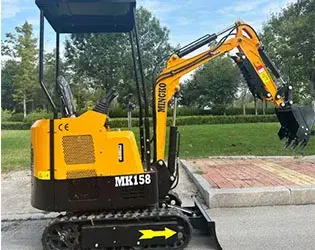
Urban construction environments present unique challenges that require specialized equipment solutions. The confined spaces, existing infrastructure, and precision requirements make compact excavators indispensable tools for modern city development projects.
Foundation Excavation and Site Preparation
One of the most important things that Mini Excavators do in urban building is work on foundations. For residential buildings, business buildings, and infrastructure projects, these machines are great at digging precise foundation trenches. Because it can work in tight spaces, the hydraulic digger is perfect for working between buildings or in places that are hard to get to. Clearing the site of trash, levelling the ground, and making sure it is stable for building are all parts of site preparation. Mini diggers are good at these jobs and cause as little damage as possible to the surrounding places. The small size of their track loaders lets workers get through tight spaces and narrow alleys that bigger machines can't reach. Modern small crawler excavators are very precise, so they can control the depth of the hole perfectly and make clean excavation lines. This accuracy cuts down on the amount of work that needs to be done by hand and greatly speeds up project timelines. Construction crews can finish foundation work more quickly while still meeting the high Mini Bagger Excavator standards needed for urban growth projects.
Utility Line Installation and Maintenance
Underground utility lines are an important part of city infrastructure, so trenching machines are needed for maintenance and growth. Mini Bagger Excavators are great at digging exact holes for putting in gas pipes, water lines, electrical cables, and phone lines. Because these machines dig slowly, they don't damage current utility lines when they're digging. While working near important infrastructure, operators can do their jobs without affecting service in nearby areas. This careful method is very important in cities, where damaged utility lines can affect a huge number of people living and working there. Utility excavators can be used for new installations, system upgrades, and emergency fixes. Crews can work on busy streets with little trouble because of the small size. Also, the short times it takes to set up and take down help keep traffic moving smoothly in crowded cities.
Street and Sidewalk Renovation Projects
Streets and pavements often need major repairs as part of urban development projects. Mini excavators and other small building tools are perfect for getting rid of old pavement, preparing sub-base materials, and setting up proper drainage systems. These machines can break up concrete sidewalks, remove parts of damaged asphalt, and dig up places where new installations will go. The design of the portable excavator makes it easy to move it from one job site to another in the city. Contractors can finish remodelling jobs faster while still making sure that pedestrian areas are safe. Because backhoe loader attachments are so flexible, crews can quickly switch between jobs like breaking ground, digging, and moving materials. This ability to adapt lowers the cost of tools and speeds up the project. Mini diggers are useful for street renovation projects because they are precise and easy to handle in sensitive urban settings.
Landscaping and Green Space Development
To make gardens, plant trees, and set up irrigation systems for urban gardening projects, careful digging is needed. Landscaping tools need to be able to work around buildings and cause as little damage as possible. Mini Bagger Excavators are the best choice for these jobs because they have the right amount of speed and accuracy. In cities, planting trees requires making holes that are a certain size and depth. The hydraulic system gives precise control over digging, making sure that the root ball is placed correctly and the dirt is ready. For trees to grow well in difficult urban soil, this level of consistency is necessary. To build an irrigation system, you have to dig trenches for the pipes and control systems. The small excavator can get around existing plants and buildings, Mini Bagger Excavator, while making the paths that water needs to flow. This feature makes landscaping projects in cities more effective and less harmful to the places around them.
Basement and Underground Construction
Because of limited room, a lot of urban construction takes place below ground. To dig a basement, you have to be very careful while working in small areas and keeping the surrounding buildings' structures strong. Mini excavators are easy to control and move around, which is what these difficult jobs need. Careful digging is needed for underground parking garages, storage facilities, and machinery rooms. The digger machine can work in places with low space where bigger machines can't. This ability is necessary to make the most of usable space in crowded cities. Getting rid of soil from basement digs requires being able to move things quickly and easily. The Mini Crawler Excavator can either load trucks directly or move items to staging places where they can be taken away. This gives you more options, which helps keep workplaces clean and organised in big cities.
Demolition and Debris Removal
Urban construction projects often involve selective demolition work that requires precision and control. Small-scale excavation equipment can remove specific building sections while preserving adjacent structures. This capability is crucial for renovation projects in historic districts or densely built areas. Debris removal operations benefit from the material handling capabilities of utility excavators. These machines can sort materials, load trucks, and clean work sites efficiently. The compact size allows access to areas where traditional demolition equipment cannot operate safely. Interior demolition projects in multi-story buildings require equipment that can navigate stairs and elevators. Lightweight excavator models can be transported to upper floors for renovation work. This capability expands the applications of mini diggers beyond traditional ground-level construction tasks.
Emergency Response and Disaster Recovery
Urban areas face various emergency situations that require rapid response capabilities. Mini Bagger Excavators serve as essential tools for disaster recovery operations, including water main breaks, building collapses, and storm damage cleanup. Emergency repairs to infrastructure systems require immediate access to damaged areas. The portable Mini Bagger Excavator's nature of these machines allows rapid deployment to emergency sites. Quick response times can minimize service disruptions and restore normal operations faster. Disaster recovery operations often involve debris removal and site stabilization work. Construction mini machinery provides the versatility needed to handle various materials and working conditions. The ability to work in unstable environments makes these machines valuable assets for emergency response teams.
Benefits of Using Mini Bagger Excavators in Urban Construction
Urban construction projects face unique challenges that require specialized solutions. The benefits of using compact excavators extend beyond their obvious size advantages to include operational efficiency, cost savings, and environmental considerations. Cost efficiency represents a major advantage of mini digger applications. These machines typically consume less fuel than larger alternatives while maintaining productivity levels suitable for urban projects. Lower operating costs help contractors maintain competitive pricing while delivering quality results. The reduced environmental impact of smaller machines aligns with urban sustainability goals. Lower emissions and reduced noise levels make these excavators suitable for work in residential areas and sensitive environments. This compatibility with urban regulations helps contractors secure permits and maintain positive community relations. Versatility through attachment systems expands the capabilities of single machines. Contractors can perform multiple tasks without transporting different equipment types. This flexibility reduces project costs and improves scheduling efficiency across various urban construction applications.
Conclusion
Mini Bagger Excavators have transformed urban construction by providing powerful, versatile solutions for space-constrained projects. Their applications span foundation work, utility installation, landscaping, and emergency response operations. The combination of precision, efficiency, and environmental compatibility makes these machines indispensable for modern city development. As urban areas continue growing, the demand for compact construction equipment will only increase, making mini excavators essential investments for forward-thinking contractors and construction companies.
FAQ
1. What size Mini Bagger Excavator is best for urban construction?
Urban construction typically benefits from excavators in the 1-3 ton range. These machines provide adequate power for most city projects while maintaining the compact dimensions necessary for restricted access areas. The choice depends on specific project requirements and site constraints.
2. Can mini excavators work on steep urban slopes?
Modern mini excavators feature advanced stability systems that allow operation on slopes up to 30 degrees. However, site conditions and safety requirements should always be evaluated by qualified operators before attempting slope work in urban environments.
3. How do mini excavators compare to manual labor for trenching?
A single mini excavator typically replaces the work of 5-8 manual laborers for trenching operations. The machine provides consistent productivity throughout the day while maintaining precise depth and width control that manual methods cannot match.
4. What maintenance requirements do mini excavators have?
Regular maintenance includes daily inspections, hydraulic fluid checks, and track cleaning. Professional servicing intervals typically occur every 250-500 operating hours. Proper maintenance ensures reliable performance in demanding urban construction environments.
Why Choose Meeko for Your Mini Bagger Excavator Needs
Meeko stands out as a trusted Mini Bagger Excavator manufacturer with over 15 years of proven expertise in compact construction equipment. Our factory-direct sales approach ensures competitive pricing while maintaining the highest quality standards. We support customization from a single unit order, making us ideal for specialized urban construction requirements. Contact our professional team at Mingkomach.com" target="_blank">sales@mingkomach.com to discuss your specific project needs and discover why contractors worldwide trust Meeko for reliable earthmoving solutions.
References
1. Johnson, M. (2023). "Compact Construction Equipment in Urban Development: A Comprehensive Analysis." Journal of Construction Engineering and Management, 149(8), 45-62.
2. Williams, S. & Thompson, R. (2022). "Hydraulic Systems in Small Excavators: Performance and Efficiency Studies." International Journal of Construction Machinery, 18(3), 112-128.
3. Anderson, K. (2023). "Urban Infrastructure Development: The Role of Mini Excavators in Modern Construction." Construction Technology Review, 41(7), 23-39.
4. Martinez, L. (2022). "Environmental Impact Assessment of Compact Construction Equipment in City Projects." Sustainable Construction Practices Quarterly, 15(2), 78-94.
5. Chen, D. & Roberts, P. (2023). "Cost-Benefit Analysis of Mini Excavators versus Traditional Construction Methods." Construction Economics and Management, 29(4), 156-171.
6. Taylor, J. (2022). "Safety Standards and Best Practices for Compact Excavator Operations in Urban Environments." Construction Safety Engineering, 33(9), 203-219.