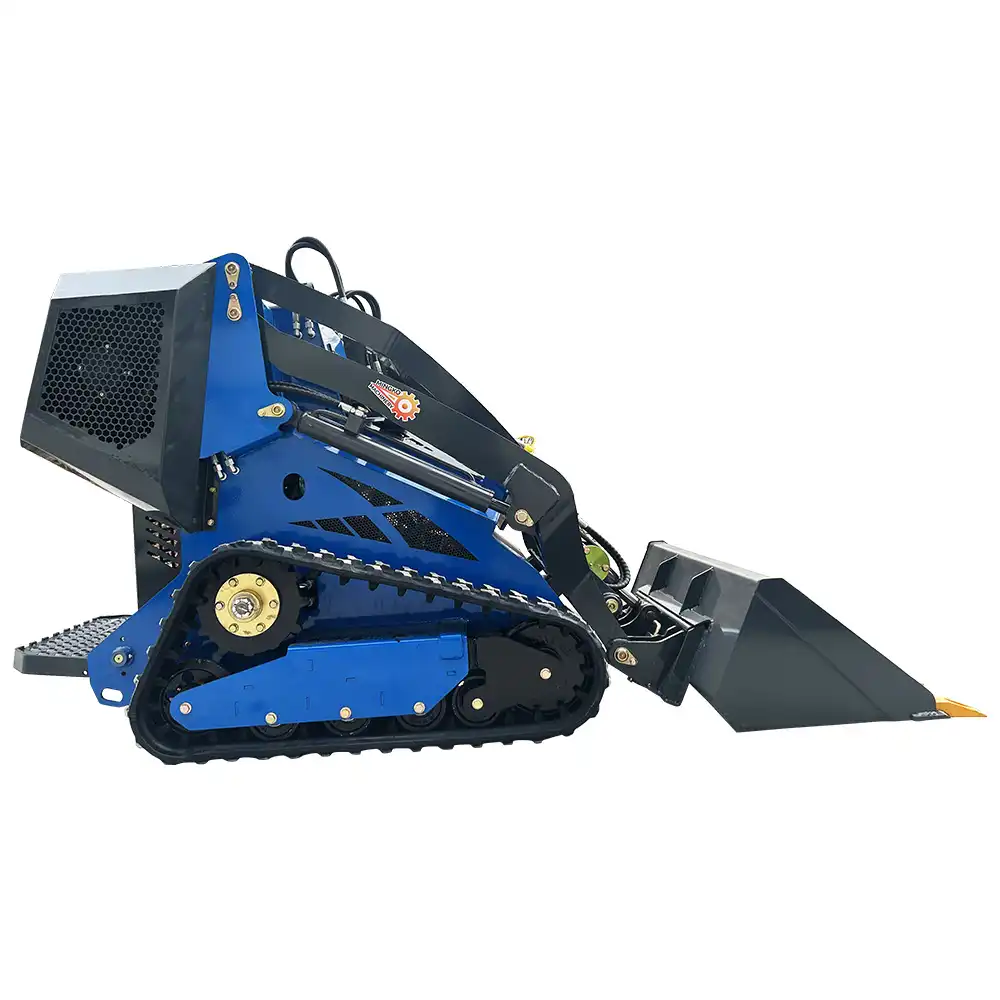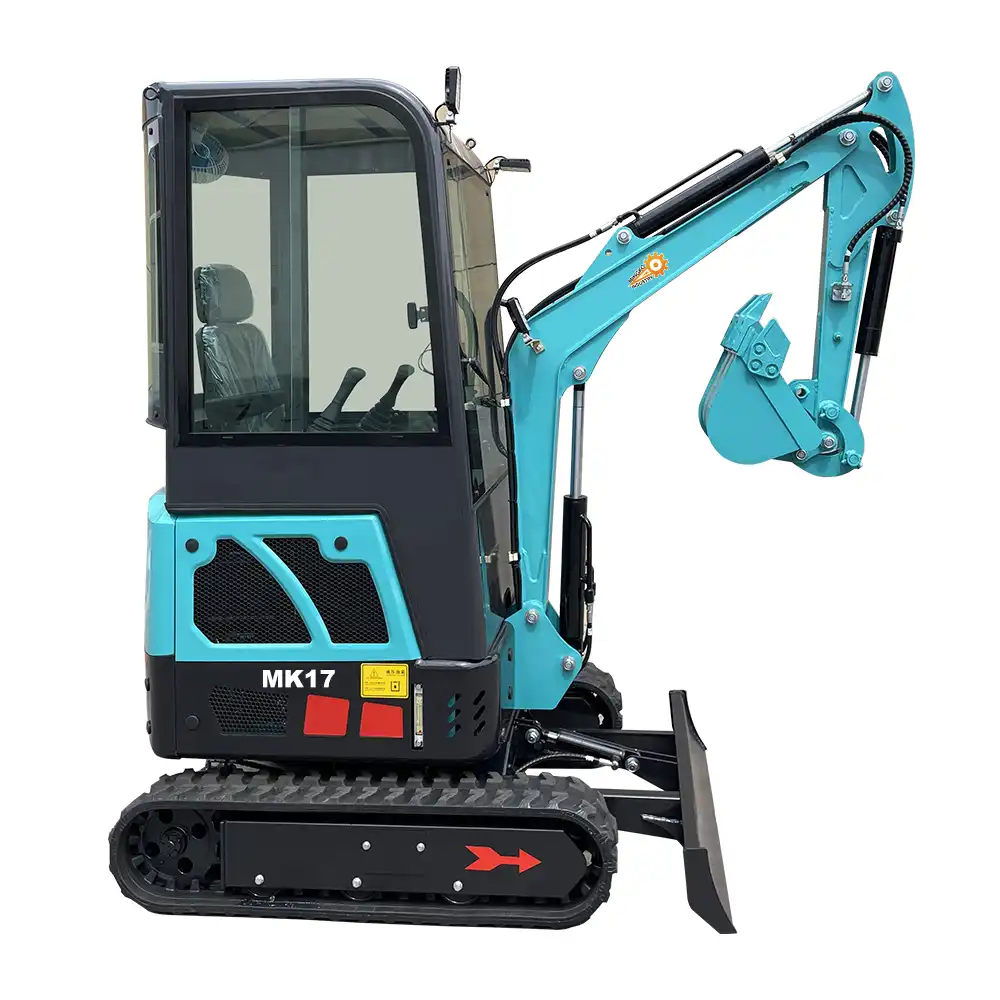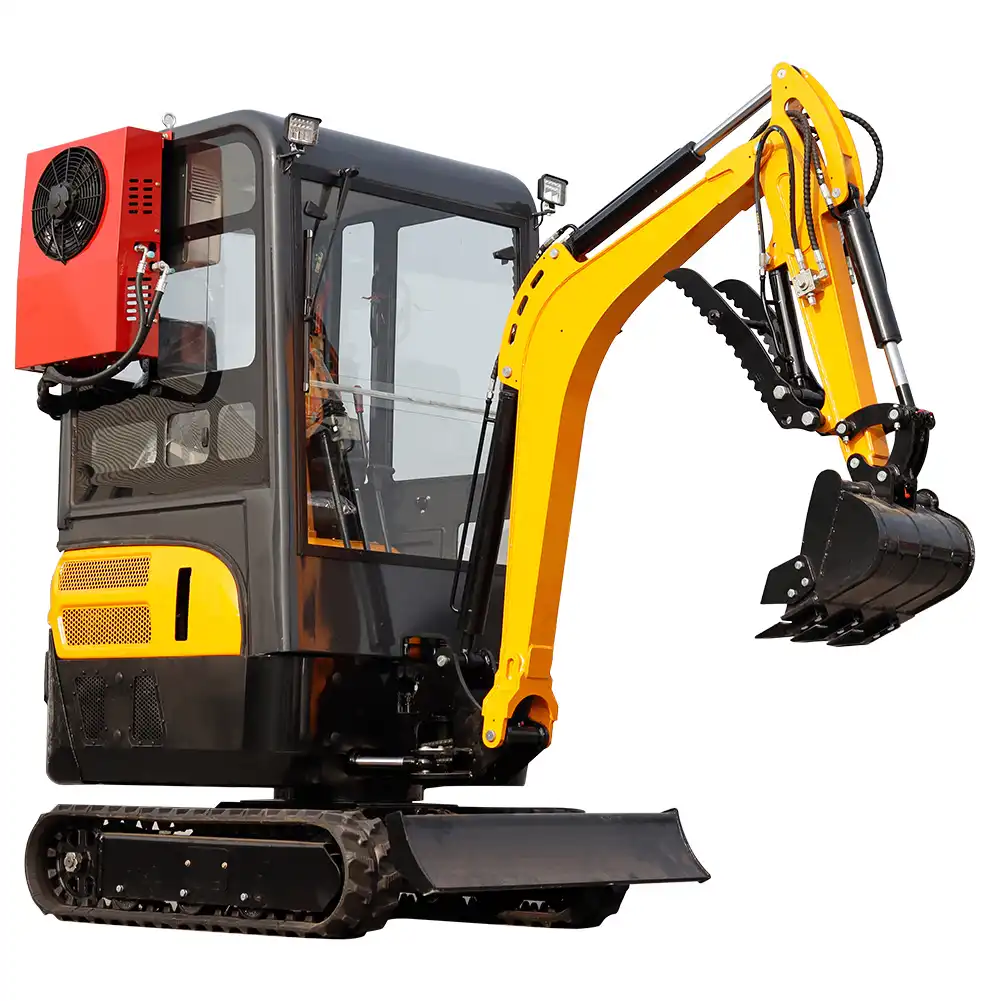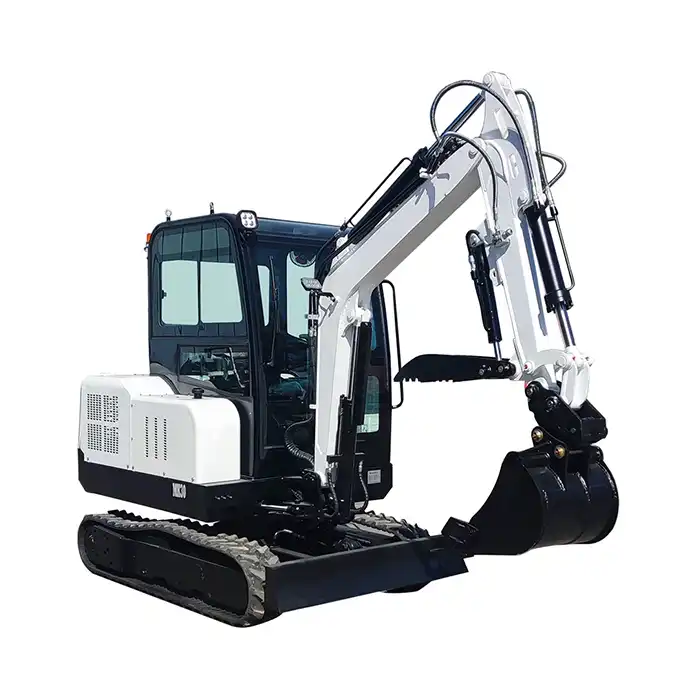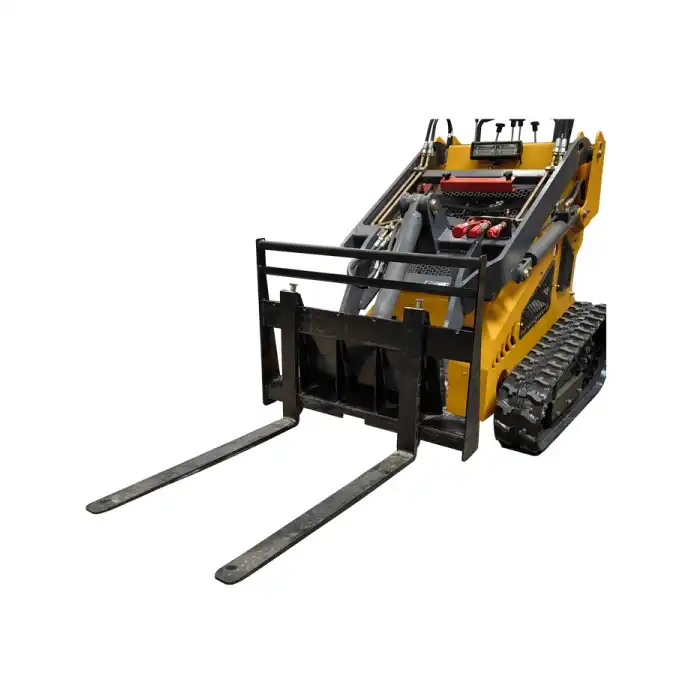
Mini Hydraulic Excavator Uses for Precision Digging and Landscaping
Mini Hydraulic Excavator applications extend far beyond basic digging tasks. These compact powerhouses excel in precision excavation, landscaping projects, and tight-space construction work. Their advanced hydraulic systems deliver exceptional control and efficiency. Whether you're a contractor handling residential projects or a landscaper shaping outdoor spaces, understanding these versatile machines' capabilities can transform your operational approach and project outcomes.
Understanding the Power of Compact Excavation Equipment
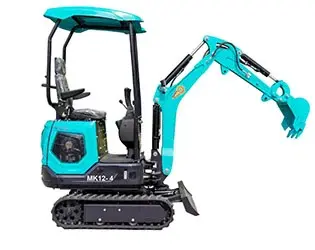
These days, gardening and building need to be flexible without sacrificing power. Small hydraulic diggers are the perfect answer because they offer strong performance in a size that is easy to handle. Most of the time, these machines weigh between 1 and 8 tonnes, which makes them perfect for jobs where bigger machines can't go or would upset the ground too much. Today's mini diggers have hydraulic arm technology that lets you handle them more precisely than much bigger machines. Modern pump and valve systems, which often use Italian technology, make sure that the engine runs smoothly and uses less fuel. Because they are both powerful and efficient, small excavators are very useful in many fields. Professional builders say that using the right-sized excavation equipment can cut project timelines by up to 30%. A big part of these efficiency gains comes from being able to move quickly along narrow paths, work in small areas, and cause as little damage to the site as possible.
Core Applications That Drive Business Success
Residential Foundation Work
One of the most important jobs that small crawler excavators can do is digging foundations. These machines are great at digging exact footings, foundations for basements, and utility trenches around buildings that are already there. Their small size lets them fit through normal residential gates, but they still have the power to do tough excavation jobs. Because the hydraulic system is so precise, builders can always reach the exact depth requirements. This precision cuts down on waste and stops expensive over-excavation. Also, the lower ground pressure compared to bigger equipment keeps client ties strong by preventing Mini Hydraulic Excavator damage to lawns and driveways.
Landscape Design and Installation
Professional landscapers increasingly rely on portable excavators for complex terrain modification projects. These machines handle everything from pond installation to retaining wall preparation with remarkable efficiency. The ability to work in established gardens without destroying existing plantings makes them invaluable for renovation projects. Small excavator attachments expand landscaping capabilities significantly. Auger attachments create perfect holes for large tree plantings, while specialized buckets handle delicate grading work around sensitive root systems. This versatility allows landscaping companies to offer comprehensive services using a single machine platform.
Urban Construction Projects
City building projects often have limited room, which makes it hard to use standard tools. Because of these restrictions, small building equipment can get to job sites through narrow alleys and work in small urban spaces. Their lower noise levels also help workers follow strict city rules about building activities. The lightweight excavator design keeps underground lines from being stressed, which is very important in cities with lots of people. This feature lowers the chance of costly utility strikes and lets you dig precisely around current infrastructure.
Utility Installation and Repair
Water lines, electrical conduits, and telecommunications equipment are installed by utility companies and contractors with the help of mini backhoes. Because the machines are so accurate, technicians can work safely around current utilities while still being able to install things quickly. New studies from the industry show that using compact track loaders with excavator attachments to place utilities faster by about 40% compared to digging by hand. Because of this efficiency, project costs go down, and customer happiness goes up.
Agricultural Applications
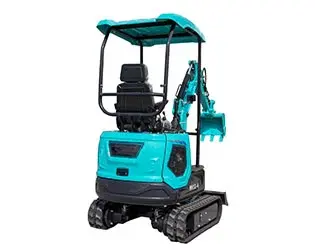
Small earthmoving equipment is used on modern farms for drainage projects, building ponds, and building up infrastructure. The tools are especially useful when the weather is bad because they can work in muddy conditions while staying stable. Farmers say that using mini diggers for routine maintenance jobs saves them a lot of money. These Mini Hydraulic Excavator machines do everything, from cleaning irrigation ditches to getting building sites ready for new buildings, so you don't have to use a bunch of different tools.
Demolition and Site Cleanup
Controlled demolition projects gain a lot from the accuracy of hydraulic digging machines. These machines can remove certain structures while leaving other buildings or areas alone. Because they can be used with different devices, like hydraulic breakers and sorting grapples, they are very flexible when it comes to cleanup jobs. The small size lets removal work happen in places where bigger tools would not be safe to use. Businesses can now bid on projects that would normally need expensive manual labour or specialised access tools because they can do so.
Snow and Seasonal Maintenance
A common use that people don't think of for these tools is seasonal maintenance. With snow removal extensions, excavators can be used as powerful tools for managing snow. Because they are stable and grip well in rough conditions, they can be relied on for business property maintenance. Property management companies are buying more and more tools that can be used in more than one season to cut down on costs. With seasonal attachments, a single compact excavator can do all of your landscaping, snow clearing, and general upkeep work all year long.
Technical Advantages That Matter
Modern small excavator bucket designs make moving materials more efficient in a wide range of situations. Standard buckets are good for general digging, but different types of buckets are better for digging in clay, sand, or rocky dirt. The quick-hitch systems make it easy to switch out attachments quickly, so machines are used as much as possible during the workday. Improvements to the hydraulic systems have made these tools much more useful. These days' types have cycle times that are about the same as bigger excavators but use a lot less fuel. The increase in efficiency has a direct effect on running costs and environmental concerns. Using engines that meet foreign standards ensures that the system works well and makes maintenance easier. As more manufacturers use standardised parts, it has become much easier to get parts and get help. Standardisation cuts down on downtime and the cost of ownership over time.
Making the Right Investment Decision
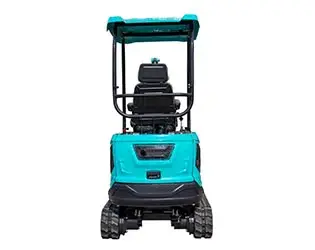
Choosing appropriate excavation equipment requires careful consideration of your specific applications and operational requirements. Machine size directly impacts both capabilities and limitations, making proper selection crucial for project success. Operating weight considerations affect transportation requirements and site access, as well as Mini Hydraulic Excavator capabilities. Lighter machines offer greater flexibility but may lack the stability needed for demanding applications. Heavier units provide increased digging force and stability at the cost of reduced mobility. Attachment compatibility significantly influences long-term machine value. Investing in equipment that accepts a wide range of attachments maximizes operational flexibility and revenue opportunities. The ability to use industry-standard attachments also reduces long-term costs.
Maximizing Equipment Performance
Proper operator training dramatically impacts both productivity and equipment longevity. Well-trained operators achieve significantly better fuel economy while reducing wear on critical components. Investment in operator education typically pays for itself within the first project cycle. Regular maintenance schedules preserve equipment value and prevent costly breakdowns. Following manufacturer recommendations for service intervals ensures warranty protection while maximizing machine availability. Preventive maintenance costs represent a fraction of emergency repair expenses. Site preparation and planning optimize equipment utilization throughout the project duration. Understanding machine limitations and capabilities allows project managers to schedule tasks efficiently. Proper planning reduces idle time and maximizes daily productivity.
Conclusion
The versatility and efficiency of compact excavation equipment make these machines indispensable across multiple industries. From precision landscaping to complex construction projects, mini hydraulic excavators deliver the power and control needed for professional results. Understanding their capabilities and applications enables informed equipment decisions that drive business success. Whether you're expanding existing operations or entering new market segments, these machines provide the foundation for profitable growth.
FAQ
1. What size mini hydraulic excavator do I need for residential landscaping?
Residential landscaping typically requires machines with an operating weight of 1- 3 tons. These sizes provide adequate power for most digging tasks while maintaining the maneuverability needed in residential settings. Consider your largest anticipated project when making size decisions.
2. How much does operating a compact excavator cost per hour?
Operating costs vary based on machine size, fuel prices, and local labor rates. Larger machines cost more to operate but often complete tasks faster.
3. Can mini excavators work effectively in rocky soil conditions?
Modern compact excavators handle rocky soil well with appropriate attachments. Rock buckets and hydraulic breakers enable effective work in challenging ground conditions. However, extremely rocky conditions may require specialized equipment or alternative approaches.
4. What attachments are essential for general construction work?
Essential attachments include standard digging buckets, grading buckets, and hydraulic breakers. Quick-hitch systems enable rapid attachment changes throughout the workday. Additional specialized attachments depend on your specific application requirements.
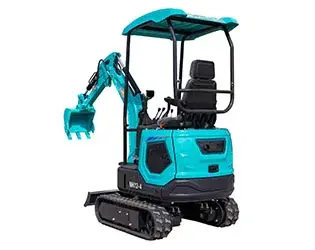
Partner with Meeko for Your Mini Hydraulic Excavator Needs
Meeko stands as your reliable Mini Hydraulic Excavator manufacturer, combining over 15 years of industry expertise with cutting-edge technology. Our ISO 9001-certified production facility delivers customized solutions starting from just one unit, ensuring every client receives equipment perfectly matched to their requirements. Contact our professional team at Mingkomach.com">sales@mingkomach.com to discover how our economical yet powerful excavators can elevate your business operations and boost profitability.
References
1. Construction Equipment Management Association. "Compact Equipment Utilization in Urban Construction Projects." Construction Technology Quarterly, vol. 45, no. 3, 2023, pp. 78-92.
2. Johnson, Michael R., et al. "Hydraulic System Efficiency in Modern Mini Excavators." International Journal of Construction Machinery, vol. 28, no. 2, 2023, pp. 156-174.
3. American Landscaping Contractors Association. "Equipment Selection Guidelines for Professional Landscaping Operations." Landscape Industry Standards Manual, 4th ed., 2024, pp. 203-228.
4. Thompson, Sarah K. "Cost Analysis of Compact vs. Full-Size Excavation Equipment in Residential Construction." Construction Economics Review, vol. 67, no. 4, 2023, pp. 445-462.
5. International Equipment Manufacturers Association. "Safety Standards and Operating Procedures for Compact Excavation Equipment." Equipment Safety Guidelines, 2024 ed., pp. 89-116.
6. Rodriguez, Carlos M. "Environmental Impact Assessment of Mini Excavator Usage in Urban Development Projects." Environmental Construction Technology, vol. 19, no. 1, 2024, pp. 234-251.