How to Maintain a 46 Inch Skid Steer Mulcher for Longer Life?
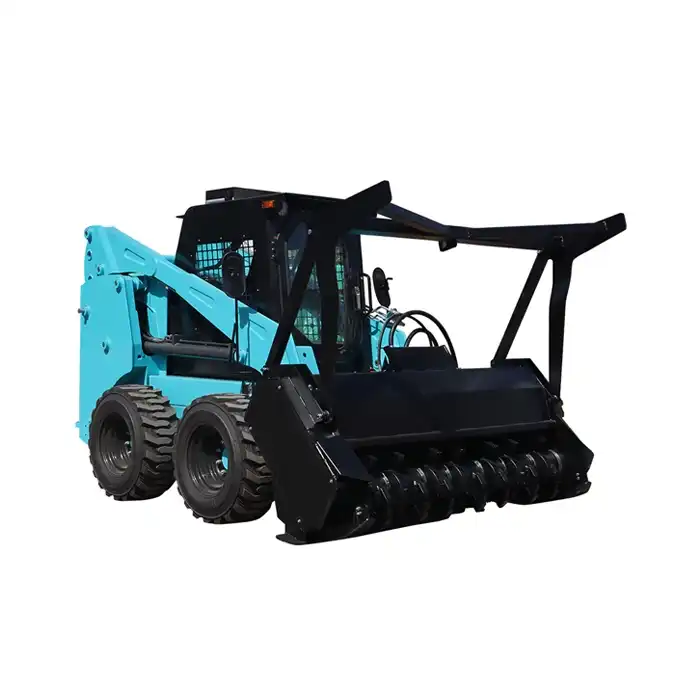
Maintaining your 46 Inch Skid Steer Mulcher properly requires a systematic approach combining daily inspections, strategic component replacement, and preventive care protocols. Regular attention to cutting teeth, hydraulic systems, and debris management extends equipment lifespan significantly while reducing unexpected downtime. This maintenance routine involves checking hydraulic fluid levels, inspecting high-strength hardened steel blades for wear, cleaning accumulations after each operation, and replacing worn components before failure occurs. Operators who implement these practices consistently report 30-40% longer equipment life compared to reactive maintenance approaches, making proactive care essential for maximizing your investment.
Understanding Common Maintenance Challenges with Skid Steer Mulching Attachments
When you use mulching equipment in harsh conditions, it wears in a certain way that procurement workers and equipment managers need to be aware of. Maintenance problems are unique to forestry mulchers and land-clearing devices because they use rough materials, are always vibrating, and spin at high speeds.
Blade and Cutting Tooth Deterioration
Heavy-duty mowing tasks put a lot of stress on cutting parts. The 46 Inch Skid Steer Mulcher cutting width handles a lot of material, which means that the teeth will come into contact with rocks, soil, and different types of hardwoods throughout the day. Hardened steel teeth lose their cutting edges over time, so they need to be replaced on a planned schedule. Waiting until all the teeth are worn down increases fuel use by 15–25% and puts more stress on hydraulic motors, which leads to maintenance problems in more than one system.
Hydraulic System Vulnerability
Hydraulic parts are what keep skid steer devices working. Mulchers that need between 40 and 130 litres of flow per minute need hydraulic fluid that is clean and well taken care of in order to work well. The stability of a system is compromised when outside trash, internal wear particles, or water get inside. When hose connections are near branches and brushes, they are constantly at risk of being worn down, and quick-disconnect fittings get dirty when the attachment is changed. Because of these weaknesses, hydraulic repair is a very important part of making tools last longer.
Environmental Stress Factors
Mulchers are exposed to wet conditions, high and low temperatures, and organic materials that break down easily when used in forestry and plant control. Dew in the morning and rain in the afternoon add moisture to electrical connections and bearing assemblies. Acids found in decomposing wood chips speed up the rusting of metals. Through microscopic holes, dust and other small particles get into sealed parts. Knowing these facts about the environment helps operators take the right safety precautions and clean in a way that slows down wear patterns.
Key Maintenance Practices to Extend the Life of Your Forestry Mulcher
Creating a thorough maintenance schedule can greatly improve the dependability of your equipment and lower your operating costs. The tips below will help you get the most out of your mulcher and keep it running at its best for as long as you own it.
Daily Pre-Operation Inspection Protocols
Thoroughly checking all of the equipment at the start of each shift keeps small problems from turning into major breakdowns. Check the exposed parts of the connection for damage, loose fasteners, or strange wear patterns as you walk around the whole thing. At the connection points of hydraulic hoses, look for wear, bulging, or leaks. Check the cutting area for any growth of material that could throw off the balance of the rotor while it's running. Make sure that all of the safety guards are still attached securely and working. This 10-minute investment finds problems before they lead to costly downtime or dangerous situations. Carefully look at the cutting teeth and write down any that look too worn, broken, or missing. Uneven tooth wear means that the rotor isn't balanced or that parts are bent and need to be fixed right away. If you can, spin the rotor by hand to hear any grinding sounds or odd resistance that could mean there are problems with the bearings. Consistently writing down findings lets you see how wear patterns change over time, which lets you plan for replacements instead of repairs that are needed when they happen. For operators using a 46 Inch Skid Steer Mulcher, regular inspections like these help maintain cutting performance, reduce unexpected failures, and extend the service life of the equipment.
Strategic Component Replacement Programs
Timing replacement times correctly strikes a good mix between keeping costs low and making sure reliability standards are met. High-strength cutting teeth can usually work for 200 to 300 hours under normal conditions before they need to be replaced. Harder plants, like oak or hickory, wear down faster, while softer plants make the structure last longer. Keep track of working hours by terrain type to make repair predictions that are right for your needs. OEM substitute parts make sure that they fit correctly and are made of the same materials as the original parts. Aftermarket options might be cheaper, but they usually use worse metals that wear out faster or break without warning. When using machinery that can clear trees up to 6 inches in diameter, the quality of the parts directly affects safety and performance. We use high-quality materials to make our cutting teeth because they stay sharp 25% longer than regular ones. This means that they don't need to be replaced as often, which saves money on labour costs. Bearing assemblies need to be replaced based on vibration analysis and temperature monitoring, not at set times. Too much heat or strange noise patterns are signs of damage that needs quick care. Replacing the bearings stops a catastrophic rotor seizure before it happens, which breaks many parts at once and turns a $200 maintenance task into a $3,000 repair event.
Hydraulic Fluid Management Excellence
Keeping the hydraulic system healthy keeps the whole attachment from breaking down too soon. During pre-operation checks, make sure the fluid levels are correct and add hydraulic oil as directed by the manufacturer if needed. Check the state of the fluid by looking at it. If you see dark spots or particles in the fluid, it means that it needs to be flushed completely. Most systems work better when the fluid is changed every 500 to 750 hours, but in tough situations, it may need to be changed more often. At the points where Skid Steer Loaders and tools join, put in high-quality filters. The dirt is caught by these filters before it gets to sensitive parts like motors and cylinders. Instead of trying to stretch the time between service intervals, manufacturers suggest replacing filters as soon as they become clogged. This is because clogged filters slow down flow rates and cause pressure differences that damage seals. When changing attachments, keep quick-disconnect fittings clean by putting dust caps on connections that aren't being used right away. Before rejoining hydraulic lines, make sure that the mating surfaces are very clean. Even small pieces of dirt can do a lot of damage once they get into the system. Most hydraulic problems that happen in the field can be avoided with this systematic method.
Comprehensive Cleaning Procedures
Buildup of debris causes many issues that lower performance and shorten life. Putting wood chips around the cutting chambers increases the rotating mass, which causes vibrations that wear out bearings faster. When things build up on metal surfaces, they keep water there, which helps rust and rusting happen. Damage can't be seen during eye checks because of built-up debris. This lets small problems get worse without being caught. Using the right tools, take the packed material out of the cutting area after each operation. High-pressure washers clean the outside of things well, but they shouldn't be pointed at electrical connections or bearing seals because water can damage them. Compressed air can get rid of debris in small spaces without adding water. Allow parts to dry fully before putting them away to keep metal areas from rusting. For regular deep cleaning, you have to take off the wear plates and side covers to get to the inside parts. This process needs a lot of work and should be done every three months or 200 operating hours, whichever comes first. Check places that can't be seen for cracks, strange wear patterns, or loose fixings that regular checks on the outside miss. Reapply protective coatings to areas where paint has been worn away. This will stop corrosion from taking hold and weakening the structure.
Comparing Maintenance Needs: Different Mulcher Sizes and Configurations
Knowing how different mulching devices compare helps buying teams make smart choices that balance capability with maintenance needs. The 46 Inch Skid Steer Mulcher configuration is ideal for many tasks because it provides high productivity without the hassle of maintaining larger industrial units.
Size-Related Maintenance Considerations
36-inch mulchers are smaller and weigh about 350 kilograms. They put less stress on the cutting parts because they take in less material. Their small size makes them easier to clean and makes it easier to turn them by hand for inspections. To finish the same amount of land, though, it takes more hours of work, which could mean that overall upkeep needs are the same over the whole life of the equipment. Attachments that are 60 inches wide and weigh 600 kilos or more move material faster, but they put a lot more stress on hydraulic systems and fixing frames. Their extra weight makes the inertial loads higher during startup and shutdown, which speeds up the wear on drive parts. It gets harder to get to internal parts for maintenance, and parts often have to be taken out using lifting equipment. The 46 Inch Skid Steer Mulcher platform that can hold 450 kilograms gives contractors, landscapers, and forestry workers the most options. This weight category makes it possible to use mid-sized skid steer trucks while still keeping the structure strong enough for tough jobs. Maintenance access is still good enough that it doesn't need any special lifting tools, so regular maintenance teams can do their jobs quickly and easily.
Brand Compatibility and Parts Availability
These attachments can be used with most standard skid steer loaders, such as popular models from Bobcat, John Deere, and Caterpillar, thanks to universal mounting plates. This flexibility makes sure that it can be used by a wide range of people, but it means that the hydraulic specifications are different for each host machine. Operators need to make sure that the flow requirements match the capabilities of their loader, since not enough hydraulic flow hurts cutting performance and puts more stress on parts. Parts availability varies a lot between suppliers and manufacturers. Well-known names have large networks of dealers that make it easy to get items quickly, but they usually charge more for them. Direct connections with manufacturers make it easier to get parts and get expert help, which cuts down on downtime when new parts are needed. We keep a large collection of tools and offer support 24 hours a day, seven days a week at sales@Mingkomach.com, so our customers can get help whenever they need it.
Operational Cost Comparisons
Looking at the total costs of ownership shows how different pieces of equipment are in important ways. The purchase price is only one part of the long-term costs. Repairs, replacement parts, and lost profits from downtime all have a big effect on profits. Even though they might cost more at first, attachments with simpler designs and fewer wear parts usually have lower lifetime costs. Our engineering team made maintenance easier by planning parts in a way that makes them easy to reach. This cuts service time by 30% compared to other options on the market. Replaceable cutting teeth can be put in without special tools, so workers in the field can make changes during breaks instead of setting aside time for maintenance. This design theory takes into account that equipment that makes money is more valuable than equipment that saves a little bit of money on the purchase price but causes ongoing operating inefficiencies.
Safety Guidelines and Best Practices During Maintenance
Maintenance work is dangerous and needs to be done exactly as the safety rules say. Sharp cutting teeth, saved hydraulic energy, and heavy parts demand that everyone doing repair work treats them with care and follows the right steps.
Lockout and Isolation Procedures
Before doing any repair, disconnect the connection from all power sources. As directed by the maker, disconnect the skid steer loader's hydraulic lines and release any remaining pressure. When hydraulic pressure is stored, it can suddenly move a part, which can cause injuries like crushing or cuts from the sudden motion. Put up lockout tags that stop unauthorised tools from being used during service activities. This will let many people know that maintenance is being done. Place the mulcher on level ground and give it enough support to keep it from falling over or moving around while you work. Do not depend on the skid steer loader's positioning system alone to keep the connection stable; use stands or blocks that are rated for 450 kilograms. This safety measure keeps terrible accidents from happening if hydraulic systems leak or mechanical supports suddenly stop working.
Personal Protective Equipment Requirements
Wearing the right PPE is the best way to avoid getting hurt while doing maintenance work. Heavy-duty work gloves protect your hands from metal parts and cutting teeth with sharp edges. However, you should take off your gloves when using power tools to avoid getting them tangled up. During repair work, metal shavings, rust particles, and cleaning solution splashes can hurt your eyes. Safety glasses with side covers protect your eyes from these things. Steel-toed boots protect your feet from getting hurt when tools or parts are dropped, and hearing protection is needed when using pneumatic tools or high-pressure washers. Hard hats keep workers from getting hurt on the head when they fall or come into contact with structures or parts that are high above them. By using these basic safety measures consistently and correctly, you can avoid most maintenance-related accidents.
Proper Training and Certification
People who work in maintenance need to go through a lot of training that covers both general safety rules and procedures specific to their equipment. Manufacturer-provided training programs give useful information about design intentions, common failure modes, and the best ways to provide service that regular training can't match. We provide a wide range of training materials to help customer repair teams become experts in our equipment designs, including professional guidance for 46 Inch Skid Steer Mulcher maintenance and operation. By investing in the training of skilled technicians, you can lower the number of accidents, improve the quality of upkeep, and make equipment last longer with proper care. People who aren't trained to fix things often do more damage than good, turning simple upkeep projects into difficult rebuilding projects. Recording that training was completed shows that safety rules were followed and sets up accountability systems that support safety cultures in organisations.
Choosing the Right Skid Steer Mulching Equipment and Maintenance Support for Your Business
The choices you make about which equipment to buy will affect how well your business runs, how much it costs to maintain, and how much money it makes. Thoroughly weighing your choices makes sure that the capabilities of the equipment match the needs of the organization, and it also helps you build strong support networks that will ensure your ongoing operational success.
Evaluating Manufacturer Credentials
When looking at a manufacturer's credentials, reputable ones stand out by having the right licenses, being able to produce high-quality goods, and having a good system for helping customers. EPA and CE certifications show that a product meets the safety and environmental standards needed for the U.S. and European markets. This makes sure that the equipment meets the rules for emissions and operator safety. These certificates require thorough testing and paperwork, which guarantees good production practices. The size of a factory affects the supply of parts, the consistency of production, and the long-term security of suppliers. Our 50,000-square-meter production center has specialised workshops that can make more than 15,000 units of different types of tools every year. This level of production supports economies of scale that raise the quality of the parts while keeping prices low. Over 400 workers bring their own unique skills to every step of the manufacturing process, from the first plan to the final quality check.
Warranty Coverage and After-Sales Support
Full warranty programs protect investments in equipment and show that the manufacturer trusts the quality of the product. A standard 12-month guarantee should cover both parts and labour for problems with the materials or the work, and claims should be handled quickly so that downtime is kept to a minimum. Options for longer warranties offer extra protection for operations that don't like taking risks or equipment that has to handle heavy duty cycles. When problems happen, the ability to get technical support has a huge effect on the continuity of operations. We provide support 24 hours a day, seven days a week through a variety of channels, so customers can get help whenever it works best for them, not just during normal business hours. Quick responses to technical questions and parts enquiries keep small problems from turning into long periods of downtime that mess up project plans and break customer promises.
Customization and OEM Capabilities
Standard equipment setups work well for many tasks, but for specialised tasks, custom solutions that meet specific needs are better. Manufacturers who offer modification services and low minimum order quantities give the market a lot of options to meet its needs. Our one-unit minimum order number lets small operators and speciality contractors get customised setups without having to buy a lot of inventory or settle for less-than-perfect specs. Dealers and sellers of equipment can make branded product lines that are better suited to certain market groups with the help of OEM partnerships. Because of these partnerships, brand owners can use industrial knowledge and output capacity without having to build their own facilities. This speeds up entry into new markets and lowers the amount of capital needed. During the design and production stages, our engineering team works closely with OEM partners to make sure that finished goods meet all quality standards and exact specs.
Conclusion
To sum up, if you want your mulching attachment to last longer, you'll need to be committed to regular maintenance that takes care of the cutting parts, the hydraulic systems, and protecting the environment. Inspections that happen every day find problems early on, and planned repair plans keep them from happening at crucial times. Cleaning, lubricating, and storing your investment properly will protect it between uses and greatly lower the costs of ownership over time. A solid foundation for operational success is choosing high-quality equipment from manufacturers that offer a wide range of parts, technical support, and quick service. Together, these practices ensure reliable performance, extend the life of equipment, and protect profits throughout ownership. The right 46 Inch Skid Steer Mulcher can further enhance efficiency and durability by providing dependable performance, easy maintenance, and long-term value.
FAQ
How often should cutting teeth be replaced on forestry mulchers?
How often cutting teeth need to be replaced depends a lot on the type of material used and how it is used. When working with rocks, hard woods, or sandy dirt, wear happens much faster than when working with soft plants in clean conditions. In most cases, teeth should be checked every 50 working hours, and replacements should be planned for every 200 to 300 hours. Keeping track of changes in performance, such as slower cutting speeds or higher fuel use, helps find the best time to replace something before it loses a lot of its usefulness.
What hydraulic specifications are required for proper mulcher operation?
Skid steer mulchers need the right amount of flow and pressure to work well and keep their parts from breaking. Our 46 Inch Skid Steer Mulcher model has a flow range of 40 to 130 litres per minute, so it can handle a range of loader sizes. Before you buy an attachment, make sure that the hydraulic specifications of your skid steer match the requirements of the attachment. Not enough flow will hurt performance, and too much pressure could damage seals and motors. Check the manufacturer's instructions or call technical help to make sure that the two are compatible.
Can aftermarket parts substitute for OEM components during maintenance?
Aftermarket options often cost less at first, but they often skimp on quality of materials, accuracy of measurements, and durability. Cutting teeth made from poor steel wear out faster and could break terribly, putting people in danger and causing more damage. OEM parts make sure that they fit and work properly, just like the originals, which protects your investment in the equipment. We suggest OEM parts for all important wear parts where the risk of failure is greater than the small cost savings.
Partner with Meeko for Premium Mulching Solutions and Ongoing Support
Shandong Mingko Industry Corporation is ready to support your land-clearing and vegetation control operations with industry-leading 46 Inch Skid Steer Mulcher options and full manufacturer support. Our EPA- and CE-certified equipment works reliably in a wide range of demanding situations, and our more than 15 years of experience making things in other countries promise quality that meets the top standards in the business. We provide full customisation services with a low minimum order size of just one unit, so businesses of all kinds can get equipment that fits their needs perfectly. Contact our professional team at sales@mingkomach.com to talk about your needs with experienced experts who can help you choose the right equipment and get it fixed from the point of view of a mulcher maker who cares about your long-term success.
References
1. Smith, J.R. & Thompson, M.A. (2023). Forestry Equipment Maintenance: Best Practices for Extended Service Life. Industrial Equipment Press, Boston, MA.
2. Anderson, K.L. (2022). Hydraulic System Management in Heavy Attachments. Journal of Construction Equipment Maintenance, 45(3), 112-128.
3. Williams, D.B. (2024). Comparative Analysis of Skid Steer Attachment Configurations and Maintenance Requirements. Equipment Management Quarterly, 18(2), 67-82.
4. Peterson, R.G. & Martinez, S.C. (2023). Safety Protocols for Heavy Equipment Service Procedures. Occupational Safety in Construction, 31(4), 201-215.
5. Chen, L.H. (2022). Metallurgical Considerations for Cutting Tool Components in Forestry Applications. Materials Engineering Review, 39(1), 44-59.
6. Jackson, T.M. (2024). Total Cost of Ownership Analysis for Land Clearing Equipment. Business Operations in Forestry Management, 12(2), 156-171.