How to Import a Midi Excavator from Trusted Manufacturers?
Importing a Midi Excavator from trusted manufacturers requires careful planning, thorough supplier verification, and compliance with international trade regulations. The process involves researching credible manufacturers, evaluating machine specifications against your operational needs, negotiating transparent contracts, and coordinating logistics while ensuring customs compliance. Working with established manufacturers like Shandong Mingko Industry Corporation—which holds ISO 9001 certification and over 15 years of industry experience—streamlines this process. Trusted suppliers provide detailed documentation, support customs clearance, and offer after-sales service, making your investment secure and operationally effective from day one.
Understanding Midi Excavators and Their Market Demand
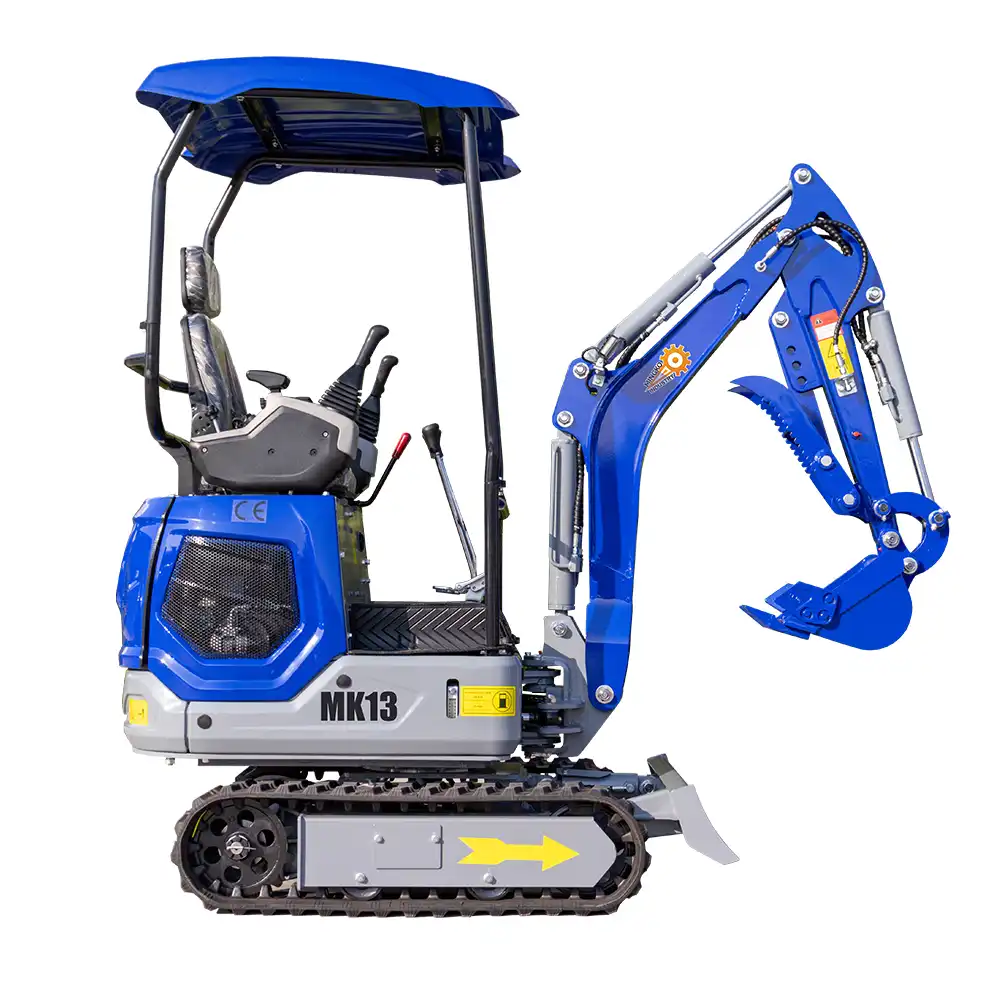
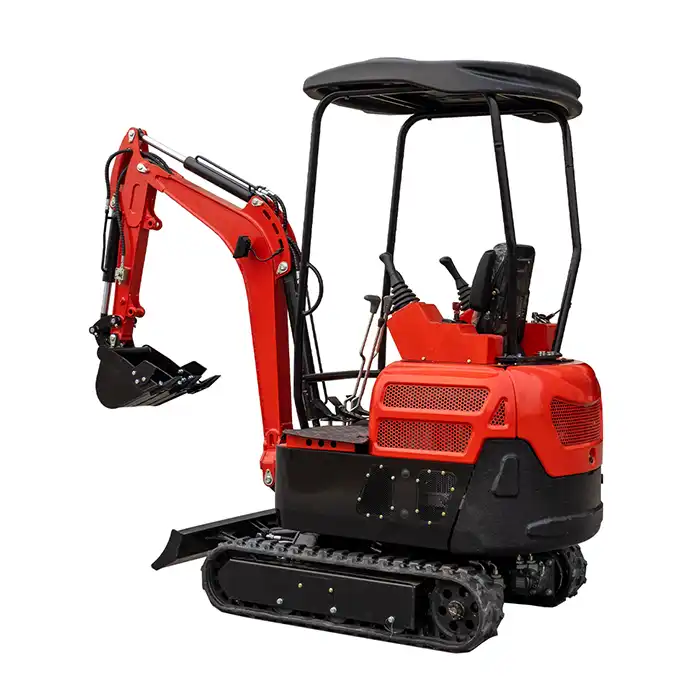
Midi Excavators are a flexible equipment group that falls between small mini models and large machines. Depending on configuration, they usually weigh between 1 and 5 tonnes. With their ability to work well in tight areas and offer strong performance, these machines have become very popular in the building, gardening, demolition, and farming industries. Compared to their bigger peers, Midi Excavators are easier to move around without losing their necessary digging power. This makes them perfect for building sites in cities, landscaping projects in homes, and installing utilities where space is limited.
Why Midi Excavators Are in High Demand
Midi Excavators are becoming more popular because they are cost-effective and flexible in how they are used. More and more, contractors are looking for equipment that can be used on multiple job sites without needing special transport, which lowers the cost of mobilisation. This need is perfectly met by Midi Excavators, which can dig deep enough for foundation work, trenching, and material handling while still being small enough to get through residential areas. Because they use less fuel, their running costs are lower than those of bigger machines, which is good for businesses that are trying to save money and get the most out of their investments.
Key Applications Across Industries
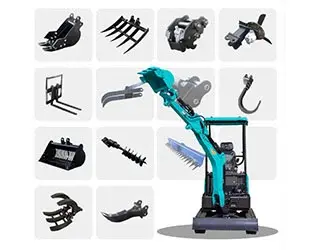
Beyond standard mining work, Midi Excavators can be used for a variety of tasks. In landscaping, these machines are very good at levelling, cutting down trees, and digging ponds. Demolition workers like that they can fit inside buildings to do selected dismantling projects. Agricultural operations use them for work like draining, maintaining ponds, and preparing the base of barns. With attachments like breakers, augers, grapples, and buckets, a single machine can be used for many different tasks, which means that job sites don't need as many specialised tools.
Identifying Trusted Manufacturers and Brands for Midi Excavators
A good import deal starts with choosing a company you can trust. Well-known names like CAT, Komatsu, Kubota, and Hitachi have built their reputations over many years of excellent engineering and reliable product quality. But new makers like Shandong Mingko Industry Corporation have shown they can do the same things by getting certifications, coming up with new technologies, and making sure customers are happy. Our building is more than 50,000 square meters and has dedicated production lines that can make 15,000 units a year. This gives us the space and capacity to meet the needs of large-scale procurement.
Verification Standards and Certifications
Manufacturers you can trust keep certificates that are recognised around the world and prove their production standards and quality management systems. If a manufacturer has ISO 9001 certification, it means they have strict quality controls in place during the whole production process. The CE mark shows that the product meets European safety, health, and environmental protection standards. The EPA mark shows that the product meets emission standards that are important for the U.S. market. Shandong Mingko has both ISO 9001 certification and national high-tech enterprise status, which show that we are dedicated to improving technology and making the best products possible. Having these credentials gives purchasing managers confidence that imported equipment meets safety standards and performance expectations.
Evaluating Manufacturer Capabilities
In addition to certifications, a manufacturer's production capacity, funding in research and development, and infrastructure for after-sales service show how viable they are as a business partner in the long run. A modern industrial park in Jinxiang town is where we put 30 million RMB into it. We set up a logistics service center, purchasing, sales, and after-sales service departments, among other things. Among our more than 400 workers are specialised engineers who have spent the last 10 years researching and improving Midi Excavator technology all the time. This system makes sure that products are always available, that expert help is easy to get, and that spare parts are always available. These are all important factors that affect the total cost of ownership and the equipment's uptime throughout its lifecycle.
Step-by-Step Process to Import a Midi Excavator from Trusted Manufacturers
To successfully import small Midi Excavator tools, you need an organised plan that takes technical, financial, and legal factors into account in a planned way. The process starts long before an order is placed and goes on until the goods are delivered, cleared through customs, and put into use.
Define Your Project Requirements and Budget
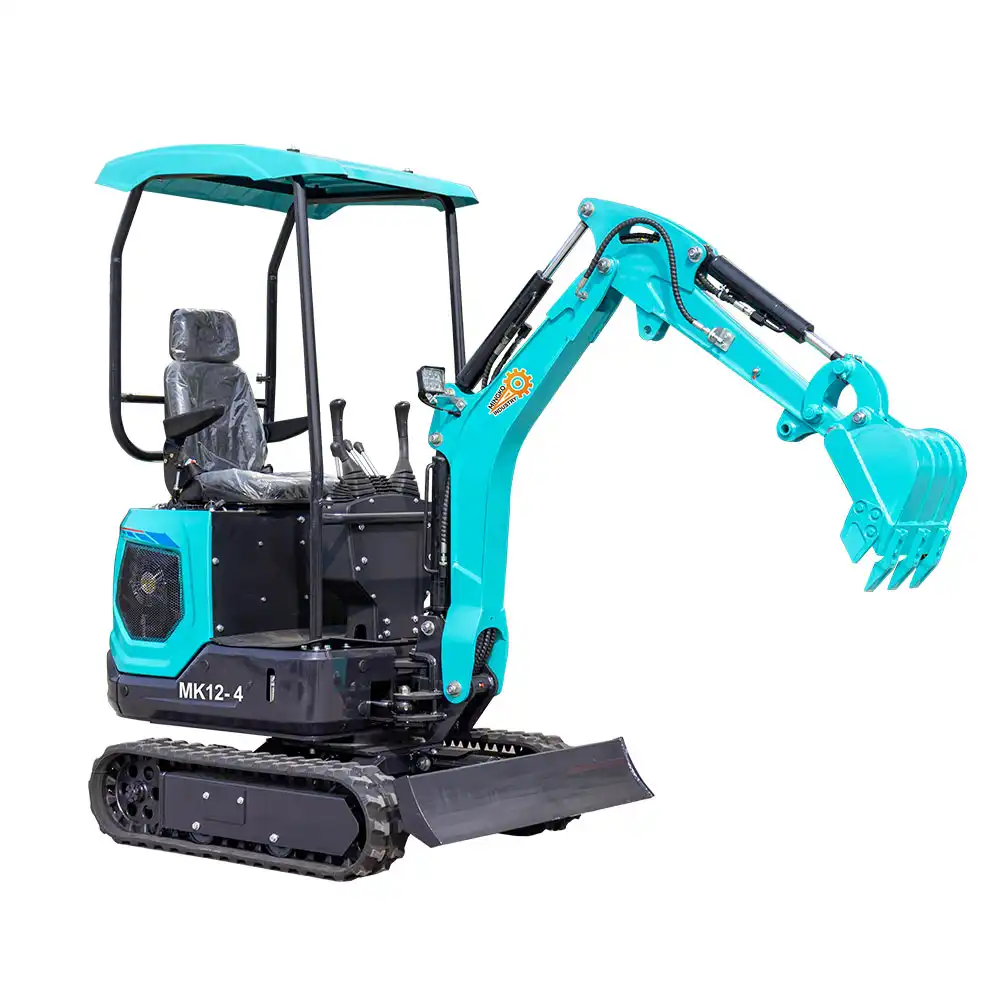
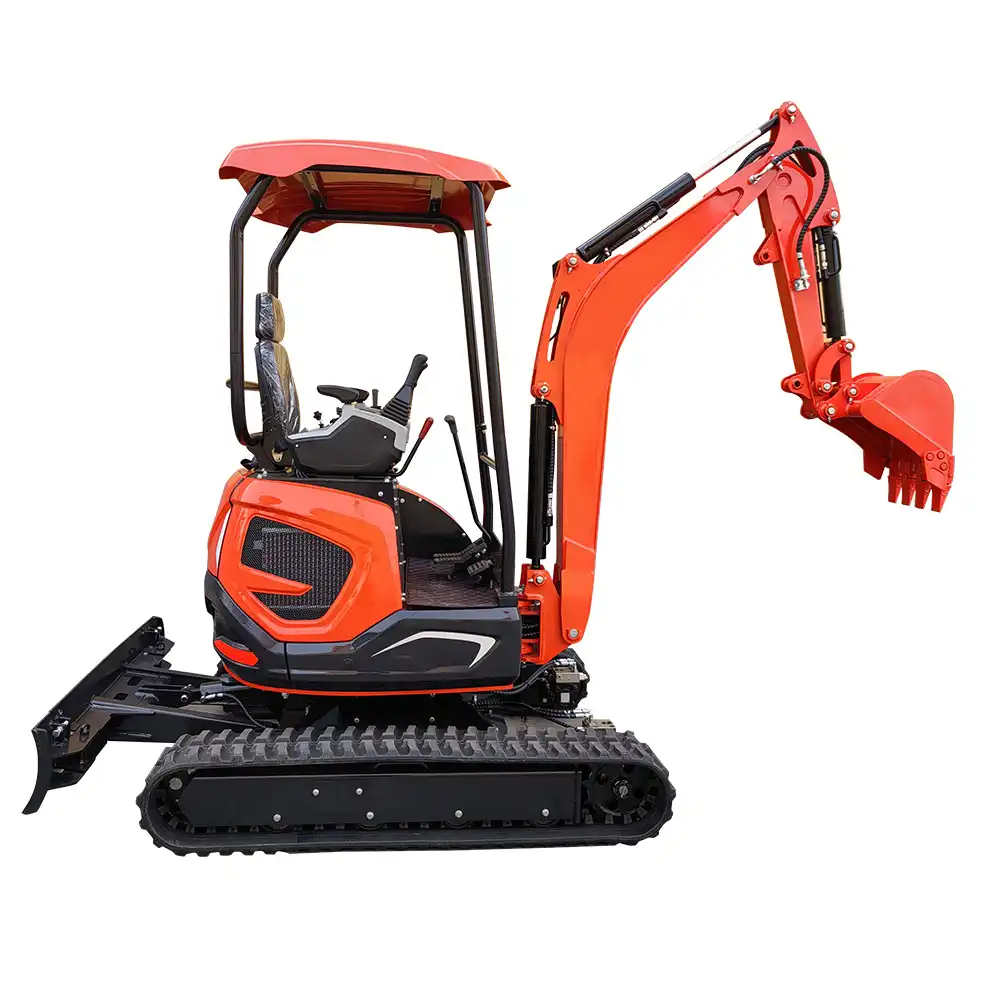
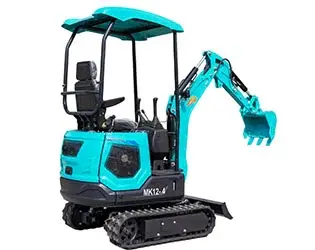
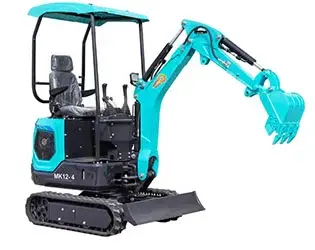
First, take a close look at what your operational needs are. Figure out how deep you need to dig, how far you need to reach, and how much you can lift for your usual jobs. Think about the type of land, the amount of room you have to work, and the attachments that can be used in different ways. With a maximum digging depth of 1700 mm and a maximum digging height of 2500 mm, the Mingko MK12-4 model is a great example for workers who do domestic building, gardening, and light demolition work. Its working weight of 1200 kg makes it stable without going over the weight limits for transport, and its 0.025-cubic-meter bucket capacity strikes a good balance between speed and accuracy for jobs that need to be done with great attention to detail.
Research Manufacturers and Compare Specifications
To do thorough market research, you need to compare different manufacturers based on their technical specs, pricing, and services they offer. Ask for full specification sheets that list the engine choices, how well the hydraulic system works, how much fuel it uses, and what attachments are available. The MK12-4 comes with a variety of engines, such as the Euro 5 Koop 192F (7KW), the EPA-certified B&S 13.5HP, and the Japanese Kubota. This lets buyers choose engines that meet the emission standards in their area and meet their performance needs. This shows how established makers can adapt to different regulatory settings and customer tastes, which makes the process of buying easier.
Negotiate Contracts and Payment Terms
When professionals work with manufacturers, they should be able to make clear contracts that spell out the specs of the equipment, when it will be delivered, what the warranty covers, and when payments are due. Make it clear if the price includes freight, insurance, and customs duties, or if these are extra costs. We have factory-direct prices that don't include markups from middlemen. This saves you money while keeping quality standards high. Our contracts make it clear that buyers are entitled to lifetime expert help and a 12-month warranty. This way, buyers know what kind of support they can get after they buy something. You can protect your investment and get help if the equipment doesn't meet your needs by negotiating inspection rights before shipment and setting clear quality acceptance criteria.
Navigate Import Compliance and Logistics
Clearing customs is a very important step that can be held up by not being ready, which can cost a lot of money. Get the business invoice, packing list, bill of lading, and proof of origin from the manufacturer. If you're bringing the equipment into the United States, make sure it meets EPA emission standards. Machines that don't meet these standards could be turned away at customs. Figure out the import taxes, which for construction tools can be anywhere from 0% to 2.5% based on where it comes from and the trade deals in place. Work with goods forwarders who have a lot of knowledge, know how to handle big equipment, and can help you with shipping, insurance, and customs broking. Our transportation service center helps clients with this process by giving them the paperwork they need and working with shipping partners to make sure the delivery goes smoothly.
Key Factors to Consider When Choosing a Midi Excavator to Import
There are a lot of technical and operational factors that affect efficiency, safety, and long-term income that need to be thought through when choosing the right Midi Excavator tools.
Performance Specifications and Operational Capabilities
The engine power of a machine determines how well it can dig in tough conditions and use its attachments. The MK12-4's 13.5 HP B&S Gas Engine has enough power for breaking tools and auger devices while still using little fuel. The operating weight affects how stable the lifting operation is and what transport requirements there are. For example, a weight of 1200 kg allows transport on standard trailers without any special permits. The digging depth and reach measurements must match your normal Midi Excavator needs. Not enough reach forces you to move the machine, which slows it down and wastes time. Too much capacity raises the cost of purchase without being needed.
Structural Durability and Build Quality
The quality of the construction directly affects how long equipment lasts and how much it costs to maintain. The MK12-4's body is made of a single piece that was cast and formed. This makes the structure stronger and reduces stress spots that cause parts to wear out faster. When compared to welded multi-piece designs, this way of making things is more durable, so they last longer and need fewer repairs. During the evaluation of the equipment, pay special attention to the parts of the hydraulic system, the construction of the undercarriage, and the reinforcement of the boom arm. These parts are under the most stress and have the biggest effect on how reliably the equipment works.
Operator Comfort and Control Features
Modern Midi Excavators have practical features that make them easier to use and make them more accurate. The MK12-4 has foot pedals that let operators control attachments like breaking hammers and spiral drills. This frees up hands to use joysticks at the same time, which makes multitasking more efficient. Comfortable operator stations with easy-to-use controls cut down on the time it takes to train new operators and boost output by making operations more precise and reducing mistakes. Having these features is especially helpful when the equipment works multiple times a day or in bad weather.
Attachment Versatility and Compatibility
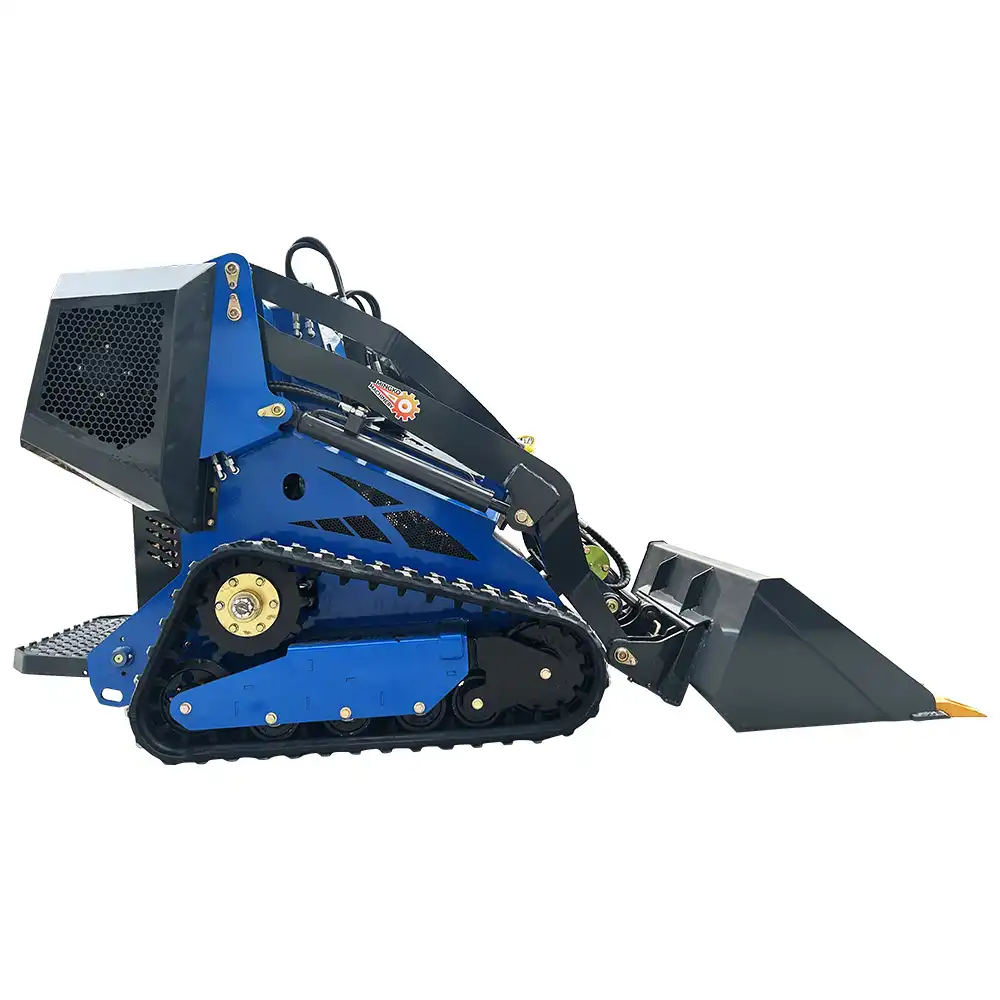
When you can quickly switch out attachments, one machine becomes a multi-use tool that can be used for many tasks. Check the manufacturer's list of available attachments and make sure they work with standard quick-coupling systems in the industry. Shandong Mingko makes loader accessories that work with both Bobcat and Caterpillar systems. This shows our dedication to standardisation in the industry and gives buyers peace of mind that third-party attachments will work well with our products. This compatibility keeps your investment safe by avoiding maker lock-in and increasing the range of functions your equipment can perform without the need for special add-ons.
Real-World Success: How B2B Clients Import Midi Excavators Effectively
Procurement managers can avoid common mistakes and copy successful methods by learning about useful execution strategies through real-life examples.
Construction Company Optimizes Equipment Selection
A regional construction company that specialises in home foundation work needed small-scale drilling tools that could work in neighbourhoods with narrow roads and tight lot layouts. After looking at a number of different manufacturers, the company chose equipment based on exact measurements that let it go through 8-foot gates while still digging deep enough for basement excavation. To meet the different emission rules in the states they serve, the company gave manufacturers that offered more than one engine option top priority. This smart selection process cut down on the time that equipment was not being used, made the job site run more smoothly, and put the company in a better position to bid on projects with strict environmental standards.
Landscaping Distributor Emphasizes Supplier Verification
Before adding Midi Excavators to their line, a North American company that sells landscaping equipment to commercial landscapers and cities followed strict manufacturer verification procedures. Before agreeing to buy inventory, the distributor did facility checks, looked over ISO certifications, and tried sample units in real-world settings. Through this thorough screening process, manufacturers with strong quality control systems and quick expert help facilities were found. Because the distributor was careful when choosing their suppliers, there were few warranty claims, high customer happiness scores, and return purchases, all of which helped them stay ahead in the market and make more money.
Equipment Rental Company Values After-Sales Support
A company that rents tools to building companies knew that machine downtime had a direct effect on their ability to make money and keep customers. When choosing Midi Excavator suppliers, the company looked for companies that offered a wide range of parts, easy access to technical support, and resources for training operators. When you work with Shandong Mingko, you can use our specialised after-sales service staff, get technical help 24/7 at sales@mingkomach.com, and access full English-language upkeep documentation. This support infrastructure cut down on downtime when repairs were needed, kept customers happy during rental times, and extended the service life of equipment by showing them how to do proper upkeep. All of these things increased the rental company's return on investment.
Conclusion
When you import Midi Excavators from reputable makers, you need to pay close attention to the supplier's qualifications, technical requirements, and compliance with government rules. The process awards careful study, strategic relationships with suppliers, and organised buying methods with equipment that works well and lasts a long time. Shandong Mingko Industry Corporation makes it easier for B2B buyers to import goods by combining manufacturing know-how, quality certifications, and a wide range of support services. Our factory-direct sales model, ability to customise, and dedication to customer satisfaction make us a reliable partner for contractors, distributors, and equipment dealers looking for high-performance, low-cost excavation equipment backed by real manufacturer support.
FAQ
What are typical lead times for midi excavator imports?
Standard lead times for production and shipping a Midi Excavator are 30 to 60 days, but they can be longer or shorter depending on the level of customisation, production schedules, and shipping destinations. Standard units are shipped within 7–14 days, but units made to special requirements take longer to make. Shandong Mingko keeps up a production capacity of 15,000 units per year, which makes sure that products are always available and that pressing orders can be met on any schedule. International shipping adds 20 to 30 days to the time it takes to get sea freight to U.S. ports, and customs clearance usually takes an extra 5 to 7 working days.
How do I ensure compliance with emission regulations?
Before you buy the engine, make sure it meets EPA standards by asking the manufacturer for certification paperwork. The MK12-4 has B&S 13.5HP engines that are EPA-certified and made for the U.S. market, so it meets all the rules. Manufacturers should give customs officials the emissions test results, certification numbers, and compliance statements they need to clear an import.
What financing options exist for international equipment purchases?
A lot of manufacturers work with international finance partners that offer trade credit, equipment loans, and lease-to-own programs. We help our clients find lending companies that are familiar with buying and selling tools across international borders. This makes it easier for qualified buyers to get the capital they need and lets them set up payment plans that work with their project's cash flows.
Partner with a Trusted Midi Excavator Manufacturer Today
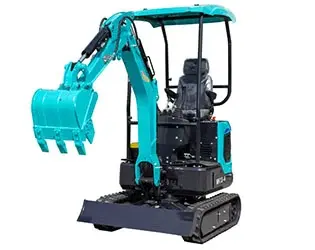
Shandong Mingko Industry Corporation is the best choice for companies that want to buy reliable small excavation equipment that comes with real maker support. We are different from other suppliers because our production facilities are ISO 9001-certified, our engineers have worked with us for more than 15 years, and we offer full after-sales service. For building companies, gardening firms, and equipment dealers, the Mingko MK12-4 Midi Excavator is a reliable choice for a wide range of tasks thanks to its low price and proven performance. We allow MOQ 1 unit customisation, so buyers can choose the engine choices, attachment setups, and colour schemes that work best for their needs and brand. Contact our skilled sales team at sales@mingkomach.com to talk about your project needs, get detailed quotes, and learn how working with a well-known Midi Excavator provider can help your business run more smoothly and stand out from the competition. Visit sdmkmachinery.com to see all of our products and get access to detailed information that will help you make smart purchasing choices.
References
1. International Trade Administration. (2023). Construction Equipment Export and Import Guidelines. U.S. Department of Commerce Publication Series.
2. Association of Equipment Manufacturers. (2022). Global Compact Equipment Market Analysis and Procurement Best Practices. AEM Industry Report.
3. Society of Automotive Engineers. (2023). Off-Highway Equipment Emission Standards and Compliance Requirements. SAE Technical Paper Series.
4. National Association of Heavy Equipment Dealers. (2022). International Equipment Procurement Risk Management Strategies. NAHED Professional Development Publications.
5. Construction Equipment Distribution Association. (2023). Compact Excavator Technology Trends and Performance Benchmarking Study. CEDA Annual Research Report.
6. International Organization for Standardization. (2022). Quality Management Systems for Heavy Equipment Manufacturing: Implementation and Verification Standards. ISO 9001 Application Guidelines.