Where to Buy a Reliable 1.5 Ton Wheel Loader Factory Direct?
Finding a dependable source for compact loaders can transform your business operations. When searching for a reliable 1.5 Ton Wheel Loader through factory-direct channels, we understand the importance of balancing cost-efficiency with proven durability. This buying path eliminates intermediaries, reduces procurement costs by 15-30%, and provides direct access to customization options that align with your specific operational requirements. Whether you manage a landscaping fleet, oversee construction projects, or handle agricultural logistics, connecting directly with manufacturers ensures transparent communication, authentic product specifications, and dependable after-sales service that protects your investment over years of demanding use.
Understanding the 1.5 Ton Wheel Loader: Specifications and Key Features
Within this weight range, compact loaders have become necessary tools in many fields. Because they are both strong and mobile, they can handle certain operational problems that bigger machines can't handle well.
Engine Types and Performance Metrics
Diesel engines with 30 to 50 horsepower are common in modern Small Wheel Loaders. These engines provide enough force for material handling while still using little fuel. Diesel versions work best outside, where there is access to refuelling equipment, and the vehicles need to be able to run for longer periods of time. Electric options have come out for indoor use and areas that are sensitive to the environment, but they are still not widely used in compact loader applications compared to forklift applications. The most important performance indicators are breakout force, which is usually between 2,500 and 3,800 pounds, and travel speeds that let the machine move quickly between loading points without losing its stability.
Hydraulic Systems and Load Capacity
The hydraulic design affects how smoothly the system works and how many attachments it can hold. Good compact loaders have hydraulic systems that change flow rates based on resistance. This cuts down on wasted energy and heat production during long cycles. Our engineers at Shandong Mingko Industry Corporation have added a small hub wheel deceleration system to our compact loader designs. This improves the distribution of torque and lowers the amount of maintenance needed compared to traditional chain-driven systems. This technological improvement directly fixes problems that many people have, like wearing out too quickly and power not being delivered consistently when loads change. Specifications for load ability should be carefully looked at beyond the nominal number. At full load, a machine that can hold 1,500 kg should stay stable and steer easily on slopes of up to 20 degrees. The machine's ability to load into standard truck beds and hoppers without having to be moved depends on its boom reach and dump height, which are usually between 2.5 and 3.2 meters.
Durability Features and Operating Costs
Total cost of ownership is greatly affected by the quality of the construction. We use electrostatic powder coating on all structural parts to make a barrier that doesn't rust and keeps equipment working longer in wet places. In critical stress zones, the load-bearing arms are 30 mm thick, which keeps the structure strong and stops it from deforming during heavy pulling cycles. When procurement managers compare the initial purchase price to the benefits of longer durability, they should look at how much downtime is saved and how much money is saved on repair costs. Different work cycles use different amounts of fuel, but in mixed-duty situations, well-designed compact tractors use between 2.5 and 4 litres per hour. By adding up the yearly cost of fuel and the frequency of upkeep, you can get a good idea of the ongoing costs that go beyond the original investment in the equipment.
Comparing Compact Wheel Loaders: Brands, Models, and Market Options
There are a lot of choices on the market, and each one has its own unique qualities that make it a good fit for different budgets and practical goals.
Established Brands and Their Market Position
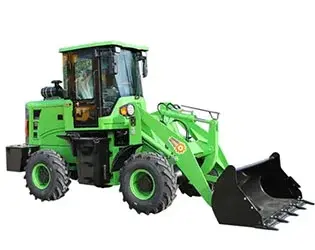
International companies like Caterpillar, Bobcat, and John Deere have built their reputations over many years by improving their products and connecting them with a lot of dealers. Their small wheel loaders are very expensive, but they have been proven to work well and new parts are easy to find. Komatsu and Volvo are more focused on engineering accuracy with their advanced hydraulic controls, while JCB puts more emphasis on comfort and sight for the operator. These brands usually market their compact loaders as part of larger ecosystems of equipment. This helps businesses that only use one brand for their teams because it makes training and keeping parts in stock easier. A lot of money has been spent by Chinese companies, like Shandong Mingko Industry Corporation, to close the quality gap while keeping prices low. Our building in the Jining Economic Development Zone is more than 50,000 square meters and has more than 400 skilled workers who are always improving our products. We've spent 10 years doing focused research and development to make sure our manufacturing standards meet international quality standards. We can also offer prices that make project economics better for buyers on a budget. Our 1.5 Ton Wheel Loader is designed to provide a practical solution for small-scale construction, agricultural projects, and material handling applications, combining reliable performance with competitive pricing to meet the needs of global customers.
Size Comparisons and Performance Trade-offs
To choose between 1-ton, 1.5-ton, and 2-ton models, you need to match the machine's capabilities to the amount of work that needs to be done. Smaller 1-ton models work great in tight areas and gardening jobs where ground pressure needs to be kept low to protect finished surfaces. The 1.5 Ton category is a good compromise because it can handle heavier items without having the bigger size and using more fuel than the 2-ton category. When working with dense materials like wet soil, gravel, or compacted debris, compact loaders in this weight class are helpful because they have more hydraulic capacity.
New Versus Used Equipment Considerations
When people decide what to buy, they often compare new equipment to used equipment. New compact loaders that come directly from the factory come with manufacturer warranties, known maintenance histories, and up-to-date safety features that meet changing safety standards in the workplace. When you buy used equipment, you don't know how it was used before, how much wear is on the hydraulic seals, or how long other parts will last. The price difference between a brand-new machine and a used one that is three years old is usually between 40 and 50 percent. However, if important parts need to be replaced too soon, hidden service costs can quickly wipe out any savings.
Where to Buy 1.5 Ton Wheel Loaders Factory Direct?
Direct factory purchasing has changed business-to-business buying by getting rid of the middlemen that used to drive up costs and make contact harder.
Advantages of Factory-Direct Procurement
Directly connecting with manufacturing sites has many strategic benefits besides just lowering costs. By negotiating directly, you can change things like the bucket's size, the tires, and the hydraulic fittings so that they perfectly fit your needs. Supply chain openness means having a good idea of when things need to be made, which helps with planning projects and setting up equipment. When problems happen, contact goes straight to engineering teams that know the product design inside and out, instead of going through regional representatives who might not know as much about technology. At Shandong Mingko Industry Corporation, we accept minimum orders as low as one unit and offer customisation choices. This means that buyers aren't limited to standard setups by having to buy in bulk. This flexibility is especially helpful for custom applications where off-the-shelf solutions make it harder to do the job.
Identifying Credible Factory Sources
When looking at factory-direct suppliers, especially when working with makers in other countries, verification is very important. Legitimate factories have ISO 9001 certification, which shows that they follow quality control systems that make sure their products always meet standards. Our business has National High-Tech Enterprise certification, which shows that we are dedicated to new technologies and always making our products better. In addition to marketing claims, these qualifications show that the business is operationally mature. Verification of the physical building, either through site visits or video tours, shows how the production and quality control work. Our 30 million RMB investment in the Jinxiang town industrial park created a modern production space that can make 15,000 units a year. There are separate workshops for each type of equipment to keep the production processes from getting contaminated and to keep specialised assembly expertise.
Online B2B Marketplaces and Verification Methods
Digital platforms have made factory-direct buying easier for more people, but they need careful supplier verification. Platforms keep track of seller ratings, transaction records, and ways to settle disputes that lower the risk of buying something. When looking at suppliers through these channels, you should check how quickly they respond to technical questions, whether they are willing to give you full specs and testing paperwork, and how clear the warranty terms and after-sales support structures are. Video demonstrations of real equipment working under load are a more reliable way to judge a product than still photos of it. Ask for proof of past exports and references from current clients in related fields to make sure the service can do what it says it can do and is reliable.
Ensuring Reliability: Maintenance, Safety, and After-Sales Support
The quality of the equipment you buy is only a small part of how reliable it is. Good maintenance habits and manufacturer support are also very important throughout the ownership lifecycle.
Routine Maintenance Best Practices
Compact Wheel Loaders need regular repair plans that check the state of the hydraulic fluid, the loader's structure, and any worn parts. Usually, hydraulic oil needs to be changed every 1,000 hours of use, and the filter needs to be replaced every 600 hours to keep contamination from wearing down seals and control valves. The small hub wheel braking system in our designs needs to have its gear oil checked every so often, but it doesn't need the chain tightness adjusted or sprockets replaced as often as other drive systems do. Weld integrity around load-bearing connection points should be checked during structural checks, especially after the first 500 hours of break-in, when assembly stresses level off. The electrostatic powder coating we use lets us see if there is damage from impacts or too much wear that could weaken the structure before it fails.
Safety Features and Operator Training
As standard safety tools, modern compact loaders come with crash protection structures, seat belt interlocks, and backup alarms. Mirrors placed in strategic places and extra camera systems that improve visibility cut down on blind spots that can lead to accidents at work. Load center principles, hill operation limits, and attachment-specific handling characteristics that stop tip-overs and damage to the hydraulic system should be emphasised in operator training programs.
Comprehensive After-Sales Support
Quality of service after the sale is what sets equipment partners apart from simple vendors. Our 1.5 Ton Wheel Loader comes with a 12-month warranty that covers both parts and labour for problems caused by mistakes in the manufacturing process. We also offer lifetime technical support to continue helping you after the warranty period is over. This promise shows that we believe our products will last and that we know that the success of our customers rests on reducing unexpected downtime as much as possible during the equipment's lifetime. Our focused after-sales service staff works with logistics partners to speed up the arrival of parts, cutting down on wait times that stop projects from moving forward.
How to Make an Informed Purchase Decision: A Procurement Manager's Checklist
To be successful at procurement, there needs to be a system for evaluating multiple competing priorities while staying within the budget.
Assessing Performance Requirements
Instead of assuming generic requirements, start by writing down the real characteristics of the job. Find out if the hydraulic capacity and engine power meet your needs by figuring out the average material density, cycle times, and daily operating hours. Overspecified equipment costs money on features that aren't used, and underspecified tools wear out faster and can't produce as much. Conditions on the site have a big impact on design choices. Normal tires can be used on paved surfaces, but aggressive tread patterns that keep the tires gripping the ground without disturbing it too much are needed for loose soil or gravel. For tight areas, articulated steering geometry is helpful because it cuts down on the turning radius compared to skid-steer setups.
Total Cost of Ownership Analysis
The price of the tools is only one part of its total cost. Think about how much fuel the machine will use over its expected service life, which for good compact loaders is usually between 8,000 and 12,000 hours. Over the course of ten years, maintenance costs like replacement parts, consumables, and regular big works add up to 30 to 40 percent of the original purchase price. When it comes time to replace the item, its residual value depends on its brand image and the record of its state. This has a big effect on the net ownership costs. Financing options affect how you handle your cash flow and how you plan your taxes. When you buy something outright, you keep your equity but have to pay for a lot of capital. Leasing, on the other hand, spreads costs out over several fiscal years and may offer better tax treatment based on the state. Equipment dealers and manufacturers often offer financing programs with low rates that make projects more cost-effective than getting a regular business loan.
Real-World Application Scenarios
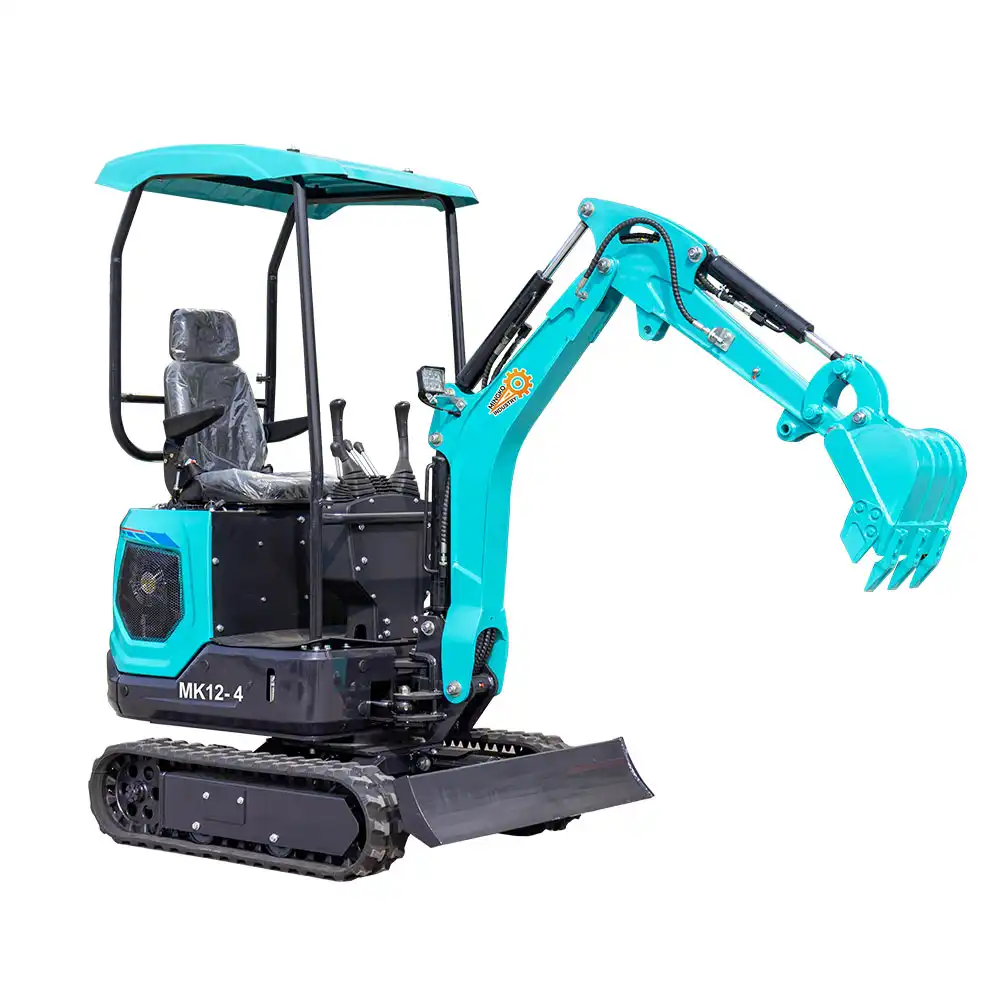
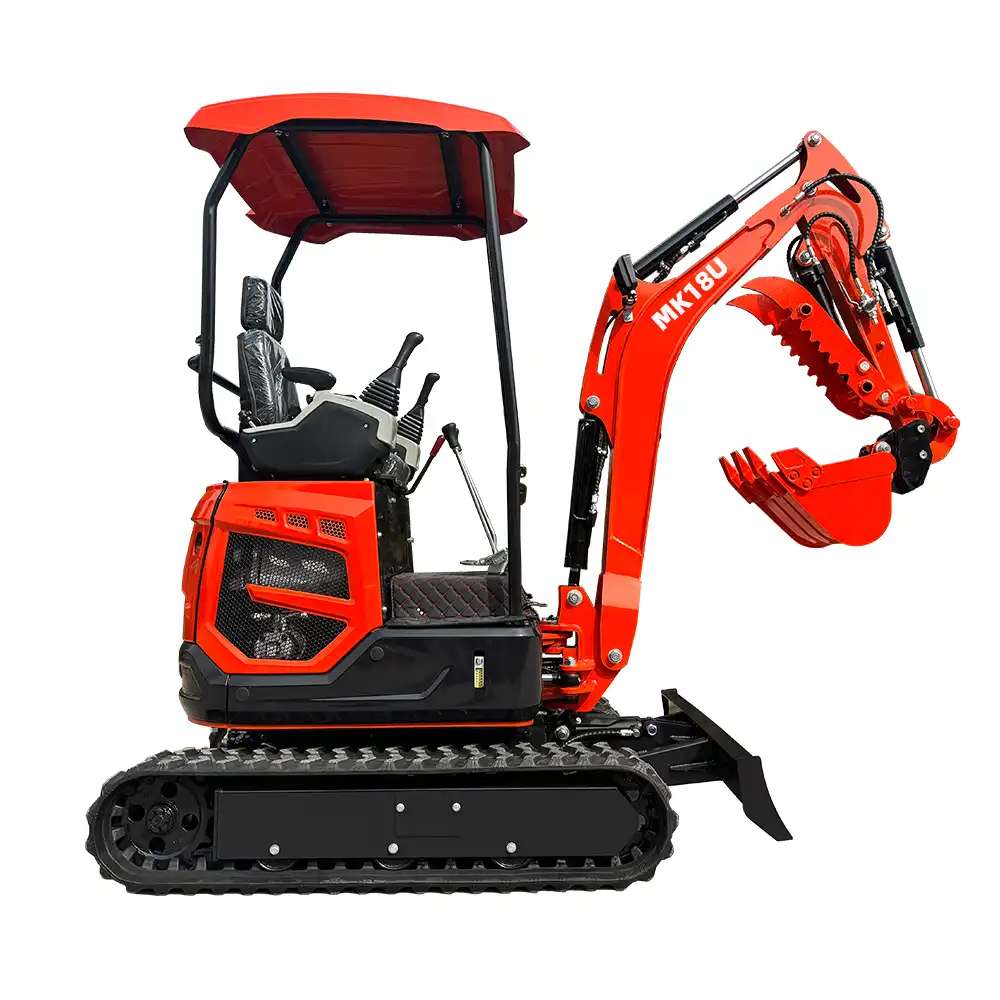
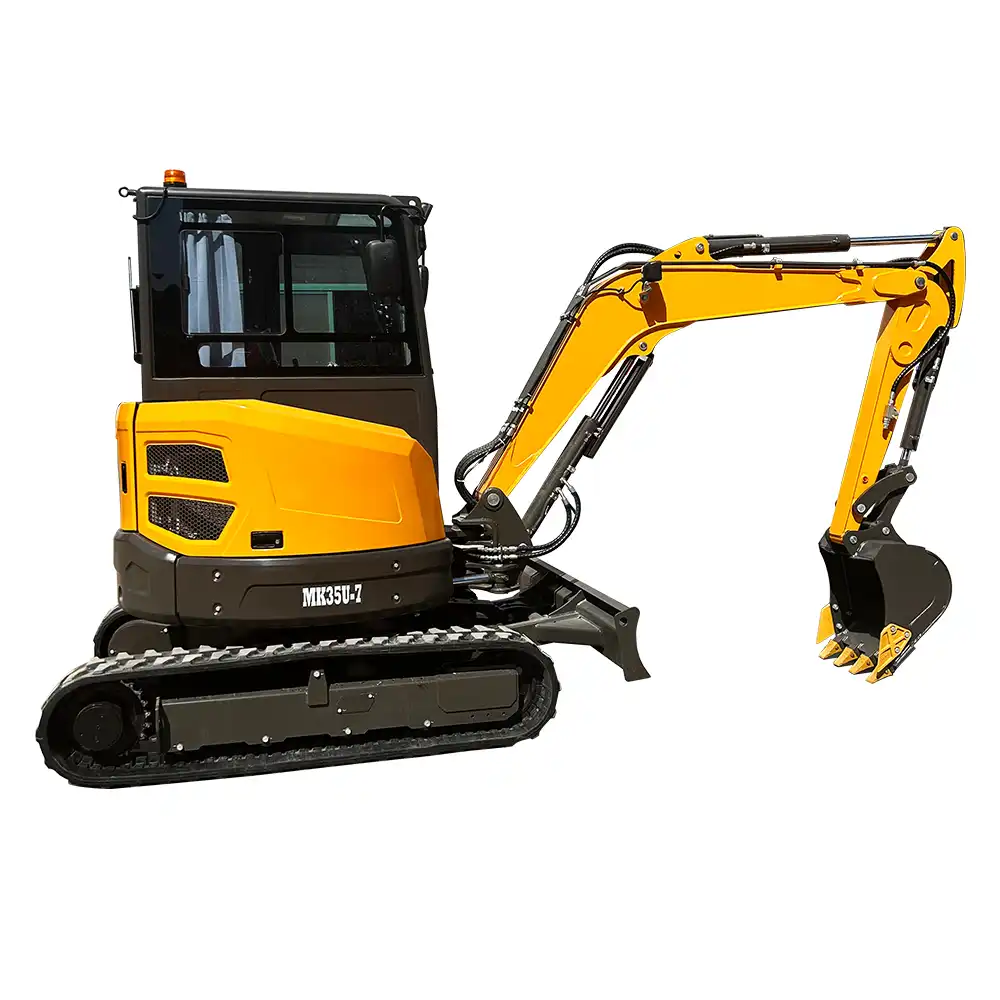
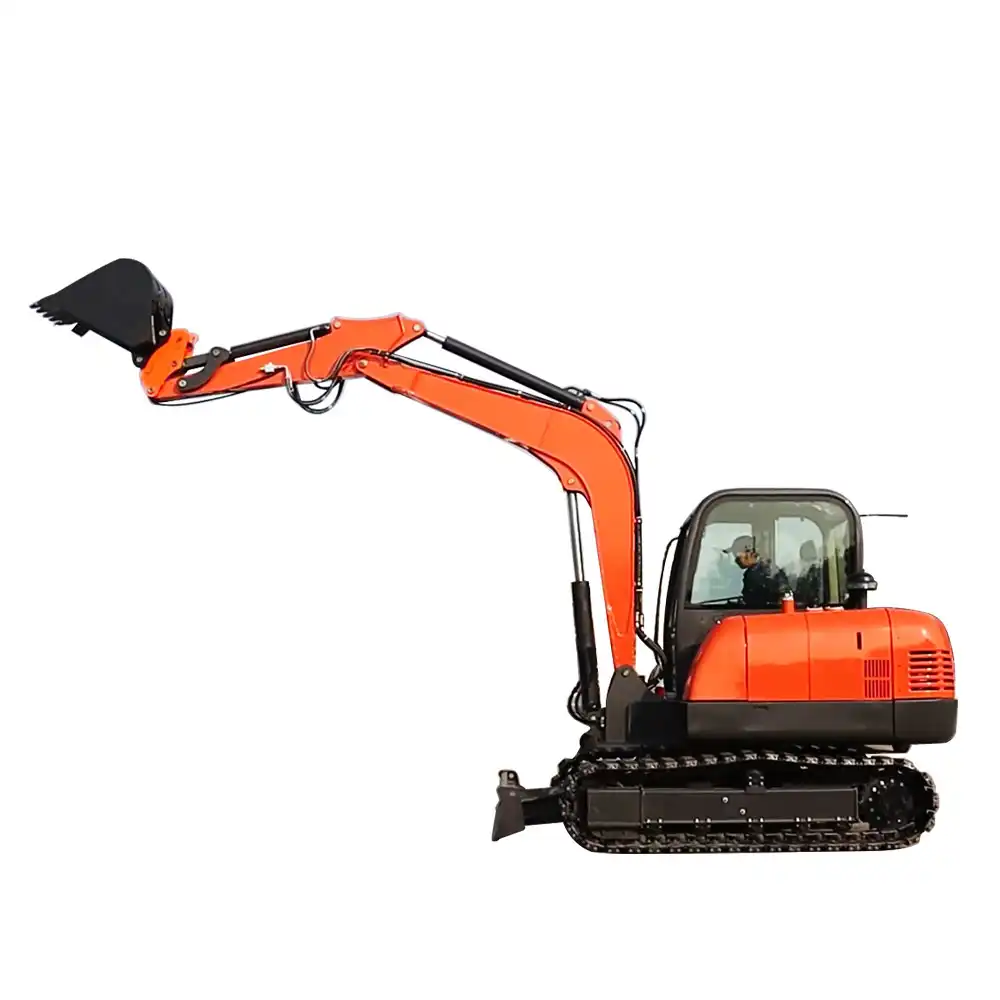
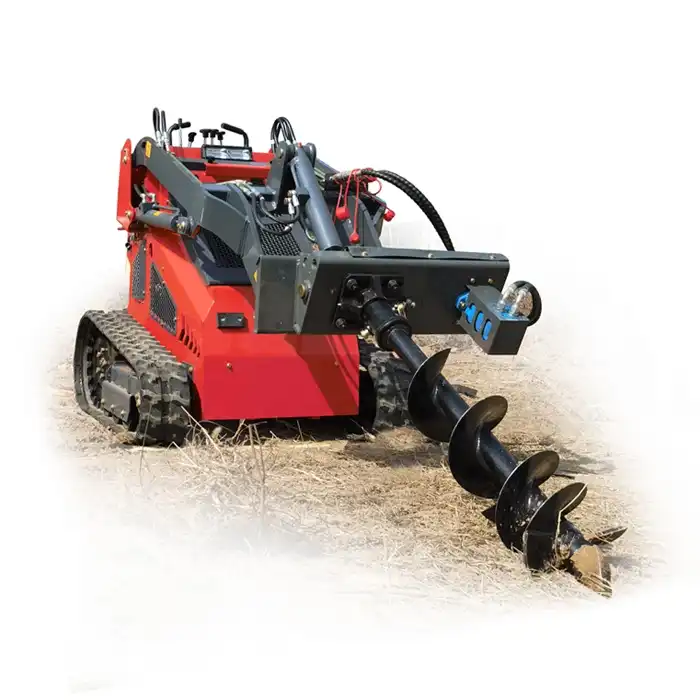
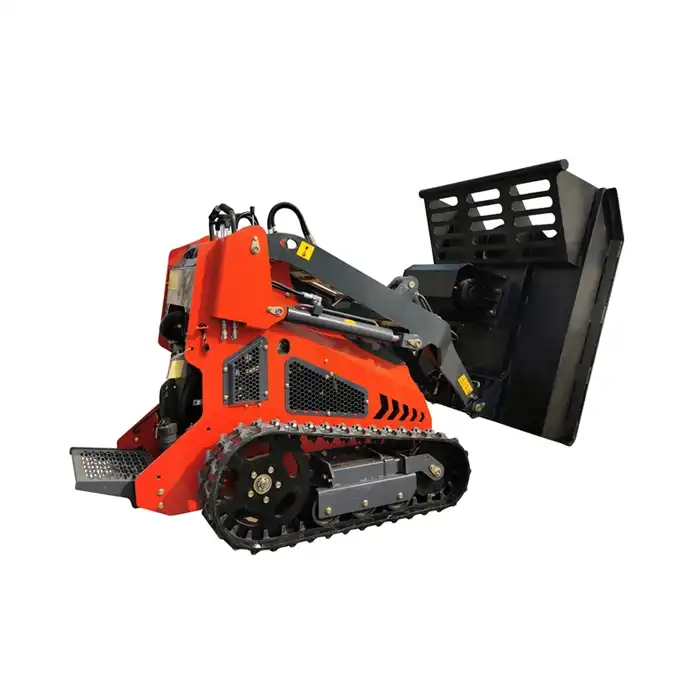
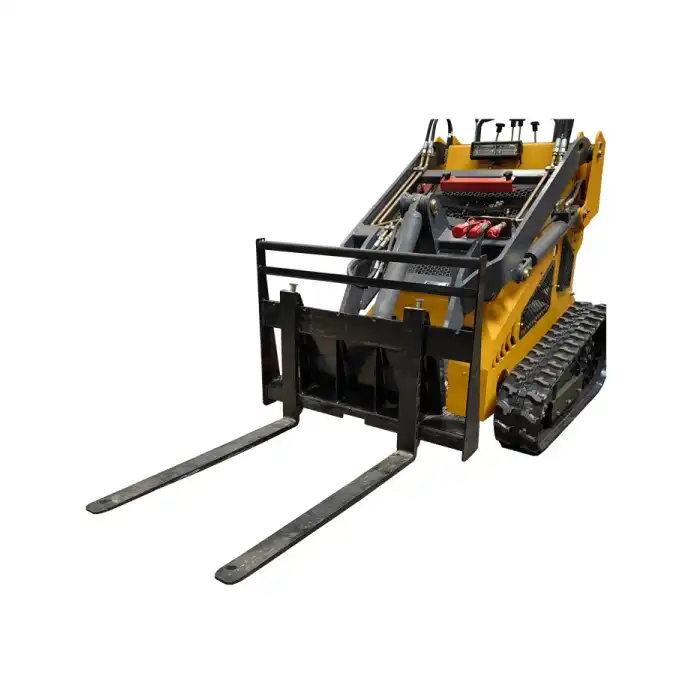
Landscaping businesses like small sizes and tires that are safe for grass, which keeps finished projects from getting damaged. In construction, hydraulic capacity and attachment flexibility are important for moving a wide range of materials, from excavation waste to concrete blocks. For agricultural uses, a long reach is often needed for stacking hay bales and distributing feed, and the machine needs to be durable so it can be stored outside and used during different seasons. We can make Mini Excavators that can hold 1 to 8 tonnes of weight and Skid Steer Loaders that can hold 320 kg to 1,500 kg. This lets us offer complete fleet solutions that rely on a single source for help instead of handling relationships with multiple suppliers for different types of equipment.
Conclusion
When you do your research and make clear performance expectations, buying compact wheel loaders through factory-direct methods has real benefits. For buyers looking for the right equipment size, a 1.5 Ton Wheel Loader can be an ideal choice for applications requiring flexibility, efficiency, and reliable performance. When you combine cost savings, the ability to make changes, and direct technical support, you get procurement value that lasts throughout the life of the equipment. Quality makers stand out by being open and honest with their customers, being able to prove that they can make things, and committing to relationships after the sale that keep operations running smoothly. Procurement managers make sure that the equipment they buy increases operational efficiency while staying within budget by carefully checking technical specs, supplier credentials, and total ownership costs. The market for compact loaders has a lot of different models and levels of capability, so it's important to do a lot of research before deciding on a model or supplier, especially when evaluating options like a 1.5 Ton Wheel Loader for specific operational needs.
FAQ
What is the typical service life of a factory-direct compact wheel loader?
Quality compact loaders from well-known brands usually last between 10,000 and 15,000 hours of use before they need important parts replaced. This equals 8 to 12 years if it is used for business purposes for an average of 1,200 to 1,500 hours a year. How long something actually lasts varies a lot on how often it is maintained, how it is used, and whether it is used at full potential. Continuously applying maximum loads to equipment or using it in harsh settings speeds up wear and tear, which shortens its useful life. Our 1.5 Ton Wheel Loader models have stronger structural parts and an improved small hub wheel deceleration system that makes the engine last longer than the average in the industry.
Are electric compact loaders viable alternatives to diesel models?
Electric compact loaders are still specialised solutions, not diesel replacements that can be used in any situation. The battery capacity means that they can only work for 4 to 6 hours between charges. This means that they are best used indoors, in quiet places, or in situations where the work plan is predictable enough to allow for charging windows. Diesel types are still the most popular choice for outdoor uses that need long run times, quick refuelling, and dependability in cold weather. As battery technology gets better and charging stations become easier to get to from faraway job sites, the electric section may grow.
How can buyers verify factory authenticity when purchasing internationally?
Authentic proof needs more than just what a website says it can do. Ask for proof that your business is registered and any manufacturing certifications, like ISO 9001, that are given out by regulatory bodies after they inspect a facility. Video calls that show production areas and how things are put together show how operations are scaled and how quality control is done. Third-party inspection services can do pre-shipment checks to make sure that the equipment supplied meets quality standards and specs. Instead of sending money directly to an unknown account, transactions are safer when they go through established B2B payment platforms that hold on to the money until delivery confirmation.
Partner with Meeko for Your Compact Wheel Loader Needs
Shandong Mingko Industry Corporation is ready to help you buy equipment by giving you factory-direct prices and engineering knowledge that has been built up over 15 years of specialised manufacturing. Our ISO 9001-certified factory makes compact wheel loaders that meet the tough needs of building, gardening, and farming businesses. They do this by combining cutting-edge technology with practical dependability. We offer full customisation starting with orders of just one unit, so the specs of your equipment will match your exact task instead of causing you to make compromises with standard setups. Our dedication goes beyond the sale. We offer a 12-month warranty and free technical support for life, so your fleet can keep working even after the warranty period is over. If you need a reliable 1.5 Ton Wheel Loader supplier that knows how important performance, durability, and quick support are, email our professional sales team at sales@mingkomach.com for detailed quotes and product demonstrations that are tailored to your needs.
References
1. Construction Equipment Guide Staff. "Compact Wheel Loader Buyer's Guide: Specifications and Applications." Construction Equipment Guide, 2023.
2. Johnson, Michael R. "Hydraulic System Design in Compact Construction Equipment." Journal of Heavy Equipment Engineering, Vol. 45, No. 3, 2022, pp. 178-195.
3. International Organization for Standardization. "Quality Management Systems for Manufacturing Industries: Implementation and Certification." ISO Publishing, 2021.
4. Peterson, Sarah L., and David Chen. "Total Cost of Ownership Analysis for Construction Equipment Fleets." Equipment Management Quarterly, Vol. 28, No. 2, 2023, pp. 56-73.
5. Wang, Jianhua. "Evolution of Chinese Manufacturing Standards in Construction Equipment Industry." Asian Industrial Technology Review, Vol. 17, No. 4, 2022, pp. 412-429.
6. National Association of Equipment Manufacturers. "Safety Standards and Operator Training Requirements for Compact Loaders." NAEM Technical Publication Series, 2023.