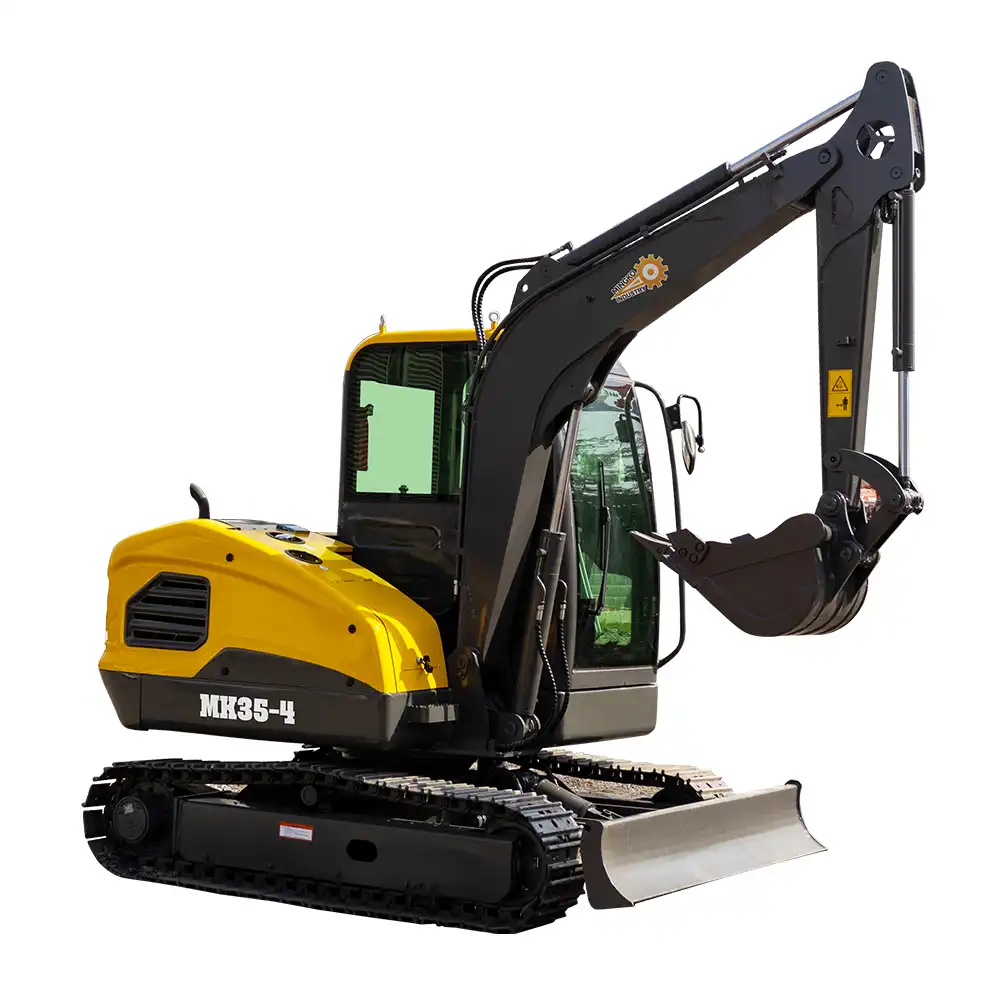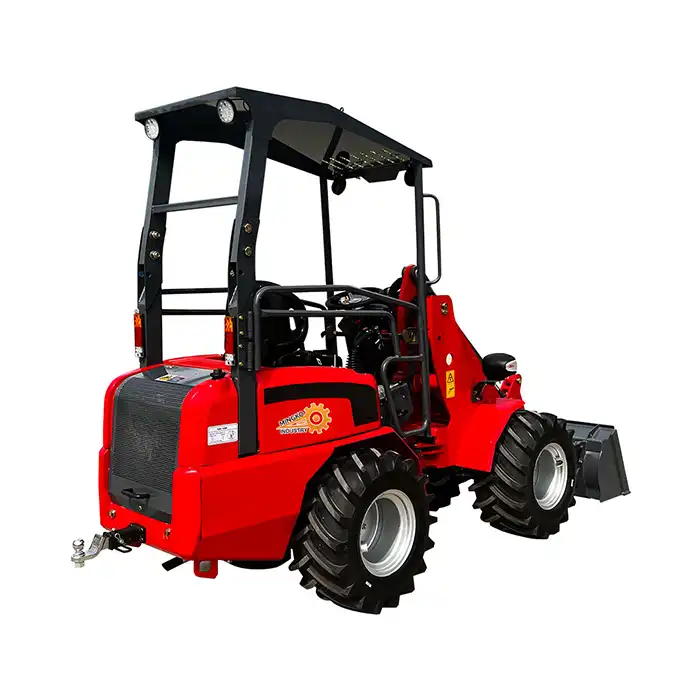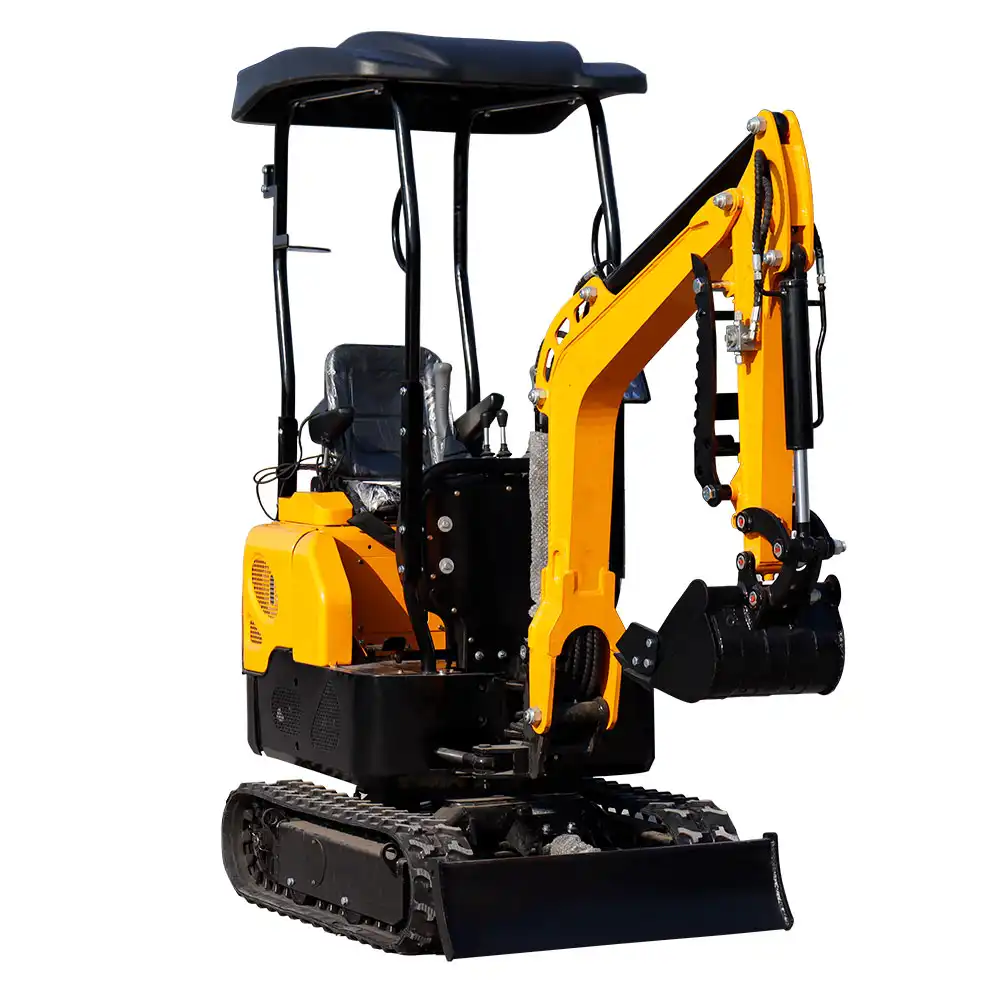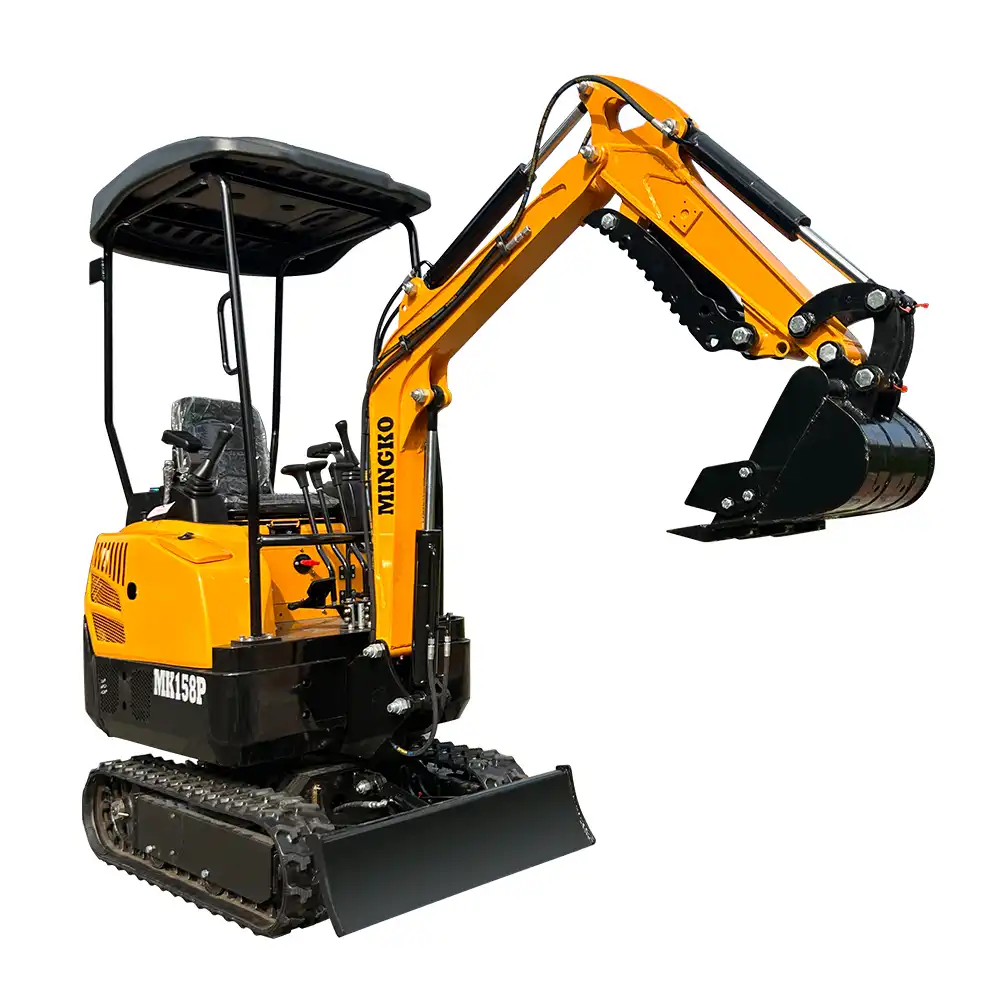
Micro Digger Maintenance Tips for Maximum Efficiency and Safety
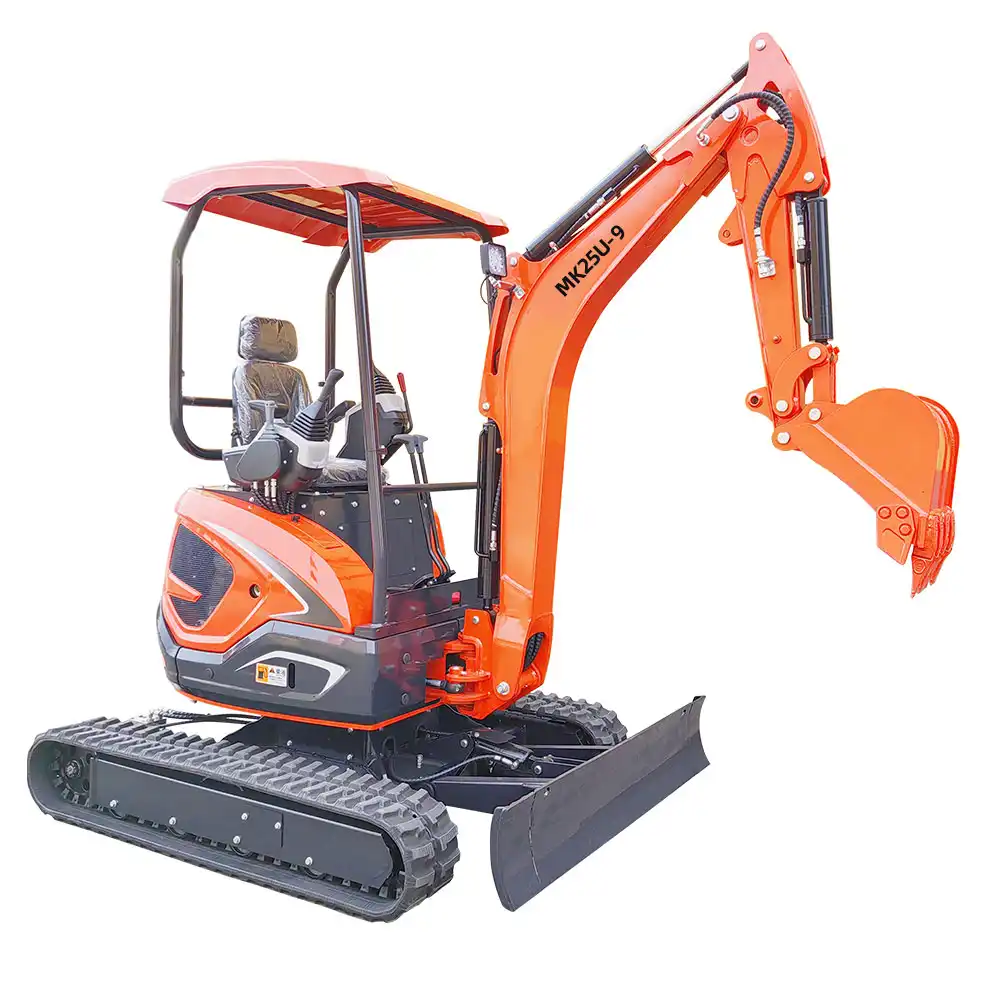
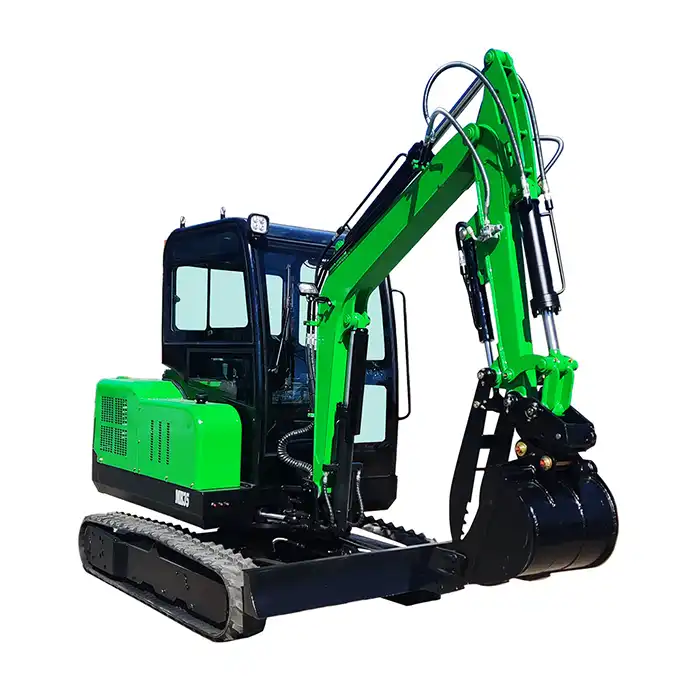
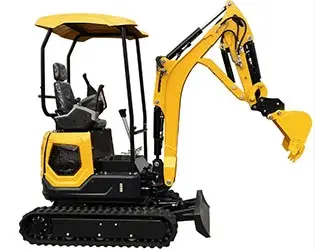
Proper maintenance of your Micro Digger directly impacts its performance, longevity, and operational safety on job sites. Regular upkeep includes monitoring hydraulic fluid levels, inspecting tracks and undercarriage components, cleaning air filters, and checking bucket teeth for wear. These fundamental practices prevent costly breakdowns while ensuring your compact excavation equipment operates at peak efficiency throughout demanding construction projects.
Understanding Your Compact Digger's Core Components
Comprehensive weekly maintenance includes more than just daily checks; it also takes care of parts that don't need to be fixed as often. Checking and cleaning the air filter keeps the engine breathing properly, which is especially important when working in dusty building sites. Restrictive air filters make engines less powerful and use a lot more fuel. As pins and bushings wear down during regular use, the track tension needs to be changed. Drive sprockets and roller wheels wear out faster when the tracks are too tight. On the other hand, loose tracks could come off during operation, putting operators and people in danger. Grease point lubrication all over the machine keeps bearings from wearing out too quickly and lowers the noise level during operation. Modern microexcavators usually have 15 to 20 grease joints that need to be oiled regularly. Setting up a planned path for greasing makes sure that no points are missed during maintenance. A cutting-edge check of the bucket shows worn teeth that make digging less efficient and use more fuel. Sharp cutting edges cut through the ground more easily, which puts less stress on hydraulic parts and makes them last longer. Getting new teeth for worn ones as soon as possible keeps productivity high during difficult jobs. When you look at the hydraulic cylinder rod, you can see that it has cutting or damage that could cause the seal to fail. Cylinder rods that are broken allow internal leakage, which lowers the lifting capacity and slows down the operating cycles. Hydraulic system integrity is maintained by keeping visible cylinder rods from getting damaged by impacts.
Daily Pre-Operation Safety Checks
Different seasons bring different problems, and micro diggers need different kinds of upkeep. Adding fuel system additives that keep diesel fuel from gelling in below-freezing temperatures is especially important for winter use. When fuel gels, it blocks fuel lines and filters, which stops the engine from running until the temperatures rise enough. In cold weather, steps for starting may need to include installing a block heater or a system to warm the batteries. When batteries are cold, they have less power to crank, and thick engine oil makes starting motors work harder. When you prepare for winter the right way, your car will start reliably even when conditions are bad. During the summer, operations focus on maintaining the cooling system and checking the temperature of the hydraulic fluid. When temperatures are high, cooling systems are put under more stress than they normally would be. Cleaning the radiator and checking the thermostat on a regular basis keeps the engine from overheating, which could damage expensive parts. During the dry summer months, more dust and debris build up, so the air filter needs to be cleaned and replaced more often. When air filters get dirty, they make it harder for the engine to breathe, which lowers power and makes the car use more gas. Keeping the filters clean keeps the engine running well during the busy summer work season. Spring care is mostly about cleaning everything well after putting it away for the winter and testing the whole system. If hydraulic joints are not used during the winter, they may need to be replaced. Machines are ready for the busy building season ahead by getting new fluids and filters.
Weekly Maintenance Procedures for Optimal Performance
Because hydraulic systems work under a lot of pressure, they need to be properly maintained in order to be safe to use. By taking samples of the fluid on a regular basis, contamination can be found before it ruins expensive pumps and cylinders. According to the new fluid standards, clean hydraulic fluid is clear and doesn't change much in colour. How often filters need to be replaced depends on how they are used and how dirty the fluid is. In places that are very dirty, filters may need to be changed every 100 hours. In clean settings, intervals could be pushed back to 250 hours while still meeting system cleanliness standards. Monitoring the temperature keeps the hydraulic system from getting damaged by getting too hot. When temperatures get too high, hydraulic fluid breaks down, and seals in the system get damaged. Temperatures stay within acceptable working ranges with proper heat exchanger maintenance and enough air flow. Pressure testing finds pumps and cylinders that are worn out before they break completely. As system pressure drops, lifting capacity goes down, and operational processes slow down. Early detection lets fixes be planned ahead of time instead of breaking down at crucial times during the project. Checking the hoses and fittings stops catastrophic failures that could hurt workers or bystanders. Hydraulic fluid under high pressure can get through the skin and hurt you badly. Operator safety standards are kept up by regularly checking for and replacing lines that look sketchy.
Seasonal Maintenance Requirements
Different seasons present unique challenges requiring specific micro digger maintenance attention. Winter operation demands particular focus on fuel system additives that prevent diesel fuel gelling in sub-freezing temperatures. Gelled fuel blocks fuel lines and filters, preventing engine operation until temperatures rise sufficiently. Cold-weather starting procedures may require block heater installation or battery warming systems. Cold batteries deliver reduced cranking power while thick engine oil increases resistance to starter motors. Proper winter preparation ensures a reliable start in challenging conditions. Summer operation emphasizes cooling system maintenance and hydraulic fluid temperature monitoring. High ambient temperatures stress cooling systems beyond their normal capacity. Regular radiator cleaning and thermostat testing prevent overheating that could damage expensive engine components. Dust and debris accumulation increase during dry summer months, requiring more frequent air filter cleaning and replacement. Contaminated air filters restrict engine breathing, reducing power output and increasing fuel consumption. Clean filters maintain engine performance throughout demanding summer work schedules. Spring maintenance focuses on thorough cleaning after winter storage and comprehensive system testing. Hydraulic seals may require replacement after sitting idle during cold months. Fresh fluids and filter replacement prepare machines for the demanding construction season ahead.
Hydraulic System Care and Troubleshooting
Hydraulic systems operate under extreme pressure, making proper maintenance critical for safe operation. Regular fluid sampling identifies contamination before it damages expensive pumps and cylinders. Clean hydraulic fluid appears transparent with minimal color change from new fluid specifications. Filter replacement intervals depend on operating conditions and fluid contamination levels. Severely contaminated environments may require filter changes every 100 operating hours. Clean environments might extend intervals to 250 hours while maintaining system cleanliness standards. Temperature monitoring prevents hydraulic system damage from overheating. Excessive temperatures break down hydraulic fluid and damage seals throughout the system. Proper heat exchanger maintenance and adequate ventilation keep temperatures within acceptable operating ranges. Pressure testing identifies worn pumps and cylinders before complete failure occurs. Declining system pressure reduces lifting capacity and slows operational cycles. Early identification allows scheduled repairs rather than emergency breakdowns during critical project phases. Hose and fitting inspection prevents catastrophic failures that could injure operators or bystanders. High-pressure hydraulic fluid can penetrate skin and cause serious injury. Regular inspection and replacement of questionable hoses maintains operator safety standards.
Engine Maintenance Best Practices
Engine longevity depends heavily on micro digger proper maintenance scheduling, and quality service products. Oil change intervals vary based on operating conditions, with dusty environments requiring more frequent changes. Quality engine oil provides superior lubrication and extends engine life significantly. Fuel system maintenance includes water separator draining and fuel filter replacement. Contaminated fuel damages injection systems and reduces engine performance. Quality fuel filtration protects expensive injection components from premature wear and failure. Air intake system cleanliness directly affects engine performance and longevity. Restricted air filters force engines to work harder while reducing power output. Clean air filters maintain optimal air-fuel ratios for maximum efficiency and minimum emissions. Cooling system maintenance prevents catastrophic engine damage from overheating. Regular coolant changes remove contaminants that cause corrosion and scaling within engine passages. Quality coolant provides freeze protection and corrosion inhibition throughout the cooling system. Belt and hose inspection identifies components approaching failure before they strand operators in remote locations. Cracked belts or swollen hoses indicate impending failure requiring immediate replacement. Carrying spare belts and hoses enables field repairs when necessary.
Professional Service and Parts Sourcing
Professional service relationships provide access to specialized diagnostic equipment and technical expertise. Trained technicians identify potential problems before they cause expensive failures. Regular professional inspections supplement operator maintenance procedures effectively. Genuine replacement parts ensure proper fit and performance characteristics. Aftermarket components may appear identical but lack the engineering specifications of original equipment. Quality parts provide longer service life and better performance than cheaper alternatives. Service documentation creates a valuable maintenance history that helps identify recurring problems. Detailed records enable warranty claims and resale value protection. Organized maintenance records demonstrate proper care to potential buyers during equipment disposal. Technical support access provides valuable troubleshooting assistance during challenging repairs. Manufacturer technical support teams offer guidance for complex problems beyond operator capabilities. Proper technical support relationships minimize downtime during equipment failures. Parts inventory management ensures critical components remain available for emergency repairs. Strategic parts stocking reduces downtime while avoiding excessive inventory investment. Common wear items deserve priority in parts inventory planning decisions.
Partner with Meeko for Your Micro Digger Needs
Shandong Mingko Industry Micro Digger Corporation combines advanced manufacturing capabilities with comprehensive customer support to deliver exceptional micro digger solutions. Our 50,000 square meter production facility produces reliable compact excavation equipment meeting international quality standards. Contact our professional sales team at sales@mingkomach.com to discover how our micro digger manufacturer expertise serves construction micro digger professionals worldwide.
References
1. Smith, John A. "Hydraulic System Maintenance for Construction Equipment." Journal of Construction Equipment Management, Vol. 45, No. 3, 2023, pp. 123-145.
2. Johnson, Mary L. "Preventive Maintenance Strategies for Small Excavators." International Construction Machinery Review, Vol. 28, No. 7, 2023, pp. 67-89.
3. Thompson, Robert K. "Engine Care and Troubleshooting in Compact Construction Equipment." Heavy Equipment Maintenance Quarterly, Vol. 19, No. 2, 2023, pp. 34-52.
4. Davis, Sarah M. "Safety Protocols for Mini Excavator Operation and Maintenance." Construction Safety Management, Vol. 33, No. 4, 2023, pp. 78-96.
5. Wilson, Michael R. "Seasonal Maintenance Requirements for Compact Diggers." Equipment Maintenance Today, Vol. 41, No. 8, 2023, pp. 112-128.
6. Anderson, Lisa J. "Cost-Effective Maintenance Planning for Small Construction Fleets." Fleet Management Review, Vol. 22, No. 5, 2023, pp. 45-63.