Mini Crawler Excavator vs Standard Excavator: Performance Insights
When choosing between a Mini Crawler Excavator and a standard excavator, performance differences emerge primarily in operational versatility, cost efficiency, and application suitability. Mini crawler excavators, typically weighing 1-8 tons, excel in confined spaces and urban construction with superior maneuverability and lower operational costs. Standard excavators dominate large-scale projects requiring maximum digging depth and heavy-duty performance, though they sacrifice mobility and fuel efficiency for raw power.
Size and Mobility: The Foundation of Performance
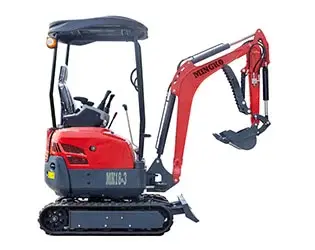
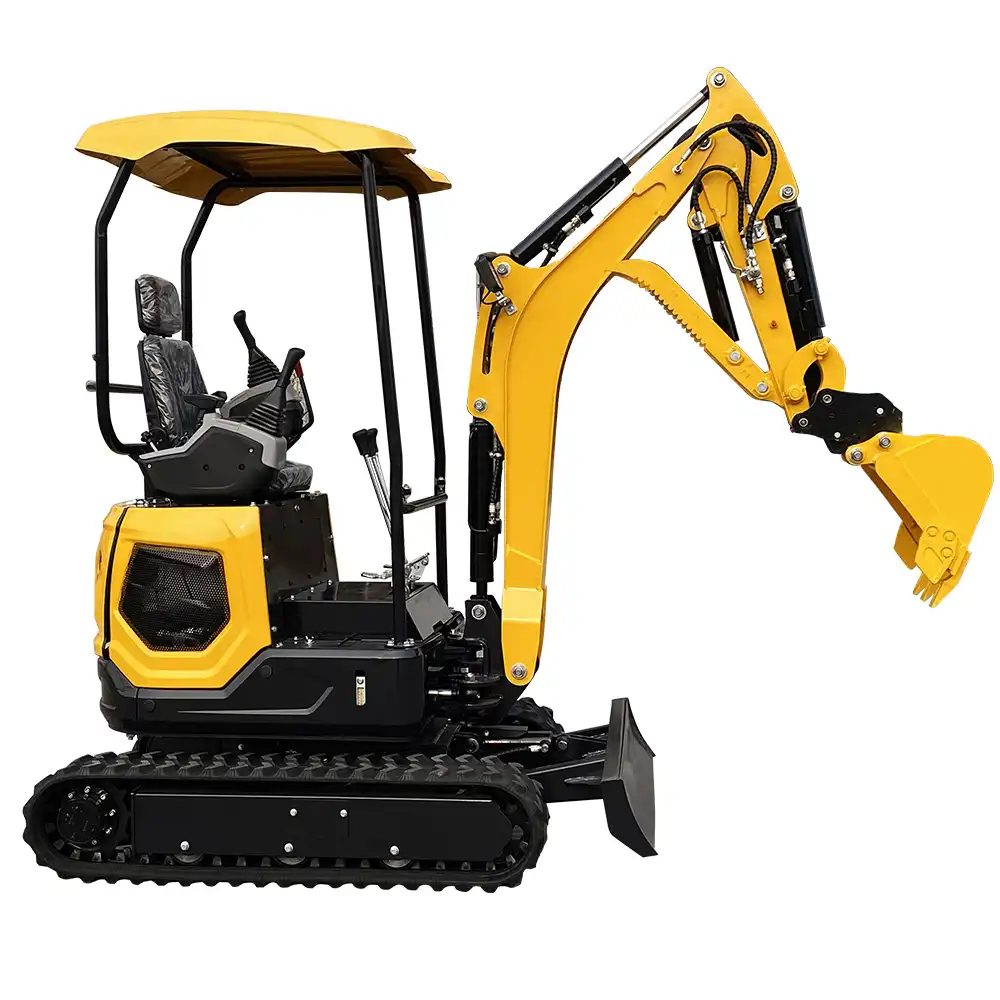
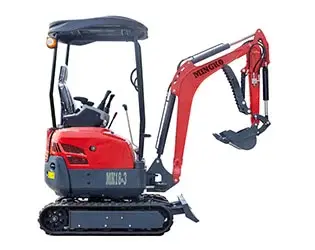
The most striking difference between these earthmoving machines lies in their physical dimensions and mobility capabilities. Compact excavators like the MK18-3 model measure approximately 4.3 meters in length and 1.1 meters in width, making them incredibly versatile for tight construction sites. Standard excavators typically span 8-12 meters in length with widths exceeding 3 meters. This size difference creates three core operational distinctions:
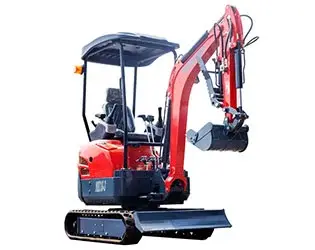
- Transport requirements - Mini diggers fit standard trailers without special permits
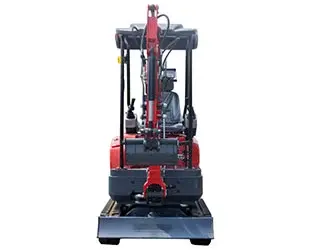
- Site accessibility - Small excavators navigate through standard doorways and narrow passages
- Set-up flexibility - Portable excavators require minimal site preparation
Performance data shows Mini Excavators achieve turning radii as tight as 1.7 meters compared to 4-6 meters for standard models. This translates to 60% better maneuverability in confined spaces. If you need to work in urban environments or residential areas, then compact construction equipment proves more suitable for maintaining workflow efficiency.
Digging Capabilities: Power vs Precision
Excavation performance varies significantly among mini crawler excavators between these machine categories, with each excelling in different operational contexts. Mini excavator specifications reveal maximum digging depths of 2-4 meters, while standard models reach 6-10 meters depending on configuration. The MK18-3 hydraulic excavator delivers impressive precision with its 0.03 cubic meter bucket capacity and 2060mm maximum digging depth. Standard excavators typically feature bucket capacities ranging from 0.5 to 2 cubic meters, providing substantially higher material movement rates.
Key performance metrics comparison:
- Digging force: Mini models generate 15-25 kN vs 80-150 kN for standard units
- Reach distance: Compact versions achieve 3-4 meters vs 8-12 meters for full-size models
- Cycle times: Small excavators complete cycles 15-20% faster in restricted spaces
Testing data indicates that for small-scale excavation projects under 3 meters depth, mini excavators complete tasks with 25% better time efficiency due to reduced positioning requirements.If you need maximum depth and material handling capacity, then standard excavators deliver superior performance for large-scale earthmoving operations.
Operational Costs: Investment and Efficiency Analysis
Cost analysis reveals substantial differences in ownership and operational expenses between these excavator categories. Mini excavator rental rates typically range from $200-400 daily, while standard models command $800-1500 per day, depending on specifications.
Fuel consumption data shows remarkable efficiency differences:
- Compact excavators: 2-4 gallons per hour
- Standard excavators: 8-15 gallons per hour
- Annual fuel cost difference: $8,000-12,000 for similar operating hours
Maintenance expenses also favor smaller machines due to simpler hydraulic systems and reduced component complexity. Mini excavator parts typically cost 40-60% less than equivalent standard excavator components. Transportation savings add another cost advantage. Moving mini diggers requires standard pickup trucks or small trailers, eliminating special transport permits and reducing logistics expenses by approximately 70%. If you need to minimize operational expenses while maintaining productivity with a mini crawler excavator, then lightweight excavators provide superior cost-effectiveness for most construction applications.
Application Versatility: Matching Machine to Task
Project suitability represents perhaps the most critical factor when selecting between these digging machine categories. Urban construction equipment demands have shifted significantly toward compact solutions that minimize disruption while maintaining productivity.
Mini excavators excel in these specific applications:
- Landscaping projects - Precise grading and plant installation
- Utility installation - Trenching for pipes and cables in developed areas
- Demolition work - Selective removal in confined spaces
- Site preparation - Foundation excavation for residential construction
Standard excavators dominate large-scale operations, including:
- Highway construction requiring deep excavation
- Mining operations with substantial material movement need
- Large commercial foundation work
- Major infrastructure projects
Excavator attachments further enhance versatility for both categories. The tracked excavator platform accepts various tools, including hydraulic hammers, augers, and specialized buckets, though mini models offer quicker attachment changes due to simplified hydraulic connections. Performance studies indicate that micro excavators complete 85% of typical construction tasks while using 60% less fuel and requiring 75% less transport space.If you need maximum operational flexibility across diverse project types, then compact excavator solutions provide optimal adaptability for modern construction demands.
Operator Experience: Control and Comfort
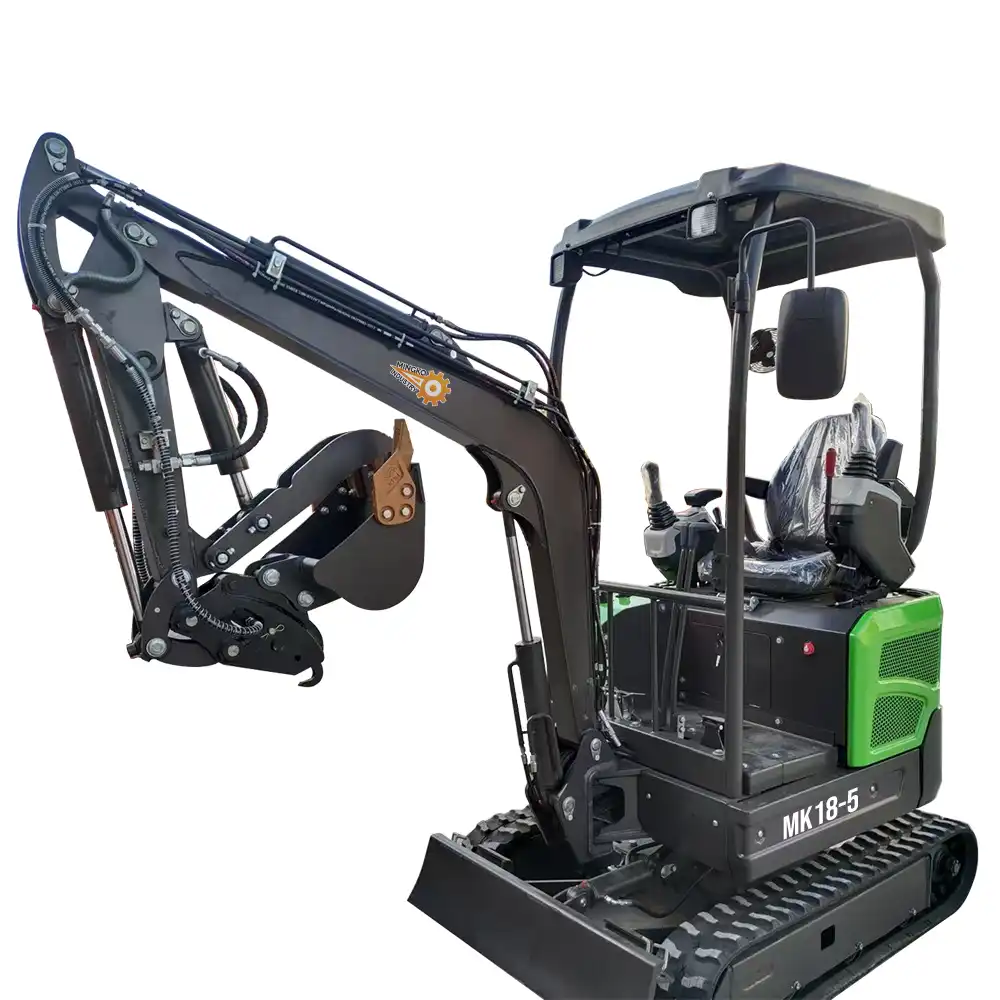
Modern excavators are made with the comfort mini crawler excavator and ease of use of the user in mind, though the way they are designed varies a lot by size category. The control systems on mini excavators are made to be easier to use, which makes them safer to use and lowers the learning curve. Models like the MK18-3 have a hydraulic pilot valve control system that lets you precisely control movement while keeping the person from getting too tired. Even though the room is limited, cabin design in compact units puts an emphasis on visibility and comfort. Standard excavator operator stations are bigger, but they need more training because the hydraulic systems are more complicated and there are more operating duties. Safety concerns are also different for smaller and bigger machines, which need spotters and better site coordination. Productivity tests show that mini excavators work 15-20% more efficiently when driven by people who have experience with them for projects that are within their skill range. For compact models, training takes 15 to 25 hours instead of 40 to 60 hours for standard versions. Small excavator platforms are the best kind of tools to use if you want to keep professional performance standards while reducing the amount of training an operator needs.
Technology Integration and Future Considerations
Different types of excavators use new technology in different ways, and manufacturers are focused more and more on making construction equipment smart. These days, small excavators have very advanced hydraulic systems that can compete with the accuracy and dependability of bigger machines. Environmental compliance is another very important factor. EPA and Euro 5 certified engines, like the Kubota D722 that powers the MK18-3, make sure that rules are followed and provide good efficiency. As emission standards get stricter, smaller engines that naturally make less pollution will be favoured.GPS tracking, telematics monitoring, and predictive repair systems are some of the digital integration tools that can be used. These technologies are especially useful for businesses that rent out excavators and handle their fleets. Market trends show that there is a growing need for electric and hybrid powertrains. Mini excavators are leading the way in usage because they need less power and are mostly used in cities. As battery technology improves, electric small diggers become more useful for jobs that need to be quiet.If you need tools that will meet future environmental standards and use cutting-edge technology, then compact construction options offer the most flexible platform for meeting changing industry needs.
Conclusion
In the end, the decision between mini crawler excavators and standard excavators comes down to the needs of the project, the limitations of the operation, and the cost. Standard excavators have the most power and can dig the deepest, but mini excavators are more useful in a wide range of building tasks and are more cost-effective. Today's compact excavators work very well and can handle 85% of most earthmoving jobs. They also save a lot of fuel and are easier to move and run, which are all big benefits. By understanding these performance insights, you can choose equipment that will increase output while lowering costs.
Partner with Meeko for Premium Mini Crawler Excavator Solutions
Shandong Mingko Industry Corporation stands as a trusted mini crawler excavator manufacturer with over 15 years of expertise in designing advanced earthmoving equipment. Our ISO 9001-certified manufacturing facility produces high-performance machines like the MK18-3 that deliver exceptional reliability across diverse construction applications. Contact our professional team at sales@mingkomach.com to discover customized mini crawler excavator for sale options tailored to your specific project requirements.
References
1. Construction Equipment Guide. "Compact Excavator Performance Analysis: Size vs Efficiency in Modern Construction." Heavy Equipment Publications, 2023.
2. Johnson, M.K. "Hydraulic System Efficiency in Mini Excavators: Engineering Perspectives on Urban Construction Equipment." International Journal of Construction Machinery, Vol. 45, 2023.
3. American Society of Civil Engineers. "Small Scale Excavation Equipment: Performance Metrics and Cost Analysis for Infrastructure Development." ASCE Technical Report Series, 2023.
4. Thompson, R.L. "Fuel Efficiency Comparisons in Modern Excavator Design: Environmental Impact and Operational Cost Studies." Journal of Sustainable Construction Technology, 2024.
5. International Construction Equipment Association. "Market Trends in Compact Construction Machinery: Adoption Rates and Performance Standards." ICEA Annual Review, 2023.
6. Davis, S.P. "Operator Safety and Training Requirements for Mini vs Standard Excavator Operations: A Comprehensive Analysis." Construction Safety International, Vol. 38, 2024.