Mini Bagger Excavator Buying Guide: What Should You Know?
If you're thinking about buying a Mini Bagger Excavator for your farming, building, or gardening jobs, you need to know the most important things that will affect your choice. When it comes to cost and flexibility, these small powerhouses are hard to beat. They can handle the work of five adults while still meeting international emission standards. With engines from reputable names like Kubota and Briggs & Stratton that produce 13 to 20 horsepower, these machines are a smart investment for jobs that need to dig, drill, and grade efficiently in tight areas where bigger machines can't work well.
Understanding Mini Bagger Excavators: Key Specs and Functional Uses
Defining Core Specifications and Weight Classes
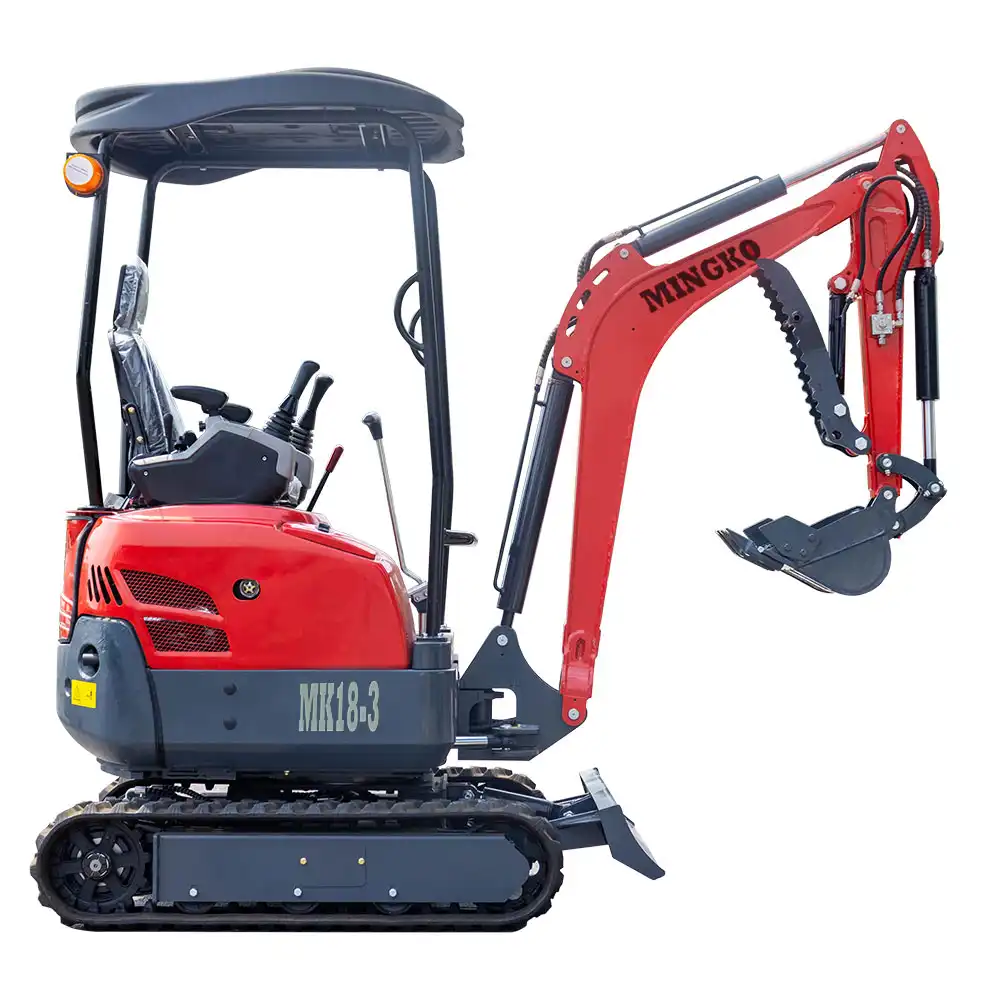
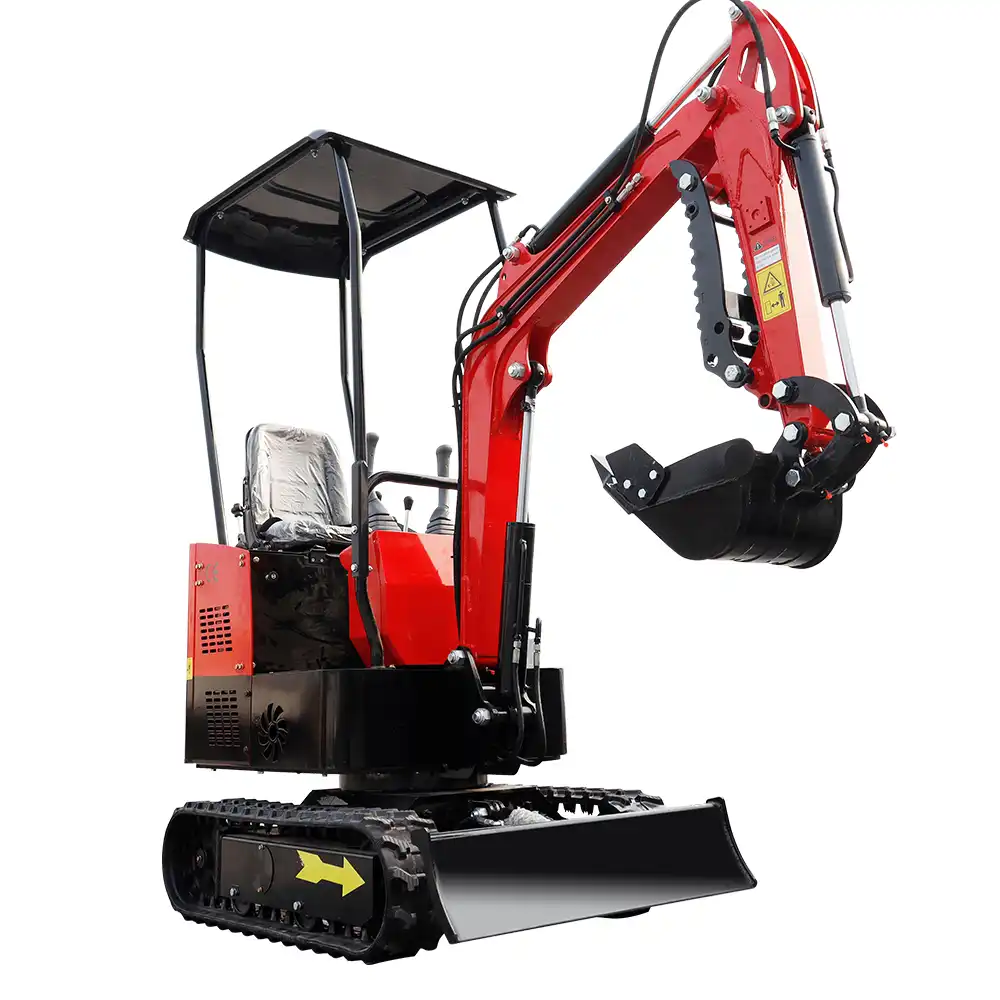
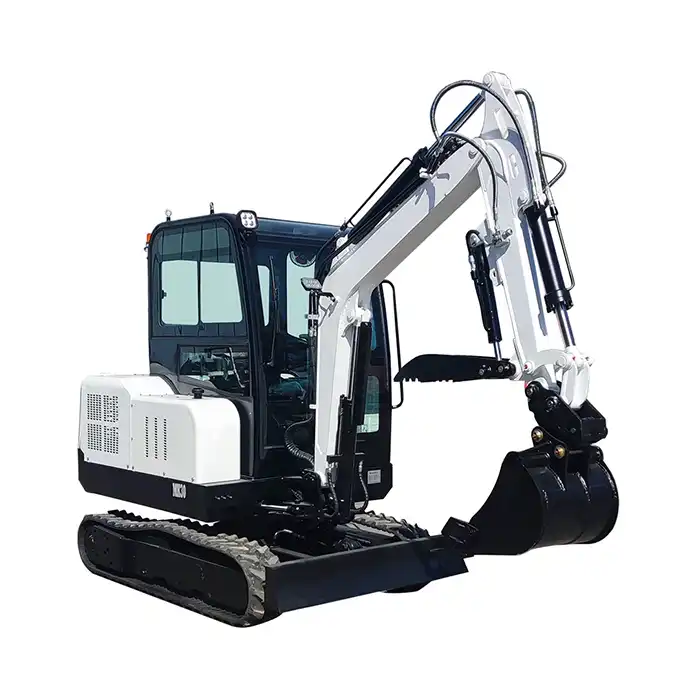
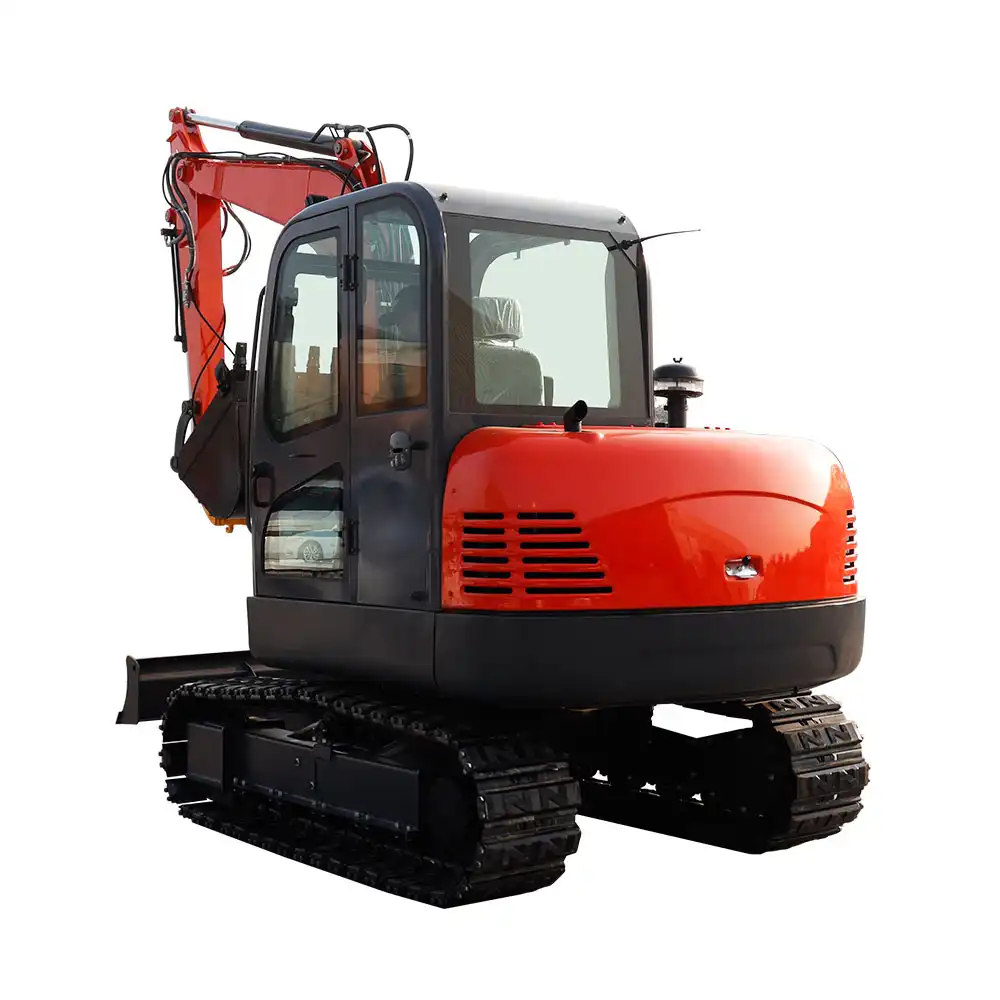
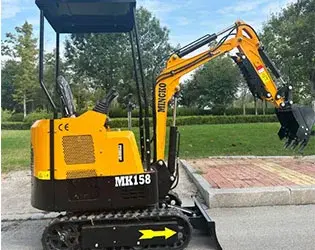
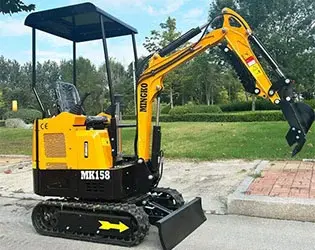
In the small category, compact excavators usually weigh between 1 and 3 tons. The MK158, for example, weighs about 1,500 kilograms. This weight category affects how easily and quickly things can be moved and used on different job sites. The size of the machine is very important. These units, which are 2,550 mm long, 940 mm wide, and 1,380 mm high, can go through normal home gates and small business alleys that regular excavators can't.
Engine Types and Hydraulic Performance
Modern small excavation equipment has air-cooled, two-cylinder engines that have displacements between 0.794L and 1.5L and estimated power levels of 14kW to 20kW at 3,000 rpm. The hydraulic systems allow for precise control of digging tasks. The buckets can hold up to 120 kilograms and can hold about 0.025 cubic meters of dirt. This hydraulic efficiency directly transfers into fuel economy, which is a very important thing to think about when figuring out how much it costs to run multiple project rounds throughout the year.
Versatile Applications Across Industries
These tools can be used for a lot of different jobs, not just digging holes. Contractors in the gardening business use them to do thorough grading work, plant trees, and dig irrigation trenches without hurting the grass or hardscapes around them. They are used by urban building teams to prepare the foundations of homes on small lots where bigger tools can't go because of access issues. They can clear land, dig drainage pathways, and get areas ready for irrigation systems, which is useful for farming. They are hired by city utility offices to fix sewer lines, dig trenches for electrical cables, and do street maintenance work while causing as little traffic as possible.
These different uses show why buying teams are asking for compact excavation options more and more. Because it is operationally flexible, a single unit can replace a number of specialized tools. This cuts down on the cost of keeping equipment in stock while increasing usage rates. Environmental responsibility is also becoming more important in buying choices. Engines that meet EPA and CE emission standards help businesses meet regulations while also lowering their carbon footprint.
Comparing Mini Bagger Excavators: Making the Right Choice for Your Needs
Equipment Class Comparisons and Site Suitability
When deciding between Mini Bagger Excavator compact excavators and other types of tools like skid steers, you need to look at the specifics of the job. With a maximum digging depth of about 1,650 mm and a vertical reach of 1,800 mm, excavators are great for vertical digging jobs. Their tracked base makes them more stable on hills and uneven ground where wheeled equipment has trouble. The minimum rotation radius of 1,330 mm allows for accurate placement in small spaces, and the maximum ground-level digging radius of 2,850 mm creates a useful work area that doesn't require constant repositioning.
Power Source Trade-offs: Diesel Versus Alternative Fuels
Diesel-powered units are the most popular type of small digger because they have high torque and are easy to find fuel for. These engines keep their power output constant even when the load changes, so they can keep working for long periods of time. Diesel systems have well-established maintenance schedules, and service networks make parts and professional help easy to find.
Affordable Models Under 3 Tons: Cost-Benefit Analysis
Compact crushers that weigh less than 3 tons are great for small businesses and homeowners who are in charge of a lot of light-duty jobs. The price runs from $15,000 to $35,000, based on the features and extras that come with it. When looking at return on investment, keep in mind that one unit can do the work of five people digging, which cuts project times and labor costs by a huge amount.
Attachment Options and Customization Capabilities
Adding extensions that increase operating capabilities makes the best use of tools for a wide range of project types. Standard mining buckets are good for general digging jobs, while rock buckets with strengthened construction are better for working with broken stone and hardpan soils. Utility ditches can be dug more quickly and efficiently with ditching buckets that have an extended depth. For making holes for posts, putting up fences, and digging foundation piers, hydraulic augers can be attached fast. With the help of breaker accessories, the excavator can be used to break up concrete, remove old slabs, or crack big rocks. Ripper extensions can break through frozen ground and packed soils that are hard for regular buckets to dig through. Adding thumb grabs to your toolbox lets you move debris, place garden rocks, or fill truck beds with demolition debris.
Procurement Essentials: How to Buy, Lease, or Rent Mini Bagger Excavators
New Equipment Versus Pre-Owned Acquisitions
When you buy a new small excavator, you get a full guarantee that usually lasts for 12 months or 1,000 working hours. Manufacturers like Shandong Mingko Industry Corporation stand behind their products with full parts and labor warranties. This way, you won't have to worry about unexpected repair costs during the important first few years of ownership. New equipment has the newest engine technology, so it meets current pollution standards and may be eligible for tax breaks or depreciation benefits. The documented service history starts when you buy the item and includes repair records that help the item's resale value when it's time to upgrade.
Used equipment requires less money up front, which makes it appealing to new businesses or companies that want to see how the market responds to new equipment before making a big investment. But it's important to do a full check before buying. This includes looking at the state of the undercarriage, the numbers on the hour meter, and any maintenance records. Buying from approved dealers gives you some peace of mind about the state of the equipment, and they usually offer limited warranties on major parts. Because older units may not have maker support, it may be harder to find parts and get professional help. This could lead to higher downtime costs that cancel out any savings made at first.
Sourcing Channels and Dealer Network Evaluation
Authorized dealers are the safest way to buy something because they offer warranties backed by the manufacturer, real parts, and service techs taught by the maker. These sellers keep a stock of common wear parts on hand, which cuts down on downtime when regular maintenance or small fixes are needed. The people who work in their service offices know how to maintain each piece of equipment, so the work is done right, and the guarantee stays valid.
When you buy directly from a manufacturer through a company like Mingko, you get extra benefits, such as factory-direct pricing that gets rid of dealer markups, the ability to customize products to meet your specific needs, and easier communication with engineering teams for technical support. Manufacturers who have been exporting for a while can help buyers outside of their home markets with customs paperwork, shipping handling, and regulatory compliance approval. This makes foreign buying easier for buyers outside of their home markets.
Flexible Financing and Lease Structures
Financing equipment spreads the cost of buying it out over the time that it makes money, keeping operating capital available for ongoing costs and growth plans. When you get a traditional term loan from a bank or credit union, you usually have to put down 10 to 20 percent of the loan amount and pay it back over three to seven years. The interest rates are based on the current market conditions and the borrower's trustworthiness. Making monthly payments turns fixed costs into regular running expenses, which makes managing cash flow and planning budgets easier.
Businesses that want to save money on taxes and have more control over their tools like operating leases. If you set up your accounts in a certain way, your monthly lease payments might be tax-deductible as business costs instead of capital expenditures. Most leases last between two and five years, after which the lessee can buy the property at its residual value, return it, or change to a newer model. This structure works well for contractors who are looking forward to new technologies or who aren't sure what tools they will need in the long run.
Rental Strategies for Project-Specific Requirements
Rental is often a better option than owning for short-term Mini Bagger Excavator projects, especially when special additions are needed for limited uses. Rates for renting compact excavators vary by machine size and market conditions. Daily rates are between $250 and $400, weekly rates are between $800 and $1,200, and monthly rates are between $2,000 and $3,500. Basic insurance is usually included in rental agreements, but renters are still responsible for any damage that goes beyond regular wear and tear.
To get good rental terms, you should ask for discounts for renting for more than one week, group together rentals of more than one piece of equipment, and book during times when rental companies are offering special deals. Figuring out the correct total cost of a job is easier when you know about the delivery and pickup fees, which can add $100 to $300 per movement. Some rental deals let the renter use some of their rental funds to buy the equipment later on, so they can try it out before they buy it.
After-Sales Support and Parts Availability
Premium manufacturers are different from budget providers because they offer full after-sales help. Equipment uptime is directly affected by the supply of parts. Manufacturers who keep a large stock of spare parts ship parts quickly, usually within 24 to 48 hours for popular wear items. During busy building seasons, when equipment breakdowns directly lead to lost income and project delays, this supply chain reliability is very important.
As long as the warranty is still valid, lifetime technical support programs are still useful because they offer advice on how to do upkeep, improve operations, and find missing parts. This ongoing relationship helps tools last as long as possible and fetch the most money when it's time to upgrade fleet assets.
Brand and Supplier Insights: Trusted Manufacturers and Dealers in the Market
Established Global Manufacturers and Market Position
Kubota, Bobcat, Caterpillar, and Volvo have been perfecting their tech for decades and have built global marketing networks that help them sell their machines all over the world. Kubota made a name for itself with reliable diesel engines and small farm equipment before moving on to construction equipment. They applied the same focus on reliability to the design of their excavators. Bobcat was the first company to make compact tools, and North American builders still know the name well. Caterpillar builds on its history of making heavy equipment by having strong building and a large dealer support network. Volvo focuses on driver comfort and fuel economy, which makes it attractive to fleet managers who care about the environment.
Verifying Dealer Authorization and Distribution Networks
Making sure the dealer is approved guards against fake parts, illegal changes, and warranty disagreements. Real dealers keep their contact information up to date on official brand websites and show current maker authorization certificates. Their buildings usually have parts departments, repair bays with technicians who are certified by the maker, and display yards where people can try out equipment before they buy it.
Warranty Coverage and Service Quality Differentiators
For 12 months or 1,000 to 1,500 hours of use, whichever comes first, standard maker guarantees cover flaws in the materials and the work. Premium makers either extend the warranty to 24 months or offer guarantees that only cover certain parts, like three years of coverage for hydraulic pumps or five years of coverage for major weldments in the structure. These extra defenses lower the risk of ownership and show that the maker trusts the product to last.
Practical Procurement Case Study
A medium-sized gardening company in Ohio needed small digging tools for drainage jobs in homes but wasn't sure which brand to buy because of the price difference. The sales team at Mingko did thorough reviews of specifications, helped with customs paperwork, and organized ocean freight to Cleveland. The MK158 model that was supplied met all operating needs and cost 35% less than similar high-end brands. After 18 months and 800 hours of use, the contractor reported no unplanned downtime, routine repair costs below $500, and enough trust to order two more units to grow the fleet. This example shows how careful review of suppliers and clear communication of requirements can lead to good procurement results.
Operation, Maintenance, and Safety: Maximize Your Mini Bagger Excavator Investment
Operator Training and Certification Resources
Proper operator training has a big effect on how long machinery lasts and how productive a job is. Basic operation lessons teach how to start up, get used to, and safely use controls, as well as how to shut down. In intermediate training, operators learn how to change attachments, get ready for transport, and do daily repair chores. In more advanced classes, students learn how to improve efficiency, use complicated excavation methods, and fix common operational problems.
Standardized training programs are offered by groups like the National Center for Building Education and Research (NCCER) through their certification programs. These programs are recognized throughout the building business. These certificates show insurance companies that the operator is qualified, which could lower the liability rates. Manufacturers usually give out user guides that have thorough instructions on how to use the controls, capacity charts, and step-by-step instructions that are specific to each model. Online video lessons go along with written materials because they show you how to do things correctly.
Structured Maintenance Programs and Service Intervals
Preventive maintenance for the Mini Bagger Excavator makes tools last longer and reduces the number of breakdowns that happen without warning. As part of the daily pre-operation checks, the engine oil level, coolant level, hydraulic fluid level, track tightness, and the look for leaks, damage, or loose bolts are all checked visually. After the first 50 hours of use, you should change the oil and filter for the first time because manufacturing waste and early wear particles can get into new fluids and make them dirty.
After that, every 250 hours or three months, the engine oil and filter need to be changed, along with the fuel filter. The air filter needs to be cleaned or replaced, and all the grease spots need to be oiled. Every 500 hours, the hydraulic filter needs to be changed, and the chassis, track wear, and sprocket state need to be checked more carefully. An annual service check includes a thorough check of the hydraulic system, testing of the electrical system, and confirmation of all safety devices, even if the equipment isn't used very often.
Safety Protocols and Regulatory Compliance
Using compact excavators safely keeps workers and onlookers safe and stops accidents and expensive lawsuit claims. By doing thorough site studies before digging, you can find underground utilities, unstable dirt, and dangers above you, like power lines. Electrocution risks can be avoided by keeping a minimum distance of 10 feet from live electrical wires (for lines under 50kV). Setting up "exclusion zones" around working equipment keeps people who aren't supposed to be there away from the swing radius and any possible falling loads.
Individual safety gear needs to include hard hats, safety glasses, steel-toed boots, high-visibility jackets, and hearing protection when working in noisy places. Operators should never get around safety features like seatbelts or equipment lockouts that are meant to keep machines from moving without permission. When moving machines on trucks, using chains or straps that are rated for the weight of the machines will keep them from moving around while they're being moved. Making sure the trailer's capacity is greater than the weight of the tools plus the attachment load keeps towing safe and in line with Department of Transportation rules.
Conclusion
When choosing the right small excavation tools, you have to think about the technical specs, the working needs, your budget, and how reliable the provider is. Mini Bagger Excavator units that weigh less than 3 tons are very useful for builders, landscapers, and property managers who need to dig efficiently in tight areas. Knowing about the engine's performance, its hydraulic specs, its connection with attachments, and its maintenance needs helps you make smart buying choices that get you the best return on your investment. By looking at makers' quality certifications, production capacity, after-sales support, and ability to make changes, you can find suppliers who can meet the needs of your project and provide ongoing expert help for the life of the equipment.
FAQ
What size compact excavator do I need for residential landscaping projects?
Units that weigh between 1.5 and 2.5 tons are the best mix of strength and maneuverability for most household uses, such as installing drainage, grading the yard, and digging a pool. These machines can get through standard home gates, work on fields without damaging the grass too much, dig deep enough for most utility installations, and can be moved on standard equipment trailers.
How do maintenance costs compare between compact excavators and skid steers?
Most of the time, compact excavators have lower upkeep costs because their mechanical systems are easier and their tracks wear out less quickly than tires. Excavators usually cost $800 to $1,500 a year for upkeep, while skid steers cost $1,200 to $2,000 a year. However, real costs can be higher or lower depending on the conditions of use and how often they are used. Track repair is an excavator's biggest long-term cost; each set costs between $2,500 and $4,000 and needs to be done every 1,500 to 2,500 hours.
Can I import equipment directly from manufacturers in China?
It's easy to buy directly from well-known companies like Mingko as long as you have the right paperwork. Trustworthy providers take care of customs paperwork, offer EPA compliance approval, and set up ocean freight to major U.S. ports. Shipping usually takes 4 to 6 weeks and costs between $1,500 and $3,000, based on where the package is going and the current shipping prices.
Partner with a Trusted Mini Bagger Excavator Manufacturer
Shandong Mingko Industry Corporation can help you with your needs for small excavation tools by offering factory-direct prices, a wide range of customization options, and full service after the sale. Our ISO 9001-certified factory makes 15,000 units a year by using tried-and-true tech and strict quality control. Every small excavator meets EPA and CE emission guidelines, which means that all markets in North America and Europe are in line with the rules. We can customize orders for a single unit, so you can choose the exact attachments, hydraulic setups, and operating features that you need. Our experienced sales team at sales@mingkomach.com is available 24 hours a day, seven days a week to help with all parts of the buying process, from coming up with the first specifications to clearing customs and setting up the equipment. Mingko equipment offers great value and reliable performance for companies looking for a reliable Mini Bagger Excavator provider. It comes with a 12-month warranty and free technical support for life.
References
1. Johnson, M. & Peterson, R. (2022). Compact Construction Equipment: Selection and Operation Guidelines. Construction Industry Press.
2. National Association of Equipment Distributors. (2023). Heavy Equipment Maintenance Best Practices Manual. NAED Technical Publications.
3. Williams, T. (2021). "Total Cost of Ownership Analysis for Compact Excavators," Equipment Management Journal, Vol. 45, No. 3, pp. 78-94.
4. Anderson, K. (2023). Hydraulic Systems in Modern Construction Machinery. Engineering Technology Publishers.
5. Occupational Safety and Health Administration. (2023). Construction Equipment Safety Standards and Compliance Guide. U.S. Department of Labor.
6. Chen, L. & Martinez, S. (2022). "Emission Standards and Fuel Efficiency in Compact Construction Equipment," International Journal of Construction Engineering, Vol. 18, No. 2, pp. 112-128.