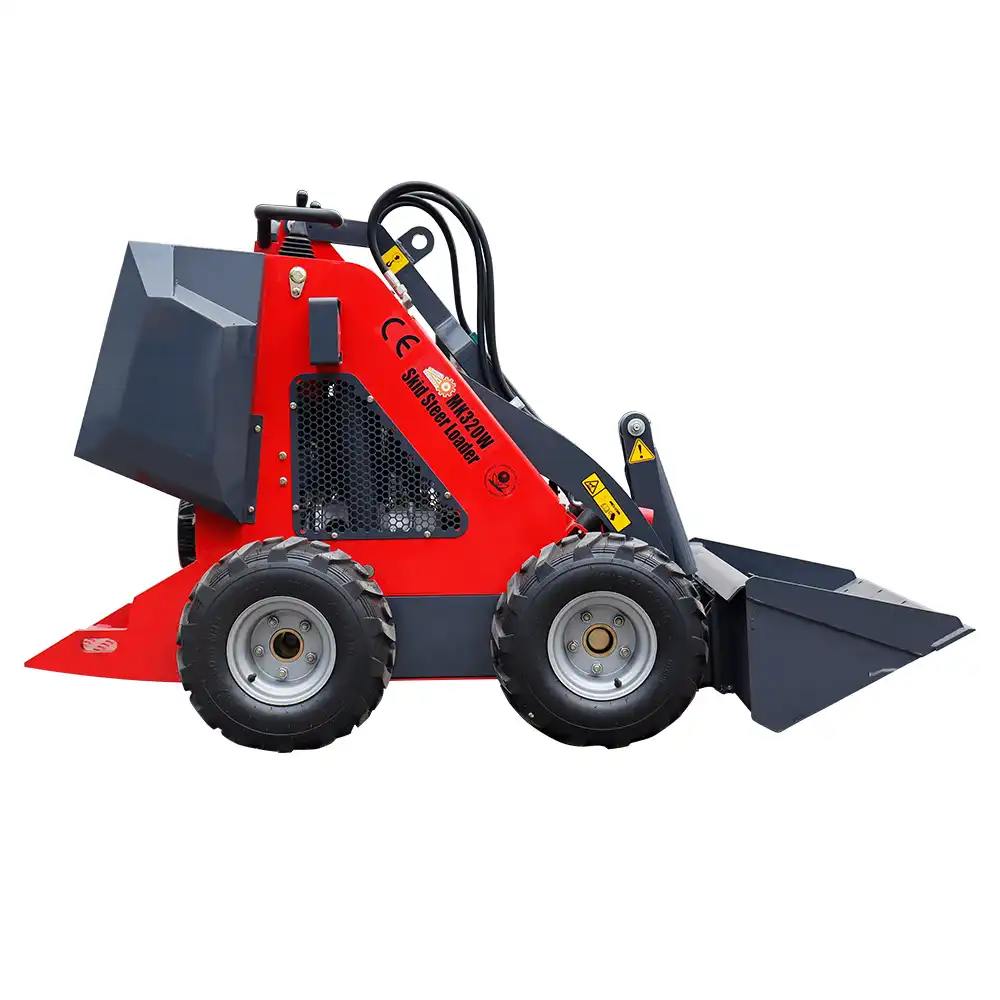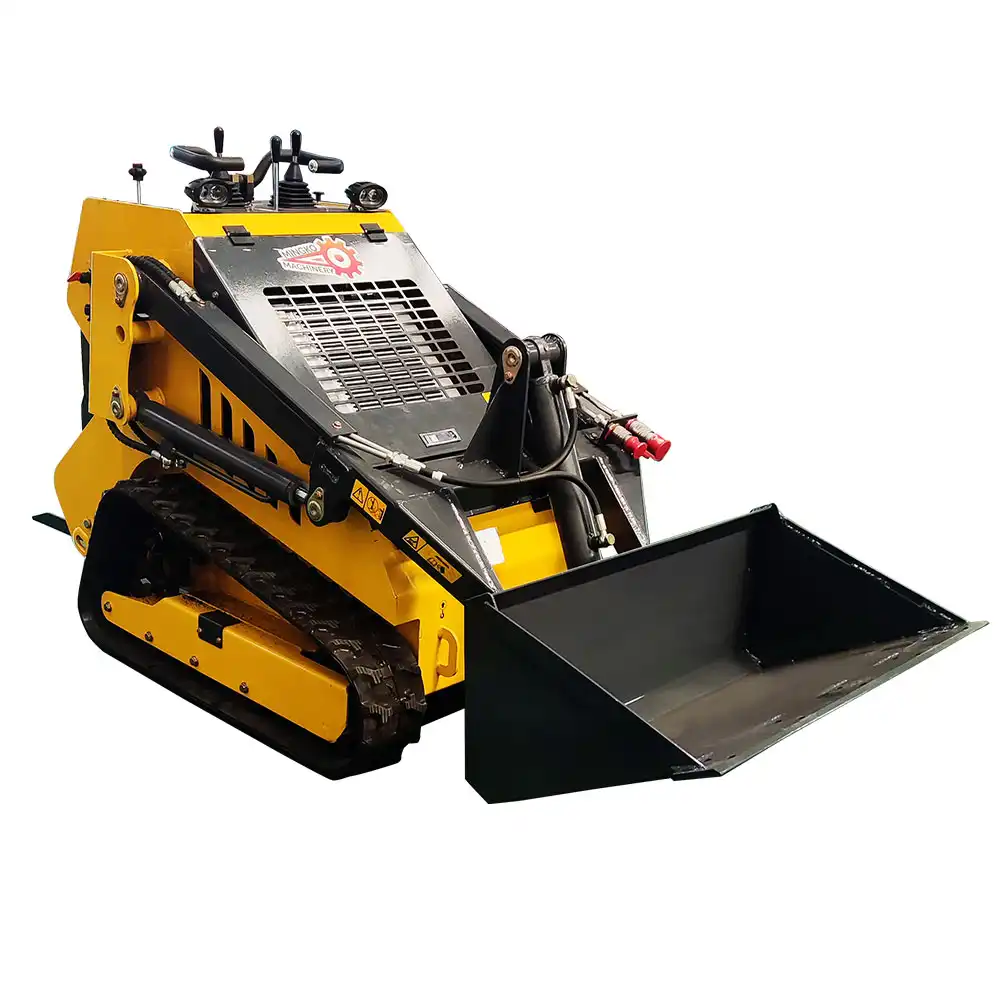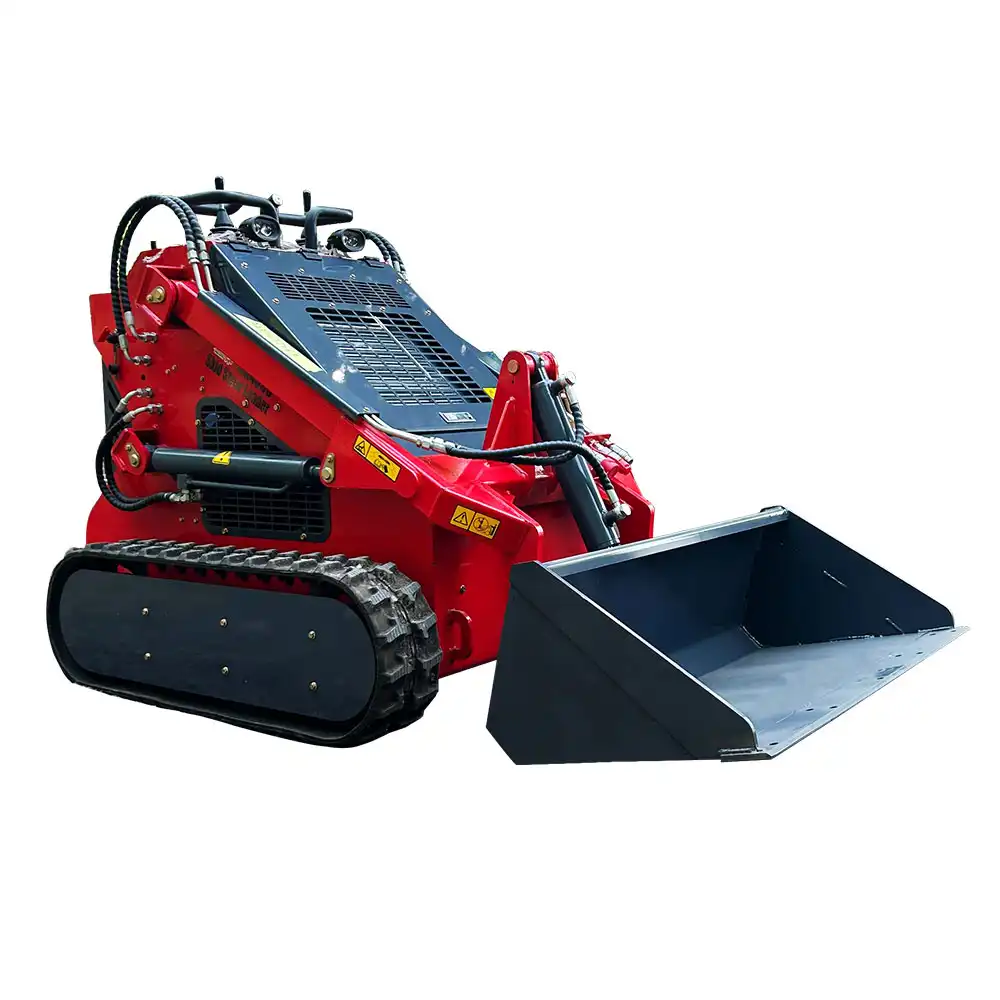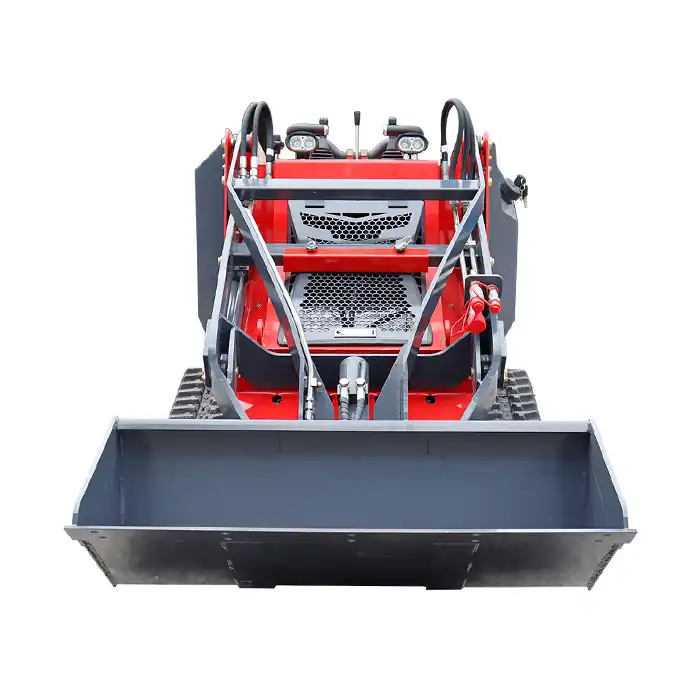
Mini Crawler Excavator Buying Guide: What Should You Know?
If you want to buy a Mini Crawler Excavator for your business, you need to know how to choose one, the technical details, and how trustworthy the seller is. Small moving tools like these are the best for getting work done in tight spaces. You can use them to build, plant, and move things. To make sure your purchase fits the project's needs and has long-term value, you should look at the model's working weight, engine power, digging capacity, and help for the maker.
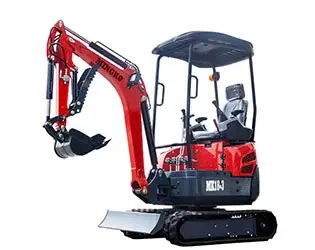
Understanding Mini Crawler Excavators: Basics and Benefits
Mini Crawler Excavators are a new type of construction machine that can work well in small spaces where bigger machines can't. Most of the time, these little tools weigh between 1 and 8 tons. They have fixed wheels that spread the weight out properly, so they can be used on soft or uneven ground without damaging it too much.
Core Design Features That Define Performance
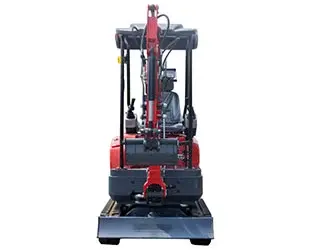
Diesel engines in modern Mini Crawler Excavators give them the right amount of speed and fuel economy. As an example, the Kubota D722 can put out 10.2kw. It is safe on slopes of up to 30 degrees because it is fixed, and the hydraulic pilot valve controls make sure that the boom and bucket move exactly. Most operating lengths are between 1100mm and 1500mm, which means they can go through most gates and narrow streets. The iron plates that make up the balance keep the machine from falling over when it's working at full capacity.
Operational Advantages for B2B Applications
Since these tools speed up the process and cut down on the amount of work that needs to be done by hand, they make projects more useful. Still, a lot less fuel is used than with full-sized excavators. This means that the equipment will cost less to run over its entire life. You can make the machine even more flexible by adding devices like buckets, augers, breakers, and grapples. These add-ons make it possible for a single machine to do many tasks. These excavators are great for business and home projects that need to be eco-friendly because they are light and easy to move around in cities. When equipped with Euro 5 or EPA-compliant engines, they also make very little noise and pollution.
How to Choose the Right Mini Crawler Excavator for Your Business
Compare what the Mini Crawler Excavator can do with what the job needs to be done to pick the right tools. Knowing these alignment factors keeps the specs of your tools and your real-world needs from not aligning, which can cost a lot of money.
Defining Project-Specific Requirements
The first thing you should do when making a choice is to make sure you understand the main uses. For gardening tasks that need more detail, smaller models that are easier to control are generally what you need. For utility placement, on the other hand, you need to dig deeper and use more release forces. When moving things, the most important things are pulling power and reach. For demolition work, on the other hand, you need strong building rigidity and attachment compatibility.
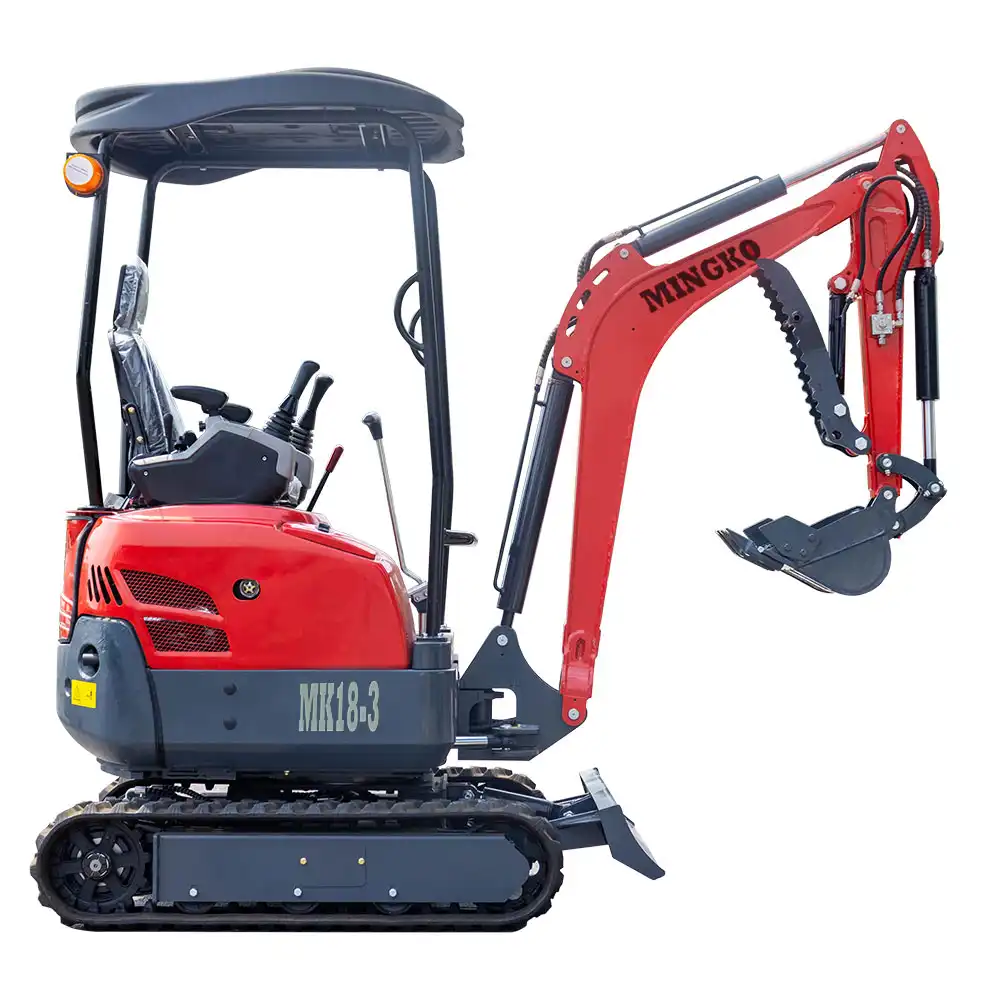
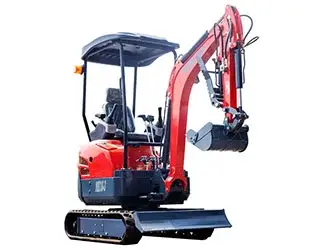
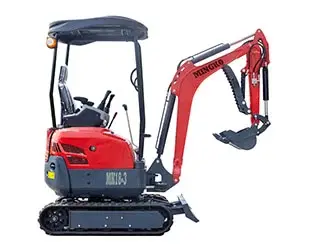
How well a machine works is directly related to its size. With its 1.8-ton weight, the MK18-3 can dig up to 2060 mm deep and lift to 1637 mm high. Because of this, it can be used for digging trenches, foundations, and other general earthmoving tasks. Heavy ones can dig further and with more force, but it's harder to move them around in small spaces.
Technical Specifications That Matter
How fast you go and how well you follow the rules depend on the engine you choose. In the business world, diesel engines are still the norm because they work well and are simple to fix. New engines called Euro 5 and EPA-certified are clean enough to be used in limited markets, especially in cities where environmental rules apply. The amount of power should be right for the job. Too small an engine wastes fuel, and machines that are too big have trouble with heavy materials and long jobs.
Hydraulic systems are what make processes go smoothly and correctly. Controls for pilot valves are more sensitive than mechanical links. This keeps workers from getting tired after long shifts. For example, hydraulic brakes need to be set up in a certain way, so check that the system's pressure and flow rates are right for how the connection will be used.
Comparing Equipment Categories
Knowing what makes a Mini Crawler Excavator different from other tools can help you choose the best tool for the job. Tracked excavators can dig deeper and farther than Skid Steer Loaders, but skid steer loaders move faster and are easier to use. If the ground is smooth, wheeled trucks are easy to move, but crawlers are better for rough or soft ground. Even out the ground, mini dozers work well, but they're not as adaptable as excavators, which can connect many things.
Top Mini Crawler Excavator Brands and Models
On the world market, there are many makers, and each one has its own pros and cons when it comes to getting things. In North America, Caterpillar, Komatsu, and Bobcat are well-known names with lots of dealers that make it easy to get parts. Japanese companies like Kubota, Hitachi, and Yanmar work hard to make engines that work well and don't use a lot of fuel. European companies like JCB know how to combine new ideas with features that make their products easy to use.
Introducing Mingko's MK18-3: Engineered for Value
Small Mini Crawler Excavators have been made by Shandong Mingko Industry Corporation for more than 15 years. They have a modern plant that is 50,000 square meters and is in the Jining Economic Development Zone. If you want to find the best balance between price and usefulness, our MK18-3 type is a great choice.
The MK18-3 can carry up to 1800 kg and has a Kubota D722 engine that is CE-marked and makes 10.2kw. This setup uses little gas while still giving you enough power to do tough jobs. The bucket can hold up to 0.03 cubic meters of dirt, which is enough for everyday digging tasks like farming and digging for utilities. It can be used in a lot of different normal building settings because it can dig as deep as 2060 mm and as high as 2580 mm.
Understanding Pricing and Value Propositions
The machine works quickly and correctly thanks to the settings on the hydraulic pilot valve. This saves the workers from getting tired after long shifts. The two-speed journey method makes it easy and quick to get from one place of work to another. Iron shell counterweights keep things steady when you need to reach far, but they don't add too much weight. The MK18-3 is a good choice for builders, gardeners, and farms that need good performance without spending a lot of money because of these specs.
It varies by brand, size, and features, but most new Mini Crawler Excavators cost between $15,000 and $80,000. It costs more to get a premium name at first, but you can sell it for a profit afterward because it already has a service network. You can get good deals from new companies like Mingko, which sells straight from the factory and uses quality management systems that are approved by ISO 9001.
Maintenance, Safety, and Operational Tips for Longevity and Efficiency
How long the Mini Crawler Excavator lasts and how well it works are directly related to how often it is fixed. Setting up routine repair plans for things keeps them from breaking down and makes them last longer.
Essential Maintenance Protocols
Every day before it's used, the hydraulic system should be checked for fluid amounts, track strain, and general health. It is important to keep an eye on the engine oil, hydraulic fluid, and coolant levels and fix any leaks or pollution right away. Track wear patterns show when parts are out of balance or broken and need to be fixed or changed. It is important to check the grease points often, at least once a day for machines that are used a lot, so that the hinge points and cylinders don't wear out too fast.
As part of regular maintenance, changing the filters is very important. Engine air screens keep dirt and dust from getting into the engine, which speeds up the wear on the inside. The fluids in valves and cylinders last longer when they are clean. This is done by hydraulic filters. Fuel filters keep dirt out of injection systems, which keeps them working well and keeps you from having to pay an awful lot for repairs. If you replace these parts when the maker says to, you can stop problems that keep happening because fluids are dirty or the parts can't move.
With regular professional care, the patient is kept safe, and problems are found before they get too bad. Qualified technicians can look for wear on parts, make changes, and fix parts that are almost out of time. Keeping track of maintenance jobs makes the equipment more valuable when it comes time to sell it and shows that the owner is responsible for it.
Safety Standards and Operator Training
It is very important to have rollover safety structures and falling object guards on tools so that people who are using them stay safe. They should always be easy to reach and work so that the machine can be turned off right away if something goes wrong. All of the machine's features, its weight limits, and the best ways to use it in each operator's place of work need to be taught.
Safety checks are done regularly to make sure that defenses are still in good shape, that hearing aids and alarm systems work as they should. By making standard checklists, you can be sure that each tool will be looked at in the same way. Accidents that put people in danger and mess up project plans can be avoided by taking care of problems right away.
Optimizing Energy Efficiency
Planning how to handle fuel can help lower costs and reach environmental sustainability goals. Engines don't use too much fuel when they are in the right RPM bands for the job. When engines are idle for light work, they lose fuel and don't get any better at what they're doing. Limiting the amount of movement and moving saves energy and keeps parts from wearing out.
There are more and more electric and hybrid types that can be used instead of diesel engines, especially for work that needs to be done inside or in a quiet place. With these powertrains, there is less direct pollution and noise, which makes them better for towns and other protected places. Long-term value ideas are easier to understand when you look at total costs instead of buy prices.
Purchasing and Procurement: Where and How to Buy Mini Crawler Excavators
A very important part of buying things is finding sources you can trust. This is true for more than just getting tools. Manufacturers you can trust will protect your investment by giving you professional help, support, and new parts for as long as the Mini Crawler Excavator lasts.
Evaluating Supplier Credentials and Capabilities
When you're directly connected to a company, you can get lower prices, make changes, and get expert help right away. Because Shandong Mingko Industry Corporation doesn't use brokers or add markups to their prices, they can show how this method works. It shows that you care about quality management systems that make sure workplace standards are always met if you get ISO 9001 approval. Getting the title of National High-Tech Enterprise means that a business can always find new ways to make goods better.
How stable and flexible a source is can be seen by its manufacturing ability. The 50,000-square-meter plant that Mingko uses makes 15,000 units a year, so they always have stock and wait times are reasonable. At the joint production site, there are workshops that are built to work with excavators, loaders, and attachments. This means that you can get all the tools you need from a single place. Over 400 people work in specific areas of logistics, after-sales service, buying, and sales to make sure that all buyers and owners get the help they need.
With global compliance approvals, you can use tools in limited areas. Eco-friendly standards are being met, which is important for companies in North America and Europe that get EPA and CE approvals. To avoid legal issues that could slow down projects or cost a lot to fix, make sure that the right licenses are in place.
Structuring Purchase Agreements
When it comes to the total cost of ownership, warranty terms are very important because they spell out who is responsible for fixing problems that are caused by flaws. When you cover everything for a year, you protect against mistakes in the making process and things breaking early. Knowing what the guarantee doesn't cover (usually things that are worn out or damaged from being misused) makes it easier to do maintenance tasks and make budgets.
Service agreements cover more than just warranties. Some of them are regular repairs, help from experts, and lower prices on parts. These programs help you make a budget and make sure that the people who fix your equipment have been trained by the company that made it. You can tell if these programs are worth the money for your business by comparing the prices of the service deals to how much it will cost to keep them running.
Rental Versus Purchase Considerations
Getting tools delivered and getting help with fitting makes the process easy. You can avoid surprises that cause projects to start later than planned by making sure you know about shipping methods, travel insurance, and delivery times to the end location. With installation help, everything is set up correctly, and the user gets used to the machine right away, which lowers the risk of problems during startup.
When you only need something for a short time or don't need it very often, rental deals that don't tie you down financially in the long run are often better. When you rent, you don't have to worry about maintenance, and you can change the number of tools you have depending on the job. But if you rent something for a long time, the costs can add up quickly and may end up being higher than the cost to buy it.
When the tools are useful enough that they cover the costs of ownership, it makes sense to buy them. Having power over something, being able to change how it works, and increasing its value are all benefits of owning something. To find the most cost-effective option for your needs, all you have to do is compare the number of expected use hours, rental rates, and buy costs.
Conclusion
To pick the best Mini Crawler Excavator, you should think about what you need for work, the technical specs, how reliable the company is, and how much it will cost you to own it. To make sure you have the right tool for the job, you need to know what it can do, like how deep it can dig, how strong its engine is, and whether it can connect to other tools. You can be sure that your investment is safe and that service is easy to get by looking at a manufacturer's quality standards, production capacity, and support infrastructure. Rules about safety, maintenance plans, and ways to save energy all work together to make tools last longer and keep costs low. Before you buy something, you should think about what it will cost you and what it will do for you in the long run. This will keep your business running smoothly and make you money.
FAQ
What is the typical lifespan of a mini crawler excavator with proper maintenance?
Small excavators can work for 8,000 to 12,000 hours before they need major part overhauls if they are well taken care of. In other words, things that are used about 800 hours a year will last between 10 and 15 years. How long something lasts depends on how often it's used, how well it's taken care of, and the weather. Machines that work with rough materials or in harsh temperatures break down more quickly than machines that work in mild conditions and are looked after regularly.
Should I lease or purchase a mini crawler excavator for my business?
It usually makes more financial sense to buy something when you plan to use it for 800 hours a year. This is because the costs of ownership are usually less than the costs of long-term rental. Leasing is a good option for businesses that want to try out tools before buying them, for short-term projects, or during slow times of the year. If you're making a choice, you should think about how you use money, how much money you have access to, and tax issues. Leasing protects your capital and frees you from having to get rid of an item. Buying things makes you rich and lets you make them your own.
How do electric models compare to diesel for heavy-duty applications?
Small electric excavators work best in places that don't want noise and jobs that don't need to make any direct emissions. Batteries can only last 4 to 6 hours with light loads right now. This means that diesel engines are better for heavy-duty jobs that need to be done all the time or for places that don't have charging stations. Electric types have about the same amount of power for most dig jobs, but they cost more and take longer to pay for themselves unless the savings on fuel and emissions make the investment worth it.
Partner with Mingko for Your Compact Excavator Needs
You can rely on Mingko's Mini Crawler Excavators because the company has been making them for 15 years and has quality systems that are ISO 9001 certified. Our MK18-3 model has a powerful Kubota engine, easy-to-use hydraulic controls, and other features that make it useful for building, farming, and gardening. We can offer low factory prices, customization for as few as one unit, and expert support 24 hours a day, seven days a week at sales@mingkomach.com because we make machines ourselves. Your investment will be safe and ready to use for a long time thanks to full 12-month guarantees and free expert help for life. You can get the best deal on the tools you need from Mingko because they make them well and care about their customers.
References
1. Construction Equipment Guide. (2024). "Compact Excavator Market Analysis and Selection Criteria for Construction Professionals." Construction Equipment Publications.
2. Johnson, R.M. & Thompson, L.K. (2023). "Hydraulic Systems in Modern Compact Construction Equipment: Performance Standards and Maintenance Best Practices." Journal of Construction Engineering Technology, Vol. 47, Issue 3, pp. 112-128.
3. Association of Equipment Manufacturers. (2024). "Global Compact Excavator Industry Report: Market Trends, Manufacturer Analysis, and Procurement Guidelines." AEM Research Division.
4. Davis, P.L. (2023). "Total Cost of Ownership Analysis for Compact Construction Equipment: A Comprehensive Guide for Procurement Managers." Industrial Equipment Economics Quarterly, Vol. 18, No. 2, pp. 45-67.
5. International Organization for Standardization. (2024). "ISO 9001 Quality Management Systems: Implementation in Heavy Equipment Manufacturing." ISO Technical Standards Publication.
6. United States Environmental Protection Agency. (2023). "Emission Standards for Off-Road Diesel Engines: Compliance Requirements and Certification Processes." EPA Office of Transportation and Air Quality.