What Makes a Mini Bagger Excavator Ideal for Tight Spaces?
When there isn't much room and accuracy is important, small mining tools are not only useful; they're necessary. Without losing performance, a Mini Bagger Excavator has the power and adaptability needed for tight job sites. These machines are small but can dig deep, so operators can use them in tight spaces like private backyards, narrow alleys, and crowded building sites in cities where bigger machines just won't fit. Because they are small, light, and easy to move around, they are essential tools for a wide range of jobs, from gardening to installing utilities. This shows that smaller tools can do amazing things.
Understanding Mini Bagger Excavators: Definition and Core Features
What Defines a Compact Excavation Machine
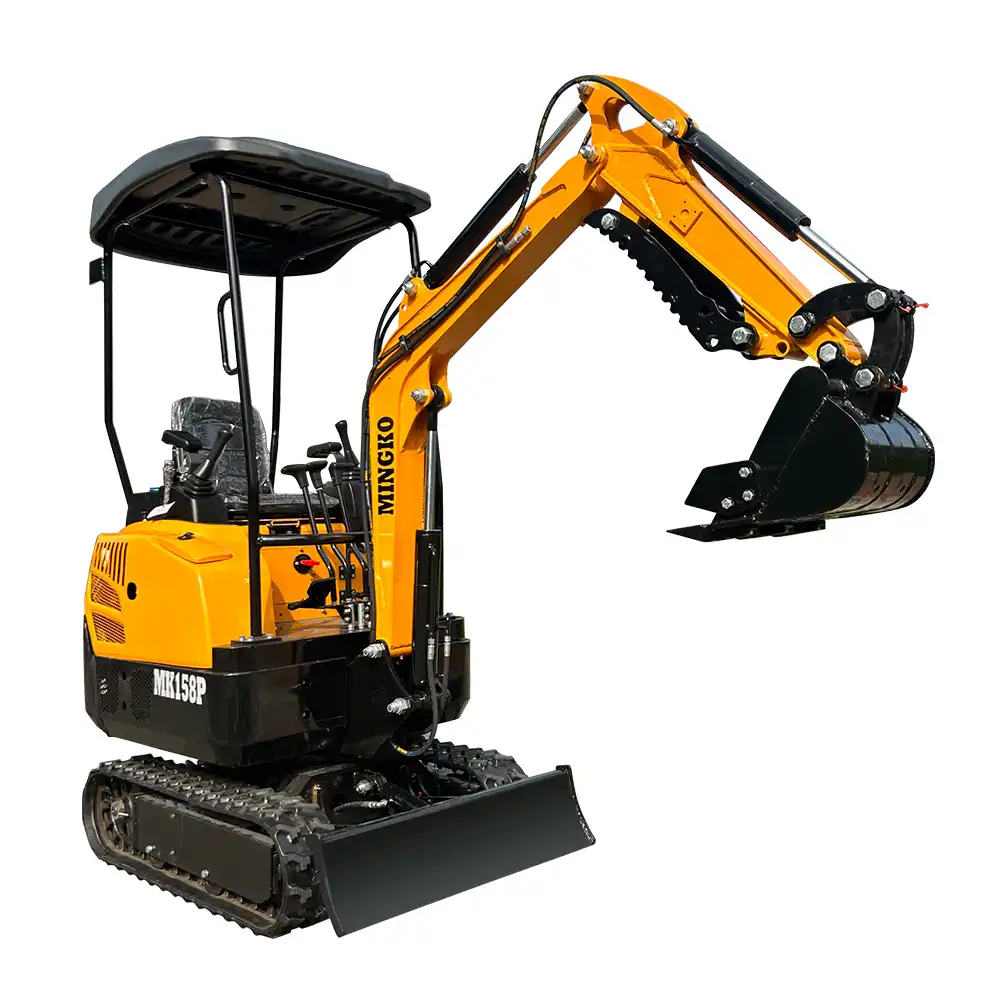
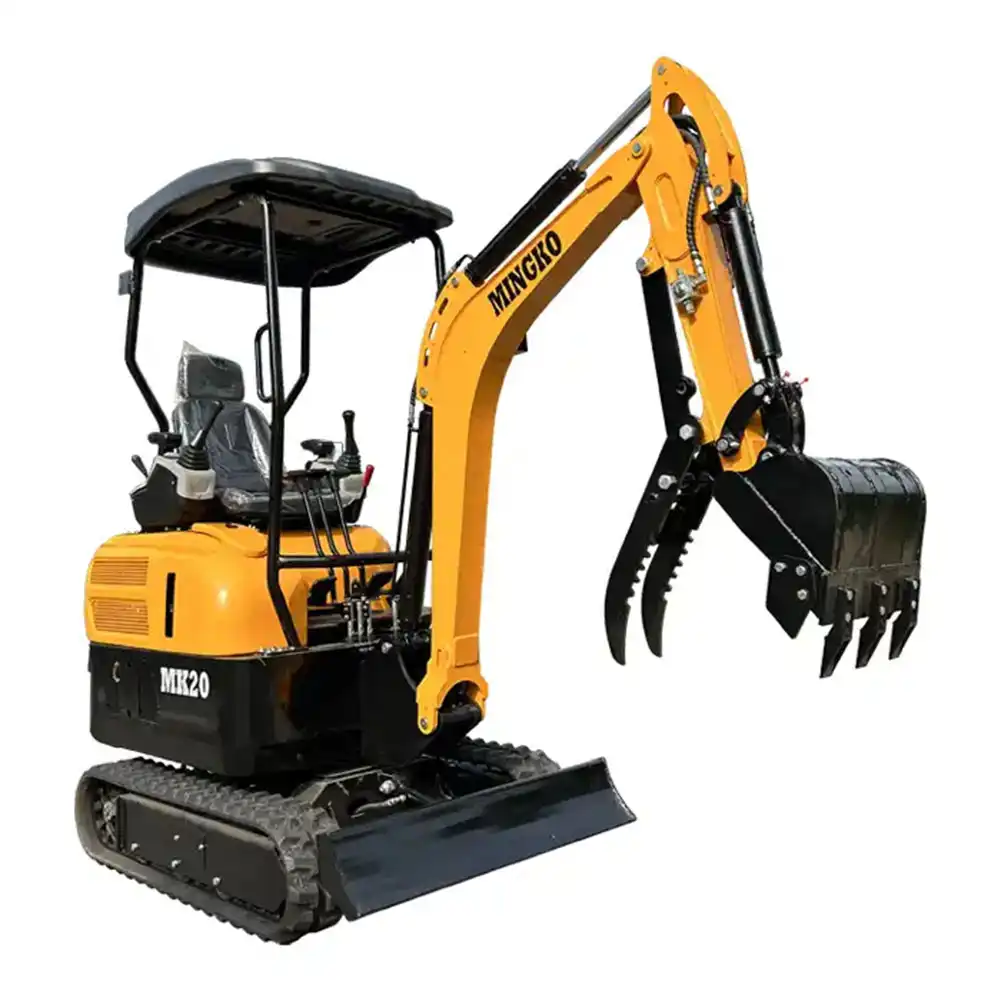
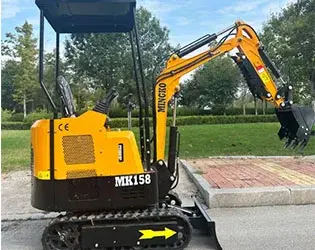
When compared to regular excavation tools, compact excavators, which are sometimes called "mini diggers," have a much smaller size and weigh between 1 and 8 tons. These machines are about 2.5 to 3 meters long and less than 1 meter wide, which lets them get to places that people would have to go by hand otherwise. The working weight determines their size. Models that weigh less than 2 tons are called micro excavators, and those that weigh between 2 and 6 tons are called small excavators. With overall measurements of 2,550 mm x 940 mm x 1,380 mm and a weight of 1,500 kg, the Mingko MK158 is the perfect size for home and light industrial use.
Essential Technical Specifications
Modern compact excavators have high-tech hydraulic systems that give them a lot of digging power for their small size. There is a maximum digging depth of 1,650 mm and a maximum digging radius of 2,850 mm for the MK158. This gives it a good reach for foundation work and trenching. Engines usually have between 13 and 20 horsepower, and companies like Kubota in Japan and Briggs & Stratton in the United States set the standards for efficiency and pollution compliance in the industry. These power plants follow international rules about the environment and use fuel efficiently, which is very important for cost-conscious workers who are in charge of many job sites during the day.
Safety and Operator Comfort Features
Quality small excavators are different from basic types because they have built-in safety features. Reinforced operator booths, ROPS certification, and easy-to-use control plans all make it less likely that an accident will happen in crowded areas. When working near buildings or underground services, the raised operator platform gives you a better view. Manufacturers now use sound-dampening systems and ergonomic seats to keep workers from getting too tired during long shifts. They know that workers who are relaxed can concentrate better and make fewer mistakes. These changes to human-centered design directly lead to safer work environments and higher output in a wide range of settings.
Why Mini Bagger Excavators Excel in Tight Spaces
Superior Maneuverability in Confined Environments
The main benefit of Mini Bagger Excavators is that they are very easy to move around in small spaces. The MK158 can do this because it has a minimum spinning radius of only 1,330mm and a platform back turning radius of 733mm. This means that operators can work efficiently in areas that are only slightly bigger than the machine. For example, this ability to make tight turns is very helpful when digging next to buildings, between parked cars, or in fenced-in yards where bigger tools would damage the property. The tracked undercarriage spreads the weight out evenly, so it can be used on soft ground and smooth surfaces with little damage. This is a feature that landscape workers really like because it helps protect established grass or beautiful hardscaping.
Versatile Attachment Ecosystem
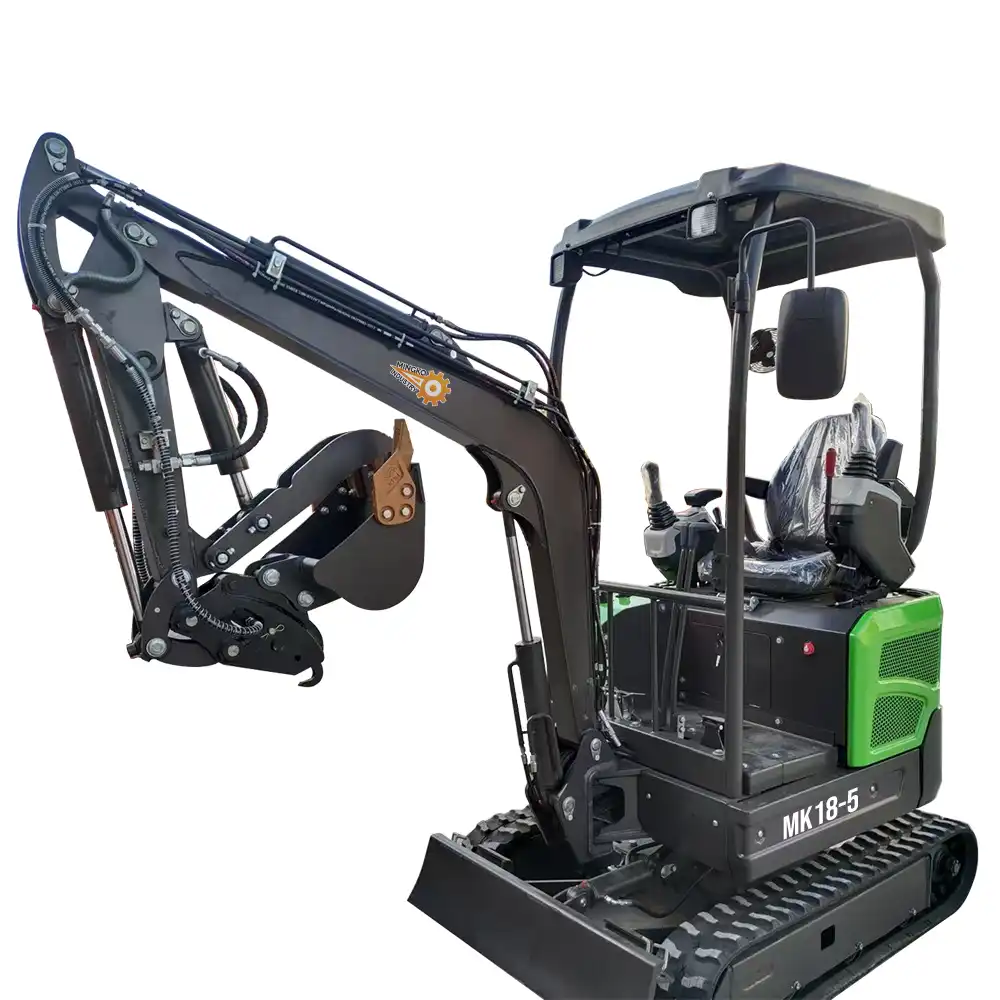
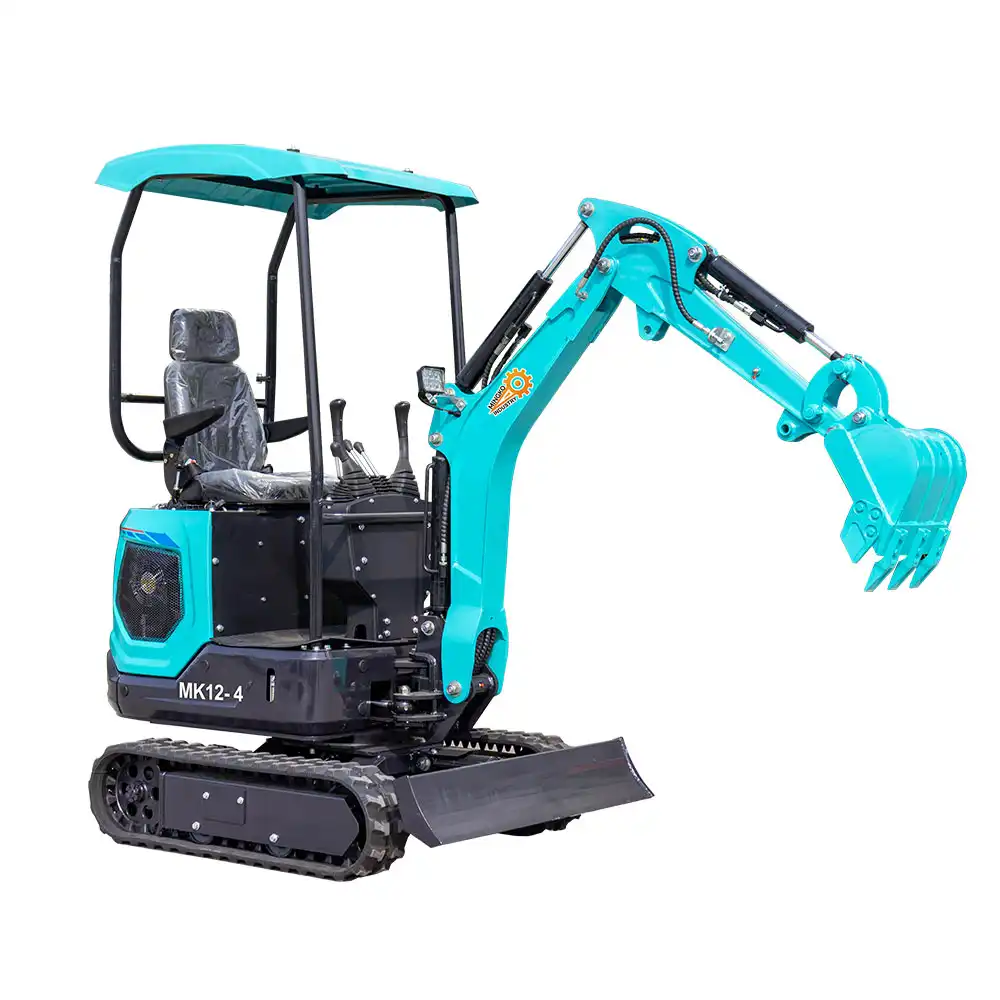
The many attachments that come with these tools show how versatile they really are. In addition to normal digging buckets, workers can quickly switch out specialized tools that make a single machine useful for many tasks. Here are the main types of attachments that add to the functionality:
- Standard, Rock, and Ditching Buckets: These useful add-ons can be used for a wide range of tasks, from general digging to specific trenching. The sizes can be adjusted from 300mm to 600mm based on the needs of the project and the state of the soil.
- Augers for Drilling Applications: These tools make exact holes through a wide range of terrain, with sizes from 150mm to 600mm. They are great for installing fence posts, planting trees, and drilling foundation piers.
- Hydraulic Breakers: These powerful add-ons offer focused impact force without the need for separate demolition tools when it's time to break up rock or remove concrete.
- Rippers and Thumb Grabs: Rippers can break through frozen or packed ground, while thumb grabs let you move things precisely, like when you're sorting trash or putting down planting stones.
With these attachment choices, one machine can do the work of five adults, making the job much more efficient while cutting down on labor costs. The quick-coupler method lets you switch tools in less than two minutes, so projects stay on schedule, and there is little break between tasks.
Environmental and Operational Benefits
More and more, urban building needs tools that don't bother the people who live nearby. These problems can be solved by compact loaders, which produce less pollution, noise, and damage to the ground. Engines that meet EPA and foreign emission guidelines burn fuel more fully, which means they make fewer pollutants while still having enough power to do tough jobs. Even though the smaller fuel tanks need to be refilled more often, they actually help with better fuel management and lessen the damage that possible spills could do to the environment. Operators who work in residential areas or noise-sensitive areas are aware of how quiet it is compared to larger diesel engines. This helps keep the peace with the neighbors and often lets them work longer hours when noise laws would normally stop them from using bigger equipment.
Choosing the Right Mini Bagger Excavator for Your Specific Needs
Critical Specification Considerations
When purchasing, professionals look at small excavators, professionals have to weigh a lot of technical factors against the needs of the job and the budget. The horsepower or kilowatts of the engine directly affect the digging force and cycle times. When running at 3,000 rpm, the MK158's 14kw engine gives it enough power for most home and light business uses while still using little fuel. The specifications of a hydraulic system determine how much it can lift and how well an attachment works. Higher flow rates allow the bucket to turn more quickly and the breaker to work more effectively. Transport arrangements should be carefully thought out because machines that weigh less than 1,500 kg can often be moved on regular trucks without the need for special permits. This cuts down on the cost of moving equipment between job sites in the same service area.
Brand Comparison and Market Positioning
Established brands like Kubota, Bobcat, and Caterpillar charge higher prices because they have a lot of dealers and their products have been tested and proven to work. These names have a lot of parts available and good customer service, which are important for fleet managers who have to keep tools in a lot of different places. Kubota's small tractors are known for being well-made and lasting a long time. Bobcat's combined attachment system makes all of their products work together without any problems. Caterpillar machines have better hydraulic performance and higher resale prices, which make up for their higher starting costs.
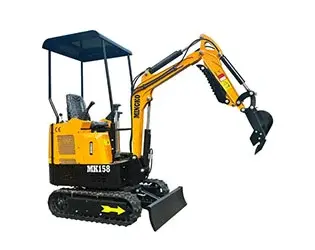
New manufacturers like Shandong Mingko Industry Corporation offer great deals for Mini Bagger Excavator buyers who are watching their budgets. Mingko has been making products for more than 15 years and has ISO 9001 certification. They make EPA- and CE-certified tools at reasonable prices. Their factory-direct sales plan gets rid of markups for distributors, and their modern 50,000-square-meter production center in Jining Economic Development Zone makes sure that the quality of all 15,000 units they make each year. Concerns about aftermarket support that kept people from considering other names have been addressed by the company's extensive support system, which includes separate offices for purchasing, sales, after-sales service, and logistics.
Financial Decision Framework
The choice of whether to buy or lease depends on how much the asset is being used and how much cash is available. When tools will be used for more than 800 hours a year and stay in the company for five years or more, it makes financial sense to buy it outright. Leasing keeps working capital safe and gives you the freedom to change as technology improves, but the total costs over the lifetime of the equipment usually exceed the price of buying it. Renting is the most cost-effective option for occasional use or projects with clear due dates. Mingko's ability to customize a single unit and its 12-month guarantee that covers technical support for life lowers the risk of ownership.
Maintenance and Safety: Ensuring Longevity and Reliability in Tight Space Operations
Routine Maintenance Protocols
Systematic care is directly linked to how long and how reliably something works. Daily checks before use should make sure there is enough hydraulic fluid, that there are no leaks around the cylinders and lines, and that the track tightness is correct. Changing the engine oil and filter at the manufacturer's recommended times, which are usually every 250 hours, keeps the engine running at its best and prevents premature wear. When it's dusty outside, you need to pay extra attention to the air filtration system because dirty filters lower engine power and make the car use more gas. When operators look at the filters and see that debris has built up, they should be cleaned or replaced. This could happen as often as every 50 hours during concrete cutting or removal work, where flying particles tend to gather.
Hydraulic System Care
The most important and expensive part that needs preventative repair is the hydraulic system. Every year or every 1,000 hours of use, whichever comes first, hydraulic oil should be changed. Pumps, motors, and valves wear out faster when the fluid is dirty, which means expensive fixes that are far more expensive than regular fluid changes. When fluids are changed, the filters are replaced to get rid of the particles that have built up before they move through the precise parts. Operators should look at hoses for cracks, wear, or bulges that could mean they are about to break. Replacing hoses that look like they might break during routine maintenance avoids unplanned downtime and the risk of injury from high-pressure fluid input.
Operator Training and Job Site Safety
Having the right certification for operators lowers the number of accidents and damage to tools while also raising output. Load capacity limits, the right way to use attachments, and how to work safely near underground utilities should all be covered in training classes. Even though compact excavators work well in small spaces, those areas also pose special risks. Poor visibility, closeness to buildings, and limited escape routes make it important to be extra careful. Safety rules on the job site must include finding utilities before digging, putting up barriers to keep people who aren't supposed to be there out of the working area, and having ways for operators and ground staff to talk to each other. These steps protect workers while lowering the risk of liability that could hurt the business.
Real-World Applications and Case Studies: Mini Bagger Excavators in Action
Landscaping and Residential Construction
Landscape workers always say that Mini Bagger Excavators are some of the best pieces of equipment they've bought. These machines are great for grading, digging ponds, and installing hardscape where accuracy is important and bigger machines can't get to the job site easily. One home contractor in the Chicago suburbs cut job times by 40% after buying a 1.5-ton excavator that could go through normal 36-inch gates to get to back yards. The machine did everything from cutting down trees to digging a patio. It got rid of the need for human work, which used to slow down projects and cut into profits. The contractor was able to add equipment that seemed out of reach for a small business before because it was so cheap to buy, especially from makers that offer direct sales.
Urban Infrastructure and Utility Work
Utility offices in cities are always under pressure to fix things quickly while causing as little damage as possible to the surface and to traffic. Compact drills can get to water main breaks, sewer lines, and underground electrical cables, even when the streets and sidewalks are busy. The exact control of the machines lets workers dig just inches away from utilities without damaging anything else that would make the job take longer to finish. When a utility provider in Portland, Oregon, used compact excavators instead of hand-digging teams to repair service lines, the work was done 30% faster. Within eight months, the equipment paid for itself through higher job capacity and lower labor costs. This shows a good return on investment, which is what procurement managers look for when they want to get the most out of their capital spending.
Agricultural and Rural Applications
For farms, Mini Bagger Excavators are useful because they are cheaper than hiring specialized workers. With the right attachments, these tools can also be used to move materials. They are used to improve drainage, build animal facilities, and clear land. Because this machine can dig, drill, and cut, it gets rid of the need for several different tools. Agricultural users like how easy it is to operate and keep compared to bigger building equipment. This is because farm workers often take care of their own equipment instead of calling a provider for help. Choosing an engine from a well-known farming brand like Kubota gives you peace of mind that parts and repair information will always be available for as long as the machine is in use.
Conclusion
Over the years, compact excavation equipment has grown from a small group of specialized tools to an important part of the building, gardening, utility, and farming industries. Their ability to provide high performance in limited areas solves a basic problem that impacts the viability and success of projects. These machines are great for businesses of all kinds because they are easy to move around, have a lot of attachment choices, and are simple to use. As companies like Mingko keep improving quality and keeping prices low by selling directly to customers, the hurdles to owning tools keep going down. When purchasing managers carefully look over specs, know the total costs of ownership, and work with responsive makers, they set up their companies to be more efficient and gain a competitive edge in markets where flexibility and accuracy are becoming more important for success.
FAQ
What weight range defines a compact excavator?
The working weight of most Mini Bagger Excavators is between 1,000 kg and 8,000 kg. Smaller machines (less than 2 tons) are good for landscaping and jobs with limited access in homes. Larger machines (2–6 tons) are better for light business construction and utility work. The exact weight chosen relies on how deep you need to dig, how much you can lift, and how you plan to move the equipment.
How does fuel efficiency compare to larger excavators?
When used in the right situations, compact models use 30 to 50 percent less fuel than full-size tractors that do the same work. The 13–20HP engines that are common in small excavators use about 1–2 gallons of fuel per hour when they are working normally, while 20-ton machines use 5–8 gallons.
What maintenance schedule maximizes equipment lifespan?
Preventative maintenance includes daily checks before use, grease changes every 50 hours, engine oil changes every 250 hours, and replacing the hydraulic fluid once a year. If you follow the manufacturer's instructions and fix small problems right away, the machine will usually last longer than 10,000 hours before it needs major parts replaced.
Partner With a Trusted Mini Bagger Excavator Manufacturer
Shandong Mingko Industry Corporation has been making machines for more than 15 years and offers great customer service. They can help you with your equipment needs. Our factory is ISO 9001 approved and makes Mini Bagger Excavators that are EPA and CE-compliant. These machines are made for tough jobs in the building, gardening, and utility industries. As a direct manufacturer and seller, we cut out the costs of middlemen and keep high-quality standards throughout the whole process. Each machine includes a 12-month warranty with lifetime technical support, ensuring your investment delivers consistent performance throughout its operational life. Our engineering team provides customization services starting from single-unit orders, tailoring specifications to match your precise requirements. Contact our sales professionals at sales@mingkomach.com to discuss how our equipment solutions can enhance your operational capabilities and project profitability.
References
1. Anderson, M. (2023). Compact Construction Equipment: Selection and Application Guide. Construction Technology Press.
2. International Society of Equipment Engineers. (2024). Standards and Best Practices for Mini Excavator Operation. ISEE Technical Publications.
3. Johnson, R., & Martinez, C. (2023). Hydraulic Systems in Compact Excavation Equipment: Maintenance and Troubleshooting. Industrial Press Inc.
4. National Equipment Safety Council. (2024). Safe Operation Guidelines for Confined Space Construction. NESC Industry Standards.
5. Peterson, L. (2023). Total Cost of Ownership Analysis for Compact Construction Equipment. Journal of Construction Management, 48(3), 112-128.
6. Williams, D. (2024). Environmental Impact Assessment of Modern Compact Excavators. Sustainable Construction Quarterly, 15(1), 45-62.