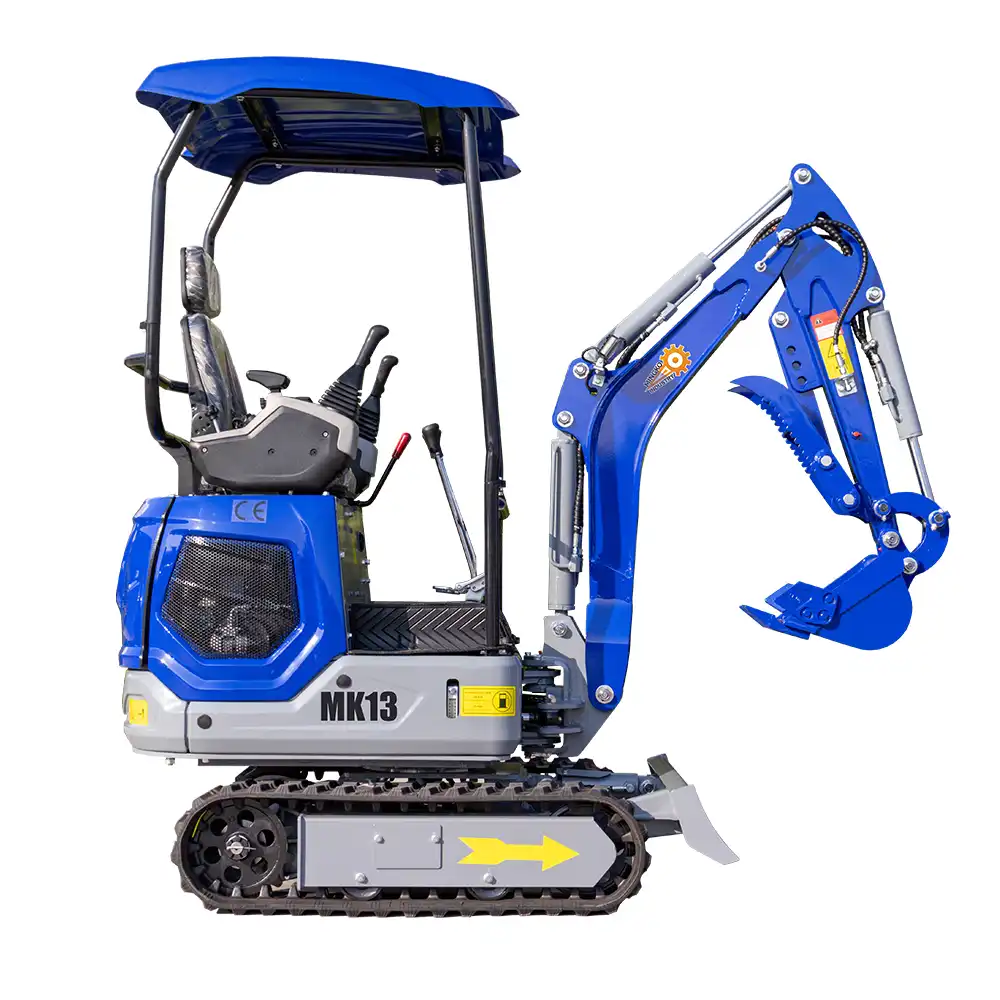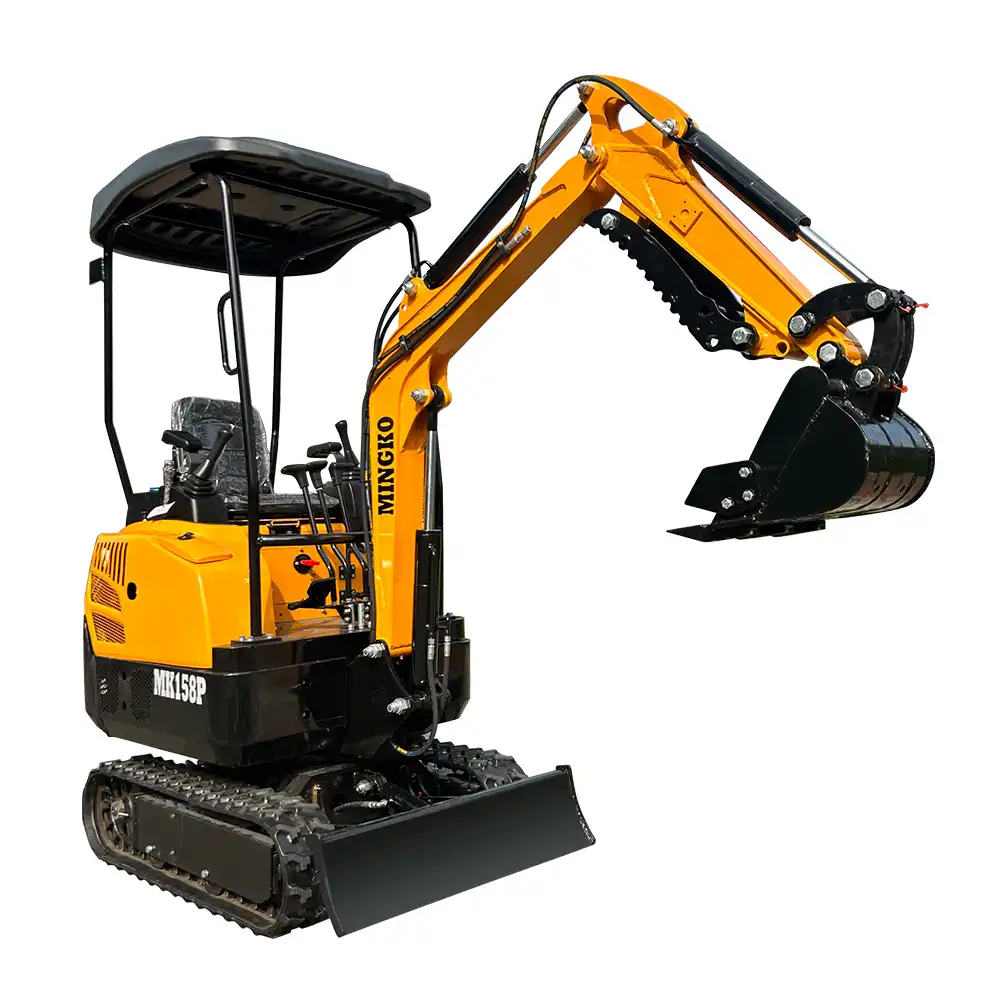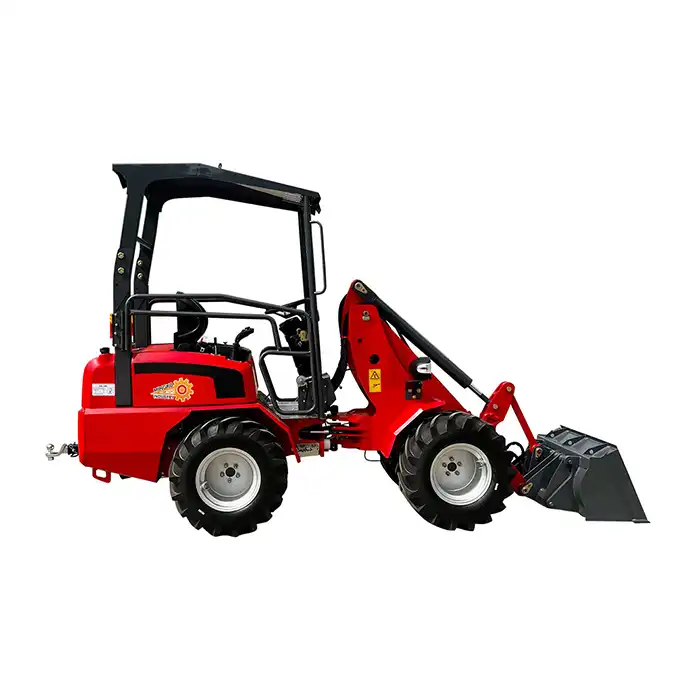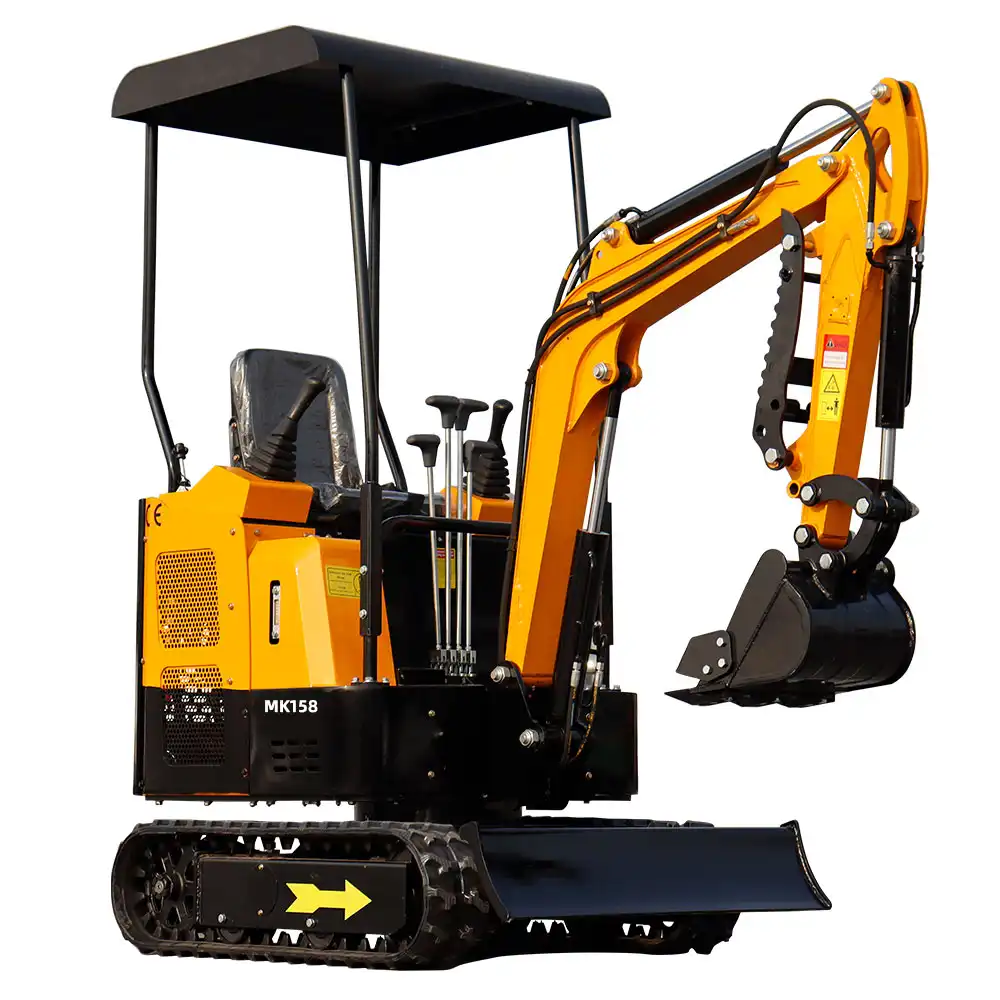
When evaluating a Mini Excavator 3.5 Ton for your construction or landscaping projects, fuel efficiency stands as a critical performance indicator that directly impacts your operational costs and environmental footprint. Understanding what to expect from these compact earthmoving machines helps contractors and business owners make informed purchasing decisions while optimizing their equipment investments for maximum productivity and cost-effectiveness.
Understanding Fuel Consumption of 3.5 Ton Mini Excavators
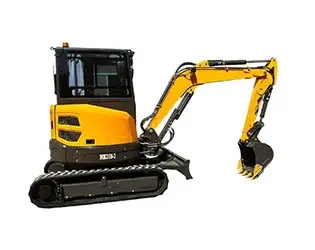
The fuel consumption patterns of compact excavators depend on multiple interconnected factors that determine overall operational efficiency. Engine specifications play a fundamental role, with most 3.5-ton machines featuring diesel powertrains ranging from 15 to 30 kilowatts. These engines deliver the necessary torque and hydraulic pressure while maintaining reasonable fuel consumption rates.
Engine Performance and Consumption Rates
Modern compact excavators typically consume between 2.5 to 5 liters of diesel per hour during standard operation. This consumption varies based on workload intensity, terrain conditions, and operator techniques. Heavy-duty applications such as trenching or rock excavation push fuel usage toward the higher end of this range, while lighter tasks like grading or material placement maintain consumption closer to baseline levels.
Machine Weight and Design Impact
The relationship between machine weight and fuel efficiency creates an interesting balance in compact excavator design. While heavier machines provide superior stability and digging force, they require more energy to move and operate. Manufacturers address this challenge through optimized frame construction, using high-strength materials that reduce unnecessary weight without compromising structural integrity.
Hydraulic System Efficiency
Advanced hydraulic designs significantly influence fuel consumption patterns in modern compact excavators. Load-sensing hydraulic systems adjust pump output based on actual demand, preventing energy waste during idle periods or light-duty operations. These systems can reduce fuel consumption by up to 15% compared to conventional hydraulic designs while maintaining full performance capabilities.
How Does a 3.5 Ton Mini Excavator Work to Manage Fuel Efficiency?
Contemporary compact excavators incorporate sophisticated technologies designed to optimize fuel consumption without sacrificing performance. These innovations work seamlessly to deliver maximum productivity while minimizing operational costs through intelligent engine and hydraulic management systems.
Engine Management Technologies
Automatic idle control systems monitor machine activity and reduce engine speed during periods of inactivity. When operators pause work for tool changes or material loading, these systems automatically lower engine RPM to conserve fuel while maintaining hydraulic pressure for immediate response. Auto-shutdown features take this concept further by turning off the engine after extended idle periods, typically 5-10 minutes of inactivity.
Hydraulic Load Sensing
Load-sensing hydraulic technology represents a significant advancement in fuel efficiency management. These systems continuously monitor hydraulic demand across all functions and adjust pump output accordingly. During simultaneous operations like digging while rotating, the system optimally distributes hydraulic flow to maintain performance while preventing energy waste through pressure relief valves.
Operator Influence on Efficiency
Skilled operators significantly impact fuel consumption through proper technique and machine awareness. Smooth control inputs, appropriate engine speed selection for specific tasks, and efficient work patterns can reduce fuel usage by 20-30% compared to aggressive or inexperienced operation. Training programs focusing on fuel-efficient techniques provide lasting benefits for fleet operators.
Comparison of Fuel Efficiency Across Popular 3.5 Ton Mini Excavator Models
The compact excavator market offers diverse options with varying fuel efficiency characteristics. Understanding these differences helps buyers select machines that align with their specific operational requirements and cost management objectives.
Diesel vs. Electric Powertrains
Compact excavators with diesel engines continue to have advantages in terms of adaptability and infrastructure compatibility. They support quick refilling for continuous operation and offer reliable performance in a range of environmental circumstances. Electric alternatives are appealing for indoor applications or environmentally sensitive projects because they operate with zero emissions and need less energy. In areas with affordable electricity rates, electric models can result in much lower energy expenditures because they typically use 15–25 kWh per running hour. However, while assessing total cost of ownership, operating constraints and infrastructure needs for charging must be taken into account.
Leading Brand Performance Characteristics
Major manufacturers approach fuel efficiency through different technological strategies. Some focus on engine optimization and advanced combustion management, while others emphasize hydraulic efficiency and intelligent power distribution. These varying approaches result in different fuel consumption profiles that suit specific application requirements. Premium models often feature eco-mode settings that prioritize fuel economy over maximum performance, reducing consumption by 10-15% during appropriate applications. These modes intelligently limit engine speed and hydraulic flow while maintaining adequate performance for lighter-duty tasks.
Optimizing Operating Costs Through Fuel Efficiency Management
Achieving optimal fuel efficiency requires a comprehensive approach that extends beyond initial machine selection. Proactive maintenance practices and operational strategies create sustained cost savings throughout the equipment lifecycle while maintaining productivity and reliability standards.
Maintenance Impact on Fuel Economy
Regular maintenance directly correlates with fuel efficiency performance in compact excavators. Clean air filters ensure optimal combustion efficiency, while properly maintained hydraulic systems operate with minimal internal leakage and pressure loss. Scheduled oil changes using manufacturer-specified lubricants reduce internal friction and improve overall mechanical efficiency. Track tension adjustments maintain proper ground contact and reduce unnecessary resistance during travel operations. Properly tensioned tracks can improve fuel economy by 5-8% while extending track life and reducing wear on drive components.
Attachment Selection and Usage
Strategic attachment selection significantly influences fuel consumption patterns during various operations. Hydraulic attachments with lower power requirements, such as grading buckets or material handling grapples, consume less fuel than high-demand tools like hydraulic hammers or large digging buckets. Matching attachment size to actual requirements prevents unnecessary fuel consumption while maintaining productivity. Oversized attachments create excessive hydraulic demand and reduce cycle efficiency, while appropriately sized tools optimize fuel usage and improve overall performance.
Procuring Fuel-Efficient 3.5 Ton Mini Excavators: What B2B Buyers Should Know
Successful procurement of fuel-efficient compact excavators requires careful evaluation of multiple factors beyond initial purchase price. Total cost of ownership considerations, including fuel consumption, maintenance requirements, and resale value, provide a complete picture of equipment investment value.
Cost Analysis and Financing Considerations
Fuel-optimized models typically command premium pricing compared to standard configurations. However, operational cost savings often justify higher initial investments within 12-18 months of typical usage. Financing programs offered through authorized dealers can structure payments to align with projected fuel savings, improving cash flow management. Lease arrangements provide alternatives for businesses seeking to minimize capital expenditure while accessing advanced fuel-efficient technologies. These agreements often include maintenance packages that ensure optimal performance throughout the lease term.
Supplier Selection and Support Services
Choosing suppliers with comprehensive after-sales support ensures continued efficiency throughout the equipment lifecycle. Access to genuine parts, technical training, and service expertise maintains optimal fuel consumption while preventing costly downtime. Customization options allow buyers to specify features that enhance fuel efficiency for their specific applications. These modifications might include alternative gear ratios, specialized hydraulic configurations, or advanced monitoring systems that provide real-time fuel consumption data.
Company Introduction and Product Service Overview
Shandong Mingko Industry Corporation brings over 15 years of expertise in manufacturing high-performance compact excavators designed for superior fuel efficiency. Our modern production facility spans more than 50,000 square meters and houses dedicated workshops for mini excavator assembly, ensuring quality control throughout the manufacturing process. Our engineering team has invested a decade in continuous research and development, optimizing hydraulic systems and engine management technologies to deliver exceptional fuel economy without compromising performance. With production capacity exceeding 15,000 units annually, we maintain the flexibility to serve both small-scale and large-volume orders while providing customization services starting from single-unit orders. As an ISO 9001 certified enterprise with National High-Tech certification, we demonstrate our commitment to technological innovation and quality excellence. Our comprehensive product portfolio includes 1-ton to 8-ton mini excavators, with our 3.5-ton models specifically engineered to meet demanding fuel efficiency requirements while maintaining robust performance capabilities. Our global support network ensures reliable after-sales service, including 12-month warranty coverage and lifetime technical assistance. This commitment to customer success extends beyond initial delivery to encompass ongoing operational optimization and maintenance support.
Conclusion
Understanding fuel efficiency expectations for 3.5-ton mini excavators empowers buyers to make informed decisions that balance performance requirements with operational cost management. Modern compact excavators offer impressive fuel economy through advanced engine management, optimized hydraulic systems, and intelligent operational features. Successful fuel efficiency management combines proper machine selection with proactive maintenance practices and skilled operation techniques. As manufacturers continue advancing fuel-efficient technologies, buyers can expect even greater operational economy while maintaining the versatility and performance that make compact excavators essential construction tools.
Frequently Asked Questions
Q1: What is the average fuel consumption for a 3.5-ton mini excavator?
A: Most 3.5-ton mini excavators consume between 2.5 to 5 liters of diesel per hour under standard operating conditions. Consumption varies based on workload intensity, terrain conditions, operator technique, and specific machine design. Heavy-duty applications typically push consumption toward the higher end of this range, while lighter tasks maintain lower consumption rates.
Q2: How can I reduce fuel costs when operating a compact excavator?
A: Fuel cost reduction involves multiple strategies including regular maintenance, proper operator training, strategic attachment selection, and utilizing fuel-saving technologies. Maintaining clean air filters, proper hydraulic fluid levels, and optimal track tension can improve efficiency by 10-15%. Operator techniques such as smooth control inputs and minimizing idle time provide additional savings.
Q3: Are electric mini excavators more cost-effective than diesel models?
A: Electric models offer lower operational costs and zero emissions but require higher upfront investment and charging infrastructure. They typically consume 15-25 kWh per operating hour, resulting in significantly lower energy costs in areas with reasonable electricity rates. The cost-effectiveness depends on specific application requirements, local energy costs, and environmental considerations.
Partner with Mingko for Superior Mini Excavator 3.5 Ton Solutions
Mingko's commitment to fuel efficiency innovation makes us your ideal Mini Excavator 3.5 Ton manufacturer for cost-effective equipment solutions. Our factory-direct sales eliminate intermediary costs while ensuring competitive pricing and customization flexibility. With comprehensive after-sales support and 24/7 technical assistance, we guarantee optimal performance throughout your equipment lifecycle. Our ISO 9001 certification and National High-Tech enterprise status demonstrate our dedication to quality and innovation. Ready to optimize your fleet's fuel efficiency? Contact Us at sales@mingkomach.com to discover how our advanced compact excavators can reduce your operational costs while enhancing productivity.
References
1. Smith, J. & Williams, R. (2023). "Hydraulic System Efficiency in Compact Construction Equipment." Journal of Construction Machinery Engineering, Vol. 45, pp. 78-92.
2. Thompson, M. (2022). "Fuel Consumption Analysis of Modern Mini Excavators: A Comparative Study." International Construction Equipment Review, Issue 8, pp. 156-171.
3. Anderson, K. et al. (2023). "Engine Management Technologies in Compact Earthmoving Equipment." Construction Technology Quarterly, Vol. 12, No. 3, pp. 45-58.
4. Martinez, L. (2022). "Total Cost of Ownership Evaluation for Compact Excavator Fleets." Equipment Management Professional, Vol. 38, pp. 112-127.
5. Chen, W. & Roberts, D. (2023). "Electric vs. Diesel Powertrains in Small Construction Equipment: Performance and Economic Analysis." Green Construction Technology Journal, Vol. 15, pp. 203-218.
6. Johnson, P. (2022). "Operational Best Practices for Fuel Efficiency in Compact Excavators." Heavy Equipment Operator's Guide, 4th Edition, Chapter 7, pp. 89-104.