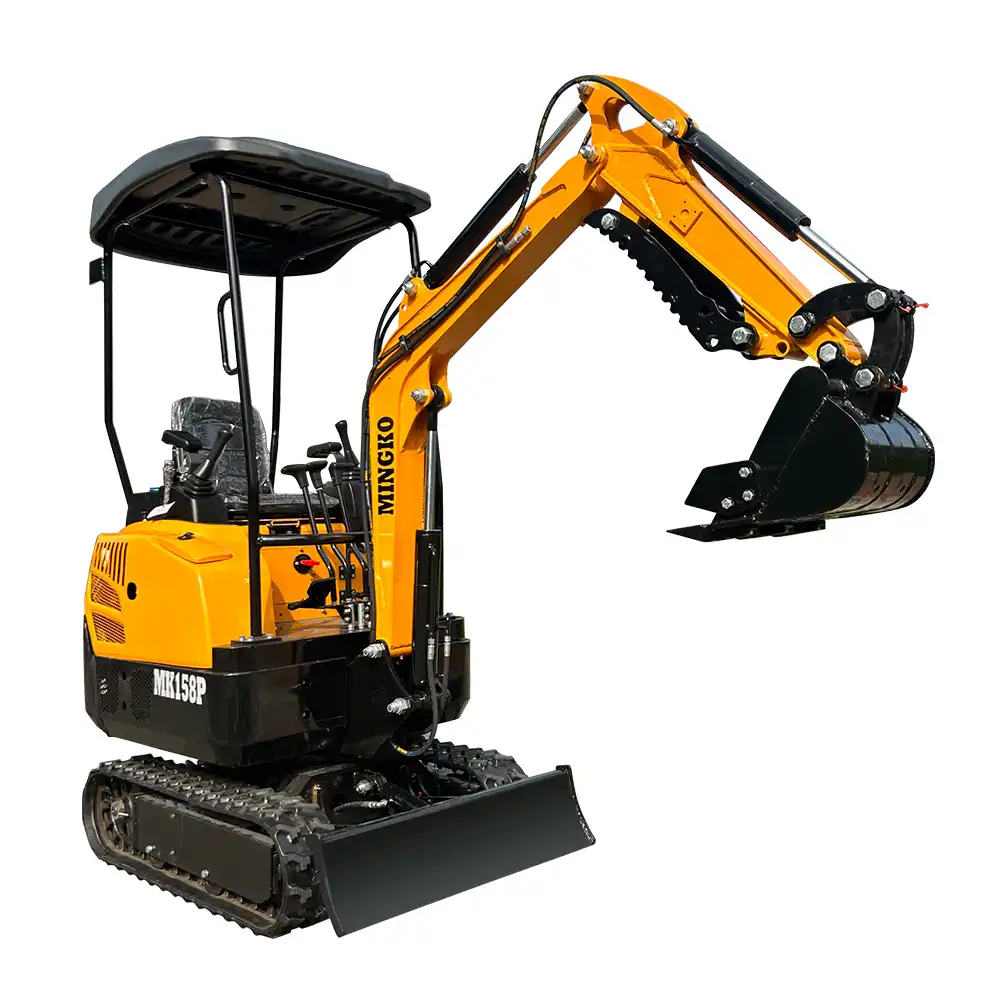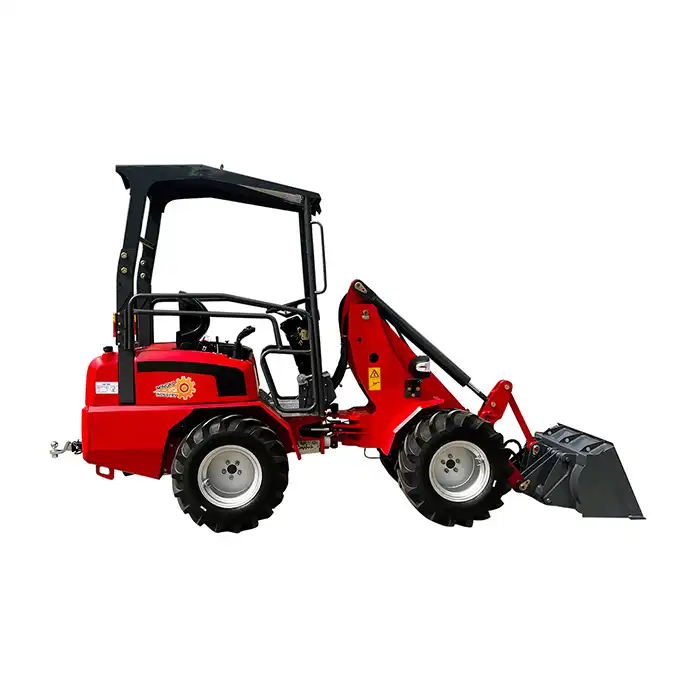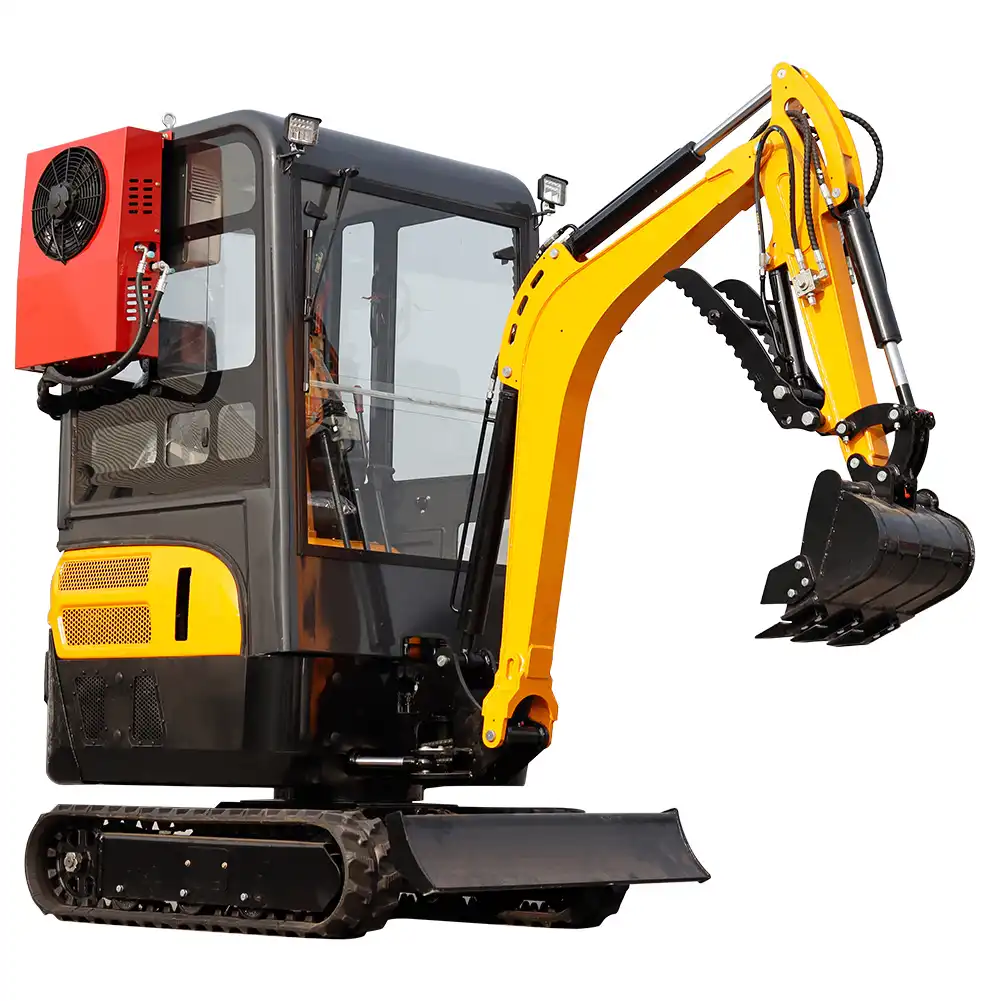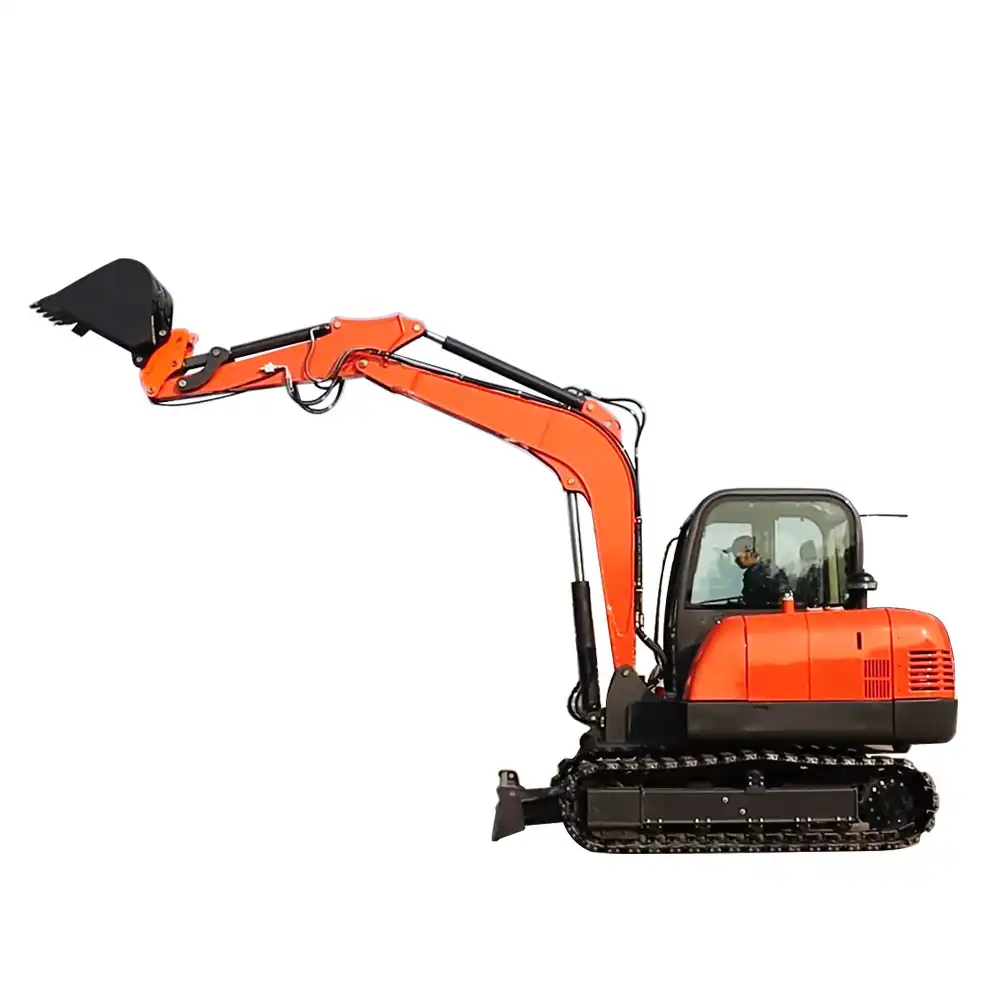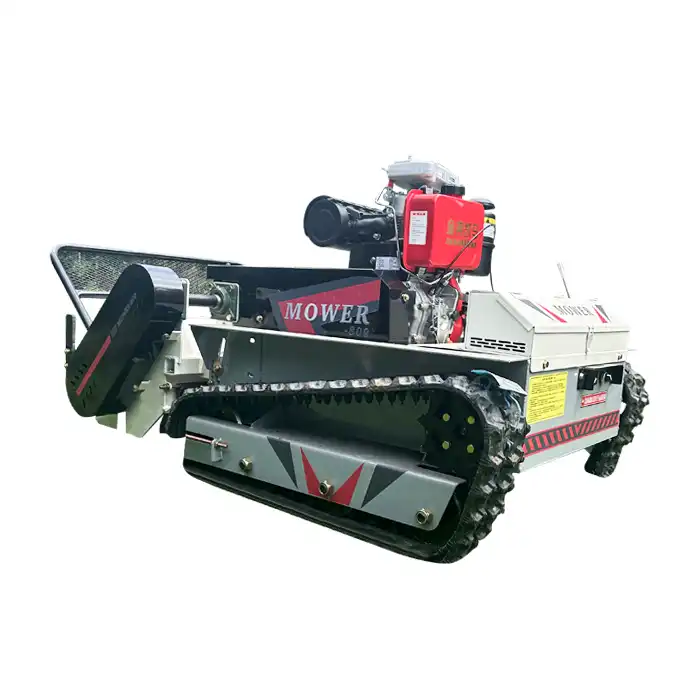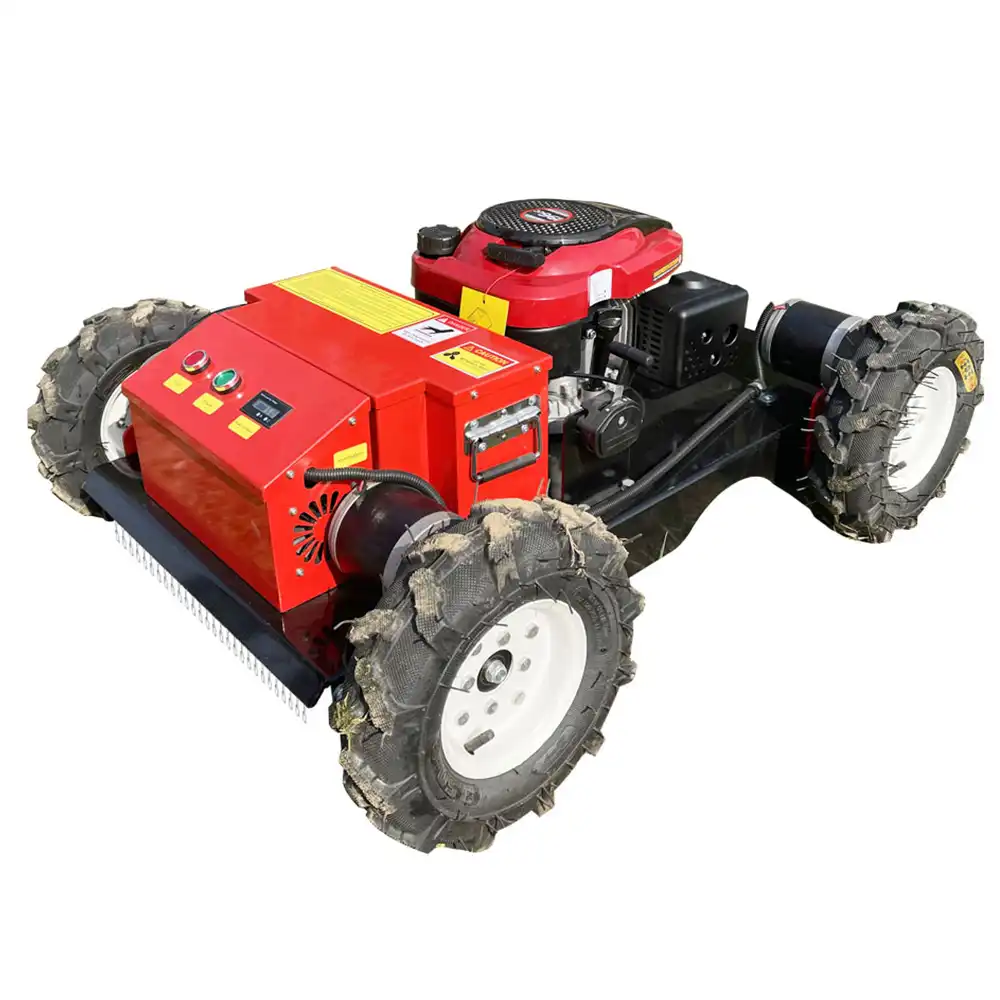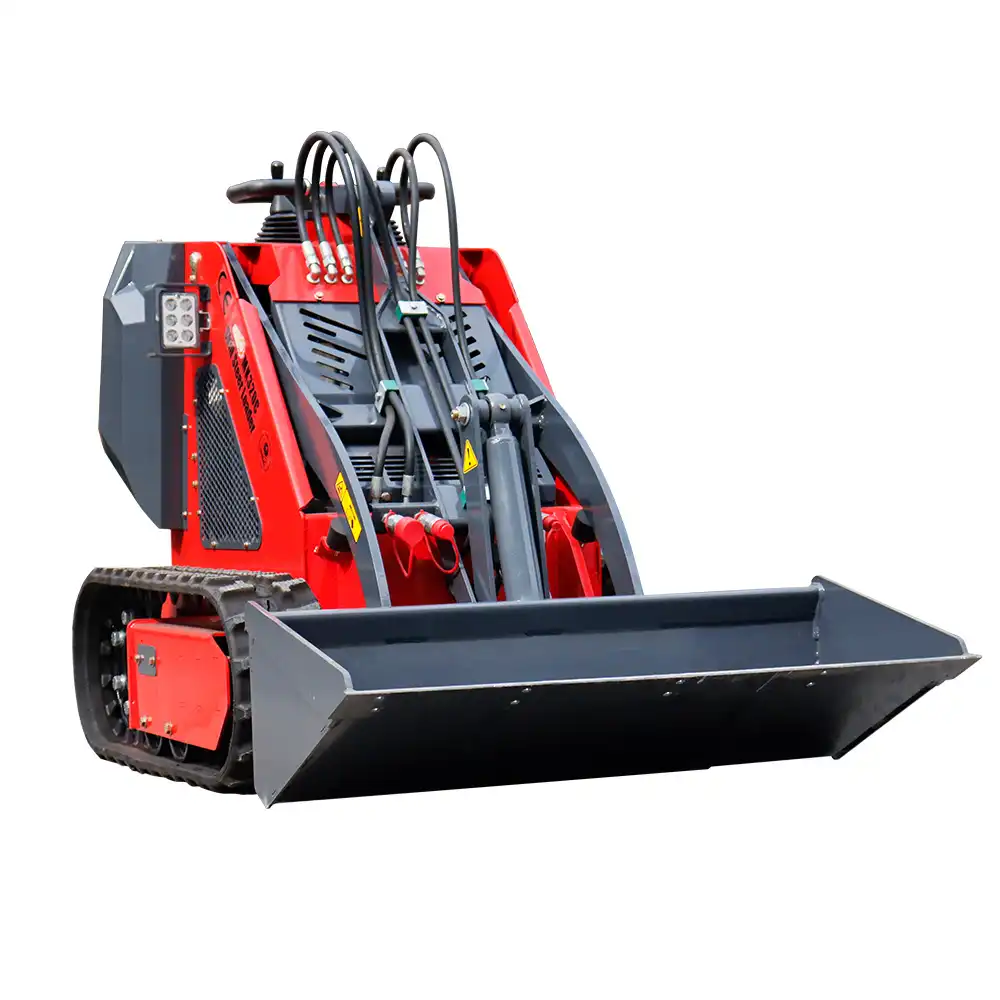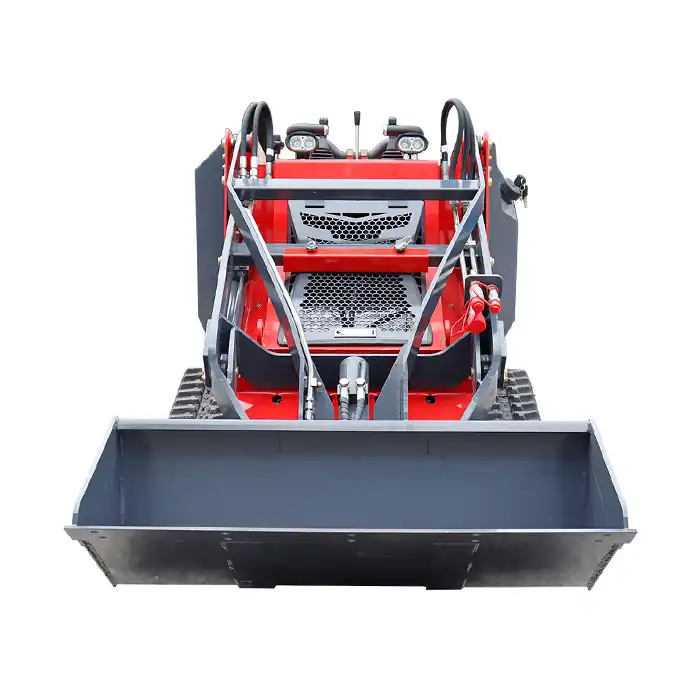
Mini Digger Excavators have become standard equipment in modern construction, landscaping, and utility projects in the United States. These compact yet powerful machines perform exceptionally well in limited locations while yet having excellent digging capabilities. With weights ranging from 1 to 8 tons, these adaptable excavators provide the ideal blend of mobility and functionality for a wide range of applications. Understanding their major qualities enables business owners and procurement managers to make more informed equipment purchases that increase project efficiency and profitability.
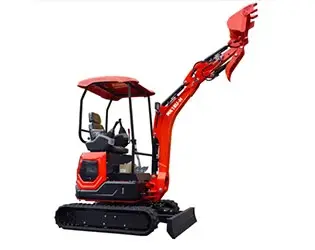
Understanding Mini Digger Excavator Basics
A mini digger excavator represents a remarkable engineering achievement that combines hydraulic power with compact design principles. These machines typically feature rubber tracks or wheels, allowing them to navigate tight spaces without causing significant ground damage. The hydraulic systems generate impressive digging forces despite their smaller size, making them invaluable for precision work.
Key Components and Design Features
Modern compact excavators integrate several critical components that define their performance capabilities. The undercarriage provides stability and mobility, while the upper frame houses the engine, hydraulic pumps, and operator cabin. The boom, arm, and bucket assembly creates the primary digging mechanism, with hydraulic cylinders controlling each movement with remarkable precision. Engine options vary significantly across different models, with diesel engines remaining the most popular choice for their reliability and fuel efficiency. Electric and hybrid alternatives are gaining traction in urban environments where noise reduction and emission control are priorities. The hydraulic system operates at pressures ranging from 2,500 to 4,000 PSI, generating sufficient force for challenging excavation tasks.
Weight Classifications and Specifications
Mini Excavators are categorized by their operating weight, which directly influences their capabilities and applications. Machines weighing 1-3 tons excel in landscaping and residential projects, offering exceptional maneuverability in tight spaces. Mid-range units of 3-6 tons provide increased digging depth and lifting capacity for commercial construction projects. Larger compact excavators reaching 8 tons deliver near full-size performance while maintaining transportability on standard trailers.
Exploring the Benefits and Use Cases
The versatility of compact excavators makes them indispensable across numerous industries and applications. Their ability to perform multiple functions with various attachments significantly reduces equipment costs and project complexity. Understanding these benefits helps businesses optimize their equipment investments and operational efficiency.
Operational Advantages in Modern Construction
Compact excavators offer remarkable fuel efficiency compared to larger machines, consuming 30-50% less fuel per hour while maintaining productivity levels. Their reduced footprint allows access to areas where full-size excavators cannot operate, including indoor demolition projects and urban construction sites with space constraints. The precision control systems enable delicate work around utilities and landscaping features. Maintenance requirements are considerably lower than larger equipment, with simplified systems and accessible service points reducing downtime and repair costs. Many models feature tilting cabs or removable panels that provide easy access to engine components and hydraulic filters. This design philosophy significantly reduces service time and associated labor costs.
Versatile Applications Across Industries
Landscaping contractors utilize these machines for grading, trenching, and material handling tasks that would be impossible with hand tools. The ability to switch between buckets, augers, and grapples makes them incredibly versatile for different project phases. Construction companies rely on compact excavators for foundation preparation, utility installation, and site cleanup operations. Municipal and utility work benefits significantly from the precision and maneuverability of these machines. Water line repairs, sewer maintenance, and sidewalk replacement projects require careful excavation to avoid damaging surrounding infrastructure. The compact size allows operation in residential neighborhoods without disrupting traffic flow or requiring extensive setup areas.
Comparing Mini Digger Excavators to Similar Equipment
Understanding the distinct advantages and limitations of compact excavators compared to similar equipment helps businesses make informed purchasing decisions. Each machine type serves specific purposes, and recognizing these differences prevents costly equipment mismatches.
Mini Excavators vs. Skid Steer Loaders
While Skid Steer Loaders excel at material handling and surface preparation, compact excavators provide superior digging capabilities and reach. Excavators can dig below grade level, with maximum digging depths ranging from 6 to 14 feet depending on the model. Skid steers typically cannot excavate below their track level, limiting their applications in trenching and foundation work. The boom and arm design of excavators provides significantly more reach and precision compared to Skid Steer Attachments. This extended reach eliminates the need to reposition the machine frequently, improving productivity in confined spaces. However, skid steers typically offer better material handling capacity and faster travel speeds on flat surfaces.
Electric vs. Diesel Engine Options
Electric compact excavators are becoming increasingly popular for indoor applications and environmentally sensitive projects. These machines operate with zero emissions and significantly reduced noise levels, making them ideal for urban construction and renovation projects. Battery technology improvements now provide 6-8 hours of continuous operation between charges. Diesel engines continue to dominate outdoor applications due to their proven reliability and unlimited operating range. Modern diesel engines incorporate advanced emission control systems that meet stringent environmental standards while maintaining excellent fuel economy. The choice between electric and diesel depends on specific application requirements and operational constraints.
Procurement Insights: Buying, Renting, and Maintenance
Strategic procurement decisions regarding compact excavators significantly impact project profitability and operational efficiency. Understanding the financial implications of buying versus renting, along with maintenance considerations, enables businesses to optimize their equipment investments.
Financial Analysis: Purchase vs. Rental Options
Purchasing compact excavators makes financial sense for businesses with consistent equipment needs exceeding 1,000 hours annually. Ownership provides complete control over maintenance schedules and equipment modifications while building asset value. However, the initial capital investment ranges from $35,000 to $150,000 depending on size and features. Rental options offer flexibility for seasonal businesses or companies with varying equipment needs. Daily rental rates typically range from $250 to $600, making short-term projects more cost-effective without ownership responsibilities. Long-term rental agreements often include maintenance coverage and equipment replacement guarantees.
Maintenance Requirements and Best Practices
Proper maintenance schedules significantly extend equipment life and minimize unexpected downtime. Daily inspections should include hydraulic fluid levels, track tension, and visual examination of hydraulic hoses and fittings. Weekly maintenance involves greasing pivot points and checking engine oil and coolant levels. Major service intervals occur every 250-500 hours depending on operating conditions and manufacturer recommendations. These services include hydraulic filter replacement, engine oil changes, and detailed system inspections. Maintaining detailed service records helps identify potential issues before they result in costly repairs and validates warranty claims.
Leading Brands and Supplier Considerations
The compact excavator market features several established manufacturers known for quality, reliability, and dealer support. Understanding brand differences and supplier capabilities helps businesses select equipment that meets their specific operational requirements and budget constraints.
Evaluating Manufacturer Reputation and Support
Established manufacturers like Caterpillar, Kubota, and JCB have built strong reputations through decades of innovation and reliable equipment. These companies maintain extensive dealer networks providing parts availability and service support crucial for minimizing downtime. However, emerging manufacturers often offer competitive pricing and innovative features that challenge traditional market leaders. Shandong Mingko Industry Corporation has established itself as a reliable supplier with over 15 years of experience manufacturing compact excavators ranging from 1 to 8 tons. Their ISO 9001 certification and comprehensive warranty programs demonstrate commitment to quality and customer satisfaction. Factory direct sales eliminate middleman costs while maintaining competitive pricing and customization capabilities.
Supplier Selection Criteria
Evaluating suppliers requires careful consideration of warranty terms, parts availability, and technical support capabilities. Comprehensive warranty coverage should include both parts and labor for at least 12 months or 1,000 hours of operation. Parts availability within 48-72 hours prevents extended downtime that can significantly impact project schedules. Technical support accessibility through multiple communication channels ensures rapid problem resolution when issues arise. Suppliers offering training programs for operators and maintenance personnel add significant value by maximizing equipment productivity and longevity. Customization capabilities allow businesses to specify features and attachments that optimize equipment for specific applications.
Conclusion
Mini digger excavators represent an excellent investment for businesses requiring versatile, efficient earthmoving equipment. Their compact design, impressive performance capabilities, and operational flexibility make them indispensable across numerous industries. Understanding the key features, benefits, and procurement considerations enables informed decision-making that maximizes equipment value and operational efficiency. The combination of advanced hydraulic systems, reliable engines, and innovative design features ensures these machines deliver exceptional performance while maintaining cost-effectiveness.
Frequently Asked Questions
Q1: What size mini excavator is best for landscaping projects?
A: For most landscaping applications, a 2-4 ton compact excavator provides the ideal balance of maneuverability and capability. These machines offer sufficient digging depth for utility installation and grading work while maintaining access to residential properties through standard gates.
Q2: How often should I perform maintenance on my compact excavator?
A: Daily inspections are essential, with basic maintenance every 50 hours including greasing and fluid level checks. Major service intervals occur every 250-500 hours depending on operating conditions and should include filter replacements and detailed system inspections.
Q3: Can electric mini excavators match diesel performance?
A: Modern electric compact excavators provide comparable performance to diesel models for most applications. While operating time is limited by battery capacity, they offer advantages in noise reduction, zero emissions, and lower operating costs for suitable applications.
Partner with Mingko for Superior Mini Digger Excavator Solutions
Mingko's extensive experience as a mini digger excavator manufacturer ensures access to high-quality equipment designed for demanding applications. Our comprehensive product line includes 1-8 ton models with customization options meeting specific operational requirements. With ISO 9001 certification and factory-direct pricing, we deliver exceptional value while maintaining rigorous quality standards. Our 12-month warranty program and lifetime technical assistance provide peace of mind for your equipment investment. Ready to enhance your project capabilities with reliable compact excavators? Contact Us at sales@mingkomach.com for personalized recommendations and competitive quotations tailored to your business needs.
References
1. Smith, J. "Hydraulic System Design in Compact Construction Equipment." Journal of Construction Engineering Technology, Vol. 45, Issue 3, 2023, pp. 156-172.
2. Johnson, M. and Williams, R. "Comparative Analysis of Mini Excavator Performance Metrics." International Construction Equipment Review, 2023, pp. 78-95.
3. Chen, L. "Emission Standards and Environmental Impact of Compact Earthmoving Equipment." Environmental Engineering in Construction, Vol. 18, 2024, pp. 34-51.
4. Brown, K. "Economic Analysis of Construction Equipment Procurement Strategies." Construction Business Quarterly, Issue 2, 2024, pp. 112-128.
5. Davis, P. "Maintenance Best Practices for Hydraulic Excavation Equipment." Heavy Equipment Maintenance Manual, 3rd Edition, 2023, Chapter 7.
6. Thompson, A. "Market Trends in Compact Construction Machinery." Construction Industry Report, Annual Edition, 2024, pp. 203-219.