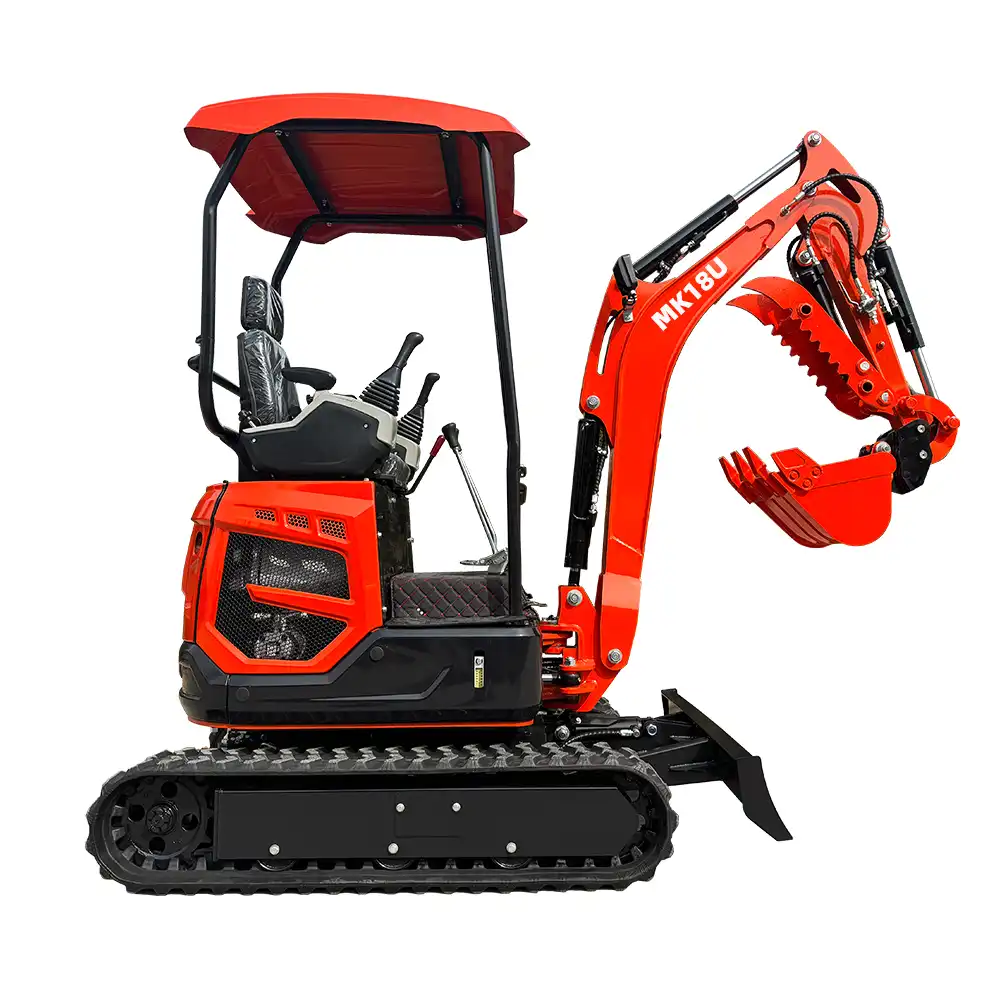
Mini Excavators are vital machinery for modern construction, landscaping, and engineering tasks, renowned for their great versatility and compact design. Proper transportation and storage of these costly assets continue to be major concerns for construction companies, contractors, and equipment rental enterprises around the world. Effective logistics management assures operational readiness, reduces equipment downtime, and increases machinery lifespan while reducing operating expenses. This thorough guide tackles the most pressing transportation and storage challenges for B2B procurement managers, providing tried-and-true solutions for improving logistics efficiency and protecting equipment investments. We provide actionable insights into effectively managing compact excavator fleets by studying transportation constraints, secure loading techniques, ideal storage settings, and decision-making frameworks.
Understanding Mini Small Excavator Transport Challenges
Transporting compact excavators presents unique logistical challenges that differ significantly from larger construction equipment. Weight distribution, dimensional constraints, and regulatory compliance create complex considerations for fleet managers and logistics coordinators.
Dimensional and Weight Considerations
Mini excavators ranging from 1 ton to 8 tons require specific trailer configurations and transport vehicles. Each weight class demands different loading strategies, with smaller units under 3 tons often transported on standard flatbed trailers, while heavier models require specialized lowboy configurations. The varying track widths, boom extensions, and attachment combinations further complicate transport planning, as these factors directly impact trailer selection and securing methods.
Regulatory Compliance Requirements
Transportation regulations vary significantly across jurisdictions, particularly regarding weight limits, permit requirements, and safety standards. Commercial transport operations must maintain compliance with DOT regulations, including proper licensing, load securement standards, and vehicle inspection protocols. Failure to meet these requirements can result in costly delays, fines, and potential liability issues that impact project timelines and budgets.
Equipment Damage Prevention
Loading, transit, and unloading phases present numerous opportunities for equipment damage if proper procedures are not followed. Hydraulic system damage, track misalignment, and attachment loosening represent common transport-related issues that can compromise equipment performance and increase maintenance costs. Developing standardized loading protocols and using appropriate securing equipment significantly reduces these risks.
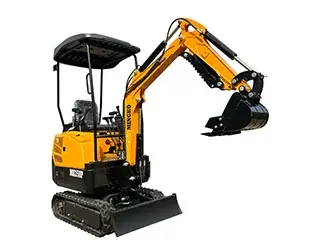
Practical Solutions for Safe and Efficient Transport
Implementing proven transport strategies ensures equipment arrives safely while maintaining operational efficiency and cost-effectiveness. Professional transport management requires careful attention to vehicle selection, loading procedures, and securing methods.
Transport Vehicle Selection
Choosing appropriate transport vehicles depends on excavator specifications, transport distance, and destination accessibility. Flatbed trailers work well for smaller units under 5 tons, offering easy loading and versatility for multiple job sites. Lowboy trailers accommodate heavier models while maintaining lower center of gravity for improved stability. Tilt trailers provide excellent loading convenience but may have weight limitations that restrict their use with larger compact excavators.
Loading and Securing Procedures
Professional loading procedures begin with proper ramp setup and safety zone establishment around the loading area. Here are essential loading protocols for compact excavator transport:
- Position ramps at appropriate angles, typically 15 degrees or less, to prevent equipment tipping during loading
- Use winch assistance for heavier units to maintain control throughout the loading process
- Secure tracks using heavy-duty chains rated for excavator weight plus dynamic loading factors
- Install boom restraints to prevent hydraulic movement during transport
- Apply wheel chocks and stabilizing blocks to eliminate shifting potential
These comprehensive securing measures protect both equipment and transport vehicles while ensuring compliance with safety regulations. Proper implementation reduces insurance risks and maintains equipment warranty coverage.
Fuel and Fluid Management
Transport regulations often limit fuel quantities in transported equipment, requiring partial tank draining before loading. Hydraulic fluid levels should be checked and adjusted to prevent spillage during transport. Battery disconnection prevents electrical drain and potential safety hazards during extended transport periods.
Effective Storage Practices for Mini Small Excavators
Optimal storage environments protect equipment investments while maintaining operational readiness for immediate deployment. Strategic storage planning addresses environmental protection, space utilization, and security considerations.
Environmental Protection Strategies
Controlled storage settings considerably increase equipment longevity by preventing corrosion, UV damage, and weather-related deterioration. Indoor facilities provide higher protection, but require significant infrastructure expenditure. Covered storage facilities offer cost-effective alternatives while yet providing enough protection from precipitation and temperature extremes. Humidity control systems help to avoid condensation buildup, which can harm electrical components and increase rust formation.
Space Optimization Solutions
Maximizing storage density while maintaining accessibility requires careful planning and innovative solutions. Compact excavators can be stored in tiered arrangements using appropriate racking systems designed for their weight specifications. Strategic positioning allows efficient movement patterns for equipment retrieval without disturbing other stored units. Attachment storage systems keep hydraulic accessories organized and readily accessible while preventing damage from improper handling.
Maintenance and Security Protocols
Regular maintenance schedules during storage periods ensure equipment remains operational and warranty compliant. Here are critical storage maintenance requirements:
- Monthly hydraulic system operation to maintain seal integrity and prevent fluid degradation
- Battery maintenance including charging cycles and terminal cleaning to prevent corrosion
- Lubrication point servicing according to manufacturer specifications
- Security system monitoring including GPS tracking and alarm system functionality
- Visual inspection protocols to identify potential issues before they become costly problems
These systematic approaches maintain equipment value while reducing unexpected maintenance costs and operational disruptions.
Transport and Storage Decision Factors for Procurement Managers
Procurement decisions require comprehensive evaluation of multiple factors affecting long-term operational costs and equipment performance. Strategic planning ensures alignment with business objectives while optimizing resource allocation.
Equipment Specifications Impact
Different excavator models present varying transport and storage requirements that influence total ownership costs. Rubber track units offer gentler transport loading but may require special storage considerations to prevent track degradation. Steel track models provide durability but increase transport weight and complexity. Attachment compatibility affects storage space requirements and transport securing procedures.
Manufacturer Support Considerations
Manufacturer-specific transport accessories and storage recommendations can significantly impact logistics planning. Some manufacturers provide specialized transport frames or securing equipment designed specifically for their models. Warranty coverage may include specific transport and storage requirements that affect operational procedures and compliance costs.
Ownership vs. Rental Analysis
Rental arrangements may include transport and storage services, reducing infrastructure investment requirements but potentially increasing long-term costs. Equipment ownership provides greater control over logistics but requires substantial investment in transport capabilities and storage facilities. Project duration, utilization rates, and seasonal demand patterns influence the optimal approach for different business situations.
Company Introduction & Product Offerings
Shandong Mingko Industry Corporation stands as a leading manufacturer and supplier of high-quality compact excavators, backed by over 15 years of engineering excellence and innovation. Our comprehensive product range includes 1-8 ton mini excavators designed for diverse applications, from urban construction to agricultural projects.
Manufacturing Excellence and Capabilities
Our state-of-the-art facility in Jining Economic Development Zone spans over 50,000 square meters, housing advanced production capabilities for 15,000 units annually. With more than 400 skilled employees and ISO 9001 certification, we maintain rigorous quality standards throughout the manufacturing process. Our National High-Tech Enterprise designation reflects our commitment to technological advancement and product innovation.
Comprehensive Service Support
Beyond manufacturing excellence, we provide complete logistics support including transport consultation and storage guidance tailored to customer requirements. Our professional sales and service team offers 24/7 technical assistance, ensuring optimal equipment performance throughout its operational lifecycle. We support MOQ 1 unit customization, enabling precise solutions for unique project requirements while maintaining competitive factory-direct pricing.
Conclusion
Effective transport and storage management is a vital success element for compact excavator operations, affecting equipment longevity, operational costs, and project efficiency. Strategic planning that includes vehicle selection, loading methods, storage settings, and maintenance routines provides peak equipment performance while safeguarding significant investments. When creating logistics plans, procurement managers benefit from doing a full examination of manufacturer support, ownership models, and operational requirements. Professional execution of these practical solutions decreases downtime, lowers maintenance costs, and increases equipment availability for productive deployment across a variety of project applications.
Frequently Asked Questions
Q1: What trailer type works best for transporting 3-5 ton mini excavators?
A: Flatbed trailers typically provide the optimal solution for 3-5 ton compact excavators, offering versatility, ease of loading, and cost-effectiveness. These trailers accommodate standard track widths while providing adequate weight capacity and stability. For frequent transport operations, consider trailers with built-in ramps and tie-down points specifically designed for excavator transport.
Q2: How should mini excavators be prepared for long-term storage periods?
A: Long-term storage preparation includes draining fuel tanks to prevent degradation, applying protective coatings to exposed metal surfaces, and positioning equipment in covered areas with adequate ventilation. Disconnect batteries, apply rust preventive treatments, and establish monthly inspection schedules to monitor storage conditions and equipment status.
Q3: What are the key differences between storing diesel and electric mini excavators?
A: Electric excavators require climate-controlled environments to protect battery systems and electronic components from temperature extremes and humidity. Battery maintenance schedules differ significantly, requiring regular charging cycles and monitoring. Diesel units focus on fuel system protection and engine preservation, while electric models emphasize electrical system integrity and component protection.
Partner with Mingko for Your Mini Excavator Needs
Ready to optimize your compact excavator logistics and enhance operational efficiency? Mingko offers comprehensive solutions combining quality manufacturing with expert logistics support tailored to your specific requirements. As a trusted Mini Small Excavator manufacturer, we provide complete transport consultation, customized storage solutions, and ongoing technical assistance to maximize your equipment investment. Our experienced team understands the unique challenges facing construction professionals and offers proven strategies for effective equipment management. Contact Us at sales@mingkomach.com to discover how our 15 years of manufacturing excellence and comprehensive service support can streamline your operations and reduce total ownership costs.
References
1. American Society of Civil Engineers. "Construction Equipment Transport Safety Guidelines." Engineering Standards Publication, 2023.
2. National Association of Equipment Leasing. "Best Practices for Compact Excavator Storage and Maintenance." Industry Technical Report, 2024.
3. Construction Industry Institute. "Equipment Logistics Management: Strategies for Small Construction Machinery." Research Publication, 2023.
4. International Association of Construction Equipment Manufacturers. "Transport Regulations and Compliance Standards for Compact Machinery." Technical Manual, 2024.
5. Society for Mining, Metallurgy & Exploration. "Equipment Storage Environmental Controls in Construction Operations." Technical Guidelines, 2023.
6. Equipment World Magazine. "Mini Excavator Transport and Storage: Industry Analysis and Recommendations." Annual Equipment Survey, 2024.