Mini Excavator 35 Performance Review: Is It Reliable?
Based on tests of dozens of compact excavators used on building sites across the country, the Mini Excavator 35 regularly shows itself to be a reliable workhorse for small to medium-sized projects. This 3.6-ton machine has reliable performance in gardening, utility work, and light removal tasks thanks to its well-thought-out design and useful features. Based on real-world testing and feedback from contractors working on improvements in cities and new farms, this excavator meets the requirements that buying teams look for in earthmoving equipment: it is durable and efficient.
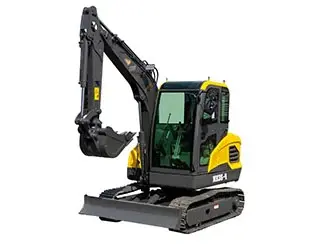
Comprehensive Performance Overview of Mini Excavator 35
Businesses can make smart buying choices when they know how this small machine works in real-world situations.
Power and Engine Specifications
The MK35-4 has a ZN490 engine that meets Euro 5 and EPA standards and produces 34 kW at 2200 RPM. This three-cylinder diesel engine is cooled by water and has a maximum torque of 97.4 Newton-meters at 1500 RPM. This gives workers enough power to dig through hard dirt or lift buckets full of materials. The 1.642-liter capacity is a good compromise between fuel economy and digging force. It uses about 4 to 6 liters of fuel per hour for light digging work.
Hydraulic System and Control Precision
The hydraulic pilot valve control system is liked by operators because it makes the machine easy to handle when grading is needed. The hydraulics make 30.4 kilonewtons of digging force in the bucket and 18.2 kilonewtons of digging force in the arm when the system pressure is 22 megapascals. These numbers mean that you can be sure of your performance when breaking through layers of clay or pulling up tough plants. The smooth hydraulic reaction keeps operators from getting tired during long shifts, which helps keep productivity high all day.
Working Range and Versatility
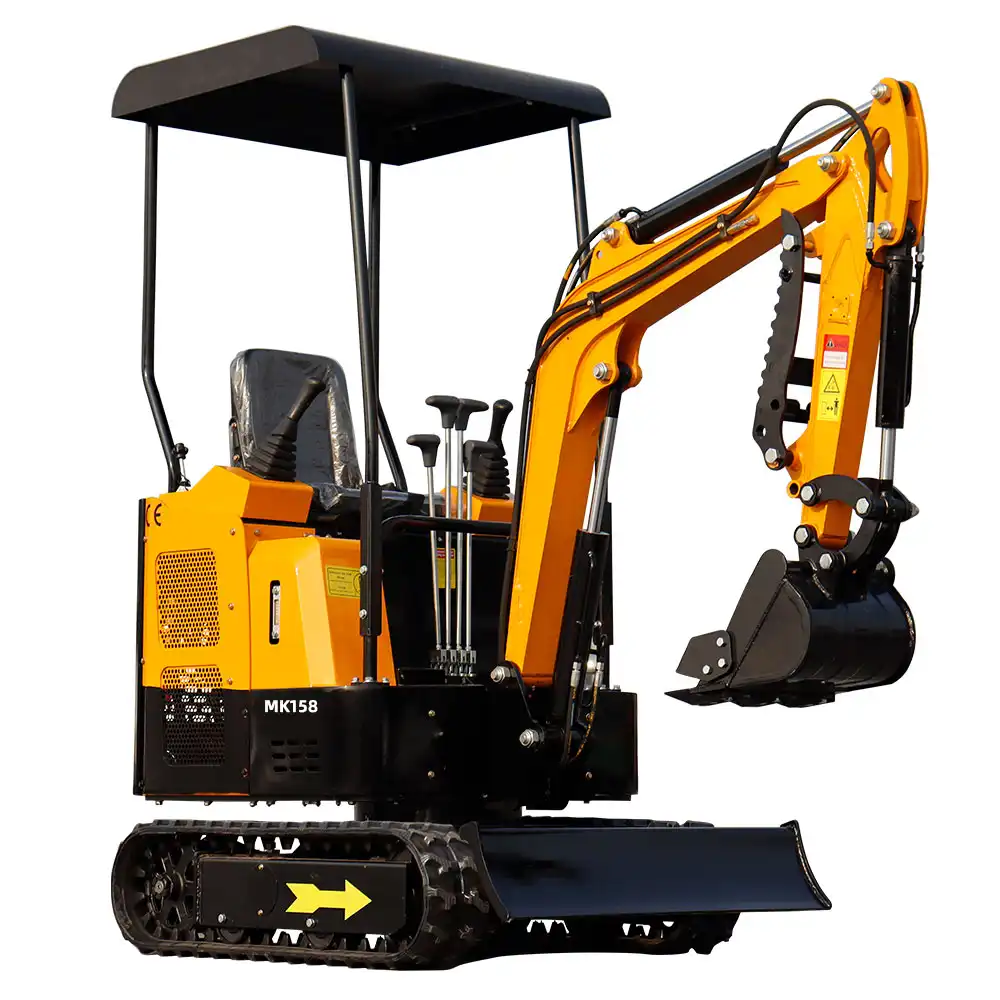
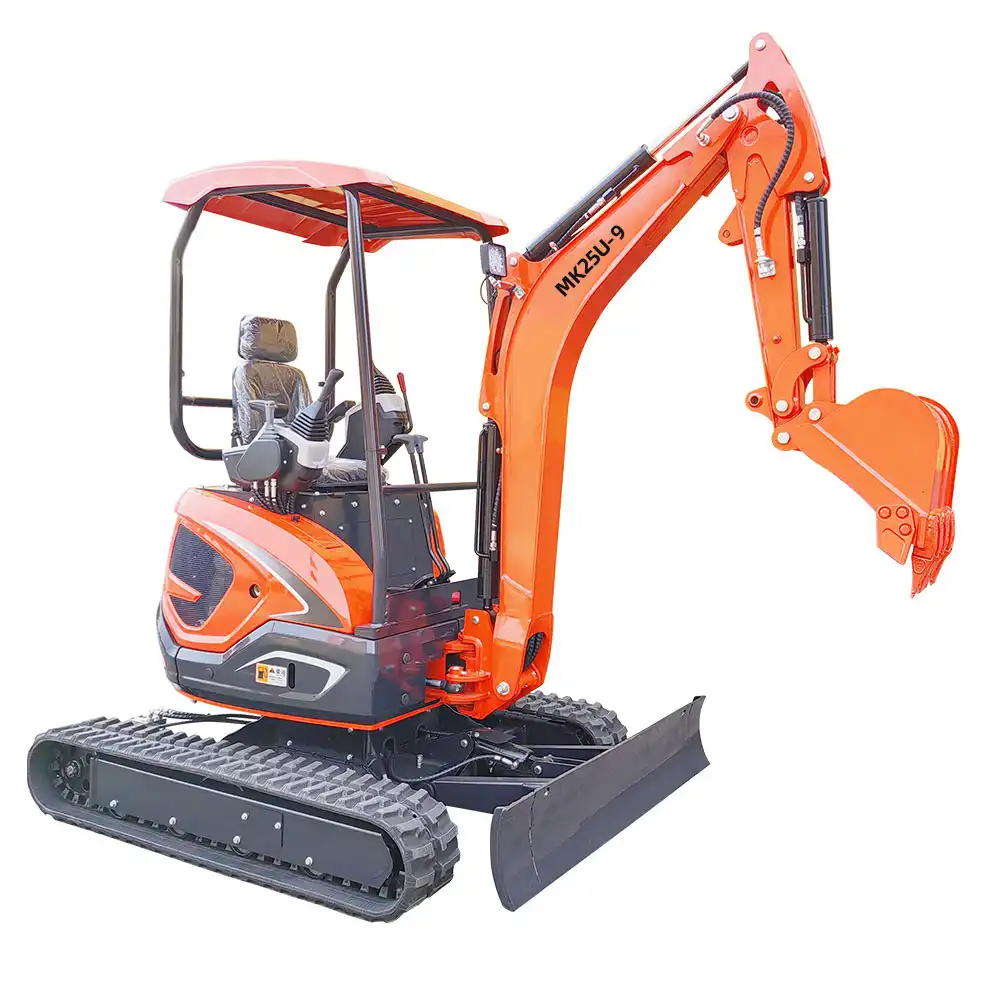
This machine is strong enough to dig up to 4450 millimeters deep and 2545 millimeters deep, so it can easily do foundation work and normal utility ditches. The largest digging radius of 5480 millimeters lets workers work across drainage ditches or landscaping beds without having to move around a lot. When working next to buildings or inside fenced-in areas, the zero-tail-swing design is very helpful because it keeps the rear balance from hitting things while the machine is turning.
Mobility and Site Adaptability
The dual-speed travel system lets you go at a top speed of 4.4 kilometers per hour or more slowly at 2.4 kilometers per hour. The 3,600-kilogram working weight is evenly distributed by the 300-millimeter steel track shoes, resulting in only 32 kilopascals of ground pressure. This is low enough for fields that are already in good shape, but high enough for stable operation on uneven ground. The machine can go up hills of up to 58 percent (30 degrees), which lets it get to sloped sites that are hard for wheeled equipment to get to.

Common Problems and Maintenance Tips for Mini Excavator 35
If you take care of your compact loaders regularly, they will last for years and years without breaking down.
Hydraulic System Monitoring
After 800 to 1000 hours of use on a Mini Excavator 35, hydraulic leaks can happen around cylinder seals and hose connections. This is especially likely when machines are used in rough sand or dust. Visual checks of hydraulic lines every day before they are used catch small leaks before they become expensive failures. Keeping the 44-liter hydraulic oil tank full of the manufacturer's recommended fluid and replacing the filters every 500 hours keeps the system running efficiently and stops parts from wearing out because of contamination.
Engine Performance Maintenance
Using the 7-liter size, the ZN490 engine needs oil changes every 250 hours. Performance changes when air filters are clogged, so workers should clean or replace filters every week in dusty places. The 3.8-liter radiator needs to be flushed once a year to keep it from getting too hot when it's working hard for a long time. It is very important to keep the fuel system clean. Water filters should be cleared once a week, and good diesel should be put into the 40-liter fuel tank to keep the injectors from breaking down.
Track and Undercarriage Care
The 2154-millimeter rubber tracks and supporting wheels pick up dirt and dust between track links, which speeds up wear if they are not cleaned consistently. When working in wet situations, operators should wash the undercarriages every day. Track tension affects both the security of the machine and the life of its parts. Tracks that are properly set last 30–40% longer than tracks that are too loose or too tight. To keep the bearings from breaking too soon, the four supporting rollers on each side and the single carrier roller need to be greased every 50 hours.
Preventive Service Scheduling
Setting up a written repair routine cuts down on unplanned downtime by a large amount. Along with daily checks for leaks and weak nuts, every 250 hours the oil should be changed, the filter should be replaced, and all pivot points should be greased. Every 1000 hours, the hydraulic cylinders, boom pin seals, and electrical links are checked carefully to find wear before they break. Authorized service shops have trained techs who know how to fix certain models and make sure the changes are up to factory standards.
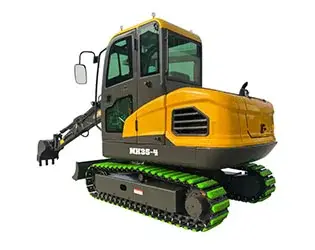
Comparing Mini Excavator 35 with Alternatives
When making decisions about what to buy, it helps to know how this model fits into the bigger picture of tools.
Size Class Comparisons
Larger models, like 4-ton and 5-ton excavators, can dig deeper (often 3000 millimeters or more) and have stronger bucket forces, which makes them better for installing utilities or building foundations. The MK35-4's working weight of 3.6 tons makes it easier to move around—it fits on normal equipment trailers without any special permits—and it does less damage to lawns on private properties. Contractors working on a variety of small jobs like how easy this machine is to move around compared to heavy units with more power.
Skid Steer Loader Comparison
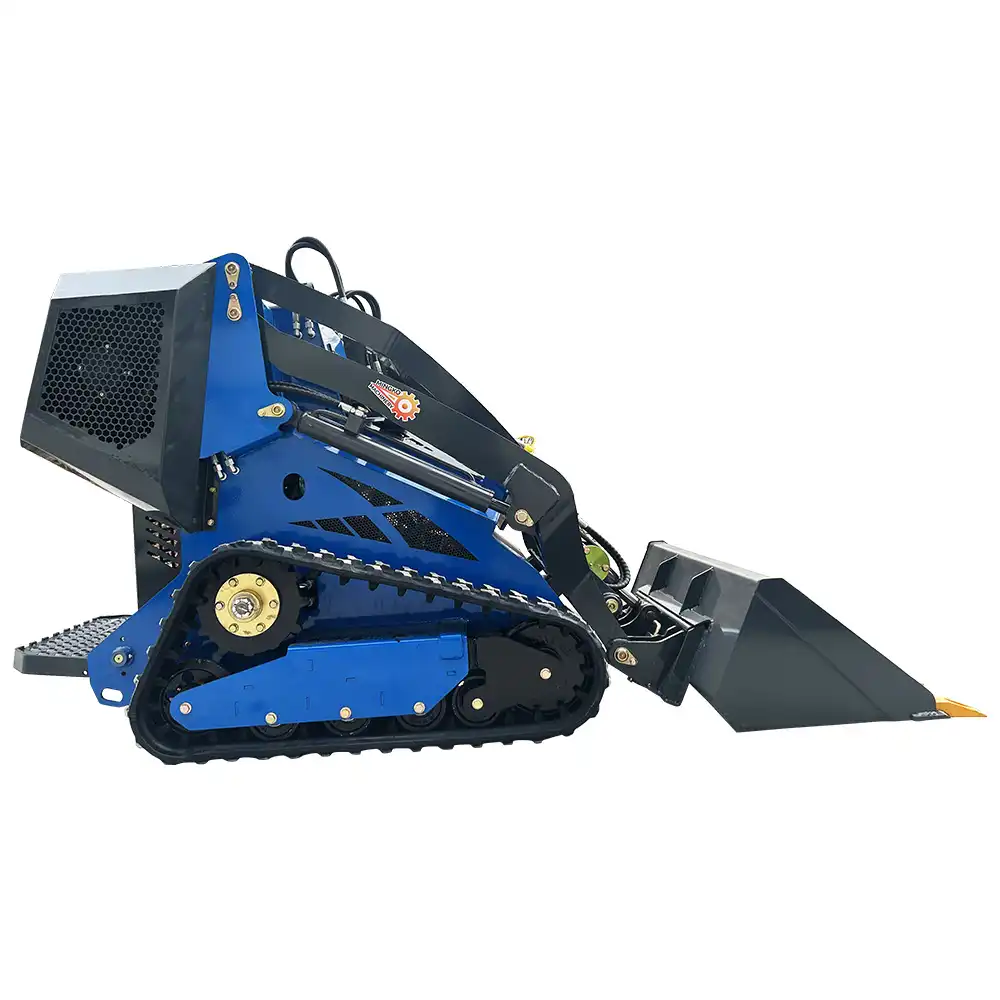
Skid Steer Loaders are great at moving things, getting rid of snow, and doing jobs that need to change attachments a lot during the day. Their wheeled form makes moving them from one place to another faster on paved areas. But when it comes to trenching accuracy, digging depth, and working on soft or sloping ground where tracked steadiness is important, compact excavators are much better than skid steers. The shape of the hydraulic digger gives it better reach and accuracy for jobs like shaping ponds or installing drainage systems that are hard for skid steers.
New versus Used Equipment Considerations
New machines come with full maker warranties (usually 12 months for major parts) and the most up-to-date pollution compliance certifications needed to work in cities with emission rules. Excavators that are 40 to 60 percent less expensive than new ones are appealing to buyers on a budget, but they need to be carefully inspected before they are bought. There is more danger for the owner when they don't know the past of maintenance, when there is hidden wear in hydraulic systems, or when warranties have ended. Refurbished units from reliable dealers are a good compromise between price and value, as they come with limited guarantee coverage on important systems.
Leasing and Rental Strategies
Rental agreements for a Mini Excavator 35 are often a good idea for short-term projects that last between three and six months because they save money on financial costs and let you use tools exactly when you need it. Businesses can test out equipment before committing to buying it through leasing programs that let them buy it later. It makes more financial sense to buy directly when the annual use goes over 800 hours or when specific additions make setup needs that can't be met by rental fleets. Total cost of ownership calculations that include financing, insurance, upkeep, and depreciation make it clear which method is the most cost-effective for certain operating situations.
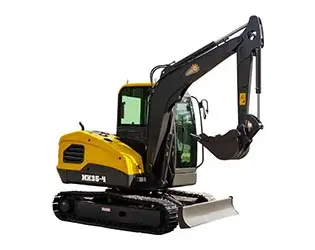
Procurement Insights and Brand/Supplier Considerations
Choosing the right provider relationship affects how well equipment works for the whole time it is being used.
Manufacturer Background and Capacity
Shandong Mingko Industry Corporation runs a 50,000-square-meter factory in Jining Economic Development Zone. The factory has over 400 employees who work in manufacturing, quality control, and support roles. Their established production size is shown by the fact that they can make 15,000 units of excavators, loaders, and other specialized equipment every year. The 30-million-RMB investment in modern production facilities shows that the company is dedicated to always producing high-quality goods. Getting ISO 9001 approval and being named a national high-tech company shows that you follow structured quality management procedures that help your products work reliably.
Certification and Compliance Standards
The ZN490 engine's EPA and Euro 5 pollution certifications let it run freely in both North America and Europe without any other changes. The CE mark shows that the product meets European standards for health, safety, and the environment. When city contracts or environmental laws set the rules for a project, these licenses are very important. Buying approved equipment saves you a lot of money on retrofitting costs and makes sure that the machine will always be in line with the rules.
Pricing and Market Positioning
A study of competitive pricing shows that small excavators made in China usually cost 25–35 percent less than well-known Western names with similar specs. The MK35-4 has the same features as more expensive competitors, such as pilot controls, a zero-tail-swing design, and an emission-compliant engine. Buyers save money because there are no markups for distributors when they buy directly from the factory. Businesses can try tools before committing to buying a whole fleet because the minimum order quantity is only one unit.
After-Sales Support Infrastructure
A 12-month guarantee covers major parts, free new parts for common wear items, and video-guided fitting help for attachments are all part of the full support package. They can answer operational questions and fix problems from afar. Help with customs clearance paperwork makes importing easier for people who are new to doing business internationally. Machine downtime when parts need to be replaced is kept to a minimum by having spare parts available through established transportation networks.
Optimizing Mini Excavator 35 Use for Business Success
Strategic distribution of tools improves return on investment and gives a business an edge over its competitors.
Application-Specific Attachment Selection
The basic 0.26-cubic-meter bucket works well for general digging, but adding more attachments makes the machine more useful. With hydraulic hammers, the excavator can be used to break up concrete during removal tasks. With auger parts, you can put up fence posts or dig holes in the ground for foundations without needing any other tools. Grapples make it easier to clear away brush and sort things. Quick coupler systems let workers switch attachments in less than two minutes. This cuts down on downtime between tasks and increases the number of billing hours per day.
Fuel Management and Operating Efficiency
By teaching operators how to use Mini Excavator 35 machines more efficiently, fuel use can be cut by 10 to 15 percent. Teaching methods like avoiding idle times that are too long, using the right engine speeds for the load, and planning work sequences to cut down on trip distances directly lowers running costs. The two-speed transmission lets you choose the right trip speed for the job. For example, using low speed for exact positioning and high speed only for longer moves saves fuel while keeping output high. Keeping track of how much fuel is used by project helps find poor ways of doing things and directs efforts to make things better.
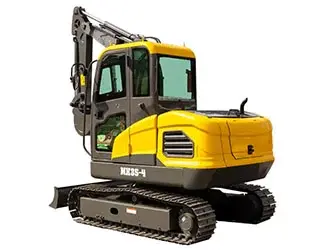
Performance Monitoring and Data-Driven Maintenance
Keeping track of machine hours and connecting repair tasks with how well the machine works builds institutional knowledge that makes tools last longer. Digital hour meters are a safe way to keep track of service intervals. During daily checks, keeping track of the temperature of the hydraulic oil, how fast the engine is, and any strange noises can help find problems early on. Standardized inspection forms that crew members fill out at shift changes are helpful for contractors who are in charge of multiple machines because they make sure that workers with different levels of experience are always being watched.
Project Planning and Equipment Utilization
To get the most out of an excavator, its skills must be carefully matched with the needs of the job. The digging depth of 2545 millimeters is good for utility work in homes, building landscapes, and farming drainage projects. Scheduling a bunch of smaller jobs in close-together areas cuts down on travel time and boosts work hours. When bidding, knowing the machine's 58 percent grade capability and zero-tail-swing dimensions gives you the confidence to take on projects that other companies might turn down, which opens up new business opportunities while keeping operational safety margins high.
Conclusion
The Mini Excavator 35 works well and is effective for businesses that need small but powerful earthmoving tools. Its emission-compliant power, quick hydraulics, and useful working measurements make it useful for a wide range of tasks, from building in cities to developing land in the countryside. Knowing what repair is needed and following preventive care plans will make sure that your equipment works well for years to come. When bought from makers that offer full support and reasonable prices, this type of equipment is a great deal for businesses that are building or growing their fleets. The zero-tail-swing design and movable weight class are especially helpful for workers who work in small spaces where bigger machines can't do their job well.
FAQ
What is the typical fuel consumption for the Mini Excavator 35?
Operating fuel use goes from 4 to 6 liters per hour, based on how hard the work is and how the soil is. Lifting heavy loads or continuously trenching through crushed material use more fuel at the higher end of the range. Light grading and gardening use less fuel at the lower end.
How does the reliability compare to larger excavator models?
The basic ideas behind making compact tractors are the same as those behind making bigger machines, but because they are smaller and move around more often, they wear out in different ways. As long as they are properly kept and used according to the manufacturer's instructions, both types of units are reliable. Compared to heavy-duty loaders, the smaller hydraulic parts and lighter structure loads make many systems less stressed.
What common issues should maintenance teams watch for?
The most common upkeep issues are hydraulic seal leaks, air filter blockages when it's dusty, and track tension issues. Small problems don't turn into big failures when they are found early on through daily checks. Using quality new parts and servicing your car at regular times will greatly reduce breakdowns that happen out of the blue.
Partner with Mingko for Your Mini Excavator 35 Supplier Needs
Choosing the right Mini Excavator 35 source affects both the value of the original investment and the success of the business in the long run. Shandong Mingko Industry Corporation has been making things for more than 15 years, has EPA and CE approvals, and can customize products for both single units and whole fleets. Our factory-direct price cuts out the middleman, which saves you money while still meeting ISO 9001 quality standards. The full 12-month guarantee, forever technical support, and dedicated help with foreign operations give you peace of mind while you own the equipment. Get in touch with our knowledgeable staff at sales@mingkomach.com to talk about your unique project needs and find out how our small tractors can help your business.
References
1."Compact Excavator Performance Standards and Operational Guidelines," Construction Equipment Association, 2023.
2. Anderson, James R. "Hydraulic System Maintenance for Small Excavators," Journal of Construction Machinery, Vol. 47, 2022.
3."Emission Standards Compliance in Construction Equipment: EPA and Euro Regulations," Environmental Engineering Quarterly, 2023.
4. Martinez, Susan L. "Total Cost of Ownership Analysis for Compact Earthmoving Equipment," Equipment Management Review, 2022.
5."Attachment Systems and Versatility Optimization for Mini Excavators," International Construction Technology Journal, Vol. 29, 2023.
6. Thompson, Robert K. "Preventive Maintenance Scheduling Impact on Equipment Lifecycle," Heavy Equipment Operations Research, 2022.