Mini Pelle Maintenance Tips for Long-Term Performance
Keeping your compact digger in great shape takes more than just casual care. It needs a planned, proactive approach. An expensive Mini Pelle, known for being able to fit in tight areas and do a wide range of jobs from digging holes to growing trees, is a big investment for contractors and procurement teams. If you take care of this flexible machine the right way, it will work well all the time, have fewer unexpected breakdowns, and last longer. B2B buyers can protect their investment and get the most out of their equipment purchases by learning the basics of preventative care, spotting early warning signs, and putting in place regular maintenance schedules.
Understanding Mini Pelle Maintenance Essentials
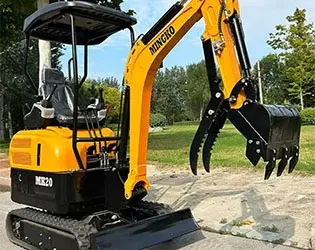
To do good maintenance, you must first figure out which processes are the most important and need regular care. There are mechanical, hydraulic, and safety parts in compact excavators that all work together to make them effective for use on building sites, in landscaping projects, and in farming.
Identifying Common Vulnerabilities
Wear on the engine is one of the most common problems that people run into. The diesel and gasoline engines that power these small tools get stressed out after a while of use, especially in tough circumstances. Hydraulic leaks happen slowly, and people usually don't notice them until the system stops working as well. Track systems get worn down by rough surfaces and coarse materials, and chassis parts are constantly exposed to dirt, water, and impact forces. Knowing about these weak spots helps maintenance teams use their resources wisely and keep small problems from getting worse and needing expensive fixes.
Maintenance Requirements by Machine Type
Maintenance schedules need to be different for each type of power source. Many small excavators have diesel engines like the Kubota D902 and Laidong 385. These engines need good fuel and filters that need to be changed on a regular basis. These engines can handle a lot of work, but they need to have their oil changed and cooling systems checked regularly. Gasoline options are easier to maintain, but spark plugs and carburetor changes need to be done more often. Electric models, which aren't as popular in this weight class, get rid of many worries about fuel while adding concerns about battery management. By knowing how your machine is set up, you can make a repair plan that meets your unique needs instead of just following general suggestions.
The Cost Efficiency of Preventive Care
The financial benefits of preventive repair can be measured by procurement managers every time. Emergency fixes are much more expensive than planned checks, and replacing parts on time keeps other systems from getting damaged. When and how much work gets done are directly affected by the supply of equipment. A well-maintained Mini Pelle works at full capacity, uses fuel efficiently, and needs major repairs less often. The difference between strategic and reactive repair often tells you whether a machine will make you money for eight years or need to be replaced after five.
Systematic Approach to Mini Pelle Maintenance: From Problem to Solutions
Structured methods that find problems early and fix them before performance goes down are needed for maintenance to work well. This methodical approach changes maintenance from responding to problems as they happen to strategic asset management.
Recognizing Early Warning Signs
Skilled workers can pick up on small changes that mean problems are starting to happen. Strange sounds coming from the hydraulic pump could mean that it is dirty or that parts are wearing out. Less digging force means that the hydraulic pressure is dropping or the cylinder seal is breaking down. Too much fuel use is a sign of an inefficient engine or a clogged air filter. Misalignment of the tracks leads to early wear and higher running resistance. By writing down these notes, you build a performance baseline that helps maintenance teams find problems when normal operation patterns aren't being followed.
Root Cause Analysis
Symptoms on the surface don't always tell the whole story. Fuel pollution could be caused by bad storing methods or broken fuel lines. Handling mistakes made by operators, like using too much force or the wrong attachments, speed up the wear on hydraulic systems and structural parts. Normal wear patterns are made worse by things like extreme temps, a lot of dust, or chemicals that eat away at metal. Finding the root causes of problems stops them from happening again and again and focuses fixing efforts on the real issues rather than just the signs.
Core Maintenance Principles
Three simple steps are at the heart of taking good care of your tools. When done according to the manufacturer's instructions, routine checks find problems early on, before they become major problems. Lubrication schedules make sure that moving parts work within the limits of their design, which lowers friction and heat production. Changing parts on time, based on how many hours they've been used instead of how many failures have been seen, stops cascade failures where one old part harms systems around it.
An organized way to take care of Mini Pelles: from issues to solutions relies on strict upkeep plans. A gardening company in the Midwest used a simple spreadsheet to keep track of what was found during inspections and what parts were replaced. Over the course of eighteen months, their emergency repair costs went down by 60%, and the availability of their tools went from 72% to 91%. When building companies in cities switch from reactive to preventive upkeep, they get the same results.
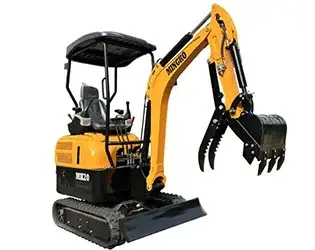
Practical Maintenance Checklist
Daily tasks include checking the hydraulic lines for leaks visually, making sure the track tension is correct, checking the fluid levels in the engine oil and hydraulic reservoir, and cleaning the outside to get rid of dirt that has built up. Weekly routines add grease application to hinge points, checking the air filter, cleaning battery terminals, and checking the coolant level. Monthly maintenance incorporates taking samples of the hydraulic oil to check for contamination, checking the track and chassis for wear, replacing the engine filter, and servicing the hydraulic filter. This tiered method spreads out the maintenance work and makes sure that the most important systems get the care they need.
Technical Dimensions to Monitor for Mini Pelle Durability
Targeted care for parts stops the expensive breakdowns that throw off project plans and put a strain on maintenance funds. Maintenance teams can make good use of their time and resources when they know exactly what key systems need.
Engine and Fuel System Care
A lot of an engine's life rests on clean fuel and good filtering. Before getting to the injection systems, where even tiny particles can damage them and make them work less well, fuel screens catch the contaminants. Diesel engines need fuel-water filters to get rid of wetness, which is a common contaminant that makes rusting and microbial growth easier. Changing the filter on a regular basis, usually every 250 hours of operation, keeps the fuel quality high and saves expensive pump parts. Air filters need the same amount of care because they block airflow, which makes the engine use more gas and produce less power. Maintenance schedules and filter requirements for diesel and gasoline engines are different, so it's important to follow the manufacturer's instructions.
Hydraulic System Integrity
Compact excavators are useful tools because they have hydraulic systems that give them power. The quality of the oil affects how well the system works and how long the parts last. When hydraulic fluid is contaminated, it wears down pump parts and valve surfaces. Heat breaks down oil additives, which makes lubricant less effective and makes rust more likely. To find a leak, you have to regularly check the hose and pay attention to how it fits. Small leaks lose expensive hydraulic fluid, lower the pressure in the system, and put the environment at risk. An annual study of the hydraulic oil gives accurate information about the amount of contamination and the remaining oil life. This way, choices about replacement are based on lab proof instead of guessing.
Track and Undercarriage Maintenance
Undercarriage parts that aren't taken care of can cost a lot to repair. Adjusting the track tension keeps the drive sprockets and idlers properly engaged, which stops wear and tear on the parts early and lowers the working resistance. Tracks that are too loose hurt sprocket teeth and make machines move in strange ways. When tracks are too tight, they put stress on the bearings and speed up the failure of parts. Track pad state affects how well it grips the ground and keeps the track links below from getting damaged. Checking the rollers and idlers shows when the bearings are wearing out before they break in a big way. The whole weight of the machine is supported by these parts, which get stressed out by rough ground and heavy loads. When you clean regularly, you get rid of packed material that keeps water in and speeds up rust.
Operator Training as Maintenance Strategy
Skilled workers make tools last longer by using the right techniques and finding problems early on. Training programs that teach smooth control inputs, the right way to dig, and how to choose the right attachments keep hydraulic systems and structure parts from being stressed out for no reason. Operators who know what the Mini Pelle can do keep it from being overloaded and can spot when something isn't working right. This part of maintenance that involves people doesn't get enough attention, but how operators act directly affects how much maintenance costs and how long technology lasts. When companies put money into getting their operators certified and continuing to improve their skills, they regularly see lower repair costs and more equipment available.
How to Choose the Right Maintenance Solutions and Products
Using the right parts and fluids that meet or go beyond what the maker specifies is important for maintenance to work well. When businesses buy things from each other, the choices they make have a big effect on their long-term prices and the reliability of their tools.
OEM Versus Aftermarket Parts
Genuine OEM parts are guaranteed to work with other parts and have performance specs that match those of the original equipment. Aftermarket options can save you money, but you need to carefully check their quality and fit. OEMs usually spend in critical systems like hydraulic pumps, control valves, and engine parts because they affect how well the machine works and how much it costs to fix them when they break down early. When bought from reputable aftermarket sources, consumables like filters, wear plates, and track shoes usually work fine. The choice framework should look at how important the part is, how much it costs, what the warranty means, and how reliable the seller is.
Quality-controlled oils and lubricants deserve particular attention. Hydraulic systems that were made to work with ISO 46 viscosity grade oil don't work well with other types. Engine oils must meet API standards that are right for either gasoline or diesel engines. Using the wrong fluids cancels guarantees and speeds up the wear and tear on your Mini Pelle. Getting to know suppliers of industrial fluids who can offer expert help and regular product quality is good for procurement teams.
Maintenance Package Considerations
Companies have to decide whether to do their own repair or hire service providers to do it for them. Maintenance packages are often part of leasing agreements. These packages shift duty and cost certainty to the lessors. Buying machines directly gives you more options, but you need to have the right tools and knowledge to maintain them yourself. When you rent tools during times of high demand, you don't have to do any upkeep. Each method works for a range of operating types and project lengths. Companies in the construction industry that use their equipment regularly may find it more cost-effective to own it, while contractors whose job changes with the seasons may prefer the freedom of renting.
Leveraging Manufacturer Support Networks
Well-known names come with useful help systems. Different makers have very different levels of parts availability, quality of expert documentation, and service network reach. Machines from well-known brands, like Kubota engines, make it easier for mechanics to find parts and get to know the machines. Maintenance help should be given the same amount of weight as buying price and performance specs when deciding what equipment to buy. A cheaper machine that needs to be taken apart for a long time while parts are delivered or specialized repair skills are sought will eventually cost more than equipment with prompt support networks.
Attachment Compatibility and Maintenance
Attachments that use hydraulics make small excavators more useful by letting you change the bucket, use the auger, break rocks, and move materials. Each attachment comes with its own set of upkeep needs and connectivity issues to think about. Quick couplers make it easier to change attachments, but they need to be checked and oiled regularly. To keep damage from happening, the machine and connection must have the same hydraulic flow rates and pressures. When purchasing attachments, teams should make sure they are technically compatible, that parts are available, and that the quality of the upkeep paperwork is good. Attachments that are well taken care of protect the hydraulic systems of the base machine and give steady performance in a wide range of situations.
Optimizing Maintenance Processes to Maximize Mini Pelle Performance
Advanced maintenance strategies go beyond immediate repairs and focus on predictive, data-driven equipment management that makes the most of downtime and increases the life of the equipment.
Identifying Performance Bottlenecks
Systematic data gathering shows trends that point to waste. Too much fuel use compared to work done could mean that the engine is broken or the user isn't using it correctly. High rates of idle time waste fuel and add up to hours of operation that aren't needed. Changing hydraulic oil often is a sign of pollution that needs to be looked into. By keeping track of these measures across fleets of equipment, both well-running and troublesome machines can be found. This lets repair staff focus on the areas where they can make the most difference.
Predictive Maintenance Technologies
IoT-enabled monitoring systems keep track of working factors like engine temperature, hydraulic pressure, fuel use, and hours of operation automatically. These tools let repair teams know when problems are starting to happen before they happen. Vibration sensors find worn bearings in parts that move. Temperature monitors find problems with the cooling system and the wear and tear on hydraulic oil. In the past, compact excavators didn't have smart tracking features. However, newer models are starting to include more sensor technology that supports proactive repair methods. Adding aftermarket tracking devices to older technology makes current fleets have the same power.
Quantifying Maintenance ROI
Maintenance projects should show worth that can be measured. Lower emergency repair costs, more readily available tools, longer replacement cycles, and higher resale prices are all things that help with return on investment. Companies that keep an eye on these measures regularly find that full maintenance plans give them returns of more than 300% over the life of the equipment. The data also helps people make smart choices about replacements by showing them when the costs of repairs make it worth buying new equipment.
Shandong Mingko Industry Corporation manufactures compact excavators ranging from one to eight tons, designed for straightforward operation and minimal training requirements. Our machines support customization, including color selection, and offer extensive attachment options. With fifteen years of manufacturing experience, a fifty-thousand-square-meter production facility, and ISO 9001 certification ensuring quality standards, we deliver equipment that balances performance with maintainability. EPA and CE compliance demonstrate our commitment to meeting international environmental and safety requirements. Our Mini Pelle models feature both diesel and gasoline engine options, providing flexibility for different operational preferences and maintenance capabilities.
Conclusion
When maintained properly, compact excavators go from being assets that lose value over time to tools that make steady returns over long work lives. Understanding system weaknesses, setting up structured check plans, keeping an eye on key parts, choosing high-quality parts and fluids, and using predictive technologies are all part of this article's systematic approach to equipment care. When B2B procurement teams and site managers commit to proactive repair, they always get better project results, lower running costs, and more available tools. Spending time and money on proper care pays off in the form of fewer emergency fixes, longer replacement cycles, and higher resale values.
FAQ
How often should hydraulic oil be changed in a compact excavator?
Depending on the conditions of use and the results of an oil study, hydraulic oil should be changed every 1,000 to 2,000 hours of operation. Machines that work in places with a lot of dust or high temperatures need to be changed more often. An annual oil sample gives accurate information about the amount of pollution and the amount of time the oil has left to work. This lets replacement choices be based on facts rather than set schedules. Keeping the hydraulic oil clean keeps expensive pumps and valves from wearing out, making this Mini Pelle repair job a good way to save money and extend the life of the system.
What maintenance tasks can operators perform versus requiring mechanic expertise?
Every day, operators can do simple lubrication jobs, check the fluid level, clean the outside, and do visual exams. Weekly upkeep, such as checking the air filter and cleaning the battery terminals, is something that operators can do with little training. Mechanics and special tools are needed for monthly jobs like changing the hydraulic filter, doing a thorough check of the undercarriage, and taking oil samples. This split of duties keeps workers interested in taking care of tools and makes sure that technical tasks get the attention they need.
How does proper maintenance affect equipment resale value?
Maintenance records that are kept up to date greatly increase a home's resale value by showing that the owner is responsible and lowering buyers' worries about hidden problems. Full service records with results of fluid analyses and replaced parts support higher prices and bring in serious buyers. It is common for machines with a patchy history of repair to sell for twenty to thirty percent less than similar machines with a history of care. The difference in resale value often covers more than the total cost of the repair program over the life of the equipment.
Partner with a Trusted Mini Pelle Manufacturer for Reliable Equipment
Shandong Mingko Industry Corporation is ready to help you with your compact digger needs by giving you factory-direct prices and great customer service. As a Mini Pelle provider that has been in business for more than fifteen years, we know what upkeep issues are important to B2B buyers. Our design team makes machines that are both effective and easy to maintain. Our ISO 9001 certification shows that we are dedicated to quality control throughout the whole production process. We support customization for a single unit, which lets buying teams choose options that meet practical needs.
Reach our professional sales and service team twenty-four hours daily at sales@mingkomach.com for technical specifications, pricing information, and maintenance guidance. Our after-sales support includes twelve-month warranties and lifetime technical assistance, ensuring your equipment investment delivers consistent value. Whether you need compact excavators for construction, landscaping, or agricultural applications, our product range from one to eight tons provides options suited to diverse project requirements. Visit sdmkmachinery.com to explore our complete equipment lineup and discover why businesses choose Mingko for reliable compact excavator solutions.
References
1. Anderson, J. (2021). Heavy Equipment Maintenance Management: Strategies for Long-Term Asset Performance. Industrial Press.
2. Chen, M., & Rodriguez, P. (2022). Hydraulic System Care in Compact Construction Equipment. Journal of Construction Engineering and Management, 148(3), 45-62.
3. Equipment Maintenance Council. (2023). Best Practices for Small Excavator Fleet Management. Construction Industry Publications.
4. Harrison, T. (2020). Preventive Maintenance Economics: Quantifying ROI in Construction Equipment. McGraw-Hill Professional.
5. International Organization for Standardization. (2022). Quality Management Systems for Equipment Manufacturers: ISO 9001 Implementation Guide. ISO Press.
6. Williams, K., & Nakamura, H. (2023). Predictive Maintenance Technologies in Compact Heavy Equipment. International Journal of Industrial Engineering, 30(2), 112-128.