What Is a Mini Excavator 3.5 Ton and How Does It Perform?
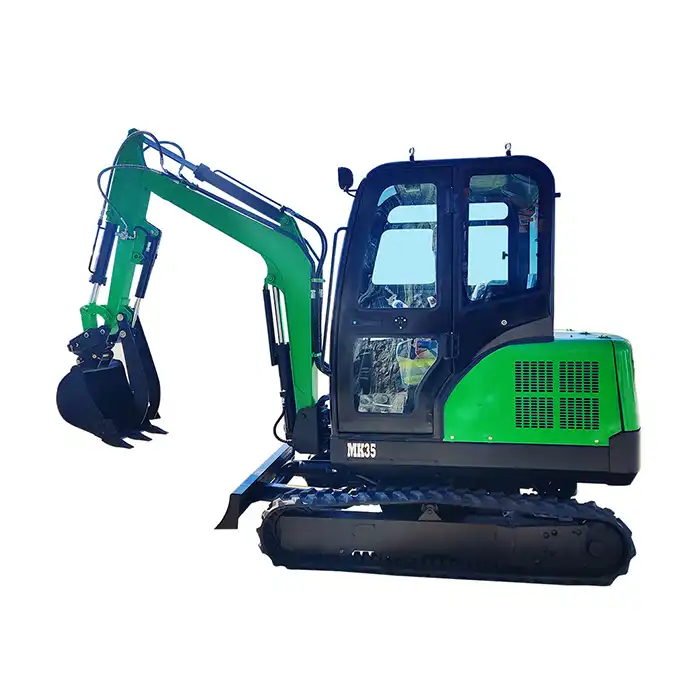
A Mini Excavator 3.5 Ton is a good size for digging because it is both small and strong. Most of the time, they weigh between 3,500 kg and 3,900 kg. For light to medium-duty tasks like digging, trenching, grading, and getting a spot ready where space and movement are important, these tools are made. The diesel engines in these excavators are very good at what they do and usually meet Euro 5 or EPA Tier 4 needs. These tools are useful for many tasks, such as building, gardening, putting in services, and farming. These machines are small, have hydraulic pilot controls, and don't have any tail-swing. This means that workers can work safely and securely in tight areas without giving up digging power or practical safety.
Understanding the 3.5 Ton Mini Excavator
Core Design and Engineering Principles
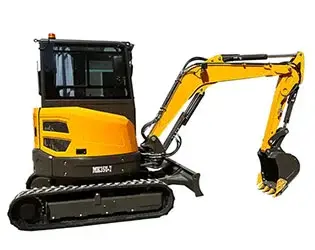
This size of Mini Excavator 3.5 Ton is made to be as useful as possible while taking up as little room as possible. These machines are not the same as bigger earthmovers because their frames are stronger and their tails don't turn. They can work next to building frames, in streets that aren't very wide, and on busy construction sites. Models like the MK35U-7 have a working weight of about 3,810 kg, which makes them stable enough for digging jobs but light enough to move easily on regular trucks without the need for special permits.
For the car to work well and follow environmental rules, getting the right engine is one of the most important things that can be done. The Kubota D1703 engine, which has 18.2 kW of power at 2200 rpm, is a great example of how the business world is working toward better ways to burn fuel. This water-cooled, three-cylinder engine makes 97.4 N·m of torque at 1500 rpm. It has the low-end power you need for tough digging jobs and doesn't use much fuel. The motorized pump and inline design make the system stable and easy to keep. This means that there is less downtime and more time between service calls.
Hydraulic Systems and Control Technology
These days, small excavators have hydraulic pilot valve control systems that make the bucket and boom move exactly as the user does. It works quickly and smoothly, even when the load changes, thanks to the 22.5 MPa hydraulic water pressure. The arm can hold up to 18.2 kN of force and the bucket up to 30.4 kN of force. This means that workers can work with solid soils, clay, and materials that are packed down with confidence. With a 44-liter hydraulic oil tank, the machine will keep working well even after a lot of use. The 12 rpm swing speed makes it simple to move and put things down.
Adding pilot controls makes it easier for workers to use the machine without having to work as hard. This keeps them from getting tired after long hours of work. When working and moving a lot is part of the job, this ergonomic benefit is especially helpful. This is because worker comfort is directly linked to safety and efficiency.
Operational Dimensions and Working Envelope
The working range lets you know how far and how deep the machine can go. Most of the small digging jobs that come up in gardening, utility work, and home building can be done with these excavators. They can dig as deep as 3,208 mm and as high as 4,800 mm. With a maximum digging radius of 5,480 mm, workers can put things down quickly and without having to move them around a lot. This saves time and fuel.
The boom can swing 55° to the left or 65° to the right. This gives workers more options when they need to work next to things or in trench lines because they don't have to move the machine to change the working angle. The swing won't hit buildings or other equipment because it has a minimum swing radius of 2,530 mm and a zero-tail-swing design. This is very important for safety in cities with lots of people.
Performance Analysis of 3.5 Ton Mini Excavators
Fuel Efficiency and Operating Economics
People in charge of fleets or contractors who want to buy tools are very worried about how much it will cost to run them. Mini Excavator 3.5 Tons in this weight class use between 3 and 5 liters of fuel per hour when they are running normally. Fuel use, on the other hand, depends on the load, the skill of the driver, and the landscape. As long as the fuel tank is full, the machine can run nonstop for eight to ten hours. This works well with standard work shifts and cuts down on breaks for refueling.
The total cost of ownership is lower than for bigger tools that do the same job. This is because the hydraulic systems and burner technology are better tuned. You can still handle the upkeep needs, and the 5-liter oil capacity and 3.8-liter radiator capacity make it easy to fix things. Engines last longer and cost less to fix if they are taken care of regularly. For example, the oil and filter should be changed every 250 to 500 hours of use.
Mobility and Transportation Advantages
With its two-speed track drive, the machine can go as fast as 4.4 km/h in high range and 2.4 km/h in low range. Users can pick the speed that works best for the job and the ground. The working weight of 3,810 kg is spread out over a big contact area by the 300 mm steel track shoe width. This means that only 32 kPa of ground pressure is felt. This low ground pressure protects finished fields, stops soft soils from getting ruts, and lets people work on smooth surfaces without hurting them too much.
Because it's only 4,915 mm long, 1,720 mm wide, and 2,525 mm high, it can be moved on normal equipment trucks without going too big for the road. This benefit of mobility lowers the cost of transportation and lets workers quickly move tools from one job site to another, making the best use of assets and improving their chances of making money.
Attachment Versatility and Task Adaptation
There are many ways to use a small digger, but the best way is to pick the right tools for it. The 0.12 m³ bucket size is good for general working and moving things, but the machine is much more useful when you add extensions to it. When hydraulic breakers are added, the machine can be used as a garbage tool because it can cut through rock, concrete, and asphalt. With an auger extension, you can drill exactly for things like sign bases, fence posts, and landscaping. Grapples make it easier to sort things, clear brush, and move trash at dump sites.
The hydraulic system has a working pressure of 22.5 MPa, which is enough to power heavy attachments. Quick-hitch systems make it easy to switch between tools quickly, which cuts down on downtime and increases productivity. Compact crushers are very versatile and can be used in many areas, including gardening, building, utilities, farming, and city services.
Selecting the Right 3.5 Ton Mini Excavator for Your Business
Evaluating Manufacturer Credentials and Support Networks
When you buy a Mini Excavator 3.5 Ton from a proven, well-known company, you can be sure that you will be able to get new parts, expert help, and a guarantee that covers the machine for as long as you use it. Shandong Mingko Industry Corporation has been making small excavators and making them better for more than 15 years. They are a great example of a company that cares about quality and customer service. Its National High-Tech Enterprise certification shows that it keeps investing in new technology, and its ISO 9001 certification shows that it manages quality in line with international standards.
You can get low prices without sacrificing quality or customer service when you buy straight from the factory. For 12 months, Mingko will fix any problems that happened during production, and they will also give you free expert help for life. This helps people who are buying peace of mind. You can get customization services for businesses, and the least you have to order is one unit. This way, businesses can pick sets that meet their specific needs, like custom attachments, better controls, or certain color schemes.
Acquisition Strategy: Purchasing, Leasing, or Rental Considerations
You should think about how long the job will take, how much money you have, and what long-term tools you will need. When a business needs to do regular excavation work, getting the tools outright gives them full ownership and gets rid of the need to pay rent every month. Owning something is even more financially appealing when the rates of use cover the initial investment. This is because of the benefits of decline and the possible selling value.
Businesses can lease new tools if they want to keep their cash on hand while still getting them. Most leases last between 24 and 60 months, and the amount you pay each month is based on how much money the machine makes. Many rental options are good for short-term or seasonal jobs because they let you choose without having to make a long-term commitment. If you know how much it costs to own something, like bills, insurance, fixes, and gas, you can make smart choices that help your business reach its goals.
Customization and Configuration Options
Aside from basic features, buyers can make the machine more useful by carefully designing it. Cabin shelters that keep workers warm and cool make it easier for them to be comfortable in bad weather, which improves safety and drives up production. More durable tracks and wheels on the bottom of the car help it last longer on rough or rocky ground. Modern tracking systems keep track of trouble codes, fix times, and work hours. Managing the company in this way helps avoid breakdowns that come up out of the blue.
Buying an attachment package with a machine gives you more choices right away and can save you money over buying tools separately. One way to make sure that big purchases of tools pay off in the long run is to work with sellers who know your business and can help you figure out the best ways to set it up.
How to Effectively Operate and Maintain a 3.5 Ton Mini Excavator
Pre-Operation Inspection and Safety Protocols
Having strict inspections done before a Mini Excavator 3.5 Ton is operated protects both the people doing the work and the tools. As part of the daily walkaround checks, the hydraulic lines should be looked at to see if they are damaged, worn, or leaking. Also, the amount of engine oil, cooling, and hydraulic oil, as well as the condition of the track and shoes, should be checked. Also, all of the buttons and safety gear should be checked. People who are going to dig should make sure that there are no people, overhead hazards, or underground utilities in the work area before they start.
They know what the machine can and can't do and how to use it safely if they get the right training. Skilled workers know what to do when the ground calls for it, how to keep the machine safe on hills, and how to watch out for people and things going on around them. When people follow OSHA rules and manufacturer directions, neither the employer nor the worker can be sued. This also helps keep workplaces safe and useful.
Routine Maintenance and Service Requirements
Tech that works well and lasts as long as possible needs to be fixed before it breaks. Following the fix times suggested by the maker will protect your warranty and keep parts from breaking down too soon. Regularly changing the engine oil and filter gets rid of dirt and other things that speed up wear. The hydraulic system works better and costs less when it is maintained regularly. Damage to the pumps or valves can be very expensive to fix. It is important to check and replace the air filter so that the combustion process works at its best. This saves fuel and reduces pollution.
Adjusting the track tension fixes issues caused by wear and bending. This keeps the wheels in line with the drive sprockets and reduces the stress on the chassis's parts. The service plan says that greasing the pivot points and motion joints will keep them from sticking and make the parts last longer. One way to keep the machine from getting too hot when it's working hard is to clean it, especially the fan and cooling fins.
Troubleshooting Common Issues
It's cheaper and takes less time to fix problems when you know what they are and how to fix them. This could mean that there are issues with the hydraulic system, like not enough fluid, dirty oil, or worn-out pump parts. Most of the time, a bad battery, a problem with the fuel system, or the way cold weather affects diesel fuel make it hard to start the car. Hearing strange noises while the machine is running could mean that the bearings are worn out, that parts are loose, or that there is hydraulic cavitation that needs to be fixed right away.
It's easier to find patterns and fix problems when you keep service records and operation logs. This lets you do the right kind of maintenance. It can be faster to fix things when they break if you keep fans, belts, and hydraulic hoses on hand and get to know skilled service workers.
Procurement Insights: Where and How to Buy Your 3.5 Ton Mini Excavator
Pricing Intelligence and Market Dynamics
When buyers know how things work in the market, they can make good deals and get good terms. A Mini Excavator 3.5 Ton can cost anywhere from $25,000 to $45,000, depending on its name, features, and specs. The final provided costs depend on the state of the local market, the exchange rate, and any import taxes that apply. This is why having direct ties with manufacturers is so helpful when buying from other countries.
You can often get better prices and service deals when you buy in bulk or for a fleet. Sometimes it's smart to buy things at certain times, like when a business is having a sale or getting rid of old stock at the end of the year. To find the best deal, get detailed quotes from each source. These quotes should include the price of the base machine, any extra features you want, the cost of shipping, and the guarantee terms.
Supplier Evaluation and Selection Criteria
It's not enough to just look at the first buy price to find trusted providers. Foreign business is easy when the manufacturer has been around for a while and has an export team, like Mingko. This is because they know how to handle customs paperwork, shipping processes, and follow the rules. Getting permission from the CE and EPA means that a product meets safety and environmental standards. This makes it easier for the product to reach the market and be accepted by regulators.
Customers won't be upset after the sale if the system has after-sales support. This also makes sure that customers can get professional help when they need it. When you visit factories, read reviews from past customers, and get names from current customers. These things can help you trust a supplier's skills and the quality of their goods.
Warranty and Service Considerations
Buyers are protected by full insurance against flaws in the making process and early failure of parts. Most normal guarantees cover important parts for one year or 1,000 hours of use. This includes the engine, the hydraulics, and the parts that hold the structure together. Knowing the details of a guarantee, like what it covers, how often it needs to be serviced, and how to file a claim, can help you avoid problems and make sure you are safe.
How well the equipment works and how quickly processes go on depend on how well parts are supplied. There aren't many delays when new parts need to be sent out because sellers keep area distribution networks in good shape or offer fast shipping. Lifetime expert support is always helpful because it helps workers do their jobs better, get answers to useful questions, and make sure that their equipment keeps working well for as long as it should.
Conclusion
Companies in the building, farming, utilities, and farm industries can get a lot of freedom, performance, and value for their money from the Mini Excavator 3.5 Ton class. The MK35U-7 is a great example of how far small equipment technology has come. It has a Kubota Euro 5/EPA compliant engine, hydraulic pilot controls, and a design that doesn't allow the tail to spin. When you know how something works, how often it needs to be serviced, and how to buy it, you can make smart purchases that match the skills of the tools with your business goals. Most of the time, it's best to choose a provider that has a history of success, a full support network, and quality certifications. Making sure that the tools you buy will pay for itself over time and give you a good return on your money is important.
FAQ
What is the typical fuel consumption for a 3.5 ton excavator?
In normal use, small tractors in this weight range use around 3 to 5 liters of diesel fuel every hour. The exact amount used, though, relies on how the engine is set up, how much work is being done, and how the machine is being used. The MK35U-7's Kubota D1703 engine gets the best fuel economy while still passing Euro 5 and EPA standards. This means the Mini Excavator 3.5 Ton doesn't cost much to run, which makes it a good choice for workers who are trying to save money. Keep track of how much fuel is used for each job. This helps workers figure out how to make things more efficient through training or changing the way things are done.
Can a 3.5 ton mini excavator work effectively in urban environments?
A 3.5 Ton Mini Excavator works well in busy towns because they are small, doesn't have a tail swing, and has low ground pressure. With a width of 1,720 mm, it can go through most private gates and narrow entryways. Its small swing radius also stops it from hitting nearby buildings. They're not too heavy, so they don't damage finished surfaces or buried utilities, and they're quiet, so they don't bother people who live nearby. Small shovels are great for building homes in cities, fixing utilities, putting in gardening, and other city maintenance tasks where bigger tools can't fit because of space issues.
What are the advantages of diesel engines compared to electric powertrains?
Diesel engines are the most popular choice for Mini Excavator 3.5 Tons right now because they are stable, produce a lot of power, and can be used in many situations. In different temperatures, they work the same way. They don't need a lot of charging stations, and they can work long shifts with only a short break to refuel. Electric choices make less noise and release fewer pollutants, so they're good for places that don't want a lot of noise. They are more expensive to buy and charge, though, and the batteries only last a short time. This makes them hard to use for tough mining jobs. As battery technology gets better and charging stations get bigger, electric powertrains are expected to get a bigger part of the market. Diesel engines will still be useful, though, for heavy-duty jobs that need to be done quickly and easily.
Partner with Meeko for Your Mini Excavator 3.5 Ton Needs
Shandong Mingko Industry Corporation is a factory-direct provider that can help you buy tools by giving you access to high-performance Mini Excavator 3.5 Ton loaders that are made for tough professional use. Our MK35U-7 type is the result of steady progress over the past 15 years. It has Kubota power, hydraulic pilot controls, and the ability to switch between zero-tail-swing and full-tail-swing. All of these features are put together to make the machine as efficient and easy to operate as possible. Our ISO 9001-certified production center, which is 50,000 square meters, meets high-quality standards because we are a National High-Tech Enterprise. We check each machine to make sure it meets safety and efficiency standards around the world.
It doesn't matter if you run a large construction company, a fleet of landscaping trucks, or your own independent contracting business. We can help you find the right tools for your business. We offer customization for as little as one unit, low prices straight from the factory, and a full 12-month guarantee with expert support for life. Our professional sales team can be reached at sales@mingkomach.com 24 hours a day, seven days a week, to answer questions, give detailed prices, and make it easy to ship goods abroad by taking care of all customs issues. We can help you find the best mini excavator service right away. This will help your business grow and make you more competitive.
References
1. Smith, J.R. (2023). Compact Excavator Technology and Applications in Modern Construction. Equipment Engineering Press.
2. Anderson, M.K. (2024). Hydraulic Systems Design for Mobile Earthmoving Equipment. Industrial Machinery Publications.
3. Thompson, L.W. (2023). Total Cost of Ownership Analysis for Construction Equipment Fleets. Business Management Institute.
4. Rodriguez, C.A. (2024). Emission Standards and Diesel Engine Technology in Compact Equipment. Environmental Engineering Journal, Volume 48.
5. Chen, H.Y. (2023). Operator Safety and Ergonomics in Compact Excavator Design. Construction Safety Association.
6. Williams, P.T. (2024). Strategic Equipment Procurement for Small and Medium Construction Enterprises. Contractor Business Review, Volume 32.