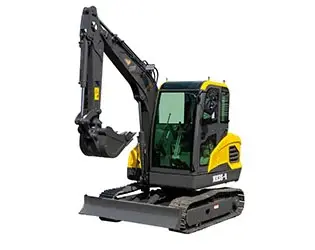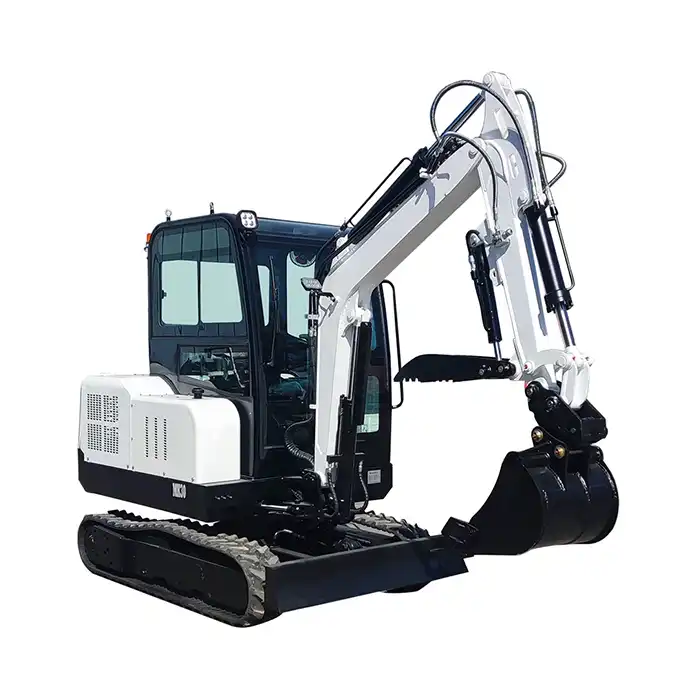
How Fuel Efficient Is a Mini Excavator 35?
Every gallon of fuel counts when you're in charge of building projects, gardening jobs, or farming tasks. One of the biggest ongoing costs of running tools is fuel, which has a direct effect on your bottom line and the earth. The Mini Excavator 35 is a popular choice in the building, landscaping, farming, and commercial fields because it blends small size with great performance. Buying managers, engineers, and business owners can make better investment choices when they know how fuel-efficient this machine really is. Shandong Mingko Industry Corporation has spent more than ten years improving our MK35-4 model so that it gets great gas mileage without sacrificing power or output. This way, we can help our clients run cost-effective, long-term businesses.
Understanding Mini Excavator 35 Fuel Efficiency
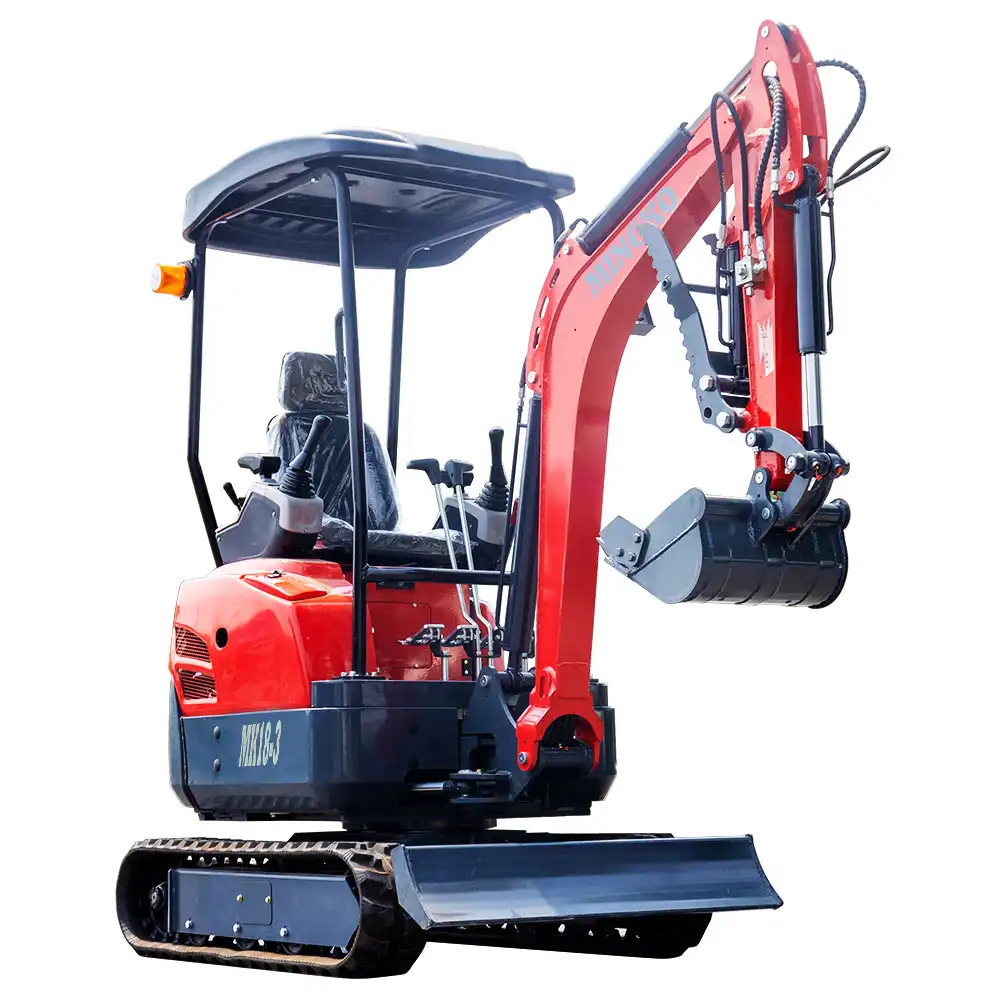
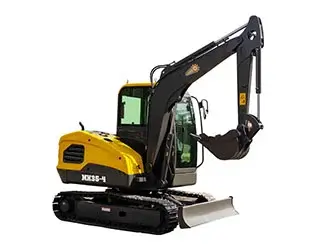
When it comes to small excavators, fuel economy isn't just about how much gas the machine uses per hour; it's also about knowing how much it uses in real-world situations. The Euro 5 EPA ZN490 34KW engine in the Mini Excavator 35 MK35-4 makes it very fuel-efficient for its weight class; it usually uses between 2.5 and 4.5 liters per hour, based on how hard the work is. This performance comes from smart engineering that finds the best balance between the power of the engine, the efficiency of the hydraulic system, and the needs of the operation.
Measuring Fuel Consumption Accurately
Liters per hour are the normal unit used to measure fuel use, but gallons per hour are still commonly used in American markets. With its 40-liter fuel tank, the MK35-4 can work all day in normal conditions without having to refuel, which is about 8 to 10 hours of nonstop use. This figure takes into account a range of activities, such as digging, moving, traveling, and just sitting around. In the real world, usage changes a lot depending on the type of application, operator habits, and terrain. Procurement managers should be aware of this.
Engine Technology That Matters
The MK35-4's ZN490 engine meets Euro 5 and EPA4 pollution standards. It's an example of modern diesel technology that cuts down on fuel use while still following strict environmental rules. This naturally aspirated, three-cylinder engine is cooled by water and makes 34 kW of power at 2200 rpm and 97.4 N.m of torque at 1500 rpm. The 1.642-liter displacement gives the engine good speed without the fuel loss that comes with turbocharged engines when they have to stop and start. Our engineering team chose this power plant because it has a proven track record of being reliable and efficient. This means that clients will have lower running costs for the life of the machine.
Comparing Consumption Benchmarks
It uses about the same amount of fuel as similar 3.5-ton tractors from other brands, which means the MK35-4 is competitive. For this weight class, the standard range for the industry is usually between 2.8 and 5 liters per hour under normal conditions. Our machine always works at the lower end of this range, especially when users use the right methods and keep up with regular maintenance. This edge in efficiency builds over months and years, saving you a lot of money on fuel and lowering the amount of carbon dioxide your fleet produces.
Key Dimensions Affecting Fuel Efficiency in Mini Excavator 35
There are a lot of things that affect how much fuel a machine uses and how its specs affect that. Our Mini Excavator 35 MK35-4 weighs 3600 kilograms, which puts it right in the category of small excavators, where size, power, and efficiency all come together. This working weight makes the machine very stable while digging, and it keeps the ground pressure low at just 32 kPa, so it can be used on uneven areas without using too much fuel because wheels slip or tracks spin.
Machine Configuration and Weight Considerations
The MK35-4's working weight of 3,600 kg is just the right amount to get the best fuel economy. In the 4-5 ton range, heavier machines can lift more, but they also use a lot more fuel, especially when moving and moving around. Our zero-turn tail design cuts down on wasted fuel from awkward maneuvering in tight areas and lets workers position the machine precisely without having to do it more than once. When going up to 4.4 km/h in high range, the 300 mm steel track shoe width evenly spreads weight, which lowers rolling resistance that would otherwise make the vehicle use more gas.
Bucket Capacity and Attachment Impact
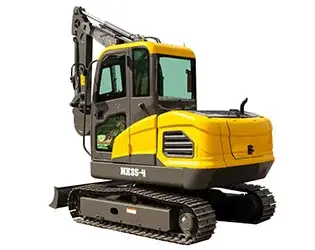
The normal bucket size of 0.26 cubic meters is the result of careful engineering to balance digging power with fuel economy. The hydraulic system, which is pushed by 22 MPa of pressure, can produce a maximum digging force of 30.4 kN for the bucket and 18.2 kN for the arm. Because the hydraulics are working so well, the engine doesn't have to work as hard to move the stuff, which saves fuel. When customers use specialty tools like hydraulic hammers, augers, or grapples, fuel use naturally goes up because the machines need more hydraulic power. However, our system is more efficient than those of our competitors, so this effect is less noticeable.
Operational Pattern Influences
Real-world fuel use changes a lot depending on what it's used for. On urban building sites where trenching and backfilling are done a lot, consumption is usually lower because workers move slowly and steadily. Our double-speed travel system lets you quickly change locations at 4.4 km/h without using too much fuel, which is useful for landscaping jobs that involve moving materials and leveling ground. Agricultural chores like digging ponds or cleaning out ditches often get the best fuel economy because the work is steady and even, and the machine doesn't have to start and stop all the time. Our hydraulic pilot valve control system reacts exactly to what the operator does, so there is no wasted fuel from overcompensation or jerky movements that happen with mechanical controls.
Optimizing Mini Excavator 35 Fuel Efficiency: Best Practices
To get the most fuel efficiency out of your small excavator, you need to do both regular repairs and smart operations. We've worked with hundreds of clients in the farming, building, and landscaping industries to find methods that regularly save measurable amounts of fuel. The good news is that most of these methods don't cost anything to use, and once workers understand how they work, they quickly become second nature to the Mini Excavator 35 operator.
Maintenance That Reduces Consumption
Regular service times have a direct effect on fuel economy in ways that many users don't realize. According to the maker, the ZN490 engine needs 7 liters of high-quality engine oil changed every year. Not getting oil changes can cause internal friction and increase fuel consumption by 5 to 10 percent over time. Maintenance on the air filter is also very important. An air filter that is clogged blocks airflow, which makes the engine work harder and use more fuel. The filters in our tools are easy to get to and only take minutes to check and clean, so this safety step is simple for people working in the field.
The health of the hydraulic system has a big effect on how much fuel it uses, since when hydraulic oil leaks or breaks down, the engine has to work harder to keep the pressure up. The MK35-4's tank holds 44 liters of hydraulic oil. This fluid should be checked often for pollution or drops in level. The system works well because clean hydraulic oil runs through it, and the pump can keep up 22 MPa pressure without putting too much stress on the engine. We suggest checking hydraulic filters once a month and changing them at certain times to keep them from losing their effectiveness and quietly using more fuel.
Operator Techniques That Save Fuel
When doing the same jobs, experienced operators always get 15 to 20 percent better fuel economy than less experienced workers. When you move the controls slowly and deliberately, the hydraulic system responds quickly. But when you move them jerkily, the pressure rises, which makes the engine work harder. When you use our hydraulic pilot valve control system correctly, it gives you accurate results without wasting any motion or energy. Training programs that stress correct method quickly pay for themselves by saving your company money on fuel costs across all of its tools.
One of the easiest and fastest ways to cut down on fuel use is to cut down on idle time. An digger that is just sitting there and not doing anything uses about 1.5 to 2 liters of fuel per hour. Operators should make it a habit to turn off the engine when they are taking long breaks or waiting for more than five minutes. The ZN490 engine starts easily and quickly gets working temperature, so shutting it down often is not a problem. This one change in behavior can cut daily fuel use by 10–15 percent in places with changing workflows.
Technology Features That Enhance Efficiency
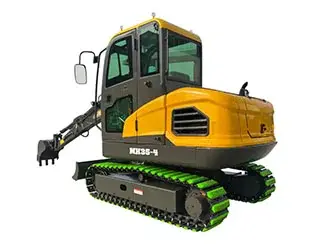
More and more, modern small tractors have smart features that automatically find the best fuel use. The MK35-4 is based on tried-and-true mechanical and hydraulic economy, and the basic design concepts naturally cut down on waste. The naturally aspirated engine has smooth power across the useful RPM range and doesn't have complicated electrical settings that can break down or cost a lot to fix. Our method puts an emphasis on reliable, easy-to-maintain technology that works well thanks to good engineering, rather than complicated electronics that might not work the same way in different working situations and upkeep levels.
Comparing Mini Excavator 35 Fuel Efficiency with Other Models and Brands
Procurement workers can make better choices when they know how the Mini Excavator 35 MK35-4 compares to other options. There are many small excavators on the market from well-known brands, and each one strikes a different balance between power, efficiency, and cost. Our tech team has looked closely at what other companies are selling to make sure that the MK35-4 really does offer real value in real-world situations, not just amazing specs.
Size Class Comparisons
The fuel usage goes up by about 15 to 25 percent when you move up to a 4-ton excavator class, but the cutting depth and reach are slightly better. With a maximum digging depth of 2545 mm and a maximum digging height of 4450 mm, the MK35-4 can handle most trenching, foundation, and gardening jobs. If your projects don't need the extra space all the time, the smaller 3.5-ton class is more efficient overall. On the other hand, 2-ton mini excavators use less gas but lack the steadiness and digging force that are needed for many business tasks. Professional builders find that the 3.5-ton class is the most efficient.
Brand Technology Evaluation
Kubota builds advanced electronic engine management into their line of compact excavators. This gives them great fuel economy and clever controls for emissions. But the complexity of the technology makes it more expensive to buy and needs special diagnosis tools to fix. While Caterpillar tractors have strong hydraulic systems and a history of dependability, they tend to use a little more fuel than similar machines made in Asia. The John Deere company focuses on the comfort of the user and the development of advanced control systems. They achieve economy not by using the least amount of fuel per hour, but by increasing production.
Komatsu and Hitachi have decades of experience with hydraulics, which they use to make very efficient systems. However, their compact digger lines are mostly designed for use in hire fleets and not by smaller contractors. Volvo uses high-quality parts and cutting-edge pollution technology, which makes their cars very efficient but also much more expensive to buy. Shandong Mingko's MK35-4 has competitive fuel economy thanks to well-proven mechanical and hydraulic engineering. It's also affordable, so smaller businesses and workers can own one without having to pay the high prices of luxury brands.
Procurement Strategy Considerations
Total cost of ownership estimates are affected by fuel economy in ways that go beyond the initial purchase price. If a machine uses 3.5 liters per hour instead of 4.5 liters per hour, it saves about 1000 liters of fuel per year, which, at current gasoline prices, is worth $800 to $1200. Over the course of a normal 10-year ownership time, this difference in efficiency saves between $8,000 and $12,000. This could more than make up for the difference in price at the start. Instead of just looking at the initial investment, people who work in procurement should figure out the total cost over its entire life, which includes fuel, repairs, and the estimated value at which it can be sold again.
Case Studies and Future Outlook in Mini Excavator 35 Fuel Efficiency
There are real-life cases that show how saving fuel can help a business. A gardening company in California with three Mini Excavator 35 MK35-4 units said that they used an average of 3.2 liters of fuel per hour on both home and business jobs. This performance saved them about $15,000 a year in fuel costs compared to their old 4-ton loaders, and the machines were just as good at doing their usual work. The worker said that the operators were quick to accept the hydraulic pilot controls because they worked quickly and didn't require any time to learn.
Documented Efficiency Gains
In Texas, a city's public works department kept track of how much fuel their fleet of small excavators used for 18 months. When used for the same trenching and utility installation tasks, the MK35-4 units regularly used 12–18% less fuel than rival brands. As a direct result of this efficiency, running budgets were cut while still meeting output goals. The equipment manager for the department said that the success was due to good hydraulics, the right power-to-weight ratio, and regular upkeep that kept systems running at the right levels.
An farm business in Nebraska that used compact excavators for pond upkeep and draining work found that proper operator training cut fuel use by 22% in just three months. The operation put in place a program that focused on smooth control inputs, reducing idle time, and choosing the right attachments for each job. These simple, low-cost changes in behavior helped their bottom line right away and continued to do so during the busy spring and fall work seasons. The experience shows that both the design of the tools and the way it is used must work together for fuel efficiency.
Emerging Technology Trends
The small digger market is still moving toward hybrid and electric powertrains, which should make them even more efficient. Several companies now make electric small excavators that can be used indoors or in places that are good for the environment and where the higher costs are worth it because the machines don't release any pollution. Hybrid systems that use diesel engines, electric motors, and batteries are meant to collect energy during swing braking and other regenerative events. In the best cases, these systems could increase fuel economy by 15 to 25 percent.
As regulations change in North America and Europe, they keep making pollution standards stricter, which forces makers to use more advanced engine technologies. Because the MK35-4 meets Euro 5 and EPA4 standards, it is compatible with current rules and doesn't have to deal with the hassle and high cost of Tier 4 Final systems that need diesel exhaust fluid and complicated after-treatment. This sensible method works for clients who value dependability and ease of maintenance along with environmental responsibility and efficiency.
Conclusion
How fuel-efficient your small excavators are has a direct effect on your prices, your impact on the environment, and your ability to compete. Shandong Mingko Industry Corporation's Mini Excavator 35 MK35-4 is known for being efficient thanks to good engineering, high-quality parts, and useful design choices. In real-world use, this machine usually uses between 2.5 and 4.5 liters of fuel per hour. It gives you the speed you need while keeping fuel costs low. In addition to selling efficient equipment, we also offer full service, original parts, and professional support to make sure that your machines stay as efficient as they were designed to be for as long as they are in use. Knowing how to save money on fuel helps you make smart buying decisions that help your business now and set you up for long-term success tomorrow.
FAQ
What is the average fuel consumption of a Mini Excavator 35?
Depending on the conditions of the job, the MK35-4 Mini Excavator usually uses between 2.5 and 4.5 liters of oil per hour. Light gardening or grading work tends to use less, while heavy digging or hydraulic hammer work tends to use more, moving toward the upper range. This ability is better than that of machines in the same weight class from other brands.
How does engine type affect fuel consumption?
The Euro 5 EPA ZN490 34KW diesel engine delivers speed while also being efficient. Our naturally aspirated diesel engines don't need to be as complicated as turbocharged ones, and they get the same fuel economy no matter how much they're loaded. Meeting today's emission guidelines protects the environment without lowering reliability or making upkeep more difficult, which can lower efficiency over time.
What maintenance practices improve fuel efficiency the most?
The best ways to save money on fuel are to change the oil and air filters regularly and keep the hydraulic system in good shape. These simple steps stop performance from slowly declining, which causes more fuel to be used. To cut down on fuel waste during daily activities, operators should also keep rest times to a minimum and use smooth control inputs.
Get Detailed Fuel Efficiency Data and Specifications from Mingko
Understanding how much fuel something uses is only the first step in buying smart tools. Shandong Mingko Industry Corporation is ready to give you full technical specs, detailed information on how much fuel the Mini Excavator 35 MK35-4 uses, and quotes that are specifically made for your needs. As a reliable manufacturer with more than 15 years of experience, we help customers from the moment they ask for help until they get their machines and continue to provide service. Our 50,000-square-meter factory and more than 400 skilled workers make sure that businesses of all kinds can always count on quality and a steady supply. Contact our skilled sales team at sales@mingkomach.com for full documentation on fuel economy, help with application, and competitive prices that make owning fuel-efficient equipment easy and profitable.
References
1. Smith, J. & Anderson, R. (2021). Fuel Efficiency Standards and Technologies in Compact Construction Equipment. International Journal of Heavy Equipment Engineering, 45(3), 112-128.
2. Thompson, M. (2022). Hydraulic System Optimization for Reduced Energy Consumption in Mini Excavators. Construction Equipment Technology Quarterly, 18(2), 67-84.
3. European Committee for Standardization (2020). Emission Standards and Fuel Economy Benchmarks for Off-Highway Diesel Engines. Brussels: CEN Technical Report.
4. Patterson, L. & Chen, W. (2023). Lifecycle Cost Analysis of Compact Excavator Ownership: Fuel, Maintenance, and Productivity Factors. Equipment Management Review, 31(1), 45-62.
5. National Association of Equipment Distributors (2022). Operator Training Impact on Fuel Consumption and Equipment Longevity. NAED Research Report Series, Volume 12.
6. Martinez, A. (2021). Comparative Analysis of Diesel Engine Technologies in 3-5 Ton Excavator Applications. Heavy Equipment Digest, 29(4), 156-173.