Why Choose a Mini Hydraulic Excavator for Small Job Sites?
Small job sites need tools that are strong, accurate, and useful all at the same time. Contractors who work on gardening, installing utilities, and building homes prefer to use a Mini Hydraulic Excavator because it offers all of those features and more. Advanced hydraulic systems in these small machines give them a lot of digging power while taking up very little room. This lets workers get around in tight spaces and around corners that regular equipment can't reach. Their flexibility lets small businesses get the most out of their money without sacrificing functionality or spending extra money on things that aren't necessary. For example, they can be used for trenching, grading, and moving materials.
Understanding Mini Hydraulic Excavators: Features and Advantages
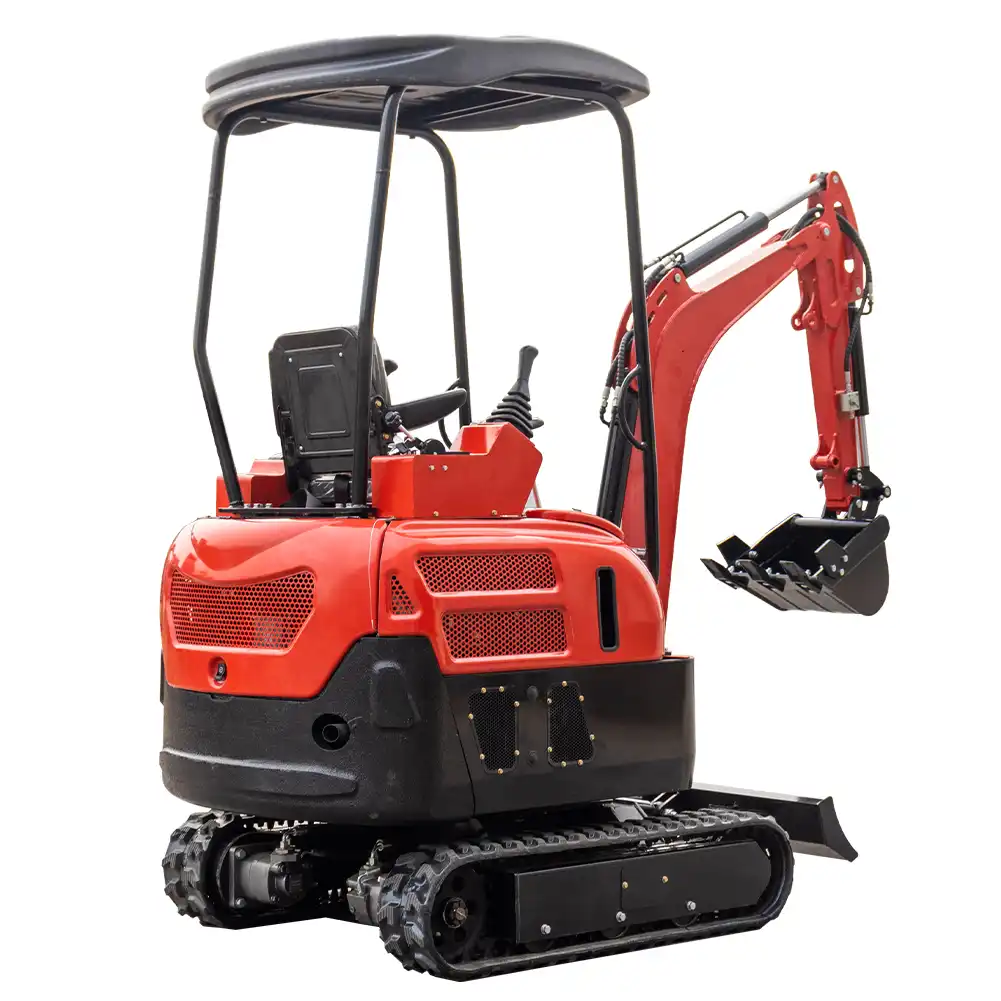
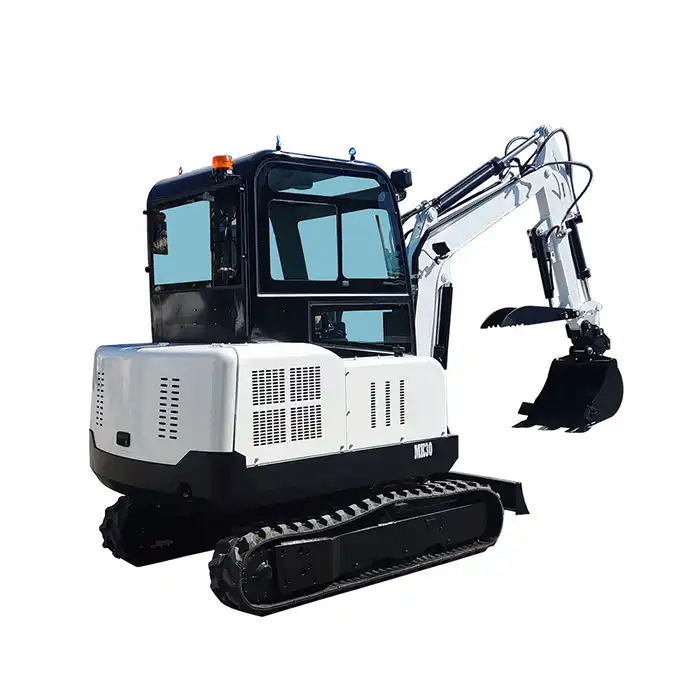
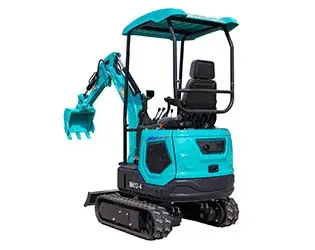
Mini Hydraulic Excavators represent a big step forward in building equipment because they combine complex engineering with ease of use. These machines use hydraulic power transfer systems to turn engine power into exact mechanical movement, letting them dig, lift, and turn in limited spaces while staying controlled.
Core Mechanics and Design Philosophy
These tools have a closed-loop network of pumps, valves, cylinders, and lines that make up the hydraulic system. At Shandong Mingko Industry Corporation, we use modern pump and valve systems that are based on Italian technology, ensuring that everything runs smoothly and that the controls respond quickly. Internationally accepted engines, like Kubota, RATO, and Briggs & Stratton options, are built into our machines to meet EPA and CE approval needs for the US market. This base of mature technology ensures reliable performance in a wide range of temperatures and terrains.
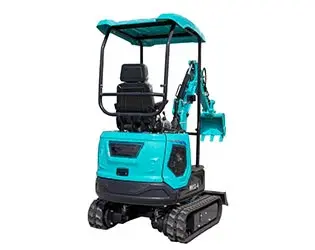
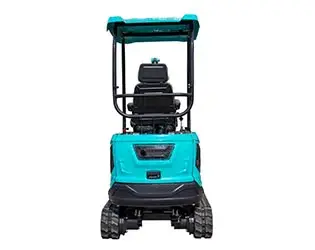
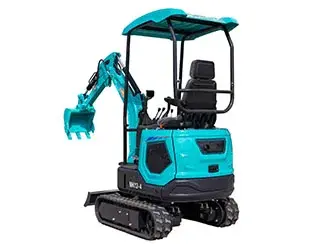
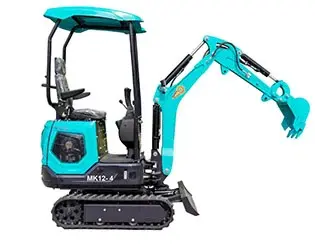
Different models of these excavators have small footprints that range from 1 to 3.5 tons. For example, our MK12-4 model weighs only 1,200 kg and can dig up to 2,500 mm deep. The 180 mm narrow track width lets you get through normal doors and garden gates, so you can do jobs inside and outside without damaging anyone's property.
Key Operational Advantages
These tools are perfect for small-scale businesses because they have a number of clear advantages. The most important thing is maneuverability. Designs with zero tail-swing or minimal overhang let workers work tight against walls and other barriers without putting their safety at risk. In cities, where room is limited, this function is very useful for choosing the right equipment.
Another important benefit is that it saves fuel. Our cost-effective designs use a lot less oil or gasoline than regular excavators, which cuts down on operating costs by 40 to 60 percent during eight-hour jobs. The smaller engines need to be refueled less often, which cuts down on downtime and keeps the project going.
Attachment flexibility makes the adaptability even greater. Standard machines can use 400 mm to 600 mm wide buckets, hydraulic breakers to break up concrete, augers for cutting holes in posts, rippers to break through frozen ground, and quick hitches to change tools quickly. Because it is flexible, one machine can replace many specialized tools, saving small companies money because they don't have to keep up with large fleets of equipment.
Typical Application Scenarios
These tools are very useful for urban building projects, especially when fixing sidewalks, getting to underground utilities, or digging foundations in neighborhoods that are already built up. The lower noise levels—usually below 85 decibels at the operator position—meet tight noise laws in cities and allow work to go on for longer periods of time without bothering neighbors.
Professional landscapers use these machines to dig trenches for irrigation systems, plant trees, and change the shape of the land. The precise controls let you work carefully around plants and buildings that are already there, which keeps bigger tools from damaging things by mistake.
Mini Hydraulic Excavators are used by utility workers to put in water lines, electricity conduits, and fiber optic wires. The ability to dig narrow trenches causes less damage to the surface, which lowers repair costs and speeds up project timelines.
Tracked machines can get into buildings through normal business doors and remove concrete slabs, partition walls, and mechanical systems during renovation projects. This is a growing area of use for indoor demolition.
Comparing Mini Hydraulic Excavators with Other Compact Machines
To choose the right tools, you need to know how the different types of machines meet different operating needs. There are a lot of choices for small job sites, and each one has its own pros and cons that affect the decision to buy a Mini Hydraulic Excavator.
Size and Footprint Considerations
Standard excavators that weigh 8 to 15 tons can dig deeper and hold more dirt in their buckets, but they can't get into tight places or move through residential areas without damaging the landscaping. Transporting them needs special trucks and licenses, which makes things more difficult to plan.
Mini Hydraulic Excavators weighing between 5 and 8 tons are a good compromise between larger and smaller options. However, they are still too big for many small-site jobs to reach properly.
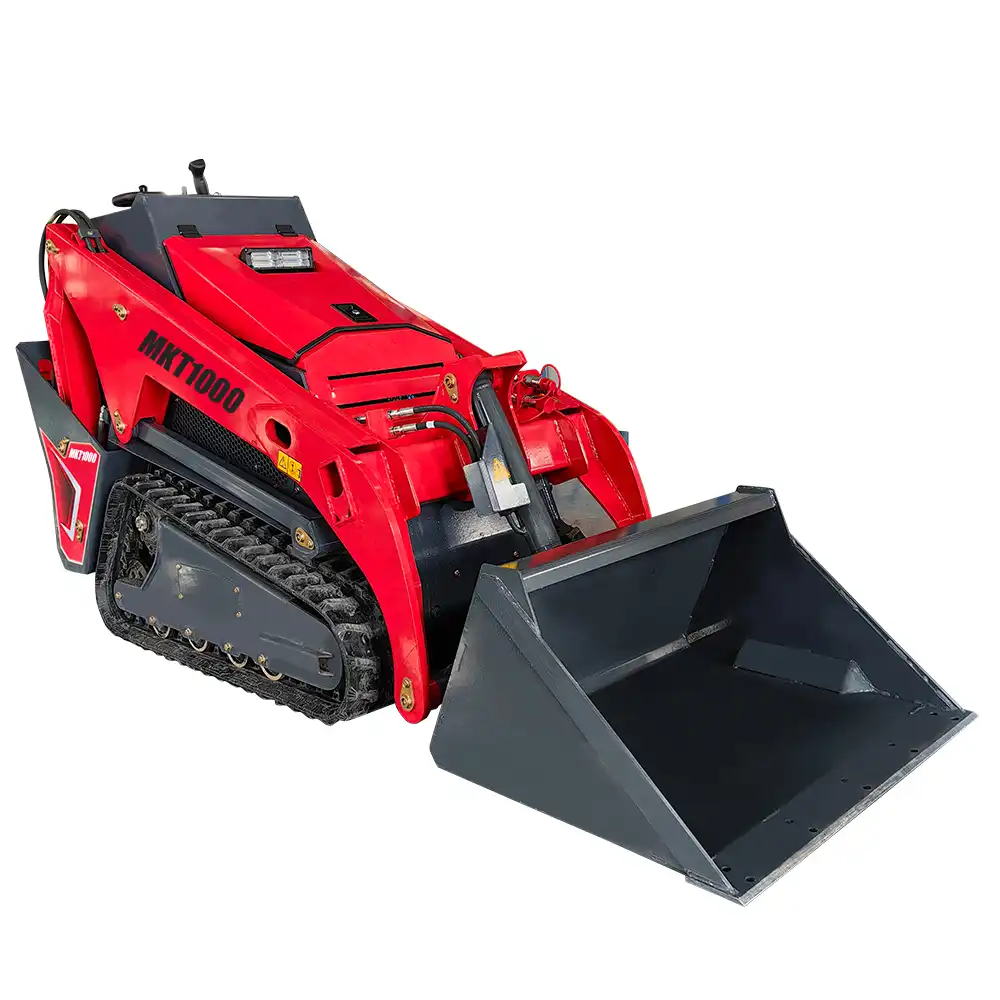
Skid Steer Loaders are an option that can be used with a variety of attachments and are very easy to move around. Although they can push and scrape, they are not as strong as hydraulic tractors when it comes to digging deep and reaching far. Skid steers are great for moving cars because they can lift themselves vertically, while excavators focus on accuracy and reach when they dig. Mini backhoes are like tractors in that they can dig holes, but they can't turn in a circle like excavators can.
Operational Cost Analysis
Patterns of fuel use are very different between types of tools. In normal working conditions, Mini Hydraulic Excavators use about 2 to 4 liters of fuel an hour. Skid steers with similar power may use up to 3 to 5 liters an hour because they are always touching the ground and their tires slip. Standard 8-ton excavators use 6 to 10 liters of fuel an hour, which makes them expensive for jobs that don't need more than 4 to 5 hours of constant digging every day.
The amount of maintenance needed also varies a lot. When working on rough areas, wheeled skid steers need to have their tires replaced more often, but track-driven Mini Hydraulic Excavators only need to have their track tension adjusted and their chassis inspected every so often. Shandong Mingko designs make upkeep easy by providing service spots that are easy to reach and replacement parts that are easy to find through our extensive logistics service center.
Versatility and Task Suitability
When depth and accuracy are most important, like in trenching, base work, and installing utilities, Mini Hydraulic Excavators are the best tools for the job. Skid steers are the most common tool for moving materials, leveling, and preparing surfaces that need to be in constant touch with the ground. For farming and country building jobs where tractors can also be used for digging, backhoes are the best choice.
Knowing these differences helps procurement managers match the skills of tools to the most common types of projects. Businesses that do utility work, gardening, or urban renovation usually get a better return on investment (ROI) with specialized Mini Hydraulic Excavators than with machines that try to do too many things at once and are less effective at any of them.
Choosing the Right Mini Hydraulic Excavator for Your Business Needs
Matching operating factors that match Mini Hydraulic Excavator specifications to real-world working conditions is the first step to effective procurement. To make sure long-term happiness and profit, this process involves checking the technical skills, qualifications of suppliers, and financial structures.
Defining Critical Purchasing Parameters
The choice of weight class has a big impact on how well a machine works and what applications it can handle. Our 1-ton models are used for gardening in homes, work inside, and getting into very small areas where entry is a problem. The 1.5–2 ton group is good for small contracting businesses that work on a variety of project types because it is both portable and has more digging power.
Models weighing between 2.5 and 3.5 tons offer nearly standard excavator performance while still being small, making them perfect for utility workers and preparing business sites. Both speed and care are affected by the engine choice. Kubota's international standard engines have been shown to be reliable, and parts are easy to find all over the United States.
Other choices, like RATO or Briggs & Stratton, have lower starting costs while still performing well enough for less demanding tasks. Operational flexibility is based on how well attachments work together. Make sure that the quick-hitch systems you're looking at accept industry-standard mounting patterns. Our tools can work with both private and universal attachment ports, which keeps you from being locked into one provider.
Evaluating Manufacturer Credentials
It turns out that picking a dependable provider is just as important as picking the right specs. Established makers show their dedication by having the right certifications, output capability, and support systems in place. The Jining Economic Development Zone is home to Shandong Mingko Industry Corporation, which has a 50,000-square-meter building with specialized production lines that can make 15,000 units a year.
Our National High-Tech Enterprise title and ISO 9001 certification show that we follow quality standards and are always coming up with new ideas. When making complicated machines, experience is very important. We have 15 years of experience trading with other countries and 10 years of experience developing excavator technology.
This knowledge leads to improvements in the product that deal with real-world issues instead of just academic requirements. The infrastructure for after-sales help decides whether technology stays useful or stops working while it's being fixed.
Financial Considerations and Procurement Options
Being clear about prices lets you plan your budget and figure out your return on investment (ROI). Because we sell directly from the plant, there are no markups for distributors. This means that our prices are low and reflect the real cost of making the product, not inflated store margins. Custom production starts at just one unit, allowing small businesses to buy tools without large bulk commitments.
Warranty coverage is very important for protecting against flaws in the manufacturing process and early failure of parts. We back up our full 12-month warranty with lifetime expert help to make sure that buyers continue to get value after the original purchase. Our transportation service center makes parts available so that downtime is kept to a minimum, with common parts shipped within 48 hours to the United States.
Financing and rental options make it easier for businesses that are tight on cash to get good tools. While we focus on making the best products possible, our sales team matches buyers with financing partners who know how to buy building equipment. This makes it possible for buyers to have flexible payment plans that work with the project's revenue cycles.
Maintenance, Safety, and Operational Best Practices
For a Mini Hydraulic Excavator to last as long as possible and keep working at a steady level, it needs to be maintained properly and operated correctly. These practices keep investments safe and make sure that workers and witnesses are safe on the job.
Establishing Effective Maintenance Protocols
Daily upkeep tasks only take 15 to 20 minutes, but they keep expensive breakdowns and unplanned breaks from happening. Before starting work, operators should look at the tightness of the tracks, check the engine oil levels, and make sure the coolant tank is full. They should also look at the hydraulic lines for damage or leaks. Our machines' repair points are easy to get to, which makes these checks easier.
Taking care of a hydraulic system is especially important because dirty fluid hurts sensitive parts all over the system. We suggest changing the hydraulic oil every 1,000 hours of use or once a year, whichever comes first. When you use fluids that were recommended by the maker, the viscosity stays the same across a range of temperatures. This stops cavitation and makes sure that the control works well when the load changes.
Our tractors' high-tech pump and valve systems can handle light contamination better than cheaper options. However, preventative maintenance is still cheaper than fixes that are needed after the fact. As part of a monthly checkup, the undercarriage should be checked for worn track shoes, broken rollers, and structural parts with loose bolts. Track tension adjustment keeps the best ground contact, which cuts down on wear.
In dusty places, engine air filters need to be checked once a month, and they need to be replaced at different times depending on the amount of contamination. Comprehensive servicing done once a year by trained techs takes care of things that operators can't do. This includes checking the injectors, adjusting the valve opening, greasing the bearings, and looking at the internal welds.
Implementing Comprehensive Safety Standards
Safety on the job site starts with training for operators. Even if you have operated heavy machinery before, you can still benefit from manufacturer-specific training that goes over things like control layout, stability, and emergency methods that are special to each model. We suggest that workers be trained for at least eight hours before they are put on production tasks.
Our Mini Hydraulic Excavators come with standard safety features like ROPS (Roll-Over Protective Structures) certified cabins on bigger models, backup alarms, emergency engine shutoffs, and hydraulic lockouts that stop the attachment from moving while repair is being done. Boom swing limiters are optional features that limit movement in overhead utility settings. Retractable track systems, on the other hand, narrow the transport width to make trailering safer.
Always be aware of the dangers on the job site, especially when it comes to underwater services, power lines above, and unstable ground. Before they start digging, operators have to check where the utilities are, stay at least a certain distance away from live lines, and check the stability of the dirt on sloping areas. Because these machines are so small, they can get closer to dangers, which means operators need to be more alert.
Optimizing Operational Efficiency
Fuel management techniques have a big effect on how much it costs to run a business over the life of the equipment. Avoiding running for too long can save you between 0.5 and 0.8 liters of gas per hour and protect the engine. Matching the engine's RPM to its load keeps it running efficiently, and many jobs can be done at 60–70% throttle instead of running at full power all the time.
When you choose and use attachments correctly, they last longer on both the tool and the machine. Using buckets that are the right size for the material keeps hydraulic systems from getting too heavy and keeps output high. Rock buckets that are toughened can handle rough materials without the teeth wearing down too quickly. We offer different bucket designs for common uses, and quick-hitch systems let you make changes in the middle of a shift if the conditions at work change.
Conclusion
When choosing the right tools for small job sites, you have to think about how well they work, how easy they are to get to, and how much they cost. These needs are met by Mini Hydraulic Excavators, which have small footprints, use mature technology, are cost-effective, and can connect to a variety of attachments. Knowing the specific benefits these tools offer over other types of equipment helps you make smart purchasing choices that improve project results and investment returns. Effective operating discipline and repair routines increase the life of equipment while keeping safety standards high in a wide range of settings. When a business partners with a well-known maker, it gets access to tried-and-true technology, a full support network, and a range of flexible purchasing choices that fit the business's needs and budget.
FAQ
How do I select the appropriate Mini Hydraulic Excavator size for my typical projects?
The best size choice is based on the needs of the project. Take a look at your most common digging levels, limited work areas, and types of materials. One- to two-ton models are best for residential landscaping and indoor work. Two- to three-ton models are better for utility installation and light business jobs.
What distinguishes mini excavators from compact excavator classifications?
The terms are often used interchangeably, but Mini Hydraulic Excavators are usually machines that weigh less than 3.5 tons and have no or little tail swing, while compact excavators are machines that weigh between 4 and 8 tons and have standard designs. Mini Hydraulic Excavators have shorter tracks and smaller overall sizes because they put access over raw capability. As technology improves, current small excavators can do work that used to require bigger machines.
Are there ways to get funding through equipment suppliers?
Shandong Mingko mainly does production and direct sales, but we keep in touch with financing partners that help foreign customers. Our sales department helps people meet each other and provides paperwork to back up estimates of equipment value and reputation. A lot of buyers also get loans from banks or equipment finance experts in their own country who know about their business and the local market.
Partner with a Trusted Mini Hydraulic Excavator Manufacturer
Shandong Mingko Industry Corporation is ready to help you buy tools by providing custom solutions that meet your individual business needs. We are a well-known maker and provider with more than 15 years of experience in the field. We offer affordable Mini Hydraulic Excavators with developed technology, engines that meet international standards, and easy upkeep that are made just for the US market. Our product line includes models ranging from 1 to 3.5 tons that can be used for a wide range of tasks, from planting in homes to installing utilities in businesses.
Our factory-direct sales plan cuts out costs that aren't necessary while still keeping high-quality standards that are backed up by ISO 9001 certification. Custom production starts with just one unit, so companies of all kinds can use it without having to meet a minimum order size. Our specialized service team is available 24/7 and offers full after-sales help, including a 12-month warranty and expert support for life. Email us at sales@mingkomach.com right now to talk about your project needs, get full specs, or set up a product demonstration. We offer customized prices, a range of shipping choices, and full documentation to support your procurement process from the first question to the final launch.
References
1. Construction Equipment Guide (2023). "Compact Excavator Buying Guide: Specifications and Applications for Small Contractors." Construction Industry Publications.
2. International Journal of Construction Engineering and Management (2022). "Hydraulic System Efficiency in Compact Excavation Equipment: A Comparative Analysis." Academic Press.
3. National Association of Equipment Distributors (2024). "Market Trends in Compact Construction Equipment: North American Regional Report." Industry Analysis Division.
4. American Society of Civil Engineers (2023). "Best Practices for Urban Excavation and Utility Installation in Restricted Access Environments." Technical Standards Committee.
5. Equipment Maintenance and Operations Quarterly (2023). "Life Cycle Cost Analysis of Mini Excavators: Maintenance Protocols and Operational Efficiency." Professional Publications Group.
6. Occupational Safety and Health Administration (2024). "Safety Guidelines for Compact Excavator Operation in Construction and Landscaping Applications." U.S. Department of Labor.