Mini Hydraulic Excavator vs Standard Excavator: Key Advantages
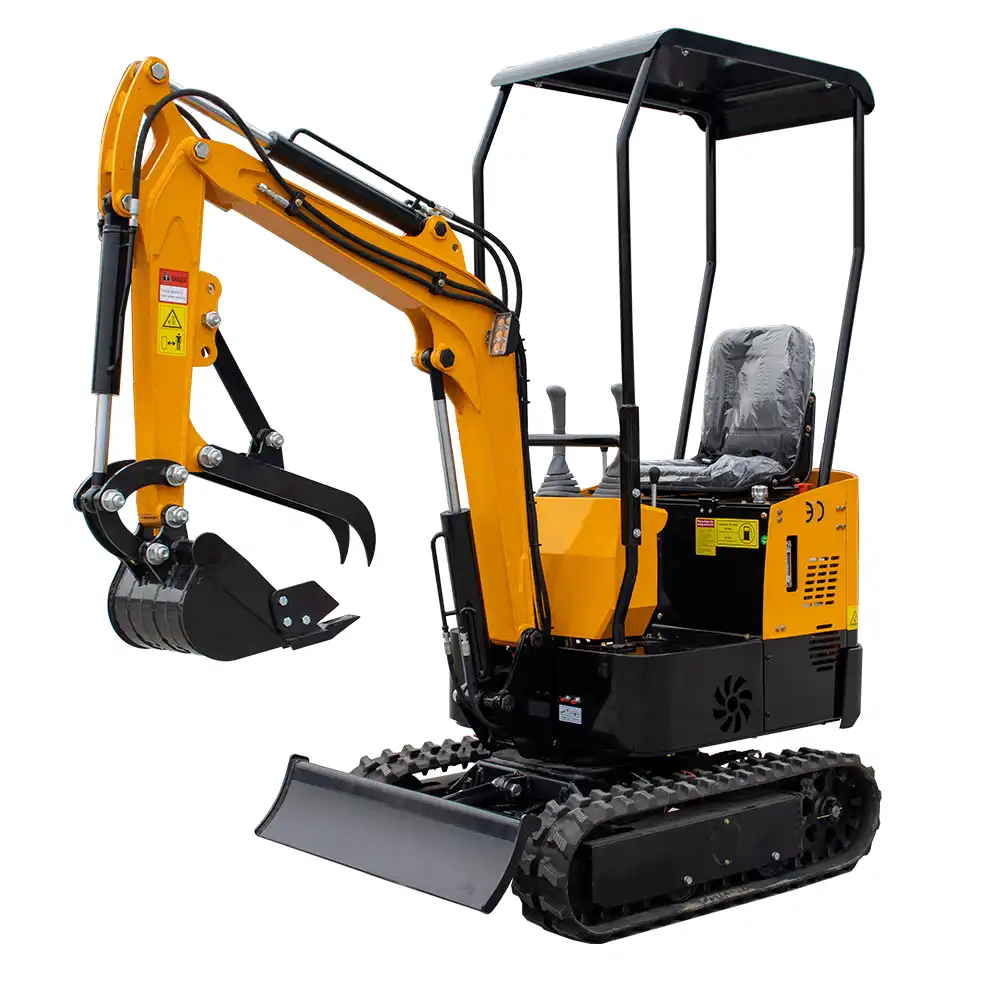
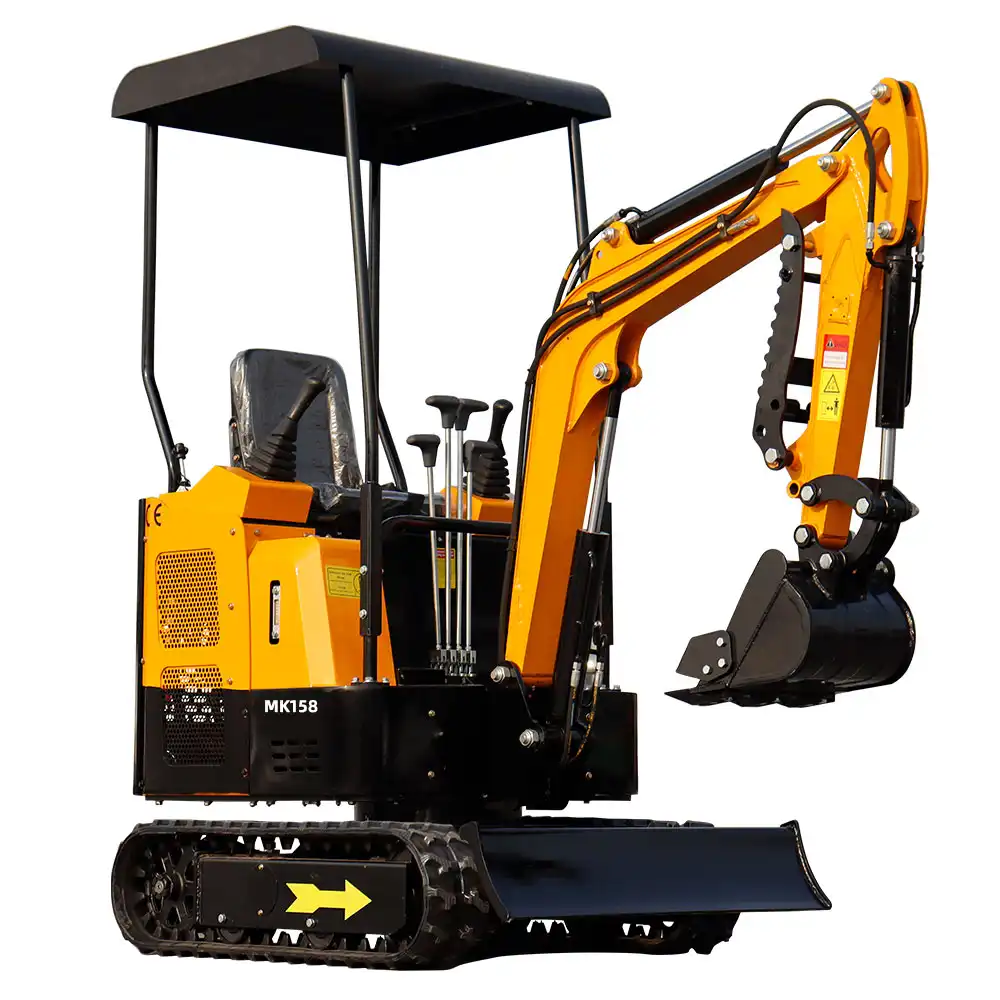
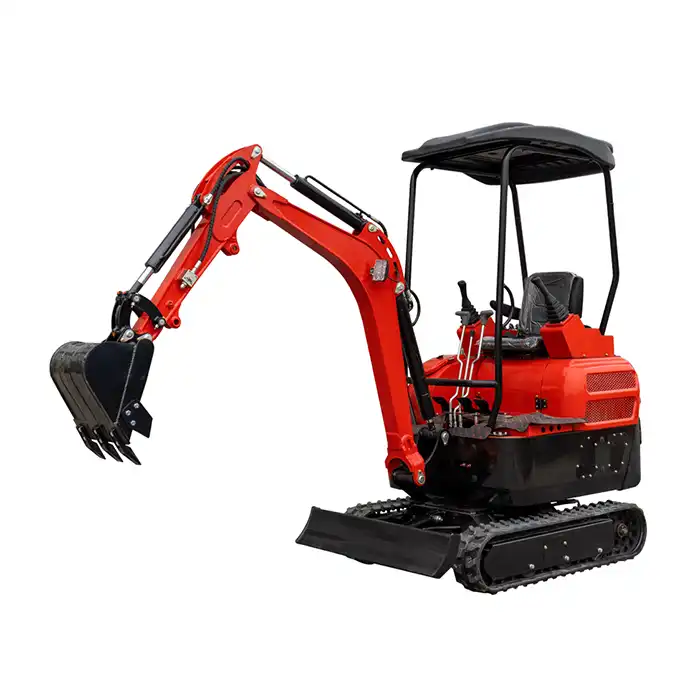
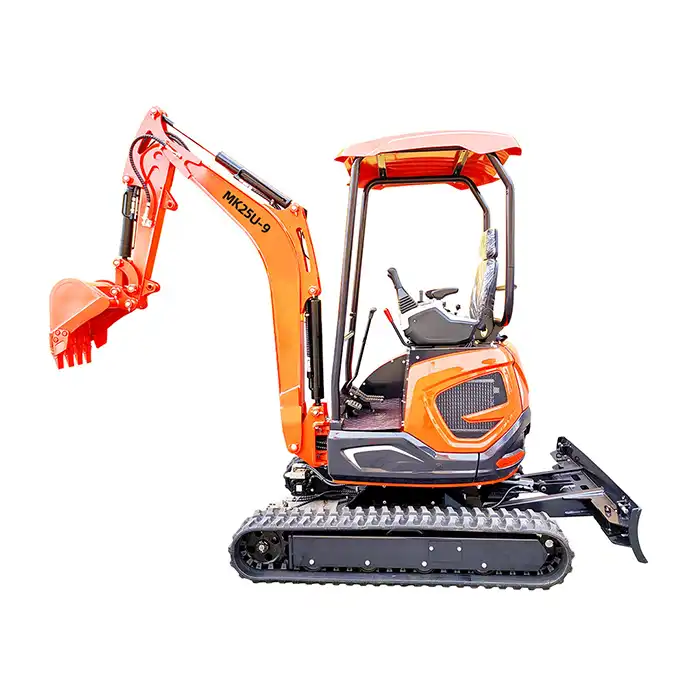
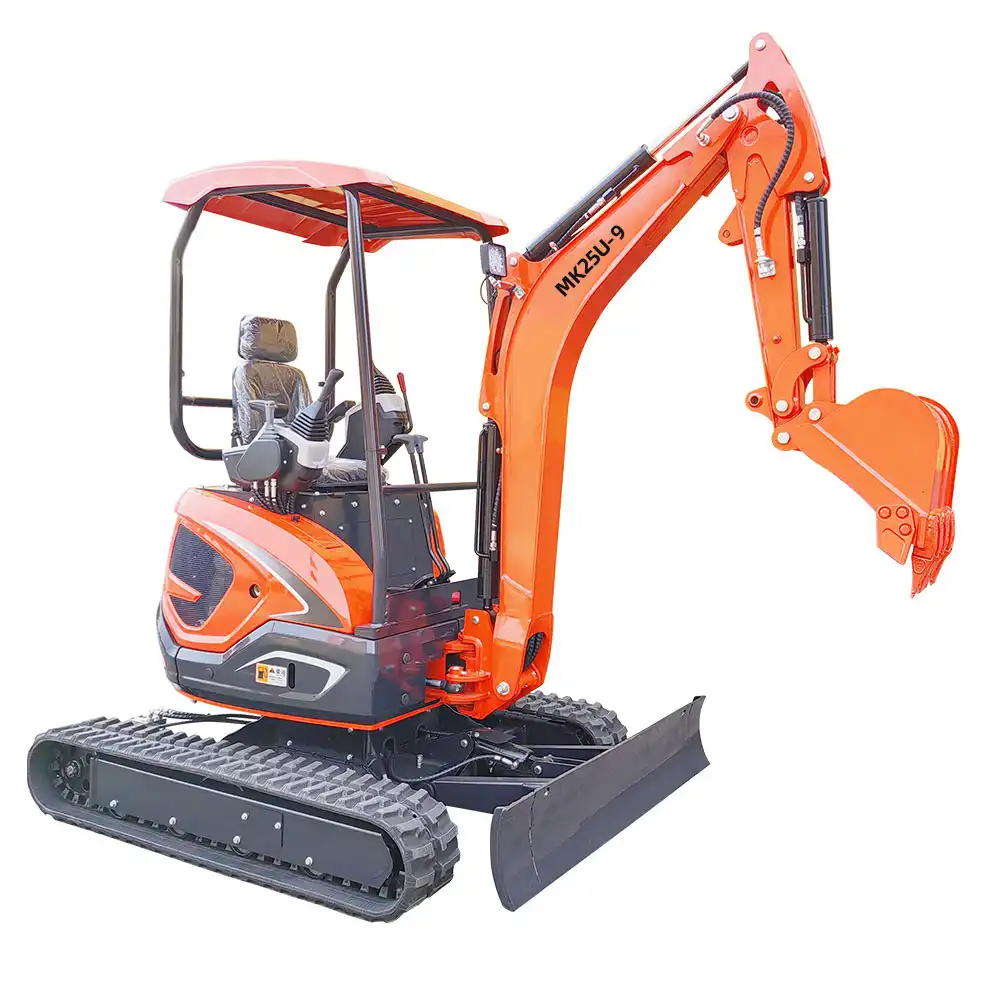
Understanding the main benefits of both a normal excavator and a Mini Hydraulic Excavator is important for the success of your project. Mini hydraulic excavators are great for construction, landscaping, and home projects because they are easy to move, cost less to run, and can be used in a wide range of tight areas. It is easy to use these small construction vehicles, but they still have the power you need for accurate digging.
Understanding the Core Differences Between Compact and Standard Excavators
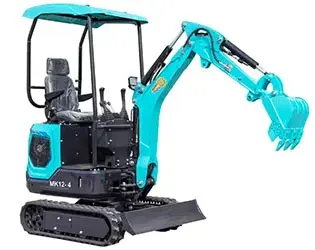
There is more than one difference between mini and normal excavators besides size. What makes them different is their weight. Standard machines weigh between 15 and 45 tonnes, while small excavators weigh between 1 and 8 tonnes. Operating width changes a lot. Mini diggers are 940–1500 mm wide, while standard excavators are 2500–3500 mm wide.
Three core performance differences:
- Fuel consumption: Mini excavators consume 1.5- 3 litres per hour versus 8- 15 litres for standard units
- Transport requirements: Compact models travel on standard trailers without special permits
- Ground pressure: Mini units exert 0.3-0.5 kg/cm² compared to 0.8-1.2 kg/cm² for larger machines
Mini Excavators' hydraulic systems use high-tech pumps to give flow rates of 45 to 65 litres per minute. Standard loaders make 200 to 400 litres of water per minute, but they need a lot more energy to do it. If you need versatile earth-moving tools that can fit in small areas, compact excavators are better for you.
Mobility and Maneuverability Benefits of Mini Excavators
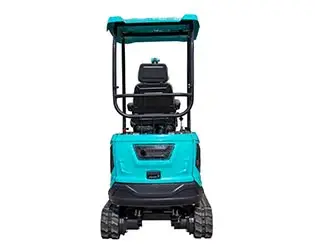
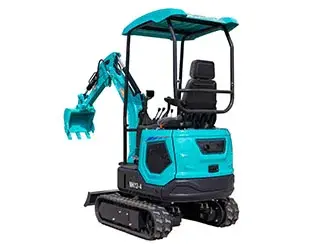
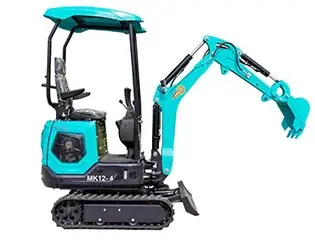
Compact excavators work best in small spaces where bigger machines can't do their job well. Because of how small they are, they can fit through doorways, gates, and passageways that are only 1 metre wide. Zero-tail-swing designs let the machine turn within its own footprint, so they don't damage buildings nearby.
Key mobility advantages include:
- Urban accessibility: Navigate residential streets without road closures
- Indoor operations: Work inside buildings and warehouses safely
- Landscape protection: Minimize turf damage with rubber tracks
- Multi-level transport: Use standard elevators for building access
- Quick repositioning: Move between Mini Hydraulic Excavator work areas rapidly
One big difference between small tractors is how easy they are to move. When it comes to models that weigh 3 to 8 tonnes, only regular flatbed trailers can pull them. Pickup trucks can pull models that weigh 1 to 2 tonnes. It costs a lot more to move big things when standard excavators need special tools. Spreading your weight out is still helpful even when the ground is soft. When excavators are light, their weight is spread out properly, which keeps the ground from sinking or getting ruts. This can happen when heavy equipment is used. Mini hydraulic excavators are the best tools to use if you need to keep working while saving the land.
Cost-Effectiveness Analysis: Operating Expenses and ROI
There are clear financial benefits to using compact excavators in a number of different operating areas. Mini units cost between $25,000 and $80,000 to buy, while full machines cost between $150,000 and $500,000. This lower original investment makes managing cash flow a lot easier.
Operating cost breakdown comparison:
| Cost Category | Mini Excavator (Daily) | Standard Excavator (Daily) |
|---|---|---|
| Fuel consumption | $30-50 | $120-200 |
| Operator wages | $200-300 | $250-400 |
| Maintenance | $15-25 | $50-100 |
| Transportation | $50-100 | $200-400 |
| Insurance | $8-15 | $25-50 |
Mini excavators are easier to maintain because their systems are simpler and their parts are easier to get to. For smaller machines, engine service intervals are 100 to 250 hours, but for bigger ones, they are 250 to 500 hours. Standardised engines from companies like Kubota and Yanmar make it easier to find parts. Insurance premiums are higher because replacement values are smaller and the risk of being sued is lower. Standard business coverage is enough for small machines instead of heavy equipment policies. Mini excavators give you the best return on investment for smaller tasks where you need to make the most money.
Versatility in Applications and Attachment Options
Mini excavators adapt to diverse applications through extensive attachment compatibility. Standard bucket capacities range from 0.02-0.5 cubic meters, suitable for precision digging and material handling. Quick-hitch systems enable rapid attachment changes, maximizing machine utilization.
Common attachment applications:
- Hydraulic breakers: Demolition work in residential areas
- Augers: Foundation drilling and post installation
- Grapples: Material handling and debris removal
- Tilting buckets: Precise grading and finishing work
- Compaction plates: Soil preparation and finishing
Hydraulic flow rates of 45-65 liters per minute power most Mini Hydraulic Excavator attachments effectively. Auxiliary hydraulic circuits provide dedicated power for specialized tools without compromising primary functions. Project flexibility increases dramatically with mini excavators. Single machines handle excavation, material placement, demolition, and finishing operations. Standard excavators typically require support equipment for complete project execution. Rental market availability favors compact models, with daily rates ranging from $ 200- $ 400 compared to $800-1500 for standard units. This accessibility enables small contractors to access professional-grade equipment economically.If you need multifunctional equipment that adapts to changing project requirements, then compact hydraulic diggers provide exceptional versatility.
Technical Performance Comparison
Modern mini excavators incorporate advanced hydraulic systems rivaling larger machines in efficiency. Load-sensing pumps adjust flow automatically, optimizing performance while reducing energy consumption. Pilot controls provide precise operation with minimal operator fatigue.
Performance specifications for a typical 3.5-ton unit:
- Digging depth: 2800- 3200 mm
- Reach: 4500- 5200 mm
- Lifting capacity: 1500- 2000 kg
- Swing speed: 9-12 RPM
- Travel speed: 4.5-6.0 km/h
Engine technology utilizes Tier 4 emissions-compliant powerplants delivering 18-25 kW output. Electronic fuel injection optimizes combustion efficiency, achieving 15-20% better fuel economy than previous generations. Hydraulic arm geometry provides excellent breakout forces ranging from 18-35 kN, depending on model size. Bucket forces reach 25-45 kN, sufficient for most soil conditions encountered in typical applications. Standard excavators generate higher absolute forces but often exceed requirements for smaller projects. Their power advantage becomes beneficial primarily in hard rock conditions or high-volume earthmoving operations. If you need balanced performance matching project scale appropriately, then mini excavators deliver optimal power-to-weight ratios.
Meeko's Mini Hydraulic Excavator Advantages
Quality Manufacturing Excellence:
- Advanced Italian technology in pump and valve systems ensures reliable operation
- International standard engines from trusted manufacturers guarantee performance consistency
- A mature technology platform developed a Mini Hydraulic Excavator through 10+ years of continuous research and optimization
- ISO 9001 certification validates quality management systems
- Economical design maximizes value without compromising functionality
Comprehensive Model Range:
- Weight options: 1 ton to 3.5 tons
- Engine choices: Multiple international brands available
- Custom configurations: MOQ of just 1 unit enables tailored solutions
- Attachment compatibility: Full range of implements supported
- Production capacity: 15,000 units annually from dedicated facilities
Manufacturing Infrastructure:
The 50,000+ square meter facility houses dedicated mini excavator workshops equipped with modern production lines. Over 400 skilled employees support manufacturing, quality control, and customer service operations. The 30 million RMB investment in Jinxiang Industrial Park demonstrates a commitment to technological advancement.
Service Excellence:
- 24/7 professional support through dedicated teams
- 12-month warranty coverage plus lifetime technical assistance
- Comprehensive parts availability through established supply chains
- Global compliance with EPA, CE, and ISO standards
- Direct factory pricing eliminates intermediary markups
Technical Innovation:
Easy maintenance access reduces downtime and service costs. Simplified repair procedures enable field servicing by standard technicians. Component standardization improves parts interchangeability and availability worldwide.
Environmental Impact and Sustainability Considerations
Compact excavators are better for the environment because they use less fuel and produce fewer fumes. Smaller engines can meet strict emission rules while still putting out less CO2. Tier 4 compliance makes sure that NOx and particulate pollution are kept to a minimum. Lessening the disturbance of the ground is another natural benefit. Rubber track options keep sensitive areas from getting compacted soil and surface damage. Less weight keeps the ground from moving in protected and marsh areas. Noise pollution is greatly reduced by mini excavators, which only make 75 to 82 decibels of noise, compared to 85 to 95 decibels from normal machines. This lower level of noise lets the business run in home areas and other noise-sensitive areas without breaking the law. Resource efficiency includes more than just how much fuel you use. It also includes how you use materials and the room. Smaller machines use fewer raw materials to make them and take up less room when they're not in use.If you want to meet your sustainability goals with equipment that is good for the environment, small excavators are a good choice.
Conclusion
When used in the right situations, mini hydraulic excavators are clearly better than regular excavators. Because they are easy to move, cheap, and can be used for many things, they are perfect for building in cities, landscaping, and working in small spaces. Standard excavators are great for moving a lot of dirt, but tiny diggers are better for smaller jobs that need to be done carefully and on a budget. Compact excavators are important tools for modern building work because they use cutting-edge technology, are good for the environment, and can be used in a variety of ways.
Expert Partner for Quality Mini Hydraulic Excavator Solutions
Meeko stands as your trusted Mini Hydraulic Excavator manufacturer, combining 15+ years of industry expertise with cutting-edge manufacturing capabilities. Our commitment to quality extends from initial design through comprehensive after-sales support, ensuring your investment delivers lasting value. Contact our professional team at Mingkomach.com" target="_blank">sales@mingkomach.com to discover how our economical yet powerful excavation machinery can transform your operational efficiency and project profitability.
References
1. Construction Equipment Magazine. "Compact Excavator Market Analysis and Performance Trends." Annual Industry Report, 2023.
2. Society of Automotive Engineers. "Hydraulic System Efficiency in Mini Excavation Equipment." Technical Paper Series, 2022.
3. International Association of Equipment Manufacturers. "Emission Standards and Environmental Impact of Construction Machinery." Environmental Guidelines, 2023.
4. Construction Industry Research Board. "Operating Cost Analysis of Compact versus Standard Excavators." Economic Study Report, 2022.
5. Equipment World. "Mini Excavator Attachment Systems and Versatility Assessment." Technical Review, 2023.
6. American Society of Civil Engineers. "Urban Construction Equipment Selection and Performance Criteria." Professional Guidelines, 2022.