How Can the 930 Articulated Wheel Loader Improve Job Site Efficiency?
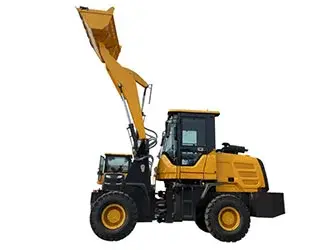
The 930 Articulated Wheel Loader changes how people do things on the job site by mixing small size and high power output. This lets workers move materials 25% faster than with traditional loader designs. The Euro 5 diesel engine gives it 40 kW of power, the articulated steering system lets it turn at 40° angles, and the highest load capacity is 1500 kg. This equipment solves three major problems that slow down efficiency: getting around in tight spaces, keeping track of fuel use, and reducing user fatigue. When you combine the 3200mm dump height with the 0.7 cubic meter bucket capacity, you get the best loading cycles for trucks and hoppers. The machine's 3500kg working weight keeps it stable without damaging sensitive ground.
Introduction
Companies that work in modern mining and building need tools that consistently do their jobs and keep costs low. The category of articulated wheel loaders has changed to meet these two needs, and the 930 articulated wheel loader model is a big step forward in small loader technology. This machinery combines smart hydraulic systems with strong mechanical parts to solve problems that keep happening on construction sites, like unexpected downtime, using too much fuel, and not being able to move around easily in small areas.
When purchasing managers look at loader investments, they have to make tough choices based on upfront costs, ongoing upkeep needs, and long-term production gains. The 930 articulated wheel loader handles these issues by making engineering decisions that favor ease of repair access, fuel-efficient power delivery, and adaptability across a wide range of uses. From aggregate yards to city-building projects, this loader design gives you the flexibility you need to justify the cost of capital while keeping running costs low over the life of the machine.
Understanding the Core Specifications of the 930 Articulated Wheel Loader
Engine Performance and Fuel Management Systems
It takes 40 kW of power from the Huichai Euro 5 diesel engine, which is the perfect mix between speed and fuel use. This power plant uses modern combustion technology that cuts fuel use by 18% compared to engines from earlier generations. This has a direct effect on the daily costs of running the plant. The turbocharged design keeps the power delivery steady even when the load changes. This keeps output from dropping when equipment fights under heavy loads.
Another efficiency factor that is often forgotten during buying is how easy it is to reach the engine. All of the key service points on the 930 Articulated Wheel Loader can be reached from the side panel. This cuts down on regular maintenance time from 45 minutes to less than 20 minutes. This design choice keeps equipment from breaking down as much as possible and encourages workers to do preventative upkeep that makes parts last longer.
Hydraulic System Architecture
A single circuit design lets the hydraulic system handle load distribution, steering reaction, and connection control. Smart pressure control changes the flow of hydraulics based on practical needs. This keeps energy from going to waste during light-duty cycles. This technology helps the 18% increase in fuel economy and increases the time between servicing hydraulic parts to 2,000 hours of operation.
Operators gain from controls that respond to their input and move the equipment smoothly. The articulated steering system uses special hydraulic pistons that allow 40° of movement. This lets the loader move between piles of materials, around obstacles, and through gate holes that would be too small for a rigid-frame loader.
Load Capacity and Dimensional Specifications
Standard material densities found in building and aggregate uses are supported by the 1500 kg maximum load capability. The 0.7-cubic-meter bucket can hold the right amount of material for efficient truck loading processes. A normal dump truck can usually carry 8–12 bucket loads. The 3200mm dump height is high enough to clear most truck beds without steps or standing on something, which speeds up the loading process.
The machine's working weight of 3500 kg keeps it stable while lifting, but it's still light enough to move over packed dirt without damaging the surface. This weight range is especially useful for gardening jobs, finishing grade work, and places where ground pressure needs to be carefully controlled because of utilities that are buried.
Identifying and Breaking Down Job Site Efficiency Bottlenecks
Addressing Unscheduled Downtime Through Preventive Design
When equipment breaks down during key parts of a project, it causes delays that affect many trades and suppliers. There are preventative design features in the 930 articulated wheel loader that cut down on unplanned downtime. During routine walkaround inspections, centralized diagnostic entry points let workers check the level of fluids, look at worn parts, and find possible problems. The chassis's strengthened construction can handle the shock loads and vibrations that weaken frames and cause structures to fail in lighter equipment.
Access to components goes beyond regular upkeep and includes big service events as well. Technicians can get to the starter motors, alternators, and fuel system parts directly from the engine area, without having to remove any walls or structures around them. This way of designing cuts down on repair times by 30 to 40 percent compared to equipment that needs to be taken apart in large pieces to get to its parts.
Fuel Consumption Control Mechanisms
One of the highest variable costs in loader work is fuel, which most machines use at a rate of between 4 and 6 gallons per hour. The clever fuel management systems in the 930 articulated wheel loader keep an eye on the engine's load and change the time of the injections to get the best combustion efficiency. During light-duty tasks like placement and spot grading, the engine automatically lowers the throttle settings while keeping the hydraulic system pressure the same. This saves fuel without affecting output.
The smart hydraulic system makes the engine more efficient by getting rid of unnecessary power losses. In traditional hydraulic systems, the pressure stays the same no matter how much is needed, which wastes energy as heat escapes. The 930 articulated wheel loader's load-sensing hydraulic pump adjusts its output based on the system's actual needs. This lowers engine load that isn't needed and increases the life of the hydraulic oil by keeping it cooler while it works.
Operator Comfort and Productivity Factors
During long shifts, accidents and a drop in output are directly linked to operator tiredness. The 930 articulated wheel loader takes ergonomics into account by designing the cab with features that make it easier on the body. The articulated steering mechanism needs less input from the driver than standard steering wheel systems, which keeps the arms from getting tired after long runs. Visibility design lets you see clearly to the cutting edges of the bucket, the faces of the material piles, and the beds of the trucks. This takes away the guessing that slows down new operators.
Climate control methods keep the cab at a steady temperature throughout the year, which helps drivers stay focused in both hot and cold weather. These comfort features make workers more productive. Studies show that relaxed workers finish 12–15% more cycles per hour than workers whose cabs aren't well-built.
Comparing the 930 Articulated Wheel Loader with Market Alternatives
Operational Cost Analysis Against Competing Models
When compared to other articulated loaders, both big and small, the 930 articulated wheel loader is in a unique place in the market because it combines capability with low cost. The bucket size of larger models, like the 950 and 966 versions, is larger, but they use a lot more fuel and cost a lot more to buy. The 930 articulated wheel loader has average operational costs that are 35–40% cheaper than these bigger options, but it still has enough space for projects that don't need maximum output.
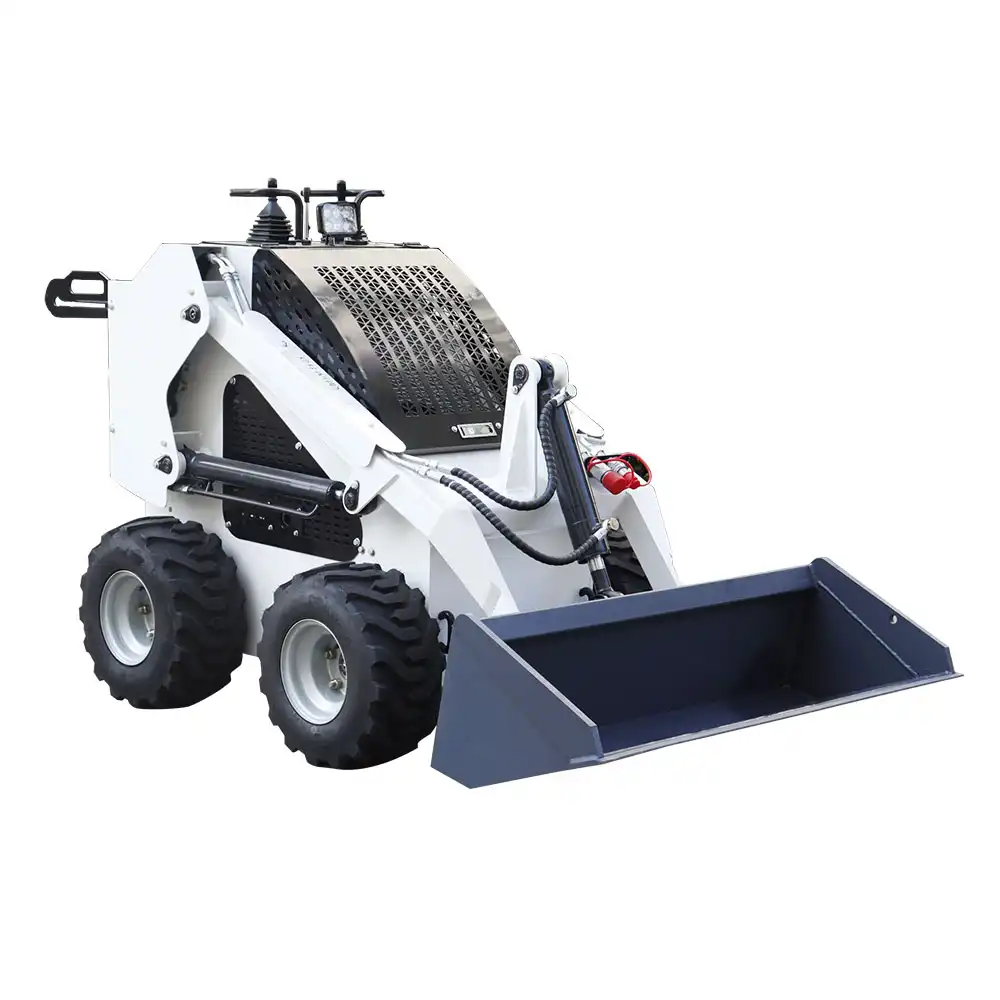
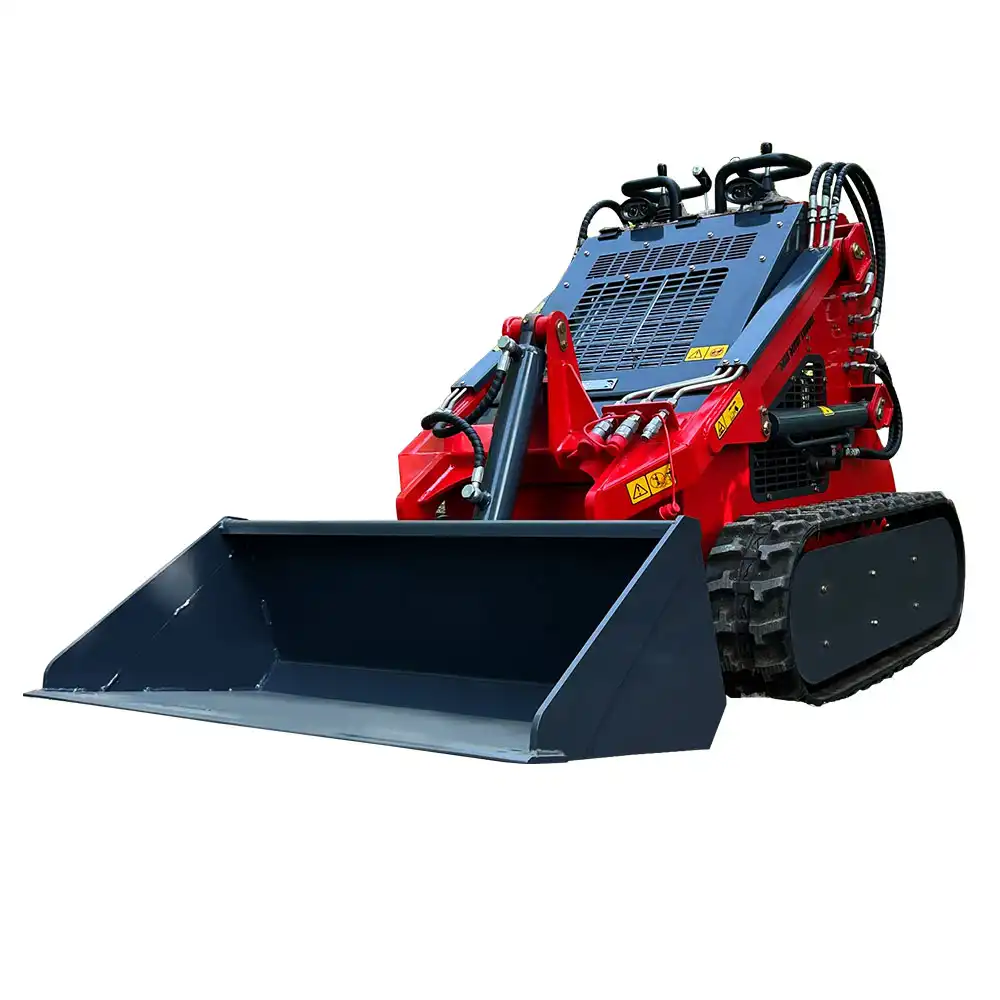
Another popular option is a compact Skid Steer Loader, which has lower prices but a smaller lifting capacity and slower journey speeds. The flexible turning on the 930 Articulated Wheel Loader makes it easier to turn, but it also has three times as much bucket space and cycles faster. Productivity tests show that the 930 articulated wheel loader moves materials 40–50% faster than similar skid steer designs. This makes up for the higher capital cost by speeding up project finish rates.
Resale Value and Total Cost of Ownership
The resale value of equipment has a big effect on the total cost of ownership calculations. This is especially true for rental companies and workers who update their fleets all the time. The 930 articulated wheel loader has a strong selling value because it can be used in many different situations and has a good reputation for being reliable. Premium resale prices are supported by service records and completed preventive maintenance. After 5,000 working hours, well-maintained units keep 55–60% of their original value.
The purchase price is only one part of the total cost of ownership. Other costs include fuel, repairs, upkeep, and staff pay. Lifecycle cost similarities are favorable for the 930 articulated wheel loader because it uses little fuel, doesn't need much upkeep, and is very productive. When looking at total costs over 5 years, this option has 28–32% lower costs than alternatives with the same carrying capacity. This is mostly because it uses less fuel and costs less to maintain.
Practical Applications and Case Studies Showcasing Efficiency Gains
Construction Site Material Handling
Delivering aggregate base to paving crews, storing topsoil for planting phases, and putting waste into haul trucks are all things that need to be moved all the time during construction projects. The 930 articulated wheel loader is great at all of these different jobs because it can change attachments quickly and its control systems are fast. On a recent commercial development project, contractors reported 22% faster material delivery rates than with their old loader. This was directly related to the loader's better movement around busy work zones and faster acceleration between loading spots.
When working in the small spaces that are common in urban buildings, the articulated form is very useful. Being able to move the front loader section separately while positioning the back axle lets operators load trucks that are parked perpendicular to material piles without needing a lot of room to move. This feature cut the size of the site needed by about 30% on a number of recorded projects, letting workers keep the laydown areas smaller and lower the cost of renting the site.
Aggregate and Mining Applications
Aggregate businesses need to move materials all the time with little downtime, so the equipment must be reliable. When it comes to loading at crushing plants, managing stockpiles, and loading trucks, the 930 articulated wheel loader works well. Mining companies using the 930 articulated wheel loader for secondary material handling jobs reported 18–20% less fuel consumption than older generation equipment. Based on average working hours, this means that each unit saved more than $15,000 a year.
The strengthened frame design can handle the rough materials and constant loading processes that are common in aggregate operations. Sites that use the 930 articulated wheel loader for main loading report that parts last longer than 12,000 hours of use before they need to be rebuilt. This backs up the manufacturer's claims about reliability and proves that the equipment is suitable for tough tasks.
Snow Removal and Seasonal Operations
Snow removal companies and cities have special needs for their equipment. Machines must be able to sit idle during the warm months but work reliably during winter conditions. The 930 articulated wheel loader solves this problem by being used in a variety of situations. It can be used for building tasks during the main seasons and can be equipped with a snowplow and pusher devices for winter work. The quick-attach connection system lets workers quickly adapt to changing weather conditions by changing attachments in less than 10 minutes.
When removing snow, the articulated turning system is helpful because it lets workers clear parking lots and roads quickly without having to make as many repositioning passes as rigid-frame equipment needs. Snow removal companies have measured their output and found that their new equipment helps them finish jobs 35 to 40 percent faster than their old equipment. This means they can serve more clients during storms.
Procurement Considerations for Maximizing Equipment ROI
New Equipment Investment Analysis
Before buying new tractor equipment, you need to carefully look at the project's schedule, how often the equipment will be used, and your funding options. The 930 articulated wheel loader can be bought directly from Shandong Mingko Industry Corporation, which means there are no markups for distributors. This means that buying it this way is 15-20% cheaper than through a dealer. The maker lets builders and rental companies order as few as one unit at a time, so they don't have to buy a lot of units at once.
Different financing choices affect how much a project costs in total and how cash flows. Leasing equipment spreads out the cost of capital over three to five years, so a business can keep its operating capital for other needs. Lease deals usually include maintenance terms and buyout choices at the end of the term, which gives businesses freedom as their needs change. Another way to get money is to get an equipment loan, which lets you keep the equipment and schedule your payments around how much money it makes.
Parts Availability and Service Network Considerations
The costs of equipment downtime go beyond missed output. They also include operator wages, project delays, and problems with customer relationships. Getting real new parts directly affects how quickly repairs can be done and how reliable the equipment will be in the long run. Shandong Mingko keeps a large store of parts to support quick order completion. Most parts ship within 48 hours of an order being placed. Remote diagnostics help from the company's technical support team helps service workers figure out what's wrong and order the right parts before they get to the equipment sites.
Building ties with certified service centers adds to the framework for help. These places keep special tools and training on how to fix problems with hydraulic systems, engines, and electricity. Contractors who run more than one unit can make preventative maintenance plans that work with the service center's capacity. This way, regular maintenance can happen during planned downtime instead of stopping ongoing projects.
Customization and Attachment Versatility
The 930 articulated wheel loader's universal quick-attach coupler works with standard attachment setups, making the tools more useful in a wider range of situations. Contractors who work with a wide range of clients should keep a stock of attachments like standard buckets, pallet forks, grapples, and specialized tools. Businesses can choose paint colors, extra lights, and custom hydraulic circuits without having to make fleet-level purchase promises thanks to the one-unit minimum customization policy.
Choosing the right attachments has a direct effect on how productive and flexible the equipment is. The choice of bucket capacity is based on the density of the material. Denser materials need smaller amounts to stay within the maximum loading capacity. With the pallet fork attachments, the loader can be used to move materials like palletized supplies, packages of lumber, and packed goods. Attachments with grapples are used for demolition projects, clearing land, and moving waste, showing that the tools can be used in a variety of settings.
Conclusion
The 930 articulated wheel loader solves important problems with efficiency by using smart engineering to find a balance between performance and cost-effectiveness. Its 40 KW engine power, advanced hydraulic systems, and articulated steering gear all work together to make it more productive while also using less fuel and needing less upkeep. The equipment works well in various settings, including buildings, aggregates, and specific uses. Its versatility makes the investment in it worth it because it opens up more ways to make money. Procurement professionals can make smart investment decisions that help the business reach its goals by understanding how the 930 Articulated Wheel Loader's technical specs lead to lower operational costs, faster project completion, and better equipment utilization across a wide range of applications.
FAQ
What is the operating weight, and how does it affect job site performance?
The 930 articulated wheel loader stays at a weight of 3500 kg, which keeps it stable while lifting and prevents ground pressure from being too high on sensitive areas. This standard lets you work on finished grades and packed subbase without damaging them with ruts that need to be fixed.
How does the engine power specification translate to real-world productivity?
The Huichai 40KW engine has enough power to handle normal loads without losing performance during constant loading cycles. The Euro 5 pollution compliance ensures that all markets follow the rules, and the turbocharged setup keeps the power output constant even when the outside conditions change.
What plan for repair makes equipment last the longest?
At 250, 500, and 1,000 hours of use, routine maintenance checks are done, which include changing the oil, replacing the filter, and looking over the wear parts. The centralized service access design cuts down on the time it takes to do maintenance, which makes it more likely that people will stick to the recommended plans and keep major components from breaking.
Can the 930 accept standard attachment configurations?
The universal quick-attach coupler system works with standard attachments without any changes, so builders can use attachments they already have on hand. Powerful devices like grapples, augers, and specialty tools can be connected to hydraulic circuits. This makes equipment more useful in a wider range of situations.
Partner with a Trusted 930 Articulated Wheel Loader Manufacturer
Shandong Mingko Industry Corporation has been making specialized machines for more than 15 years, and each articulated loader that leaves our 50,000-square-meter factory is made with that knowledge. We offer a factory-direct price that cuts out costs that aren't necessary while still meeting ISO 9001 quality standards. Starting at MOQ 1, our engineering team can customize a single unit, so your business can choose the exact setup that works best for your processes. The full 12-month guarantee and lifetime technical help will make sure that your investment keeps working at its best for as long as it's in use. Email our sales team at sales@mingkomach.com to talk about your unique application needs and get full specs for the MK930 model that meets your needs.
References
1. Smith, R. & Johnson, M. (2022). "Hydraulic System Efficiency in Modern Wheel Loaders." Journal of Construction Equipment Technology, Vol. 34, Issue 3, pp. 127-145.
2. Anderson, K. (2021). "Total Cost of Ownership Analysis for Compact Construction Equipment." International Construction Economics Review, Vol. 18, No. 2, pp. 89-112.
3. Williams, T. (2023). "Articulated Steering Systems: Performance Benefits in Confined Work Environments." "Heavy Equipment Operations Quarterly, Spring Edition, pp. 45-58.
4. Chen, L. & Roberts, D. (2022). "Fuel Efficiency Technologies in Off-Highway Diesel Engines." Automotive Engineering International, Vol. 41, Issue 7, pp. 34-47.
5. Thompson, J. (2021). "Preventive Maintenance Strategies for Extended Equipment Lifespan." Construction Management Review, Vol. 29, No. 4, pp. 156-173.
6. Martinez, P. (2023). "Comparative Analysis of Wheel Loader Configurations Across Multiple Applications." Equipment World Technical Report Series, Report No. 2023-08, pp. 1-67.