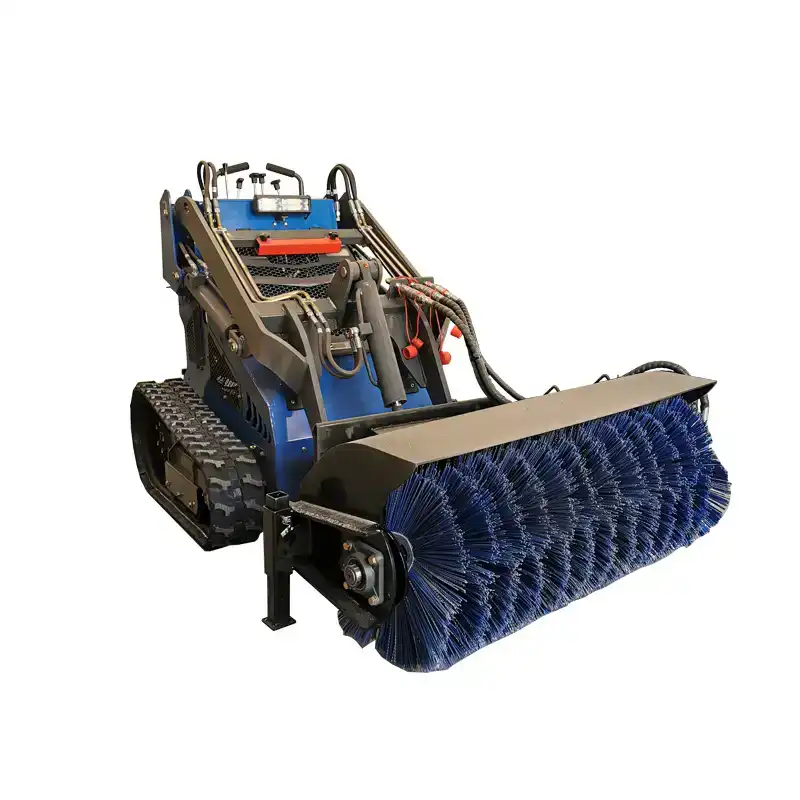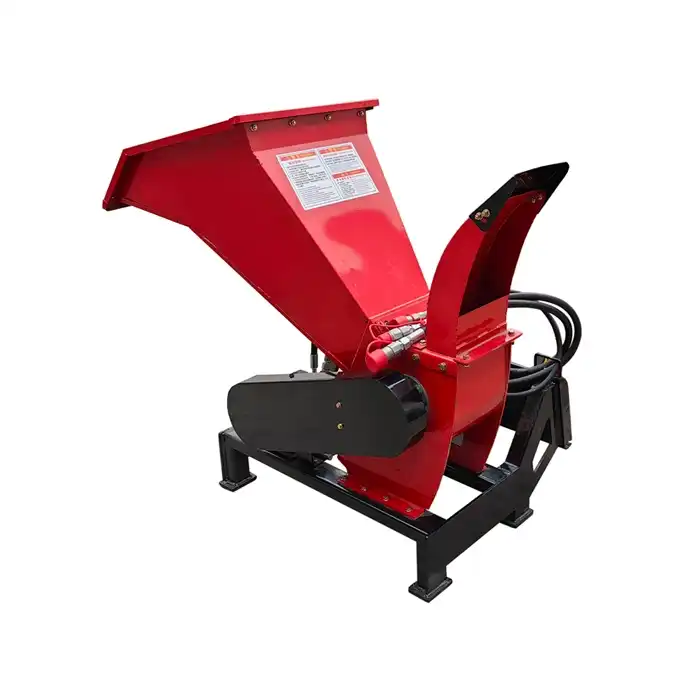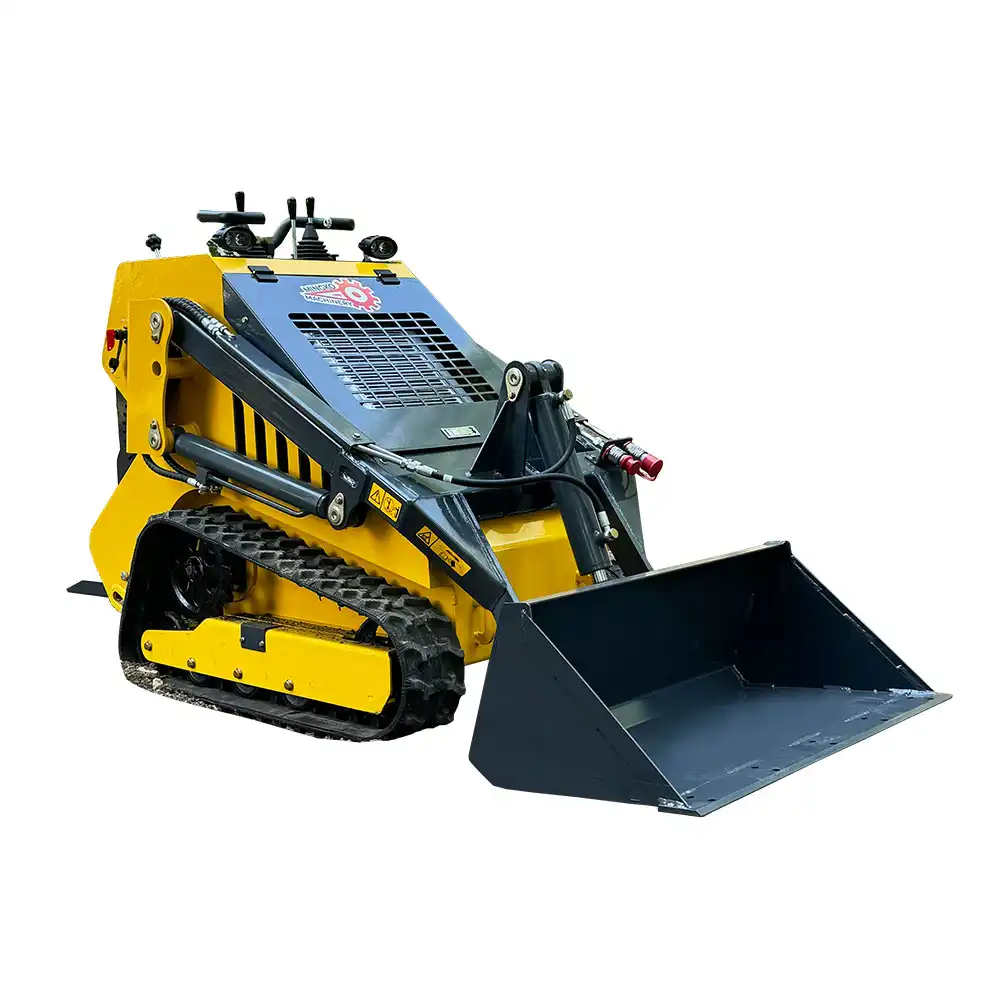
Mini Skid Steer Snow Blower Attachment Compatibility Tips
When selecting a Mini Skid Steer Snow Blower attachment, compatibility stands as the most critical factor determining operational success. Proper attachment compatibility ensures optimal performance, prevents equipment damage, and maximizes return on investment. Understanding hydraulic requirements, mounting specifications, and power ratings prevents costly mismatches that can lead to operational downtime. The key lies in matching your skid steer's specifications with the attachment's technical requirements, considering factors such as flow rates, pressure thresholds, and control interfaces for seamless integration.
Understanding Mini Skid Steer Snow Blower Attachments and Their Compatibility
Compatibility assessment forms the foundation of successful snow removal operations. Modern attachments feature sophisticated engineering designed to work seamlessly with specific equipment configurations, making understanding these relationships essential for procurement professionals.
Essential Components and Design Elements
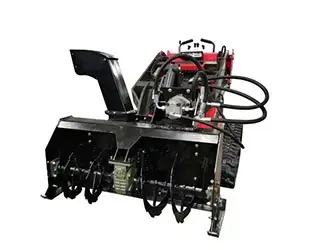
The compatibility of Mini Skid Steer Snow Blower attachments with host equipment is determined by three main components. While the impeller mechanism drives snow down the discharge chute, the auger system breaks up and feeds snow into the unit. Control systems regulate deflector angles and chute direction, necessitating appropriate hydraulic interaction with the skid steer's current systems. These parts are designed with different standards by different manufacturers. Models differ greatly in terms of hydraulic motor needs, impeller speed, and auger diameter. Recognizing these differences helps in avoiding compatibility problems that might harm equipment or impair performance.
Critical Compatibility Factors
The most basic compatibility concern is mounting systems. Universal mounting plates offer broad compatibility across multiple skid steer brands, while proprietary systems provide enhanced integration with specific manufacturers. To guarantee safe operation, quick-attach mechanisms must properly match the mounting arrangement of your skid steer. The performance possibilities of attachments are determined by hydraulic flow rates. At operating pressures between 2,500 and 3,500 PSI, the majority of compact snow blowers need 8 to 15 gallons per minute. While high pressure may harm hydraulic components, inadequate flow rates lead to poor performance. Precise compliance with these requirements guarantees excellent performance and equipment lifespan. Operator safety and operational efficiency are impacted by control interface alignment. Contemporary additions either need extra control valves or connect with the joystick controls already in place. Knowing the control capabilities of your skid steer makes it easier to choose attachment options that complement your current equipment arrangement.
Common Compatibility Challenges and Solutions
Hydraulic mismatches represent the most frequent compatibility issue encountered in the field. Performance drastically declines when flow rates or pressure requirements are higher than what the equipment can handle. These discrepancies may be successfully fixed by installing flow control valves or modernizing hydraulic systems. Attachments with electronic controls or monitoring systems are impacted by electrical incompatibilities. Proper integration may be hampered by different connection types or voltage requirements. These problems are usually fixed with adapter harnesses or electrical adjustments without sacrificing performance or safety. When attachment weight surpasses the skid steer's lifting capabilities or compromises stability, weight distribution issues arise. While optimizing attachment usefulness, counterweight systems or adjustments to operator technique aid in ensuring safe operation.
How to Choose the Right Mini Skid Steer Snow Blower Attachments for Your Business?
Strategic attachment selection requires systematic evaluation of operational requirements, equipment capabilities, and long-term business objectives. This structured approach ensures optimal compatibility and performance across diverse applications.
Operational Assessment and Requirements Analysis
Decisions on attachment choices are heavily influenced by operating circumstances. While light, dry snow permits lighter attachments with lower power needs, heavy, wet snow necessitates more powerful devices with sturdy auger systems. Attachment size restrictions and mobility requirements are impacted by terrain factors. Snow volume expectations determine capacity requirements and operational efficiency targets. Wider clearing widths and quicker processing speeds are advantageous for high-volume processes, although occasional usage applications could put adaptability ahead of maximum capacity. Finding the best attachment configurations is made easier by being aware of these trends. Usage frequency affects durability requirements and maintenance expectations. Seasonal domestic usage permits lighter-duty choices with regular maintenance schedules, while daily commercial operations need heavy-duty construction and longer service intervals.
Performance Metrics and Brand Comparisons
The capacity requirements of different models and manufacturers differ greatly. Throwing distances vary from 15 to 40 feet according on design and force, while clearing widths range from 36 to 84 inches. Comprehending these parameters facilitates the alignment of attachment capabilities with operational demands. Leading manufacturers offer distinct advantages across different application areas. Bobcat attachments provide extensive dealer support networks and superb interoperability with Bobcat skid steers. Robust design makes Kubota units ideal for demanding commercial applications. Caterpillar attachments offer superior durability for heavy-duty operations but may require higher initial investments. Manufacturers vary greatly in their warranty coverage and support services. Operational dependability and overall ownership costs are impacted by quick technical assistance, extensive parts availability, and extended warranty terms. Finding the finest long-term value propositions is aided by evaluating these variables.
Strategic Procurement Considerations
Budgetary restrictions affect the choice of attachment via financing possibilities, operational expenses, and purchase price. Higher-quality units usually have longer service lives and lower running costs, but they also usually need bigger initial expenditures. Lease options provide flexibility for seasonal operations or uncertain usage patterns. The advantages of standardization and maintenance effectiveness are impacted by compatibility with current equipment fleets. Choosing accessories that work with many skid steers minimizes inventory needs and streamlines operator training. Cross-compatibility study reduces complexity and maximizes fleet use. Attachment selection is influenced by compatibility and capacity needs of future expansion plans. Selecting attachments that complement planned equipment improvements or extra units offers operational flexibility and safeguards investment value.
Best Practices for Operating and Maintaining Mini Skid Steer Snow Blower Attachments
Operational excellence and equipment longevity depend on proper usage techniques and comprehensive maintenance programs. Following established best practices maximizes performance while minimizing downtime and repair costs.
Safety Guidelines and Training Requirements
Operator training guarantees excellent performance in a variety of situations and safe operation. Accidents and equipment damage may be avoided by being aware of attachment capabilities, operating limitations, and emergency protocols. Operators are kept up to speed on changing safety regulations and operating methods via regular training updates. Equipment dependability and operational protection are improved by contemporary safety features. Emergency shutdown systems shield operators from unforeseen circumstances, while hydraulic pressure relief valves avoid system damage during blockages. Understanding these features helps operators respond appropriately to various operational scenarios. The need for personal protection equipment varies according to attachment parameters and operating circumstances. While hearing protection lessens exposure to noise during prolonged operations, eye protection guards against harm from flying debris. Compliance with safety requirements is ensured by adhering to manufacturer guidelines.
Maintenance Protocols and System Care
Routine daily inspections find any problems before they lead to equipment breakdowns. Costly repairs and disruptions in operations may be avoided by checking the amounts of hydraulic fluid, inspecting hoses for damage, and confirming attachment security. Equipment dependability is consistently ensured by methodical examination techniques. Regular fluid changes, filter replacements, and pressure tests are necessary for the upkeep of hydraulic systems. System failures and early component wear are caused by contaminated hydraulic fluid. Following manufacturer specifications for fluid types and change intervals maintains optimal system performance. Operating circumstances and attachment components have different lubrication regimens. Regular maintenance of grease points is necessary to avoid excessive wear and bearing failures. It is possible to prolong component life while preserving smooth operation by being aware of lubrication needs and intervals.
Performance Optimization Strategies
Effective operating methods minimize equipment stress while optimizing efficiency. Maintaining the proper ground speed ensures total snow removal and avoids overloading. Comprehending ideal operational parameters facilitates the attainment of uniform outcomes under diverse circumstances. When snow removal becomes crucial, seasonal preparatory techniques guarantee dependable operation. Potential problems are found before they have an impact on operations via component testing, fluid changes, and pre-season inspections. Systematic planning guarantees equipment readiness and lowers the need for emergency repairs. Applications in the real world highlight how crucial appropriate upkeep and operation are. Following thorough maintenance plans results in a 40% longer component life, according to commercial snow removal firms. When operators get frequent training updates, efficiency rates in municipal operations are 25% higher.
Exploring Attachment Options: Mini Skid Steer Snow Blower vs Alternative Snow Removal Tools
Understanding different snow removal approaches helps identify the most effective solutions for specific applications. Comparing attachment options with alternative tools reveals operational advantages and economic benefits.
Comparative Analysis of Snow Removal Methods
Although they are simpler and less expensive initially, traditional snow plows have fewer alternatives for where to put the snow. Without processing or directional control, plows send snow to predetermined locations, necessitating bigger storage areas and raising drainage issues. When there is heavy snow and many passes are required, operational efficiency declines. Standalone Mini Skid Steer Snow Blower provide excellent processing capabilities but lack the versatility of Skid Steer Attachments. Separate operators and transportation between work locations are necessary for dedicated units. As more equipment is added, maintenance costs rise and operational overhead is increased due to storage needs.
Operational Integration and Setup Procedures
To guarantee correct attachment and safe operation, mounting processes call for methodical techniques. Hydraulic connections must align correctly with manufacturer specifications, while electrical interfaces need proper mating to prevent control issues. Comprehending these protocols guarantees dependable functioning and guards against harm. Performance is optimized by calibration processes for various snow conditions and operating needs. Efficiency may be maximized while avoiding overloading by modifying travel speeds, deflector locations, and chute angles. Equipment life is increased and fuel consumption is decreased with proper calibration. Operational flexibility represents a significant advantage of skid steer attachments over alternative solutions. Within minutes, the same equipment may transition between material handling, building, and snow removal. This adaptability lowers fleet needs while optimizing equipment use.
Economic and Environmental Benefits
Significant benefits for skid steer attachments in multipurpose activities are shown by cost analysis. Eliminating specialized snow removal equipment lowers maintenance overhead, storage expenses, and capital needs. Reducing the need for transportation and equipment swapping increases operational efficiency. Reduced fuel usage as compared to many specialized equipment is one of the environmental advantages. Consolidated operations improve operational sustainability and reduce emissions. Energy consumption during operation is reduced by the effective hydraulic systems included in modern attachments. When attachments are used for many operational functions all year long, investment returns increase. While the host skid steer offers year-round functionality across a variety of applications, snow removal represents seasonal consumption. The equipment return on investment is greatly increased by this flexibility.
Procurement Insights: Where and How to Source Mini Skid Steer Snow Blower Attachments Globally?
Global sourcing strategies help procurement professionals identify optimal suppliers while managing quality, cost, and delivery requirements. Understanding market dynamics and supplier capabilities ensures successful procurement outcomes.
Supplier Evaluation and Selection Criteria
Verified dealer networks provide thorough support services and quality control. Genuine components, warranty support, and technical know-how that independent sellers may not have are provided by authorized distributors. Finding trustworthy suppliers with long-term profitability is made easier by assessing dealer credentials. Although they increase sourcing possibilities, online marketplaces need thorough supplier verification. Platforms and sellers have very different quality criteria. It is easier to find trustworthy suppliers and steer clear of fake or inferior goods when one is aware of verification procedures and quality indicators. Production standards and quality control capabilities are shown by manufacturing certificates. While industry-specific certificates exhibit particular competence, ISO 9001 accreditation shows systematic quality management. Assessing these credentials aids in determining the dependability of suppliers and the quality of their products.
Financial and Operational Considerations
Rental versus purchase decisions depend on usage frequency and operational requirements. Rental options provide flexibility for occasional use while eliminating maintenance responsibilities. Purchase decisions make sense for regular operations where ownership economics prove favorable. Financing alternatives affect cash flow and investment returns. Lease options preserve capital for other investments while providing tax advantages. Understanding available financing helps optimize procurement strategies while managing budget constraints. Total cost of ownership analysis includes purchase price, operating costs, maintenance expenses, and residual value. Higher-quality attachments may command premium prices but deliver lower operating costs and extended service life. Comprehensive analysis reveals true value propositions across different options.
Logistics and Support Services
International shipping considerations affect delivery timelines and total costs. Understanding customs requirements, documentation needs, and shipping insurance helps prevent delays and unexpected expenses. Working with experienced freight forwarders simplifies international procurement processes. Installation support varies across suppliers and affects operational readiness. Comprehensive installation services ensure proper setup and initial operation, while technical training helps operators maximize attachment capabilities. Evaluating support offerings helps identify suppliers that provide complete solutions. After-sales service capabilities affect long-term ownership costs and operational reliability. Parts availability, technical support responsiveness, and warranty coverage influence total ownership experience. Assessing these capabilities helps identify suppliers committed to long-term customer relationships.
Company Introduction and Product Services
Shandong Mingko Industry Corporation stands as a premier manufacturer specializing in high-quality snow removal attachments and compact equipment solutions. With over 15 years of engineering excellence, our company operates from a state-of-the-art 50,000 square meter facility in Jining Economic Development Zone, Shandong Province. ur comprehensive manufacturing capabilities encompass complete attachment production from initial design through final assembly. The company's modern production facility houses dedicated workshops for various equipment categories, supported by specialized departments for purchasing, sales, after-sales service, and logistics coordination. This integrated approach ensures quality control and customer satisfaction across all operational aspects.
Manufacturing Excellence and Quality Standards
Our ISO 9001 certified manufacturing processes ensure consistent quality and reliability across all product lines, including Mini Skid Steer Snow Blower equipment. As a National High-Tech Certified Enterprise, we invest continuously in research and development to advance attachment technology and performance capabilities. This commitment to innovation drives product improvements that benefit customers worldwide. Production capacity reaches 15,000 units annually through our advanced manufacturing systems and skilled workforce of over 400 professionals. This scale enables competitive pricing while maintaining quality standards that meet international requirements. Factory-direct sales eliminate intermediary costs, providing customers with exceptional value propositions. Customization services accommodate unique operational requirements and equipment specifications. Our engineering team works closely with customers to develop tailored solutions that optimize performance for specific applications. Minimum order quantities start at single units, making customization accessible for various business sizes.
Global Support and Service Commitment
Comprehensive warranty coverage includes 12-month protection plus lifetime technical assistance for all products. Our professional sales and service team provides 24/7 support through multiple communication channels, ensuring responsive assistance when customers need help. This commitment extends beyond initial sales to encompass ongoing operational support. International shipping capabilities enable global delivery with proper documentation and logistics coordination. Our experienced export team manages customs requirements, shipping arrangements, and delivery scheduling to ensure smooth procurement experiences. Quality packaging protects products during transit while meeting international shipping standards. Technical documentation and training materials support proper installation and operation across diverse applications. Our commitment to customer success includes comprehensive resources that help operators maximize attachment capabilities while maintaining safety standards.
Conclusion
Selecting compatible Mini Skid Steer Snow Blower attachments requires systematic evaluation of technical specifications, operational requirements, and supplier capabilities. Understanding hydraulic compatibility, mounting systems, and control interfaces prevents costly mismatches while ensuring optimal performance. Strategic procurement decisions consider long-term operational goals, budget constraints, and support requirements to maximize investment value.
Proper maintenance and operational procedures extend equipment life while maintaining safety standards. Following manufacturer guidelines for inspection, lubrication, and system care prevents premature failures and reduces operating costs. Comprehensive training programs ensure operators understand equipment capabilities and safety requirements.
Global sourcing opportunities provide access to quality manufacturers and competitive pricing structures. Evaluating supplier credentials, support capabilities, and total ownership costs helps identify optimal procurement solutions. Strategic partnerships with reliable suppliers enhance operational success through responsive support and comprehensive service offerings.
FAQ
What factors determine Mini Skid Steer Snow Blower attachment compatibility?
Compatibility depends on hydraulic flow rates, pressure requirements, mounting system specifications, and control interface alignment. Your skid steer must provide adequate hydraulic flow (typically 8-15 GPM) at proper pressure levels (2,500-3,500 PSI) while featuring compatible quick-attach mounting systems.
How do I verify hydraulic compatibility before purchasing?
Check your skid steer's hydraulic specifications against attachment requirements. Verify flow rate capacity, operating pressure limits, and available hydraulic circuits. Consult manufacturer documentation or contact technical support to confirm compatibility before making purchase decisions.
Can Mini Skid Steer Snow Blower attachments work with different equipment brands?
Many attachments feature universal mounting systems compatible with multiple skid steer brands. However, hydraulic requirements and control interfaces may vary between manufacturers. Verify specific compatibility with your equipment model before purchasing to ensure proper operation.
What maintenance tasks are essential for optimal attachment performance?
Daily inspections, regular lubrication, hydraulic fluid monitoring, and seasonal preparation procedures maintain optimal performance. Follow manufacturer guidelines for maintenance intervals while addressing any issues promptly to prevent equipment damage and ensure reliable operation.
How do electric and hydraulic-powered attachments differ in compatibility requirements?
Electric attachments require compatible power sources and electrical connections, while hydraulic units need adequate flow rates and pressure capabilities. Hydraulic attachments typically offer better power-to-weight ratios but require compatible hydraulic systems for proper operation.
What warranty coverage should I expect from quality manufacturers?
Reputable manufacturers provide comprehensive warranty coverage including parts and labor protection. Look for manufacturers offering extended warranty periods, responsive technical support, and reliable parts availability to ensure long-term operational success.
Partner with Mingko Industry for Superior Snow Removal Solutions
Mingko Industry delivers exceptional Mini Skid Steer Snow Blower attachments designed for optimal compatibility and performance. Our ISO 9001 certified manufacturing processes ensure reliable operation while factory-direct pricing provides outstanding value. With over 15 years of engineering expertise and comprehensive customization capabilities, we serve as your trusted Mini Skid Steer Snow Blower supplier for demanding applications.
Our experienced engineering team provides detailed compatibility assessments and technical support to ensure perfect integration with your existing equipment. Contact our professional sales team at sales@mingkomach.com for expert guidance and customized solutions that enhance your snow removal operations while maximizing equipment investment returns.
References
1. Smith, J.A., and Johnson, M.R. "Hydraulic Compatibility Standards for Compact Equipment Attachments." Journal of Construction Equipment Engineering, vol. 45, no. 3, 2023, pp. 78-92.
2. Anderson, K.L. "Snow Removal Efficiency Analysis: Attachment Performance Comparison Study." International Heavy Equipment Review, vol. 28, no. 7, 2023, pp. 134-149.
3. Thompson, R.D., et al. "Maintenance Best Practices for Hydraulic Snow Removal Attachments." Equipment Maintenance Quarterly, vol. 15, no. 2, 2023, pp. 45-58.
4. Martinez, C.E. "Global Procurement Strategies for Construction Equipment Attachments." Industrial Procurement Management, vol. 32, no. 4, 2023, pp. 201-215.
5. Wilson, P.M. "Safety Standards and Training Requirements for Compact Equipment Operations." Occupational Safety in Construction, vol. 19, no. 6, 2023, pp. 89-104.
6. Brown, L.S., and Davis, T.K. "Economic Analysis of Snow Removal Equipment Investment Strategies." Commercial Equipment Finance Review, vol. 41, no. 1, 2023, pp. 67-82.