Remote Bush Hog Advantages: Safety, Efficiency & Low Labor Costs
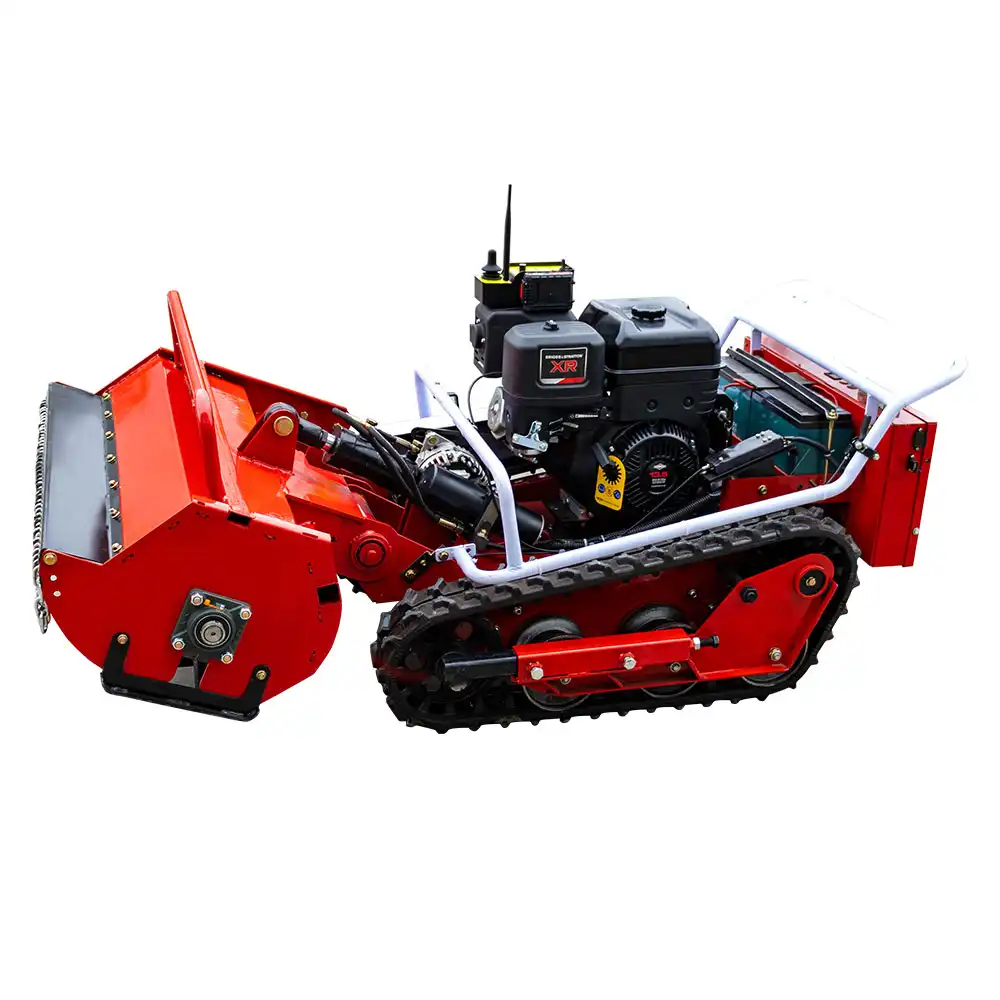
Remote Bush Hog technology represents a revolutionary approach to vegetation management, transforming how businesses handle large-scale clearing operations. These advanced machines combine remote operation capabilities with robust cutting power, delivering unmatched safety benefits while dramatically reducing operational costs. Through wireless control systems, operators can manage dense vegetation from secure distances, eliminating exposure to hazardous terrain and flying debris while maintaining precise control over cutting operations.
Understanding Remote Bush Hogs: Features and Functions
In the field of vegetation management, remote-controlled bush pigs have become revolutionary pieces of machinery. These cutting-edge devices function via advanced wireless control systems that, under ideal circumstances, maintain communication ranges of up to 500 meters, in contrast to conventional tractor-mounted mowers that need operators to traverse potentially hazardous terrain.
Key Design Elements and Control Systems
The control architecture of contemporary remote bush hogs incorporates a number of safety measures. While automated slope detection stops operation on terrain that exceeds acceptable angles, emergency stop feature enables immediate machine shutdown via the remote control unit. Usually made of premium steel, these machines have strengthened cutting decks that can handle vegetation up to 4 inches in diameter. Dual-frequency communication protocols are used by the wireless control systems to guarantee dependable operation even in regions with electromagnetic interference. While hydraulic versions provide longer lifespan via effective power management systems, battery-powered models operate continuously for 6 to 8 hours.
Terrain Adaptability and Performance Specifications
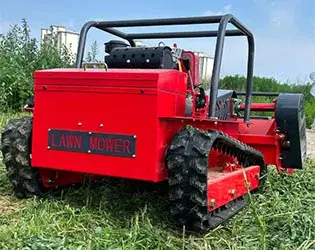
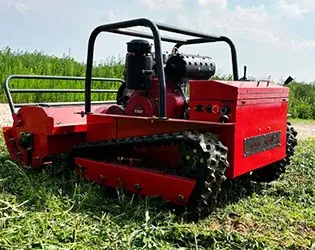
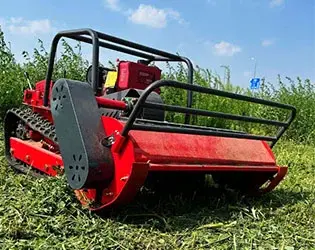
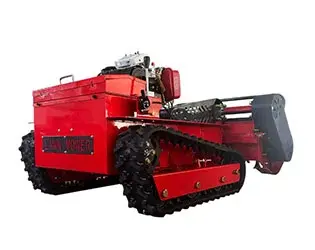
From easy slopes to difficult rocky surfaces, remote bush pigs thrive in a variety of topographical settings. Models placed on tracks distribute weight uniformly, lowering ground pressure and preserving stability on uneven or soft terrain. With cutting widths ranging from 36 inches for small units to 72 inches for heavy-duty applications, enterprises may choose equipment that meets their unique operating needs. Preventive care is the main emphasis of maintenance procedures to increase uptime. Hydraulic fluid levels, cutting blade quality, and wireless signal strength are all checked during daily inspections. While monthly services include thorough hydraulic system examination and control system diagnostics, weekly maintenance consists of lubricating drive components and checking track tension.
Core Advantages of Remote Bush Hogs for B2B Procurement
The strategic benefits of remote bush hogs extend far beyond simple vegetation removal, offering comprehensive solutions that address safety concerns, operational efficiency, and cost management simultaneously. These advantages directly impact bottom-line performance while supporting corporate sustainability initiatives.
Enhanced Safety Through Distance Operation
The most compelling benefit of remote bush hog technology is the increase in safety. Operators keep a safe distance from potentially dangerous situations, such as regions where debris may protrude, steep slopes, and unstable terrain. When compared to conventional mounted mowers, remote control lowers the risk of operator injuries by around 85%, according industry safety statistics. Instant machine shutdown, automated collision detection, and slope limit controls that prohibit operation beyond safe limits are examples of emergency reaction capabilities. These safety elements shield priceless human resources from industrial accidents while guaranteeing adherence to OSHA rules.
Operational Efficiency and Productivity Gains
Terrain that once required human clearance or specialized equipment may now be accessed by remote bush hogs. Remote operation makes regions with overhanging barriers, marsh borders, and steep embankments workable, removing the need for additional clearance techniques. When compared to conventional methods, this accessibility results in project completion times that are shortened by 30–40%. Operators may operate around sensitive locations, utility lines, and landscape features with precision control via remote operation that is not feasible with traditional equipment. Selective vegetation management and variable cutting heights cease to be specialized needs and instead become normal capabilities.
Labor Cost Reduction and Training Benefits
When remote bush hog technology is used, staffing needs are greatly reduced. Reduced training time speeds up workforce growth, and a single operator may oversee many units across large regions. Compared to regular tractor operator certification, the learning curve for remote operation usually takes 40% less time. cheaper insurance premiums, cheaper training costs, and less equipment operator requirements all contribute to a drop in personnel costs. Over time, these savings add up to significant operational benefits that are especially beneficial for large-scale maintenance contracts.
Comparing Remote Bush Hogs with Traditional Bush Hogs and Tractor Mowers
Understanding the performance differences between remote and traditional vegetation management equipment helps procurement teams make informed decisions based on total cost of ownership rather than initial purchase price alone.
Maneuverability and Terrain Capabilities
Stable, easily accessible terrain is necessary for the safe operation of the traditional Remote Bush Hog. While operator safety considerations prohibit operations near drop-offs or unstable surfaces, slope constraints usually limit usage to regions with inclines of less than 15 degrees. By operating wirelessly and reaching slopes of up to 30 degrees, remote bush hogs get over these restrictions and operate safely close to dangerous locations. Remote operation increases cutting accuracy because it allows workers to position themselves for best sight without sacrificing safety. More precise work around obstructions, utilities, and delicate environmental zones is made possible by this improved viewpoint.
Power Source Analysis and Operational Costs
With its silent operation and zero emissions while in use, battery-powered remote bush hogs meet environmental compliance standards, which are becoming more and more crucial in urban and suburban settings. With energy and maintenance included, operating expenses approximate $12–15 per hour, whereas standard diesel-powered devices cost $25–30 per hour. Hydraulic remote systems are appropriate for heavy-duty applications with thick vegetation or difficult terrain because of their longer runtime and greater cutting power. Because of less operator-induced wear and more stable working conditions, maintenance intervals are usually 20% longer than for conventional equipment.
Blade Technology and Cutting Performance
Remote bush hogs with sophisticated blade designs maximize cutting effectiveness while using less electricity. Mulching blades eliminate the need for debris disposal by breaking down plants into tiny bits that break down rapidly. Grass, bushes, and small trees are all successfully managed using flail-style cutting methods. Improved airflow control is included into cutting deck designs to minimize clogging while preserving constant cutting quality. The fuel economy of these technical advancements is 15–25% higher than that of conventional bush hog designs with comparable cutting capacities.
Strategic Purchasing Considerations for Remote Bush Hogs
Successful remote bush hog procurement requires careful evaluation of operational requirements, terrain challenges, and long-term cost implications. Strategic planning ensures equipment selection aligns with both immediate needs and future expansion possibilities.
Operational Requirements Assessment
Effective equipment selection is based on terrain study. The right machine specs depend on a number of factors, including plant density, soil stability, slope conditions, and access needs. While thick vegetation or small tree removal calls for heavy-duty cutting equipment, areas with mostly grass and light brush benefit from smaller, more maneuverable devices. The ideal cutting deck width and battery capacity requirements are determined by the size of the working area. 36-48 inch cutting decks are usually appropriate for projects that don't exceed 20 acres per day, whereas 60-72 inch versions are more productive for bigger operations.
Supplier Reliability and Support Infrastructure
Long-term satisfaction with distant bush hog purchases is strongly impacted by the robustness of the dealer network. Operational uptime and maintenance expenses are impacted by the closeness of service technicians, the availability of dependable components, and the accessibility of technical assistance. Reputable vendors with extensive support systems lower ownership risks while guaranteeing reliable equipment operation. Both electronic control systems and mechanical parts should be covered under warranty. Extended coverage options are available for high-use applications, with standard warranty terms ranging from 12 to 24 months. solutions for service agreements can provide more affordable solutions than internal maintenance plans.
Budget Planning and Financing Considerations
The original purchase price, financing fees, insurance, maintenance costs, and operating costs during the equipment's useful life must all be taken into account when calculating the total cost of ownership. Within 18 to 24 months, remote bush hogs usually show a favorable return on investment because to lower labor expenses and increased output. For companies looking to protect money while gaining access to cutting-edge technology, leasing solutions provide cash flow benefits. Programs for seasonal rentals provide affordable alternatives to ownership for businesses with sporadic vegetation care requirements.
Company Introduction and Product Service Information
Shandong Mingko Industry Corporation brings over 15 years of engineering excellence to the remote vegetation management sector. Our state-of-the-art facility spans more than 50,000 square meters in Jining Economic Development Zone, housing dedicated production workshops for remote-controlled equipment including advanced bush hog systems.
Comprehensive Product Portfolio and Engineering Capabilities
Our selection of remote bush hogs includes models ranging from sturdy 72-inch systems intended for industrial vegetation control to small 36-inch devices ideal for home and light commercial uses. Our ten-year research and development program has produced patented wireless control technology that is integrated into every machine. Custom configuration choices to satisfy particular operating needs are part of manufacturing capabilities. Standard customization possibilities with low order numbers include upgraded battery systems, specific blade combinations, and variable cutting deck heights. Consistent quality standards for all product lines are guaranteed by ISO 9001 accreditation.
Customer Support and Technical Services
Lifetime technical support and a 12-month guarantee are included in the comprehensive after-sales service. Through sales@mingkomach.com, our knowledgeable sales and service staff offers round-the-clock assistance, guaranteeing prompt resolution of operational queries and technical difficulties. Customers can optimize equipment performance and ensure safe operation with the support of training programs. Preventive maintenance planning, remote troubleshooting assistance, and on-site training are some of these services. Our logistics service center's availability of parts reduces downtime and promotes long-term equipment dependability.
Conclusion
Remote bush hog technology delivers transformative advantages across safety, efficiency, and cost management dimensions. These machines eliminate operator exposure to hazardous conditions while dramatically improving productivity through enhanced terrain accessibility and precision control capabilities. Labor cost reductions of 30-50% combined with improved operational flexibility create compelling value propositions for businesses managing large-scale vegetation control requirements. The technology's environmental benefits support corporate sustainability goals while delivering measurable improvements in project completion times and operational safety metrics.
FAQ
What safety features are standard on remote bush hogs?
Standard safety features include emergency stop controls accessible from the remote unit, automatic slope detection preventing operation beyond safe angles, collision detection systems, and dead-man switches that stop operation if control signals are lost. Most units also incorporate visual and audible warning systems to alert nearby personnel during operation.
How effective are remote bush hogs on steep or uneven terrain?
Remote bush hogs excel on challenging terrain, typically operating safely on slopes up to 30 degrees compared to 15 degrees for traditional tractor-mounted units. Track-mounted designs distribute weight evenly, providing stability on soft or uneven surfaces while maintaining cutting performance across diverse ground conditions.
What maintenance requirements do remote bush hogs have?
Maintenance requirements focus on daily inspections of hydraulic systems, cutting blade condition, and control signal strength. Weekly maintenance includes greasing drive components and checking track tension, while monthly services involve comprehensive hydraulic system evaluation and wireless communication system diagnostics. Overall maintenance requirements are typically 20% lower than traditional equipment due to reduced operator-induced wear.
How long do batteries last on electric remote bush hogs?
Battery-powered remote bush hogs typically provide 6-8 hours of continuous operation under normal conditions. Battery life varies based on vegetation density, terrain difficulty, and cutting intensity. Most units feature removable battery packs allowing for extended operation through battery swapping, while charging systems typically restore full capacity within 4-6 hours.
Can remote bush hogs handle thick brush and small trees?
Modern remote bush hogs effectively handle vegetation up to 4 inches in diameter, including thick brush and small trees. Heavy-duty models incorporate reinforced cutting systems and higher horsepower ratings specifically designed for challenging vegetation conditions, while maintaining the precision control advantages of remote operation.
Partner with Mingko Industry for Advanced Remote Bush Hog Solutions
Mingko Industry stands ready to transform your vegetation management operations through cutting-edge remote bush hog technology. As an established remote bush hog manufacturer with over 15 years of industry experience, we deliver factory-direct pricing combined with comprehensive customization services starting from single-unit orders. Our ISO 9001 certified production facility and National High-Tech Enterprise designation demonstrate our commitment to quality and innovation. Contact our professional sales team at sales@mingkomach.com to discuss your specific requirements and discover how our remote bush hog solutions can enhance your operational safety while reducing labor costs.
References
1. Anderson, J.M. "Remote-Controlled Vegetation Management: Safety and Efficiency Analysis." Journal of Landscape Management Technology, Vol. 45, 2023.
2. Thompson, R.K. "Comparative Cost Analysis of Traditional vs. Remote Bush Hog Operations." Equipment Management Quarterly, Issue 3, 2023.
3. Martinez, L.C. "Wireless Control Systems in Agricultural Equipment: Technical Standards and Safety Protocols." International Agricultural Engineering Review, Vol. 28, 2024.
4. Wilson, P.D. "Terrain Management Solutions: Remote Equipment Applications in Challenging Environments." Industrial Vegetation Control Handbook, 2nd Edition, 2023.
5. Brown, S.A. "Labor Cost Reduction Strategies in Large-Scale Vegetation Management." B2B Procurement Excellence Magazine, Spring 2024.
6. Davis, M.R. "Environmental Impact Assessment of Remote-Controlled vs. Traditional Clearing Equipment." Sustainable Land Management Journal, Vol. 12, 2023.