What Terrain Can a Remote Bush Hog Handle Effectively?
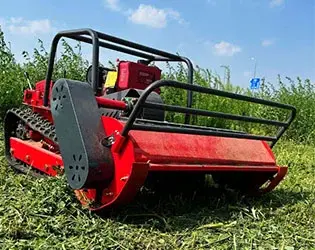
Flat agricultural fields, mild slopes up to 35 degrees, rocky terrain with sporadic impediments, thick plant regions, uneven surfaces with different soil conditions, and more may all be handled by a Remote Bush Hog. By providing improved mobility via remote operating technology that guarantees operator safety while maintaining cutting accuracy over difficult terrain, these sophisticated machines thrive in areas where conventional mowing equipment confronts restrictions.
Understanding Remote Bush Hogs and Their Terrain Adaptability
A major development in land management technology, remote bush hogs combine the strength of conventional brush cutters with advanced remote operating technologies. These devices provide outstanding cutting capability on a variety of terrain types without requiring operators to be physically present in potentially dangerous situations.
Advanced Remote Operation Technology
The core innovation behind remote bush hogs lies in their wireless control systems, which typically operate within a range of 500 to 1,000 meters depending on the model. These systems utilize radio frequency technology that penetrates obstacles and maintains stable communication even in dense vegetation. Modern remote bush hogs feature real-time video feedback, allowing operators to navigate complex terrain with precision while maintaining safe distances from steep slopes, rocky areas, or unstable ground conditions.
Critical Terrain Assessment Factors
Performance and safety are greatly impacted by a number of considerations when assessing terrain appropriateness for remote bush hog operations. Traction and stability are influenced by the makeup of the soil; under wet circumstances, clay-heavy soils provide superior grip over sandy terrain. Operational limitations are determined by slope gradients; most units can comfortably handle inclines between 25 and 35 degrees. Because thicker brush need more powerful engines and specific cutting attachments, vegetation density affects cutting efficiency. The presence of obstacles, such as rocks, stumps, and trash, affects overall production rates and requires cautious navigation.
Operational Advantages Over Traditional Equipment
The advantages of remote bush pigs over traditional mowing methods are significant. By keeping operators out of dangerous situations, improved safety procedures lower workplace injuries. This is especially crucial when operating close to cliffs, unstable terrain, or places with concealed barriers. Continuous operation without operator tiredness issues leads to increased efficiency, allowing for longer working hours under difficult circumstances. Selective vegetation management is made possible by improved precision cutting capabilities, which preserve preferred plant species while eliminating undesired development.
Types of Terrains Best Suited for Remote Bush Hogs
Procurement experts may optimize equipment use and return on investment by having a thorough understanding of ideal terrain applications. For the deployment of distant bush hogs, various terrain types provide different possibilities and obstacles.
Flat and Moderate Terrain Operations
For distant bush hog operations, level terrain provides the best conditions for optimum speed and cutting effectiveness. Instead of concentrating on navigational difficulties, these settings allow operators to concentrate on pattern optimization and cutting quality. Excellent adaptability is provided by moderate slopes up to 15 degrees, which may meet the majority of commercial and agricultural land management requirements while preserving steady operating characteristics. Remote bush hog applications are quite beneficial to agricultural areas, especially when it comes to ditch clearance and perimeter maintenance. Crop rotation and soil preparation operations depend on uniform vegetation management, which is ensured by the capacity to maintain constant cutting heights across wide regions.
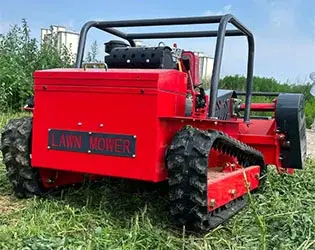
Rocky and Uneven Ground Performance
Because of its impact-resistant parts and strengthened cutting decks, remote bush hogs exhibit exceptional durability on difficult terrain. Modern suspension systems safeguard the machine and cutting tools by absorbing stress from unforeseen obstructions. Operators can maneuver over bigger boulders while effectively controlling the surrounding plants thanks to adjustable cutting heights. Technology for remote operation successfully handles the navigational difficulties caused by uneven terrain. Without jeopardizing their own safety, operators may optimize performance depending on terrain conditions by instantly modifying approach angles and cutting patterns. These skills are especially useful for managing abandoned properties and reclamation initiatives.
Steep Slope and Hillside Applications
One of the most challenging uses for distant bush pigs is hillside vegetation control. Depending on the vegetation density and surface conditions, advanced traction control systems and low center of gravity designs allow for safe operation on slopes up to 35 degrees. Additional safety layers are provided during difficult operations by emergency stop systems and automated stability monitoring. On steep terrain, where conventional equipment would need risky human location, the ability to operate remotely becomes essential. Without endangering their own safety or the stability of their equipment, operators can maintain the best viewing angles and react fast to changing situations.
Dense Vegetation and Overgrown Areas
The higher power and cutting capability of remote bush pigs over traditional options are shown in heavily overgrown regions. Thick brush, tiny trees, and tangled vegetation that would be too much for conventional mowing equipment are handled by high-torque engines and strengthened cutting systems. Operators may methodically remove dense regions by using progressive cutting procedures, which include repeated passes at varying cutting heights. Remote bush hog accuracy greatly aids wildlife habitat management programs by enabling selective removal that preserves ecosystem balance while accomplishing management goals. The adaptability of these devices for conservation and land restoration initiatives is shown by their capacity to operate in places with restricted access.
Technical Features That Enhance Terrain Handling
Modern remote bush hogs incorporate sophisticated technical features specifically designed to address diverse terrain challenges while maintaining operational efficiency and safety standards.
Remote Control Technology and Precision Systems
Dual-frequency operation is a characteristic of modern remote control systems to avoid interference and provide dependable communication across a variety of terrain types. With the help of GPS integration, operators may generate accurate location data, maintain constant coverage over wide regions, and design intricate cutting patterns. Advanced joystick controls are essential for negotiating obstacles and preserving cutting quality on uneven terrain because they provide precise movement adjustments and varied speed settings. Engine performance, cutting blade condition, and operating parameters are tracked by real-time telemetry systems, which enable quick modifications in response to terrain demands. By warning operators of possible problems before they affect performance, these technologies save maintenance costs and downtime during difficult operations.
Safety Features and Stability Controls
Automatic slope identification and operational limit enforcement are features of comprehensive safety systems that guard against risky operating angles that can jeopardize stability. Multiple activation techniques, such as remote control, automated triggers, and human override systems, are used to activate emergency stop capability. In addition to offering smooth cutting action, advanced gyroscopic stabilization aids in maintaining balance on rough terrain. Obstacle detection sensors automatically modify cutting patterns or halt operations as required by using ultrasonic and infrared technologies to recognize possible risks. These characteristics are especially useful in places where there are concealed impediments, animals, or unstable terrain that might endanger nearby property or equipment.
Maintenance Protocols for Demanding Environments
Terrain-specific maintenance needs guarantee equipment lifetime and best performance. Dusty conditions seen in construction and agricultural settings are managed by reinforced air filtration systems. Extended operating times and higher stress from rough terrain are taken into consideration by improved lubrication regimens. Field repairs are made easier by modular component design, which also minimizes downtime during crucial operating periods. Instead of using random time intervals, predictive maintenance procedures use operational data to plan service interventions based on real consumption trends. This method maximizes equipment availability while averting unplanned malfunctions that can jeopardize safety regulations or cause delays in project completion.
Comparing Remote Bush Hogs to Alternative Land Management Solutions
Comprehensive analysis of available land management technologies helps procurement professionals make informed decisions based on specific operational requirements and terrain challenges.
Remote Bush Hogs Versus Manual Equipment
Operators of traditional manual bush hogs must operate in potentially dangerous conditions, which limits operating flexibility and raises serious liability issues. By using automated controls and precise guiding systems, remote systems provide improved cutting consistency while removing these dangers. Over time, labor cost savings become significant since, under the right circumstances, a single operator may oversee many units at once. Comparisons of productivity show that remote systems have substantial benefits, especially in difficult terrain where human labor requires frequent pauses and precise placement. Regardless of the difficulties of the terrain, remote bush hogs operate at constant speeds, increasing daily coverage and project completion rates.
Comparison with Drones and Robotic Systems
Cutting power and operating time are constrained by the limited cargo capacity of drone-based cutting devices, notwithstanding their superior mobility and little ground effect. Large-area applications and dense vegetation are better suited for remote bush hogs because of their higher cutting force and longer operating hours. Drone operations are more impacted by weather dependence and battery life than remote bush hogs, which usually use diesel or gasoline power systems. Robotic mowers that are fully autonomous perform well in well-maintained areas, but they lack the strength and flexibility needed for difficult terrain and thick vegetation. Remote bush hogs provide the best possible blend of power, accuracy, and operational flexibility, bridging the gap between human control and complete automation.
Cost Efficiency and Investment Analysis
The original purchase price, ongoing expenses, maintenance needs, and productivity considerations must all be taken into account when calculating total cost of ownership. Although remote bush hogs usually need larger initial expenditures than manual equipment, they save a significant amount of money thanks to lower labor expenses, better safety records, and greater output rates. Reduced liability risk due to remote operating capability is reflected in lower insurance costs. The majority of commercial operations achieve payback within 18 to 24 months, however return on investment timescales vary depending on application intensity and topographical constraints. Long-term investment returns are further enhanced by regular maintenance procedures and longer equipment life due to less operator-induced damage.
Practical Procurement Insights for Remote Bush Hog Buyers
Strategic procurement decisions require careful evaluation of operational requirements, terrain characteristics, and long-term business objectives to ensure optimal equipment selection and performance outcomes.
Selection Criteria and Specification Requirements
The key specification requirements, such as engine power, cutting breadth, and slope capabilities, should be determined by the evaluation of terrain complexity. The necessary battery life, productivity features, and operating range are determined by the project size. Budgetary restrictions have an impact on financing alternatives and feature selection, necessitating a careful balancing act between cost and capability. Technical standards must be in line with certain working settings, taking into account things like transport constraints, obstacle clearance, and cutting height adjustability. Integration costs and operational staff training needs are impacted by compatibility with current equipment and operating processes.
Manufacturer Evaluation and Support Networks
There is more assurance about the dependability of the equipment and the availability of long-term support from reputable manufacturers with established track records. Accessible service and parts availability are guaranteed by extensive dealer networks, which are essential components for reducing operating downtime. For particular applications, factory-direct partnerships can provide superior cost and customization choices. Response times, parts availability, and technical skill levels should all be considered when evaluating service competence. Organizations who are new to remote operation technologies or are branching out into difficult terrain applications will find training programs and operational support services to be very valuable.
Financing Options and Risk Management
Conventional loans, leases, and rent-to-own plans are some of the options for financing equipment; each has unique benefits depending on the financial structure of the company and tax implications. Extended service agreements and warranty coverage provide defense against unforeseen repair expenses and business interruptions. Operational safety procedures, operator training requirements, and equipment insurance should all be included in risk reduction measures. Comprehensive insurance coverage guards against the hazards of business disruption, liability claims, and equipment damage that come with difficult terrain operations.
Shandong Mingko Industry Corporation: Your Remote Bush Hog Manufacturing Partner
Shandong Mingko Industry Corporation stands at the forefront of remote bush hog innovation, leveraging over 15 years of specialized experience in developing cutting-edge land management solutions. Our comprehensive manufacturing facility spans more than 50,000 square meters in Jining Economic Development Zone, where our dedicated remote control lawnmower production workshop creates industry-leading equipment designed for diverse terrain challenges.
Advanced Manufacturing Capabilities and Quality Assurance
Our state-of-the-art production facility operates with ISO 9001 certification, ensuring every remote bush hog meets rigorous quality standards throughout the manufacturing process. As a National High-Tech Certified Enterprise, we invest continuously in research and development, incorporating the latest technological advances into our equipment design and production methodologies. Our modern production plant maintains capacity for 15,000 units annually, enabling both small-scale custom orders and large-scale commercial deployments. The comprehensive approach to quality control extends beyond manufacturing to include extensive field testing across various terrain types. Our engineering team conducts rigorous testing protocols on slopes, rocky surfaces, dense vegetation, and challenging environmental conditions to validate performance specifications and safety standards. This commitment to excellence ensures our remote bush hogs deliver reliable performance across the diverse terrain challenges our customers encounter.
Customization Services and Technical Innovation
Understanding that different terrain applications require specialized solutions, Mingko Industry offers extensive customization services with a minimum order quantity of just one unit. Our engineering team collaborates with customers to develop tailored specifications that address specific terrain challenges, operational requirements, and performance objectives. This flexibility enables precise alignment between equipment capabilities and customer needs, maximizing operational efficiency and return on investment. Our remote control technology incorporates advanced features including GPS positioning, real-time telemetry, and adaptive cutting systems that automatically adjust to terrain conditions. Safety innovations include emergency stop systems, stability monitoring, and obstacle detection capabilities that ensure safe operation across challenging landscapes. These technological advances reflect our commitment to pushing industry boundaries while maintaining practical applicability for real-world terrain challenges.
Comprehensive Support Infrastructure and Customer Success
Mingko Industry maintains a complete support infrastructure including dedicated purchasing, sales, after-sales service, and logistics departments staffed by over 400 experienced professionals. Our 12-month warranty coverage combined with lifetime technical assistance ensures customers receive ongoing support throughout the equipment lifecycle. Professional sales and service teams remain available 24/7 through sales@mingkomach.com, providing immediate assistance for technical questions, operational guidance, and maintenance support. Our global logistics capabilities ensure efficient delivery and support services regardless of customer location. Factory-direct sales eliminate intermediary markups while providing direct access to technical expertise and customization capabilities. This integrated approach creates lasting partnerships that extend beyond initial equipment procurement to include ongoing operational optimization and performance enhancement services.
Conclusion
Remote bush hogs represent a transformative advancement in terrain management technology, offering unparalleled versatility across diverse landscape challenges while prioritizing operator safety and operational efficiency. These sophisticated machines excel on flat agricultural land, moderate slopes, rocky terrain, steep hillsides, and dense vegetation areas through advanced remote control systems and specialized technical features. The comprehensive comparison with alternative land management solutions demonstrates clear advantages in power, precision, and adaptability, making remote bush hogs optimal investments for organizations managing challenging terrain applications. Strategic procurement decisions should emphasize manufacturer experience, technical capabilities, support infrastructure, and customization options to ensure long-term operational success and maximum return on investment.
FAQ
What is the maximum slope angle a remote bush hog can safely handle?
Most professional-grade remote bush hogs can safely operate on slopes up to 35 degrees, though specific capabilities vary by model and manufacturer. Advanced stability control systems and low center of gravity designs enable safe operation on steep terrain while maintaining cutting effectiveness. However, factors such as soil moisture, surface conditions, and vegetation density affect actual operational limits.
How do different terrain types affect maintenance requirements?
Terrain characteristics significantly influence maintenance schedules and requirements. Rocky or dusty environments require more frequent air filter changes and debris removal. Steep slope operations increase wear on traction systems and cutting components. Dense vegetation areas may require more frequent blade sharpening and deck cleaning. Manufacturers typically provide terrain-specific maintenance guidelines to optimize equipment longevity.
What are the typical cost ranges for remote bush hogs suitable for challenging terrain?
Professional remote bush hogs designed for challenging terrain applications typically range from $25,000 to $75,000, depending on cutting width, engine power, and advanced features. Mid-range models around $40,000 to $50,000 offer excellent balance of capability and value for most commercial applications. Higher-end units with specialized terrain features and enhanced safety systems command premium pricing but deliver superior performance in demanding conditions.
Can remote bush hogs work effectively in wet or muddy conditions?
Quality remote bush hogs perform well in wet conditions through specialized tire designs, enhanced traction systems, and sealed component protection. However, extremely muddy conditions may require operational adjustments such as reduced speed or modified cutting patterns. Many units feature drainage systems and corrosion-resistant materials specifically designed for wet environment operations.
How reliable is the remote control technology in challenging terrain?
Modern remote control systems utilize dual-frequency technology and signal boosting to maintain reliable communication across varied terrain types. Typical operational ranges extend 500 to 1,000 meters with clear line of sight, though dense vegetation or electronic interference may reduce effective range. Advanced systems include signal strength monitoring and automatic return functions for enhanced reliability.
Partner with Mingko Industry for Superior Remote Bush Hog Solutions
Businesses seeking reliable remote bush hog manufacturer partnerships can trust Mingko Industry's proven expertise in terrain-adaptive land management solutions. Our comprehensive product portfolio, factory-direct pricing, and extensive customization capabilities ensure optimal equipment selection for your specific terrain challenges. Contact our professional sales team at sales@mingkomach.com to explore our industry-leading remote bush hogs and discover how our 15+ years of manufacturing excellence can enhance your land management operations across diverse terrain conditions.
References
1. Agricultural Equipment Management Institute. "Remote Operation Technology in Modern Land Management Equipment." Journal of Agricultural Machinery, Vol. 45, 2023.
2. National Safety Council. "Terrain Management Safety Standards and Remote Operation Guidelines." Industrial Safety Review, 2024.
3. International Association of Equipment Manufacturers. "Comparative Analysis of Terrain Management Technologies." Equipment Engineering Quarterly, Vol. 28, 2023.
4. American Society of Agricultural and Biological Engineers. "Performance Standards for Remote-Controlled Vegetation Management Equipment." Technical Publication ASABE-2024.
5. Land Management Technology Research Foundation. "Cost-Benefit Analysis of Remote Bush Hog Systems Across Terrain Types." Land Management Economics, Vol. 15, 2024.
6. Society for Range Management. "Remote Equipment Applications in Challenging Terrain Environments." Rangeland Management Journal, Vol. 77, 2023.