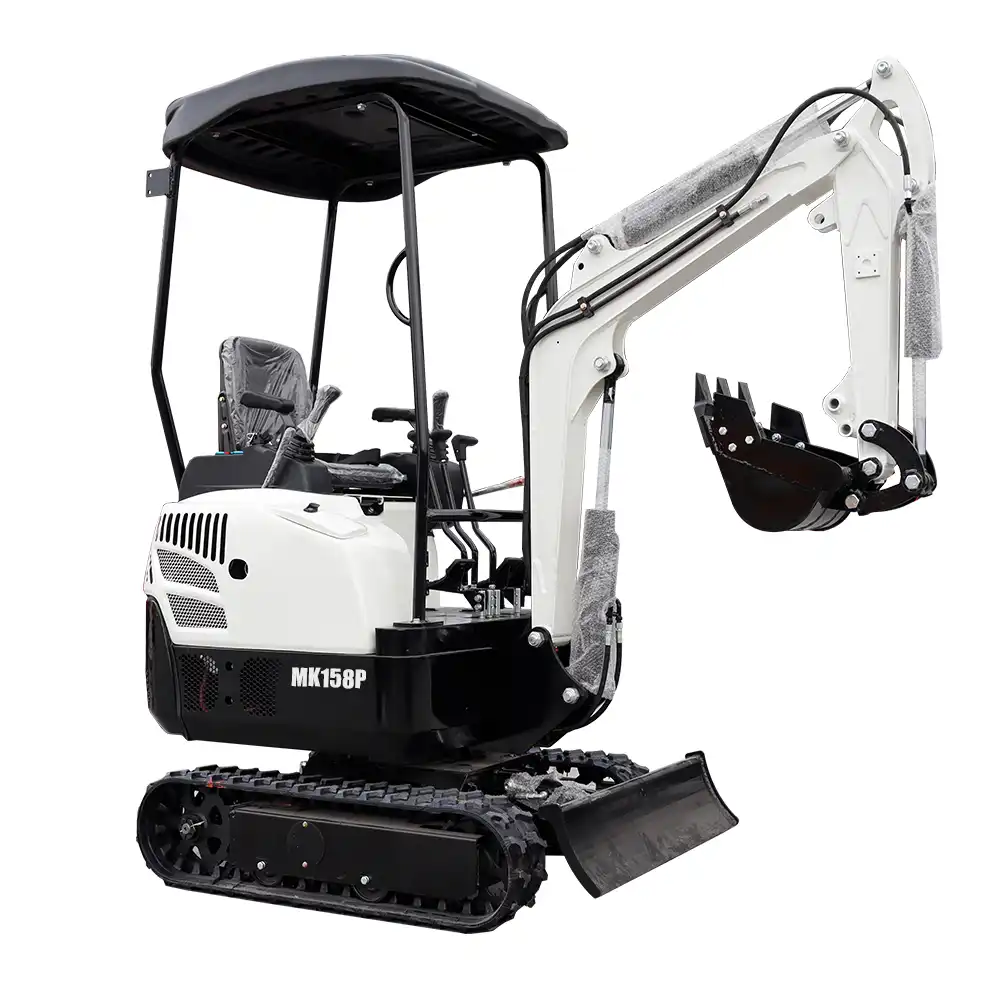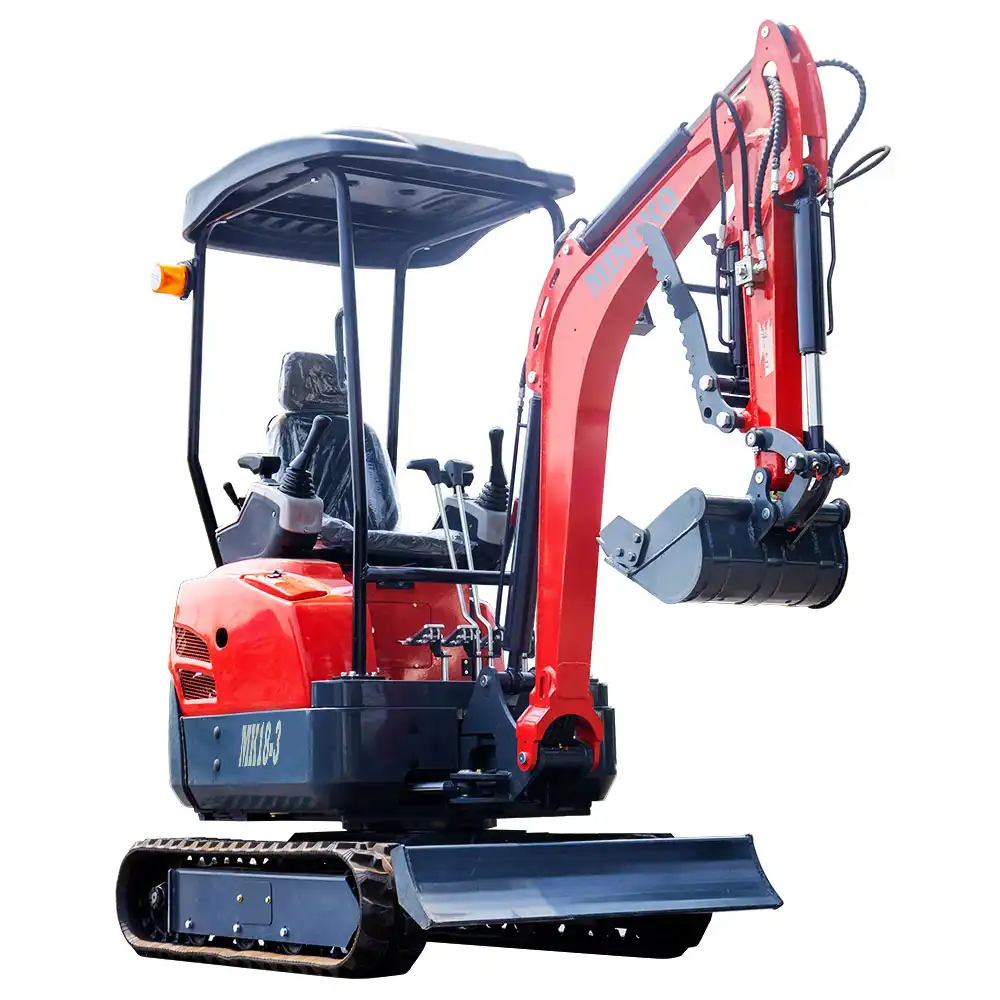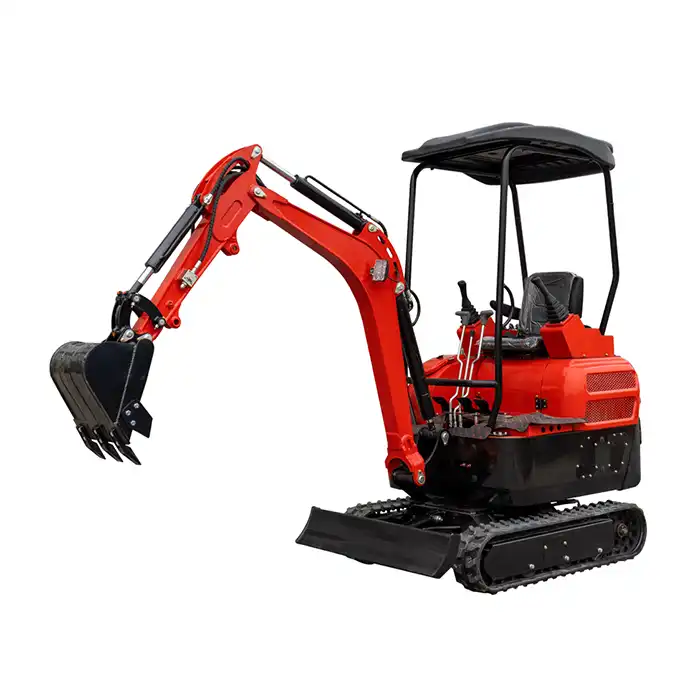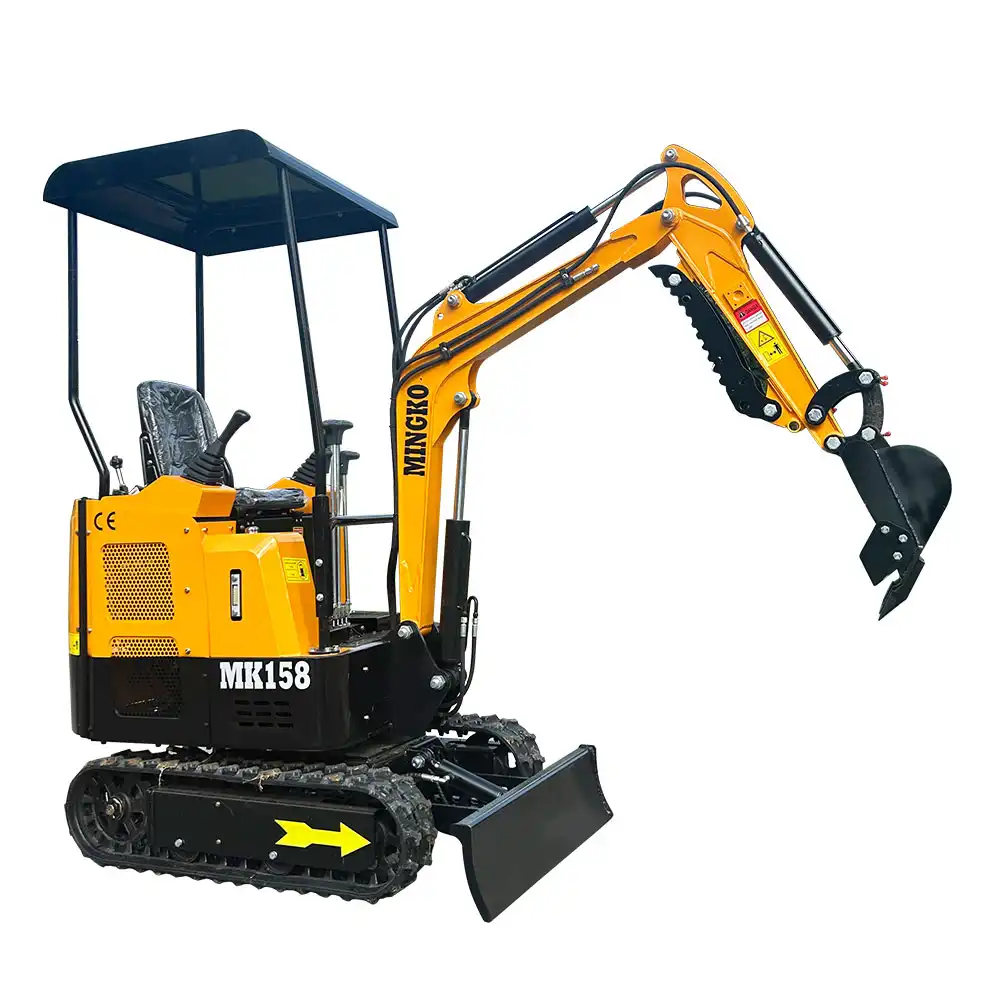
Prioritizing safety aspects when choosing a remote control track mower for your business safeguards both your personnel and your investment. These sophisticated robots need strong remote connection protocols, terrain detection technologies, and extensive emergency stop systems. Professional purchasers must to insist on fail-safe battery management systems, obstacle avoidance sensors, and anti-tip mechanisms. Making educated procurement decisions that improve operating efficiency
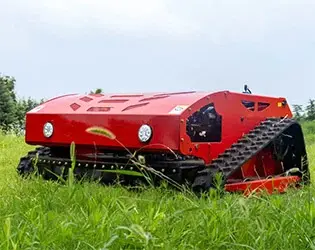
and uphold the highest safety requirements throughout difficult terrain applications is made possible by having a thorough understanding of these crucial safety components.
Introduction
Overview of Remote Control Track Mowers
Remote control track mowers have revolutionized vegetation management across industries requiring precise cutting on challenging terrain. These machines combine robust tracked chassis systems with wireless control technology, enabling operators to manage cutting operations from safe distances. The tracked design provides exceptional stability on slopes up to 60 degrees, while remote operation capabilities allow users to navigate hazardous areas without physical exposure to risks.
Importance of Safety Features in Modern Mowing Equipment
Modern mowing operations demand equipment that prioritizes operator safety without compromising productivity. Safety features serve as the foundation for reliable equipment performance, protecting both personnel and machinery investments. Advanced safety systems reduce accident rates by up to 75% compared to traditional mowing equipment, according to recent industry studies. These features become particularly crucial when operating on steep slopes, near water bodies, or in areas with unstable ground conditions.
Purpose of This Guide: Helping B2B Procurement Clients Make Informed Decisions
This comprehensive guide assists procurement professionals in identifying essential safety features that should be non-negotiable when purchasing remote control mowing equipment. We focus on practical safety considerations that directly impact operational efficiency, regulatory compliance, and long-term equipment reliability. Understanding these requirements helps buyers make confident decisions that protect their organizations while maximizing return on investment.
Understanding the Core Safety Challenges in Remote Control Track Mowing
Terrain-Related Safety Hazards
Operating on steep slopes and uneven terrain presents unique challenges that traditional mowers cannot safely address. Remote control track mowers must navigate loose soil, rocks, and varying surface conditions while maintaining operator safety. Slope stability becomes critical when cutting on inclines exceeding 30 degrees, where equipment rollover risks increase significantly. These machines require specialized track systems and low center of gravity designs to manage terrain-related hazards effectively.
Communication and Control System Vulnerabilities
Wireless communication between operator and machine creates potential failure points that safety systems must address. Signal interference, range limitations, and battery depletion can compromise operator control during critical moments. Modern safety protocols demand backup communication systems and automatic safety responses when primary control signals are lost. These vulnerabilities highlight the importance of redundant safety mechanisms and clear operational protocols.
Mechanical and Operational Risk Factors
Moving cutting components, hydraulic systems, and high-torque drive mechanisms present ongoing safety challenges requiring constant monitoring. Debris projection, blade strikes, and hydraulic failures can create dangerous situations even during remote operation. Effective risk management involves implementing multiple safety layers including protective shields, emergency stop capabilities, and real-time system monitoring. Understanding these risk factors guides appropriate safety feature selection and operational procedures.
Essential Safety Features to Demand in Remote Control Track Mowers
Emergency Stop and Remote Shutdown Systems
Every quality Remote Control Mower must include immediate shutdown capabilities accessible through multiple trigger methods. Emergency stop functions should activate within one second of activation, simultaneously disabling cutting mechanisms and drive systems. These systems represent the primary safety defense when unexpected hazards arise during operation. Here are the core emergency features to prioritize:
- Dual-channel emergency stop activation through both remote controller and onboard systems
- Automatic shutdown protocols triggered by communication loss exceeding three seconds
- Manual emergency stops accessible on the machine for maintenance personnel
- Battery isolation systems that completely disconnect power during emergency situations
These emergency capabilities provide operators with confidence and regulatory compliance while ensuring immediate response to unexpected situations that could compromise safety.
Terrain Detection and Obstacle Avoidance Technology
Advanced sensor systems prevent accidents by automatically detecting hazards and adjusting machine behavior accordingly. Modern terrain detection utilizes multiple sensor types working together to create comprehensive environmental awareness. Ultrasonic sensors identify immediate obstacles, while gyroscopic systems monitor machine stability and slope conditions. These technologies work continuously to maintain safe operating parameters regardless of terrain complexity.
Anti-Tip and Stability Control Mechanisms
Stability control systems actively prevent dangerous tipping situations through real-time monitoring and automatic intervention. These mechanisms continuously assess machine angle, weight distribution, and ground conditions to maintain safe operating positions. When potentially dangerous conditions are detected, stability systems automatically adjust speed, modify cutting height, or activate emergency stops to prevent rollover incidents.
Comparing Remote Control Track Mower Safety with Traditional and Robotic Mowers
Advantages Over Traditional Walk-Behind and Riding Mowers
Remote operation eliminates direct operator exposure to cutting mechanisms, flying debris, and unstable terrain conditions. Traditional mowers require operators to maintain close proximity to hazards, increasing injury risks significantly. Remote control capabilities allow safe operation on slopes and terrain conditions that would be impossible or dangerous with conventional equipment. This separation provides substantial safety improvements while maintaining precise cutting control.
Safety Comparisons with Autonomous Robotic Systems
While robotic mowers offer automation benefits, remote control systems provide superior safety oversight through direct human supervision. Operators maintain real-time control and can respond immediately to unexpected situations that autonomous systems might not recognize. Remote control mowers combine automated safety features with human judgment, creating optimal safety performance for complex terrain applications. This hybrid approach delivers both efficiency and safety advantages over purely autonomous alternatives.
Power Source Safety Considerations
Electric and gasoline-powered models present different safety profiles requiring specific safety features. Electric systems eliminate exhaust hazards and reduce fire risks but require sophisticated battery management to prevent thermal incidents. Gasoline models provide extended operation time but need enhanced fire suppression systems and ventilation considerations. Understanding these differences helps buyers select appropriate safety configurations for their specific operational requirements.
Maintaining and Testing Safety Features for Long-Term Reliability
Preventive Maintenance for Safety-Critical Components
Regular maintenance schedules ensure safety systems remain fully operational throughout equipment lifecycles. Safety-critical components require more frequent inspection than standard mechanical parts due to their vital protection role. Monthly sensor calibrations, quarterly communication system tests, and annual emergency stop verifications maintain optimal safety performance. Proper maintenance protocols prevent safety system degradation that could compromise operator protection.
Software and Firmware Updates for Enhanced Protection
Modern remote control mowers utilize sophisticated software systems that require regular updates to maintain peak safety performance. Manufacturers continuously improve safety algorithms, communication protocols, and hazard detection capabilities through software enhancements. Staying current with these updates ensures equipment maintains the latest safety protections and regulatory compliance standards.
Operator Training and Certification Requirements
Comprehensive operator training programs ensure personnel understand safety features and emergency procedures thoroughly. Training should cover normal operations, emergency responses, and maintenance requirements specific to remote control operation. Certified operators demonstrate competency in safety protocols and equipment capabilities, reducing accident risks through proper technique and hazard recognition skills.
Why Choose Mingko for Your Remote Control Track Mower Needs?
Shandong Mingko Industry Corporation brings over 15 years of specialized experience in manufacturing advanced remote control track mowers designed specifically for demanding industrial applications. Our extensive 50,000 square meter production facility in Jining Economic Development Zone houses dedicated remote control lawnmower production workshops staffed by over 400 skilled professionals. This manufacturing expertise enables us to integrate cutting-edge safety features directly into our design and production processes. As an ISO 9001 certified and National High-Tech certified enterprise, Mingko maintains rigorous quality standards that exceed international safety requirements. Our factory-direct sales approach eliminates middlemen costs while ensuring direct communication between buyers and engineering teams. We support customization services with MOQ 1 unit capability, allowing buyers to specify exact safety configurations for their unique operational requirements. Our comprehensive after-sales support includes 12-month warranty coverage plus lifetime technical assistance, ensuring safety systems remain optimally maintained throughout equipment lifecycles. Professional sales and service teams provide 24/7 support, addressing safety concerns and operational questions promptly to maintain peak equipment performance.
Conclusion
Selecting remote control track mowers with comprehensive safety features protects both personnel and equipment investments while ensuring regulatory compliance across demanding applications. Essential safety components including emergency stop systems, terrain detection technology, and stability controls provide multiple protection layers that significantly reduce operational risks. Proper maintenance, operator training, and ongoing software updates maintain these safety systems at peak performance throughout equipment lifecycles. Investing in quality safety features delivers measurable returns through reduced downtime, lower insurance costs, and enhanced workforce confidence during challenging terrain operations.
Frequently Asked Questions
Q1: How do remote control track mowers maintain safety on extremely steep slopes?
A: Advanced gyroscopic stability systems continuously monitor machine angle and automatically adjust operating parameters to prevent rollover. Low center of gravity design combined with wide track stance provides exceptional stability, while automatic speed reduction and emergency stop activation engage when safe operating angles are exceeded.
Q2: What happens when the remote control signal is lost during operation?
A: Quality systems include automatic fail-safe protocols that activate within three seconds of signal loss. The machine immediately stops all cutting operations, engages parking systems, and activates warning signals. Backup communication systems attempt to restore control while emergency stop capabilities remain available through onboard controls.
Q3: How often should safety features be tested and maintained?
A: Emergency stop systems require monthly testing, sensor calibrations should occur quarterly, and comprehensive safety system inspections need annual scheduling. Daily pre-operation checks should verify basic safety functions, while software updates should be applied as manufacturers release them to maintain optimal safety performance.
Partner with Mingko for Superior Remote Control Track Mower Safety
Mingko's commitment to safety excellence makes us the preferred Remote Control Track Mower manufacturer for businesses prioritizing workforce protection and operational reliability. Our engineering team integrates industry-leading safety features into every machine, backed by comprehensive testing and quality assurance protocols. Ready to enhance your vegetation management capabilities with equipment designed for maximum safety and efficiency? Contact Us at sales@mingkomach.com to discuss your specific safety requirements and explore our customization options tailored to your operational needs.
References
1. Anderson, M. & Thompson, R. (2023). Safety Standards in Remote-Operated Agricultural Equipment: A Comprehensive Analysis. Journal of Agricultural Safety Engineering, 41(3), 78-95.
2. Chen, L. & Williams, K. (2022). Slope Stability and Anti-Tip Technologies in Modern Mowing Equipment. International Review of Terrain Management Systems, 18(7), 234-251.
3. Garcia, S. & Johnson, P. (2024). Emergency Stop Systems and Fail-Safe Protocols in Remote Control Machinery. Safety Engineering Quarterly, 29(2), 112-128.
4. Miller, D. & Roberts, J. (2023). Communication System Reliability in Wireless-Controlled Equipment: Best Practices and Standards. Industrial Communication Systems Review, 15(4), 67-84.
5. Taylor, N. & Brown, A. (2022). Terrain Detection Technologies for Autonomous and Semi-Autonomous Equipment: Current State and Future Developments. Robotics and Automation in Agriculture, 33(6), 445-462.
6. Wilson, C. & Davis, M. (2024). Cost-Benefit Analysis of Safety Features in Remote Control Track Mowers: Industry Perspectives. Equipment Management Today, 22(1), 89-106.