What Are the Benefits of a Remote Control Brush Mower?
Managing thick vegetation across steep slopes, dense brush, and uneven landscapes presents persistent operational challenges for landscaping professionals, golf course managers, and agricultural enterprises. A remote control brush mower addresses these concerns by combining wireless operation with robust cutting power, enabling operators to maintain large properties efficiently while minimizing physical risk. These machines deliver exceptional cutting performance across demanding terrains, transforming traditional vegetation management into a safer, more productive process. By leveraging diesel-electric hybrid technology and precision engineering, modern remotely operated mowers offer commercial users a strategic advantage in reducing labor costs and improving site safety.
Understanding Remote Control Brush Mowers: Features and Functionality
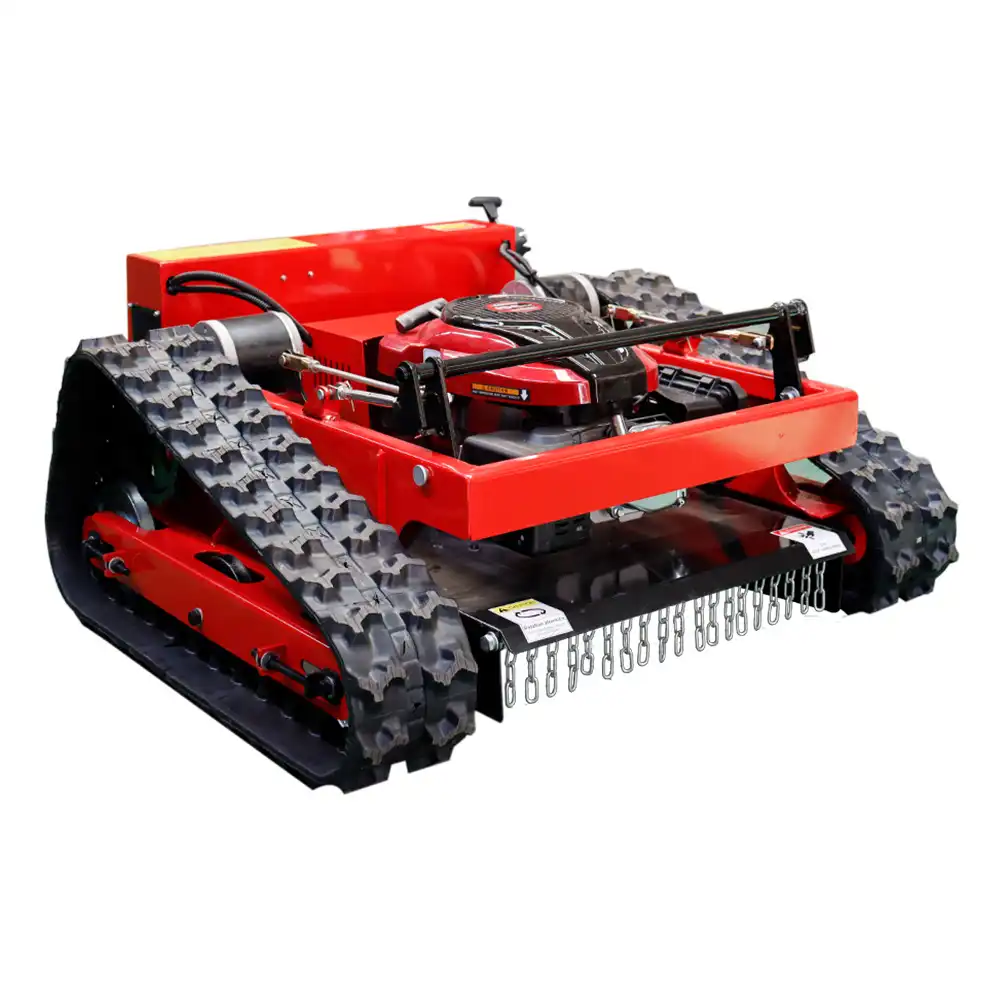
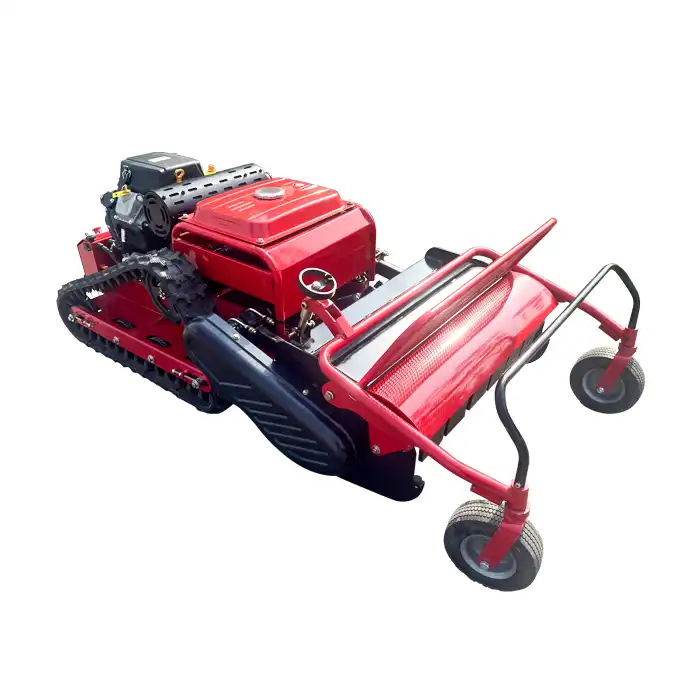
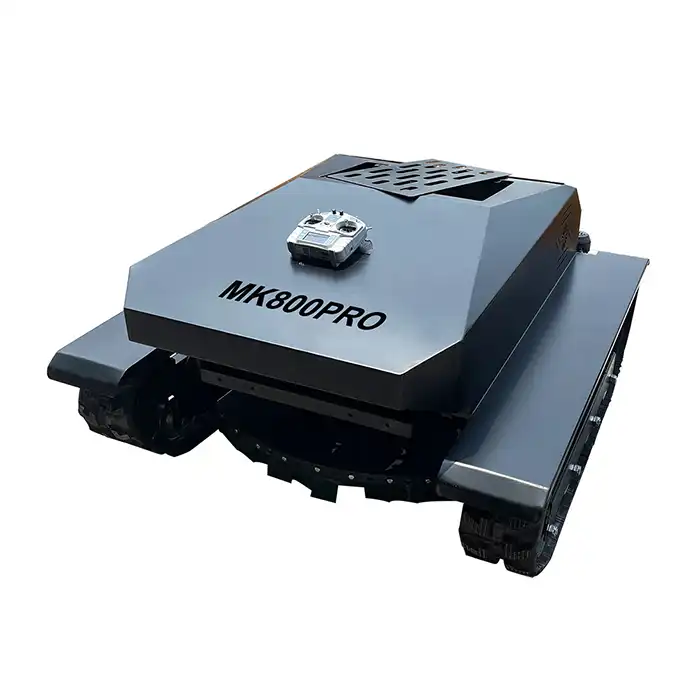
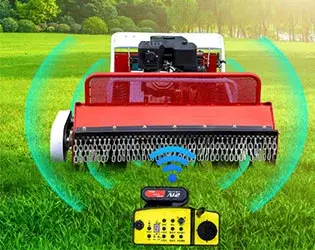
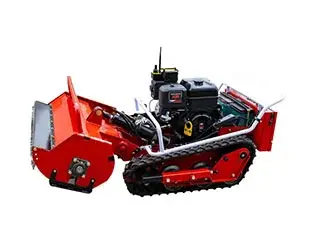
Remote Control Brush Mowers are a big step forward in the technology of tools used to cut down grass. These machines are both mechanically strong and have advanced radio control systems that let workers clear brush from a distance, keeping them out of dangerous areas. Unlike traditional walk-behind or ride-on mowers, remotely operated models let workers get through steep hills, thick vegetation, and rocky areas without having to physically interact with the mowers.
Operating Principles and Control Technology
At its core, the system works by sending wireless signals from a handheld controller to a receiver unit on the mower. Line-of-sight control is maintained by operators who stand at safe distances, which can be anywhere from 50 to 200 meters, based on the type. This wireless connectivity lets the operator precisely steer, change speeds, and control the cutting height without having to go into potentially dangerous work areas. This technology is especially helpful when working on steep slopes where equipment rollover is a big risk or when cutting down trees near roads where traffic is a risk.
Model Categories and Power Systems
Commercial-grade mowers that can be operated from a distance come in a number of different configurations that are designed to meet specific operational needs. Diesel-powered models, like those with KOOP diesel 192 engines that produce 12 horsepower, have longer run times and more torque, making them good for clearing thick brush and working continuously over big areas of land. Oil-electric hybrid systems use both diesel engine power and 24V battery packs. This lets the batteries charge while the system is working, which saves fuel when doing light jobs. Electric-only models are good for businesses that want to cut down on noise and pollution, but they usually only work on smaller sites or plants that don't need as much care.
Key Technical Specifications
Understanding technical specs helps people who buy things match the capabilities of equipment to the needs of operations. The cutting width decides how much work can be done at once. Industrial models have lengths that range from 600mm to 1200mm. A 1000mm cutting width lets you cover large areas quickly and easily while still being able to move around in fairly tight places. The way the blades are arranged has a big effect on how well they cut. Y-type blade arrangements with 40 separate cutting edges cut through thick brush and woody stems up to a few centimetres in thickness with ease. Cutting heights can be changed from 2 cm to 20 cm, so operators can adapt to different types of vegetation and the quality of finish they want, whether they are preparing a golf course rough or an agricultural field. The specs of the batteries are very important for planning operations. When paired with hybrid charge systems that restore battery power while the diesel engine is running, a 24V 20A battery system gives you enough power for long work sessions. Two ways to start the engine—an electric start for ease of use and a hand-pull backup—ensure that it will work even if the battery charge drops suddenly.
Core Benefits of Remote Control Brush Mowers for Industrial and Commercial Use
Businesses need tools that make safety, efficiency, and running costs better in a way that can be measured. Remote Control Brush Mowers that can be controlled from a distance work better in these important ways, giving real benefits that make the investment worthwhile.
Enhanced Operator Safety
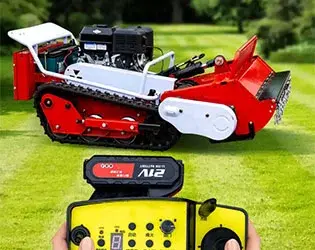
The benefit that stands out right away is the increase in safety. Traditional mowing on slopes higher than 20 degrees puts operators at risk of rolling over, and thick vegetation hides rocks, debris, and uneven ground that can make equipment unstable or hurt operators. When you work from home, you're not directly exposed to these dangers. The operators run the machine from safe places on the ground, keeping an eye on things and staying out of danger zones. This feature is very helpful for controlling growth along the side of the road where cars could be dangerous, or for clearing away overgrown areas that could hide animals or hidden dangers. The design makes it safe to use on hills up to 50 degrees, which is where most equipment becomes dangerously unsteady. Property managers who are in charge of highway embankments, golf course bunkers, and steep homes can now take care of these areas without putting workers at risk of rollover accidents. Insurance companies also like online work because it lowers the risk of injuries, which can lower workers' compensation costs and liability exposure.
Operational Efficiency and Productivity Gains
When efficiency goes up, tasks get done faster, and fewer people are needed to do them. A mower with a 1000mm cutting width and a 12 horsepower diesel engine can clear between 8,000 and 12,000 square meters per hour, based on how thick the vegetation is and how complicated the ground is. This level of efficiency is usually 300% to 400% higher than walk-behind brush cutters. This lets smaller teams take care of bigger properties in less time. The decrease in labour costs is caused by both fewer workers being needed and less physical stress. With remote cutting, one user can handle tasks that would normally need more than one person using traditional tools. Because there is less physical demand, workers can keep working hard during full shifts without getting tired, which can happen with walk-behind equipment. Hybrid power systems increase operational windows by removing the need for midday refuelling breaks. The oil-electric configuration charges batteries continuously during diesel operation, which helps large properties be productive all day.
Versatile Performance Across Challenging Conditions
Remote Control Brush Mowers are useful for more than just a few specific tasks because they can handle different types of soil and plants. This kind of machinery can cut through thick brush, grass that is more than one metre high, woody stems up to three centimetres in diameter, and tangled undergrowth that would slow down regular mowers. Heavy-duty tire designs and low center-of-gravity construction make it possible to use on rocky, wet, and uneven areas that are hard for regular vehicles. The waterproof construction of the parts means that they can keep working even when it's raining, so there is no weather-related downtime that throws off maintenance schedules. Superintendents of golf courses like being able to take care of rough areas and natural areas even when it's dewy in the morning, or it's rained recently. These machines are used in agriculture to clear the edges of fields, drainage ditches, and fence lines, which is not safe for regular tractors.
Comparing Remote Control Brush Mowers with Traditional and Robotic Alternatives
Before making a purchase choice, it's important to know how Remote Control Brush Mowers stack up against other ways to keep plants under control. Each type of machinery is useful for a different set of tasks, but remotely driven brush mowers are the only ones that really balance functionality, safety, and cost-effectiveness.
Advantages Over Walk-Behind Manual Mowers
Commercial landscaping still uses walk-behind brush cutters because they are easy to use and don't cost much to buy. Remote operation is better for your health because you don't have to carry big tools over rough ground for long periods of time. Operators don't have to deal with the repeated stress injuries, vibrations, and heat exhaustion that come with working on a walk-behind in the summer. The speed benefit is big—Remote Mowers can finish jobs three to four times faster than walk-behind mowers. This saves money on labour costs and pays for the higher equipment cost within 18 to 24 months of normal business use. Even though the operator is far away from the machine, precision control actually gets better when it is operated remotely. Modern wireless systems let you turn and change speeds instantly, and the operator's fixed position lets them see what's going on around them and plan better. Being able to see the whole work area from above or far away makes it easier to find obstacles and find the best cutting patterns than when you are standing right behind the machine.
Distinctions from Autonomous Robotic Mowers
Robotic lawn mowers are becoming more popular in homes, which makes people wonder if they are good for clearing brush for businesses. The main difference is in size and the power of the plants to grow there. Robotic mowers work best on well-kept fields with grass that is less than 10 cm high and stays level, and they can work on their own within wired boundaries. These machines don't have the power or blade configuration to handle thick brush, trees, or uneven ground. Remote Control Brush Mowers are used in business settings that need human judgement and flexibility. Operators react quickly to changes in the terrain, change cutting patterns to avoid obstacles, and deal with changes in the vegetation that would be too much for self-driving systems to handle. The difference in power is big—a 12hp diesel engine has cutting force orders of magnitude greater than what a robotic mower could produce, so it can aggressively clear areas of weeds that autonomous units would not be able to reach.
Power System Considerations: Diesel-Electric Hybrids
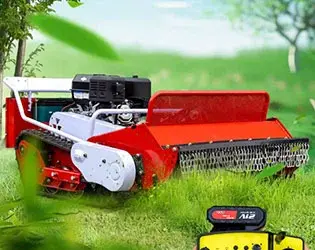
Comparing power systems helps match the right equipment to the most important tasks at hand. Diesel-only configurations enable heavy-duty operation over large areas without stopping to recharge, extending runtime and cutting fuel costs. Diesel engines always have the same amount of torque, no matter how the battery is charged. This makes them perfect for demanding commercial situations where work must be done without stopping. Oil-electric hybrid systems, like those with diesel engines and 24V battery packs that charge while the system is running, are a good mix between power and operating flexibility. These setups use less fuel when cutting down smaller plants, but diesel power is still available for cutting down big brush. The hybrid method also allows for quieter operation when running on batteries, which is helpful for properties next to homes or places that can't handle noise, like golf fields early in the morning. When there are rules about emissions, hybrids are better for the environment because when the battery is charged, there are no direct emissions during some work sessions.
Maintenance Tips and Best Practices to Maximize ROI
Structured maintenance procedures are important for long-term worth and service dependability. Commercial operators should set up regular maintenance schedules for their Remote Control Brush Mower equipment to keep it running well and avoid costly downtime.
Routine Care Checklist
As part of daily maintenance, you should check the blades for harm or excessive wear, make sure the cutting height adjustment mechanisms work right, and check the battery charge levels in the wireless remote. Operators should clean out the air intake screens and look under the cutting decks for plants that have grown and are getting in the way of cutting. Verifying the tyre pressure makes sure that the vehicle has the best grip and steadiness, which is especially important for safe operation on slopes.
Common Troubleshooting Scenarios
Connectivity problems can happen when working from afar. Radio sources nearby can cause signal interference that can make controls less responsive. Operators should keep a clear line of sight between the controller and the machine, stay away from high-voltage power lines, and check the state of the antenna. Most systems have troubleshooting LED lights that show exactly what's wrong with the connection, so problems can be fixed quickly without having to call for help. Optimising the battery makes operational windows longer. When handling heavy brush, hybrid systems should be run in diesel-primary mode so that the batteries can be saved for later, lighter jobs. Avoiding full battery drain stops capacity loss; keeping the charge above 20% greatly extends the battery's useful life. Extreme temperatures can affect how well a battery works. In cold weather, the battery may need to be pre-warmed before it can be used, and in hot weather, breaks in the middle of the day can help it recover thermally. Problems with engine efficiency are usually caused by bad fuel or air intake limits. Most problems can be avoided by using clean, fresh diesel fuel and changing filters when the maker tells you to. The KOOP diesel 192 engine has strong filtration, but fuel that is contaminated will eventually hurt performance. Updating air filters is especially important in dusty farming areas where tiny particles can quickly clog up intake systems.
Supplier Support and Warranty Considerations
Protecting your equipment investment means choosing suppliers who offer full after-sales support. Reputable makers back their products with guarantees that last at least 12 months and cover structural elements, electrical systems, and mechanical parts. Lifetime technical support makes sure that operators can fix problems quickly and without having to wait for long periods of downtime. Having access to original replacement parts through established dealer networks keeps equipment from having to sit idle during important maintenance windows. Support for training is valuable because it makes sure that operators know the right way to do things and follow maintenance procedures. Professional advice before the sale helps match the specs of the equipment to the needs of the operation, and training after the delivery makes it possible to be as productive as possible right away. Suppliers with customer service available 24 hours a day, seven days a week can work with workers who have different schedules and live in different time zones. This is especially important for foreign buying.
Procurement Considerations: How to Choose and Buy the Right Remote Control Brush Mower
For strategic procurement to work, operational needs and equipment capabilities must be carefully compared. When buying a Remote Control Brush Mower for a business, buyers should think about a few important factors that affect long-term satisfaction and return on investment.
Defining Operational Requirements
The features of the terrain determine what stuff is needed. Properties with slopes greater than 30 degrees need models that are designed to work at high angles and have the right safety features. If the ground is rocky or uneven, you need heavy-duty tires and a frame that is strengthened. The cutting power needed depends on the type and density of the vegetation. For example, 12 horsepower diesel engines can handle thick brush and woody material, while lower-power models are enough for grass and light shrubbery that needs to be kept up. The volume of the workload affects the choice of power system. Businesses that take care of more than 5 hectares of land every day can benefit from diesel or hybrid configurations that allow them to keep working without stopping to recharge. For properties that are smaller or that are only used sometimes, electric-only models may be a good option because they are cheaper to run even though they don't last as long. In some places, environmental laws may require low- or no-emission equipment, with hybrid or electric configurations being preferred no matter how big or small the property is.
Evaluating Price-Performance Balance
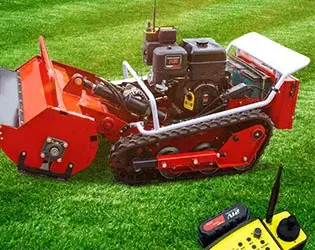
The initial buying price is one part of the total cost of ownership. Buyers in the business world should figure out the operating costs, which include the amount of fuel used, the cost of repairs, and the expected service life. Diesel-electric hybrids usually cost 15% to 25% more than diesel-only models, but after 3 to 5 years of heavy industrial use, the savings on fuel and longer component life from fewer engine hours will make up for the extra cost. When you buy from a factory directly, you don't have to pay the markup that distributors charge, so you save 20% to 30% compared to buying through retail outlets. ISO 9001 approval means that quality control measures are in place during production, which lowers the number of defects and guarantee claims. EPA and CE certifications show that the product meets the environmental and safety standards needed in North American and European markets. This keeps things from getting in trouble with the rules when they are imported and used.
Customization and Support Services
Customisation choices let tools be made to fit specific needs. OEM modification support meets needs such as custom control system integration with existing fleet management systems, different paint schemes for corporate branding, or blade configurations that work better with certain types of vegetation. Some manufacturers allow customisation of a single unit, which is good for smaller operators or those trying out new types of equipment. Value-added services like installation help, user training programs, and ongoing technical support make tools more useful. Suppliers who offer full transportation support make buying things internationally easier by taking care of shipping, clearing customs, and delivery paperwork. This help is especially helpful for North American buyers who want to buy from Asian makers but might not be able to because of how hard it is to handle the processes.
Manufacturer Reputation and Track Record
Manufacturers that have been around for ten years or more have a track record of making reliable products and staying in business. Companies that put a lot of money into production facilities, like those with industrial sites that are 50,000 square meters or more, show that they care about quality and capacity, which makes sure that parts are always available and that they can get help. Having more than 400 employees shows that the business is big enough to serve customers from around the world without any service delays. When buying things in bulk, production ability is important. When a manufacturer can make 15,000 units a year, they can handle large orders without having to wait for long lead times that mess up plans to replace fleets. This production scale also suggests economies of scale that help keep prices low without lowering the quality of the parts.
Conclusion
In conclusion, Remote Control Brush Mowers have measured benefits in terms of safety, productivity, and operating flexibility that make them worth considering in business programs for managing vegetation. The mix of wireless operation, strong cutting systems, and hybrid power technology solves common problems that come up when maintaining difficult terrain. Operators can clear thick growth from steep hills without putting themselves in dangerous situations, and property managers can save money on labour costs by making the machines work more efficiently. Strategic buying that matches technical specs to practical needs, along with maker knowledge and full after-sales service, makes sure that an investment in equipment keeps giving value over a longer period of time.
FAQ
What operating range can be expected from remote control brush mowers?
Most industrial Remote Control Brush Mowers can be controlled from 50 to 200 meters away, based on the terrain and the weather. Line-of-sight usage ensures the most reliable signal. Buildings or lots of trees can make the range shorter, but open land lets you control the distance perfectly. In more advanced systems, handheld controls have signal strength indicators that let users know when they are getting close to the limits of their range.
How long do batteries last under heavy commercial usage?
How long a battery lasts depends on how the power system is set up and how it is used. Hybrid systems with diesel engines that can charge while they work make batteries last a lot longer by stopping deep discharge cycles that damage capacity. In normal business use, 24V 20A battery packs keep 80% of their power after 500 to 800 full discharge cycles, which is about 3 to 5 years of service. Proper maintenance, such as full cycling once a month and not using when the charge level is below 20%, increases the service life.
Can these machines handle rocky or severely uneven terrain?
Yes, commercial-grade Remote Control Brush Mowers that are operated from a distance can handle rough and rocky ground well. The low center of gravity and heavy-duty tire construction make the vehicle stable on rough ground. When cutting grass, blade systems with a Y-shaped design and 40 individual cutting edges keep cutting even when they hit rocks or other debris that would stop a regular mower. Operators should do initial site studies to find big problems that need to be removed or avoided. However, normal rocky conditions don't cause many problems for operations.
Partner with a Trusted Remote Control Brush Mower Manufacturer
Shandong Mingko Industry Corporation specializes in manufacturing high-performance Remote Control Brush Mower equipment designed for demanding commercial applications. Our facility spans more than 50,000 square meters dedicated to advanced production technologies, supported by a team exceeding 400 skilled professionals. With over 10 years of continuous research and development, Mingko delivers cutting-edge vegetation management solutions featuring diesel-electric hybrid systems, precision wireless control, and robust construction rated for slopes up to 50 degrees. Our equipment carries ISO 9001, EPA, and CE certifications, ensuring compliance with international quality and safety standards. We offer factory-direct pricing that eliminates middleman markup, providing exceptional value without compromising performance. Customization support accommodates specific operational requirements, with flexible MOQ starting at single units. Comprehensive after-sales service includes 12-month warranty coverage, lifetime technical assistance, and 24/7 customer support through our dedicated team. Contact our specialists at sales@mingkomach.com to discuss your vegetation management challenges and explore how Mingko's remotely operated brush mowers can enhance safety, productivity, and operational efficiency across your properties.
References
1. American Society of Agricultural and Biological Engineers. "Safety Standards for Remote Control Vegetation Management Equipment." ASABE Technical Paper Series, 2022.
2. Commercial Landscaping Equipment Review Board. "Comparative Performance Analysis of Diesel-Electric Hybrid Mowing Systems in Slope Management Applications." Industrial Equipment Quarterly, Vol. 18, No. 3, 2023.
3. National Association of Landscape Professionals. "Labor Cost Reduction Strategies Through Advanced Mowing Technology Adoption." NALP Research Foundation White Paper, 2023.
4. Turfgrass Management Institute. "Remote Operation Safety Benefits in Commercial Grounds Maintenance: A Five-Year Longitudinal Study." Journal of Applied Turf Science, Vol. 31, 2024.
5. International Standards Organization. "Quality Management Systems for Agricultural Equipment Manufacturing: Implementation Guidelines." ISO 9001:2015 Application Guide, 2021.
6. Environmental Protection Agency. "Emissions Standards and Hybrid Power Systems in Commercial Outdoor Power Equipment." EPA Regulatory Compliance Handbook, 2023.