What Features Make a Mini Small Excavator Stand Out in 2026?
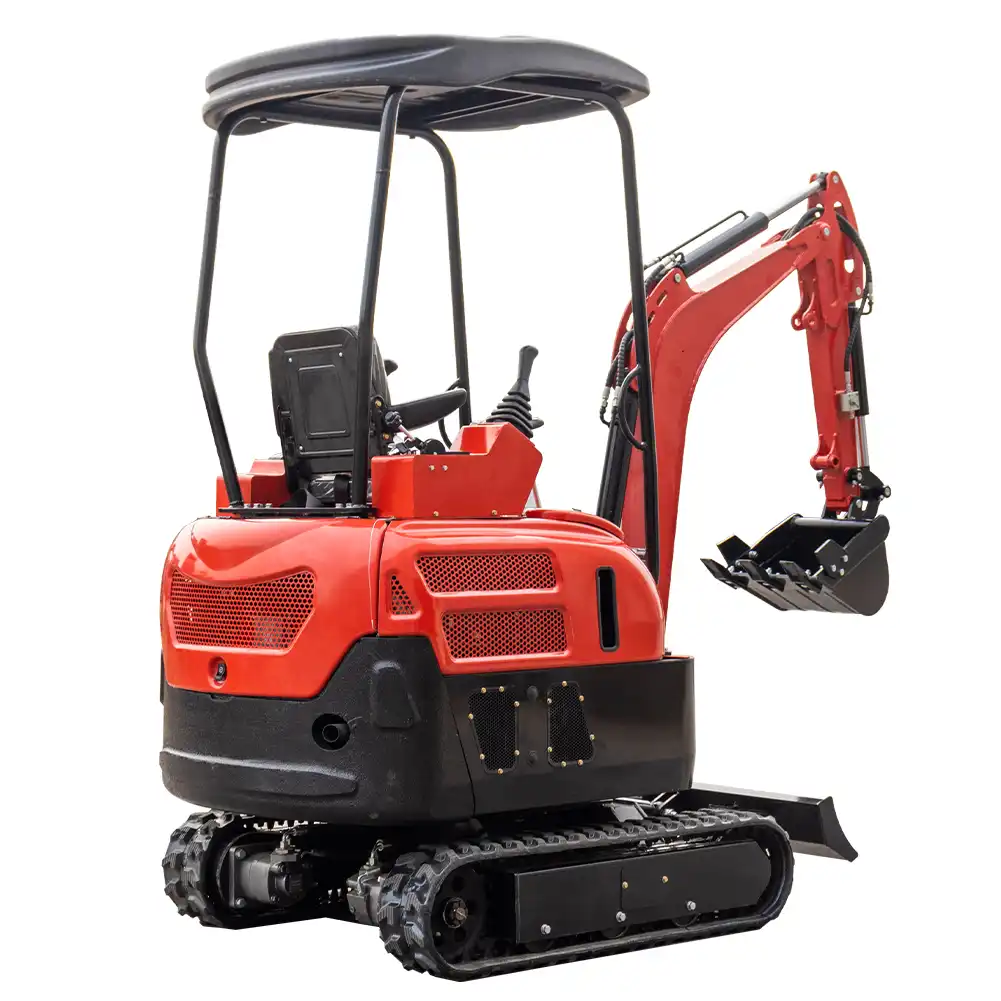
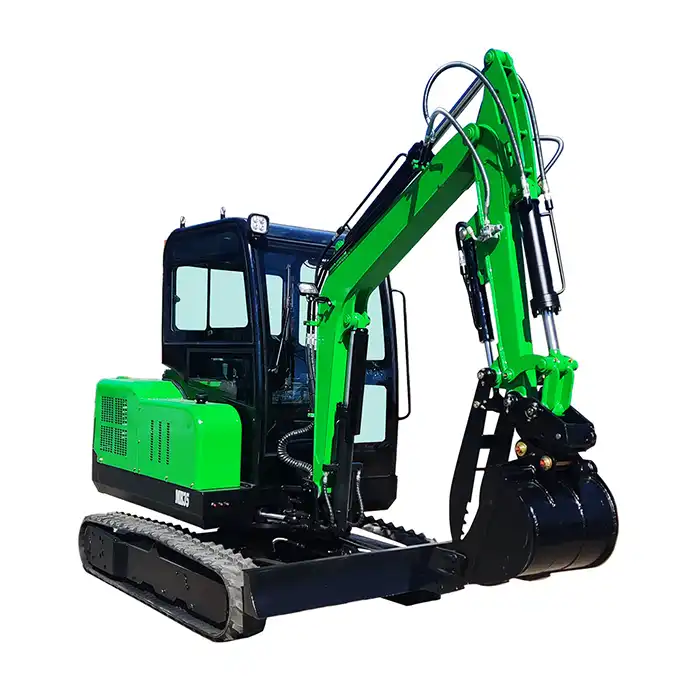
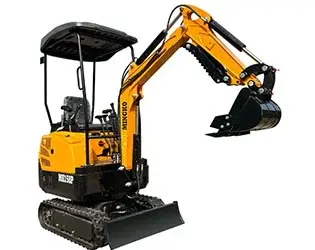
A Mini Small Excavator stands out in 2026 because it has a more advanced engine, is light and easy to move, can connect to different types of equipment, and works better. Both the electric and hybrid engines that come with these meet the EPA Tier 4 and EU Stage V pollution standards. Also, their zero-tail-swing styles make them great for places that aren't very open. These days' modern small Mini Excavators are better than older ones because they are easier to use, have smart control systems, and can be customized in parts. This versatility makes them necessary for exact building, farming, and utility projects in cities that need to make good use of space.
Overview of Mini Small Excavators in 2026
The mini small excavators that we used to just dig holes have grown into high-tech bases for tools that are needed for modern building and farming tasks. Most of the time, these small machines weigh between 1 and 8 tons, which puts them in the middle of personal tools and full-sized excavators. They are put into groups based on several technical factors, such as the engine's horsepower, the size of the bucket, the depth of the dig, and the reach.
Classification and Size Parameters
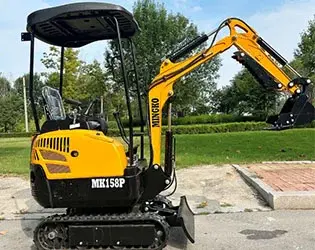
The tools group includes a few different weight classes designed to meet different working needs. For landscaping in homes and busy towns, 1-2 ton machines work well. For tougher business-building jobs, 3–5 ton machines are best. There are strong parts in the 6–8-ton group that are like those in a normal digger, but they are still small. Every class is better in some ways, like how easy it is to move, how little gas it uses, and how well it works in different work settings.
Engine Technologies and Power Systems
Today, we use different types of engines, including traditional diesel engines, battery-electric systems, and hybrid powertrains that balance speed with environmental needs. To follow strict rules, diesel engines now have up-to-date fuel injection and emissions treatment systems that don't cut down on power or run time. There are no fumes from electric types, and they're particularly well-suited for working inside or in noisy places. However, you should carefully consider the size of the battery and how it will be charged. Hybrid systems can run for longer while using less fuel because they use both types of power.
Distinguishing Compact from Standard Equipment
What makes them unique is how they affect businesses and how adaptable their uses are. Standard excavators can move a lot of dirt and dig deep holes, but they're not excellent at getting around in tight areas. A smaller unit gives up some digging power and bucket space, but it is very light, doesn't put as much stress on the ground, and can work in places where bigger machines can't. This trade-off is helpful for projects that need to move people between work zones a lot, like fixing up towns or putting in utilities.
Key Features Driving Mini Small Excavators' Popularity in 2026
New technologies are used in modern mini small excavators to meet the needs of building workers who want to be more efficient, obey the rules, and be able to change how they work. When buying teams know about these core features, they can make decisions that are good for both the current project and their long-term plans for managing the fleet.
Advanced Powertrain Solutions
Engine technology has come a long way to meet the needs for speed and the rules of the climate. There are now many different powertrain types on the market. Each one works best in a different set of legal and working situations. Diesel engines with selective catalytic reduction and diesel particle screens meet the rules set by the EPA for Tier 4 Final. They also have enough power for heavy digging work. Electric choices that run on batteries don't pollute the air, so they can be used for demolition inside, projects in places with strict air quality rules, and jobs where noise reduction is critical. These systems use both gasoline and electric power, so workers can switch between them for light tasks and heavy digging, making the best use of fuel for each job.
Modular Design and Attachment Versatility
Any machine can do many things if you can switch out the parts quickly. With quick coupler systems, workers can quickly switch between buckets, augers, breakers, grapples, and other tools. It used to take hours to do so. The tools are now much more useful because of these changes. You can change more than just the connection point. You can also change the layout of the boom, the track's width, and add extra hydraulic circuits for special tools. With this much adaptability, you don't need as many specialized tools. This saves money on capital costs and makes it easier to work on projects that need a variety of skills.
Compact Size and Superior Maneuverability
Designs with no tails are a big step forward in how well they work in little spaces. When they turn, traditional excavators' balance goes beyond the track width, which makes it challenging for them to work in small areas. Zero-tail-swing types keep all of their parts inside the size of the machine. They don't have to worry about hitting walls or other obstacles because they can work right up against them. These undercarriages make it easier to move around because they let you turn faster and more steadily on rough ground. People need these features for building sites in towns, removing things from inside buildings, and any other place where digging isn't possible because there isn't enough space.
Enhanced Safety and Operator Comfort
They work harder and finish jobs on time when they are healthy and happy. Modern cabs are made with ergonomics in mind. The tools are easy to use, and the seats can be changed. There are also climate control systems that keep the working conditions comfortable no matter what the weather is like outside. Fewer dark spots are created by bigger glass areas and built-in camera systems that make it easier to see. This makes both managers and ground staff safer. Studies show that structures protecting against rollovers and falling objects are safe without blocking views or making access difficult. Together, these features keep workers from getting tired during long shifts and reduce the chance of an accident.
Comparing Mini Small Excavators to Other Machinery in 2026
If people who buy things know how mini small excavators compare to other types of machines, they can pick the best mix of machines for their wants and funds.
Performance Comparison with Standard Excavators
If you compare their ability to that of regular loaders, that's why standard excavators are great for big jobs that don't need to be limited by space. They can dig deeper, reach farther, and hold more in their buckets. But because they are so big and heavy, things are harder. For example, transporting them costs more and needs special trucks. Also, they make it harder to reach places where work needs to be done. Small units don't have as much real performance as bigger ones, but they make up for it by using less fuel, being easier to move on regular cars, and being able to work in places that big machines can't. You should think about the project's size, how easy it is to get to the spot, and how often the equipment needs to be moved when choosing the type of equipment.
Compact Excavators Versus Skid-Steer Loaders
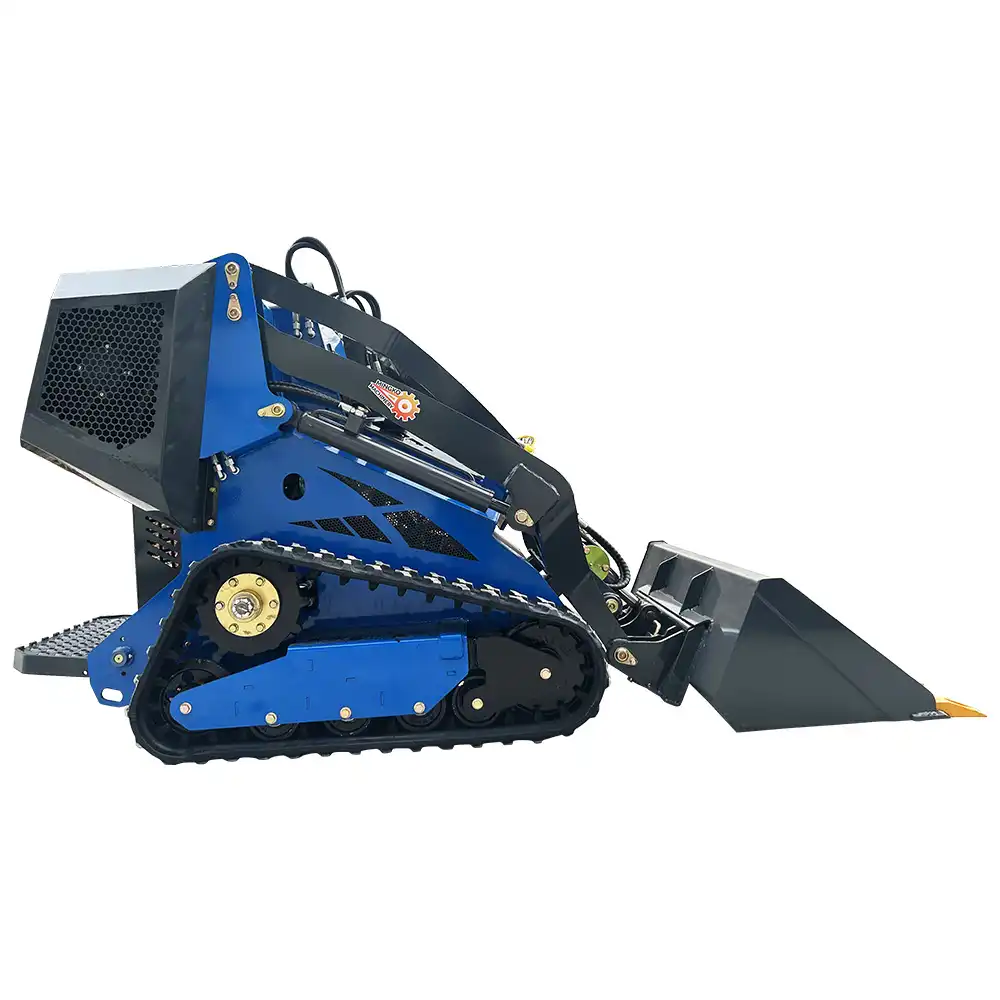
Skid Steer Loaders are particularly well-suited for jobs where you need to move things around, level them, or change tools a lot on flat ground. They can move quickly and have good grip because they have four wheels, but they can't dig as deep as specialized excavators because of their design. They can dig deeper vertically, make more accurate ditches, and work better on sloped or uneven ground because their undercarriages are set. A lot of workers find it useful to have both kinds of tools. To level and move things, they use skid steers. For jobs that need to dig a lot, they use mini small excavators. The right one for you will depend on whether you need to dig below ground or use different tools at ground level.
Acquisition Strategy Considerations
You can buy equipment outright, lease it, or rent it for a short time. Which you choose depends on your income and how you plan to use the equipment. It makes sense to buy equipment that is used more than 800 to 1000 hours a year and can be maintained by your business. This is because the equipment has the lowest cost per hour over its lifetime. Leasing spreads out the need for cash and generally takes care of maintenance. They can use this method if they know what they want to do with the room but lack cash. You don't have to make a long-term financial investment when you hire someone for a short time. This lets you meet short-term needs or add to your fleet during busy times. When making a decision, you should think about more than just the initial purchase price. You should also consider insurance coverage, financing terms, and the car's expected future value.
Maintenance, Operating Costs, and Longevity Considerations
Good repair habits directly affect how effective equipment is, how much it costs to run, and how much it's worth when it's time to sell it. This principle is important to remember for the best return on investment.
Recommended Maintenance Practices
Check the fluid levels, track tightness, state of the bucket pins and hydraulic system every day before use to make sure everything is in good shape. These quick checks identify problems before they get worse, cost a lot of money, or put people in danger. Scheduled maintenance times depend on the manufacturer, but in general, the oil should be changed every 250 to 500 hours, the hydraulic filter should be replaced every 500 to 1000 hours, and the machine should be fully inspected once a year or every 1000 hours. If you follow the maker's advice for the right kind of lubricant, filter, and replacement methods, the parts will last as long as they were meant to. This will protect your warranty.
Operating Cost Analysis
The cost of the fuel used by diesel-powered tools is the most variable. There is no set amount of fuel that a mini small excavator needs to run. It depends on how much work needs to be done and the size of the machine. At the price of gas right now, this means that they cost around $4 to $12 an hour to run. Over the life of the machine, repair parts like fluids, filters, and wear items cost an extra $2 to $5 per hour. Track replacement can cost anywhere from $2,000 to $8,000 per year, based on the size of the machine and how often it is used (every 1,500 to 3,000 hours). This is the most expensive ongoing cost. You can correctly bid on projects and identify ways to speed things up by training workers and doing preventative repairs if you know about these cost factors.
Warranty Coverage and Service Support
Full service plans lower the risk during the important early ownership time. Most standard coverage for important parts like the engine, hydraulic pumps, and structural elements lasts for a year or 1,000 to 2,000 hours. If you choose a longer warranty, the cost of fixes will be spread out over a longer period of time. This is very helpful for companies in tough situations or without their own service team. Access to the service network has a big impact on the amount of downtime. The equipment specs are important, but so are the dealer's proximity and parts availability.
Leading Global Mini Small Excavator Brands and Their Standout Models in 2026
In the market for mini small excavators, there are both well-known brands and more specialized ones. When it comes to technology, support system, and price, each one is better than the other. Because it is reliable and has a lot of dealers, Kubota has a strong marketplace, especially for light building and farming. Since Bobcat wants to be flexible, it has many attachments and settings that are simple for workers to use. Caterpillar is liked by big fleet operators because it has a global service system and its goods keep their value after they have been sold. For tech-savvy workers, Deere blends accurate technology with features that let you connect to the internet.
Mingko's Position in the Global Market
Shandong Mingko Industry Corporation is known for making things well and being honest with customers about how they work. For over 15 years, the business has only made small tools. They now have a 50,000-square-meter plant that makes 15,000 tools a year. This way of making things helps keep costs low while still meeting quality standards that have been checked by ISO 9001, CE, and EPA approvals. This company offers working weights from 1 to 6 tons. This model meets most needs in the home building, gardening, and utility businesses.
Conclusion
Mini small excavators that used to be very simple have grown into complicated tools that are beneficial for the environment, run smoothly, and can do many tasks for modern building. This kind of machinery is very useful for projects that need to be able to move around in small spaces but still have enough power to do useful mining work. When picking the right machine, consider not only the purchase price but also the engine options, tool compatibility, service availability, and overall cost of ownership. More strict pollution rules and more difficult projects mean that mini small excavators that use new technologies but are still simple for workers to use will continue to gain market share in farming, building, and utility needs.
FAQ
What operating weight is appropriate for residential construction projects?
For most home tasks, tools that weigh between 1.5 and 3 tons work best. For utility and base trenching, they can dig deep enough, but they are light enough that they won't damage the grass and can fit through most private gates. Bigger tools might be needed to dig up basements or do other jobs that need moving a lot of dirt.
Are electric compact excavators suitable for full-day operation?
Depending on how hard you use them and how big they are, machines can run on batteries that last for 4 to 6 hours straight. If projects have charging stations they can use during lunch, they can get a lot done during the day. Diesel or hybrid types are still better for jobs that require working far away or for extended periods without charging.
How do maintenance expenses compare between compact and standard excavators?
Most of the time, mini small excavators cost less to fix because their parts are smaller and their fluid amounts are smaller. But when you take machine size into account, prices per hour of use are usually about the same. Aside from not having to pay as much for repairs, the main financial gain is spending less on gas and transportation.
Partner with a Trusted Mini Small Excavator Manufacturer
Mingko knows a lot about offering mini small excavators that are built to last and do their job well. Our plant is ISO 9001, CE, and EPA approved, and the tools they make weigh between 1 and 6 tons. This means that your gear meets quality and environmental standards around the world. Even for single-unit sales, we let you make changes. This gives you choices whether you run a big construction company or work as a solo. Because they've been in this business for more than 15 years, our team knows how to do building, household, and gardening jobs. You can email our sales team at sales@mingkomach.com to discuss your specific needs, get full information, or set up a time to see how our equipment works. Builders choose Mingko as their Mini Small Excavator supplier because they can see all of our goods at sdmkmachinery.com.
References
1. Construction Equipment Magazine, "Compact Excavator Technology Trends and Market Analysis 2026," Equipment Manufacturing Institute, 2026.
2. Johnson, M. and Williams, R., "Emission Compliance in Small Construction Equipment: EPA Tier 4 Implementation Study," Journal of Construction Engineering Technology, Vol. 34, 2025.
3. International Construction Equipment Association, "Global Compact Excavator Market: Size Classes, Applications, and Procurement Strategies," Industry Research Report, 2026.
4. Davis, K., "Total Cost of Ownership Analysis for Compact Construction Equipment," Construction Business Review, Vol. 18, No. 3, 2025.
5. Anderson, P., "Maintenance Best Practices for Hydraulic Excavators: Extending Service Life Through Preventive Care," Heavy Equipment Maintenance Quarterly, 2026.
6. Global Construction Equipment Standards Committee, "Comparative Performance Metrics: Mini Excavators Versus Alternative Compact Machinery," Technical Standards Publication, 2025.