Why Choose a Midi Excavator Over a Compact or Standard Model?
When you choose the right excavating tools, you must consider power, maneuverability, and cost-effectiveness. In between small and normal excavators is the Midi Excavator, which can dig deep enough without being too big or too expensive. Usually, these flexible machines weigh between 5 and 10 tons. Compared to smaller options, they are more stable, have a longer reach, and use less fuel. More and more, people who work in procurement are realizing that Midi Excavators work best for medium-sized projects where space is limited and operational needs are high. This makes them a smart investment for construction, landscaping, and farming on a wide range of job sites.
Understanding Midi Excavators – Definition and Core Specifications
Mini Excavators are a separate type of equipment that was designed to deal with certain operating problems. Instead of small units that are restricted in their power and reach or big, heavy standard models that are limited by their size and fuel use, midi-machines have a range of balanced features that make them good for a variety of terrain and project sizes.
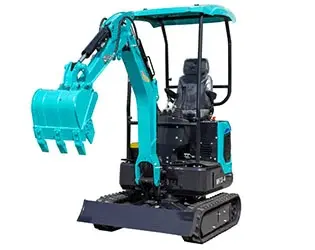
Weight and Size Parameters
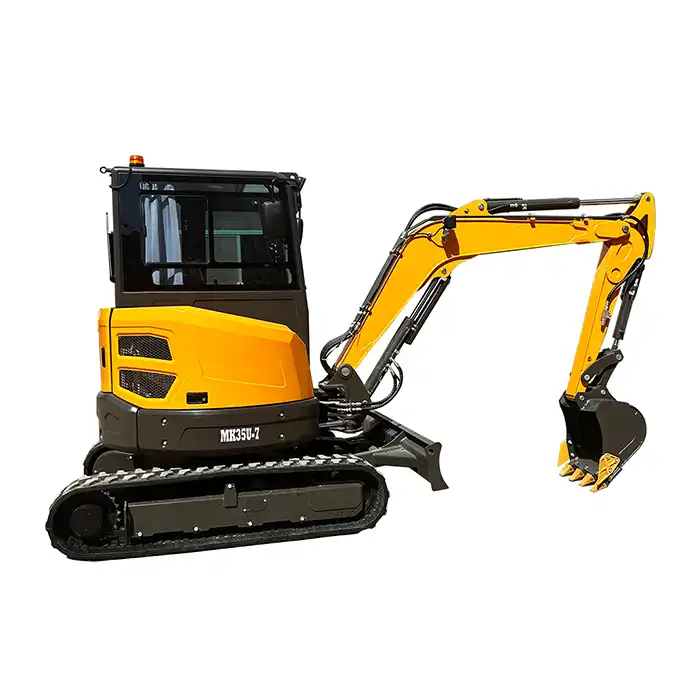
Midi Excavators usually weigh between 5 and 10 tons, which makes them the right size between tiny excavators that weigh less than 3 tons and standard excavators that weigh more than 15 tons. This weight category lets these machines work well on strengthened surfaces without putting too much pressure on the ground. They also have enough mass to stay stable while doing challenging digging jobs. The dimensional shape makes it possible to get into fairly tight spaces where bigger equipment can't go, but it also gives you a lot more reach than smaller options.
Engine Performance and Efficiency
The specs of the engine directly affect productivity and operating costs. Modern Midi Excavators have advanced engines that range from 45 to 75 horsepower. These engines provide strong hydraulic flow rates that let you do multiple attachment tasks at the same time. Electronic engine control systems in fuel-efficient designs make burning more efficient, which cuts fuel use by up to 20% compared to standard older models. This efficiency means lower hourly running costs, which is a very important thing for procurement teams to consider when they are figuring out the total cost of ownership over the lifespan of an asset, which can be many years.
Digging Depth and Operational Reach
The working envelope of Midi Excavators makes their useful benefit clear. Usually, these tools can dig up to 4 meters deep, and their longest reach is at least 6 meters. These specs make it possible to finish gardening, utility trenching, and foundation work that is bigger than what compact units can handle, without having to deal with the problems that come with moving and using standard-size excavators in crowded or restricted areas.
Mini Excavator vs. Compact and Standard Models – Key Differences and Advantages
Knowing the differences between types of tools helps you make smart decisions about what to buy. Each type of digger is good for a certain job, but Midi Excavators are a good compromise because they work around the problems that come with both standard and small models.
Power-to-Weight Ratio Analysis
It can be difficult for compact excavators to do jobs that need a lot of hydraulic force, like breaking up hardened dirt or using heavy tools like augers and rock breakers. Standard types have a lot of power, but they are harder to move around and cost more in fuel. This balance is best achieved by Midi Excavators, which have hydraulic systems that can handle flow rates of 120 to 180 liters per minute while still being able to be moved on normal trucks without any special permits. This power-to-weight optimization lets workers do difficult excavation jobs without having to pay for the time and money needed to move big equipment.
Maneuverability in Confined Environments
When working on urban building projects or site improvements, workers often have to deal with limited space that makes it difficult to move tools. While compact excavators are great for working in small spaces, they don't have the reach or power to do medium-depth digs quickly. Without a lot of site planning, standard models can't get through restricted entry spots. Both of these problems can be solved by midi excavators, which have designs with less tail swing and proportional hydraulic settings that make it easier to work precisely in crowded areas. Being able to arrange equipment correctly cuts down on project timelines and the amount of work that needs to be done by hand in places where bigger machines can't reach.
Operational Cost Comparison
Total cost analysis looks at more than just the price of acquisition. It also looks at fuel use, repair frequency, and user efficiency. Even though compact excavators may seem like a good deal at first, they need longer hours of operation to finish jobs that Midi Excavators can do faster, so the savings aren't really there. It is because of this greater component stress that standard excavators use a lot more fuel and need more upkeep. Mini excavators are a good compromise between price and performance. They usually have 30% lower hourly running costs than similar standard models and can finish work 40% faster than compact options, which means they are more cost-effective at the project level.
Practical Considerations for B2B Buyers – Operation, Maintenance, and Longevity
Decisions about what to buy must take into account how operations work, which can change how much equipment is used and how much it is worth over its lifetime. When used and kept properly, Midi Excavators have many useful benefits that make them more productive every day and over the long run.
Operator Safety and Ergonomic Design
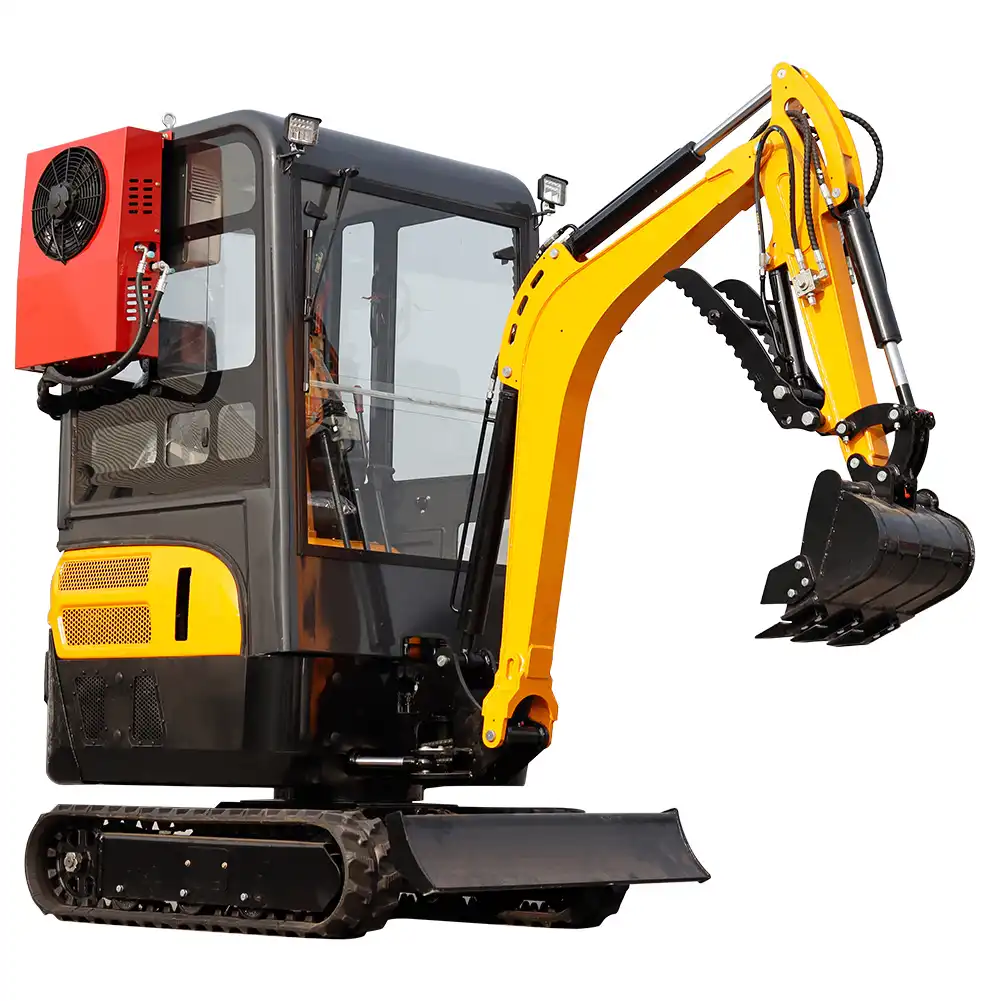
Modern MIDI excavators are designed with the user in mind, making them safer and reducing tiredness during long work times. Enclosed cabs with climate control, movable seats, and user-friendly joystick controls make work more precise while reducing physical strain. Large glass areas and built-in camera systems make it easier to see and reduce blind spots, which lowers the risk of accidents on busy job sites. These ergonomic features have a direct effect on productivity because they allow workers to keep up their performance throughout full shifts without losing efficiency due to tiredness, which can happen with less well-designed equipment.
Maintenance Requirements and Service Intervals
Uptime for equipment depends on preventative repair plans that are in line with what the maker says. Service points on midi excavators are easy to get to, which makes regular checks and fluid changes easier and lowers the cost of maintenance work. Engine oil and filters usually need to be serviced every 250 to 500 hours of use, and major parts should be inspected every 1,000 hours. Teams in charge of buying things should verify to see if parts are available through networks of authorized dealers. This is because dependable supply lines cut down on downtime when parts need to be replaced. Standardized hydraulic fittings and filter specs make it easier for businesses that manage fleets of different types of equipment to keep track of their supplies.
Attachment Versatility and Productivity Enhancement
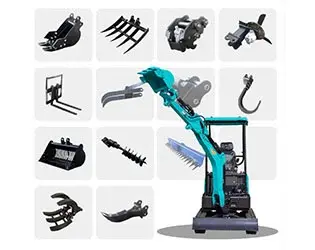
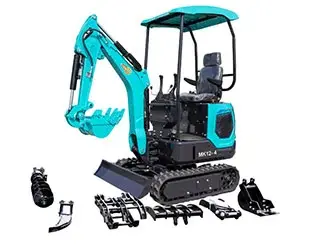
Attachment systems that work with midi excavators and add extra functions to them beyond normal bucket operations make them more valuable to businesses. Breakers are used for removal; augers are used for post hole digging; grapples are used to move materials; and special buckets are used for trenching or grading. Quick-coupler systems let workers switch devices in minutes instead of hours, which increases the amount of time that can be billed. This makes it possible for contractors to bid on a wide range of project types, knowing that their current tools can handle the needs of different scopes without the need for extra hires.
Selecting the Right Mini Excavator – Brands, Pricing, and Purchase Options
To find your way around the buying world, you need to look at makers' technology, support infrastructure, and total ownership costs instead of just the price of the product. Mini excavators from various manufacturers offer different value propositions based on these factors.
Leading Manufacturer Profiles
The midi excavator market is dominated by well-known names like Kubota, Caterpillar, Bobcat, Volvo, and Takeuchi, which have strong dealer networks and a history of trustworthiness. Kubota puts a lot of emphasis on fuel economy and small size, which makes their machines popular for utility work and gardening. Caterpillar uses industrial-grade parts designed for tough building situations. Bobcat focuses on making operators comfortable and giving new employees intuitive-to-use settings that cut down on training time. Volvo cares about the earth and uses modern emission control systems to do so. New companies like Shandong Mingko Industry Corporation are competing with well-known brands by offering similar performance specs at reasonable prices. They achieve this by obtaining ISO 9001 certification and providing full warranty coverage that addresses the quality concerns purchasing teams may have with lesser-known brands.
Price Benchmarking and Financial Models
New midi excavators from well-known names usually cost between $60,000 and $120,000, but this depends on the features and specs. You can save money by buying used equipment. After 2,000 hours of use, well-kept units keep 60–70% of their original worth. Leasing is a good option for workers who want to keep their money because the monthly payments are based on expected usage rates and residual values. Rental choices are excellent for short-term projects, but they're not cost-effective for needs that last longer than 6 months. To find the best purchase strategies, procurement professionals should figure out the break-even points based on the expected annual working hours.
Evaluating Dealer Support and Parts Networks
The long-term value of tools depends a lot on how easy it is to get expert help and replacement parts. Potential buyers should check to see where dealers are located in relation to working areas. This will ensure that we fix problems quickly. Different makers offer very different warranty terms. Usually, coverage lasts between 12 and 24 months or 2,000 working hours. Extended guarantee packages give budget peace of mind by limiting repair costs during the first few years of purchase, when equipment fails frequently. Manufacturers offer technical training programs that improve internal maintenance skills. This makes companies less reliant on outside service providers and increases the general efficiency of their equipment.
Strategic Benefits of Choosing Midi Excavators for B2B Projects
For commercial jobs, choosing equipment that maximizes output while keeping running costs low is important. MIDI excavators have measured benefits that make them more competitive and profitable in a wide range of situations.
Multi-Industry Application Versatility
Because they can be used in building, farming, and landscaping, midi excavators give businesses a lot of operational freedom, even if they only work with certain types of customers. For residential and small business jobs, these machines help construction companies dig foundations, install utilities, and get the site ready. MIDI excavators are used by farms to do work like draining, building ponds, and maintaining infrastructure on large sites. Landscapers use these units for precise and powerful tasks like installing pools, building retaining walls, and changing the shape of the land. This cross-sector utility ensures that equipment always operates at rates that improve the return on capital spent.
Return on Investment Calculations
To find out how much equipment is worth, you have to compare how much it costs to buy it to how much it makes in income and savings over a reasonable time frame. An $80,000 midi excavator with $15,000 a year in running costs is effective when it brings in $95,000 in value in the first year through finished projects and lower rental costs. Over time, profits grow because the machine keeps making money and its value goes down, which lowers the cost of having it. Contractors who work 1,200 hours a year usually get a refund on equipment purchases within 24 to 36 months. After that, the asset generates positive cash flow for the next 8,000 to 10,000 hours of usage.
Technology Integration and Future-Proofing
Modern midi excavators have monitoring systems that send real-time performance data. This lets us make repair plans ahead of time and improve fleet management by tracking usage. Adding GPS helps grade control apps work better, which makes digging more accurate and cuts down on extra work. As environmental rules get stricter, engines that meet Tier 4 Final or similar standards ensure that regulations are followed. Buying tools with technology helps procurement teams adapt to changing market needs and extends the life of equipment through data-driven repair programs that stop parts from breaking down too soon.
Introducing the Mingko MK12-4: Engineered for Demanding Applications
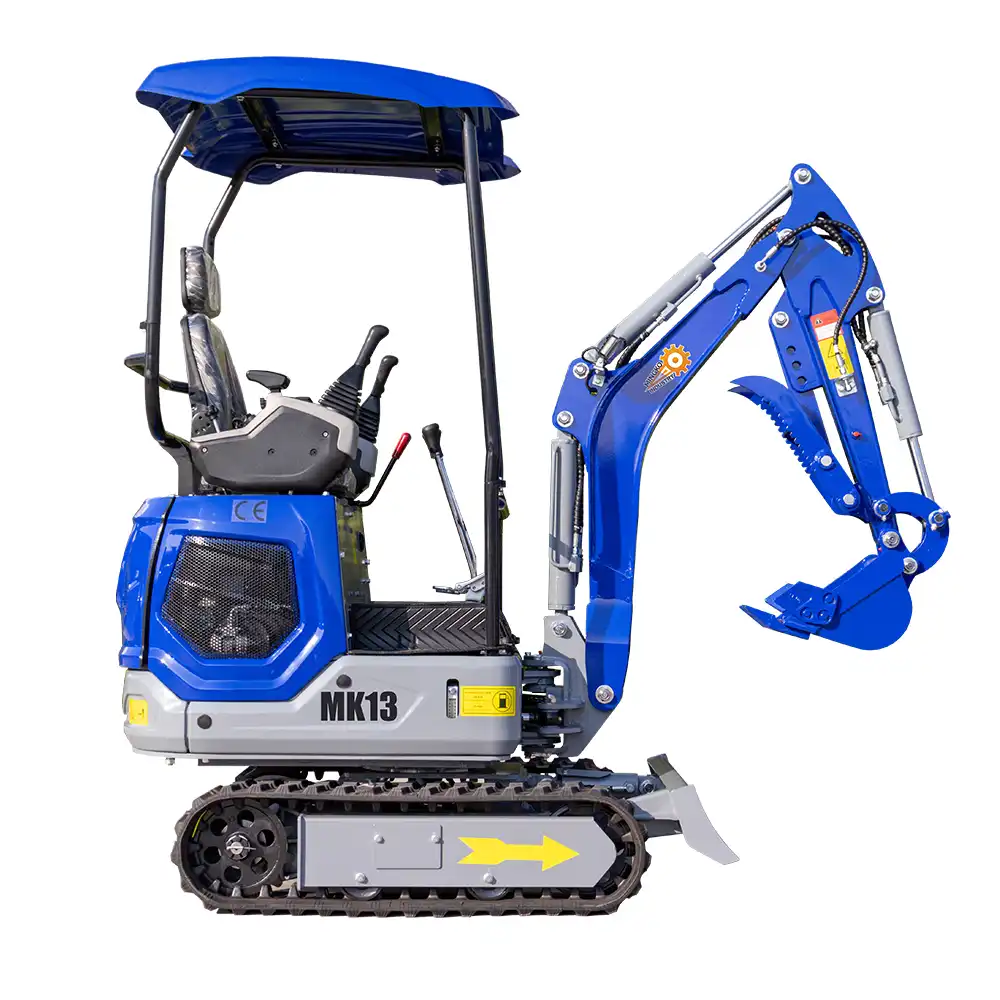
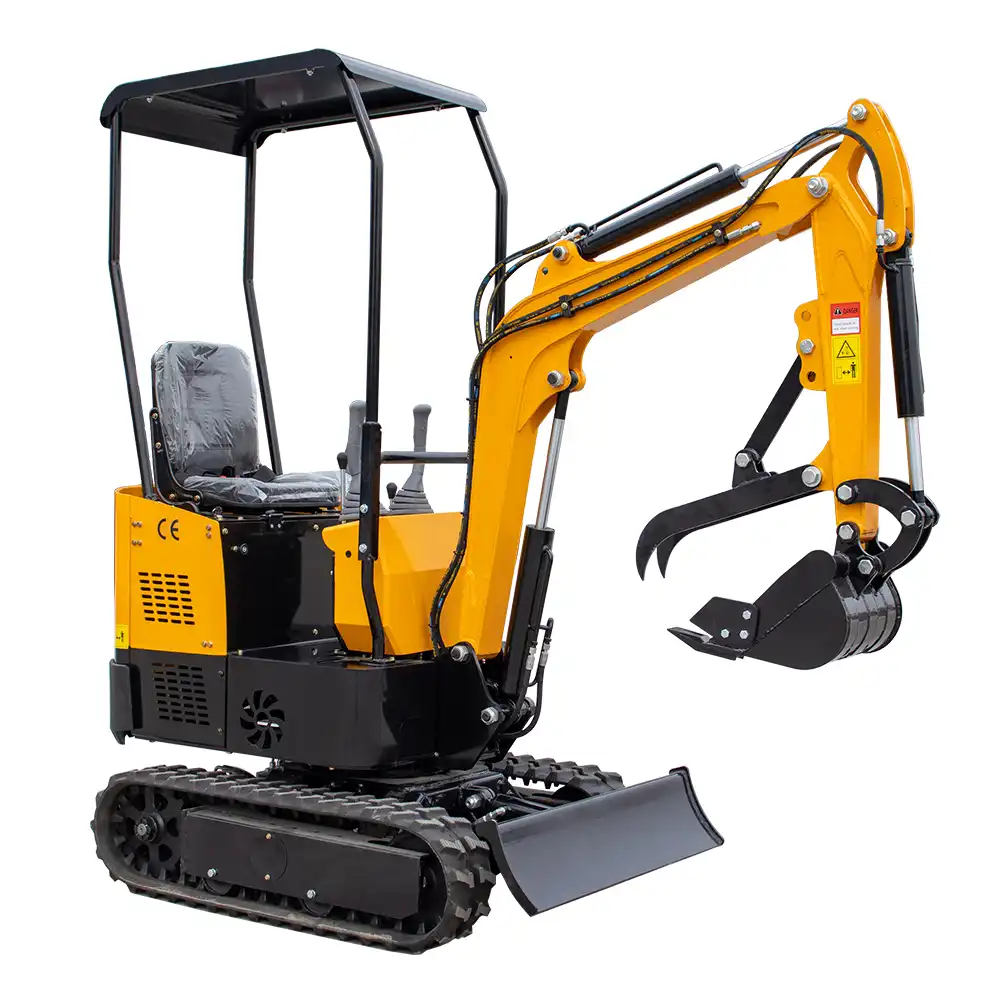
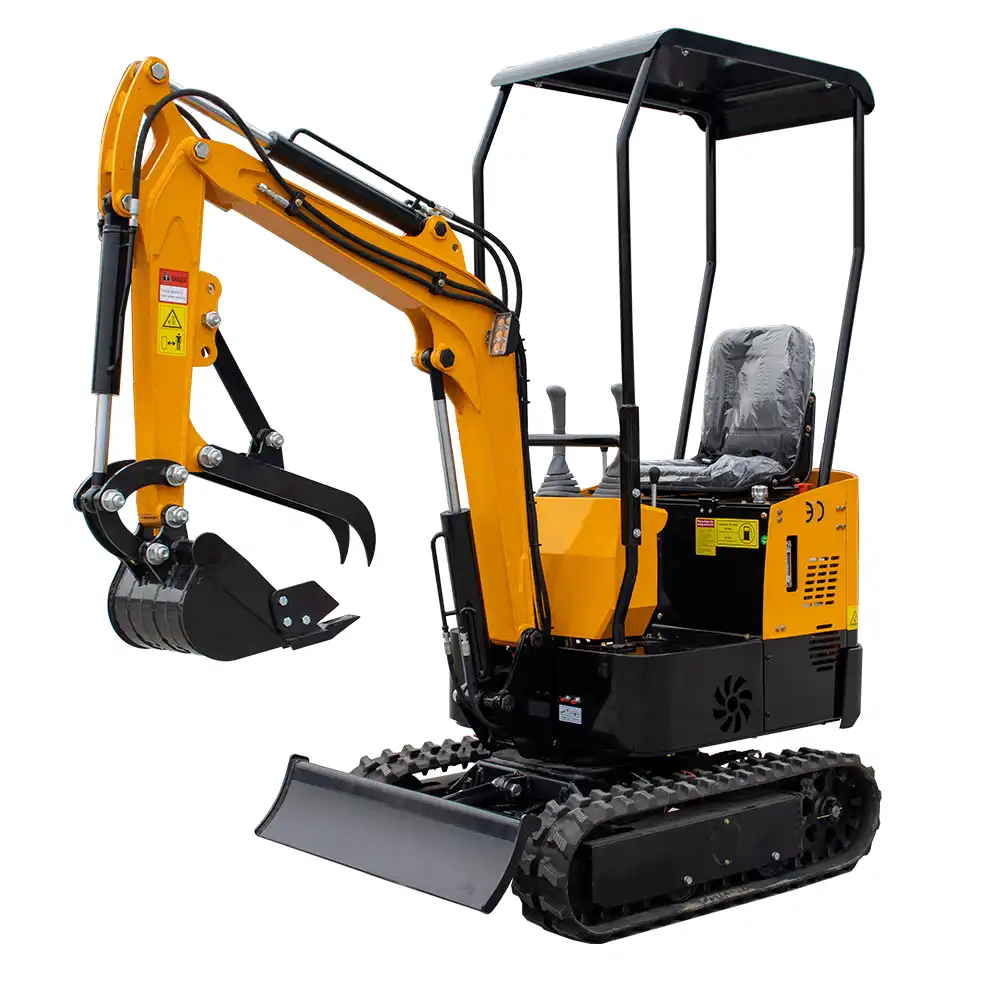
Shandong Mingko Industry Corporation makes high-performance digging tools that take into account both cutting-edge tech and low-cost options. This commitment is shown by our MK12-4 model, which has features normally only found in high-end equipment but is available at a price that fits a wide range of budgets. This midi excavator shows our commitment to quality.
Technical Specifications and Performance Capabilities
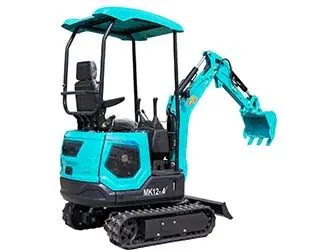
The MK12-4 weighs 1,200 kg, which puts it at the smaller end of the midi excavator range while still giving it strong performance. There are different kinds of engines available, such as the Euro 5-compliant Koop 192F 7KW, the EPA-certified B&S 13.5HP gasoline engine, or the Japan-made Kubota diesel engine. This gives procurement teams the freedom to choose motor systems that work with the fuel supply and emission standards in their area. For home building, gardening, and farming, the 0.025 CBM bucket capacity can hold the right amount of material. The maximum digging depth is 1,700 mm, which lets you do shallow foundation work and utility trenching. The maximum digging height is 2,500 mm, which makes it easier to load materials and put them in the ground.
Innovative Design Features
When our tech team made the MK12-4, the main goal was to make the user as productive as possible. The stamped and formed one-piece body construction provides the structure a lot of stiffness, which increases the service life and lowers the upkeep needs of welding frame parts that are more likely to crack under stress. Operators use simple foot pedals to handle extra extensions, which frees up their hands to move the boom and stick during jobs that need to be done while the tools are being used and the position of the objects being moved is being changed. This practical improvement makes demolition work with breakers or digging work with augers more productive by getting rid of the need to switch between control functions over and over again.
Application Versatility Across Project Types
The MK12-4 works great in tight areas where regular loaders can't do their job well. The machine's small size and zero-tail-swing design make it useful for urban repair projects because they keep workers from running into each other in crowded work areas. Landscaping workers like how the unit's gentle ground pressure doesn't damage domestic turf too much while still having enough power to remove roots and change the terrain. The foot-controlled connection system helps demolition experts use breakers precisely during selective disassembly projects that need to separate materials carefully. The MK12-4 is used by farms to fix infrastructure, clear fence lines, and maintain drainage systems on lands where bigger machines would hurt crops or fields.
Why should you partner with Shandong Mingko Industry Corporation?
Because we've spent 30 million RMB on modern production facilities that can make 15,000 units a year, we have more than 15 years of experience developing and making midi excavators. With this production size, the plant can set prices directly, so distributors do not add any markups. ISO 9001 approval and recognition as a National High-Tech Certified Enterprise still show that we meet quality standards. Our adaptable production methods allow for customization of MOQ 1 units, which lets purchasing teams choose setups that meet specific operating needs without committing to large orders that aren't needed.
Quality assurance lasts throughout the entire ownership period with full after-sales help, including a 12-month warranty and expert support for life. Our skilled sales and service team is available 24 hours a day, seven days a week at sales@mingkomach.com. This way, we can answer questions about operations and requests for parts quickly, so there is less downtime when service is needed. This dedication to customer satisfaction makes Mingko stand out as a trustworthy partner for builders and purchasing managers looking for responsive makers who care about building long-term relationships with clients instead of just selling equipment.
Conclusion
When buying teams are looking to improve working efficiency and financial performance, choosing a midi excavator over a small or standard one can be a smart move. These machines get the best power-to-weight ratio, which means they can handle medium-sized jobs while still being easy to move around in tight areas and using little fuel. The MK12-4 from Shandong Mingko Industry Corporation is a great example of a modern midi excavator design. It is built to last, can use various attachments, and is ergonomically designed to make it easy for operators to use. When you carefully look at a manufacturer's reputation, dealer support networks, and total ownership costs, you can choose tools that will improve fleet efficiency and get you the best return on your investment in various settings.
FAQ
What project sizes suit midi excavator capabilities best?
Mini excavators can work on projects that need to dig 3 to 4 meters deep and move medium-sized amounts of material. These projects include building foundations for homes, digging utility trenches, installing plants, and draining land for farming. They are most cost-effective on job sites where small units don't have enough power and normal excavators add extra costs for hauling and make operations more difficult.
Can midi excavators operate effectively in urban environments?
Midi excavators are perfect for use in cities with many people and limited workspace because of their small size and minimal tail swing. Better mobility cuts down on the work that needs to be done to prepare the site, and enough power lets excavation tasks get done quickly and efficiently without the problems that come with putting bigger equipment in places that are hard to get to.
What maintenance challenges affect midi excavator reliability?
Maintenance needs are similar to those for other types of hydraulic equipment; fluids need to be changed regularly, filters need to be replaced, and track tension needs to be adjusted. Quality machines with easy-to-reach repair points make inspections easier and cut down on labor costs. Unexpected breakdowns are kept to a minimum by preventative maintenance programs that are set to happen at times stated by the maker. Units with telematics can also tell you of problems that need attention before they happen.
Request a Quote from a trusted midi excavator manufacturer.
You can get midi excavators from Shandong Mingko Industry Corporation at a price that won't break the bank. They come with full warranties and quick expert support. When it comes to efficiency, our MK12-4 model meets the needs of your projects while keeping total ownership costs low thanks to its fuel-efficient operation and long-lasting construction. Email our team at sales@mingkomach.com to talk about your unique application needs, look into your customization options, and get full quotes that are made to fit your buying needs. Check out sdmkmachinery.com for full specs and learn why workers all over the world choose Mingko as their top midi excavator provider for high-quality tools at great prices.
References
1. Smith, J. & Anderson, R. (2022). Heavy Equipment Selection for Commercial Construction: A Guide to Buying It. Construction Management Press.
2. Williams, T. (2021). "Comparative Analysis of Excavator Classes: Performance Metrics and Cost Considerations," Journal of Construction Equipment Technology, 18(3), 112-128.
3. European Construction Equipment Association. (2023). Midi Excavator Safety Requirements and Industry Standards. Brussels: ECEA Publications.
4. Henderson, M. (2020). Models for figuring out the total cost of ownership for managing construction fleets. Industrial Equipment Publishing.
5. Zhang, L. & Roberts, K. (2023). "Hydraulic System Efficiency in Modern Excavators: Engineering Innovations and Fuel Economy," International Journal of Heavy Machinery, 45(2), 89-106.
6. National Association of Equipment Distributors. (2022). The best way to maintain equipment is to use preventative maintenance programs to make it last longer. Iowa City: NAED Research Division.