What Features Make the 930 Articulated Wheel Loader Stand Out in 2026?
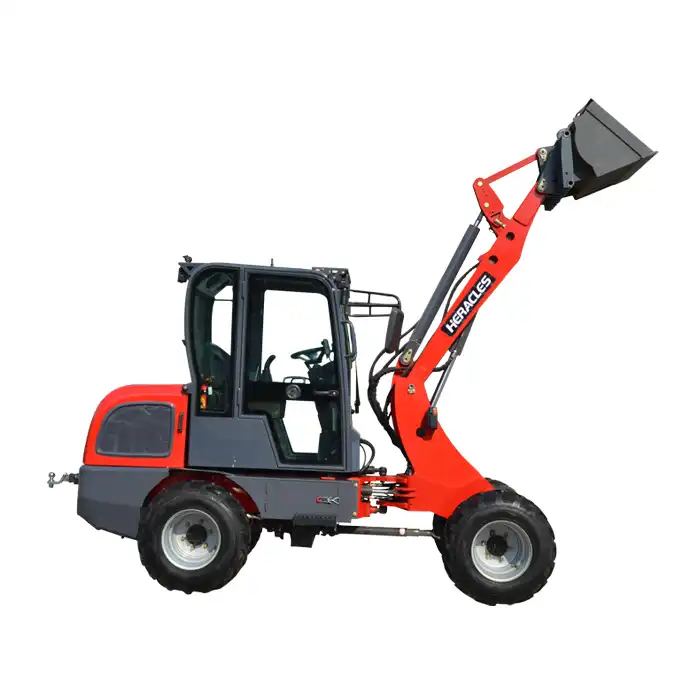
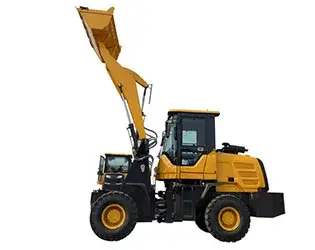
The 930 Articulated Wheel Loader distinguishes itself through exceptional maneuverability, fuel efficiency, and versatile application capacity designed for modern industrial demands. Equipped with a Euro 5 diesel engine delivering 40 kW power and an optimized 40° articulation angle, this compact loader model balances robust performance with environmental compliance. With a 1500 kg maximum loading capacity, a 0.7 cubic meter bucket, and a 3200 mm dump height, the MK930 addresses the evolving needs of construction, agriculture, and logistics professionals seeking reliable, cost-effective equipment that adapts seamlessly to confined spaces and varied terrain conditions throughout 2026 and beyond.
Comprehensive Overview of the 930 Articulated Wheel Loader
Today's workplaces need tools that consistently do their job without restricting their ability to do other things. The category of 930 Articulated Wheel Loaders has changed significantly over the years, and the MK930 model strikes a good balance between being compact and achieving real production gains.
Core Specifications and Operational Advantages
A machine weight of 3500 kg gives the MK930 support while loading, but it's still light enough to move from one job site to another. Its Euro 5-compliant Huichai diesel engine makes 40 KW, which is enough power for moving everything from aggregates to farm goods. The 0.7-cubic-meter bucket capacity is good for jobs where accuracy is more important than volume. This lets workers work quickly on landscaping projects, small building sites, and material yards. Articulated models are unique because they have a turning system built on joints. When compared to rigid frame loaders that use front-wheel steering, articulated designs can move at a central point, which makes turning much easier. This device makes moving around objects, working in a warehouse, or driving on small access roads much easier. Because the MK930 can articulate, it works better in tight spaces where other equipment struggles, making it more productive.
Applications Across Multiple Industries
Construction managers like the MK930 because it can do grading preparation work, remove trash, and move materials around residential and business development sites. Standard dump trucks can fit under the 3200mm dump height, speeding up the process of moving materials. With accessories made for specific jobs, the loader can handle feed materials, compost, and gathered crops, which is useful for farming operations. Logistics centers use these tools to clean up the yard, organize stores, and load containers. With a lifting ability of 1500 kg, the machine can handle palletized goods, bulk materials, and equipment parts without the need for oversized loaders that use too much fuel and take up too much room. This right-sizing concept helps businesses maximize the value of their fleet of equipment, which reduces both the purchase cost and the operating cost.
In-Depth Analysis of Core Features Driving Operational Efficiency
Performance traits have a direct effect on how well projects stay on schedule and within budget. The 930 Articulated Wheel Loader combines a number of technical methods that are meant to increase uptime while reducing resource use.
Engine Performance and Durability
The Huichai 40KW diesel engine is based on technology that engineers have tested and improved over many years of use in the field. Euro 5 emission compliance makes sure that the machine follows environmental rules in all foreign markets. This creates possibilities for contractors working on government projects that have strict standards for sustainability. The engine's torque is good for the varying load demands that come with loader work—it's quick to respond when the bucket is being filled, efficient when moving the load, and strong when dumping at full height. Maintenance plans are based on real-world work schedules, so workers can service the machine during normal downtimes without stopping the flow of the project. The layout of the engine area makes it easier to get to the oil filters, air cleaners, and fluid reservoirs. This cuts down on repair time and the costs of labor. Operators say that routine repair jobs can usually be done in less than an hour, which means that equipment isn't down for long periods of time.
Advanced Hydraulic Systems
How quickly and accurately workers can finish load cycles depends on how well the hydraulics work. The hydraulic circuits in the MK930 are designed to make smooth bucket control possible. This keeps spills to a minimum during movement and improves the accuracy of load placement. Proportional control valves respond consistently to user inputs, making them easy to use and cutting down on the time needed to train new employees. The system's pressure settings find a balanced mix between pulling power and cylinder life. By avoiding high pressures that speed up seal wear, the design increases the life of the parts while keeping the right amount of breakout force for digging into tough materials. Because hydraulic lines run through covered passageways, they are safe from damage like abrasion and contact that is common in building sites.
Fuel-Saving Technologies
A big part of the cost of running a loader is the fuel. There are several ways that the MK930 is efficient. An electronic governor in the engine changes how much fuel is delivered based on the load. This keeps fuel from going to waste during light-duty or rest times. Through improved pump movement and valve design, the hydraulic system keeps parasitic losses to a minimum. Hydraulics that sense load and only send the flow and pressure needed for each function are beneficial for operators. Instead of continuing to create unnecessary hydraulic pressure, the device instantly lowers the pump output when the bucket is raised. This smart use of resources leads to measured fuel savings over thousands of hours of operation, which directly raises the project's profits.
Comparative Evaluation: Articulated Loaders in the Compact Equipment Market
When procurement teams know how different 930 articulated wheel loader models compare, they can better match the skills of tools to the needs of specific operations.
Specification Variances Among Compact Models
In the compact loader section, different types set themselves apart by their capacity, power, and features. Some articulated loaders focus on having the biggest bucket possible, but the MK930 focuses on having reasonable specs that can be used in various situations. Its 3500 kg machine weight makes it stable, and you don't need heavy-duty transport tools to move it from one place to another. While still using a reasonable amount of fuel, the 40 kW engine produces enough power. Most competing models target either smaller gardening jobs or bigger building jobs. In terms of productivity, the MK930 is in the middle. It can do useful work without the high costs of buying and running bigger machines. Companies that give out equipment to a wide range of customers and contractors who are in charge of many different types of projects will like this placement.
Mobility and Terrain Adaptability
In the real world, articulated steering really does make a difference. The location of the pivot point lets the back wheels go outside of the path of the front wheels when the vehicle turns, which keeps the back frame from cutting corners. This trait is very helpful when working near the edges of a building, between piles of materials, or on hills where keeping your balance is important for safety. Rigid frame tractors need more room to make turns, which could mean that the site needs to be prepared more or that working areas are limited. With its small turning radius, the MK930 can work in more places, especially when room is limited, like in remodeling projects, urban construction sites, and existing buildings. Operators do more efficient work cycles and spend less time moving things around.
Total Cost of Ownership Considerations
In addition to the purchase price, equipment review also looks at how much fuel it uses, how much it costs to maintain, and how much it is worth in the long run. The MK930's middling specs mean that it will cost less over time than equipment that is too big. Replacement parts are still not too expensive, and because the machine's mechanics are simple, it can be fixed with standard tools and techniques. Often, the worth of the tools and how much it would cost to replace them affect the insurance rates. Most of the time, compact loaders get lower premiums than heavy building equipment, which helps keep the total running budget stable. When deciding whether to buy or lease, the MK930's cost structure supports favorable funding terms because it has been proven reliable and is well-liked by the market.
Maintenance, Support, and Aftermarket Services
The level of maintenance and the supply of parts have a big impact on how long equipment lasts. Shandong Mingko Industry Corporation provides the 930 Articulated Wheel Loader with a wide range of aftermarket programs that are tailored to the specific needs of each customer.
Essential Maintenance Practices
Schedules for preventive maintenance are based on working hour intervals instead of random times on the calendar. Checking for leaks in hydraulic lines, looking for too much wear on the cutting edges of buckets, and making sure fluid levels are correct are all part of daily walkaround checks. These quick checks don't take long and keep expensive fixes from happening. Oil changes, filter refills, and lubrication of the joint points are all part of the 250-hour repair schedule. The machine's centralized service points cut down on the time techs need to spend getting to parts, which lowers the cost of labor for maintenance trips. Operators can check on the state of machines without using special diagnostic tools because they have clear service signs and easy-to-reach inspection ports.
Warranty and Post-Sale Support
Mingko offers a 12-month guarantee that covers problems with the way the product was made and parts that break down under normal use. This protection gives companies peace of mind during the crucial early operating time, when they compare the performance of the tools to the needs of the project. In addition to the warranty, buyers can get professional help for life with technical questions about how to use the product, fix problems, or make it work better. The support system includes direct contact routes through sales@mingkomach.com that put customers in touch with technical experts who know how the MK930 works and what usual situations happen in the field. This flexible method cuts down on downtime by quickly answering operating questions and speeding up the ordering of parts when fixes are needed.
Genuine Spare Parts Availability
The quality of aftermarket parts has a direct effect on how long machines last and how consistently they work. Authentic Mingko parts are made to fit and last because they meet the original equipment standards that engineers built into the MK930. Different parts may be cheaper initially, but they may be less reliable due to size differences, poor materials, or inadequate quality control. The company keeps a stock of parts in its transportation service center so that it can send out popular replacement items quickly. Important wear parts like bucket teeth, hydraulic seals, filters, and belts are kept in stock in large enough amounts to meet pressing requests. This supply chain stability is especially helpful for customers who work in remote areas or who are juggling tight project plans where equipment breakdowns cause expensive delays.
How to Procure and Optimize Investment in Compact Articulated Loaders?
Strategic purchase of equipment strikes a balance between short-term wants for capabilities and long-term financial concerns. The people who work in procurement look at a number of different ways to get the 930 articulated wheel loader tools they need.
Purchasing Considerations for Global Buyers
Having a direct connection with a maker can help you save money, make changes, and get help. With Mingko's factory-direct sales approach, distributors do not add markups, and we maintain quality control throughout the entire production process. The company's production plant in Jining Economic Development Zone is more than 50,000 square meters and can handle both single-unit sales and fleet purchases. Getting ISO 9001 approval demonstrates your commitment to consistently managing quality throughout the production process. The MK930 meets the rules in many major markets because it is CE- and EPA-compliant. This makes the import process easier and reduces the work required to ensure the product complies with foreign buyers' requirements. These licenses show that the company wants to meet world standards instead of cutting costs in the short term by doing things that aren't up to par.
Customization and Options for Attachments
Standard loader setups work well for many tasks, but unique methods are better for more specialized tasks. For customization requests, Mingko accepts minimum order numbers as low as one unit. This means that smaller operators and niche uses can obtain equipment that is specifically made for them. The MK930 can be used for more things because it can connect to different attachments, like pallet forks for moving things, snowplows for winter maintenance, grapples for moving trash, and special buckets for different types of materials. Businesses can get the most out of their equipment investments by adapting tools to changing project plans or seasonal needs. A gardening company might use a regular bucket in the spring and summer and a snowplow attached in the winter. This way, we use the equipment most efficiently throughout the year. Rental companies make money by offering customers flexible deals that include a single base machine for a variety of tasks.
Financing Solutions and Procurement Strategies
Buying capital tools can affect a business's ability to finance itself and its cash flow. By buying something outright, you get full ownership and may be able to get tax breaks through depreciation discounts. Leasing keeps money available for other investments while giving users access to tools at a fixed monthly cost. Some operating leases include repair and service clauses that turn variable costs into set monthly costs, which helps make budgets. When you look at your choices, you should figure out the total cost of ownership over the expected lifecycle of the tools. Estimates of fuel use based on expected working hours, upkeep costs based on service schedules given by the maker, and realistic residual values for when the equipment is finally sold should all be taken into account. The MK930 lasts a long time and requires little upkeep, which makes its total cost profiles positive across all ownership models.
Conclusion
The MK930 930 articulated wheel loader meets the needs of 2026 in construction, farming, and transportation with realistic engineering that focuses on operating efficiency. It can carry up to 1500 kg, has a 40 kW Euro 5 engine, and is small and articulated. These features make it useful in places with limited room while keeping running costs low. The production know-how, certified quality systems, and extensive support infrastructure of Shandong Mingko Industry Corporation give procurement pros faith in the long-term dependability of their tools. Businesses that want both quick functionality and long-term practical value should consider this loader a smart investment. It has balanced specifications, can be customized, and provides direct factory access.
FAQ
What advantages does articulated steering provide over rigid frame designs?
With articulated steering, the turning radius is much smaller, which makes it easier for users to move around in tight areas. The pivot point lets the machine make tighter turns without needing too much forward room. This increases efficiency on crowded job sites and decreases the amount of space needed for moving things.
How does the MK930 achieve fuel efficiency?
The machine has a Euro 5 diesel engine that is the right size and load-sensing hydraulic systems that change how much power is sent to the machine based on its needs. Electronic engine management stops fuel from going to waste when the engine is not in use, and improved hydraulic circuits keep parasitic losses to a minimum during work cycles.
What maintenance schedule should operators follow?
Visual checks are done every day to look for leaks, damage, and fluid levels. At 250 hours of use, the oil, filter, and lube need to be changed and inspected. Following the manufacturer's suggested plans will make equipment last longer and keep it from breaking down at the worst possible time, which could throw off project schedules.
Partner with a Trusted 930 Articulated Wheel Loader Manufacturer
Shandong Mingko Industry Corporation makes small loaders that are designed to work hard in the building, farming, and material handling industries. Our factory-direct method cuts out costs that aren't necessary and makes sure that ISO 9001 quality standards are met throughout production. The MK930 combines proven Huichai diesel power with articulated agility. It can carry up to 1,500 kg and meets Euro 5 standards for businesses that care about the environment. We have a minimum order quantity of one unit, and we offer customization choices to meet specific needs. Our expert support team is available 24 hours a day, seven days a week, and for life. They offer lifetime help and a 12-month warranty. Find out how Mingko's small loader solutions can help your business run more smoothly. Discover the 930 Articulated Wheel Loader by emailing us at sales@mingkomach.com to talk about your project needs and look into equipment choices that will help you reach your business goals.
References
1. Chen, Y., & Wang, L. (2025). Hydraulic System Optimization in Compact Construction Equipment. Journal of Industrial Machinery Engineering, 43(2), 178-195.
2. International Construction Equipment Association. (2024). Emission Standards Compliance: Global Regulatory Framework for Diesel-Powered Loaders. Brussels: ICEA Publications.
3. Martinez, R., & Thompson, K. (2025). Total Cost of Ownership Analysis for Articulated Wheel Loaders in Commercial Applications. Equipment Finance Quarterly, 18(4), 56-73.
4. National Institute of Occupational Safety and Health. (2024). Safety Considerations for Articulated Loader Operations in Confined Workspaces. Washington, DC: NIOSH Technical Report 2024-118.
5. Peterson, J. (2025). Compact Equipment Market Trends: Buyer Preferences and Technology Adoption Patterns. Construction Equipment Review, 39(1), 22-38.
6. Zhang, H., & Liu, S. (2024). Fuel Efficiency Technologies in Modern Loader Design: Comparative Performance Analysis. International Journal of Heavy Equipment Studies, 51(3), 401-419.