What Features Should You Look for in a Midi Excavator?
To get the most out of your investment when buying tools for building, landscaping, or utility jobs, you need to know what the most important parts of a Midi Excavator are. Usually, these tools weigh between 4 and 10 tons and can be used in a wide range of work settings, from small cities to large farms. Key factors like engine power, hydraulic efficiency, user comfort, and build quality have a direct effect on how productive and cost-effective something is in the long run. If you choose a midi excavator with strong parts, tools that can be used in various situations, and reliable after-sales support, your project will run more smoothly, with less downtime and fewer unexpected costs.
Understanding the Core Features of a Mini Excavator
Midi excavators are a great choice for medium-sized jobs because they strike a good balance between small models and full-sized heavy machinery. Their working weight range lets them work in tight spaces on the job site while still being able to dig and lift heavy things. Understanding the basic specs helps buying teams match the right machine to the project's needs.
Engine Power and Performance Specifications
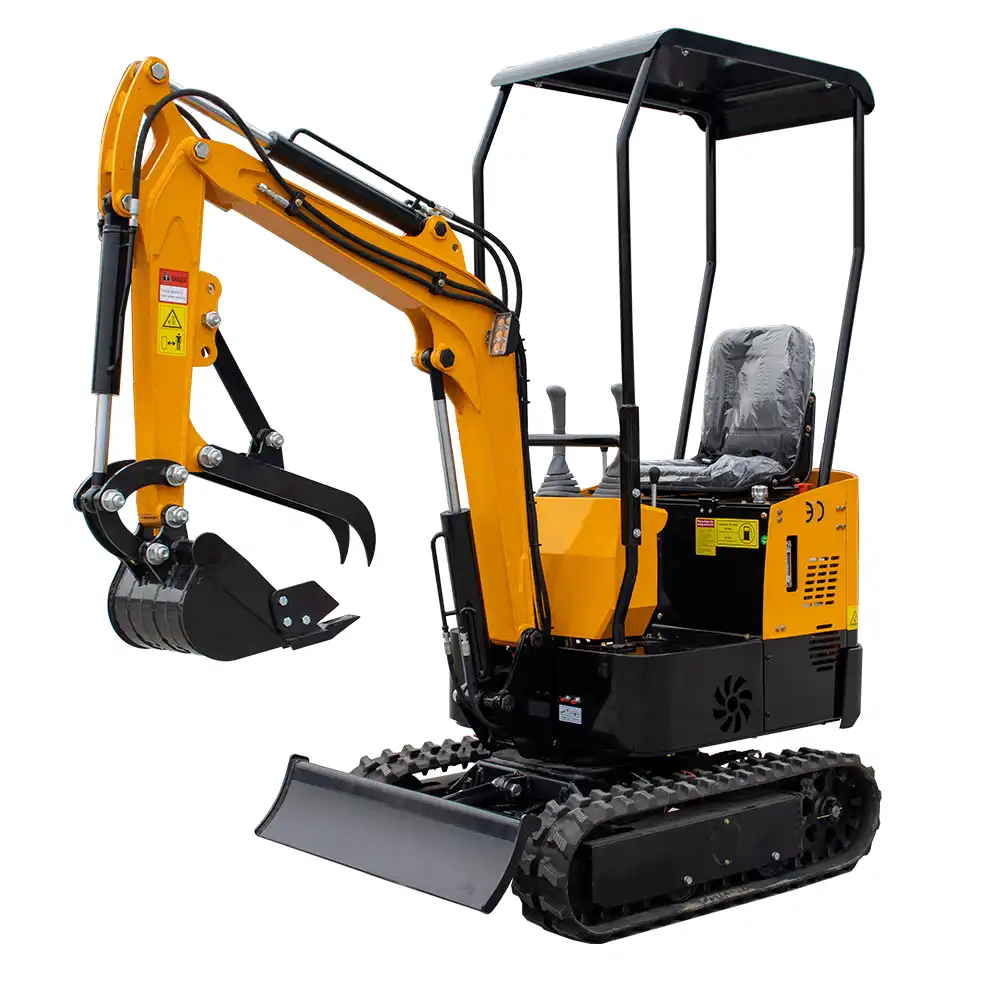
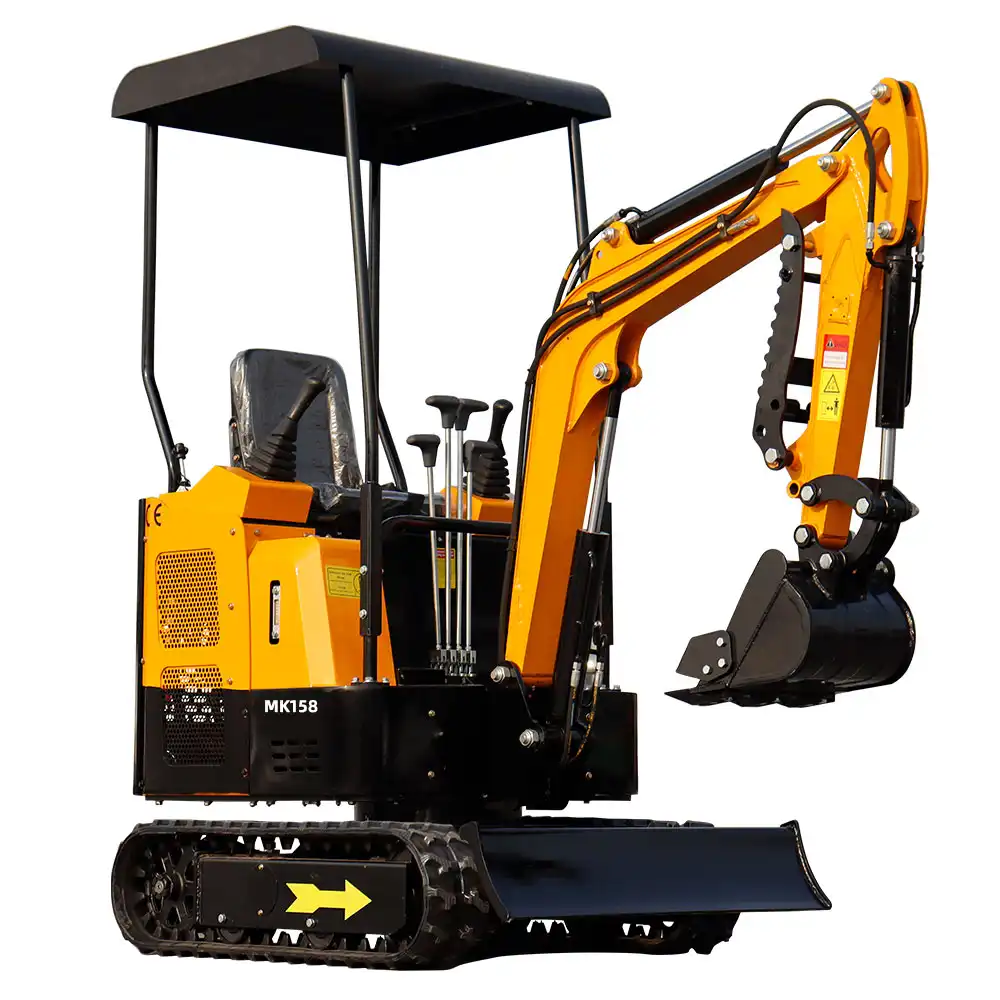
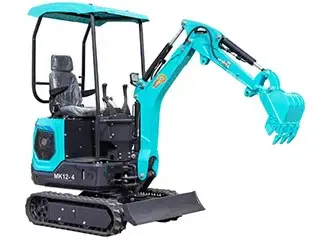
How well a MIDI excavator does difficult jobs like breaking up concrete or digging through hardened dirt depends on how much power it has. The Mingko MK12-4 type comes with a choice of engines, such as the Euro 5 Koop 192F 7KW, the EPA-compliant B&S 13.5HP, and the Japanese Kubota engines. This gives you options based on emission standards and performance needs in your area. Having the right amount of horsepower ensures steady operation even when the load is high, which saves fuel and extends the life of parts. Machines with well-matched engine-to-weight ratios use less fuel and provide quick hydraulic control for all kinds of attachments.
Bucket Capacity and Reach Dimensions
Digging depth and greatest reach have a big impact on how well mining works. For jobs that need a modest amount of vertical and horizontal reach, like trenching for utility lines or landscape grading, tools that can dig up to 1700 mm deep and 2500 mm high are best. The 0.025-cubic-meter bucket size of compact types strikes a good mix between material handling and machine stability. Procurement managers should ensure that these measurements fit the needs of a normal job site. They should avoid buying oversized equipment that is difficult to move or undersized tools that need to be used more than once, which costs more in labor.
Safety and Operator Comfort Features
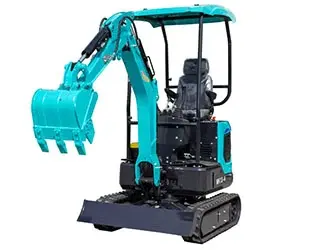
Modern midi excavators have added safety features that keep workers safe and let them work longer. Advanced vision aids, comfortable control layouts, and stable platform designs make long shifts less tiring. The stamped, one-piece body design of the MK12-4 improves structural strength, reducing vibration transfer and making the vehicle more stable on rough ground. Foot-controlled extra features on tools like breaking hammers and spiral drills let workers keep precise hand control over main moves, which makes the job safer. Following the rules for noise and emissions saves both operators and the areas around them.
How to Evaluate Mini Excavator Performance for Your Business Needs?
Performance evaluation goes beyond written standards; operational efficiency in the real world rests on how much fuel is used, how easy it is to do upkeep, and how well technology is integrated. Rather than just looking at the purchase price, these factors help buying workers figure out the total cost of ownership.
Fuel Efficiency and Environmental Compliance
Operating costs for a midi excavator add up quickly over its lifetime, so how well it uses fuel is an important factor in choosing one. When engines meet EPA or Euro 5 pollution guidelines, they burn fuel more efficiently and cleanly. Less fuel use directly leads to lower operating expenses, especially for workers who are in charge of multiple machines at different places. Following environmental rules also lets you get local and government contracts that need certified tools, which can help your business grow. Machines that use electrical fuel injection and well-tuned hydraulic systems can get the most work done per gallon.
Maintenance Requirements and Parts Availability
Downtime for equipment has a direct effect on project timelines and profits. Regular maintenance chores like checking fluids, replacing filters, and inspecting hydraulic lines are easier to do on midi excavators that are built with service spots that are easy to get to. Shandong Mingko Industry Corporation has built a large industrial infrastructure that includes dedicated production workshops covering more than 50,000 square meters. This makes sure that parts are always available through established supply lines. The company has a full after-sales service center that offers technical help and replacement parts. This cuts down on wait times and keeps equipment running. Before finishing purchases, procurement teams should check to see if the service network covers the areas where they do business.
Comparison with Mini and Compact Excavators
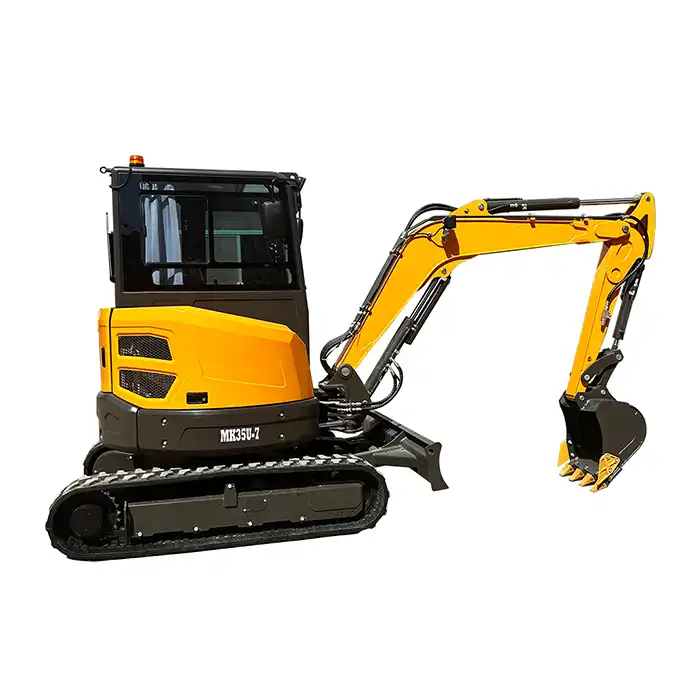
Knowing the differences between types of Mini Excavators keeps you from choosing the wrong tools. Mini excavators (less than 4 tons) are particularly well-suited for working in tight areas, but they don't have enough digging power for heavy dirt. Full-sized excavators have the most power, but they can't get through crowded cities or on private lands. This is where Midi Excavators come in. They have enough power for heavy digging while still being small enough to fit through narrower entry points. The MK12-4's 1200 kg working weight makes it perfect for contractors who need to be able to use it for a wide range of projects, from landscaping for homes to light business buildings.
Technological Advancements in Modern Equipment
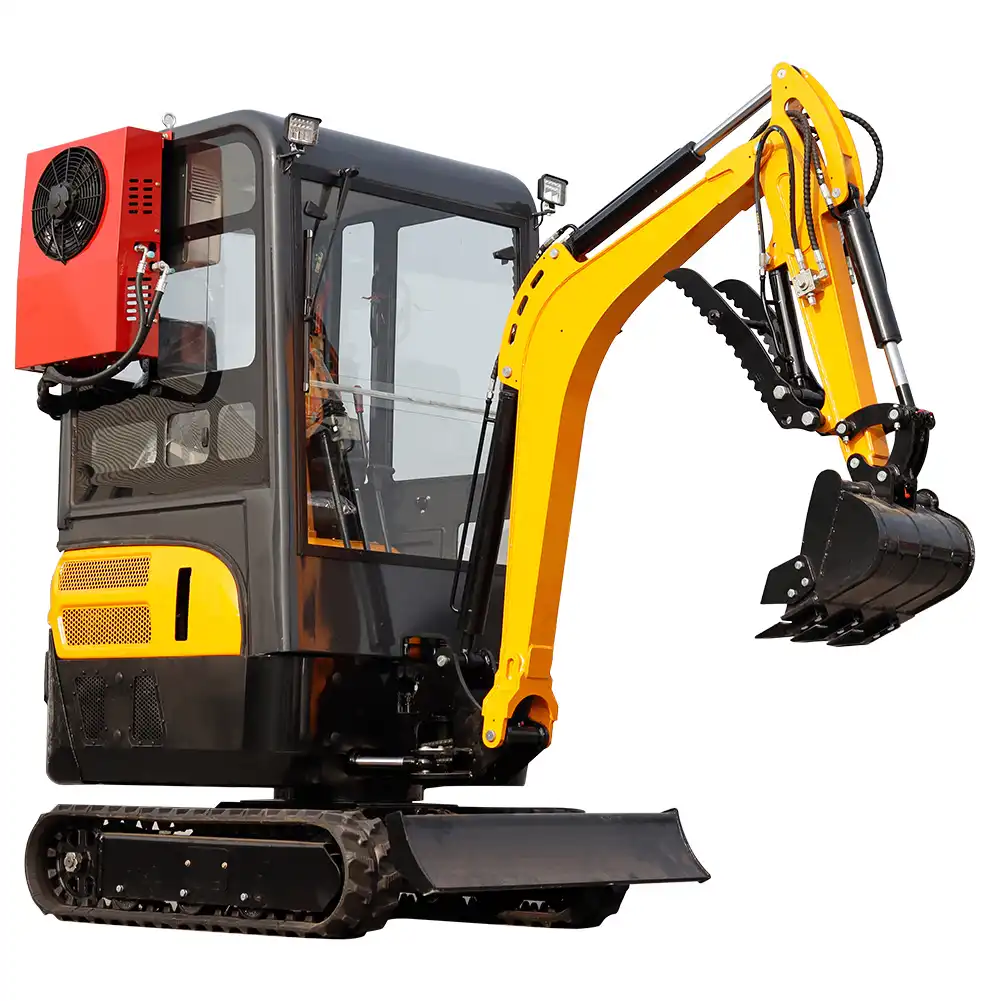
Modern MIDI excavators have hydraulic improvements that make them more accurate and less tiring for the operator. Modern valve systems allow for smooth, proportional control reactions, which lets you do both gentle grading work and tough digging. Electronic tracking systems keep track of machine hours, fluid temperatures, and repair schedules. This makes sure that parts are serviced on time before they break. Having adjustable seats, climate control, and controls that are easy to find and use in the cab makes it easier to work for long periods of time without getting tired. All of these improvements raise output while lowering the level of skill needed for new operators. This means that you have more workers available.
Selecting the Right Mini Excavator: Brand and Model Considerations
When choosing what to buy, you must weigh the brand image, technical requirements, and after-sales support. Established manufacturers have a track record of trustworthiness, while new manufacturers like Mingko offer low prices and up-to-date manufacturing standards.
Leading Industry Manufacturers and Their Strengths
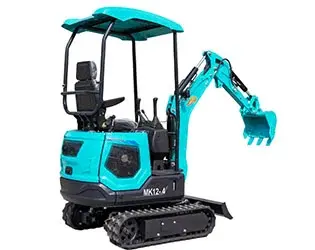
After decades of improving their designs, big names like Kubota, Bobcat, Caterpillar, John Deere, Hitachi, Volvo, Takeuchi, and JCB now make most of the midi excavators on the market. These companies put a lot of money into research and development, which leads to new ideas like zero-tail-swing designs, mixed power systems, and GPS grading controls that are built in. Their large networks of dealers provide specific service support, but the higher prices show how the brand is positioned. Shandong Mingko Industry Corporation offers an alternative method, using its more than 15 years of knowledge in making small tools to provide cost-effective options without lowering the standard. As a National High-Tech Enterprise and ISO 9001-certified company, Mingko follows strict quality standards throughout all stages of production.
Importance of Dealer Networks and Local Support
Even the most effective tools require fixing or maintenance from time to time. A strong dealer presence makes it easy to get trained techs and real replacement parts quickly, which cuts down on downtime. Support networks that cover many areas offer extra services like training programs for operators, financial options, and ways to trade in old equipment that make managing a fleet easier. Mingko's specialized sales and service team is available 24 hours a day, seven days a week at sales@mingkomach.com to make sure that clients can get professional support at any time. The company's logistics service center ensures that it delivers parts quickly and efficiently, so workers with tight project plans can keep their businesses running.
Pricing Strategies and Total Cost Analysis
The initial buying price is only one part of the total costs of owning. Long-term investment yields depend on things like warranty coverage, part prices, fuel use rates, and resale values. With factory-direct sales models, there are no markups for distributors, so prices are low without lowering quality. With a modern production plant that can make 15,000 units a year, Mingko can take advantage of economies of scale that save their customers money. The company's 12-month guarantee and lifetime technical support protect buyers from having to pay for repairs they didn't expect during the first few months of use. Instead of just looking at the initial cost, procurement managers should figure out how much the equipment will cost to run over its normal lifespan of 5 to 7 years.
Practical Tips for Procurement and Long-Term Use
Strategic buying is more than just picking out specs. It also means matching the capabilities of tools to practical needs and following the right upkeep procedures to ensure long-term performance and a good return on investment.
Aligning Excavator Specifications with Project Demands
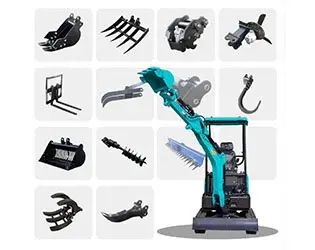
For different uses, the equipment needs to be set up in different ways. For residential landscaping, the measurements must be small to fit between buildings, while for farm drainage, digging depth is more important than mobility. The MK12-4 can be used in demolition, gardening, planting, farming, and tight areas, showing that it can be used for a wide range of projects. Attachments like breaking hammers turn midi excavators into tools that can do more than one thing, so you don't need to buy separate, specialized tools. Contractors should make a list of the types of projects they usually work on and choose midi excavators that can handle 80% of the regular tasks. For rare, specialized needs, they should rent equipment instead of buying machinery that they do not use.
Here are some of the main benefits of properly defined equipment:
- Operational Flexibility: Making sure that the right equipment is used for the job stops output problems that can happen when machines are too big for tight spaces or too small and need to be moved more than once.
- Cost Efficiency: Midi excavators that are the right size use the least amount of fuel and user time, which lowers hourly running costs and keeps projects on schedule.
- Attachment Compatibility: Standardized quick-coupler systems make it easy to switch between digging buckets, augers, and breakers quickly, so the same tools can be used for various jobs.
All of these benefits make the company more competitive by lowering the costs of projects while keeping high standards that make customers happy and build the company's image.
Operator Training and Safety Protocols
Well-trained workers get the most work out of their tools while lowering the risk of accidents and premature wear on parts. Training classes should cover startup procedures, daily check routines, the right way to use attachments, and emergency shutdown procedures. To use the MK12-4's foot-controlled extra features safely, you need to learn how to combine multiple control inputs. When operators know what their machines can and can't do, they don't overload the hydraulic systems or try to dig deeper than the safe reach limits. Putting money into thorough training cuts down on insurance claims, lowers the cost of repairs caused by human error, and increases the useful life of tools by teaching correct handling methods.
Maintenance Best Practices for Longevity
When compared to reactive repair methods, preventive maintenance plans greatly increase the life of midi excavators. Daily checks should ensure that the hydraulic fluid levels are correct, that there are no leaks, that the track tension is correct, and that the pivot points are properly greased. Service times based on working hours, not calendar dates, ensure that important parts get serviced before they break. The cast one-piece body design of Mingko Midi excavators makes them last longer, but corrosive material can build up in frame cracks if they aren't cleaned regularly. Authorized service centers are better for complicated fixes than general repair shops because they have testing tools and technical knowledge that general repair shops don't have. Keeping detailed repair logs of all service activities can help with guarantee claims and raise the value of used equipment when it's time to sell it.
Conclusion
In conclusion, when choosing the right midi excavators, you need to think about the technical specs, the brand's name, the support system, and the total cost of ownership. Machines with strong engine choices, enough reach and bucket capacity, safety features that focus on the user, and sturdy construction last for a long time in tough situations. The MK12-4 model from Shandong Mingko Industry Corporation is a remarkable example of current compact equipment making. It has many different functions, is affordable, and comes with full after-sales support. When procurement managers use systematic evaluation criteria to look at things like fuel economy, ease of maintenance, compatibility with attachments, and the strength of the dealer network, they set their companies up for practical success. Strategic investments in tools along with the right training and maintenance procedures increase efficiency while reducing downtime. This has a direct effect on how profitable a project is and how competitive it is in the ever-changing building market.
FAQ
What operating weight range defines midi-excavators for urban construction projects?
Midi Excavators usually have a digging force of 4 to 10 tons, which is enough for installing utilities and building foundations while still being easy to move around on crowded urban sites. Machines at the smaller end of this range can get into homes through normal gates, while heavier models can handle tougher soil conditions on business sites.
How do mini excavators compare with backhoe loaders for versatility?
With the ability to carry and load from the front, backhoe loaders are great for workers who need to move between jobsites that are far apart. For dedicated excavation tasks, midi excavators are better because they have a deeper digging depth, more exit force, and more accuracy. This makes them better for projects that need long trenches or thorough grading work in small areas.
What strategies help locate trustworthy dealers or rental services?
Check the dealer's certifications directly with the makers, read customer reviews about how quickly they were helped, and visit the site to see if parts are in stock. Established shops keep service bays staffed with factory-trained techs and keep common replacement parts in stock. This keeps equipment from breaking down during key project stages.
Partner with a Trusted Midi Excavator Manufacturer
Shandong Mingko Industry Corporation is ready to help you buy tools by giving you factory-direct prices and a lot of professional support. Our for-sale MK12-4 Midi Excavator has a history of dependability and can be set up in a variety of ways to meet the needs of any business. We allow customization of 1-unit MOQs, which means that even small contractors can get exactly the right tools without having to worry about their inventory. We are an ISO 9001-certified company with more than 15 years of experience in this field. We offer steady quality and back it up with 12-month warranties and expert support for life. You can email our professional sales team at sales@mingkomach.com for full specs, competitive quotes, and expert advice on how to choose the best tools for your project.
References
1. Construction Equipment Guide. "Excavator Buying Guide: Understanding Size Classes and Applications. "Construction Equipment Publishing, 2022.
2. Hydraulics and Pneumatics Magazine. "Advances in Excavator Hydraulic Systems for Improved Efficiency." Endeavor Business Media, 2021.
3. American Society of Civil Engineers. "Equipment Selection and Utilization in Construction Projects." ASCE Press, 2020.
4. National Institute for Occupational Safety and Health. "Safety Practices for Heavy Equipment Operation." Centers for Disease Control and Prevention, 2023.
5. Equipment World Magazine. "Total Cost of Ownership Analysis for Construction Equipment." Randall-Reilly Publishing, 2022.
6. International Journal of Construction Engineering and Management. "Comparative Performance Analysis of Compact Excavator Categories." "Scientific Research Publishing, 2021.