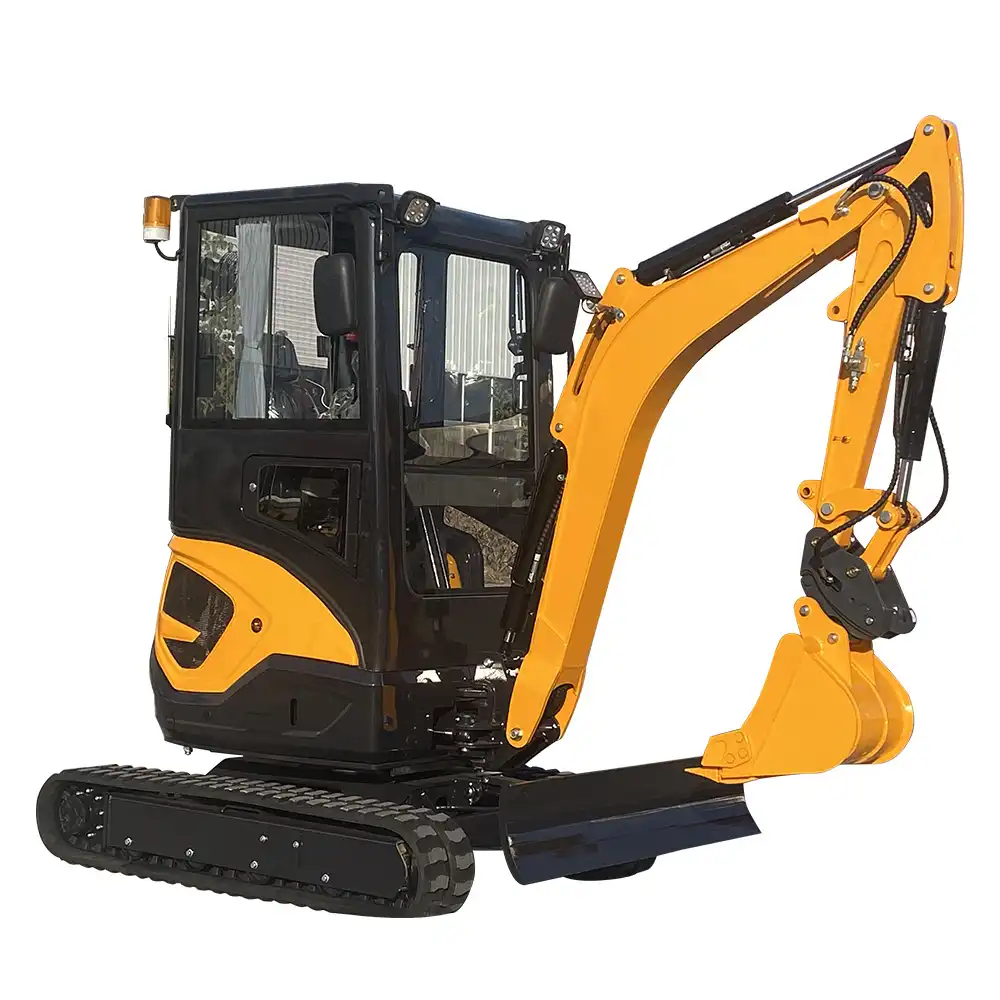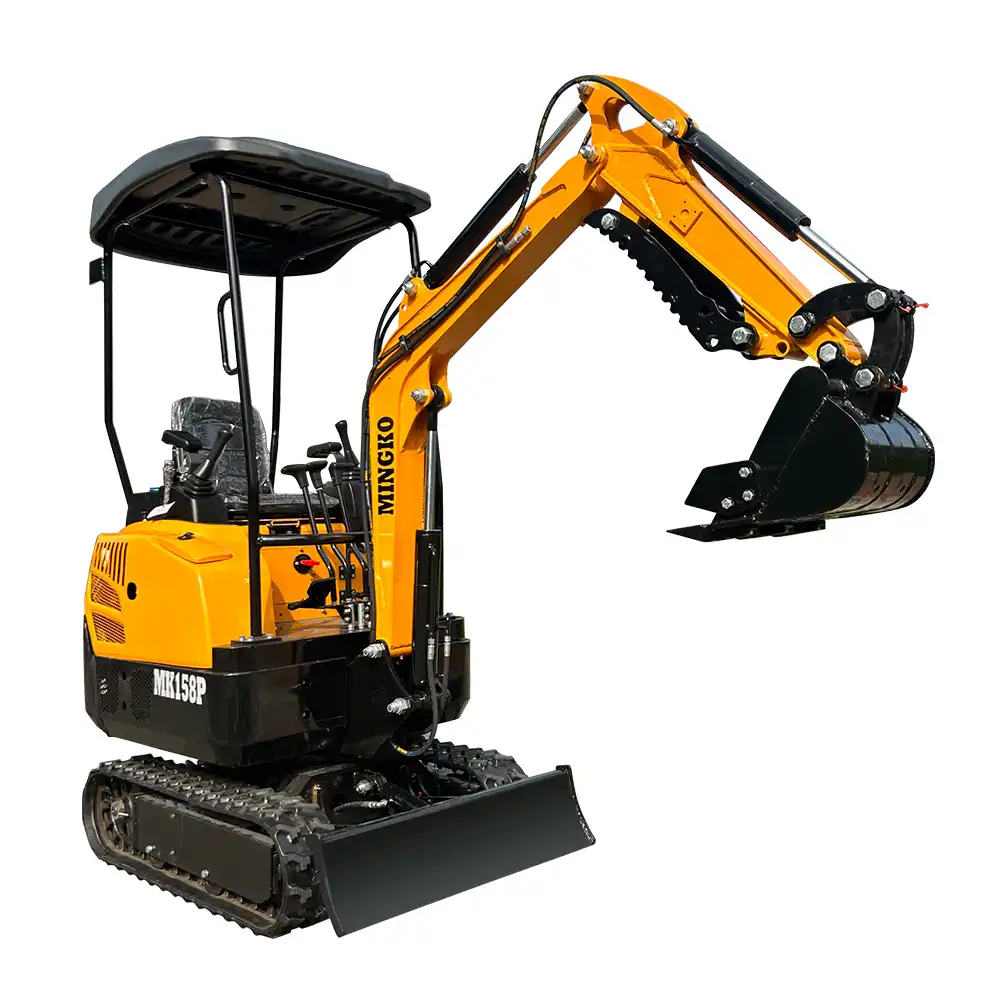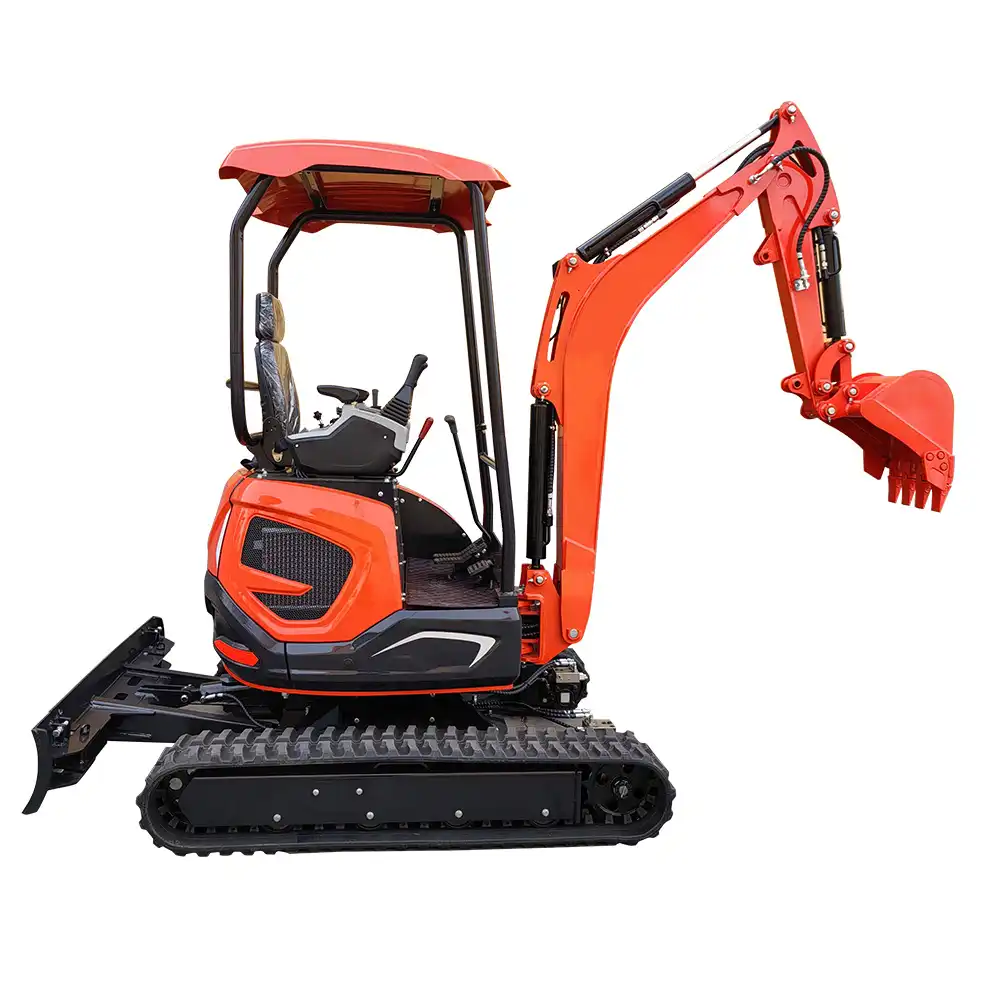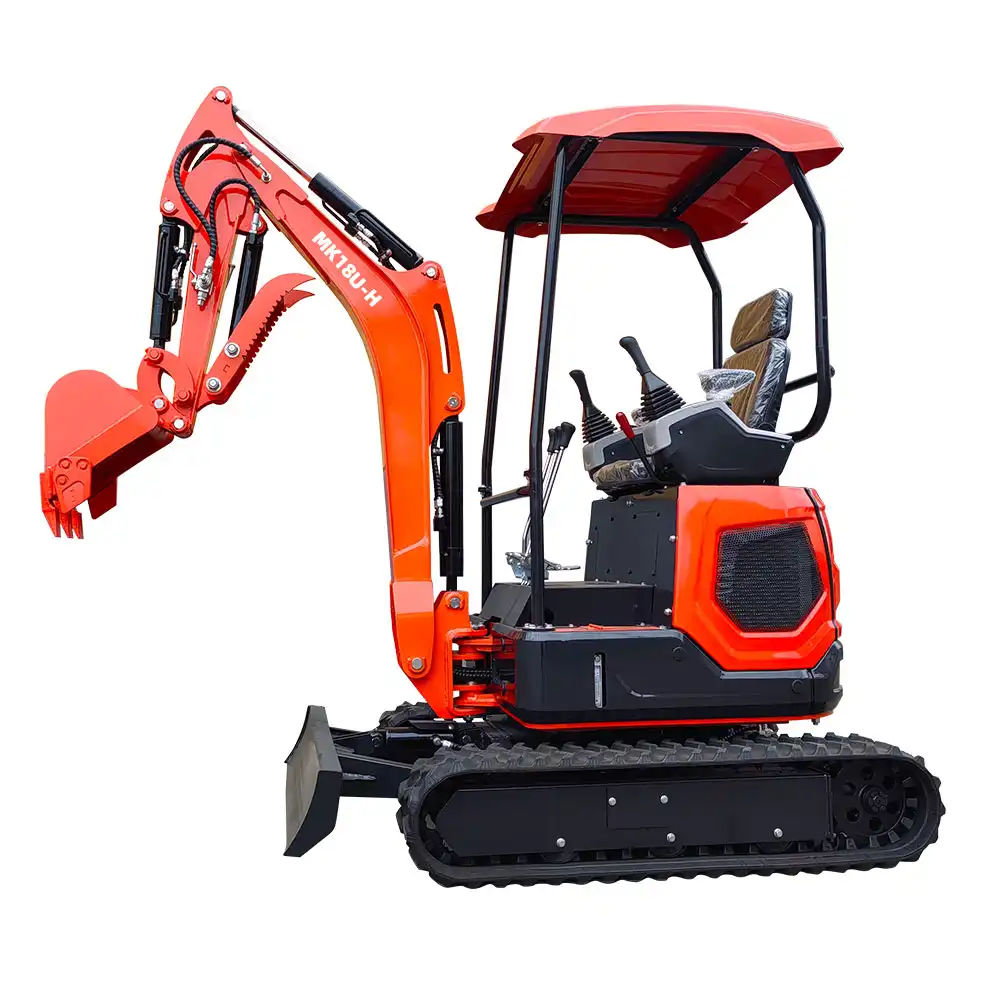
Why Choose a Mini Small Excavator Over a Standard Excavator?
If you choose a Mini Small Excavator over a regular digger, you'll get instant benefits like easier maneuverability, lower operating costs, and unmatched adaptability on a wide range of job sites. Mini small excavators, which weigh between 1 and 6 tons, work well in small areas that regular excavators can't reach, like backyards, narrow city streets, and repair projects inside. The smaller size and lighter weight of these tools make them easier to move, use less fuel, and cost less to buy up front. This equipment is useful for businesses that do gardening, install utilities, and do small-scale building because it can dig precisely, dig trenches, and move materials without affecting safety or productivity.
Understanding Mini Small Excavators vs Standard Excavators
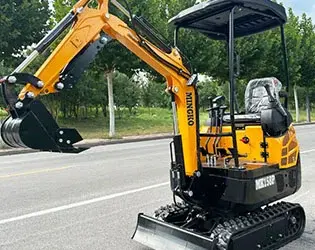
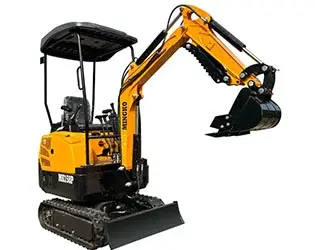
Mini small excavators are a special kind of earth-moving equipment that is designed to work as efficiently as possible in small spaces. Unlike their bigger versions, these machines usually have working weights between 1 and 6 tons, tail swings that are lessened or eliminated, and bucket capacities that are better for fine work than for digging many holes quickly. Standard excavators, which often weigh more than 20 tons, are great for moving big amounts of dirt on large construction sites, but they are difficult to get to and don't work as well on smaller tasks.
Design and Engineering Differences
The engineers who made Mini Small Excavators put a lot of emphasis on being quick and aware of your surroundings. The manufacturers build in retractable undercarriages that let the machine fit through normal doorways and yard gates. When the machine is in use, these undercarriages grow to make it more stable. The design of the reduced tail swing keeps the back of the machine from going beyond the track width while it's turning. This keeps it from colliding with other things in small spaces. Standard excavators don't have these features, so they need large clearing areas that make it difficult to use them in household and commercial areas.
Power and Performance Specifications
Modern Mini Small Excavators have diesel engines with 10 to 50 horsepower. These engines provide enough force for digging up to 10 feet deep and can lift enough for light business and household use. Even though the engine is smaller, the advanced hydraulic systems make it easy to handle and operate. Standard excavators have engines with more than 100 horsepower, which are made to work continuously at high speeds that are too much for most small to medium-sized projects' needs and funds.
Application Scope and Operational Context
Utility trenching, foundation repair, and infrastructure upgrades commonly occur in urban areas with overhead barriers, existing structures, and limited entry routes. These problems are dealt with by Mini Small Excavators while keeping a level of output high enough to finish projects on time. Professional landscapers use these tools to do things like planting trees, digging ponds, and reshaping ground where they have to protect the turf and cause as little damage as possible to the site. Mini small excavators are used in agriculture to do work like installing drainage systems, installing irrigation systems, and maintaining barns. This is done in places where full-sized equipment would damage crops or pack the earth too tightly.
Core Advantages of Mini Small Excavators Over Standard Models
When procurement professionals look at methods for buying tools, they need to look at more than just the original purchase price. They also need to look at several performance and financial measures. When it comes to working efficiency, cost management, environmental impact, and safety compliance, Mini Small Excavators offer measurable benefits that have a direct effect on project profitability and competitive standing.
Enhanced Maneuverability and Site Accessibility
Because these machines don't take up much space, they can be used for projects that would normally need human work or renting special equipment. Residential builders often move Mini Small Excavators with regular trailers pulled by pickup trucks. This means that standard excavators don't need business hauling permits or special vehicles for transport. This type of transportation makes it possible to move smaller equipment to more job sites on the same day, saving 60–70% on moving costs compared to bigger equipment.
Reduced Fuel Consumption and Environmental Footprint
Construction equipment control tools show that when standard excavators and Mini Small Excavators do the same work at the same capacity, the Mini Small Excavators use 40 to 55 percent less fuel per hour. These improvements in efficiency directly lead to lower carbon pollution, which is in line with business sustainability efforts and stricter environmental laws in cities. Scope 1 pollution tracking groups find that Mini Small Excavators help a lot with meeting reduction goals without affecting their ability to do their jobs.
Lower Total Cost of Ownership
A study of the costs shows that Mini Small Excavators give a better return on investment in a number of ways. Standard excavators cost between $150,000 and $400,000 to buy for the first time. These machines cost between $25,000 and $80,000, based on the specs. Due to easier mechanical systems, less wear on smaller parts, and longer service times, maintenance costs stay about the same. The lower replacement value and lower likelihood of a serious accident mean that insurance rates are lower, which saves an extra 15-20% a year.
Operational Flexibility and Attachment Versatility
Mingko Mini Small Excavators can quickly attach different attachments, such as hydraulic tools, augers, grapples, and specialty buckets that can be used for more than just digging. Multiple specialized tools can be replaced by a single machine with three to five parts. This saves money on inventory costs and storage space. With hydraulic quick-coupler systems, workers can switch devices in less than two minutes without having to leave the cab. This lets them get more work done and respond quickly to changing project needs.
These benefits work together to solve important problems that builders, landscapers, and utility companies have in markets where equipment economy directly affects how competitive bids are and how profitable projects are. When businesses carefully use mini small excavators, they gain working freedom that lets them take on a wide range of projects while still making good profits.
Decision-Making Factors: Choosing Between Mini, Small, and Standard Excavators
Before making a procurement choice, it's important to carefully consider the needs of the project, the limitations of the operations, and the long-term strategy goals. Instead of relying on common ideas about equipment sizes, a successful equipment purchase matches the capabilities of a mini small excavator with the needs of the job site.
Project Scope and Site Conditions Assessment
Minimum performance standards for a project include the digging depth, reach, lifting ability, and bucket volume. For about 85% of household and light business jobs, Mini Small Excavators are the right choice. They can dig up to 10 feet deep and reach up to 15 feet away. No matter how big the job is, sites with overhead power lines, mature greenery, or nearby buildings physically limit the size of the tools that can be used. By doing thorough site surveys before choosing equipment, you can avoid costly delays in movement and find out what entry issues mean you need small equipment.
Operating Weight and Ground Pressure Considerations
Ground pressure and the spread of weight have a big impact on site safety and operating safety. Ground pressure from Mini Small Excavators is about 3 to 5 PSI, which is about the same as walking on the ground. This means that they can be used on finished fields, decorative pavers, and other sensitive surfaces without damaging them. Standard tractors create ground pressures higher than 8 PSI, which means temporary road mats or site preparation is needed. This adds to the cost of the project and slows the completion date. Ground pressure specifications often determine the choice of tools for businesses that work on both private and commercial properties, regardless of other performance factors.
Fuel Type and Power Source Options
Diesel engines are still the most common way for Mini Small Excavators to get power because they are reliable, easy to find parts for, and easy for operators to understand. New types with electric motors have hit the market to meet the needs of indoor use, noise-sensitive areas, and places with strict emission rules. At the moment, the battery can only run for 4 to 6 hours on a single charge, which is fine for small jobs but requires infrastructure investment to allow charging. Companies should look at their project files to see if the extra cost and limited functionality of specialized electric tools are worth it.
Purchase vs Rental Economic Analysis
Ownership costs depend on how often the property is used each year and how consistent the project is. When equipment is used more than 60% of the time it's available for work, it usually pays for itself in rental costs and remaining value. When usage rates are low, people prefer rental agreements that get rid of upkeep duties, insurance costs, and the risk of depreciation. Smart companies keep a core fleet of their mini small excavators and rent them out during times of high demand. This way, they can get the most out of their capital while still keeping service capacity.
Leading Mini Small Excavator Brands and Market Solutions
When it comes to equipment durability, parts availability, service network ease, and resale value retention, the brand choice for the mini small excavator has a big effect on long-term happiness. Well-known companies keep putting money into improving engineering, making machines more comfortable for workers, and combining new technologies in ways that make them more productive.
Global Brand Comparison and Market Positioning
Big companies like Kubota, Bobcat, Caterpillar, John Deere, and Hitachi control the market for mini small excavators by having many dealers and a history of making good machines. Kubota focuses on engine efficiency and hydraulic accuracy, which makes the company appealing to workers who care about saving money on fuel. Caterpillar focuses on reliability and long-lasting parts, which attracts buyers who work in tough circumstances. These names have higher prices, but their warranties cover a lot of things, and parts are almost always available, which lowers the risk of downtime.
Emerging Manufacturers and Value Propositions
Shandong Mingko Industry Corporation has built up its manufacturing skills over 15 years of focused research, development, and output optimization on mini small excavators. In Jining Economic Development Zone, Mingko has a modern 50,000-square-meter factory where they make machines ranging from 1 to 6 tons that work as well as well-known brands at prices that are fair. Certifications like ISO 9001, CE compliance, and EPA approval show that the company is dedicated to meeting foreign quality standards that meet the needs of buyers in all markets.
Mingko machines have great digging power, a large swing range, and strong pulling abilities that let them handle difficult tasks like digging foundations, laying utilities, and changing the look of gardening. Attachments like hydraulic hammers and augers that are standard in the business can be used with this machine, so you don't have to stick to one brand. The company allows customization with a minimum order quantity of one unit, so it can work with both big building companies that want to standardize their fleet specs and individual contractors who need to make their own configurations.
Service Network and Parts Availability Evaluation
The framework for after-sales support decides how often equipment is actually used and how happy the owner is with it over time. Before deciding on a brand, businesses should make sure that parts are available locally, that service response times are average, and that technicians have the right amount of training. Mingko offers a full 12-month warranty and free expert help for life, so buyers know they'll have support for as long as their equipment lasts. The company's combined transportation service center handles international shipping and customs clearance. This makes it easier for foreign buyers to buy things in the US market.
Future Trends and Sustainability in Mini Small Excavator Usage
As industries become more environmentally friendly and technologically advanced, they change the specs of equipment and how it is used. Companies that are ahead of the curve buy equipment that fits in with new trends so that mini small excavators last as long as possible and stay in line with regulations.
Electrification and Alternative Power Sources
Electric mini small excavators are the fastest-growing type of earthmoving equipment. This is because of laws in California, New York, and other progressive states that require zero emissions from vehicles. As battery technology has improved, it can now run for 6 to 8 hours, which is long enough for most household jobs to take all day. The total cost of ownership for electric models is the same as for diesel models after 5 years, when reward programs, less upkeep, and no fuel costs are taken into account. Companies that work with environmentally conscious customers can stand out from the competition by using electric tools early on, which shows that the company cares about the environment.
Telematics and Remote Monitoring Integration
Premium mini small excavators now come with advanced telematics systems that allow real-time tracking of their position, confirmation of their working hours, maintenance alarms, and performance data that can be accessed through cloud-based dashboards. Fleet managers use this information to find the best ways to use tools, plan preventative repairs, and find ways to train operators that will make the system work better. Geofencing and remote engine stop are two security features that protect your equipment investments and lower your insurance rates by preventing loss.
Automation and Operator Assistance Technologies
Automatic grade control, swing assist, and optimizing the bucket angle are some of the semi-autonomous features that make the machine more consistent and productive while lowering the operator's skill level. These technologies make it possible for people with less experience to do jobs that used to require years of training. This helps the building industry deal with a lack of skilled workers. When site design files are linked to machine controls, mini small excavators can automatically keep grades and slopes at the right levels. This cuts down on extra work and improves the quality of precision grading projects.
Conclusion
When you choose mini small excavator equipment over standard excavators, you get strategic benefits like easier access to the site, lower running costs, and better project economics for residential, business, and light industry uses. About 85% of mining jobs can be done with machines that weigh between 1 and 6 tons. These machines use 40–55% less fuel and require 60–70% less initial investment. Companies that value flexibility in their tools benefit from being able to quickly change attachments and work with a variety of implements that allow them to do more than just dig. Instead of buying machines that are too big, which costs more and doesn't get the job done, procurement pros should do in-depth utilization analyses and site stake assessments to make sure that equipment specifications match real operating needs.
FAQ
What size projects are appropriate for compact excavators?
Mini small excavators can work well on jobs that need to dig up to 10 feet deep, reach up to 15 feet, and move less than 200 cubic yards of material. Some common uses are laying foundations for homes, installing utility lines, remodeling landscaping, digging pools, and getting small business sites ready. Standard excavators work best for projects that go beyond these limits or need to move a lot of dirt all the time.
How do maintenance costs compare between compact and standard excavators?
Because their engines are smaller, their hydraulic systems are simpler, and their parts wear out less quickly, mini small excavators have 35–45% lower yearly upkeep costs. Because the mechanical systems are simpler, general equipment techs can do regular maintenance instead of heavy equipment mechanics who are trained to do that kind of work. This saves money on labor costs. The cost of parts stays lower compared to bigger machines with identical job cycles, and the machines are down less often because they are serviced more often.
Can compact excavators operate on finished surfaces without damage?
When properly set up, mini small excavators with rubber wheels put 3 to 5 PSI of ground pressure on the ground, which is about the same as walking on the ground. This makes them safe to use on established fields, interlocking pavers, and ornamental surfaces. Steel tracks need protected mats on rough surfaces, but they can still be used on natural surfaces and in work areas. Operators should check the conditions of the ground and choose the right track layouts based on the project contracts' surface safety standards.
Partner With a Trusted Mini Small Excavator Manufacturer
Companies that need reliable solutions for mini small excavator needs should look at makers that have shown they have proven engineering skills, international quality certifications, and a full customer support system. Mingko has machines ranging from 1 to 6 tons that have strong hydraulics, a wide range of attachments that can be used with them, and designs that are easy for operators to use. These features make the machines more productive in a wide range of difficult situations. Our factory is ISO 9001 approved and makes 15,000 units a year. This ensures uniform quality and on-time delivery to meet project deadlines.
Our customization services are flexible enough to support minimum order amounts of one unit, which is great for procurement teams because they can meet unique needs without having to compromise on important specs. EPA and CE certificates prove that a business is following the rules in the United States. This makes importing easier and makes sure that the equipment meets environmental standards. Contact our professional sales team at sales@mingkomach.com to talk about your specific project needs and get detailed specifications that show how Mingko Mini Small Excavators deliver measurable value as the leading supplier of mini and small excavators to the North American construction market.
References
1. Construction Equipment Magazine, "Compact Excavator Performance Analysis in Urban Construction Applications," Industry Equipment Review, 2023.
2. National Association of Equipment Distributors, "Total Cost of Ownership Study: Compact vs Standard Excavators in Commercial Construction," Equipment Economics Report, 2022.
3. International Organization for Standardization, "ISO 9001 Quality Management Systems Requirements for Construction Equipment Manufacturing," Quality Standards Publication, 2021.
4. American Society of Civil Engineers, "Ground Pressure Analysis and Site Protection Practices for Compact Construction Equipment," Technical Engineering Guide, 2023.
5. Environmental Protection Agency, "Emission Standards and Compliance Requirements for Off-Road Diesel Equipment," Federal Regulatory Documentation, 2022.
6. Equipment World Magazine, "Compact Excavator Technology Trends and Market Analysis," Annual Industry Report, 2023.