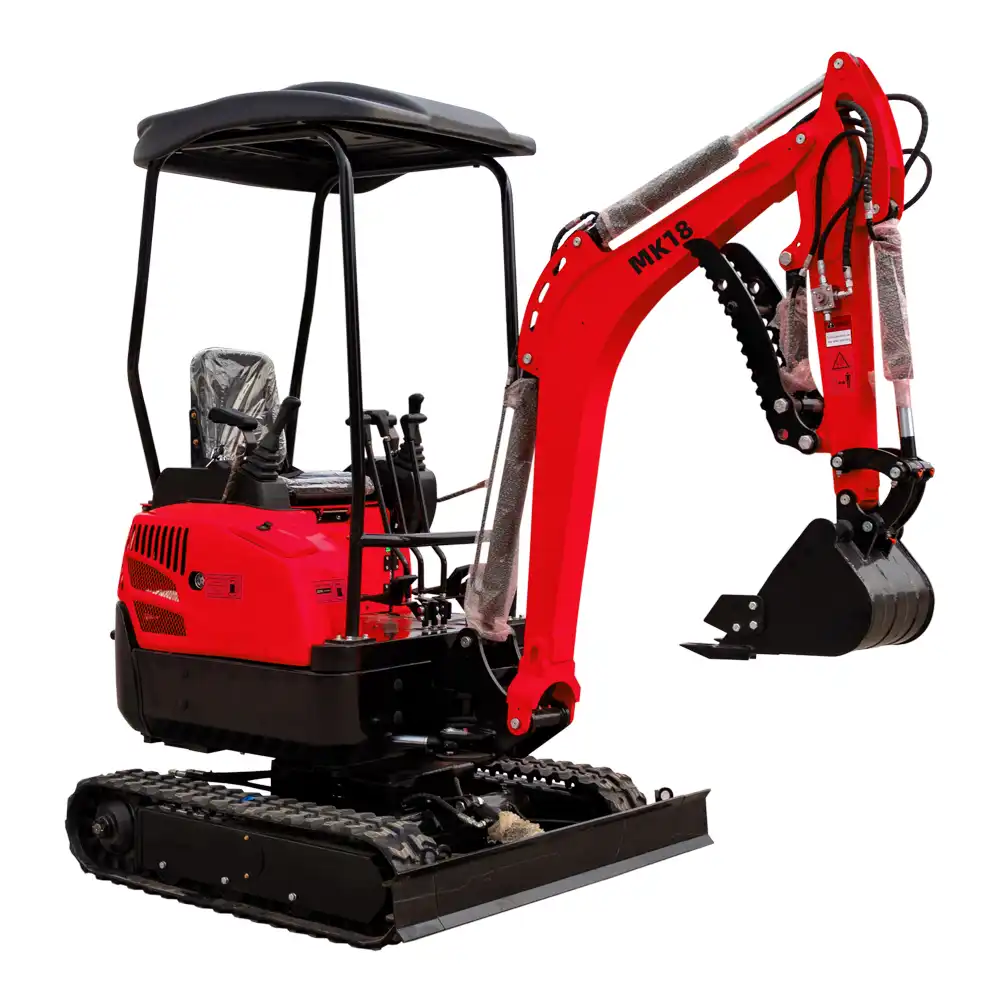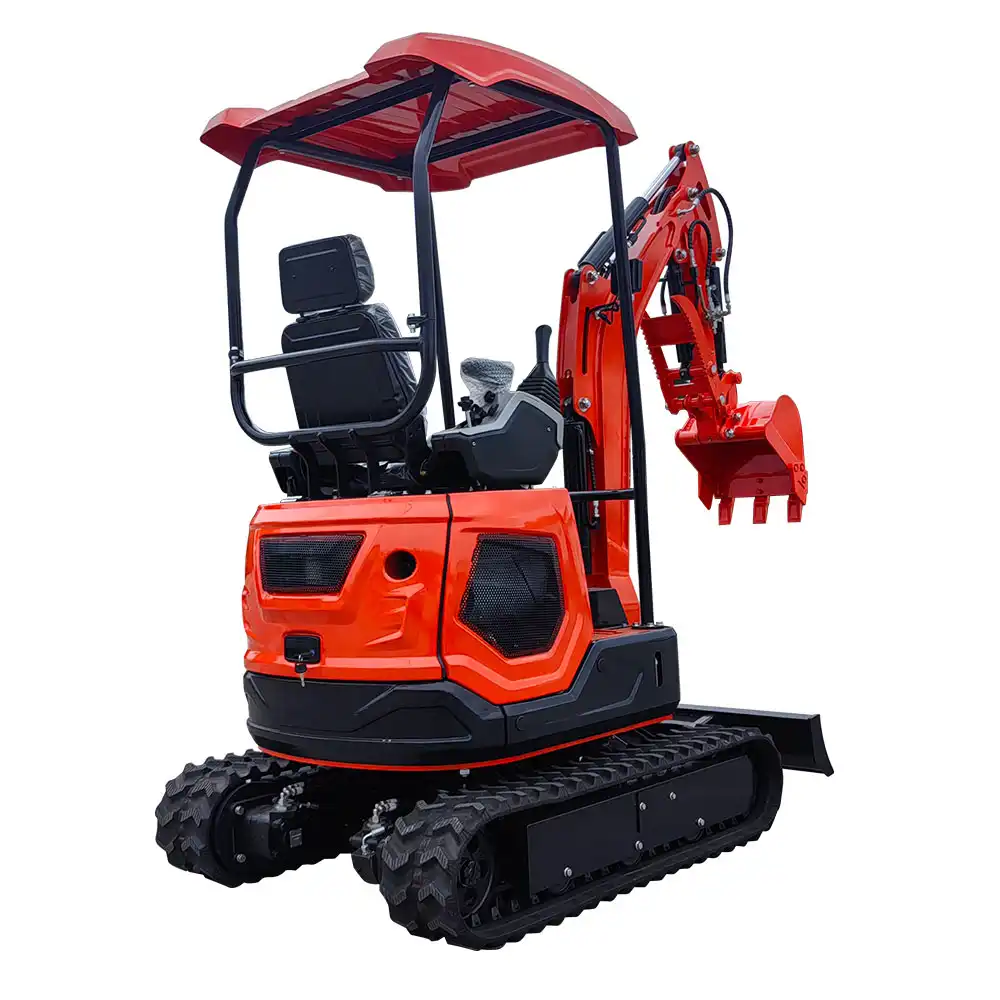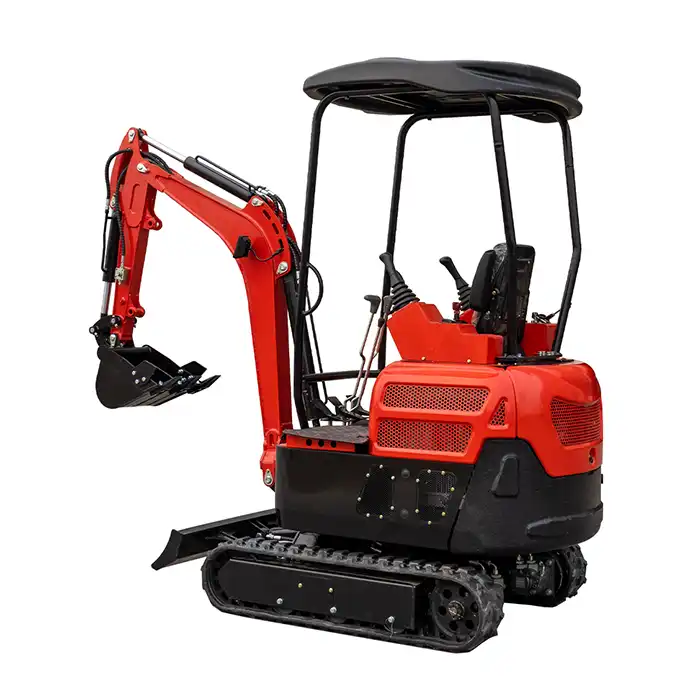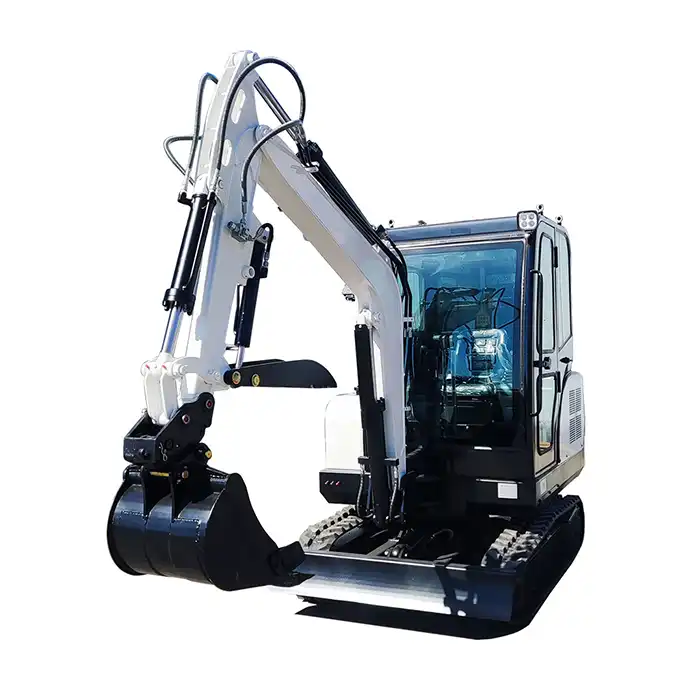
Can You Customize the 180 Articulated Wheel Loader for Specialized Tasks?
Customization is not only possible; it's highly recommended when your operational needs go beyond what's available in normal setups. For use in building, farming, mining, and cities, the 180 Articulated Wheel Loader can be changed to fit the needs of each business. This small but powerful machine can be easily changed to fit different working conditions by adding various attachments, improving the hydraulics, or adding different engine choices or control system improvements. At Mingko, we allow customization with as little as one unit ordered, so businesses of all kinds can get equipment that is perfectly suited to their operational difficulties and productivity goals.
Understanding the Core Specifications of the MK180 Articulated Wheel Loader
To make smart choices about how to customize a piece of equipment, you first need to know how it works technically. The MK180 model combines power, maneuverability, and efficiency, making it suitable for a wide range of industrial jobs.
Technical Parameters That Define Performance
The MK180 has many important features that engineers and buying managers should carefully look over. The 2,100 kg machine weight of this 180 articulated wheel loader keeps it stable while still being light enough to move and use in tight areas. EPA and Euro 5 compliant power plants from known brands like Yanmar, Kubota, and Perkins are available as engine choices. They can reliably put out 17.8 kW of power. The loader can load a maximum of 800 kg, and the 0.3-cubic-meter bucket can hold anything from rocks to animal feed. The 2,445 mm dump height makes it easy for workers to load trucks and hoppers, and the telescopic arm choice gives them a lot more options for how they can work. Knowing these basic requirements helps people making decisions figure out which factors they might need to improve. A building company working on urban redevelopment might put a high priority on growing the bucket's capacity, while an agricultural business might benefit from attachments that are specifically made for handling certain types of crop materials. The modular design philosophy behind the MK180 lets specific changes be made without affecting the machine's structural stability or the guaranteed support that comes with all Mingko machines.
Why Do Baseline Specifications Matter for Customization?
Engineers must figure out how customization affects the original design factors before they make any changes. It's important to carefully calibrate the flexible steering system, hydraulic flow rates, and engine torque curves because they all work together. Mingko's tech team checks to see if upgraded parts work well with current systems by doing compatibility tests. This method avoids common problems like premature wear, less fuel economy, and narrowed safety gaps. Our quality management system, which is approved to ISO 9001 standards, makes sure that each custom unit goes through strict testing procedures before it is sent to your plant.
Exploring Customization Opportunities for Specialized Tasks
Standard equipment configurations can't always solve the practical problems that arise in different businesses. The 180 Articulated Wheel Loader can be customized to become a precise tool that fits your unique work needs.
Attachment Modifications for Industry-Specific Applications
When you add task-specific additions to Small Wheel Loaders, they become much more useful. Pallet tools are often asked for by construction companies to help move materials around on job sites where flexibility is more important than pure digging power. Grip buckets are useful for farming because they can handle baled hay or silage without spilling. In northern areas, snow removal companies ask for better hydraulic systems paired with angled blades and salt spreaders. This way, you can use one piece of equipment all year and still make money. Customization of attachments is possible at Mingko thanks to our in-house engineering department, which works with top hydraulic component makers to keep relationships going. We can add quick-coupler systems that let workers change between devices in minutes instead of hours. This maximizes the equipment's use during the workday. We worked with a gardening company in the Midwest that said their daily output went up by 40% after they added a quick-coupler system with three specialized devices to their MK180 unit.
Hydraulic System Enhancements
One of the most important ways to customize a wheel loader is to change the hydraulics. Increasing hydraulic flow rates speeds up cycle times, which is especially helpful in high-volume settings where the extra seconds saved per cycle add up to big gains in productivity over the course of a shift. Vehicles with variable flow systems change the hydraulic power based on the load. This saves fuel for light-duty work while keeping full power for tough jobs.
Mining companies that work in confined underground spaces often ask for custom hydraulic configurations that put precise control ahead of raw speed. Proportional control valves help with these tasks because they let workers fine-tune how the bucket moves, which is important when working close to people or equipment.
Engine and Fuel System Customization
Standard 17.8 kW engine choices deliver dependable performance for most tasks, but different powertrain setups better serve some work patterns. Longer job cycles in remote areas might make it worth it to add extra fuel tanks that increase the distance that can be traveled before refueling. In the north, operations that need to be done in cold weather are helped by engine block heaters and cold-start systems that make sure the engines start reliably even when the temperature is well below freezing.
Different markets have completely unique environmental rules, and customizing the engine helps make sure that they are followed without affecting speed. Our EPA- and Euro-5-compliant engine choices meet strict pollution standards while still being fuel-efficient, which is critical since diesel prices keep going up and down. A logistics company with locations in three states cut its yearly fuel costs by 12% by making sure that all of its customized trucks had optimized fuel injection systems.
Comparing Customized Options with Standard Configurations
It's important to do a lot of financial and practical research before deciding whether to buy standard tools or invest in custom configurations. Depending on your business plan and operational needs, each method has its own benefits.
Operational Flexibility and Cost Considerations
Standard setups have the benefit of being available right away and having prices that are easy to predict. Standard models are usually fine for businesses that only need to move simple things and know how much work they will have. The MK180 can handle general building tasks, basic farm work, and light landscaping jobs without any changes when you ship it from the factory.
It costs more to set up customized setups at first, but they work better in certain situations. Depending on how complicated the change is, the extra cost up front is usually between 15% and 35% more than the normal price. This extra cost is worth it because it leads to higher productivity, less downtime, and longer machine life when changes are made exactly to meet operating needs. A city contractor we worked with said that their customized snow removal setup brought in an extra $28,000 in the first winter, more than paying the cost of customization in seven months.
Benchmarking Against Alternative Equipment Types
When choosing tools for specific jobs, procurement managers often look at 180 articulated wheel loaders along with Skid Steer Loaders, compact track loaders, and telehandlers. The flexible design makes it easier to move around than rigid-frame trucks, which is especially helpful in crowded cities or on construction sites. The steering system prevents the tires from getting scratched, which extends their life and lowers the cost of upkeep over the equipment's useful life.
Attachment systems on skid steer loaders give them about the same level of flexibility, but they tend to put more pressure on the ground, which makes them less useful on soft areas. The articulated form of the MK180 spreads the weight more widely, improving it for work on finished landscapes or paved areas where damage to the surface would cost a lot to fix. Some track loaders have lower ground pressure than wheeled ones, but they can't move as quickly or easily between job sites as wheeled ones can.
Procurement Considerations When Acquiring Customized Equipment
When buying personalized machinery, you need to do more research than when buying standard equipment. There are many things besides the original buying price that have a big effect on the total cost of ownership and the success of the business.
Pricing Structure and Financial Planning
The customization price takes into account the extra engineering time, special parts, and engineering tools needed to make sure the equipment you want is made exactly how you want it. We at Mingko give clear, itemized quotes that break down the costs for each type of change. This lets procurement managers make smart value estimates. Because we know that different businesses have different budgets, we help our customers figure out which changes will have the biggest effect on their operations while staying within their budgets.
When ordering customized tools, you should give careful thought to the payment terms and financing choices. A lot of business-to-business deals in the building equipment industry tie payment plans to manufacturing goals and quality inspection points. We can accept several different payment methods, such as letters of credit, wire transfers, and equipment finance deals that spread the cost of buying equipment out over the time it is used.
Supplier Evaluation and Partnership Criteria
The buyer and seller of tools have a connection that goes far beyond the initial sale. Customized machinery needs ongoing expert assistance, access to genuine new parts, and quick service when problems emerge. After the sale, Mingko has a full service center staffed by skilled techs who know how to set up customized equipment in the best way possible. Our 12-month guarantee and lifetime technical support give procurement managers the peace of mind they need when they ask for changes that go beyond standard settings.
When researching a supplier's skills, you should look at their manufacturing ability, quality certifications, and history of working with foreign customers. Our production plant in the Jining Economic Development Zone exceeds 50,000 square meters and makes up to 15,000 units a year across a number of different product lines. This indicates that we can meet the needs of global B2B buyers for scale and regularity. Our ISO 9001 approval and National High-Tech Enterprise standing demonstrate our dedication to quality management and constant technological progress.
Lead Times and Logistics Planning
It makes sense that custom equipment takes longer to make than regular setups that someone pulls from stock. Lead times for modest customization jobs usually fall between six and ten weeks, but the duration depends on how easy it is to get the parts and how complicated the changes are. Customizations requiring unique engineering or uncommon foreign parts can extend lead times to twelve weeks or longer. Getting in touch with our sales team early on at sales@mingkomach.com lets us make accurate timing predictions and production schedules that work with your project's goals.
Logistics for international shipping make getting tools even more difficult. We work with seasoned freight forwarders who take care of paperwork, clearing customs, and delivering the goods to your building. Shipping containers to major ports in North America usually takes three to four weeks. Depending on the final location, rural transportation can add a few more days. Customers receive tracking information and regular progress updates during the shipping process. This process makes things clear and makes it possible to arrange the arrival of equipment with project plans.
Maintenance and Operation Best Practices for Customized Loaders
Customized equipment only works at its best when its users know how to use it and when repair workers follow the manufacturer's instructions for servicing it.
Operator Training for Modified Configurations
Standard training programs for operators might not thoroughly prepare people for using machines with customized controls, better hydraulic systems, or unique additions. Mingko provides you with detailed operating guides that are tailored specifically for your unit. These manuals list the control functions, working limits, and safety concerns that are unique to your unit. Before putting customized equipment into full production use, we suggest holding hands-on training classes so that workers can get used to the new features in a safe environment.
When equipment works with more than one accessory choice throughout the job, attachment-specific training is even more important. Operators of quick-coupler systems need to know the right way to engage the system, the right way to connect the hydraulics, and how the load capacity changes for each link. When people don't receive enough training, they are more likely to damage tools, lose attachments, or have accidents at work, which can put people in danger and slow down operations.
Preventive Maintenance Protocols
When compared to standard equipment, customized hydraulic systems, upgraded engines, or unique attachments often need different repair plans. Higher hydraulic flow rates may mean that filters need to be changed more often to keep the system clean and stop parts from wearing out too quickly. Engines that have been upgraded could require different types of oil or service times that are best for how they work.
The technical documentation we send you includes thorough maintenance plans tailored to your setup. Following these steps saves your guarantee and makes sure that your equipment lasts as long as possible. Our large parts collection includes both standard parts and custom-made items. This way, we can ensure replacement parts reach you quickly for scheduled maintenance or unexpected repairs.
Safety Compliance and Risk Management
Changes to equipment should never put user safety or following safety rules at work at risk. All of Mingko's customization projects go through safety review processes that check the changes against relevant safety standards, such as OSHA rules for the US market. When the bucket size or connection weight makes the front end load heavier, we look at load capacity estimates more closely. Stability testing is conducted to ensure that customized setups maintain safe tipping angles at maximum load in all possible operating situations.
Conclusion
When you customize the 180 Articulated Wheel Loader, it goes from being a useful all-around machine to a perfectly calibrated tools that fit your needs. Whether you need specialized attachments for tough material handling situations, hydraulic improvements to boost productivity, or changes to the environment for harsh working conditions, targeted customization gives you measurable returns through higher efficiency and lower operational expenses. The money spent on customized equipment pays off over the course of its useful life as long as the changes are made to meet real operating needs and are backed up by proper upkeep. Working with an experienced maker that offers full technical support, quality certifications, and quick customer service after the sale will make sure that your custom loader works well for many years.
FAQ
What industries benefit most from customized articulated wheel loaders?
Companies that work in confined urban areas for construction; farms that deal with unique crops or materials; city contractors who do work all year, like clearing snow; and mines that work in small underground spaces can all benefit greatly from customized configurations. When you make task-specific changes to the flexible design, it makes equipment that works better than normal options in these tough situations.
How does customization impact warranty coverage?
When the manufacturer allows changes made by Mingko engineering teams, our regular 12-month complete warranty still covers them in full. To keep the guarantee protection, you must record and make changes according to engineering standards. If you introduce changes to a system after the fact that weren't accepted by our technical department or in the field, the guarantee may not cover it anymore.
What is the typical lead time for a customized unit?
Standard customization projects with common changes like connection packages, extra hydraulics, or different bucket setups usually take six to ten weeks from the time the order is confirmed until it is shipped. Customizations that are very complicated and require specialized engineering, unique parts, or many tests may make the wait time twelve weeks or longer. Talking to our sales team early on lets you make accurate timing predictions that fit with your project plans.
Partner with Mingko for Your Customized 180 Articulated Wheel Loader
Shandong Mingko Industry Corporation is ready to help you turn your practical problems into competitive advantages by customizing specially made equipment. As a top 180 articulated wheel loader maker with more than 15 years of experience around the world, we offer factory-direct options that cut out the middleman while keeping our quality standards high. Our dedication to technological innovation and quality production is shown by the fact that our building is ISO 9001 approved and has been named a National High-Tech Enterprise. Our engineering team works with you to suggest changes that increase productivity and return on investment (ROI), whether you need a single customized unit or production on a large scale for a fleet. Get in touch with our expert sales team right away at sales@mingkomach.com to discuss your unique needs and get a thorough plan for customization that fits your operational goals.
References
1. Construction Equipment Magazine, "Articulated Loader Technology and Applications in Modern Construction," Industrial Equipment Publishing, 2023.
2. International Journal of Mining and Mineral Engineering, "Compact Equipment Solutions for Underground Mining Operations," Volume 14, Issue 3, 2022.
3. Agricultural Engineering Society, "Material Handling Equipment for Modern Farming Operations," Annual Conference Proceedings, 2023.
4. Equipment World, "Total Cost of Ownership Analysis for Compact Loaders," Heavy Equipment Research Institute, 2022.
5. Society of Automotive Engineers, "Hydraulic System Optimization in Construction Equipment," Technical Paper Series, 2023.
6. American Society of Safety Professionals, "Safety Standards for Modified Construction Equipment," Workplace Safety Guidelines, 2023.