Why Is a Mini Small Excavator Perfect for Tight Construction Sites?
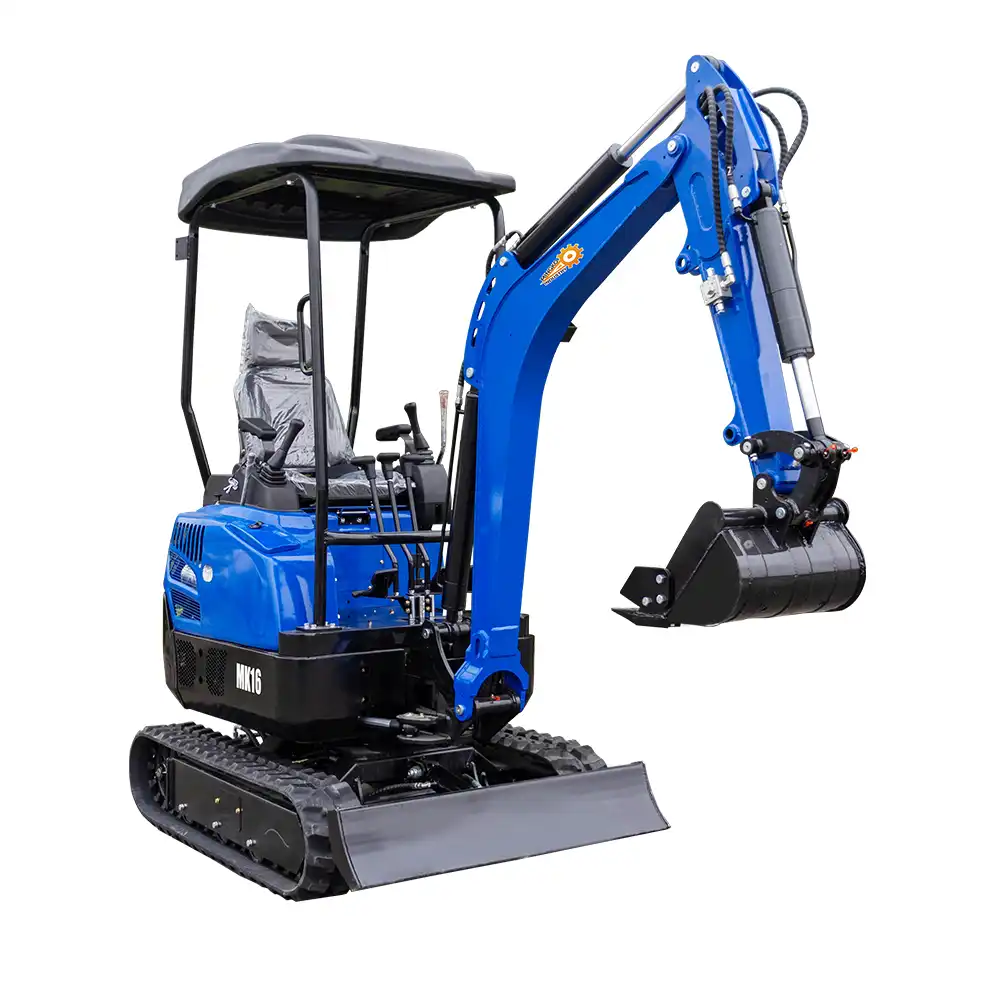
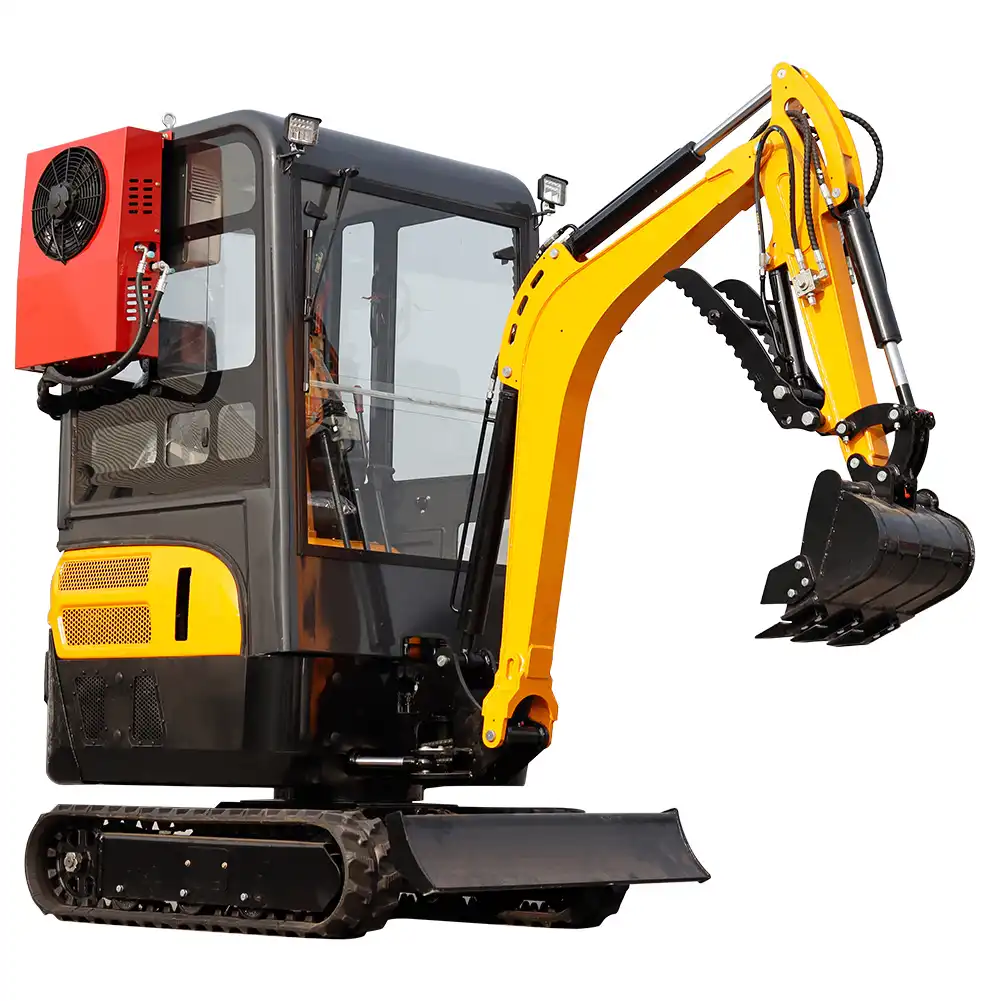
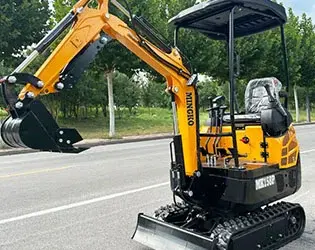
A Mini Small Excavator is great for construction sites with limited space because it is light and easy to move around. It doesn't lose any digging power or efficiency while being used. Its small size makes it easy to move through yards, streets, and busy city areas that full-sized excavators can't reach. Because it has less ground pressure, the machine doesn't hurt surfaces, and it can do many jobs because it can be attached to different things, like augers, hammers, and buckets. This tool makes important tasks easier for people working on projects with limited space because it uses less fuel and damages the site less. It is a cheap option that makes people more productive and cuts down on project timelines.
Understanding Mini Small Excavators: Features and Functional Advantages
Core Components and Design Philosophy
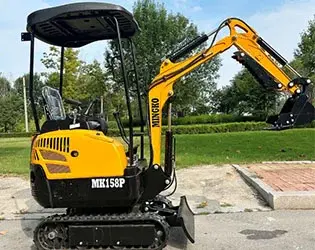
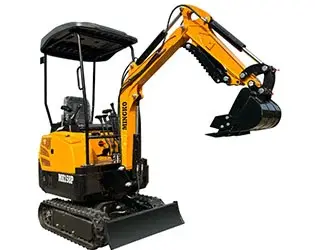
Mini small excavators that weigh between 1 and 6 tons have strong diesel engines and up-to-date hydraulic systems that make them easy to use in small areas. The engine usually has between 10 and 25 horsepower, which is enough power to dig, trench, and move things. Because the boom can be moved, workers can get closer to buildings and walls, which improves their reach without having to move the machine. People who think this way about design focus on making the best use of room so that hard jobs can be done in places where normal tools would need a lot of work to get to or wouldn't be able to get to at all.
Hydraulic Operating Principles and Attachment Versatility
The hydraulic system drives all the key tasks, like digging, lifting, and swinging. It has a closed-loop system that makes it easy and quick to run. If you work in a small area, proportional control valves are very helpful because they let you make precise moves. You can use these tools for many things if you have the right add-ons. With an auger, it's easier to put up fence posts and drill holes in the floors. A hydraulic hammer can break up rock and concrete, and a grabber can get rid of trash. Between 1 and 6 tons, Mingko has a lot of power, is easy to move, and can cut, lift, and throw a lot. This lets them finish jobs faster and with fewer changes to the tools they use.
Economic and Environmental Benefits
Running costs go down when you use less fuel. Mid-sized tools that do the same work as mini loaders often use 30% to 50% more gas. We usually see ground pressure below 3 PSI. At this level, grass damage isn't too bad, and there's no need for expensive site repair. Because these machines can use existing paths and entry points, roads don't have to be stopped up, and heavy loads don't have to be moved. This means that much less damage is done to the site. The people who work in procurement know that these perks save money on costs like fuel, transportation, and getting the place ready. Because of this, mini small excavators are a good choice for jobs that need to be done quickly and on a tight budget.
Comparing Mini Small Excavators with Compact Excavators and Other Equipment
Size, Digging Depth, and Reach Specifications
It's easier to choose tools when you know the terms. Mini small excavators can dig up to 10 feet deep and weigh less than 6 tons. Small tractors, on the other hand, can dig up to 14 feet deep and weigh between 6 and 10 tons. Mini types are great for places that are hard to get to because they can fit through normal home gates that are up to 39 inches wide. How far you can dig varies by model size, from 10 to 16 feet. Skid Steer Loaders are small, but they cannot dig as deep or as far as Mini Excavators can. They do, however, have more pushing power and a bigger bucket for moving things and leveling the ground. Builders need to think about what the job calls for. It is best to use an excavator for making ditches and doing utility work and a skid steer for leveling the ground and moving things.
Attachment Options and Operating Cost Analysis
How well things work together changes the value as a whole. Mini small excavators have quick-coupler systems that let you connect hydraulic tools. This means you can do more without getting more tools. Skid steers can also be bent in many ways, but they have unique ways of connecting them. Things like fuel, fixes, and pay for workers are costs of doing business. Mini small excavators use about 0.5 to 1.5 gallons of oil every hour, and medium-sized ones use about 2 to 4 gallons. Both types take about the same amount of time to maintain, but small types tend to have lower part costs because their moving parts are simpler. To choose the best tools, procurement staff should look at the total cost of ownership over three to five years, taking into account the type of job and how often it will be used.
Procurement Guide for Mini Small Excavators: Buying, Leasing, and Renting Options
Evaluating New and Used Machinery
When you buy new tools, the manufacturer provides a warranty, includes the newest technology, and guarantees that they will work well. Shandong Mingko Industry Corporation sells small mini excavators that have been cleared by ISO 9001, CE, and EPA. For 12 months, these machines are guaranteed to work and come with free expert help for life. You can be sure they will meet all international standards. At first, used equipment is cheaper, but it needs to be carefully checked out. It's important to look at a machine's repair records, how worn out the base track is, how many hours it has been used, and how much wear and tear is on the boom and bucket. There is less risk when there are third-party checks, when there isn't enough data. Getting certification from well-known groups makes people more confident that the mechanical parts are safe and pure.
Financing Strategies and Vendor Reliability
Leasing lowers the cost of capital up front and gives you more cash flow options. Costs are spread out over 24 to 60 months with a running lease, so they match up with income. With an equipment loan, you can buy things and make payments that are easy to handle every month. When demand changes with the seasons or for short-term projects, renting is a good option. How dependent suppliers are on operations has a direct effect on how they run. The prices of manufacturers who sell straight to customers are low because they don't have to pay markups to middlemen. Customers can get help and items quickly thanks to Mingko's factory-direct method, full after-sales service, and a skilled team that can be reached at sales@mingkomach.com 24 hours a day, 7 days a week. Logistics planning and delivery times should be set early on in the buying process. This is particularly important for international goods that need to go through customs and be coordinated by the transport company.
Operational Guidelines: Maintenance, Safety, and Maximizing Efficiency on Site
Essential Maintenance Protocols
Costly breaks don't happen when you check every day. Operators should check the amount of engine oil, water, hydraulic fluid, and track tension before they start work. The machine runs more easily and lasts longer if you grease the hydraulic valves and pivot points. The air filter, fuel filter, and battery connections are all checked and cleaned once a week as part of regular upkeep. You should change the engine oil and filters every 250 hours. You should also check the hydraulic lines for leaks or wear, and you should look under the truck for parts that are breaking down too quickly. When you compare preventive care plans to reactive maintenance plans, the maker says that they cut fix costs by 40 to 60 percent. Keeping records can help with warranty claims and figuring out how much an item is worth when you want to sell it.
Safety Guidelines and Operator Training
Approval from the operator makes sure that small areas are safe places to use tools. Trainees learn how to keep their tools safe on hills, how much weight they can hold, and how to stay close to utilities and buildings. Spotters help workers who can't see well in small areas. Operators must use locator services to make sure they know where buried lines are before they start digging. So that expensive and dangerous strikes don't happen. Every site still needs people to wear safety gear like hard hats, steel-toed boots, and high-visibility vests. Rollover Protective Structures (ROPS) and seat belt systems are safety features that are only found on machines. During regular safety classes, rules are gone over, and risks that are specific to the workplace are talked about.
Maximizing Productivity Through Efficient Operation
You need to know about swing radius and tail clearance to get around in small spaces. The back of zero-tail-swing types doesn't hang over, so they can be used close to walls and other things. Planning the order of digs cuts down on moving, which saves fuel and cuts down on cycle times. You won't have to switch tools around too often if you pick the right attachment for the job. For instance, if you use the right bucket width for the hole, you won't have to dig too deep and then fill it back up. They can make moves that are smoother and faster once they learn proportional control. That way, they can finish jobs faster and keep hydraulic parts in better shape. Using these methods, mini small excavators complete 20 to 35 percent more work than companies run by unskilled people.
Case Studies and Real-World Applications Demonstrating Effectiveness
Urban Landscaping in Residential Neighborhoods
In the suburbs of Chicago, a landscaper had trouble installing sprinkler systems on 15 homes with side yards that were only 36 inches wide. Every day, the crew dug trenches along 800 linear feet of land with a 39-inch-wide Mingko 1.5-ton mini small excavator that didn't hurt any fields or houses nearby. It took two weeks less to finish than planned, which saved $8,000 in labor costs compared to digging ditches by hand. The client was very happy with the digging and said there wasn't much cleanup work that needed to be done. This led to more work being contracted for later stages.
Utility Installations in Historic Districts
The gas lines had to be put in through a historic city area with narrow streets and strict rules about safety. It took a 3-ton mini small excavator 8 feet of power to dig a ditch and 6 feet of power to move through an alley. Less ground pressure kept the brick pavement, which is 100 years old, from breaking. The job was done without any claims of cultural infringement or damage to the building, which would not have been possible with regular tools. Customers who left feedback liked how stable the machine was and how quickly technical support arrived when unexpected problems arose underground.
Demolition and Site Preparation in Mixed-Use Developments
A general builder tore down old buildings on an infill lot that was surrounded by buildings that were already occupied. Two small mini excavators were equipped with hydraulic hammer tools that were used to break up concrete foundations and clear the 50-foot by 80-foot area of trash without hurting any nearby homes. The small size of the area meant that streets didn't need to be closed, which saved $12,000 in permit fees and safety costs. Quantified efficiency gains included tearing down buildings 40% faster than by hand and getting rid of all the trash in three days instead of the seven days that bigger equipment needs to be stored off-site.
Conclusion
Mini small excavators are very useful for people who have to work in small areas. When you mix small size, strong hydraulic systems, and a lot of different attachment compatibility, you get real-world answers to important working problems. You also save money because you use less fuel, cause less damage to the site, and finish projects faster. If you're in charge of gardening in towns, putting in services, building homes, or tearing down buildings, these tools will help you get the job done quickly and accurately. When buying something, you should think about how stable it is, how well the maker supports it, and the total cost of ownership to get the best return on investment across a wide range of uses.
FAQ
What is the typical digging depth of a mini excavator?
For machines that weigh 1 ton, the hole is 6 feet deep. For machines that weigh 6 tons, it is 10 to 11 feet deep. The mini small excavator models should be picked based on the job's needs to make sure they have enough reach and depth.
Are mini excavators more cost-efficient than larger models?
Yes, mini small excavators do use 30–50% less fuel, need less maintenance, and don't need the pricey changes to the spot that bigger machines do. Over the course of three to five years, companies that use small tools well often save between 25 and 40 percent on their final cost.
Can mini excavators handle landscaping and utility tasks effectively?
Of course. With their zero-tail-swing designs, adjustable booms, and special tools like augers and grapples, they are great for planting trees, digging ditches, setting up irrigation, and moving things around in towns and neighborhoods with limited space. Repair costs are low because their lower ground pressure keeps the grass from getting hurt.
Connect with a trusted mini small excavator manufacturer today
Shandong Mingko Industry Corporation has been making machines for more than 15 years and has a track record of success in farming, building cities, and utility projects. They are ready to help you get the gear you need. There will always be enough units at our ISO 9001-certified plant, which makes 15,000 of them every year. Mini small excavators made by Mingko that weigh between 1 and 6 tons can dig, lift, and move very well. They also have full support after the sale, with a promise for 12 months and skilled help for life. Because you only need to order one unit to use modification services, they can fit the needs of any project. Talk to our professional sales team at sales@mingkomach.com about your needs and get help picking out the mini small excavator for sale that will help your business make the most money and work as efficiently as possible.
References
1. Smith, J. & Anderson, K. (2021). Compact Equipment Performance in Urban Construction Environments. Journal of Construction Engineering and Management, 147(8), 04021095.
2. Thompson, R. (2022). Hydraulic Systems and Efficiency Optimization in Mini Excavators. International Journal of Heavy Machinery Technology, 15(3), 112-128.
3. Martinez, L. (2020). Total Cost of Ownership Analysis for Compact Construction Equipment. Construction Economics and Building, 20(4), 45-62.
4. Brown, D. & Wilson, T. (2023). Safety Protocols and Operator Training for Confined Space Construction. Safety Science Monitor, 27(1), 89-104.
5. Chen, H. (2022). Attachment Versatility and Multi-functional Applications of Mini Excavators. Equipment Today Technical Review, 34(6), 201-215.
6. Peterson, M. (2021). Environmental Impact and Ground Pressure Considerations in Compact Machinery. Journal of Sustainable Construction Practices, 12(2), 78-93.