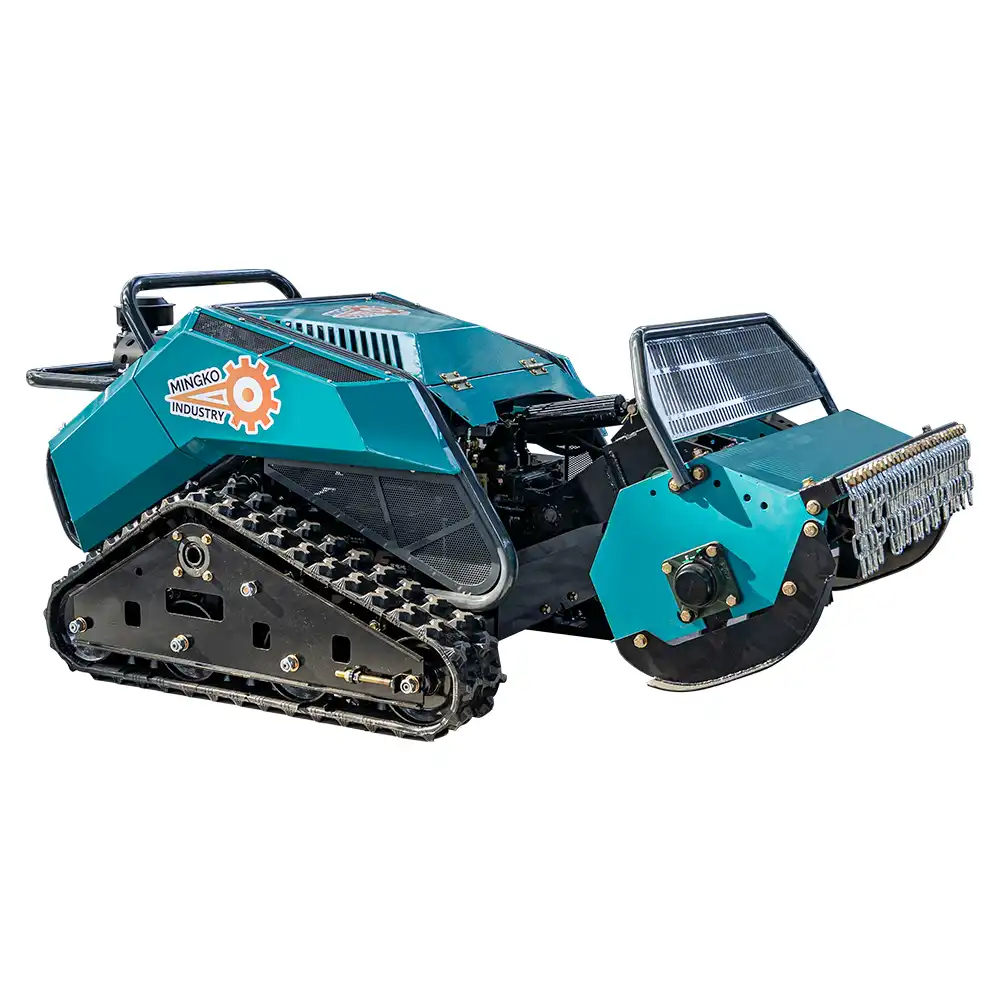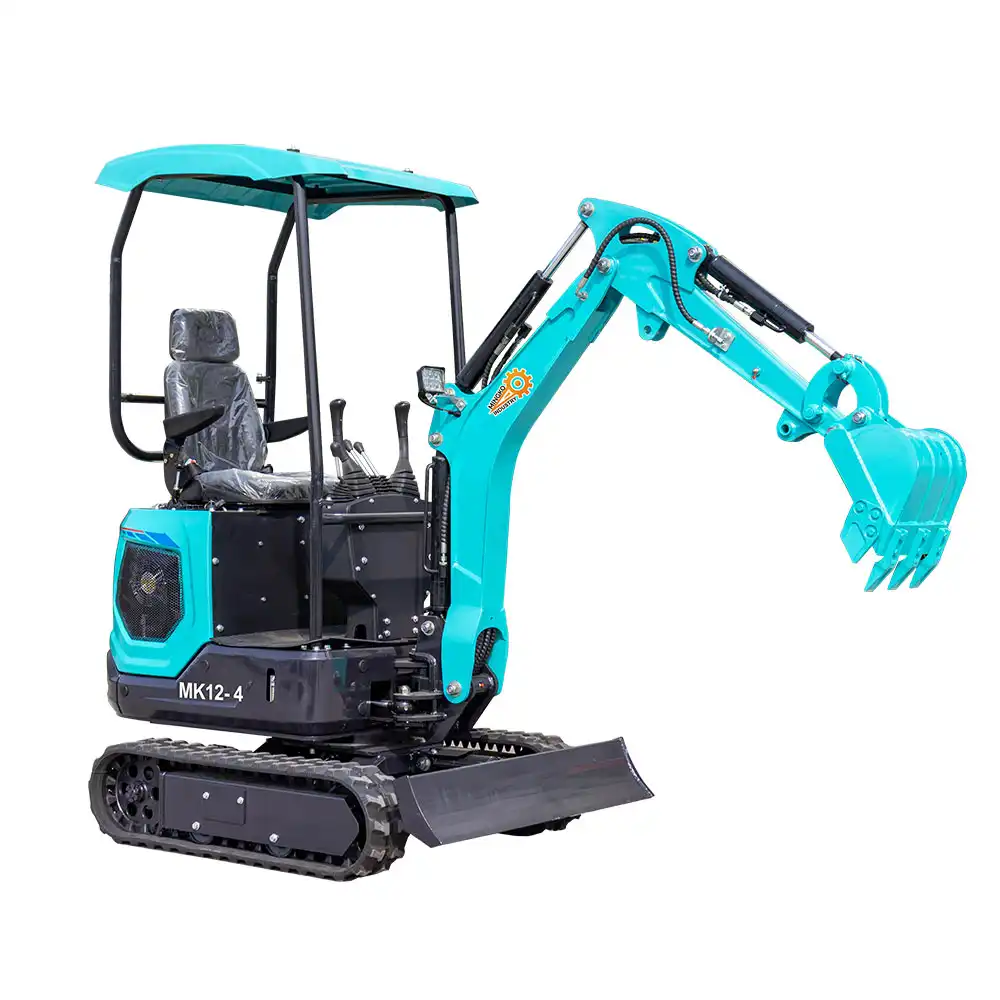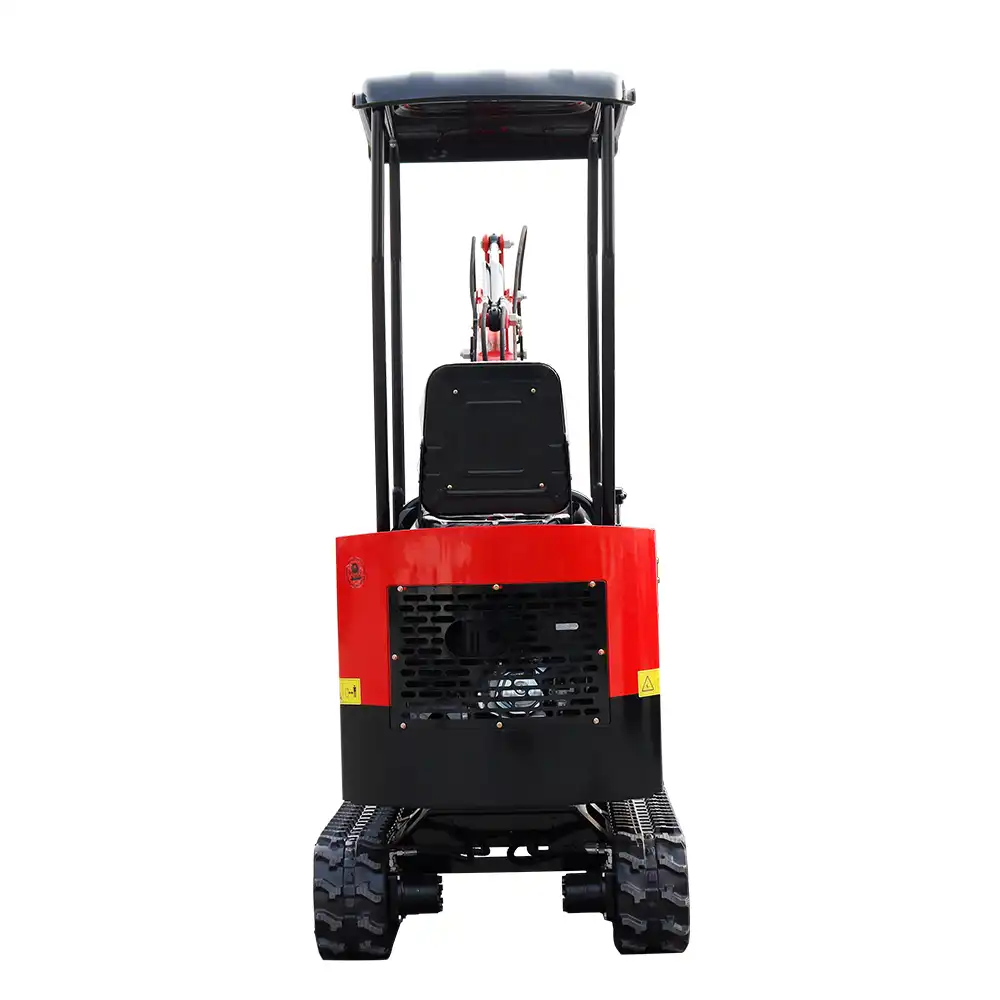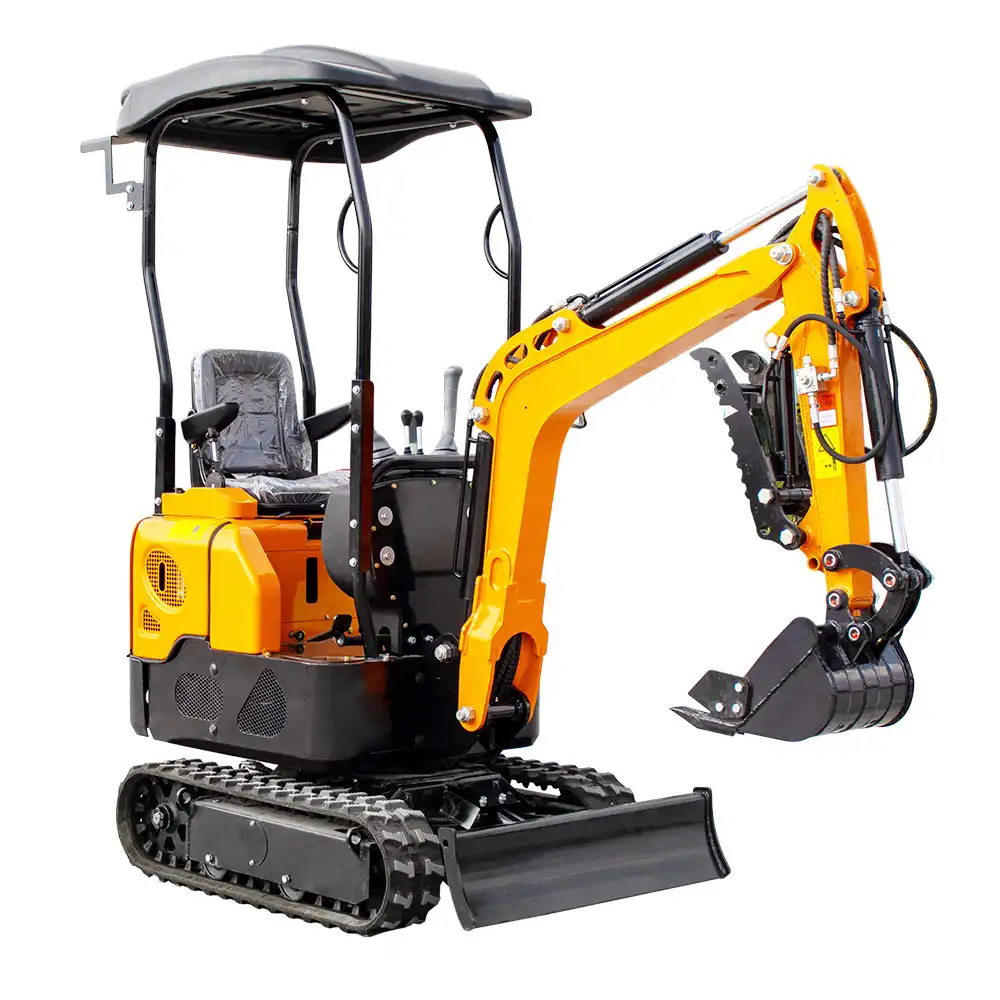
What Maintenance Tips Keep a 450 Mini Skid Steer Loader in Top Condition?
To keep a 450 Mini Skid Steer Loader running at its best, it needs a strict maintenance schedule that includes taking care of the engine, monitoring the hydraulic system, checking the fluids, and regularly inspecting the tools and safety features. Regular maintenance not only makes equipment last longer, but it also keeps it from breaking down, which can be costly. This will ensure that your compact loader continues to work well for digging, moving materials, and gardening. By servicing this machine at the maker's suggested intervals and addressing wear signs promptly, operators can maximize its performance and protect their investment.
Understanding the Key Maintenance Challenges of the 450 Mini Skid Steer Loader
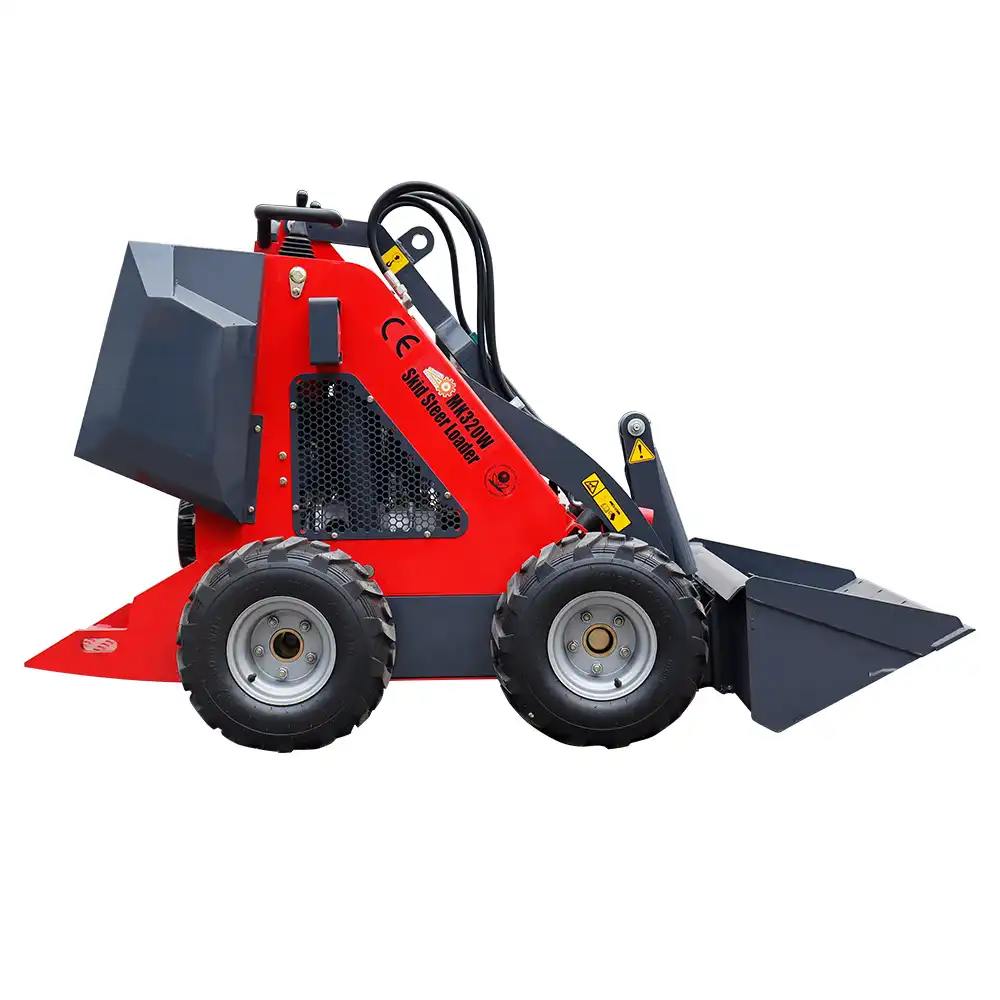
When using a small 450 Mini Skid Steer Loader in tough conditions, it puts important parts at risk of wearing out faster and possibly breaking. Shandong Mingko Industry Corporation makes the MK450 model. It has a light 960 kg frame and a strong 23 hp engine, which makes it perfect for small job sites. But because it's small, the parts have to work harder when they're loaded, especially when lifting the machine's highest weight of 450 kg or using tools that have extra flow rates of 45 L/min.
Common Wear Points and Environmental Stressors
Every day, hydraulic systems are put under a lot of stress, especially when they have to change attachments or do heavy work for a long time. Ingress of dust into the engine and hydraulic fluid is very bad for them, and water makes rust form faster on metal surfaces and electrical connections. Extreme temperatures make these problems even worse because they cause seals to crack in cold weather and fluids to thin out in sweltering weather.
The Cost of Reactive Maintenance
A lot of machine breakdowns happen because users miss warning signs during normal use. Ignoring a slow hydraulic reaction, strange engine sounds, or small fluid leaks can lead to big fixes in the future. From working with landscaping and building companies across the US, we know that companies that do reactive maintenance end up spending about 40% more on fixes each year than those that do preventive maintenance. Fixing problems early on extends the life of parts and keeps their resale value.
Proactive Maintenance Planning
Putting in place regular checks that follow the manufacturer's instructions changes how reliable the equipment is. The MK450 has set service intervals that are based on its individual gasoline engine configuration—either the B&S EPA/Euro 5 23 HP or the Hongda GX690 23 HP, which have different care needs. Keeping track of working hours and weather conditions helps us figure out when we need to fix parts before they break down during key project stages.
Essential Daily and Weekly Maintenance Tasks for Optimal Performance
Setting up regular checking habits is the first step to making sure that tools will work well for a long time. When operators spend fifteen minutes doing preventative jobs before they start work and thirty minutes a week doing them, their machines break down less often and run more smoothly over the course of their service life.
Daily Pre-Operation Inspection Protocol
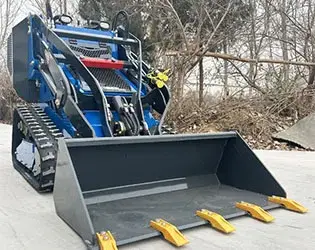
Every morning starts with a visual walk-around to identify problems that are easy to see. Checking the state and pressure of the tires makes sure that the vehicle can handle rough terrain, and checking the hydraulic lines for cracks, cuts, or leaky connections keeps the system from breaking down suddenly. It is important to check the 0.15 cbm bucket and connection places for loose pins or too much play that could make lifting activities less safe.
During daily checks, we need to look at fluid levels right away. The dipstick for engine oil should show a reading in the right range, and hydraulic fluid tanks need to have enough fluid to keep the pump from cavitating. The right amount of coolant keeps the gasoline engine from getting too hot when it's being used for a long time. This is especially important when working in warm places or moving big things for a long time that are close to the 450-kilogram maximum capacity.
Weekly Preventive Maintenance Actions
Deeper repair jobs done once a week protect the integrity of the system and extend the life of its parts. Putting oil on pivot points, bucket cylinder pins, and connection mounting plates lowers friction and keeps them from wearing out too quickly. Depending on how much dust is in the air, the air filter needs to be cleaned or replaced because a lack of airflow affects engine speed and fuel economy.
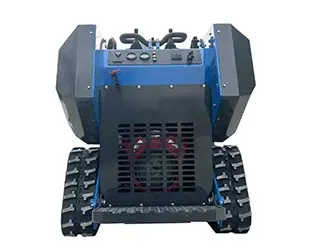
To keep heat moving as efficiently as possible, radiator fans and other parts of the cooling system should be cleaned thoroughly. Getting rid of the pile of dirt keeps the engine from getting too hot, which could damage internal parts or shorten its useful life. Checking and tightening the bolts all over the frame, especially around where the engine is mounted and where the hydraulic pump is connected, stops vibration-related problems that could stop equipment without warning.
Real workers who are in charge of small fleets of equipment say that writing down these routine jobs in repair logs helps them find trends before they become problems. For example, keeping track of how much fluid is being used can show developing leaks or parts that aren't working as well as they should, which needs to be looked into more by trained techs.
Engine and Fuel System Maintenance for Longevity and Fuel Efficiency
The gasoline engine that powers the MK450 is a big part of what makes the machine valuable and useful. Engine upkeep is important for operators who want to save money because it directly affects how much fuel the engine uses, how much power it produces, and how long it lasts between big overhauls.
Petrol Engine Service Requirements
In contrast to diesel engines, gasoline engines need to have their spark plugs, ignition timing, and carburetor adjusted. During the break-in phase, oil changes should be done every 50 hours on both the B&S EPA/Euro5 23HP and the Hongda GX690 23HP engines. After that, the intervals should be 100 hours. Using the oil types recommended by the maker guarantees proper lubrication in the wide range of temperature conditions found in the United States.
Maintaining the air filter is especially important for gasoline engines because dirty air changes the fuel blend ratios and the efficiency of burning. When working in dusty places, operators should check the filters every 25 hours and replace them if they see a lot of debris piling up. A clean air intake system keeps the power output steady and stops gritty particles from wearing out the engine too quickly.
Fuel Quality and System Care
The quality of gasoline varies a lot between providers and areas. For effective operation, fuel systems need to be maintained. Using new fuel keeps carburetors and fuel lines from getting gum and varnish buildup, and adding fuel detergent makes storage last longer during the off-season. The MK450's small 1030mm width makes it popular for use in tight workspaces and indoor areas where proper fuel handling keeps smoke from building up.
Before contaminants reach the engine, they are caught by fuel filters. This keeps sensitive parts from getting damaged. If you replace these filters as recommended by the repair plan, flow restrictions won't happen, which will lower power and make the car use more fuel. Also, operators should drain fuel systems before putting equipment away for long periods of time to keep it from rusting and having trouble starting when it is put back into service.
Comparing Maintenance Requirements Across Power Options
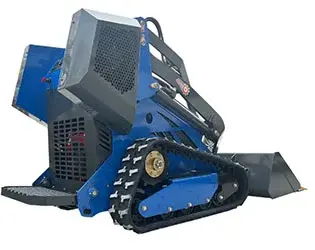
Businesses can choose equipment that works best for them by learning about the changes in upkeep between gasoline and electric compact loaders. Petrol engines need to be serviced more often, but they can run for longer periods of time without needing to be recharged. The MK450's tried-and-true engine platforms make parts and repairs available all over North America. This makes downtime less of a worry for businesses that work in remote areas or on multiple job sites.
Maintenance of Attachments and Hydraulic Systems: Maximizing Versatility
The MK450's extra hydraulic flow rate of 45 L/min lets various tools work, such as augers, trenchers, brush cutters, and grapples. Each type of connection has its own set of upkeep needs that keep it working and keep the loader's hydraulic system from breaking.
Attachment-Specific Care Procedures
When using bucket extensions, you need to check the cutting edges and fastening plates for damage or wear on a regular basis. For the normal 0.15cbm bucket, replacing the bolt-on cutting edges on a regular basis keeps the bucket body from wearing out, which saves money on repairs. Cleaning the inside of the buckets of any built-up material keeps weight from building up, which lowers the pulling capacity below the estimated maximum of 450 kg.
Specialized devices, like augers, need to have grease applied to the gear housings and drive systems in a way that follows the manufacturer's instructions. Attachment hydraulic motors need clean oil flow, so in-line filtering and regular fluid changes are necessary to keep the insides from getting damaged. The parts that connect extensions to the 450 mini skid steer loader need to be checked for wear patterns that could let them separate accidentally while they're working.
Hydraulic System Health Management
Keeping the hydraulic fluid clean is the best way to make all the parts last longer in the system. Pumps, cylinders, and control valves wear out faster when they are contaminated by old seals, outside dirt, or fluid that has been broken down. By sending samples of hydraulic fluid to a lab once a year for analysis, you can find out how contaminated it is and how much of an addition is left before they cause problems with how it works.
If a leak is found during regular checks, it needs to be fixed right away. Even small amounts of seepage waste expensive hydraulic fluid and add contaminants that make the system wear out faster. Replacing broken lines, fittings, or cylinder seals right away keeps the 45L/min flow rate needed for proper connection operation and keeps the surroundings clean.
Before contaminants can move through sensitive parts, hydraulic filter elements catch them. If you replace these filters at the suggested times, the bypass valve won't open, which lets oil that hasn't been filtered flow through when the elements get stuck. When hydraulic systems are clean, they work better, making less heat and giving smoother control responses when precision work is being done.
Safety Features, Inspections, and Maintenance Best Practices
When it comes to servicing, operator safety systems need the same careful attention as production parts. If there are safety features that always work in an emergency, they're there to avoid accidents and lower risk, so maintaining them should be a business priority, not an extra service.
Control System Verification
Testing the working controls before each shift makes sure that the steering, drive, and hydraulic systems work as expected when the operator presses a button. Sticking or binding controls indicate that the links need adjustment or lubrication. A delayed reaction means that there are problems with the hydraulic system that need to be diagnosed by a professional. With a width of 1030mm, the MK450's small size makes it useful in tight areas where careful control keeps it from running into things or people.
Operator Training and Maintenance Awareness
By teaching machine workers basic maintenance indicators, you give them the power to spot problems before they get worse. By teaching people how to recognize strange sounds, movements, or changes in performance, you can add early warning systems to your regular checks. When operators know how their actions affect the life of the equipment, they tend to be more careful and report problems quickly.
Warranty Compliance and Authorized Service
Keeping thorough records of service makes sure that the warranty coverage lasts as long as the protection time does. The 12-month guarantee that comes with every MK450 covers manufacturing flaws and gives free replacement parts. However, you have to show proof that you've been maintaining your machine properly. Using original Meeko parts during fixes keeps the equipment in good shape and makes sure it works with the way it was designed in the first place.
Authorized sellers know a lot about compact loader systems and can get technical notes that deal with problems that have already been reported. Their knowledge helps a lot when trying to figure out what's wrong with something complicated or when replacing important parts in a way that needs to be done exactly right. Having a network of qualified service providers cuts down on the time it takes to respond to emergencies and makes sure that repairs are done according to maker standards, which protects the worth of the equipment.
Conclusion
To keep a small 450 mini skid steer loader in excellent shape, the engines, hydraulics, accessories, and safety systems need to be inspected and serviced on a regular basis. When you do regular maintenance on the MK450, its mix of lightweight, strong performance, and a wide range of attachments makes it a fantastic deal. When operators put time into preventive care, they get less downtime, lower costs, and longer machine life, which increases their return on investment. Keeping track of repair tasks creates useful service records that help with warranty claims and raise the value of used equipment when it's time to sell it. Partnering with experienced makers that offer full support ensures that servicing problems get expert advice and that real parts are easy to find.
FAQ
How Often Should Professional Servicing Be Scheduled?
Professional, thorough checks should happen every 250 hours of operation or once a year, whichever comes first. Technicians do thorough tests, analyses of hydraulic systems, and measurements of parts that find wear patterns before they lead to breakdowns. Seasonal businesses gain from service before the season starts, which makes sure they're ready when workloads rise.
What Warning Signs Indicate Urgent Maintenance Needs?
Strange noises, rapid power loss, irregular hydraulic function, or fluid leaks must be looked into right away before operation can continue. Ignoring these warning signs could lead to catastrophic failures that leave equipment stranded or cause safety risks. Stopping work to deal with symptoms keeps small problems from getting worse and costing a lot to fix, which means more breaks.
Can Operators Perform All Maintenance Tasks Independently?
Daily and weekly maintenance jobs are easy for operators and only need basic tools. More complicated fixes, on the other hand, need to be done by a professional. Knowing your own limits keeps you from making fixes that aren't safe or don't follow the manufacturer's instructions. By working with approved dealers, you can be sure that you will have access to qualified techs when your compact loader needs specialized service.
Partner with Meeko for Comprehensive 450 Mini Skid-Steer Loader Support
Shandong Mingko Industry Corporation does more than just sell tools. We offer full lifetime support that makes the most of your compact loader investment. We are a well-known manufacturer of 450 mini skid steer loaders with over 15 years of experience working with customers around the world. We offer factory-direct prices, customization starting with single units, and quality that is ISO 9001-certified. Our standing as a National High-Tech Enterprise shows that we are always coming up with new ways to make small pieces of equipment. Please email our skilled team at sales@mingkomach.com to talk about upkeep plans, the availability of genuine parts, and service options that are specifically designed to meet your needs. We are ready to help your business succeed by providing quick expert support and equipment that works well.
References
1. Smith, J.R. (2022). Compact Equipment Maintenance Strategies for Construction Professionals. Industrial Press.
2. Martinez, L.K. & Thompson, D.W. (2021). "Hydraulic System Longevity in Small Loaders," Journal of Construction Equipment Management, 18(3), 145-162.
3. Anderson, P.T. (2023). Preventive Maintenance Economics for Small Equipment Fleets. McGraw-Hill Professional.
4. Wilson, S.A. (2020). "Engine Care Protocols for Petrol-Powered Compact Machinery," Equipment Maintenance Quarterly, 12(4), 78-91.
5. Chang, M.H. (2022). Attachment Maintenance Best Practices for Skid Steer Applications. Wiley Engineering.
6. Roberts, K.L. (2021). "Safety System Reliability in Compact Construction Equipment," Occupational Safety Review, 29(2), 210-228.